Montana Apartment Rules and Regulations
What is this form?
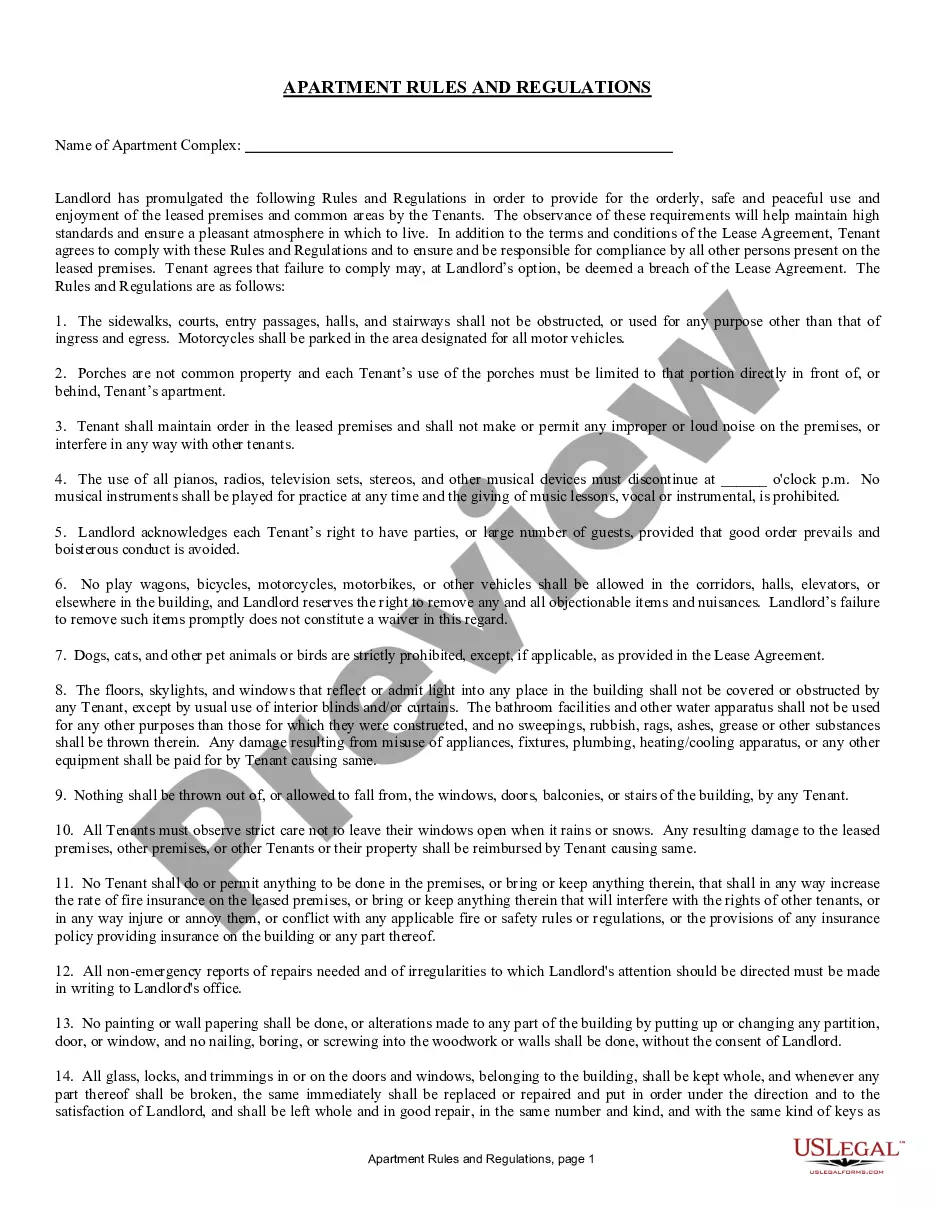
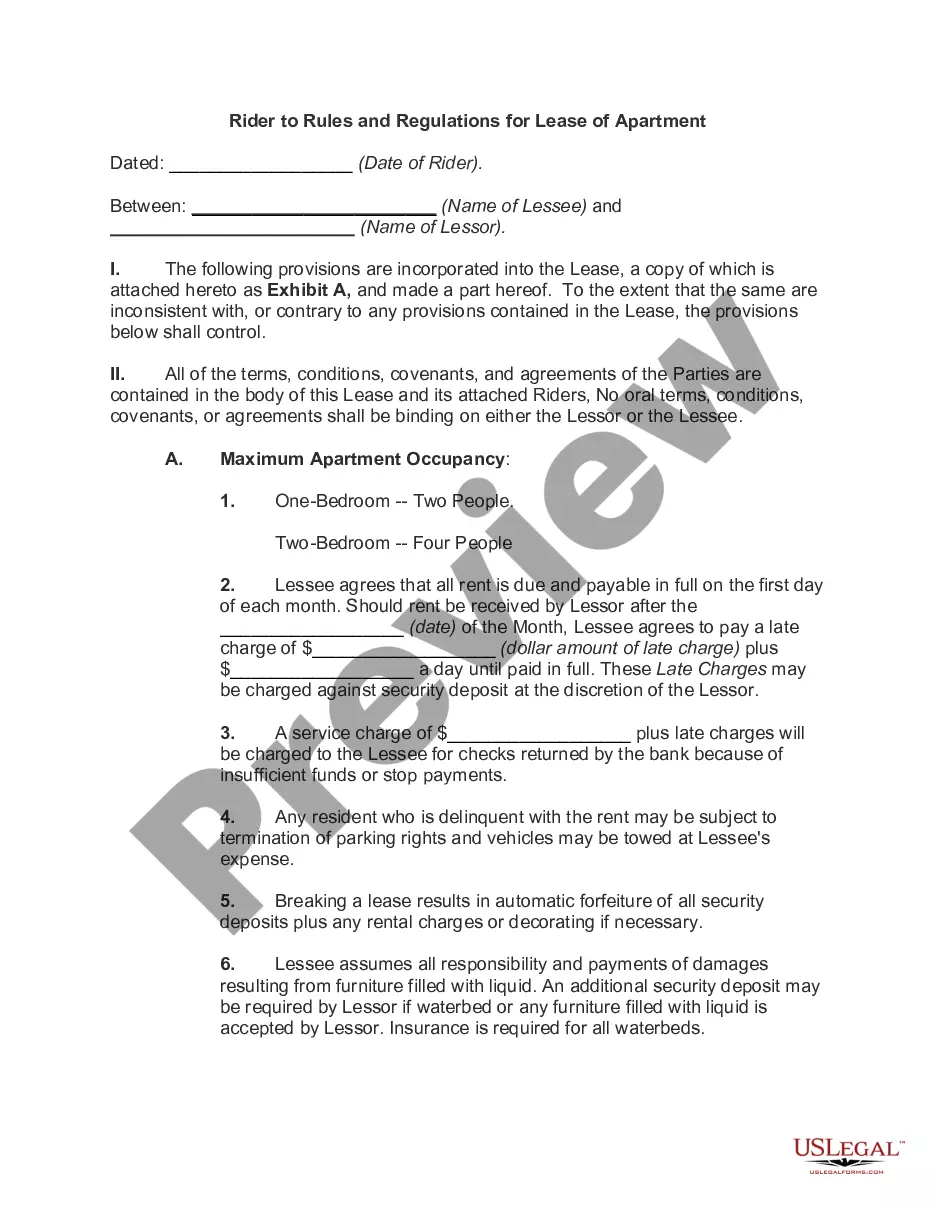
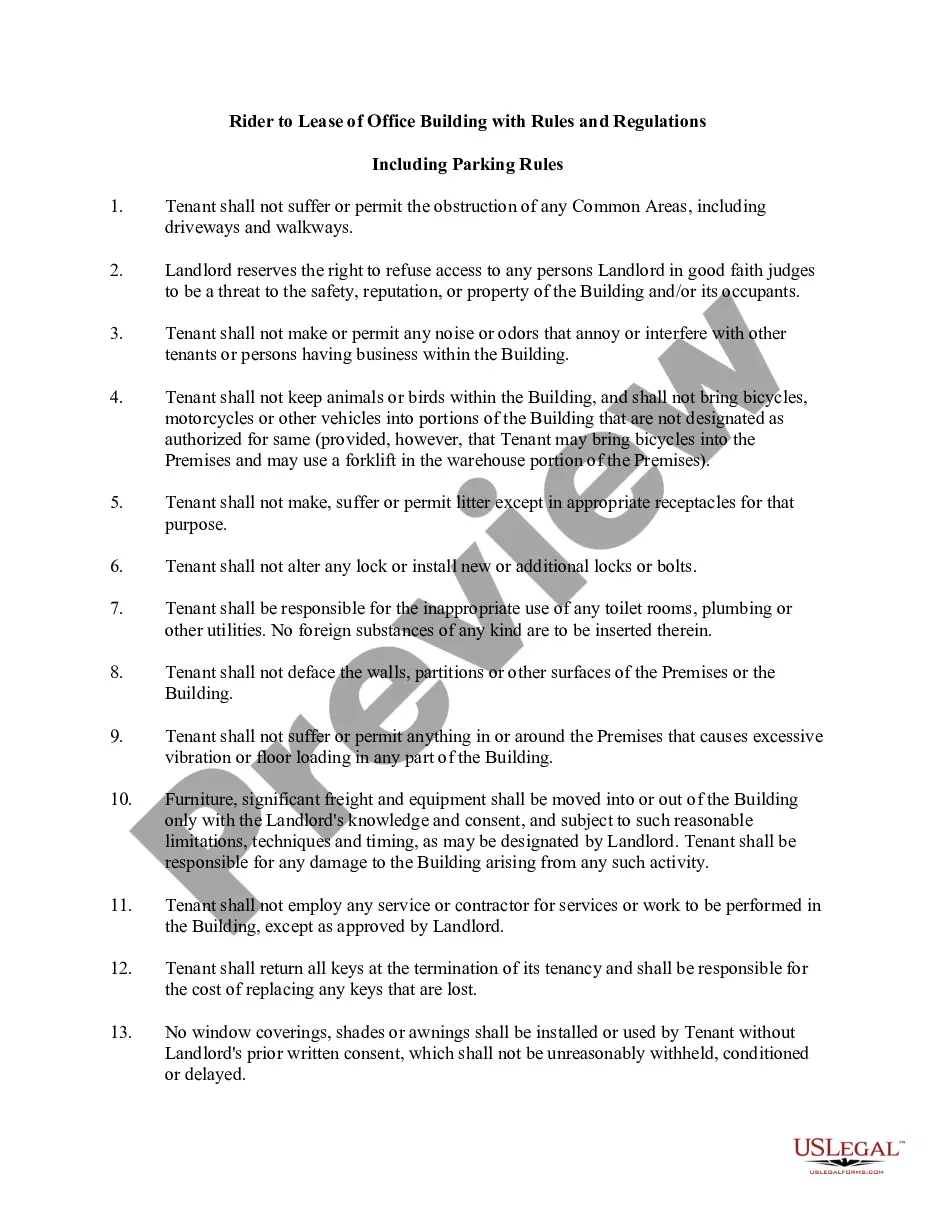
The Apartment Rules and Regulations form is a legal document that outlines standard rules tenants must adhere to within an apartment complex. This form supplements the Apartment Lease Agreement by providing specific guidelines regarding tenant behavior, property use, and shared spaces. It serves to promote a safe and harmonious living environment for all residents.
Form components explained
- Rules regarding the use of common areas such as sidewalks, halls, and stairways
- Policies on noise levels and use of musical instruments
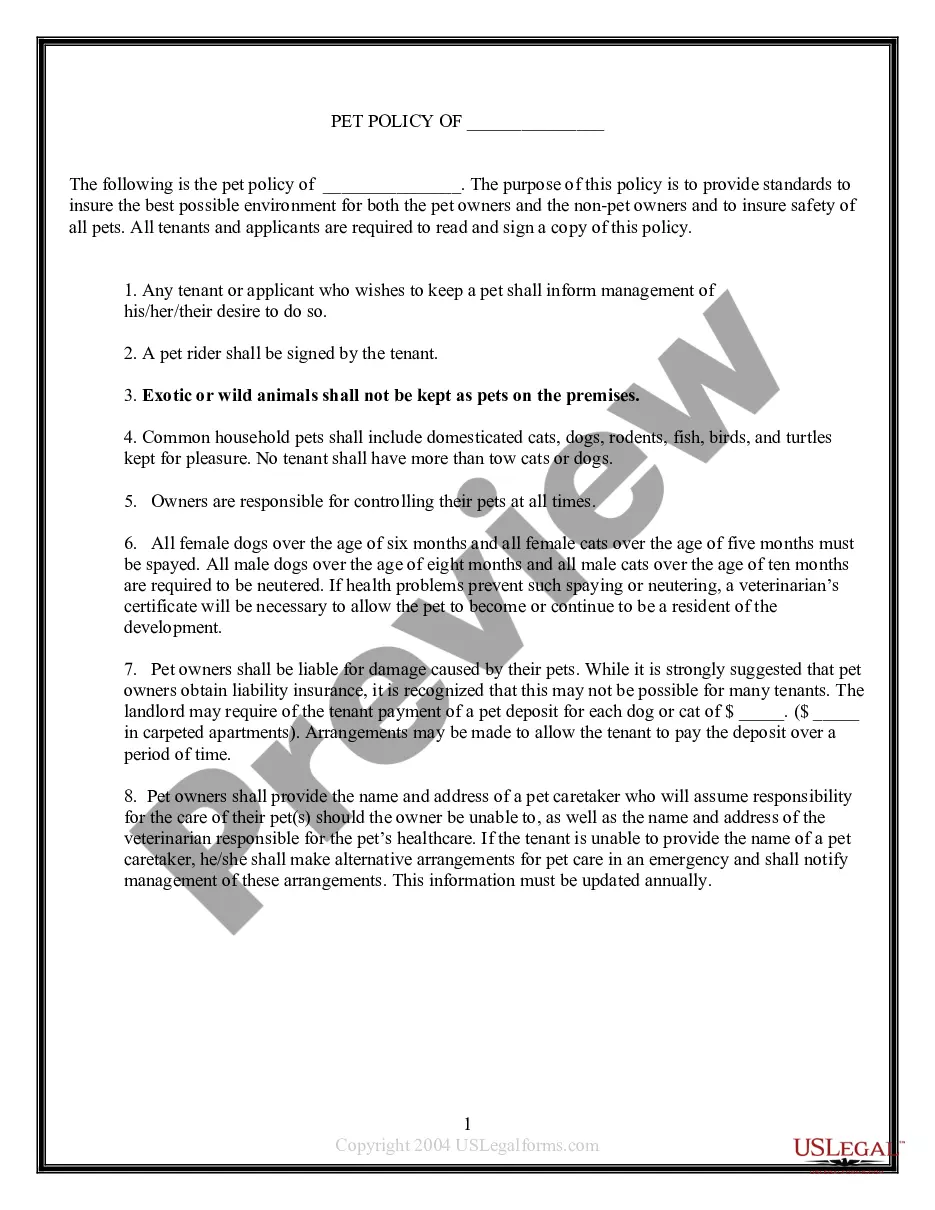
- Regulations on pet ownership and maintenance of property aesthetics
- Guidelines for reporting maintenance issues and required repairs
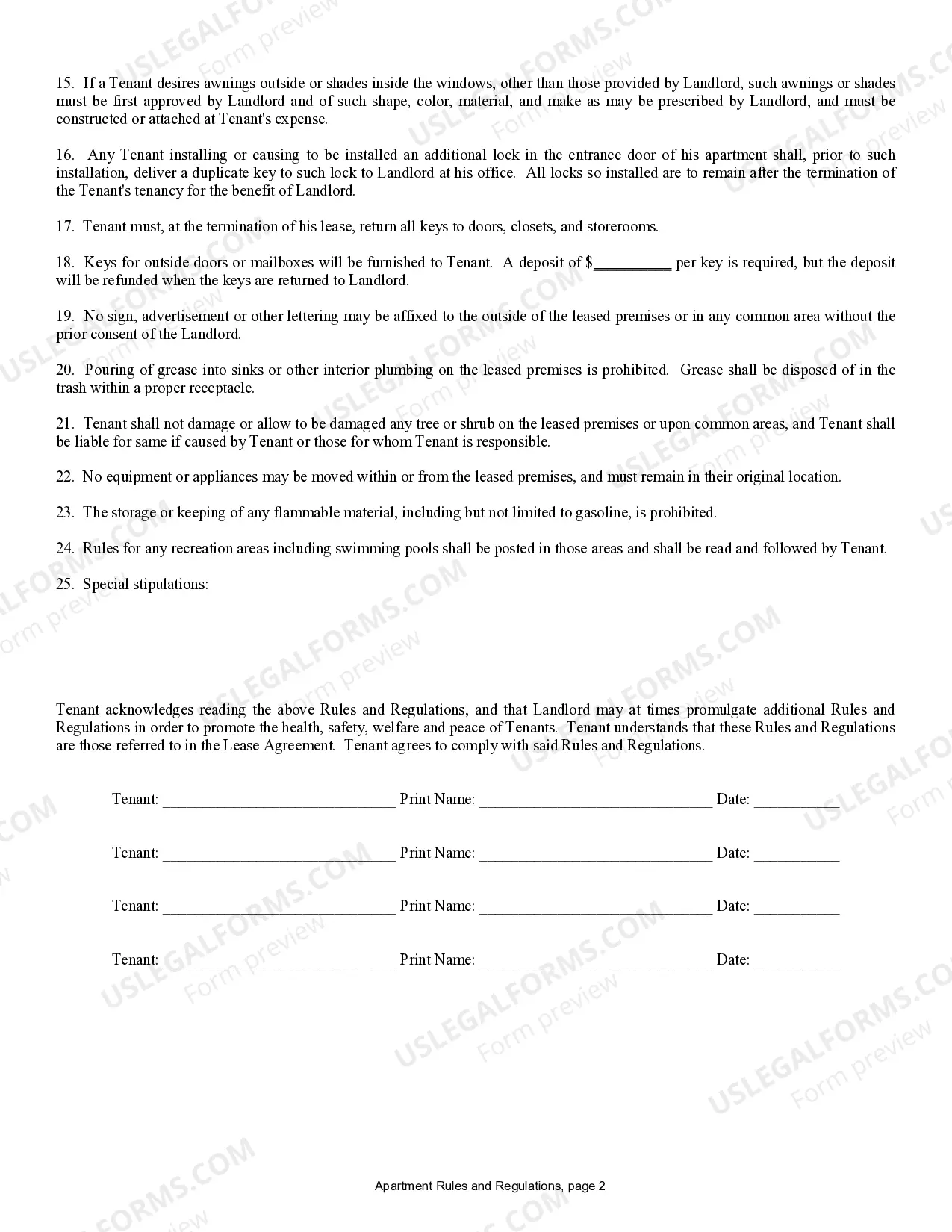
- Rules on the installation of locks and alterations to the apartment
- Consequences for non-compliance, including potential breach of the lease agreement
Situations where this form applies
This form should be used whenever a landlord wants to establish clear expectations for tenant behavior and responsibilities in a shared living environment. It is essential for maintaining order and ensuring all tenants agree to abide by these standard rules, particularly when a lease is signed or renewed.
Who this form is for
- Landlords managing rental properties
- Property management companies overseeing multiple tenants
- Tenants who need clarity on shared living agreements
How to prepare this document
- Write the name of the apartment complex at the top of the form.
- Review each rule and ensure it is clearly understood by all parties.
- Have each tenant print their name and date after agreeing to the rules.
- Provide a space for tenants to sign and date, indicating their acceptance of the rules.
- Maintain a copy of the signed form for your records and distribute copies to all tenants.
Notarization guidance
This form usually doesn’t need to be notarized. However, local laws or specific transactions may require it. Our online notarization service, powered by Notarize, lets you complete it remotely through a secure video session, available 24/7.
Get your form ready online
Our built-in tools help you complete, sign, share, and store your documents in one place.
Make edits, fill in missing information, and update formatting in US Legal Forms—just like you would in MS Word.
Download a copy, print it, send it by email, or mail it via USPS—whatever works best for your next step.
Sign and collect signatures with our SignNow integration. Send to multiple recipients, set reminders, and more. Go Premium to unlock E-Sign.
If this form requires notarization, complete it online through a secure video call—no need to meet a notary in person or wait for an appointment.
We protect your documents and personal data by following strict security and privacy standards.

Make edits, fill in missing information, and update formatting in US Legal Forms—just like you would in MS Word.

Download a copy, print it, send it by email, or mail it via USPS—whatever works best for your next step.

Sign and collect signatures with our SignNow integration. Send to multiple recipients, set reminders, and more. Go Premium to unlock E-Sign.

If this form requires notarization, complete it online through a secure video call—no need to meet a notary in person or wait for an appointment.

We protect your documents and personal data by following strict security and privacy standards.
Common mistakes to avoid
- Not having all tenants sign the form, which can lead to misunderstandings.
- Failing to communicate the rules effectively, resulting in non-compliance.
- Ignoring local regulations that may need to be included in the rules.
Benefits of using this form online
- Easy download and accessibility at any time, creating convenience for landlords and tenants.
- Editable format that allows landlords to tailor rules to their specific property needs.
- Reliable templates drafted by licensed attorneys, ensuring legal compliance.
Legal use & context
- This form is enforceable as part of the lease agreement when acknowledged and signed by tenants.
- It establishes clear guidelines that may assist in preventing disputes among tenants.
- Non-compliance with these regulations may be treated as a breach of the lease agreement, allowing for potential legal action.
Key takeaways
- The Apartment Rules and Regulations form ensures clarity in tenant expectations.
- Landlords should ensure all tenants sign and understand the rules for harmonious living.
- Regular updates to the rules may be necessary based on community needs and legal requirements.
Looking for another form?
Form popularity
FAQ
Vermont ranked first among the renter-friendly states, followed closely by Delaware and Hawaii who were tied for second place. Rhode Island, Arizona, D.C., Maine and Alaska Statutes also seem to take good care of their renters according to our analysis.
This question is about Montana Landlord Tenant RightsMontana is fairly landlord-friendly as there is not state-wide rent control and landlords have relatively few regulations as far as evictions proceedings are concerned.
Keep your rented properties safe and free from health hazards. make sure all gas and electrical equipment is safely installed and maintained. provide an Energy Performance Certificate for the property. protect your tenant's deposit in a government-approved scheme.
Fundamental responsibilities of landlords include: providing and maintaining the property in a clean and reasonable standard; giving proper receipts and maintaining records of all transactions pertaining to the tenancy; paying council rates and taxes; maintaining locks to ensure the property's security; and lodging the
Wyoming is a landlord-friendly state, that doesn't mess around when it comes to late rent. Landlords have the right to enter a tenant's apartment without notice if the tenant is more than three days late on the rent, and landlords can terminate a lease after three days of nonpayment of rent.
Indiana. Indiana laws allow landlords to hold on to security deposits for 45 days to give them time to determine any damages caused by tenants. Colorado. Colorado is one of few states that allow landlords to access the rental property without an advance notice requirement. Georgia.
1- Vermont. 2- Delaware. 3- Oregon. 4- Rhode Island. 5- Nevada.
This includes keeping the property clean, safe and habitable. The landlord must adhere to all building codes, perform necessary repairs, maintain common areas, keep all vital services, such as plumbing, electricity, and heat, in good working order, must provide proper trash receptacles and must supply running water.
Generally, you have all the rights of a month-to-month tenant. Your landlord must give you 30 days' notice to terminate your rental agreement, unless the landlord alleges some violation that allows for shorter notice. For example, if you are behind on rent, the landlord could give you a 3 day notice to pay or vacate.