District of Columbia Siding Contract for Contractor
What this document covers
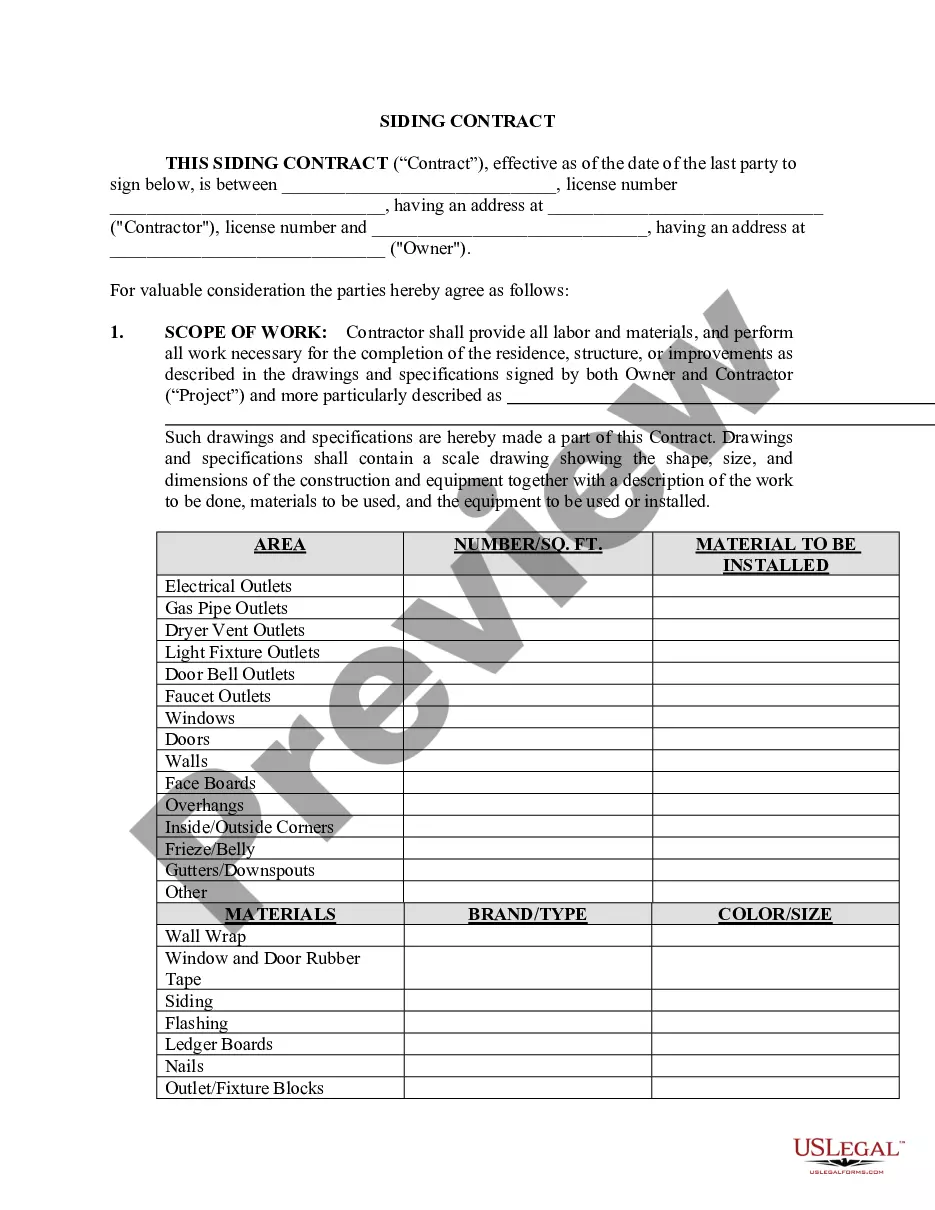
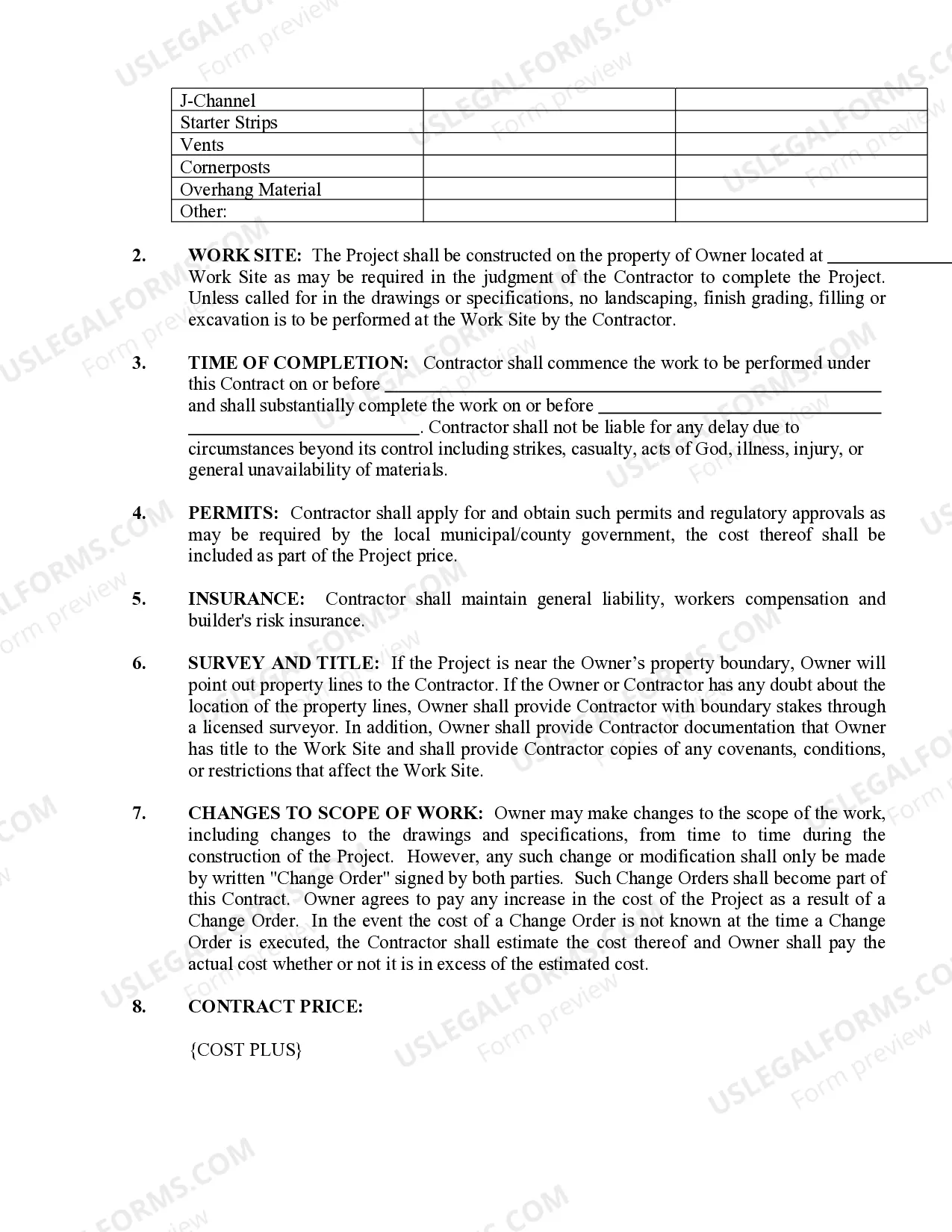
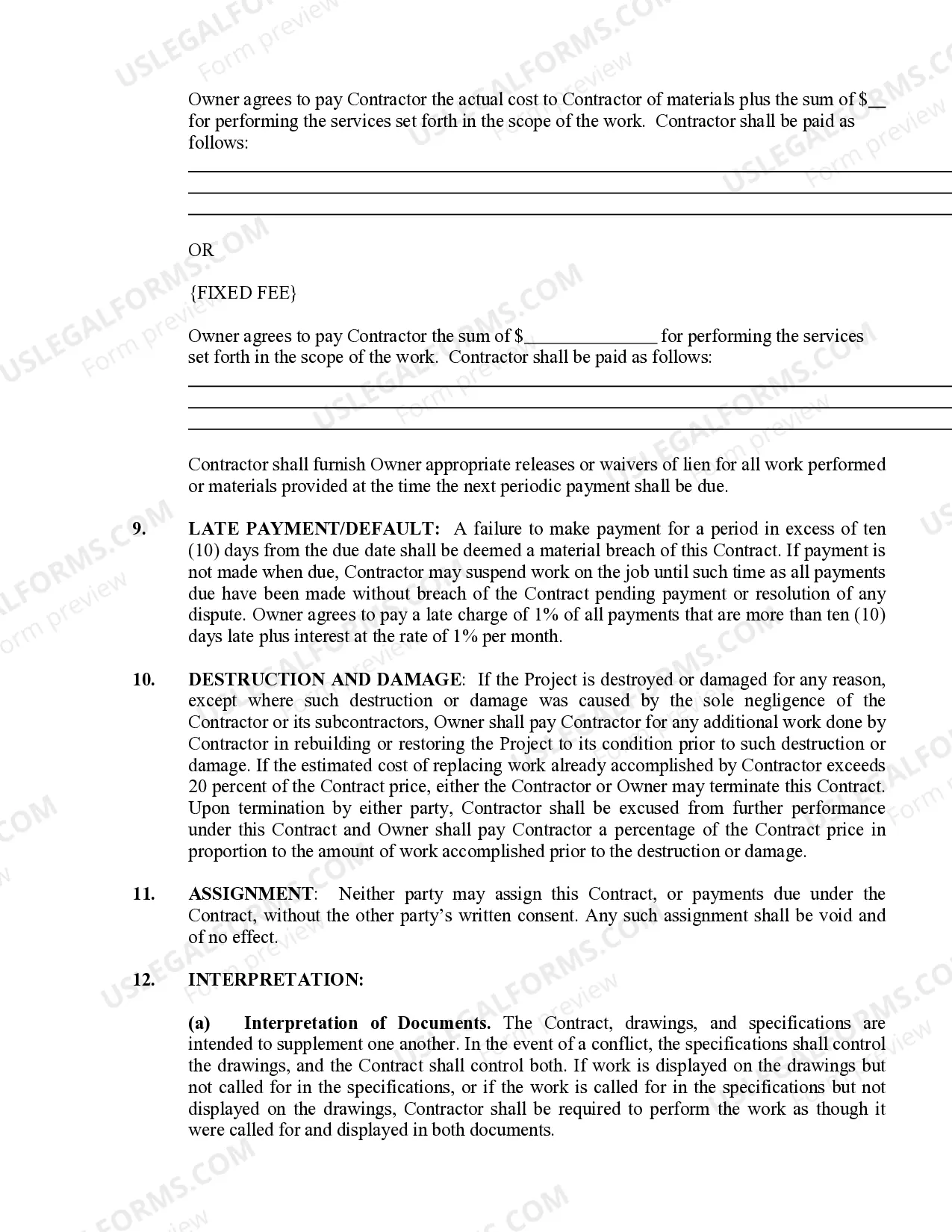
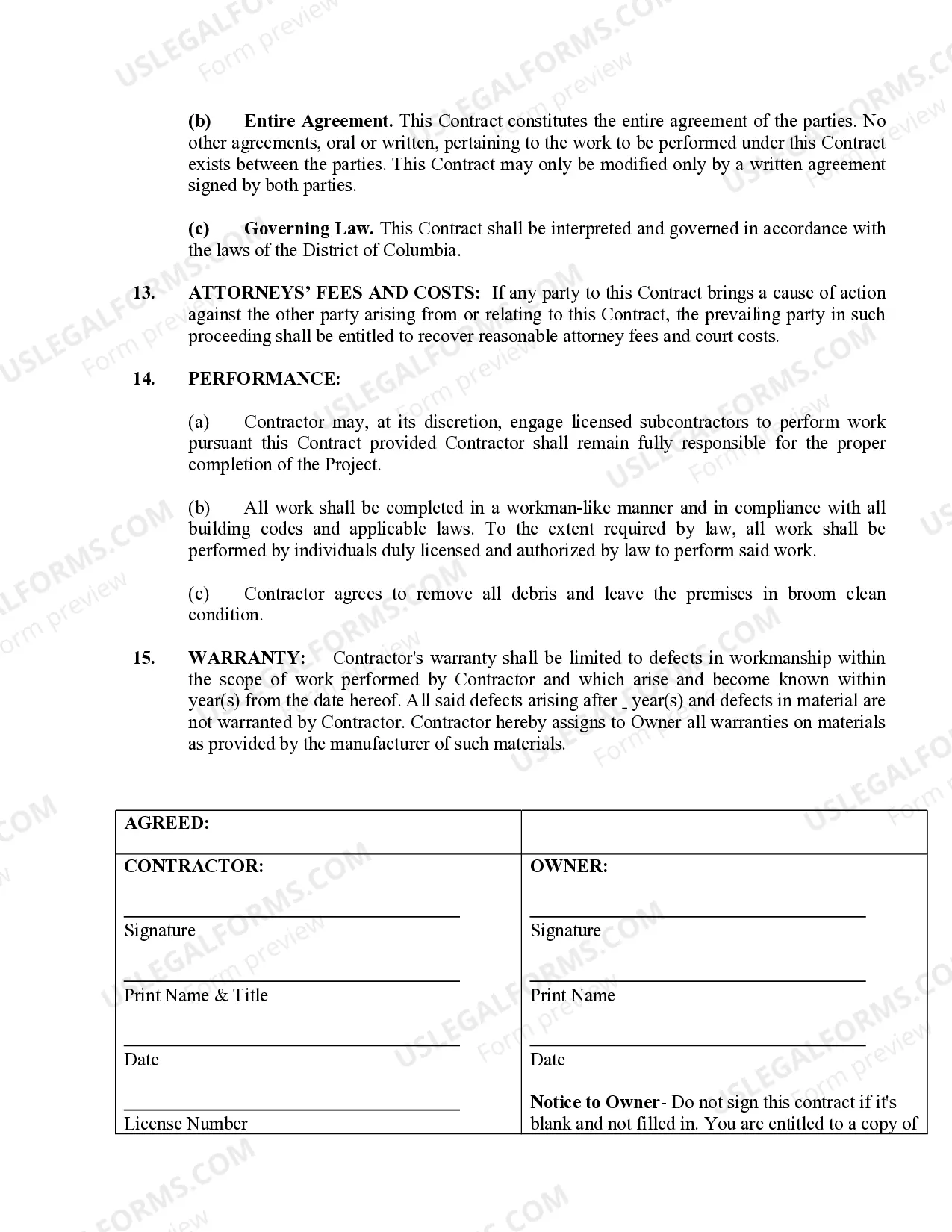
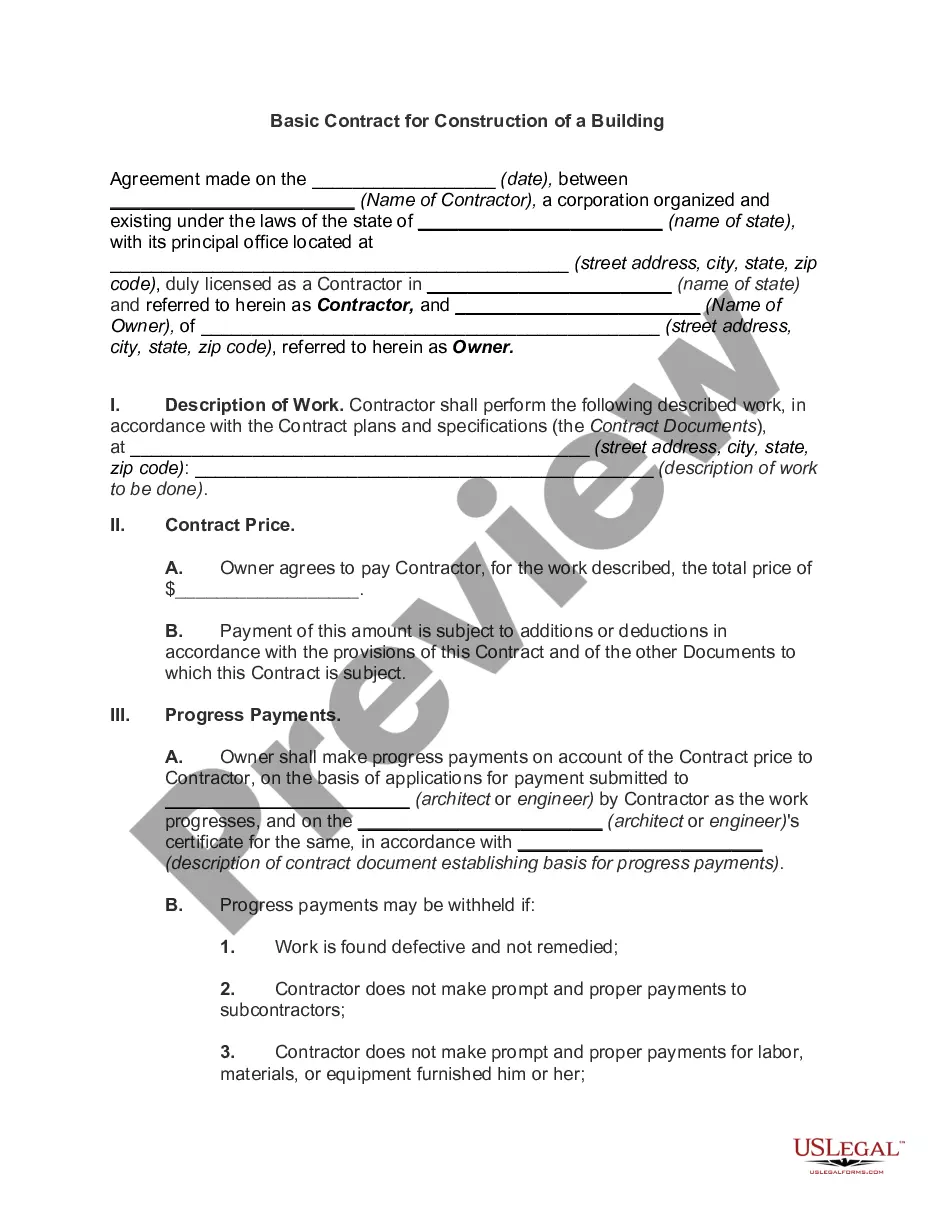
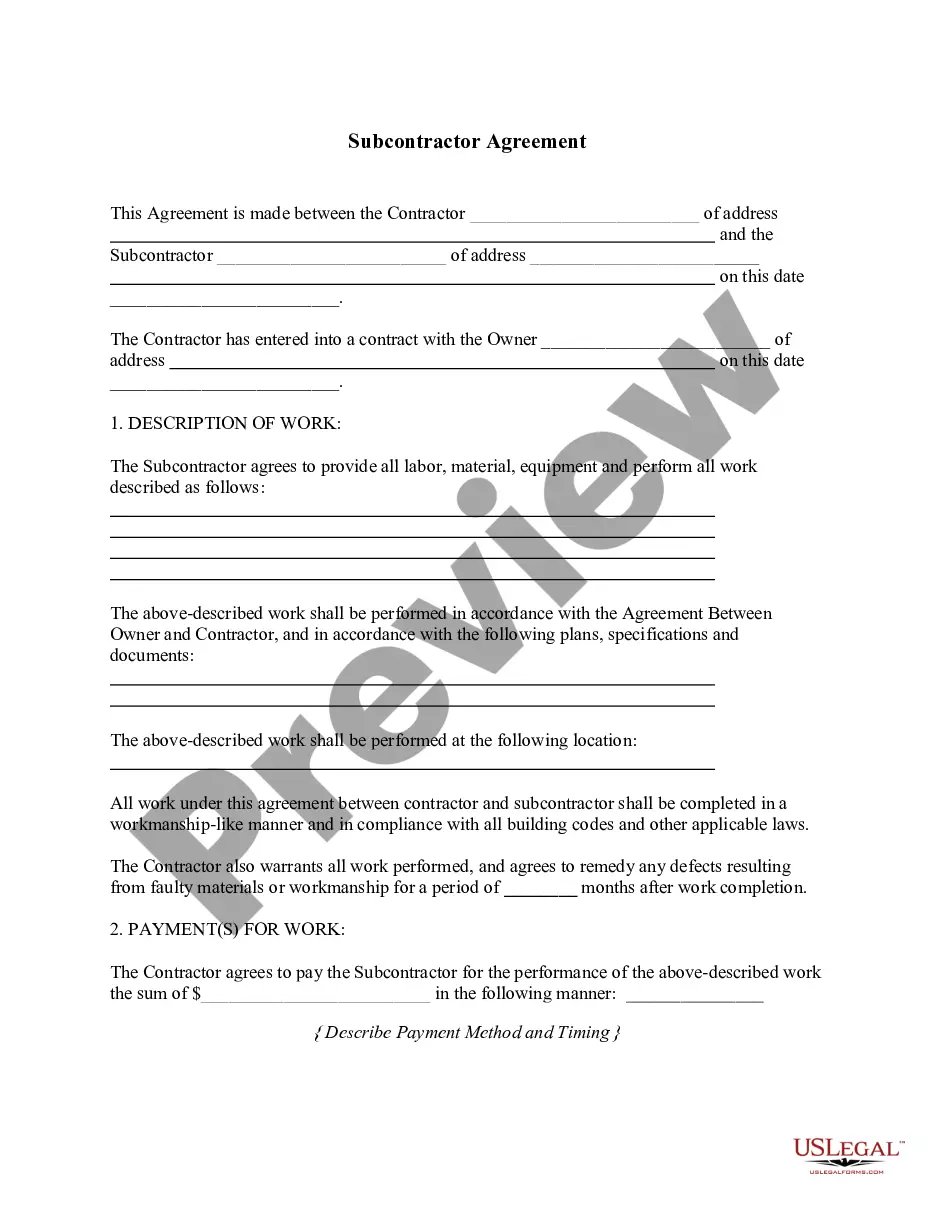
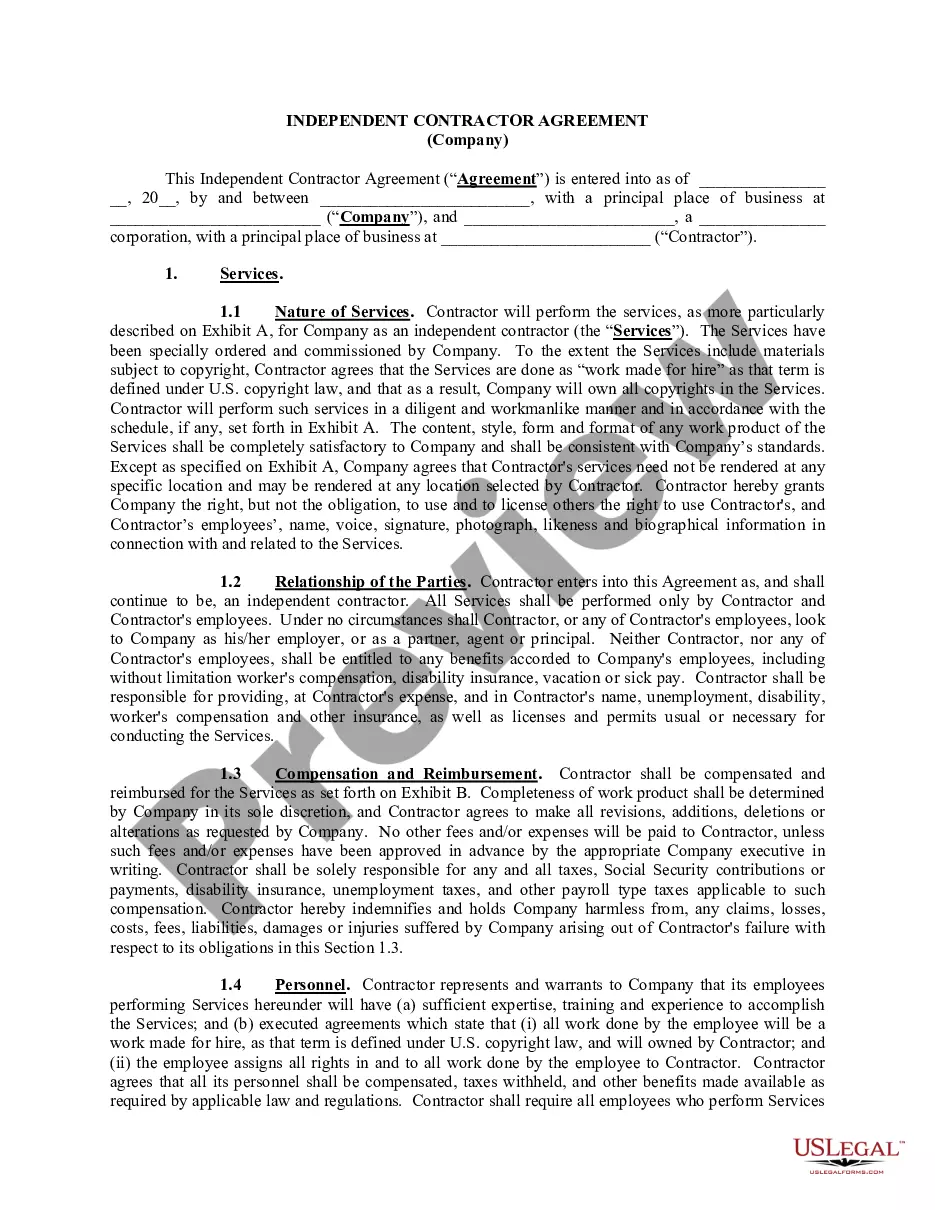
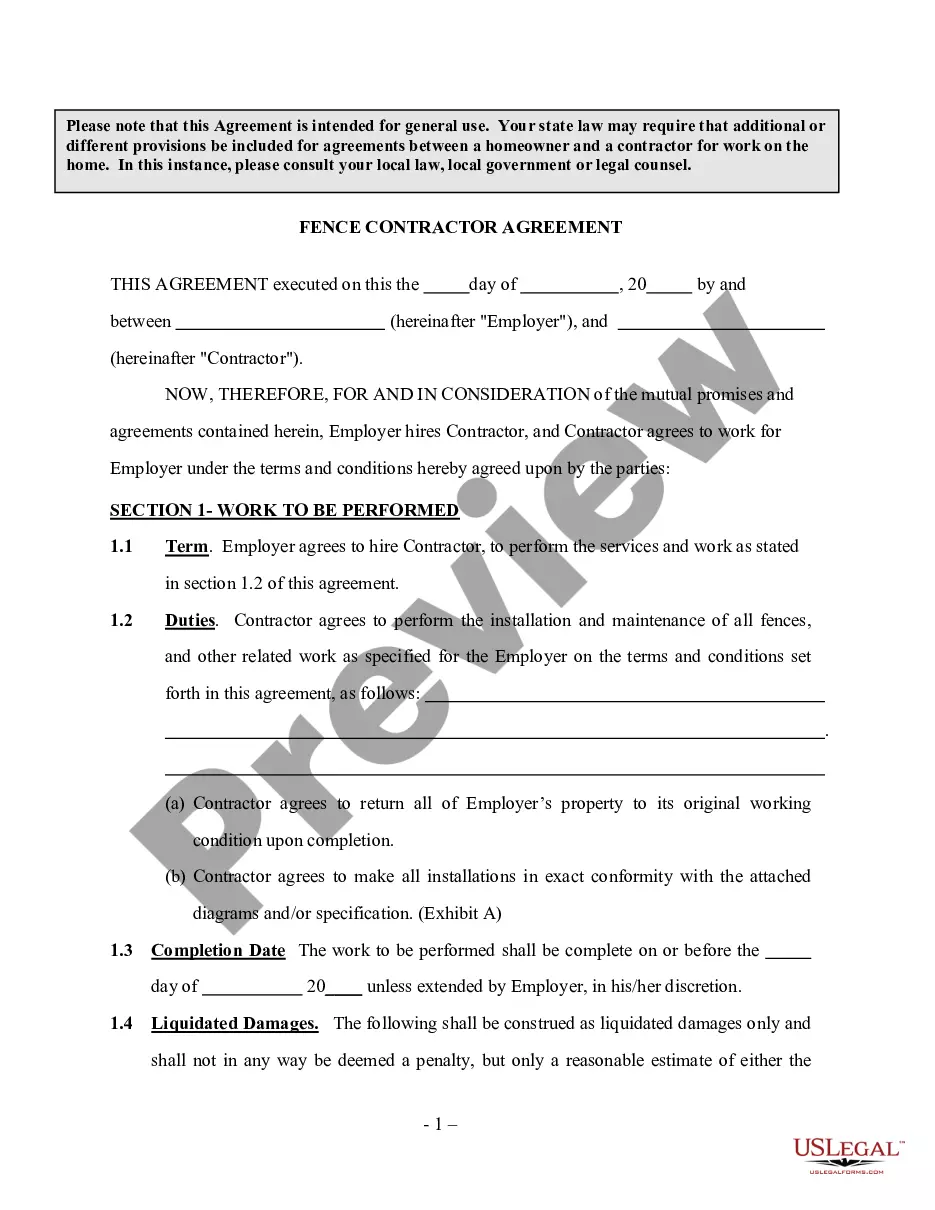
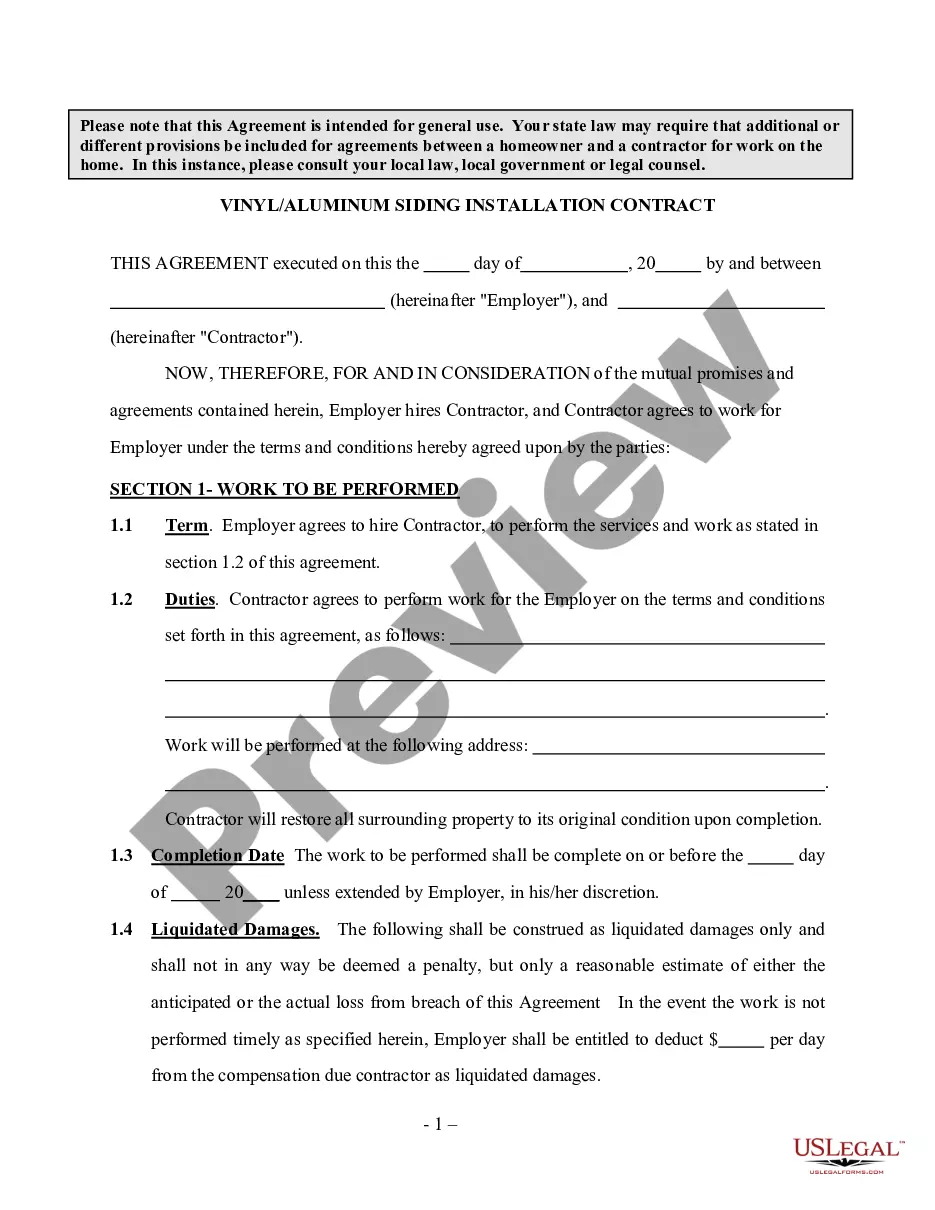
The siding contract for contractors is a legal document used to outline the agreement between siding contractors and property owners. This contract specifies the terms of service, payment arrangements, and scope of work for siding installation and repair projects. It covers essential aspects such as change orders, warranties, and insurance, setting it apart from other residential contractor agreements. This form is specifically drafted to comply with the laws of the District of Columbia, ensuring that both parties understand their rights and obligations.
Key components of this form
- Parties involved: Identifies the siding contractor and the property owner.
- Payment terms: Details fixed fee or cost-plus arrangements.
- Permits: Outlines the contractor's responsibility for obtaining necessary permits.
- Insurance requirements: Specifies the type of insurance the contractor must maintain.
- Change orders: Provides a process for altering the scope of work.
- Termination clauses: Discusses conditions under which the contract may be terminated.
Situations where this form applies
This form should be used when a property owner hires a siding contractor for installation or repair work. It is essential for various scenarios, including new siding projects, replacement of existing siding, or renovations that require changes to the building's exterior. By utilizing this contract, both parties can establish clear expectations and protect their interests throughout the project.
Who can use this document
- Property owners looking to hire a siding contractor for services.
- Licensed siding contractors seeking to formalize their agreements with clients.
- Individuals managing a construction or renovation project that involves siding work.
Completing this form step by step
- Identify the parties: Fill in the names and addresses of the siding contractor and property owner.
- Specify the payment terms: Choose between a fixed fee or cost-plus payment arrangement.
- Outline the scope of work: Clearly describe the siding work to be performed.
- Include insurance requirements: Enter details about necessary insurance coverage.
- Enter dates and signatures: Ensure both parties sign and date the contract for validity.
Does this form need to be notarized?
This form does not typically require notarization unless specified by local law. It is advisable to check local requirements to ensure compliance.
Get your form ready online
Our built-in tools help you complete, sign, share, and store your documents in one place.
Make edits, fill in missing information, and update formatting in US Legal Forms—just like you would in MS Word.
Download a copy, print it, send it by email, or mail it via USPS—whatever works best for your next step.
Sign and collect signatures with our SignNow integration. Send to multiple recipients, set reminders, and more. Go Premium to unlock E-Sign.
If this form requires notarization, complete it online through a secure video call—no need to meet a notary in person or wait for an appointment.
We protect your documents and personal data by following strict security and privacy standards.

Make edits, fill in missing information, and update formatting in US Legal Forms—just like you would in MS Word.

Download a copy, print it, send it by email, or mail it via USPS—whatever works best for your next step.

Sign and collect signatures with our SignNow integration. Send to multiple recipients, set reminders, and more. Go Premium to unlock E-Sign.

If this form requires notarization, complete it online through a secure video call—no need to meet a notary in person or wait for an appointment.

We protect your documents and personal data by following strict security and privacy standards.
Avoid these common issues
- Failing to specify all details in the scope of work, leading to misunderstandings.
- Not including change order procedures within the contract.
- Neglecting to have both parties sign and date the contract.
- Omitting insurance requirements, which can expose both parties to liabilities.
Benefits of completing this form online
- Convenience: Easily download and fill out the contract from anywhere.
- Editability: Customize the form according to your specific needs and project details.
- Reliability: Access a contract drafted by licensed attorneys, ensuring legal compliance.
Legal use & context
- This contract serves as a legally binding agreement, protecting both the contractor and property owner.
- It addresses common construction-related issues, such as changes in the project scope and compliance with local regulations.
- Failure to use a legally robust contract could expose both parties to potential disputes or financial losses.
Summary of main points
- The Siding Contract protects the rights of both the contractor and the property owner.
- It is crucial for outlining the responsibilities and expectations for siding projects.
- Properly completing the contract helps prevent disputes and misunderstandings.
Looking for another form?

Form popularity
FAQ
When drafting a construction contract, especially a District of Columbia Siding Contract for Contractor, be cautious to avoid vague language and overly complex terms. It's also important to refrain from omitting crucial details, such as payment schedules and deadlines. Clarity and precision enhance accountability and minimize the chances of disputes.
Writing a construction contract agreement for a District of Columbia Siding Contract for Contractor starts with outlining the project’s scope, details, and timelines. Include clauses for payment terms, warranties, and dispute resolution to protect both parties. Remember, clear, concise language fosters understanding and reduces the potential for conflict.
Several factors can void a construction contract, including lack of capacity, illegality, and fraud. For example, if either party does not have the legal ability to enter into a District of Columbia Siding Contract for Contractor, the agreement may be invalid. Additionally, contracts that involve illegal activities will not hold up in court, which is why clarity and legality are crucial.
Yes, contractors in Washington, D.C., are required to be licensed to perform work, including those involved in a District of Columbia Siding Contract for Contractor. This requirement helps ensure that professionals meet specific standards and regulations. Hiring a licensed contractor protects both you and your investment, ensuring compliance with local laws.
A District of Columbia Siding Contract for Contractor can be poorly written in several ways. First, vague language can lead to misunderstandings about project scope. Second, failing to include necessary clauses like dispute resolution can create chaos if issues arise. Finally, leaving out important details about payment schedules often leads to financial discrepancies.
A strong District of Columbia Siding Contract for Contractor should include five essential elements: offer, acceptance, consideration, mutual consent, and a lawful purpose. Each element plays a crucial role in ensuring that both parties understand their rights and responsibilities. By incorporating these elements, you create a solid foundation that supports a successful project.
Filling out a contractor agreement for a District of Columbia Siding Contract for Contractor involves several key steps. Start by including the parties' names and contact information, followed by a detailed description of the work to be completed. Don't forget to specify payment terms, timelines, and conditions to ensure clarity and prevent disputes.
The most ignored clause in a District of Columbia Siding Contract for Contractor often pertains to project timelines. Many contractors and clients overlook the importance of clearly defined deadlines and milestones. By ignoring this clause, parties risk misunderstandings and delays that can lead to increased costs and frustration.
Yes, you can write your own contract agreement, but it is wise to ensure it meets all legal requirements. Using a customizable template, such as the District of Columbia Siding Contract for Contractor, provides a solid starting point. This approach helps you include necessary clauses and ensures the contract is enforceable.
Creating a simple contract agreement involves stating the essential elements: the parties involved, the services to be performed, and the agreed-upon compensation. Using a template like the District of Columbia Siding Contract for Contractor can simplify this process significantly. Always ensure that both parties understand and agree to the terms before signing.