Connecticut Estate Planning Questionnaire and Worksheets
Understanding this form
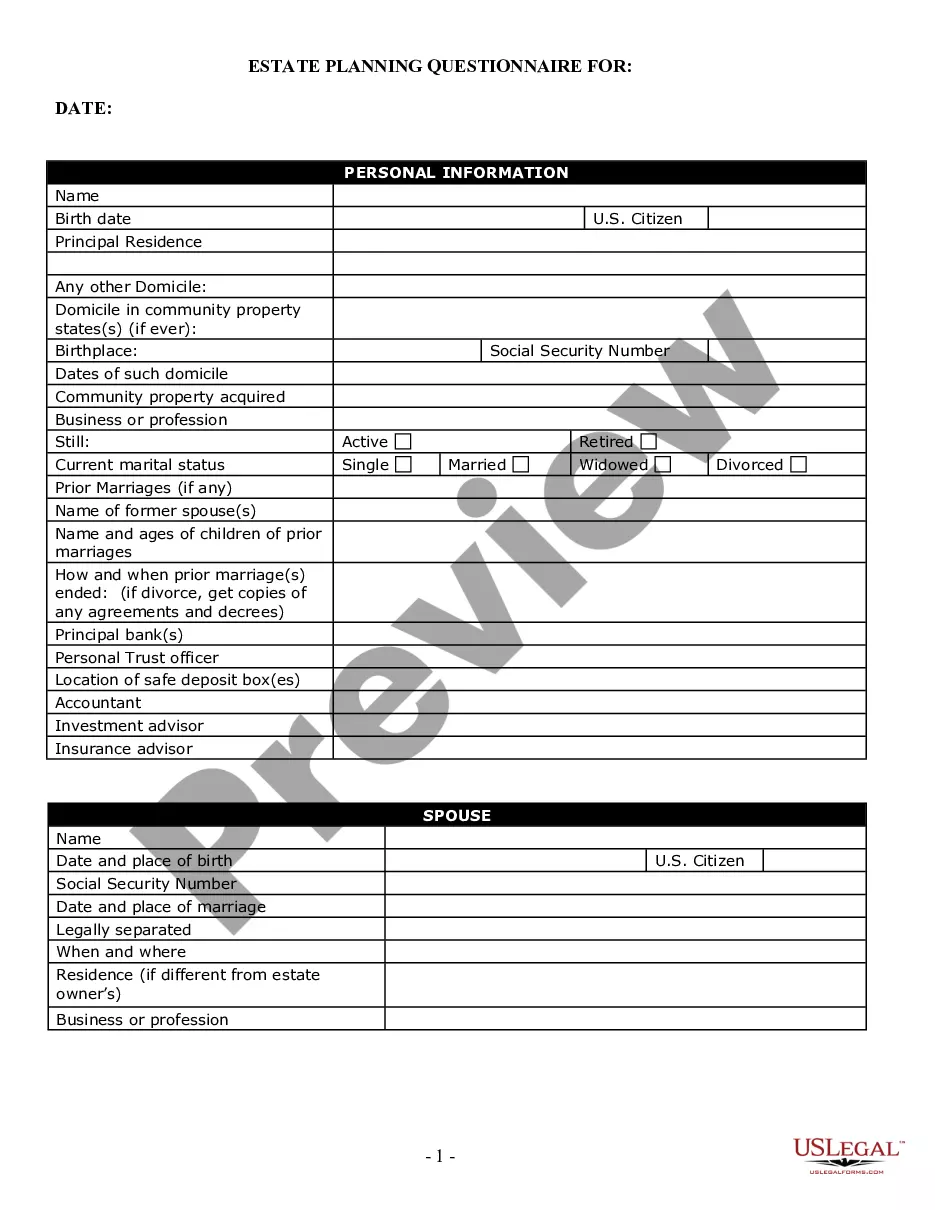
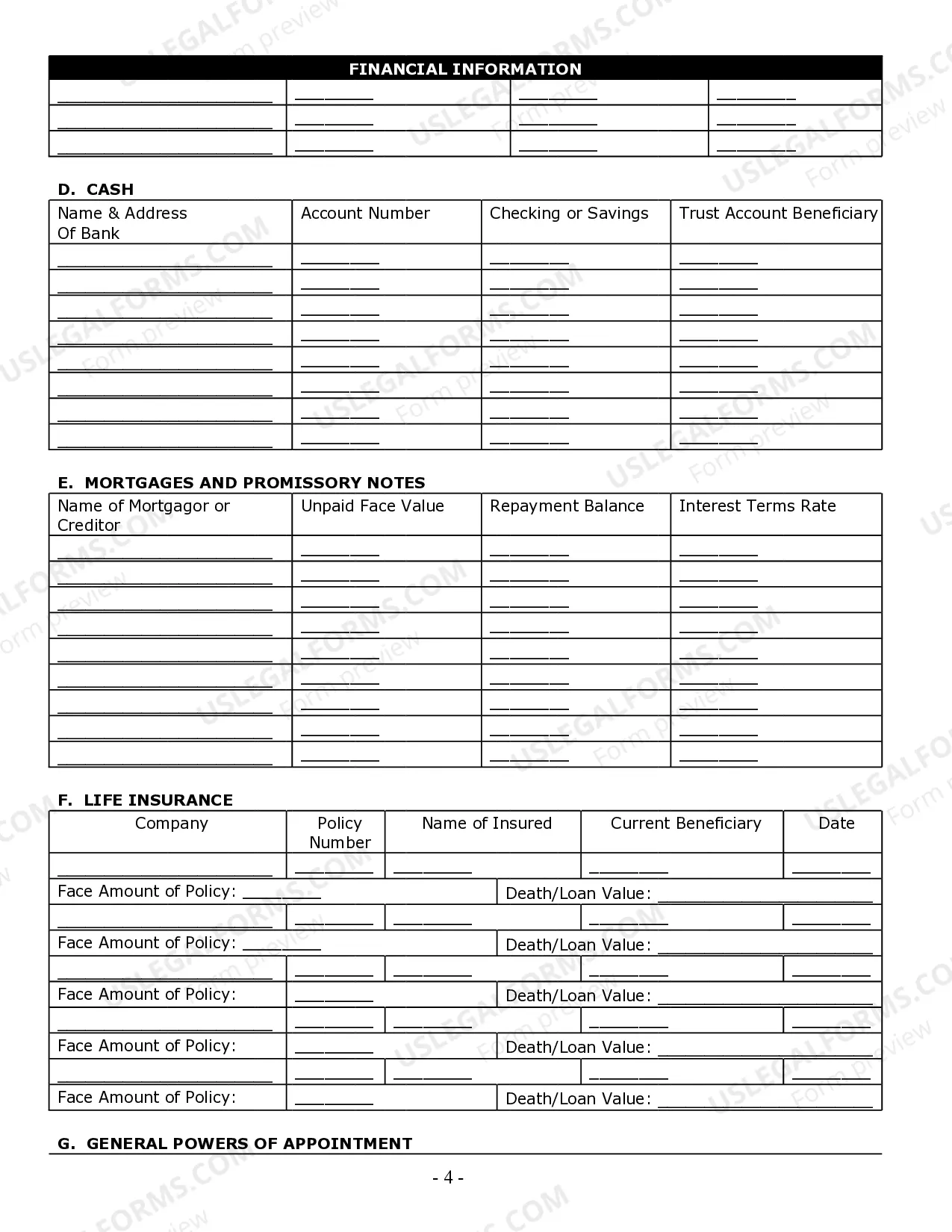
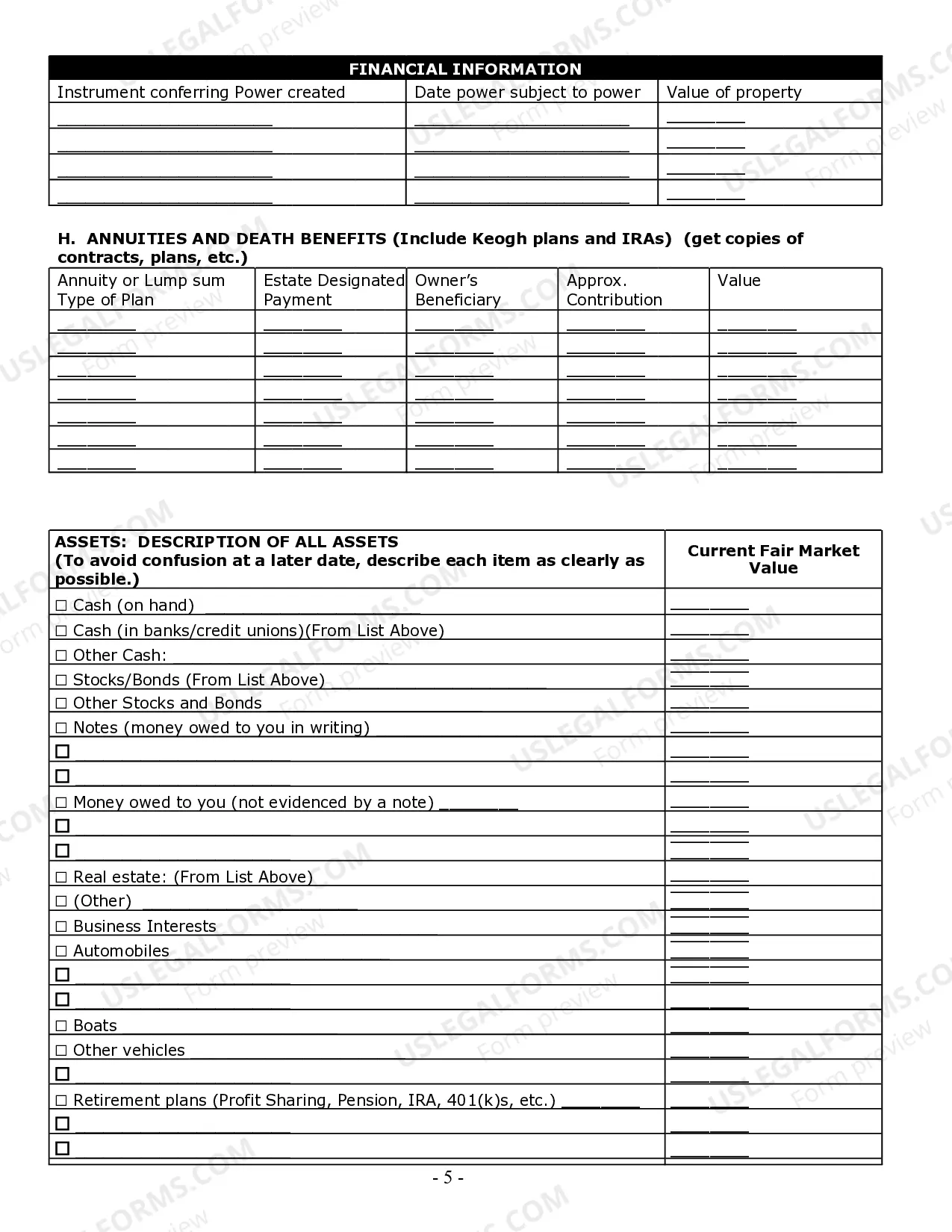
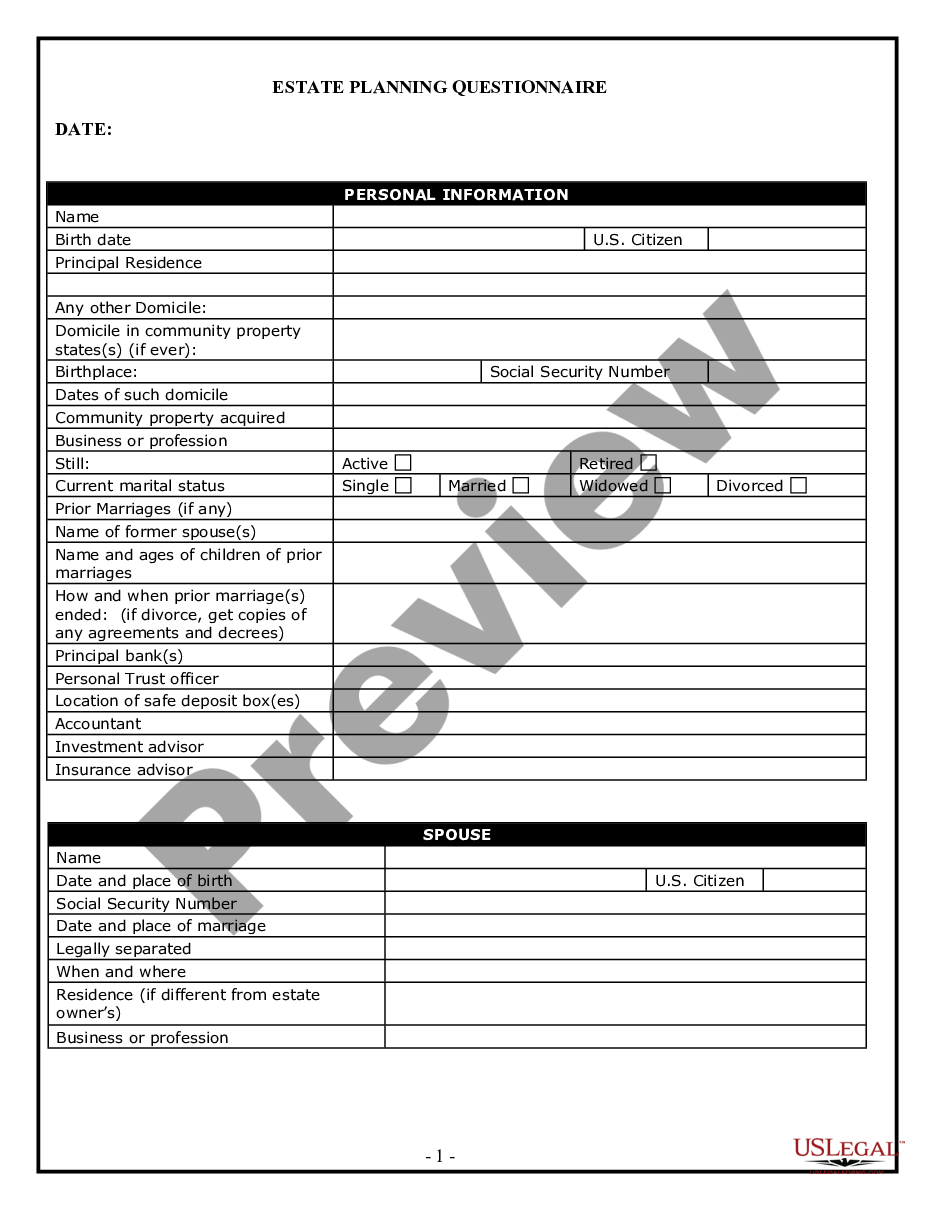
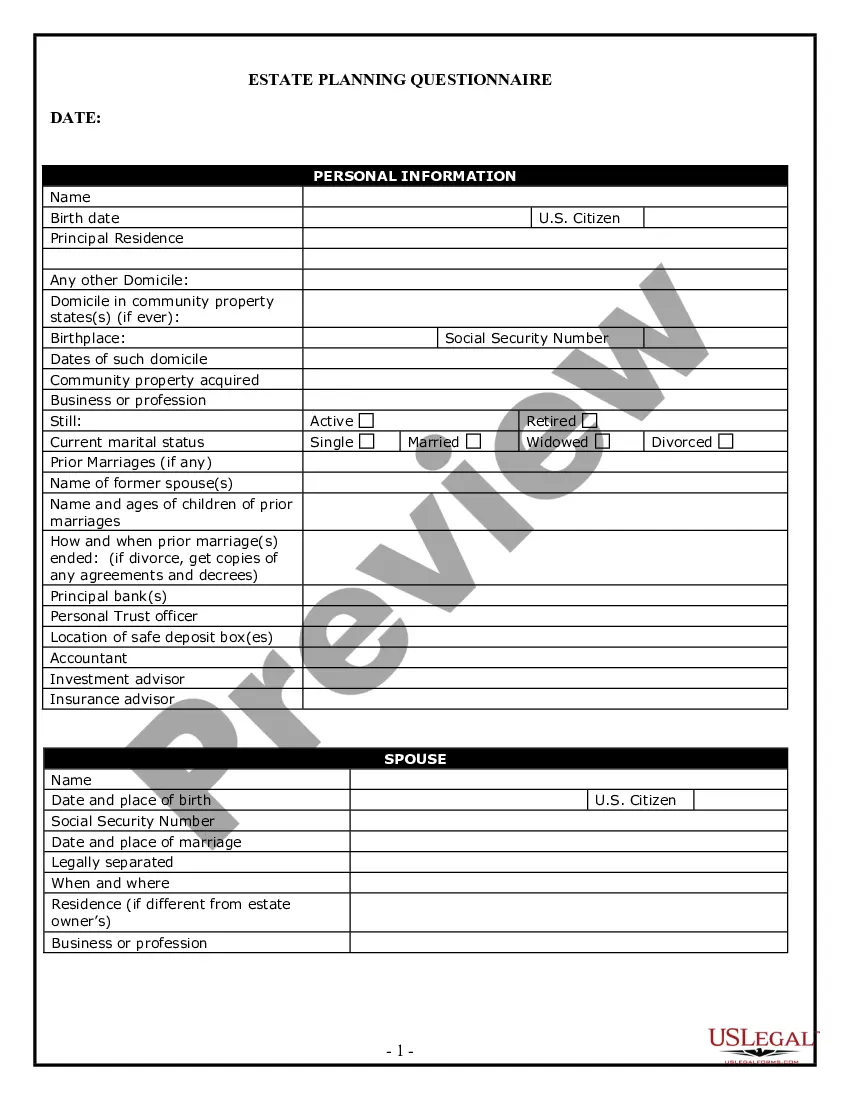
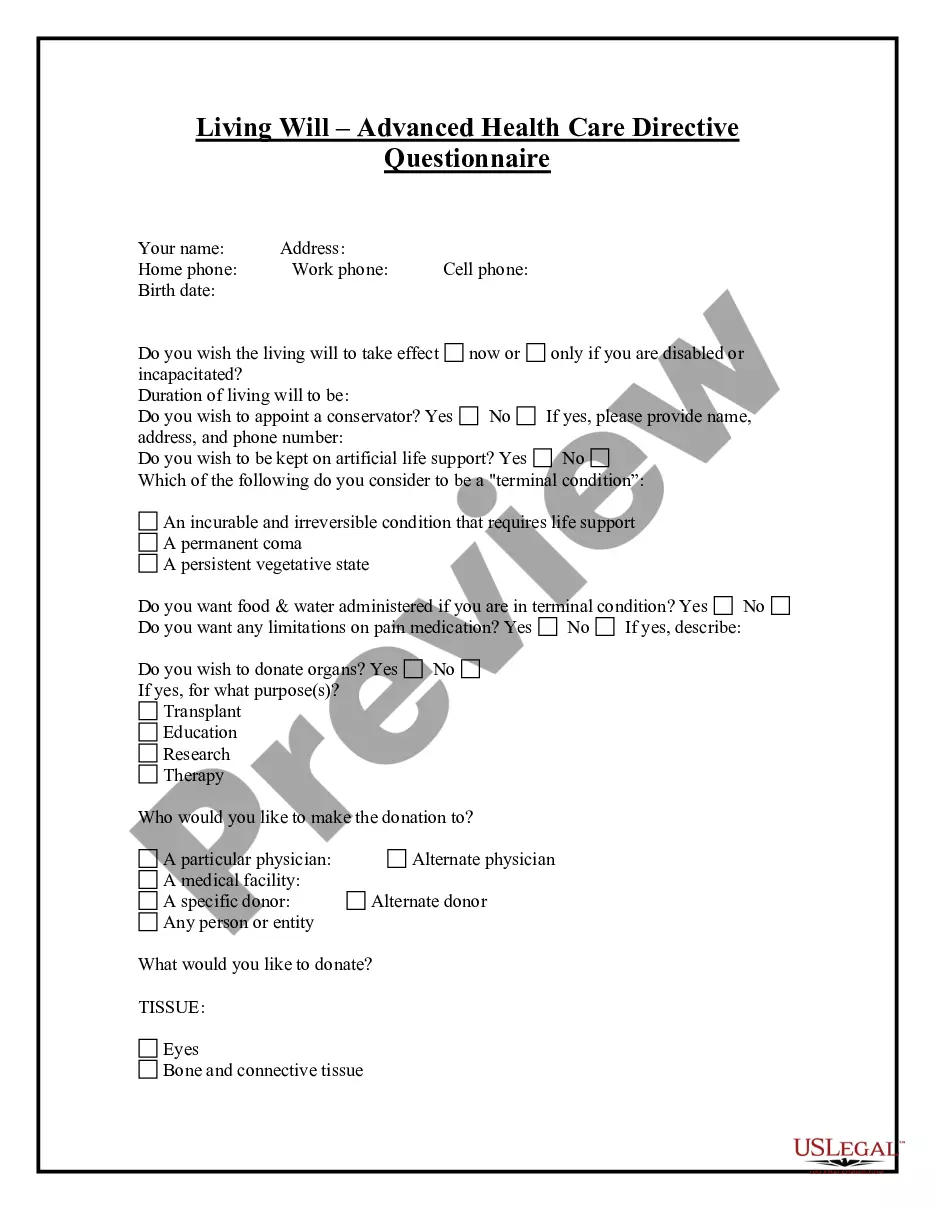
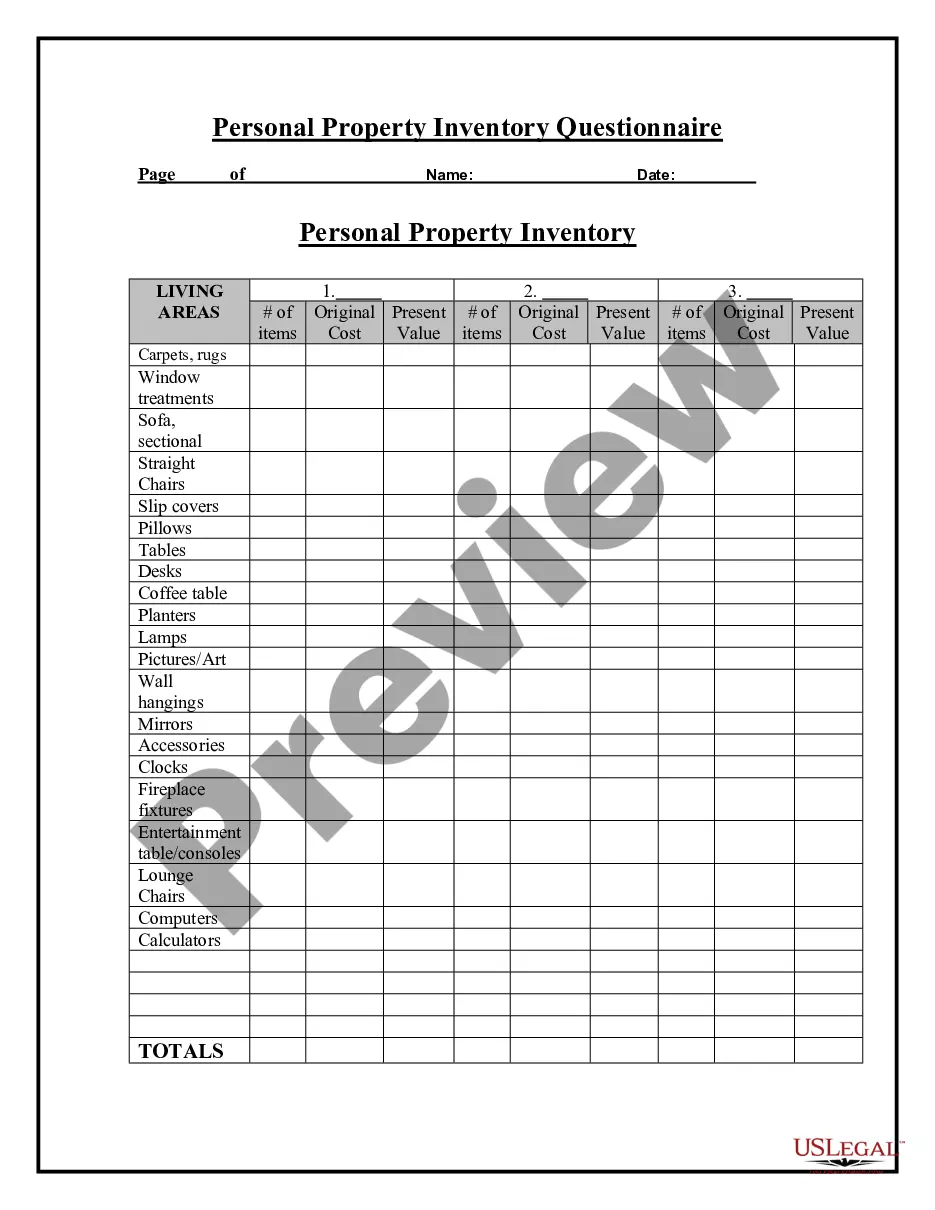
The Estate Planning Questionnaire and Worksheets is a crucial document designed to gather essential personal and financial information related to an individual's estate. This form is specifically tailored for client interviews and assists individuals in assessing their overall financial situation for effective estate planning. Unlike other estate planning forms, this questionnaire helps users organize information systematically and supports informed decision-making.
Key parts of this document
- Personal information section to capture details about the individual and their family.
- Financial information section to document assets, liabilities, and income sources.
- Questions aimed at identifying specific estate planning goals and preferences.
- Guidance on important considerations for beneficiaries and executors of the estate.


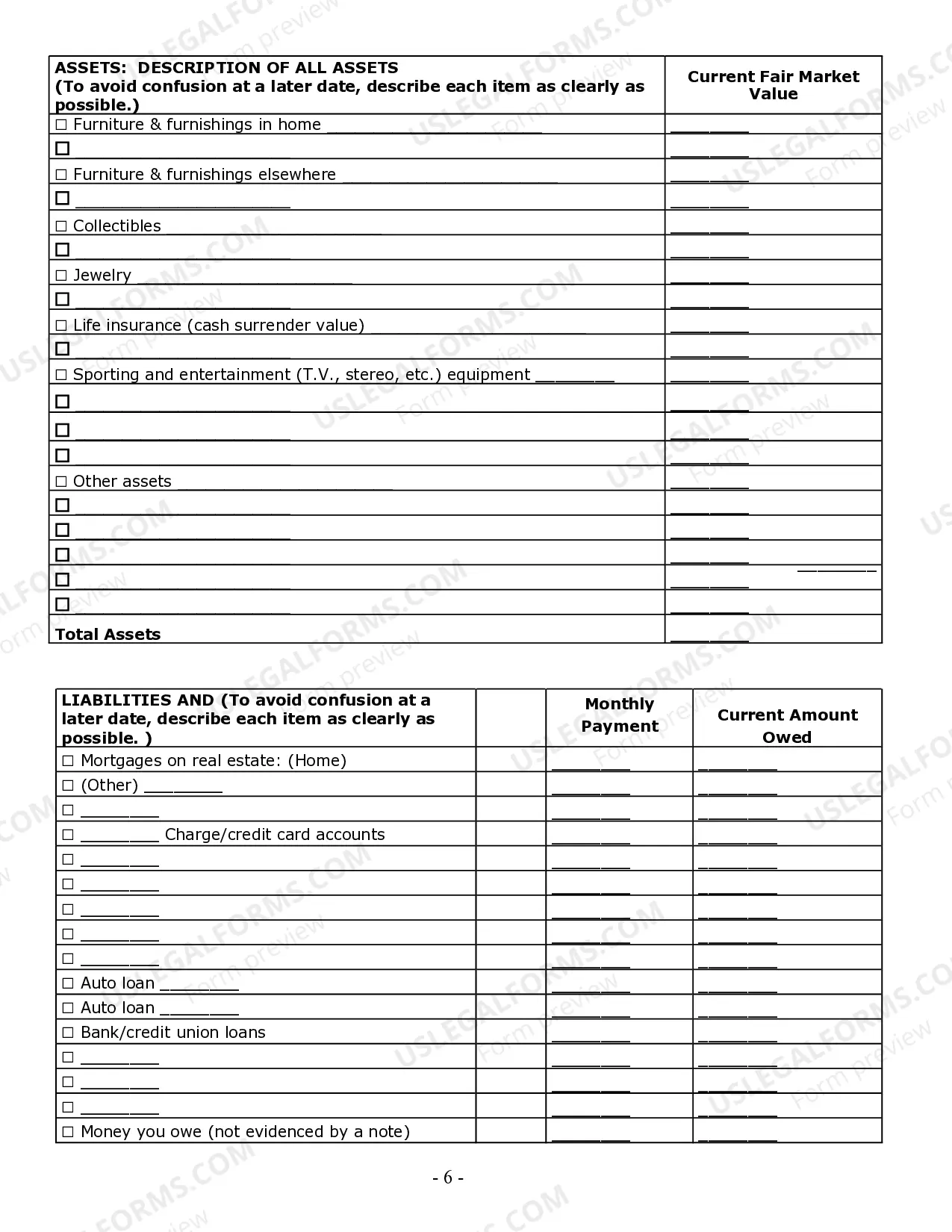
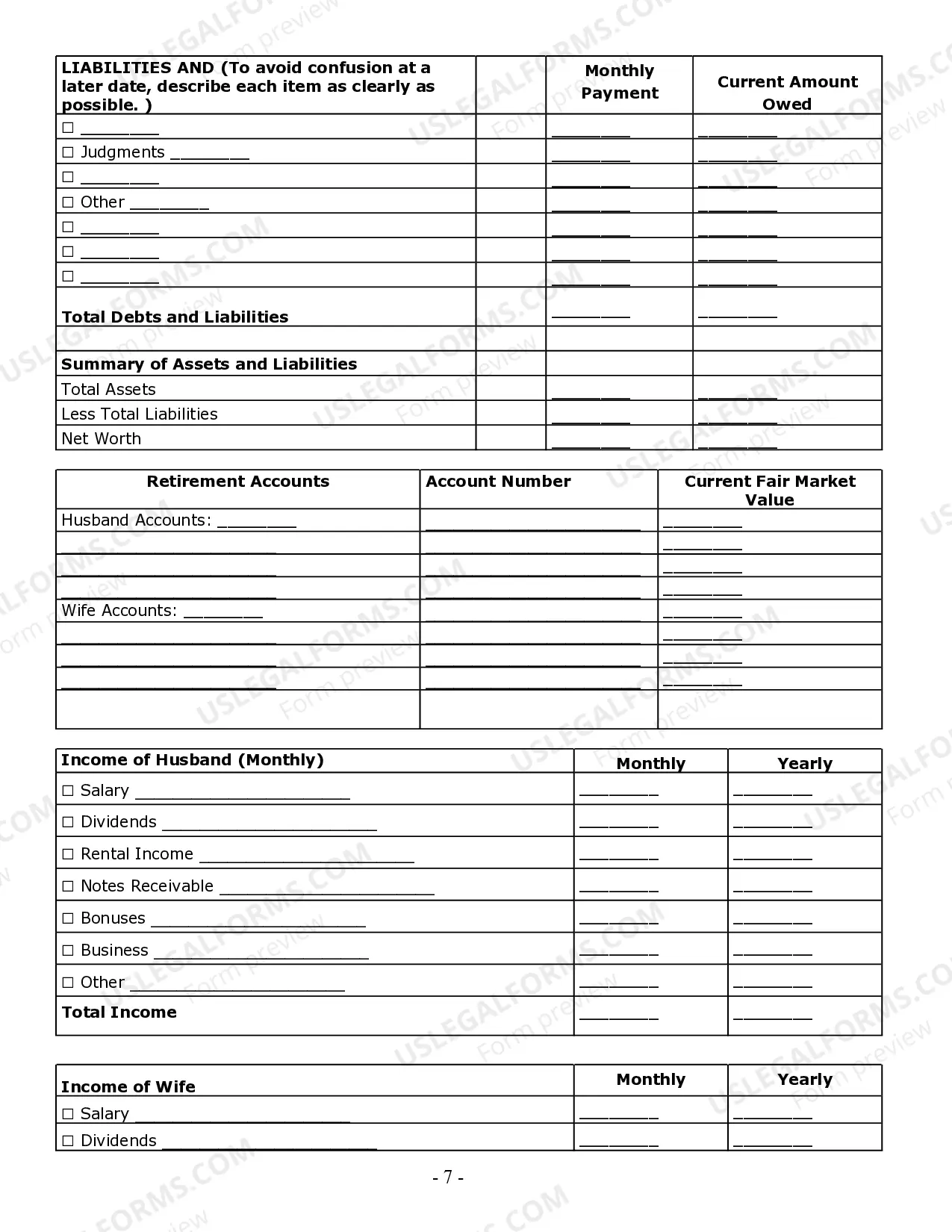
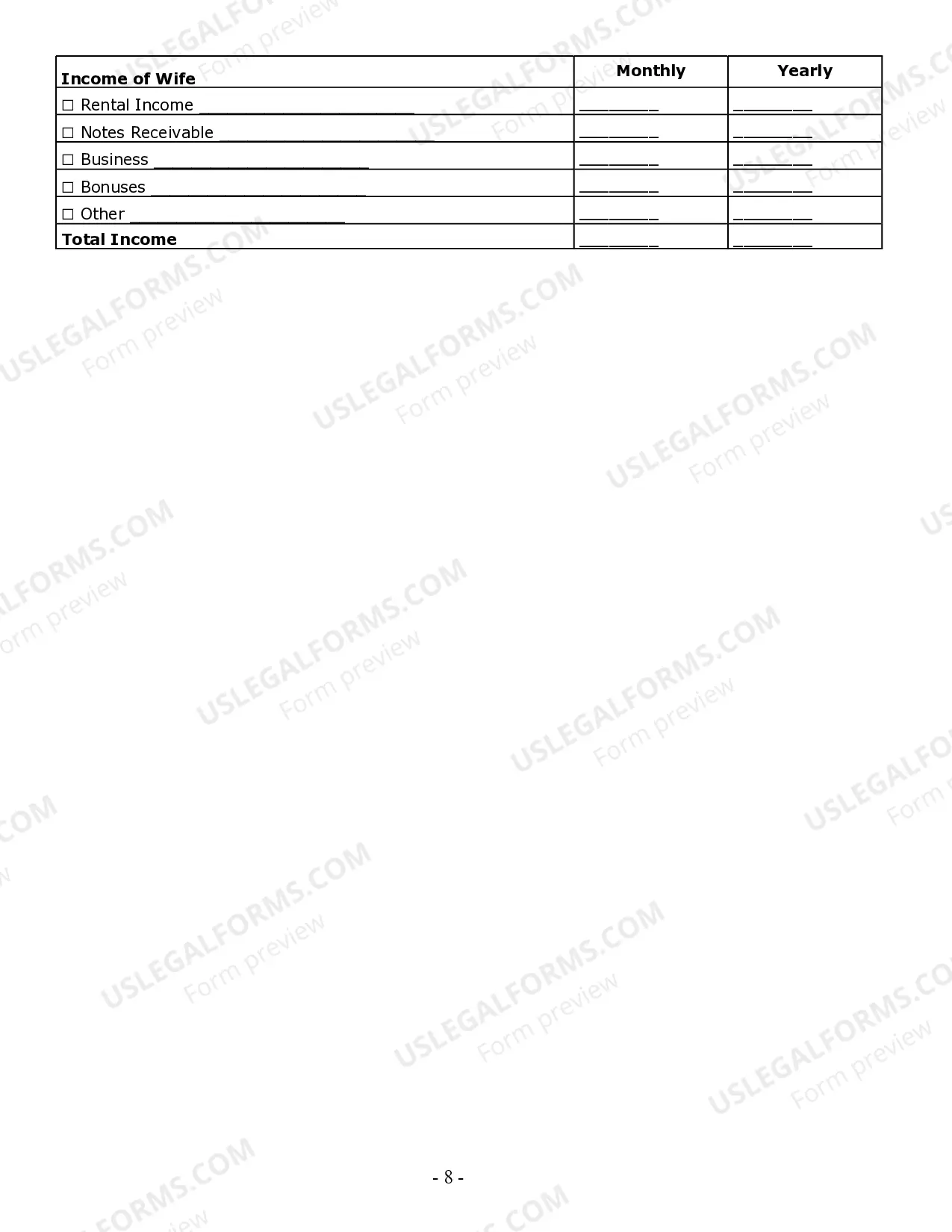
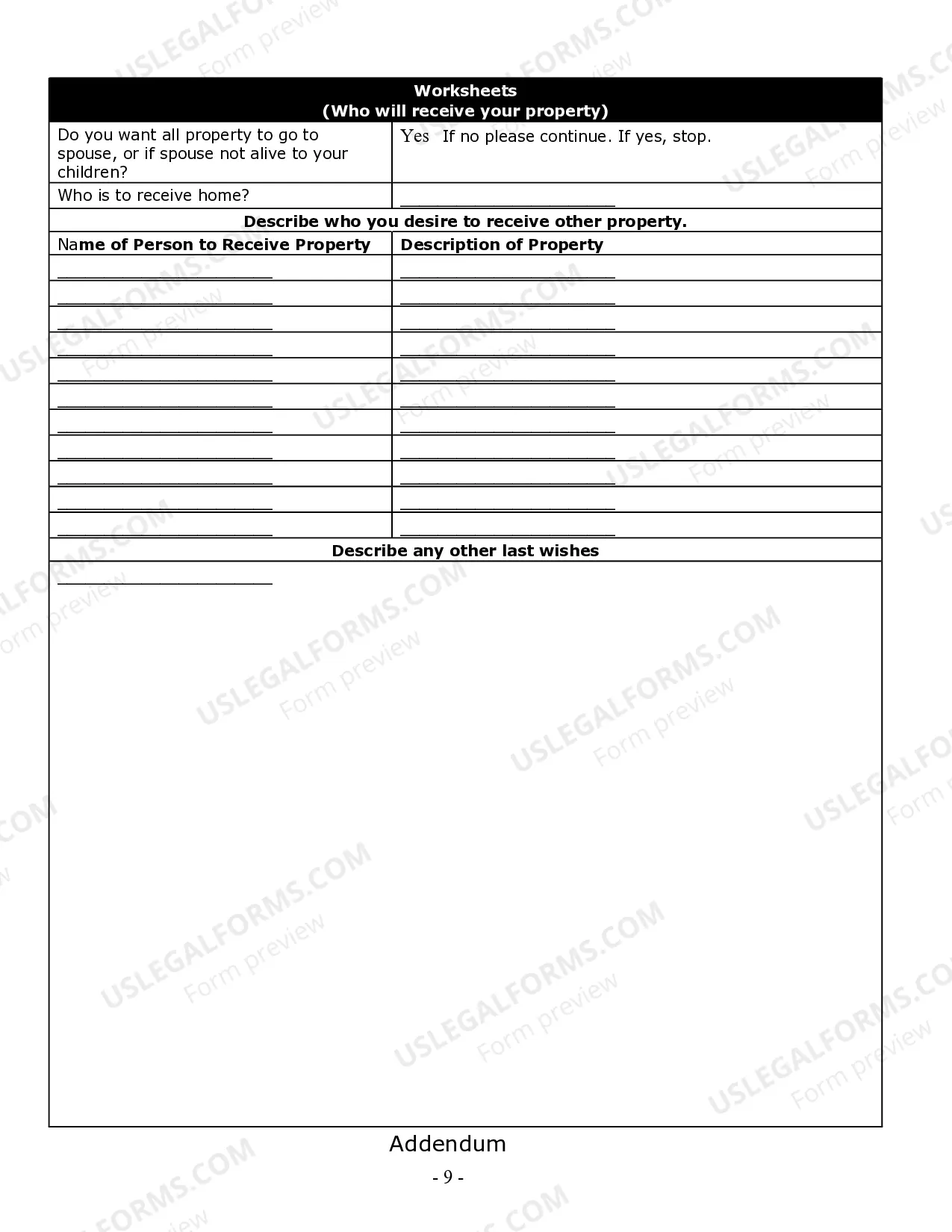


When this form is needed
This form is particularly helpful when an individual is initiating the estate planning process, preparing for discussions with an attorney, or reassessing their current estate plan. It can be used by those planning their wills, trusts, or other estate planning instruments, ensuring that all pertinent information is organized and readily available.
Who should use this form
This form is intended for:
- Individuals looking to create or update their estate plans.
- Clients preparing for meetings with estate planning attorneys.
- Family members assisting a loved one in organizing their estate information.
- Anyone seeking clarity on their financial landscape for better estate planning outcomes.
Completing this form step by step
- Begin by filling out personal information, including your name, address, and contact details.
- Gather and enter financial information regarding assets, debts, and sources of income.
- Answer questions regarding your estate planning objectives and preferences for beneficiaries.
- Review your completed questionnaire for accuracy and completeness before sharing it with your attorney.
Notarization requirements for this form
Notarization is not commonly needed for this form. However, certain documents or local rules may make it necessary. Our notarization service, powered by Notarize, allows you to finalize it securely online anytime, day or night.
Get your form ready online
Our built-in tools help you complete, sign, share, and store your documents in one place.
Make edits, fill in missing information, and update formatting in US Legal Forms—just like you would in MS Word.
Download a copy, print it, send it by email, or mail it via USPS—whatever works best for your next step.
Sign and collect signatures with our SignNow integration. Send to multiple recipients, set reminders, and more. Go Premium to unlock E-Sign.
If this form requires notarization, complete it online through a secure video call—no need to meet a notary in person or wait for an appointment.
We protect your documents and personal data by following strict security and privacy standards.

Make edits, fill in missing information, and update formatting in US Legal Forms—just like you would in MS Word.

Download a copy, print it, send it by email, or mail it via USPS—whatever works best for your next step.

Sign and collect signatures with our SignNow integration. Send to multiple recipients, set reminders, and more. Go Premium to unlock E-Sign.

If this form requires notarization, complete it online through a secure video call—no need to meet a notary in person or wait for an appointment.

We protect your documents and personal data by following strict security and privacy standards.
Avoid these common issues
- Forgetting to include all assets and liabilities, which may lead to incomplete estate planning.
- Neglecting to specify beneficiaries clearly in the questionnaire.
- Overlooking the need to update the questionnaire as personal or financial situations change.
Why complete this form online
- Convenience of accessing and completing the form from the comfort of your home.
- Editability allows you to update information as needed without starting over.
- Reliable templates drafted by licensed attorneys, ensuring compliance with relevant laws.
Legal use & context
- This form serves as a preparatory tool, helping individuals clarify their estate planning needs.
- While it assists in gathering information, it is not a substitute for legal advice or formal estate planning documents.
Main things to remember
- The Estate Planning Questionnaire and Worksheets organize personal and financial information crucial for effective estate planning.
- Using this form helps individuals prepare for meaningful discussions with estate planning professionals.
- Regular updates to the completed form can enhance accuracy and relevance as circumstances change.
Looking for another form?


Form popularity
FAQ
The 5 and 5 rule refers to the same tax framework, enabling beneficiaries to withdraw the lesser of $5,000 or 5% of the trust assets annually without incurring taxes. This rule provides flexibility in accessing funds while preserving the estate’s overall integrity. When filling out the Connecticut Estate Planning Questionnaire and Worksheets, grasping this rule helps you create a balanced strategy for asset distribution that benefits your loved ones.
The 5 or 5 rule allows a trust beneficiary to withdraw up to $5,000 or 5% of the trust's assets each year without being taxed. This rule aims to give beneficiaries some access to their inheritance while maintaining the tax-deferred status of the trust. Understanding this rule is crucial when completing a Connecticut Estate Planning Questionnaire and Worksheets. It ensures you maximize your beneficiaries' benefits within the trust structure.
One common mistake is not properly funding the trust. Parents might create a trust but forget to transfer assets into it. This can lead to complications later on, as the trust may not serve its intended purpose. Using resources like the Connecticut Estate Planning Questionnaire and Worksheets can help you identify the right assets to include and ensure your trust functions as you planned.
The threshold for probate in Connecticut is currently set at $40,000 in total estate value. This means that estates valued below this amount may be eligible for simplified estate administration. It's important to note that other considerations, such as types of assets, might influence this process. The Connecticut Estate Planning Questionnaire and Worksheets offer valuable insights to help you navigate your estate planning easily.
Not all estates must go through probate in Connecticut. Estates valued below the $40,000 threshold generally do not require probate. However, if your estate includes certain assets, like real estate, it may complicate matters. To explore your options, the Connecticut Estate Planning Questionnaire and Worksheets can assist you in understanding the specifics.
In Connecticut, the probate process typically applies to estates valued at greater than $40,000. If your estate's value falls below this threshold, you might not have to go through probate. However, various factors can affect this, so consulting with an expert is advisable. Comprehensive tools such as the Connecticut Estate Planning Questionnaire and Worksheets can help clarify this process.
To avoid probate in Connecticut, you can utilize strategies such as establishing a living trust or joint ownership of assets. By transferring assets into a living trust, they bypass probate upon your passing. Additionally, using payable-on-death and transfer-on-death designations can streamline asset transfer to beneficiaries. For detailed guidance, consider utilizing the Connecticut Estate Planning Questionnaire and Worksheets available on US Legal Forms.
An estate planning questionnaire is a tool designed to gather essential information needed for effective estate planning. It prompts you to consider your assets, beneficiaries, and preferences for healthcare decisions. Completing a Connecticut Estate Planning Questionnaire and Worksheets helps you organize your thoughts and provides a solid foundation for creating your estate plan. This structured approach can save time and ensure that all critical aspects are addressed.
The 5 by 5 rule in estate planning refers to a specific provision in trust agreements. It allows beneficiaries to withdraw up to $5,000 per year from a trust without incurring tax penalties. Understanding this rule can be beneficial for both grantors and beneficiaries when structuring your estate plan. The Connecticut Estate Planning Questionnaire and Worksheets can clarify how to implement this rule in your estate strategy.
You can effectively handle your estate planning by following a structured approach. Begin by defining your goals and understanding state laws. Utilize templates and resources, such as the Connecticut Estate Planning Questionnaire and Worksheets, to create necessary documents like wills and trusts. Be sure to review your plan regularly to adapt to any changes in your life or laws.