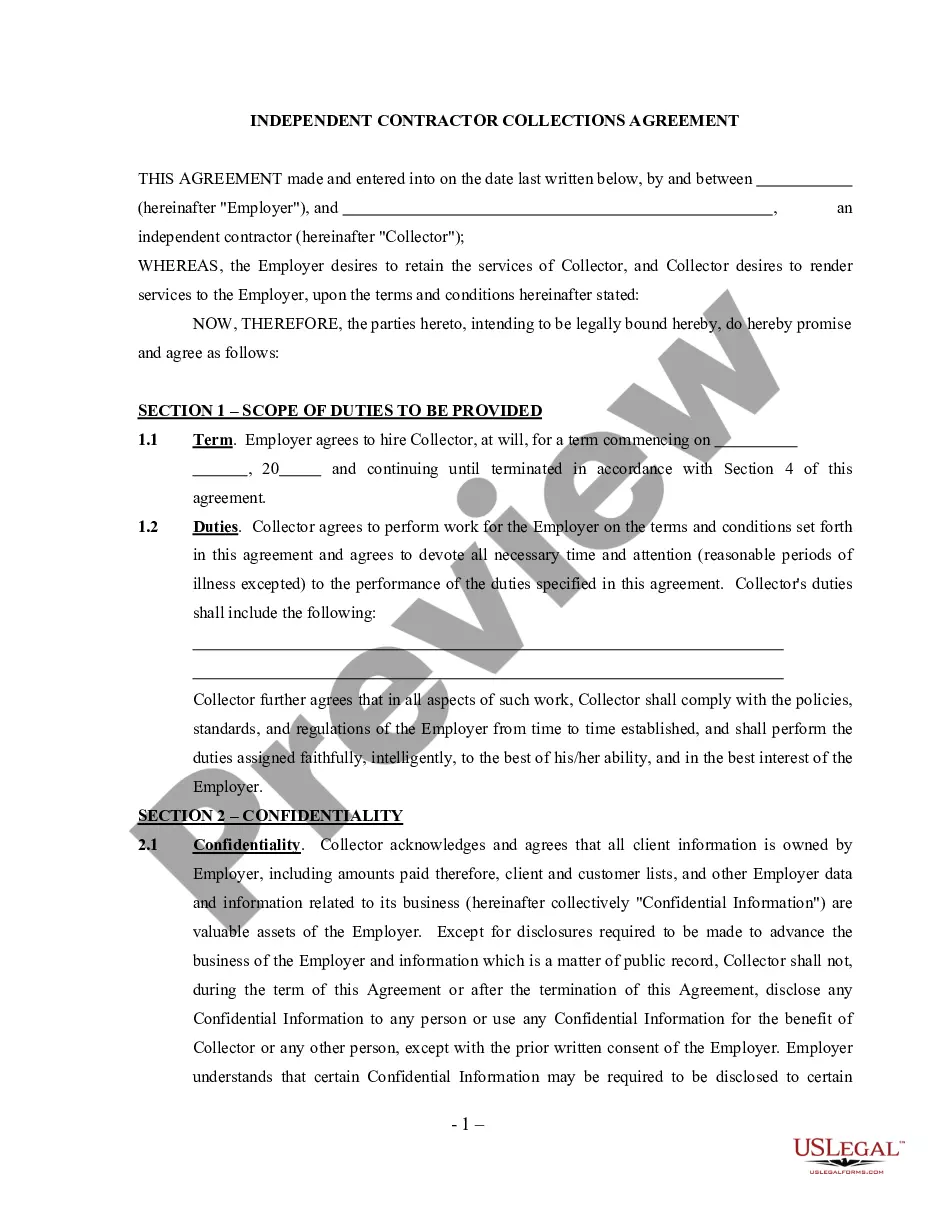
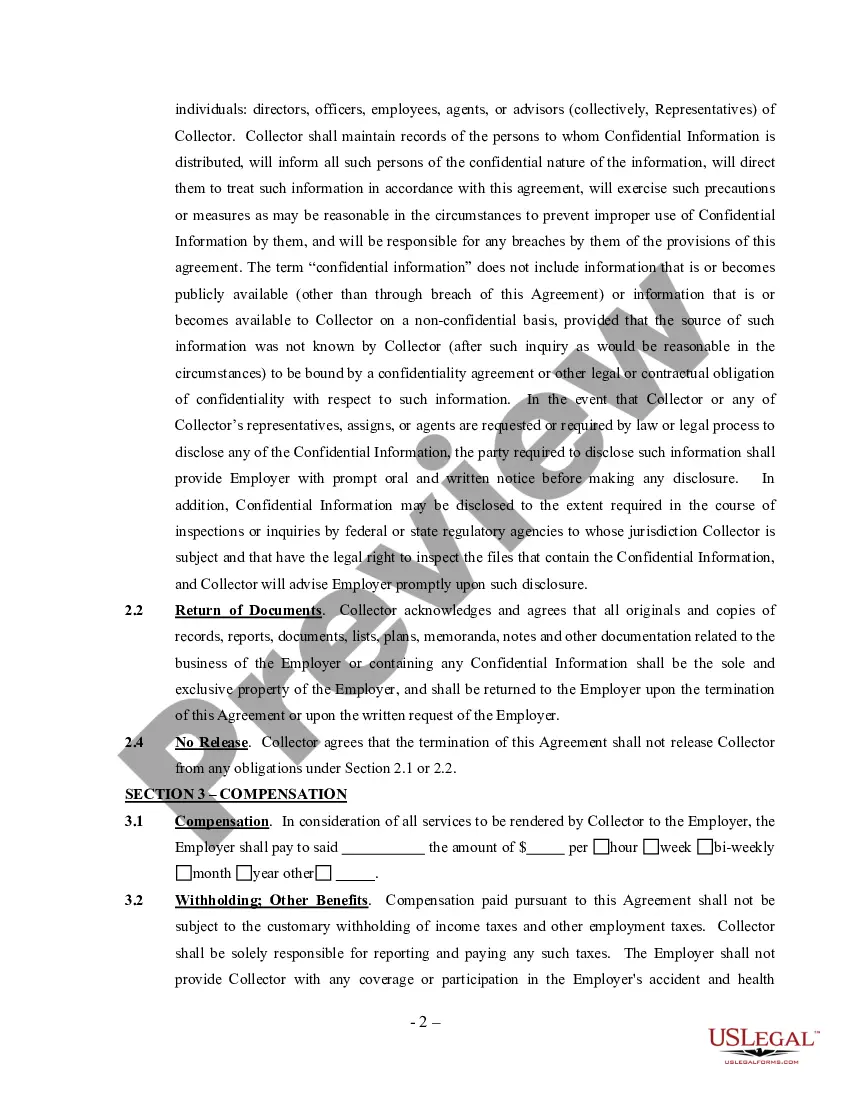
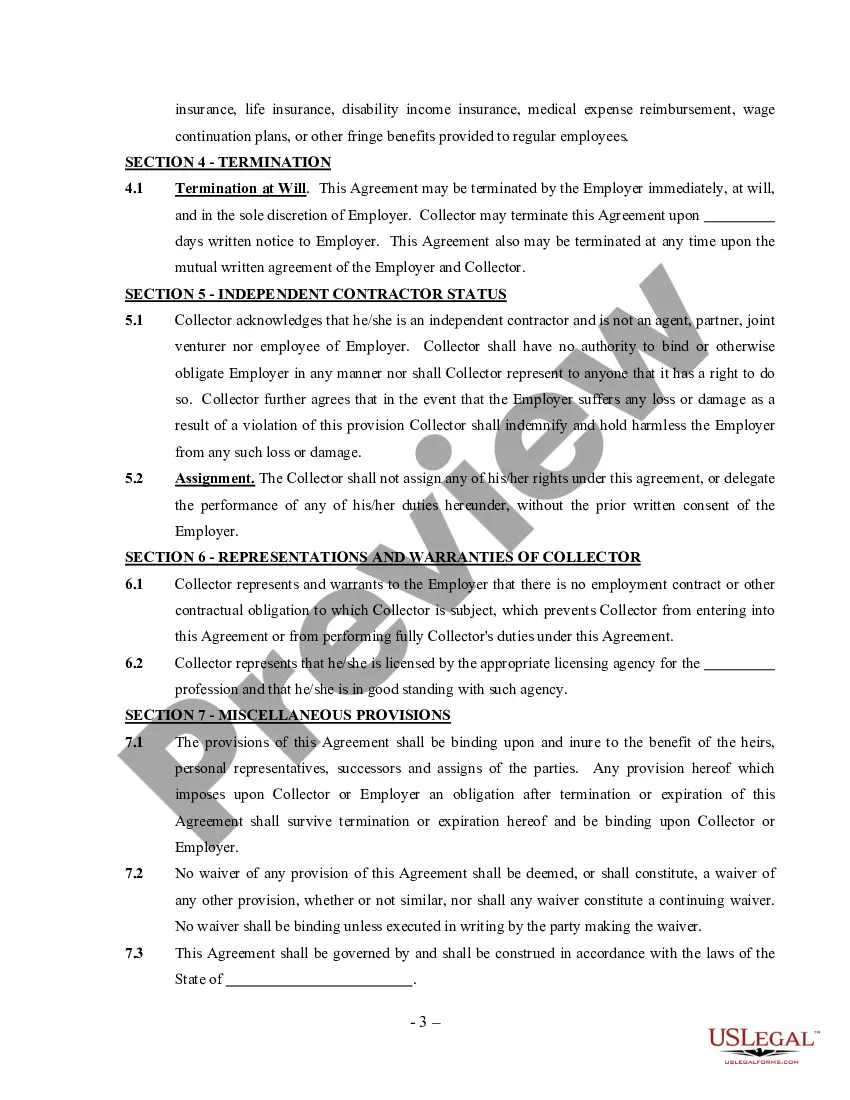
Employer hires a collections specialist on an independent contractor basis to provide collection services for employer as specified in the contract.
Connecticut Collections Agreement - Self-Employed Independent Contractor
State:
Multi-State
Control #:
US-INDC-237
Format:
Word;
Rich Text
Instant download
Description
Free preview
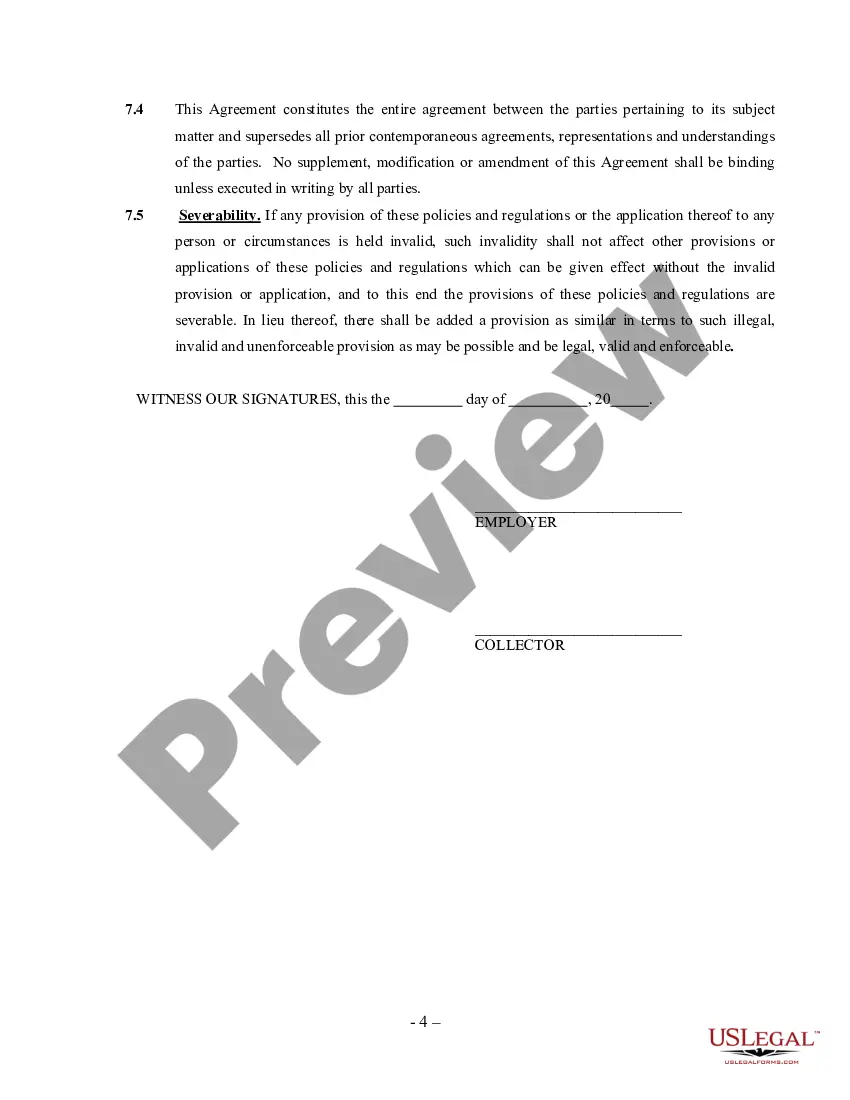
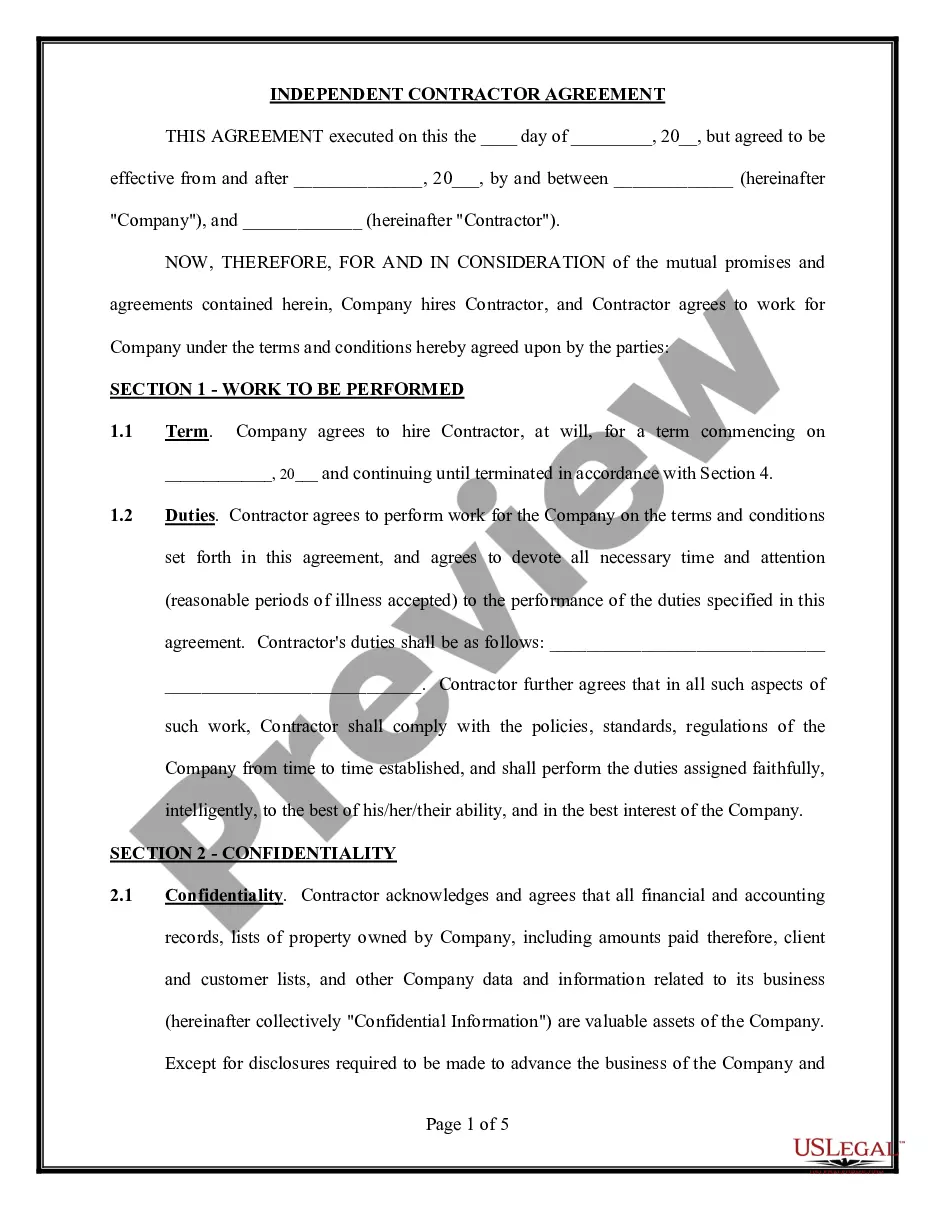
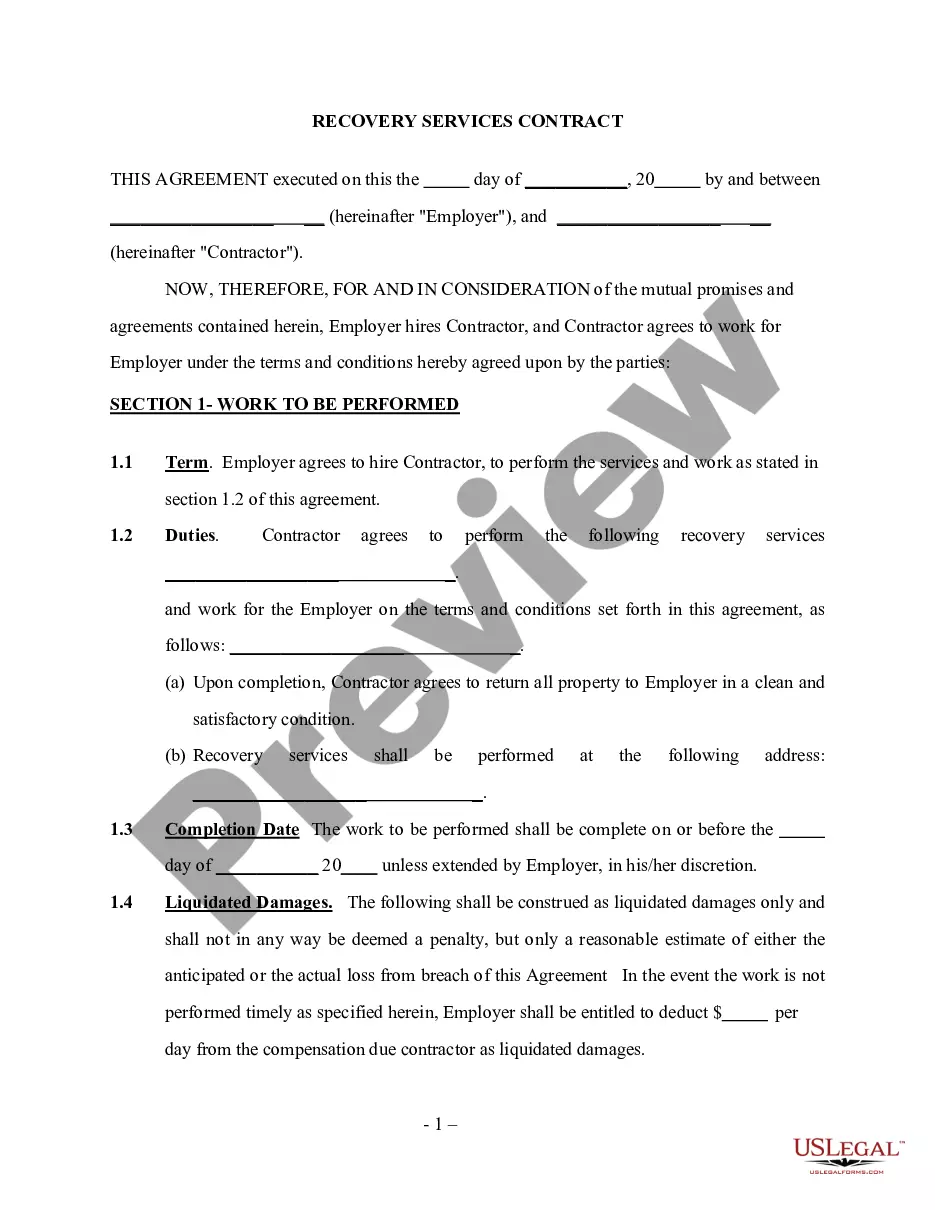
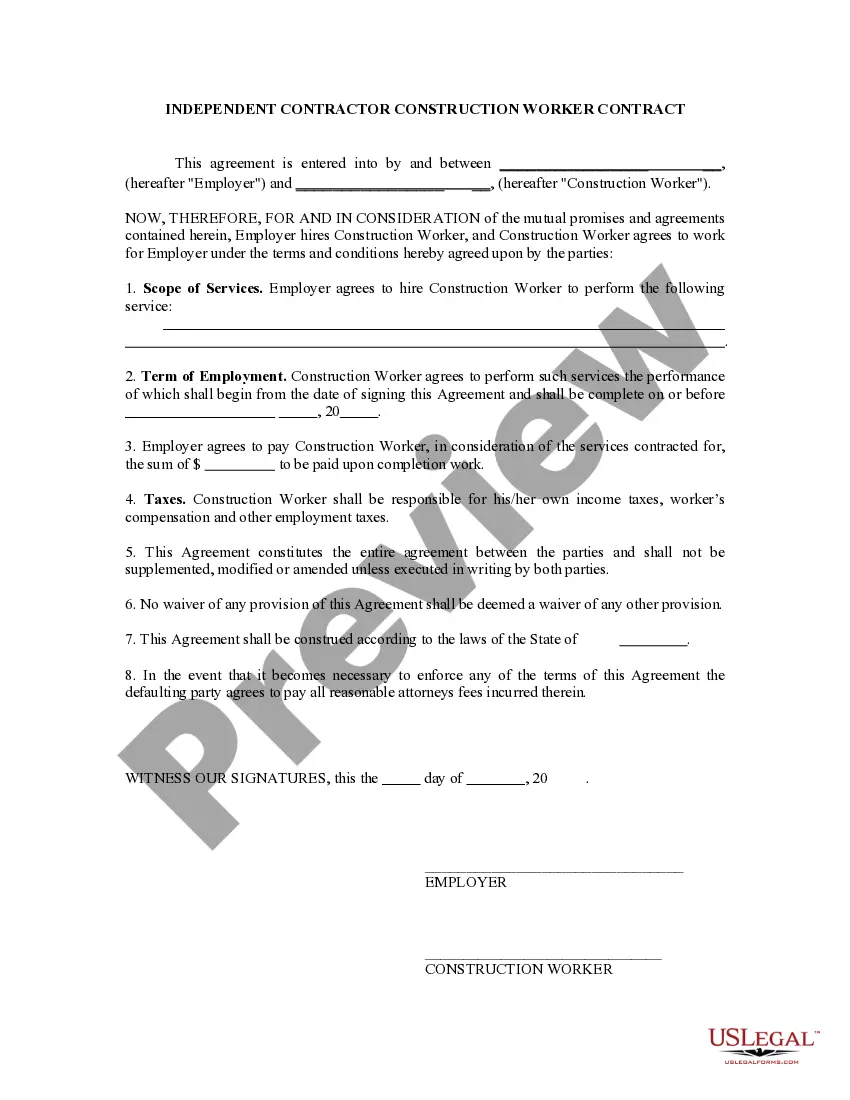
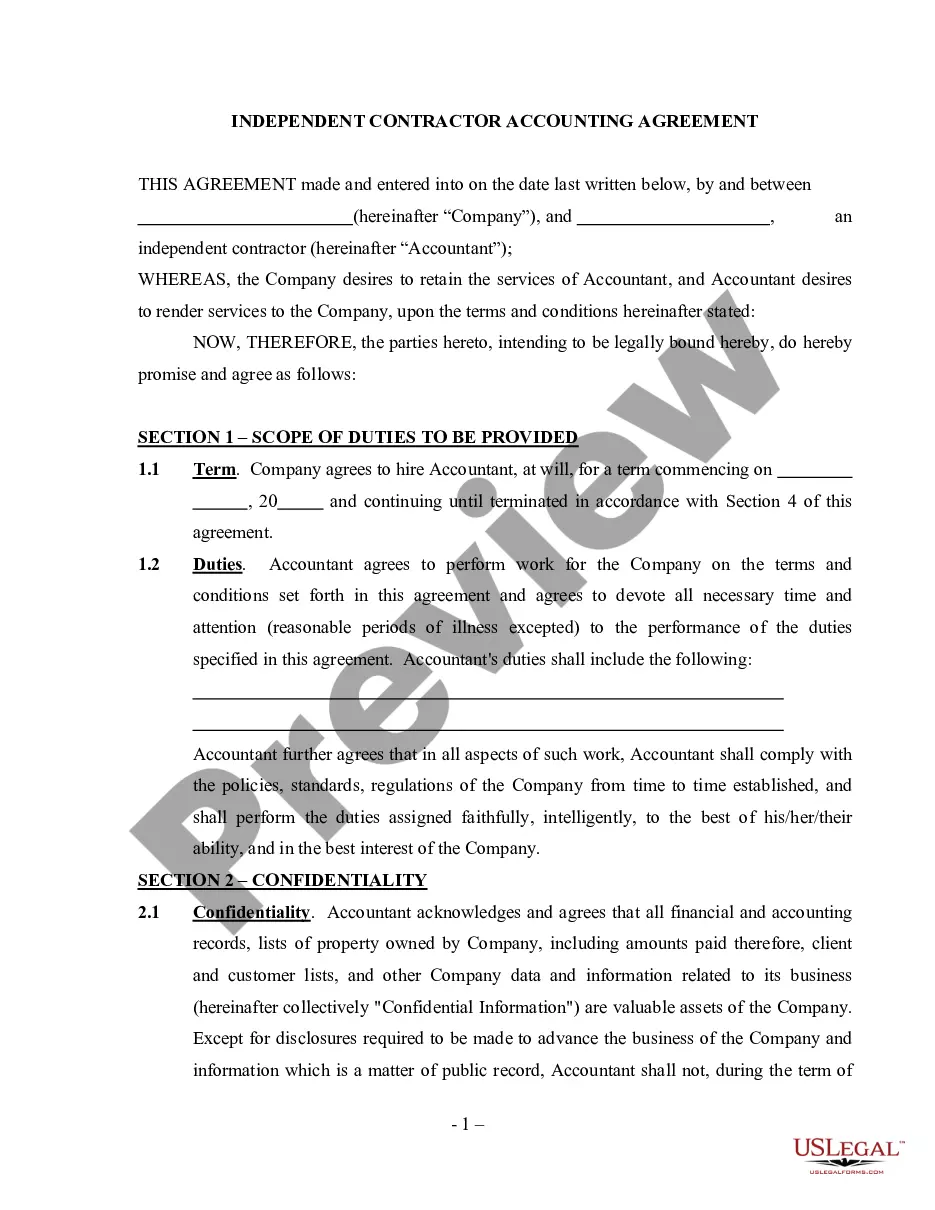
Get your form ready online
Our built-in tools help you complete, sign, share, and store your documents in one place.
Built-in online Word editor
Make edits, fill in missing information, and update formatting in US Legal Forms—just like you would in MS Word.
Export easily
Download a copy, print it, send it by email, or mail it via USPS—whatever works best for your next step.
E-sign your document
Sign and collect signatures with our SignNow integration. Send to multiple recipients, set reminders, and more. Go Premium to unlock E-Sign.
Notarize online 24/7
If this form requires notarization, complete it online through a secure video call—no need to meet a notary in person or wait for an appointment.
Store your document securely
We protect your documents and personal data by following strict security and privacy standards.

Make edits, fill in missing information, and update formatting in US Legal Forms—just like you would in MS Word.

Download a copy, print it, send it by email, or mail it via USPS—whatever works best for your next step.

Sign and collect signatures with our SignNow integration. Send to multiple recipients, set reminders, and more. Go Premium to unlock E-Sign.

If this form requires notarization, complete it online through a secure video call—no need to meet a notary in person or wait for an appointment.

We protect your documents and personal data by following strict security and privacy standards.
Looking for another form?


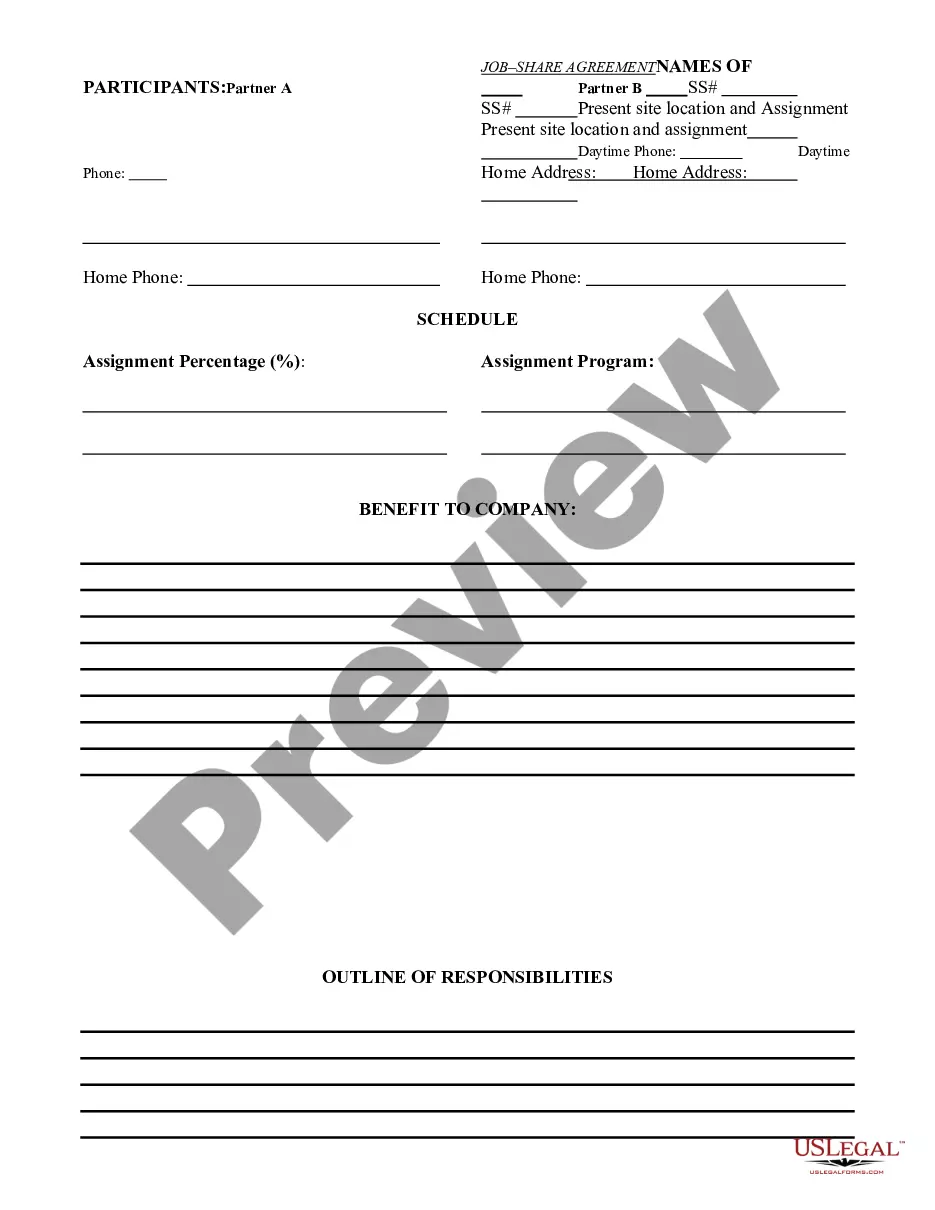
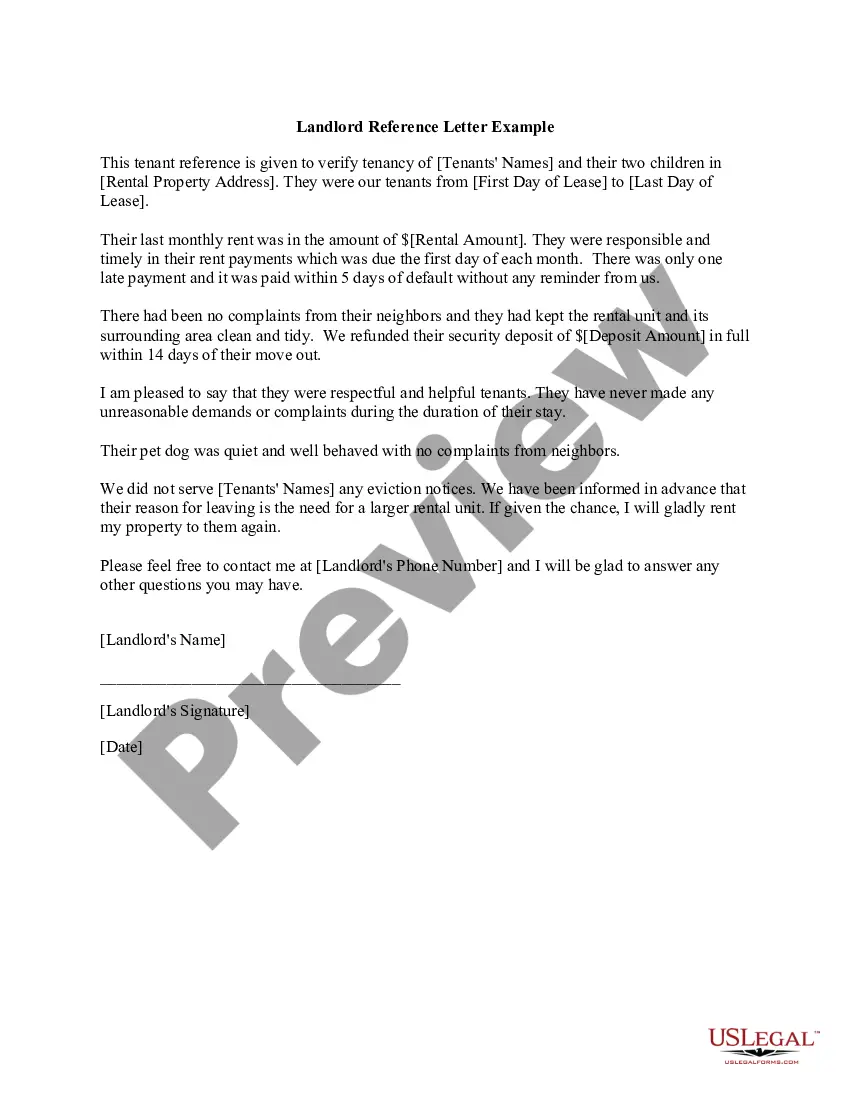
How to fill out Collections Agreement - Self-Employed Independent Contractor?
It is feasible to spend hours online searching for the legal document template that meets the federal and state requirements you require. US Legal Forms offers a vast array of legal forms that can be reviewed by professionals.
You can download or print the Connecticut Collections Agreement - Self-Employed Independent Contractor from my assistance. If you already possess a US Legal Forms account, you can Log In and click on the Download button. After that, you can complete, modify, print, or sign the Connecticut Collections Agreement - Self-Employed Independent Contractor.
Every legal document template you acquire is yours permanently. To obtain another copy of the purchased document, navigate to the My documents tab and click on the relevant button. If you are using the US Legal Forms website for the first time, follow the simple instructions below: First, ensure that you have selected the correct document template for the region/area you choose. Review the document details to confirm you have selected the right document. If available, utilize the Review button to browse through the document template as well.
- To find another version of the document, use the Search field to locate the template that meets your needs and requirements.
- Once you have identified the template you want, click Get now to proceed.
- Select the pricing plan you prefer, enter your details, and sign up for a free account on US Legal Forms.
- Complete the transaction. You can use your credit card or PayPal account to purchase the legal document.
- Choose the format of the document and download it to your device.
- Make adjustments to the document if possible. You can complete, modify, sign, and print the Connecticut Collections Agreement - Self-Employed Independent Contractor.
- Download and print a multitude of document templates using the US Legal Forms website, which offers the largest selection of legal forms. Utilize expert and state-specific templates to manage your business or personal requirements.
Form popularity
FAQ
Receiving payments as an independent contractor can be done through various methods, including direct bank transfers, checks, or payment platforms like PayPal. Clearly outlining payment terms in your contracts, such as the Connecticut Collections Agreement - Self-Employed Independent Contractor, ensures that both you and your clients have a shared understanding of the payment process. This clarity helps prevent any future disputes.
Yes, an independent contractor is indeed considered self-employed. This classification allows them to work autonomously and manage their own business affairs. If you are an independent contractor, it is important to familiarize yourself with terms such as the Connecticut Collections Agreement - Self-Employed Independent Contractor to help you understand your position in the market.
The terms 'self-employed' and 'independent contractor' can often be used interchangeably, though there may be slight distinctions in certain contexts. Both describe individuals who operate their own businesses and manage their own clients. However, using the term 'self-employed' can offer broader understanding, especially when discussing documents like the Connecticut Collections Agreement - Self-Employed Independent Contractor.
Independent contractors must adhere to various legal requirements, which include obtaining necessary licenses and permits based on their industry. It is essential to understand tax obligations, as well as any contractual agreements you encounter. Reviewing the Connecticut Collections Agreement - Self-Employed Independent Contractor can provide useful insights into these legal frameworks.
Absolutely, an independent contractor is classified as self-employed. This status allows you to have control over your work and income. Being familiar with legal documentation, such as the Connecticut Collections Agreement - Self-Employed Independent Contractor, can help solidify your understanding of your rights and obligations.
Yes, if you receive a 1099 form, you are likely considered self-employed. This form is used for reporting income earned from contracts, not wages. Understanding your status as a self-employed individual can help you navigate the complexities of the Connecticut Collections Agreement - Self-Employed Independent Contractor effectively.
Being self-employed means that you operate your own business and are not under the direct control of an employer. You have the freedom to choose your clients and set your own hours. It is important to have a clear understanding of your responsibilities, especially regarding the Connecticut Collections Agreement - Self-Employed Independent Contractor, as it outlines the specifics of your work arrangement.
Typically, the hiring party drafts the independent contractor agreement. However, it is beneficial for both parties to review the terms, ensuring clarity and fairness. Using services like US Legal Forms can help simplify this process, offering professionally crafted templates for creating a Connecticut Collections Agreement - Self-Employed Independent Contractor. This way, both parties can focus on their work rather than legal complexities.
Creating a Connecticut Collections Agreement - Self-Employed Independent Contractor involves several essential steps. Start by defining the scope of work, including specific tasks and project deadlines. Next, outline payment terms, including rates and method of payment, to eliminate confusion later. Consider using a platform like US Legal Forms to access templates that ensure your agreement meets legal standards.