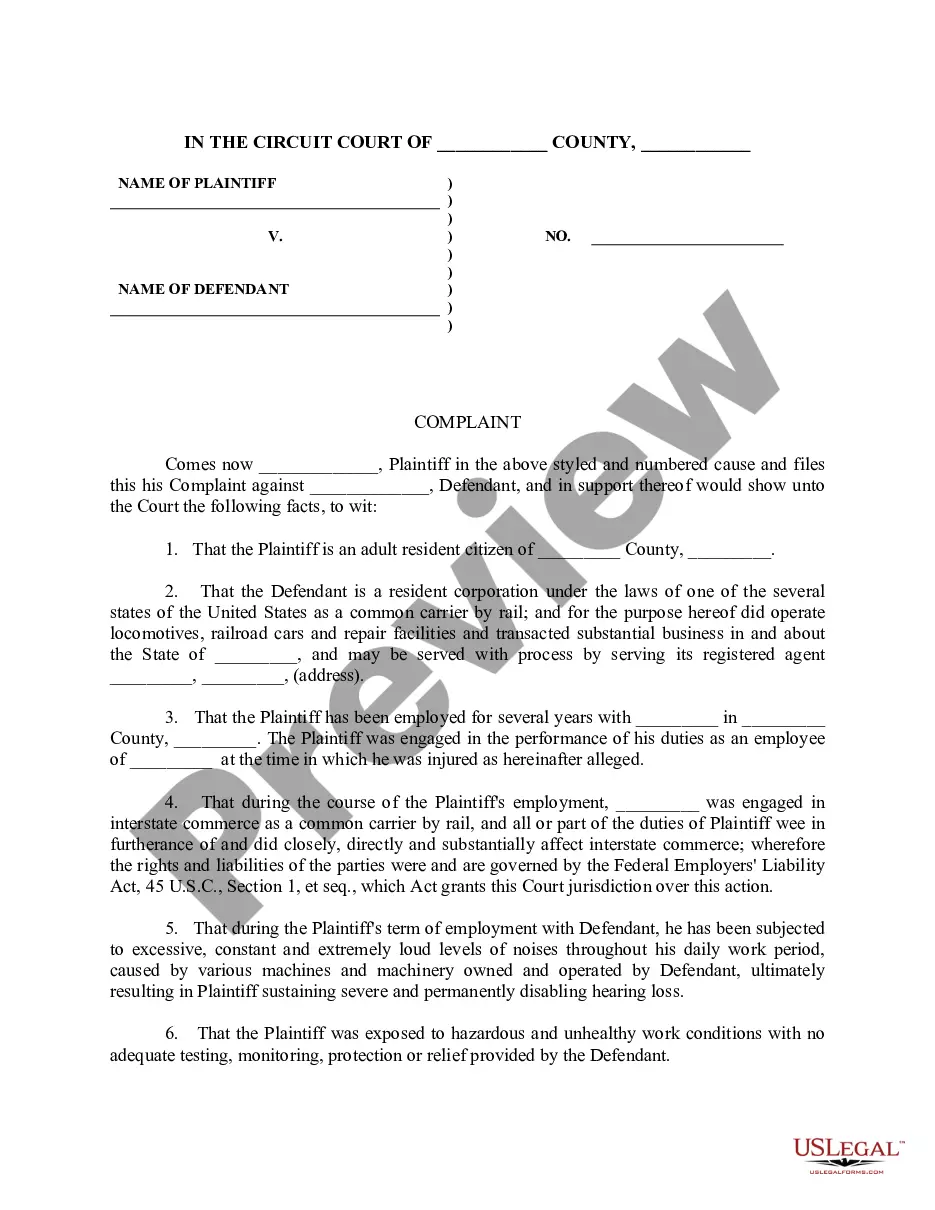
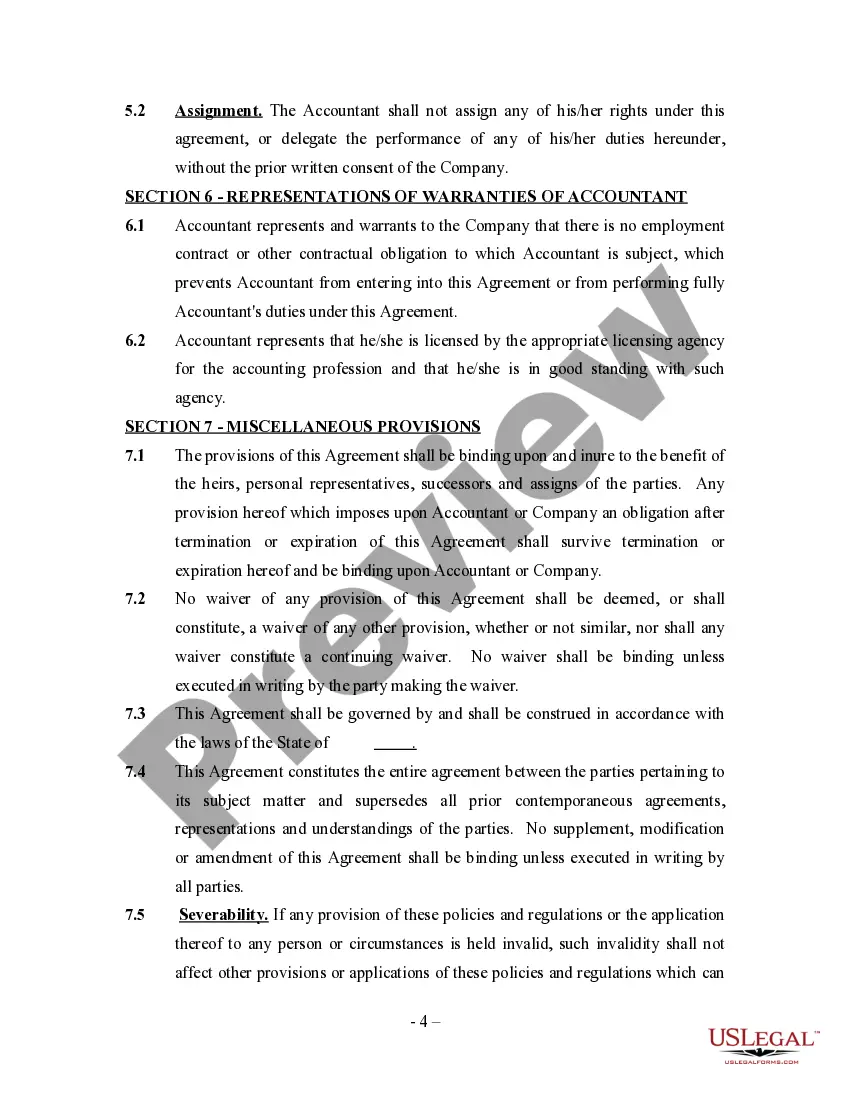
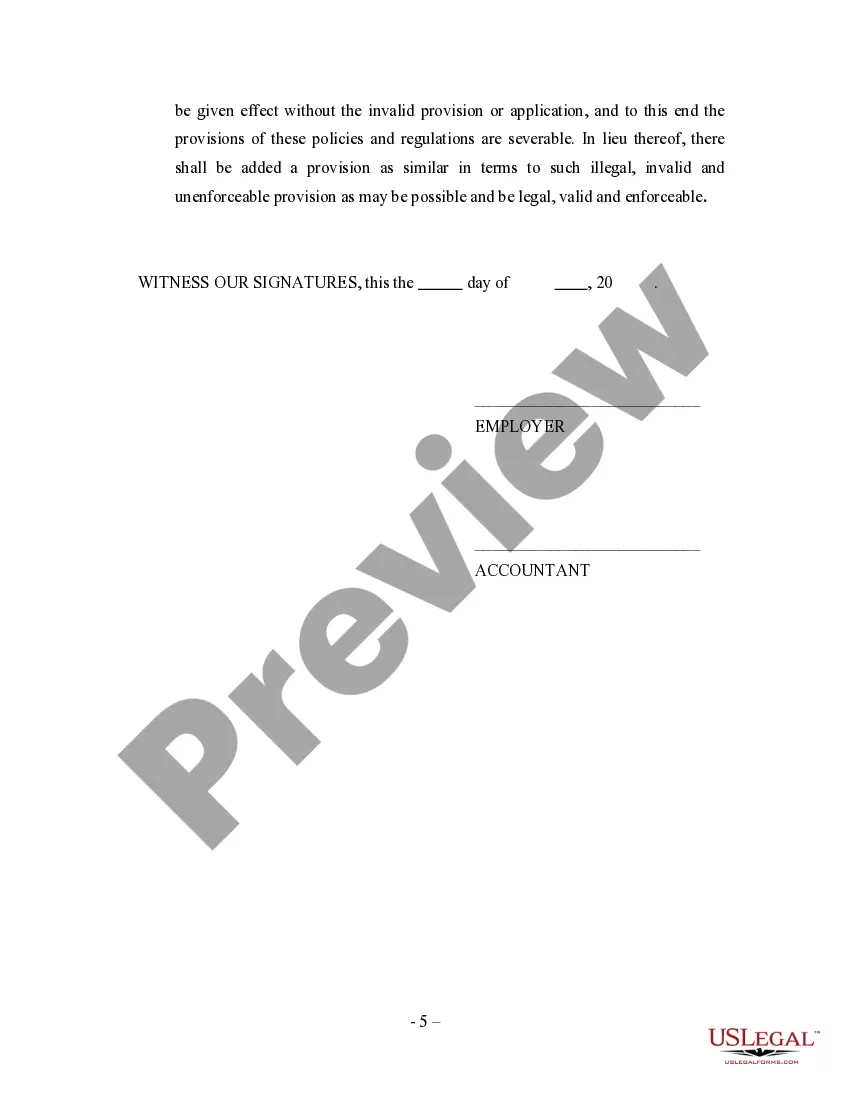
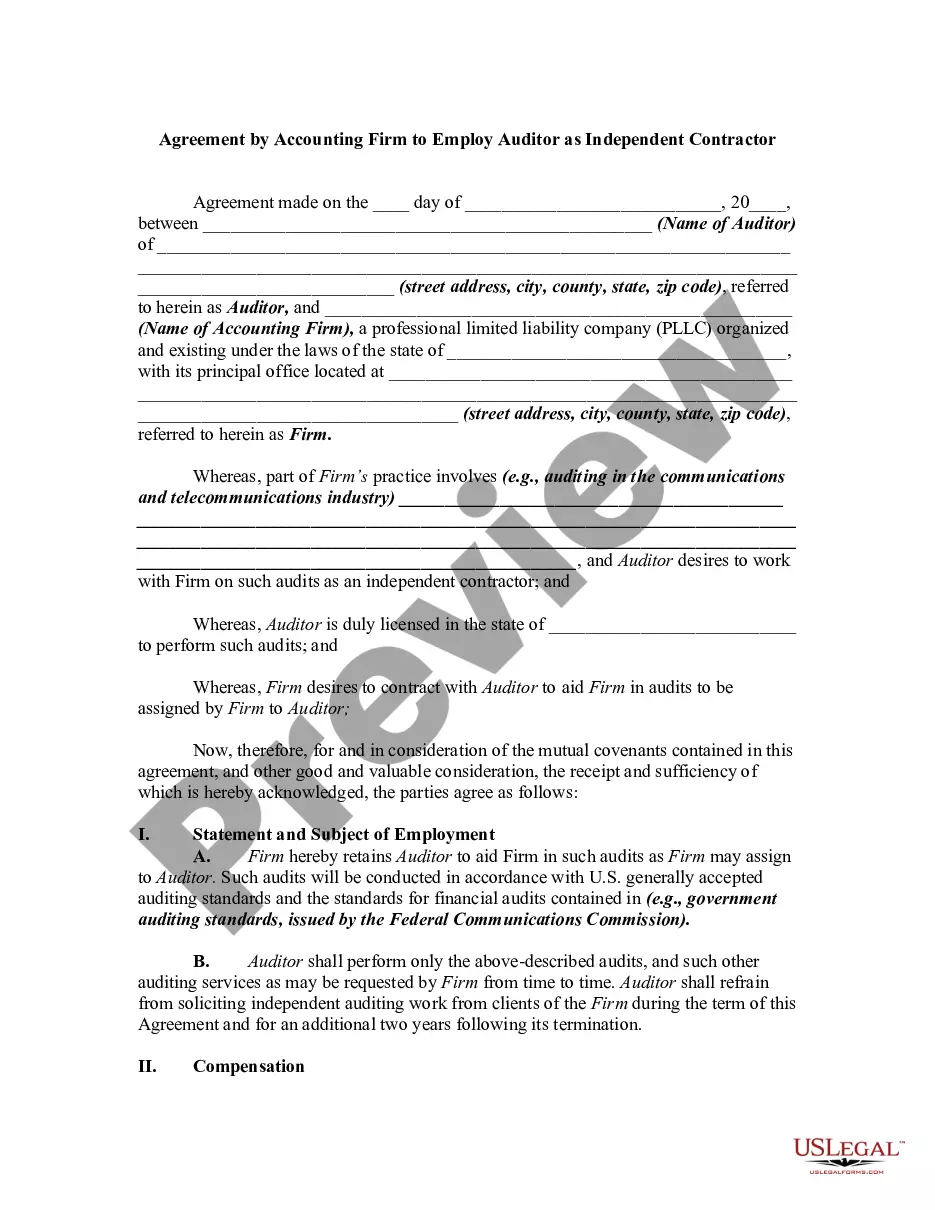
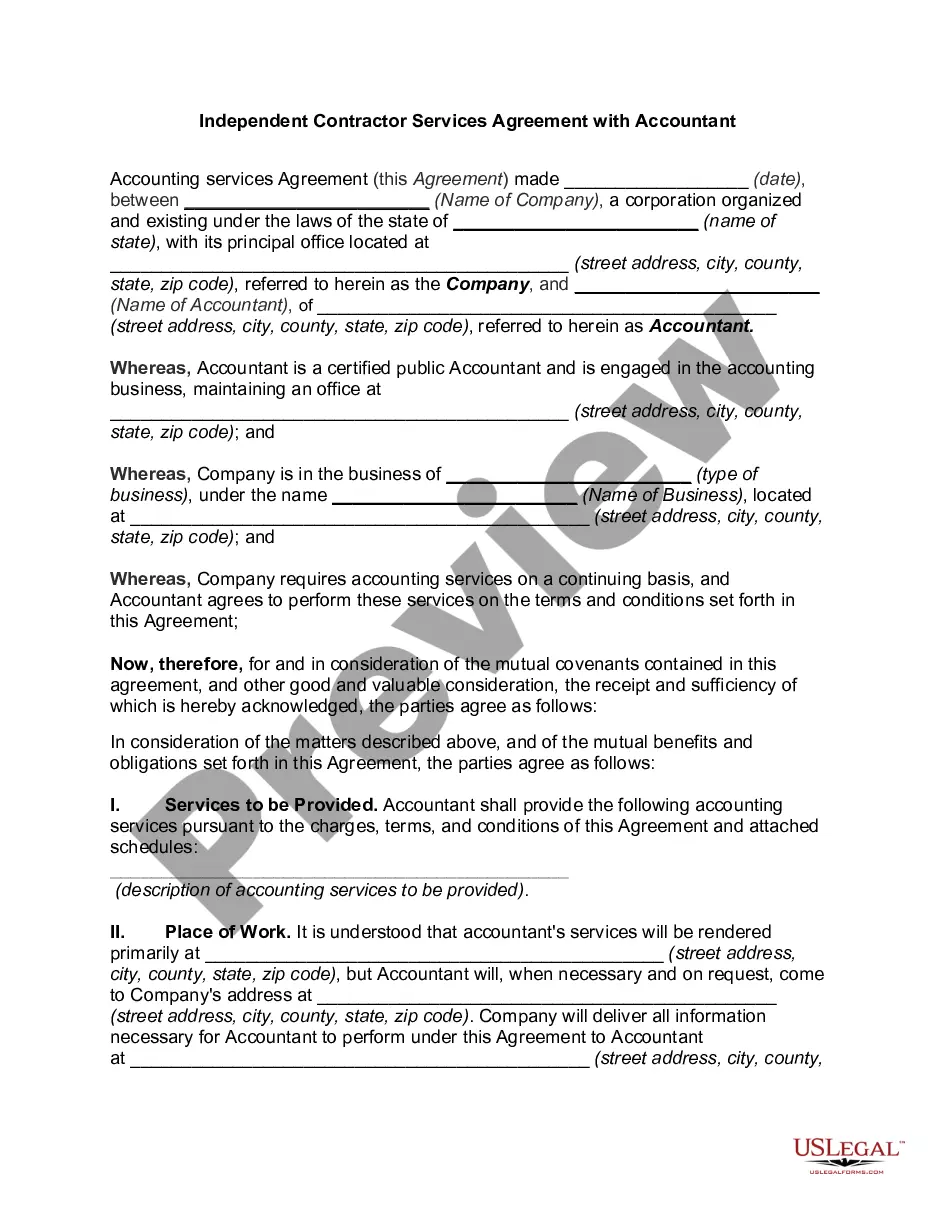
This is a contract whereby an employer hires an independent contractor to perform various accounting functions as designated in the Agreement.
Connecticut Accounting Agreement - Self-Employed Independent Contractor
State:
Multi-State
Control #:
US-INDC-40
Format:
Word;
Rich Text
Instant download
Description
Free preview
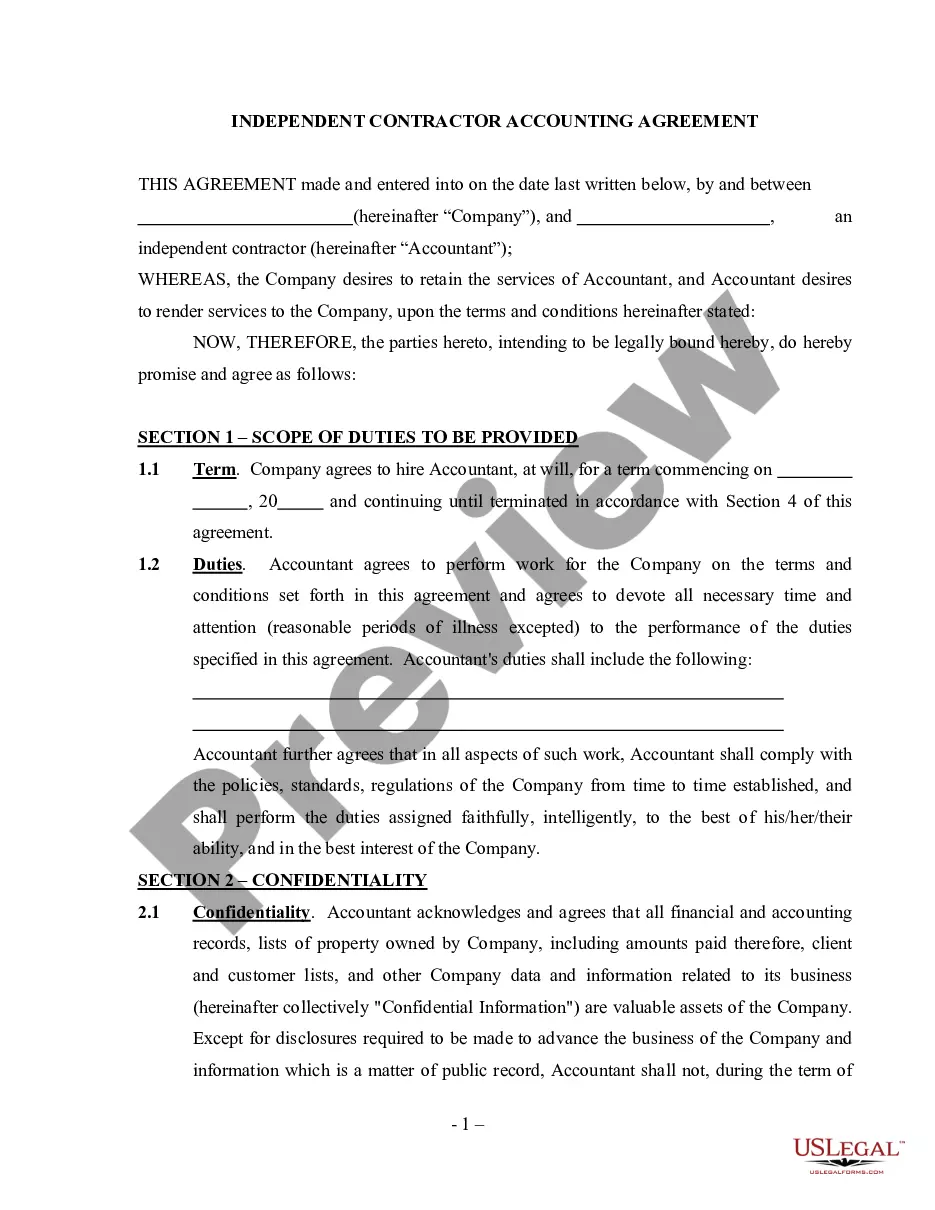
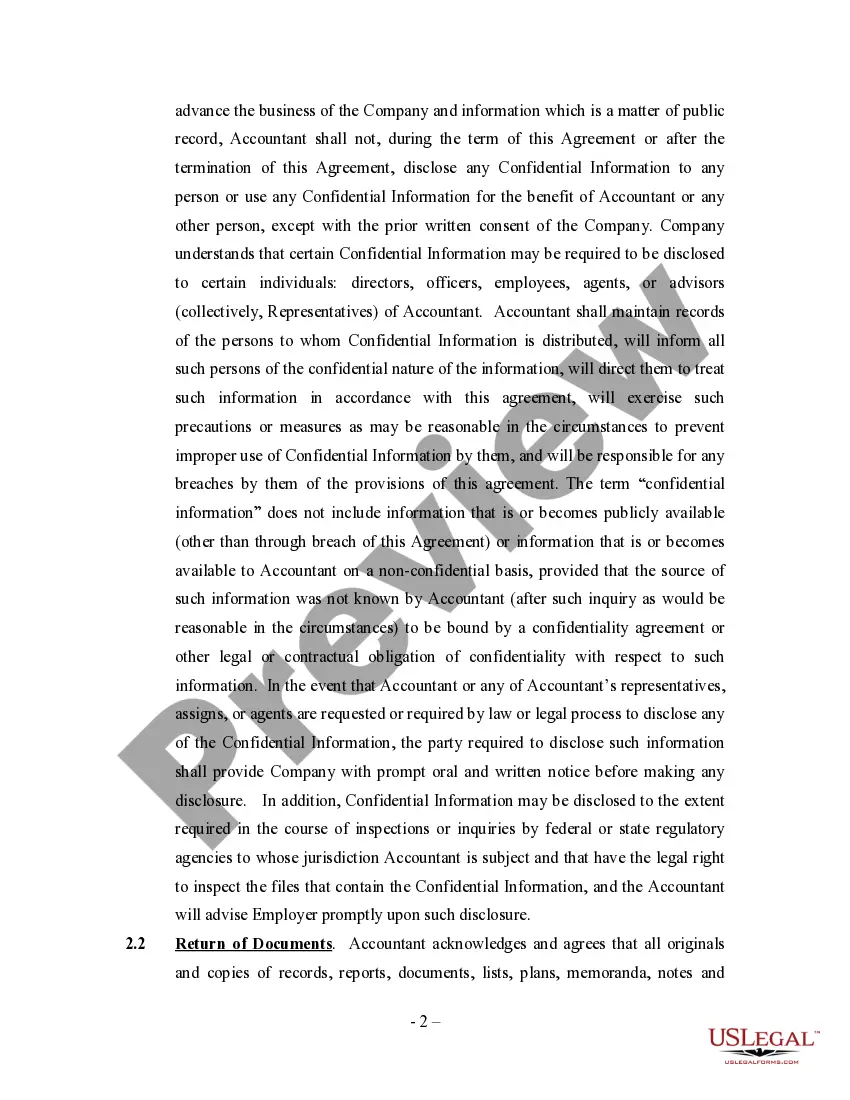
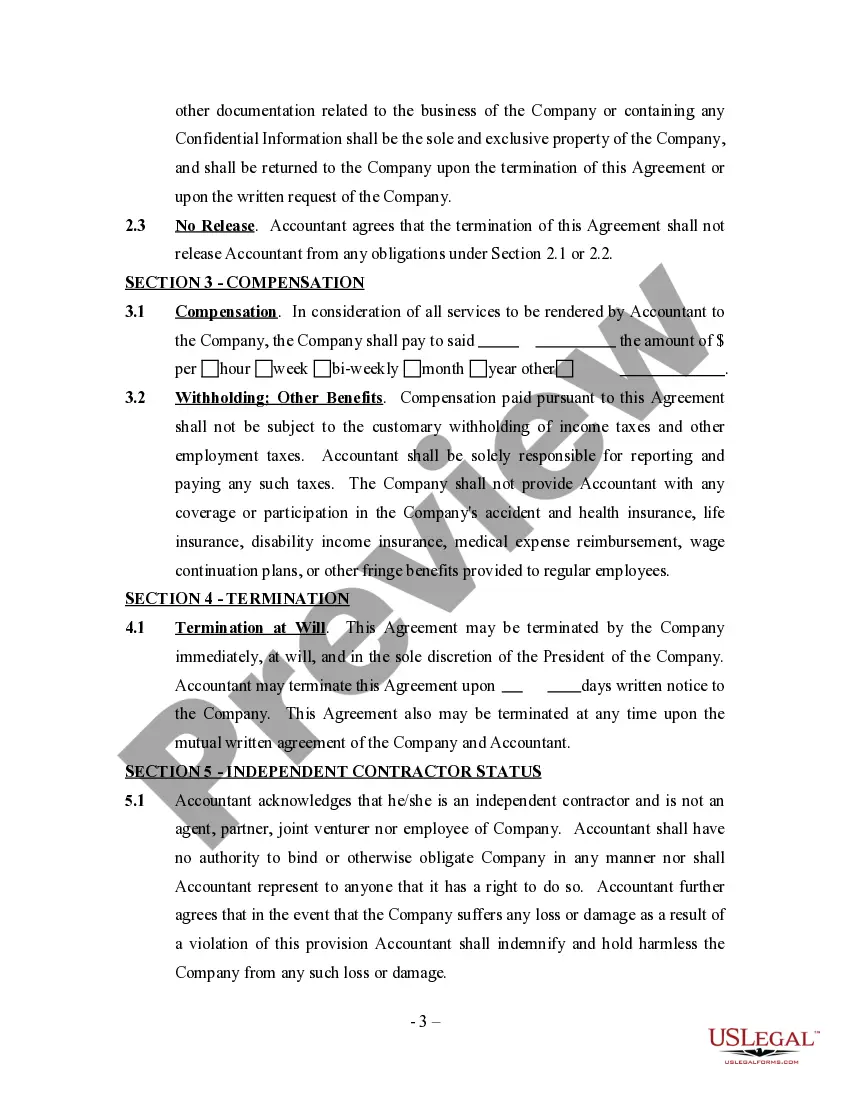
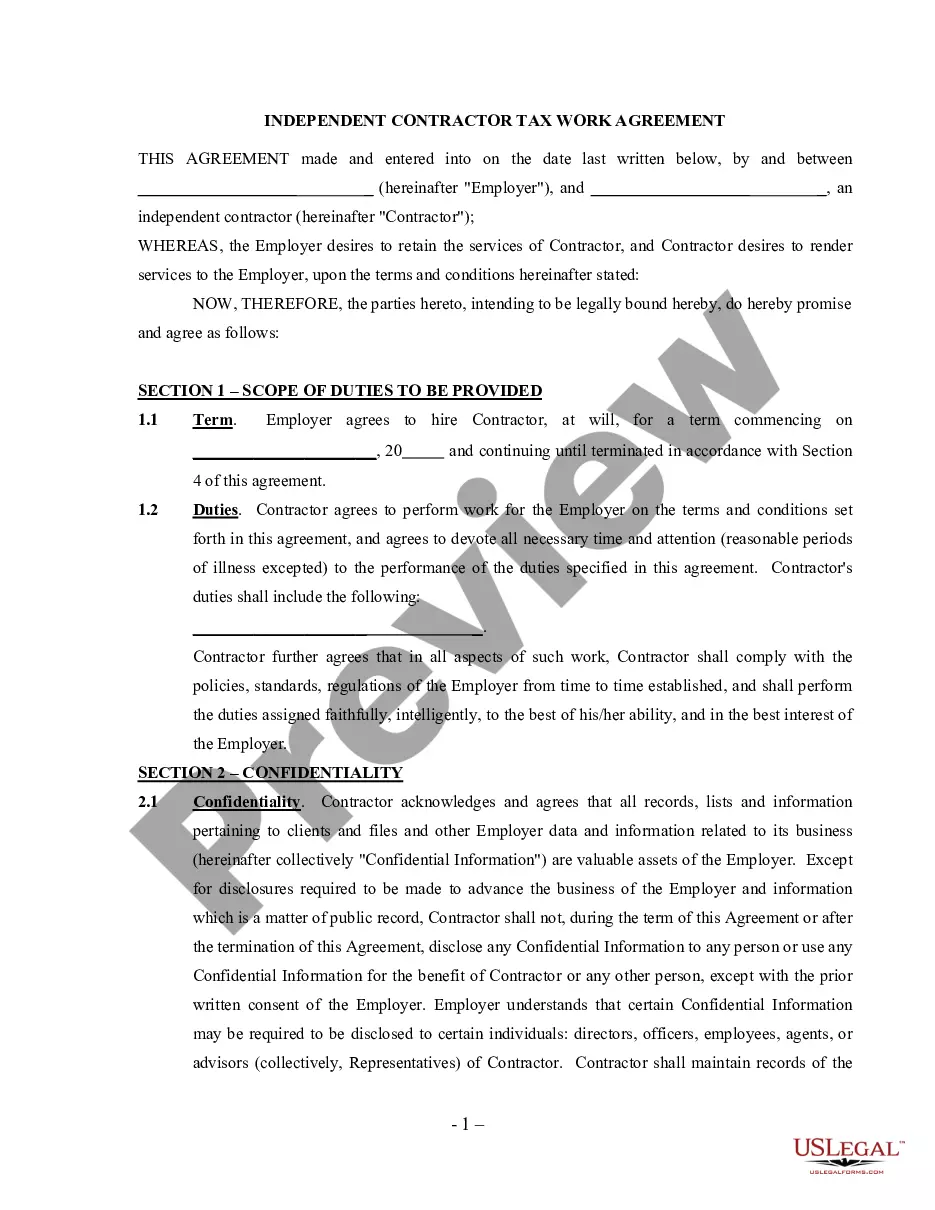
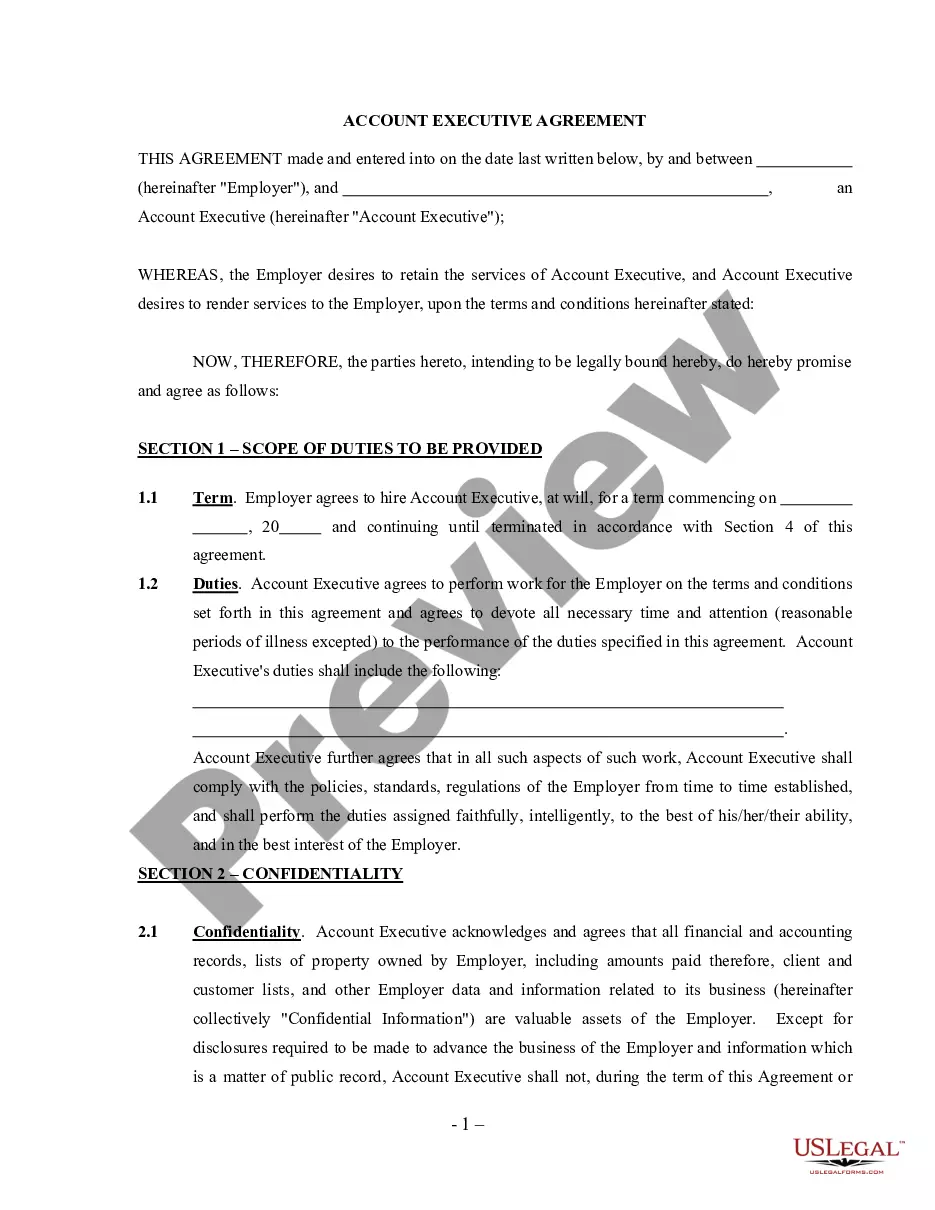
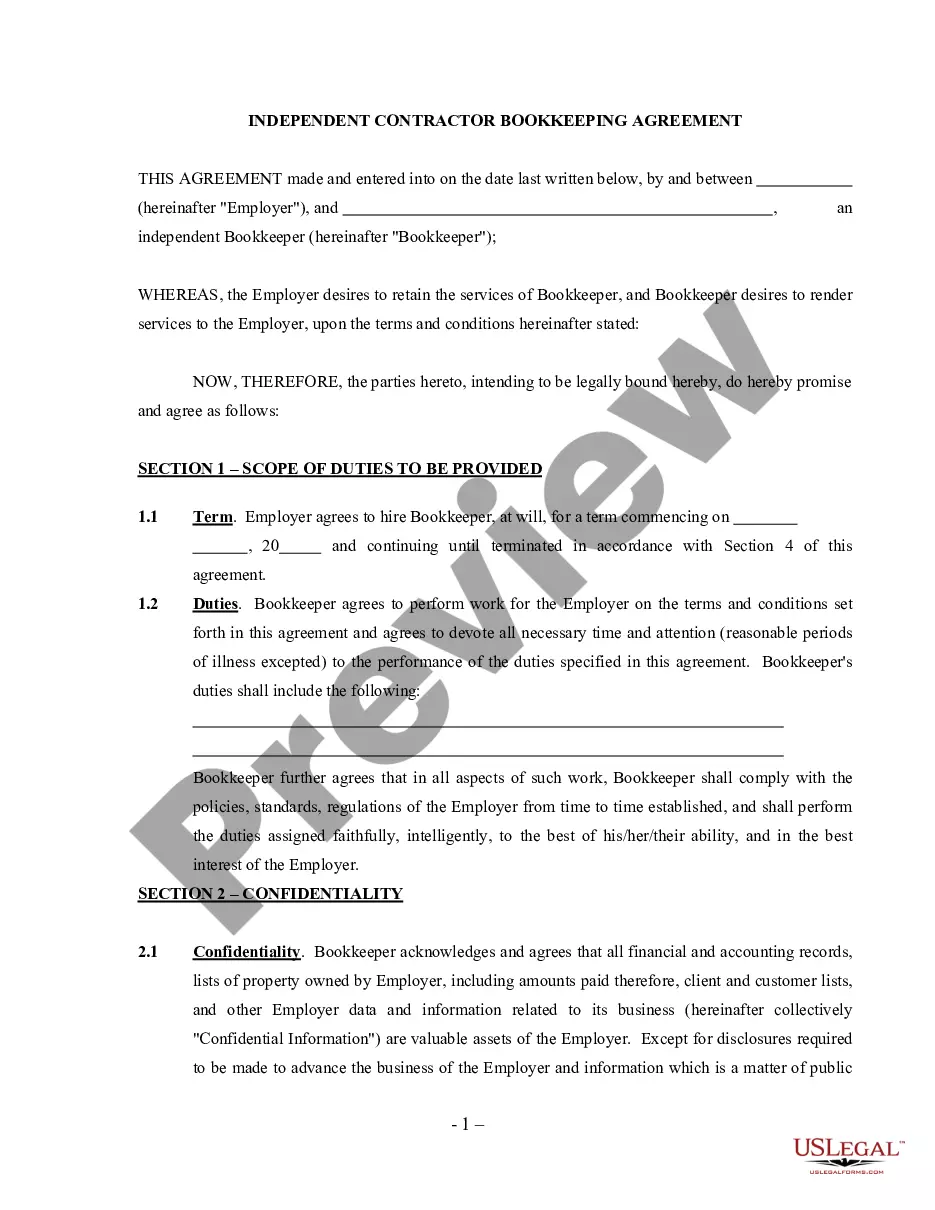

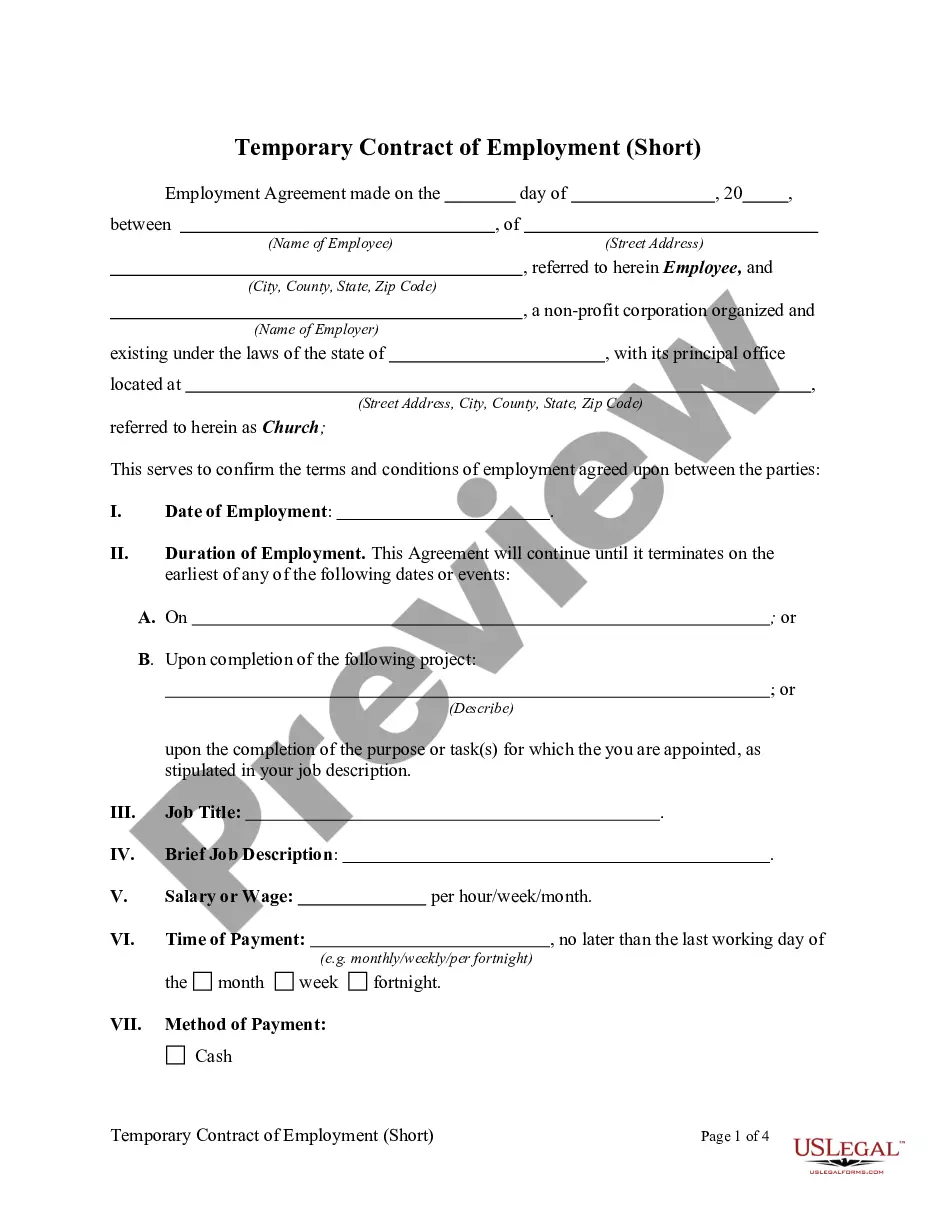
How to fill out Accounting Agreement - Self-Employed Independent Contractor?
US Legal Forms - one of the largest collections of legal templates in the country - offers a variety of legal document templates available for you to obtain or create.
By utilizing the website, you can access thousands of templates for business and personal purposes, categorized by types, states, or keywords. You can find the most recent versions of templates like the Connecticut Accounting Agreement - Self-Employed Independent Contractor in just a few minutes.
If you already have an account, Log In and download the Connecticut Accounting Agreement - Self-Employed Independent Contractor from the US Legal Forms library. The Download option will appear on every form you view. You can access all your previously downloaded documents in the My documents section of your account.
Process the purchase. Use your credit card or PayPal account to complete the transaction.
Select the format and download the form to your device. Make updates. Fill out, modify, and print and sign the downloaded Connecticut Accounting Agreement - Self-Employed Independent Contractor. Each template added to your account does not expire and is yours indefinitely. Therefore, if you wish to obtain or create another version, just go to the My documents section and click on the form you need. Access the Connecticut Accounting Agreement - Self-Employed Independent Contractor with US Legal Forms, one of the most comprehensive collections of legal document templates. Utilize thousands of professional and state-specific templates that meet your business or personal requirements and needs.
- If you’re using US Legal Forms for the first time, here are simple steps to help you get started.
- Ensure you have selected the correct form for your city/state.
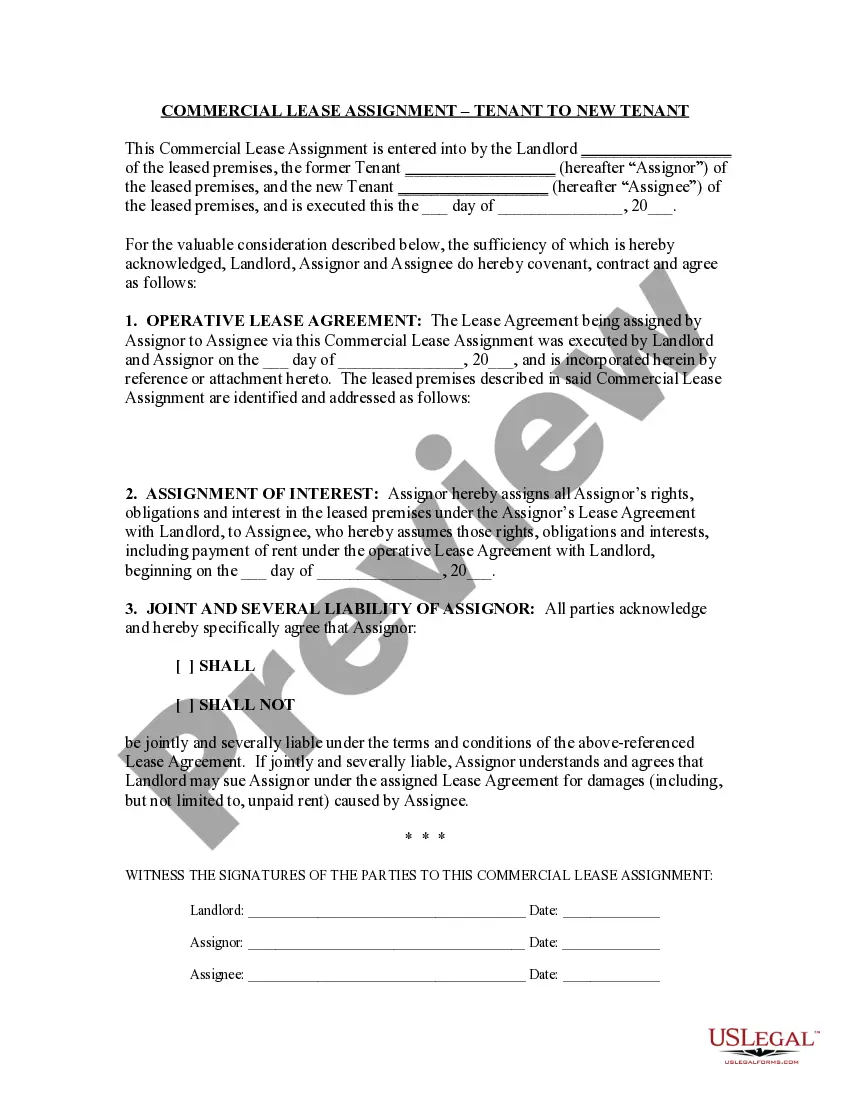
- Check the Preview option to review the form's content.
- Read the form’s description to confirm you have chosen the correct form.
- If the form does not meet your needs, use the Search field at the top of the screen to find a suitable alternative.
- Once you are content with the form, confirm your choice by clicking the Buy Now button.
- Then, select your preferred pricing plan and provide your information to create an account.
Form popularity
FAQ
Becoming an independent contractor is one of the many ways to be classified as self-employed. By definition, an independent contractor provides work or services on a contractual basis, whereas, self-employment is simply the act of earning money without operating within an employee-employer relationship.
Becoming an independent contractor is one of the many ways to be classified as self-employed. By definition, an independent contractor provides work or services on a contractual basis, whereas, self-employment is simply the act of earning money without operating within an employee-employer relationship.
Here are some steps you may use to guide you when you write an employment contract:Title the employment contract.Identify the parties.List the term and conditions.Outline the job responsibilities.Include compensation details.Use specific contract terms.Consult with an employment lawyer.Employment.More items...?
The law does not require you to complete a contract with your self-employed or freelance workers - a verbal contract can exist even when there is nothing in writing.
The IRS says that someone is self-employed if they meet one of these conditions:Someone who carries on a trade or business as a sole proprietor or independent contractor,A member of a partnership that carries on a trade or business, or.Someone who is otherwise in business for themselves, including part-time business.
The three types of self-employed individuals include:Independent contractors. Independent contractors are individuals hired to perform specific jobs for clients, meaning that they are only paid for their jobs.Sole proprietors.Partnerships.
How do I create an Independent Contractor Agreement?State the location.Describe the type of service required.Provide the contractor's and client's details.Outline compensation details.State the agreement's terms.Include any additional clauses.State the signing details.
Independent contractors are self-employed workers who provide services for an organisation under a contract for services. Independent contractors are not employees and are typically highly skilled, providing their clients with specialist skills or additional capacity on an as needed basis.
If you are an independent contractor, then you are self-employed. The earnings of a person who is working as an independent contractor are subject to self-employment tax. To find out what your tax obligations are, visit the Self-Employed Individuals Tax Center.
Ten Tips for Making Solid Business Agreements and ContractsGet it in writing.Keep it simple.Deal with the right person.Identify each party correctly.Spell out all of the details.Specify payment obligations.Agree on circumstances that terminate the contract.Agree on a way to resolve disputes.More items...