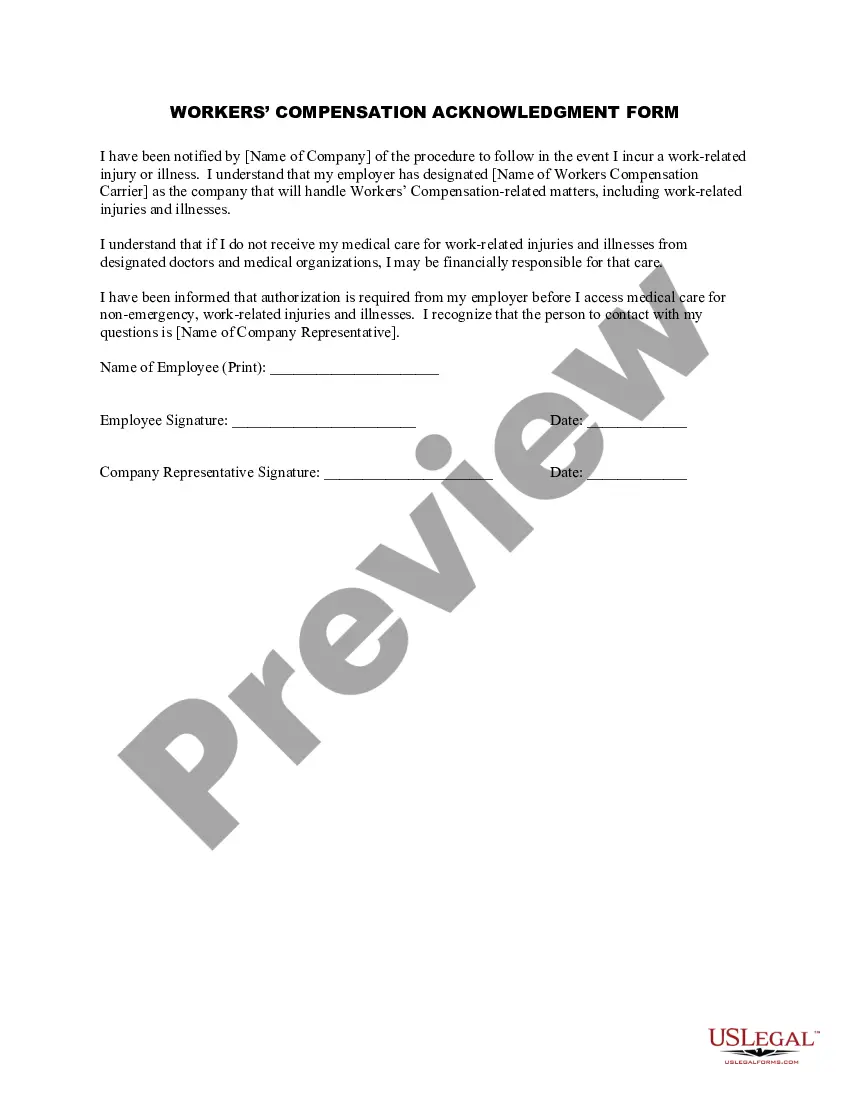
Connecticut Workers' Compensation Acknowledgment Form
Description
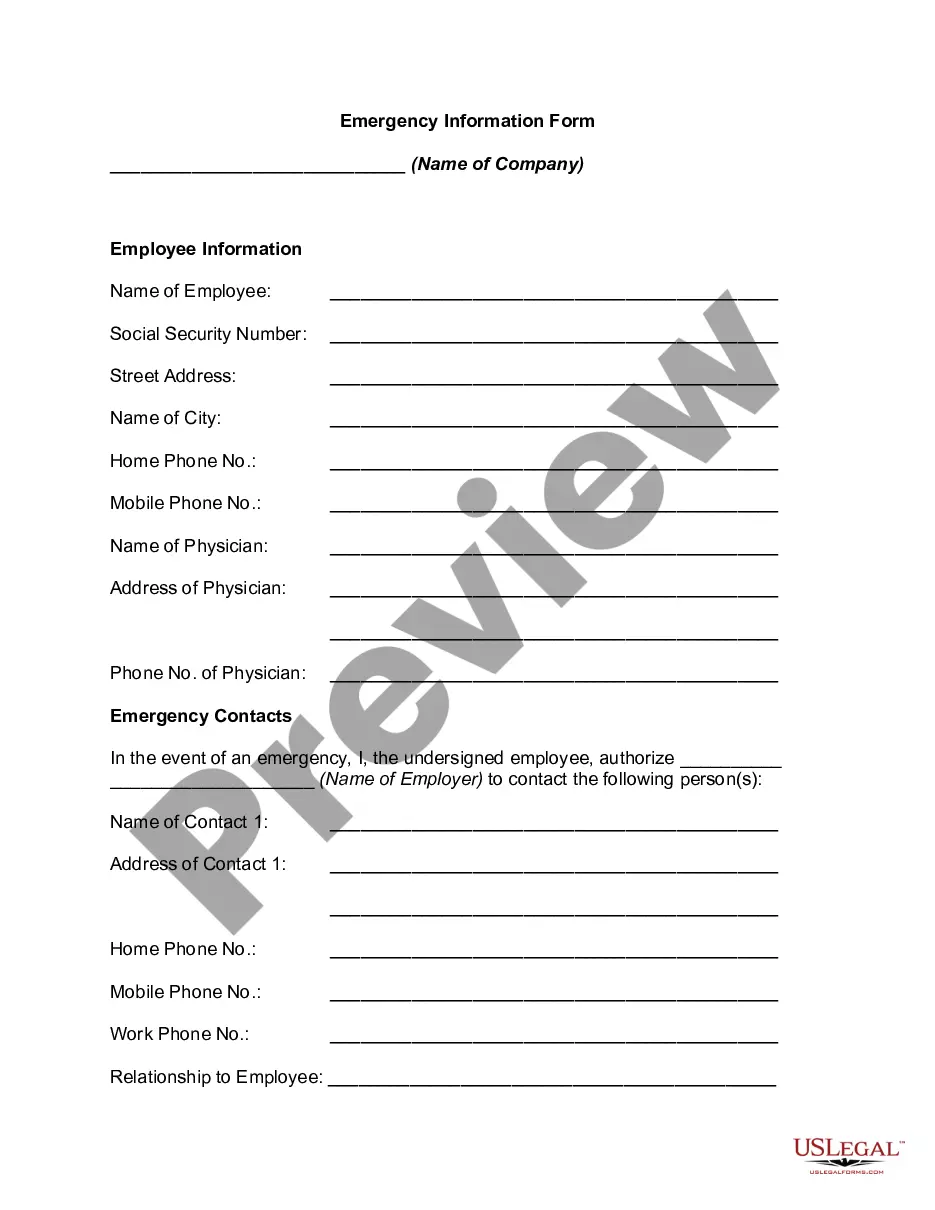
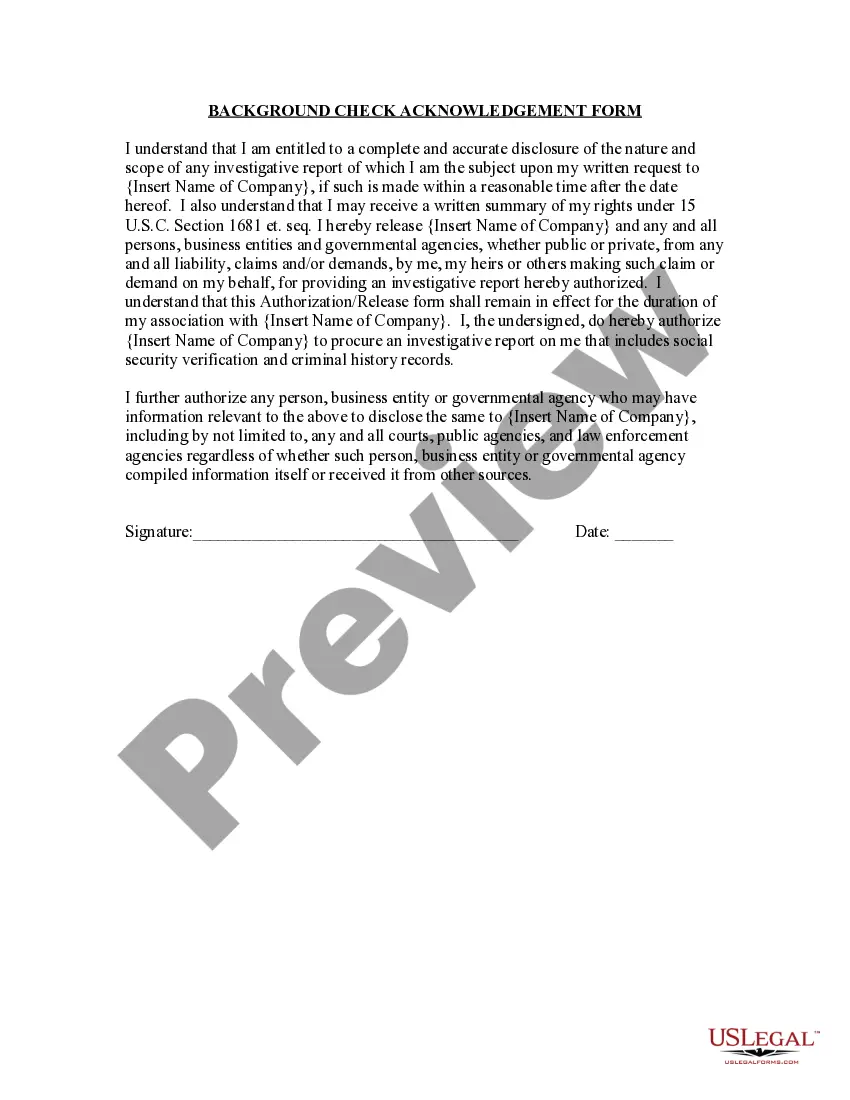
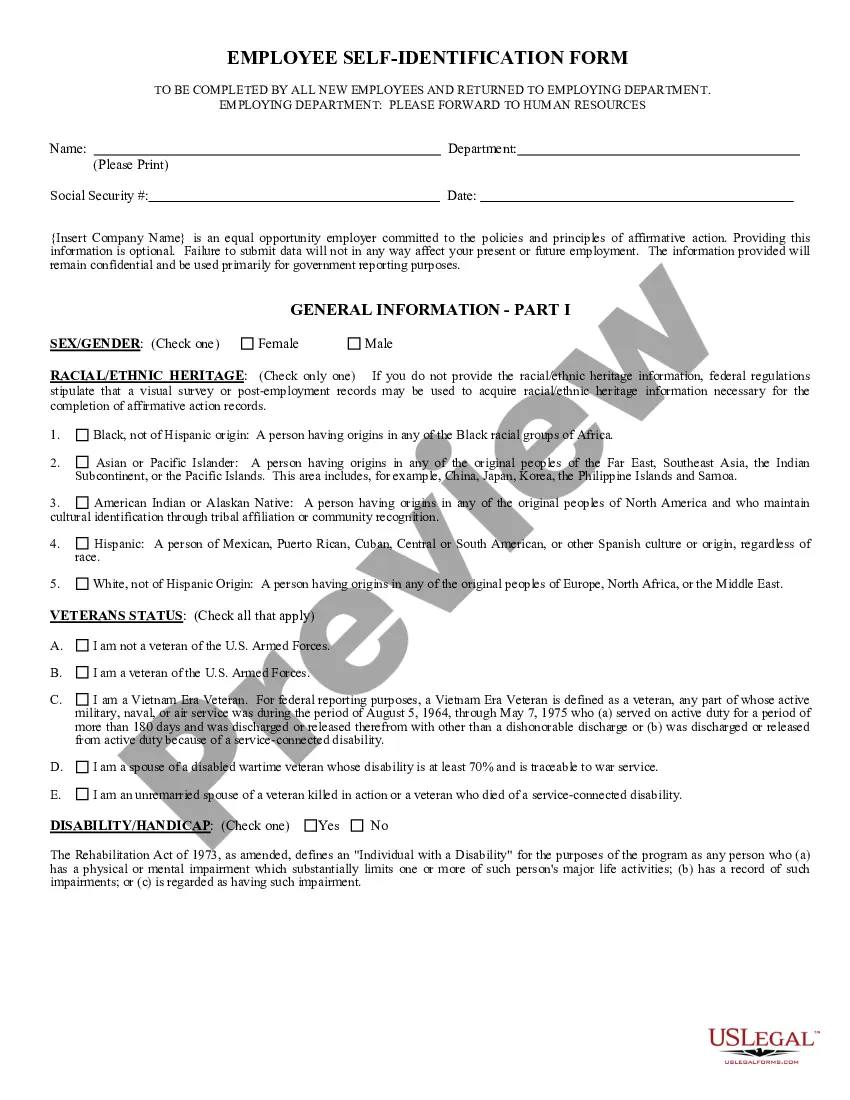
Get your form ready online
Our built-in tools help you complete, sign, share, and store your documents in one place.
Make edits, fill in missing information, and update formatting in US Legal Forms—just like you would in MS Word.
Download a copy, print it, send it by email, or mail it via USPS—whatever works best for your next step.
Sign and collect signatures with our SignNow integration. Send to multiple recipients, set reminders, and more. Go Premium to unlock E-Sign.
If this form requires notarization, complete it online through a secure video call—no need to meet a notary in person or wait for an appointment.
We protect your documents and personal data by following strict security and privacy standards.

Make edits, fill in missing information, and update formatting in US Legal Forms—just like you would in MS Word.

Download a copy, print it, send it by email, or mail it via USPS—whatever works best for your next step.

Sign and collect signatures with our SignNow integration. Send to multiple recipients, set reminders, and more. Go Premium to unlock E-Sign.

If this form requires notarization, complete it online through a secure video call—no need to meet a notary in person or wait for an appointment.

We protect your documents and personal data by following strict security and privacy standards.
Looking for another form?

How to fill out Workers' Compensation Acknowledgment Form?
It is feasible to spend hours online attempting to discover the legal document template that meets the state and federal requirements you desire.
US Legal Forms provides a vast array of legal forms that can be reviewed by professionals.
It is easy to obtain or print the Connecticut Workers' Compensation Acknowledgment Form from your service.
If available, use the Review button to look through the document format as well.
- If you already have a US Legal Forms account, you can Log In and click the Download button.
- Afterward, you can complete, modify, print, or sign the Connecticut Workers' Compensation Acknowledgment Form.
- Every legal document format you purchase is yours indefinitely.
- To obtain another copy of any purchased form, go to the My documents tab and click the corresponding button.
- If you are using the US Legal Forms website for the first time, follow the simple instructions below.
- First, ensure that you have selected the correct document format for the state/city of your choice.
- Review the form description to make sure you have chosen the appropriate form.
Form popularity
FAQ
If the employee suffers an accidental injury during the course of their employment, then he or she has a time period of up to one year to file an official claim for workers' compensation.
Generally, the FMLA allows employees that are eligible to take leave up to 12 weeks in any 12-month period (Connecticut allows 16 weeks in any 24-month period) for situations that include the serious health condition of the employee.
DWC-1 Workers Compensation Claim Form. This is the form you will complete and send to EMPLOYERS to initiate the claim process for your employee. This form must be completed and provided to EMPLOYERS within one working day from you becoming aware of a work-related injury or occupational disease.
The Form 36 is to be completed by the respondent (employer/workers' compensation insurance carrier) to notify the Workers' Compensation Commissioner, the claimant (employee/decedent), and all parties to the claim of its intention to reduce or discontinue payment of the claimant's workers' compensation benefits.
You will have one (1) year from the time of your injury and three years from your first signs of symptoms related to an occupational disease or illness to file your claim with the Workers' Compensation Commission.
Workers' comp is a two-way street. Your employer pays for insurance for medical and wage support if you are injured in the course of your work. In exchange for quick access to these benefits, you cannot sue your employer after you are injured, nor are you compensated for pain and suffering.
The Connecticut Workers Compensation Act guarantees medical care, protection against income loss, and survivor benefits for employees who suffer work-related injury, illness or death. The act grants benefits to an injured employee without regard to fault or negligence on the part of the employer or employee.
Workers' comp is a two-way street. Your employer pays for insurance for medical and wage support if you are injured in the course of your work. In exchange for quick access to these benefits, you cannot sue your employer after you are injured, nor are you compensated for pain and suffering.
A Connecticut worker is paid 75% of worker's after tax average weekly wage. Weekly payments are calculated as 20% of the State Average Weekly Wage not to exceed 75% of their average wage. The minimum is $228.20 and the maximum is $1,141 or 100% of State Average Weekly Wage.