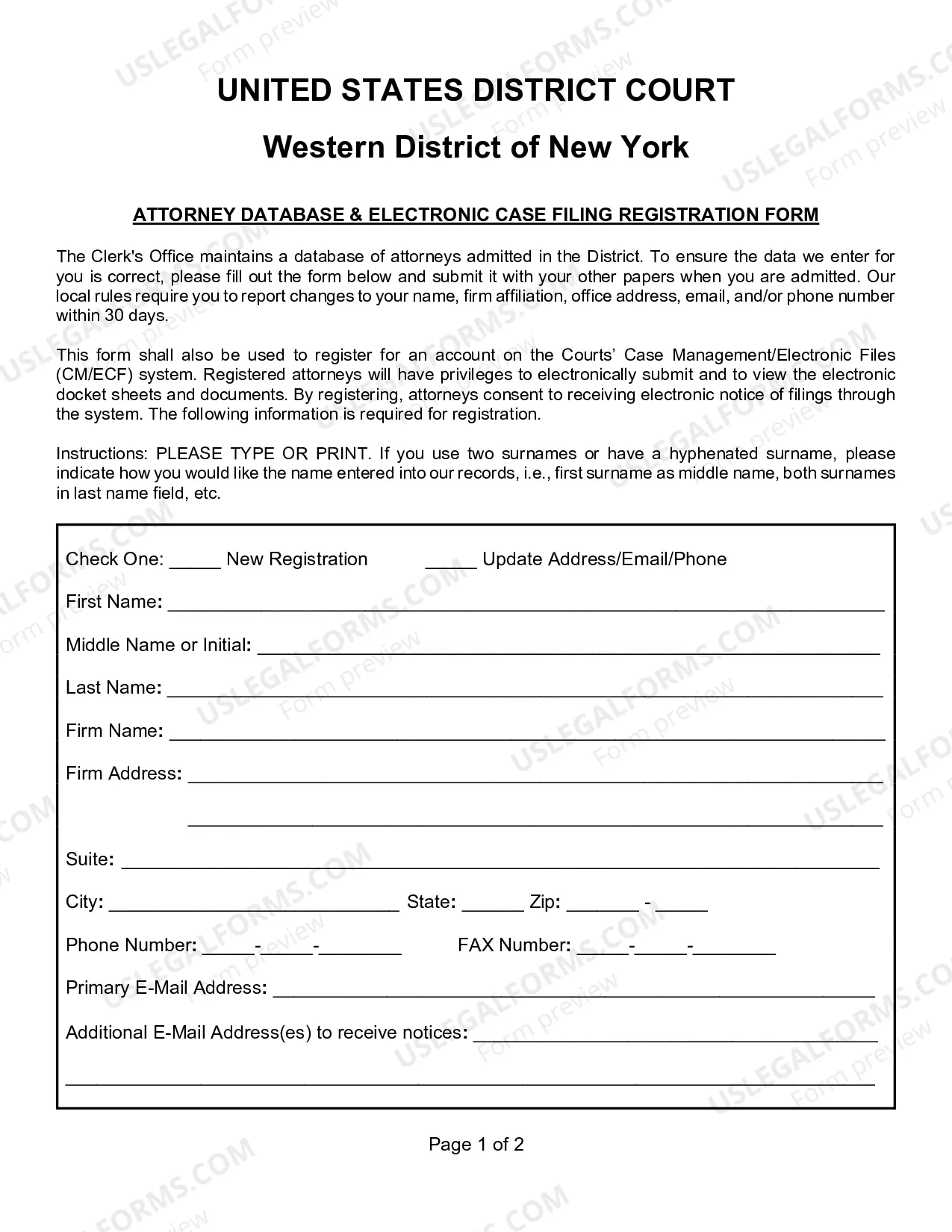
Connecticut Small Estate Affidavit for Estates under $40,000
What this document covers
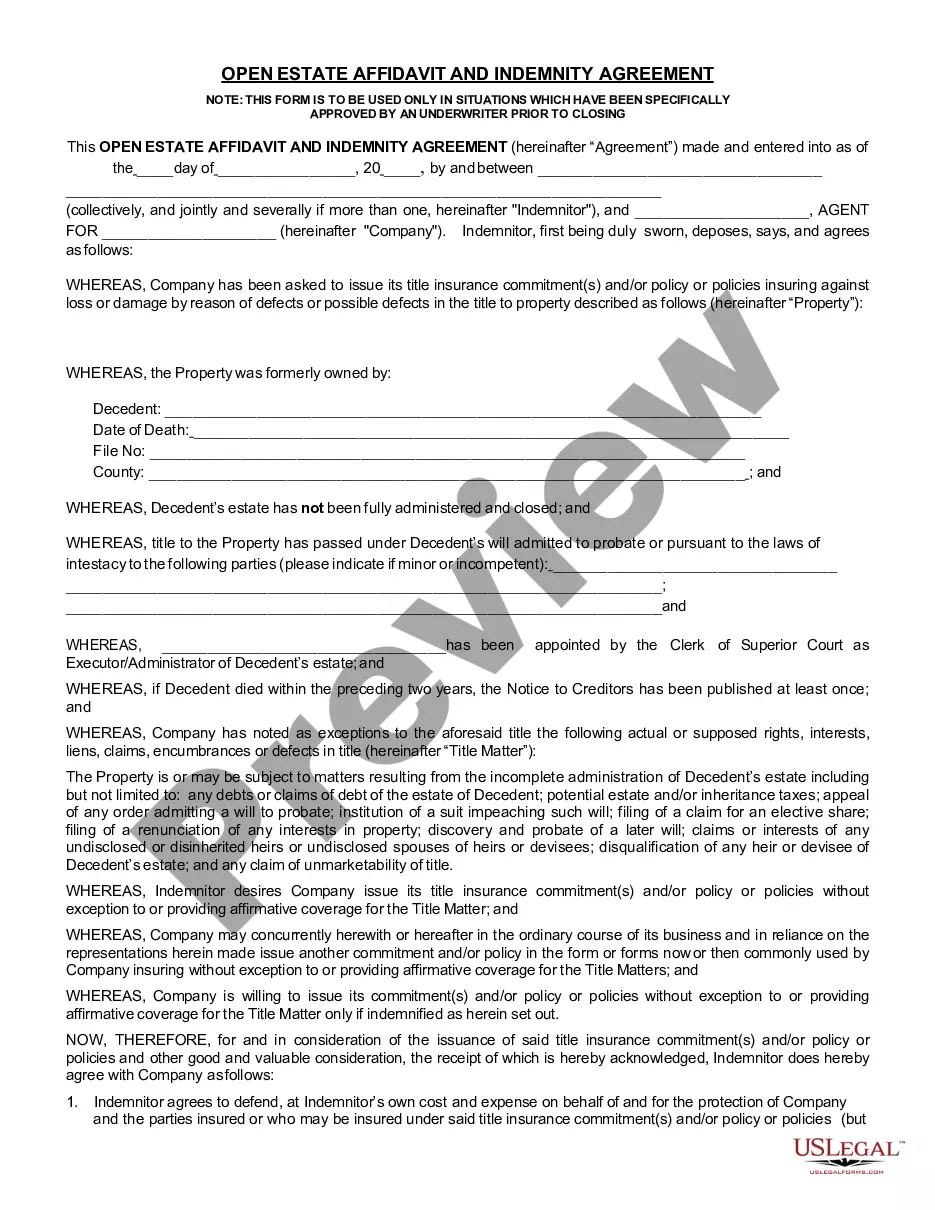
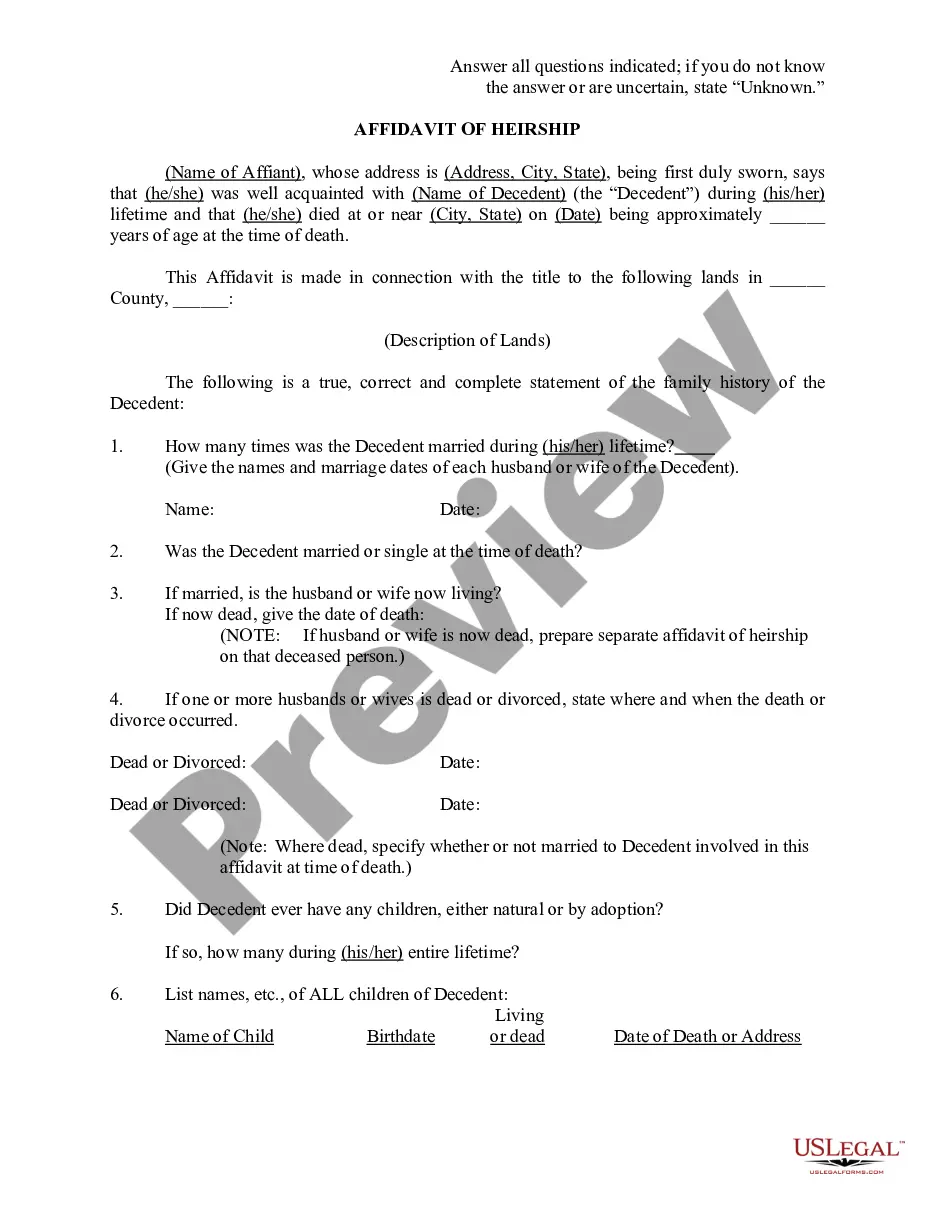
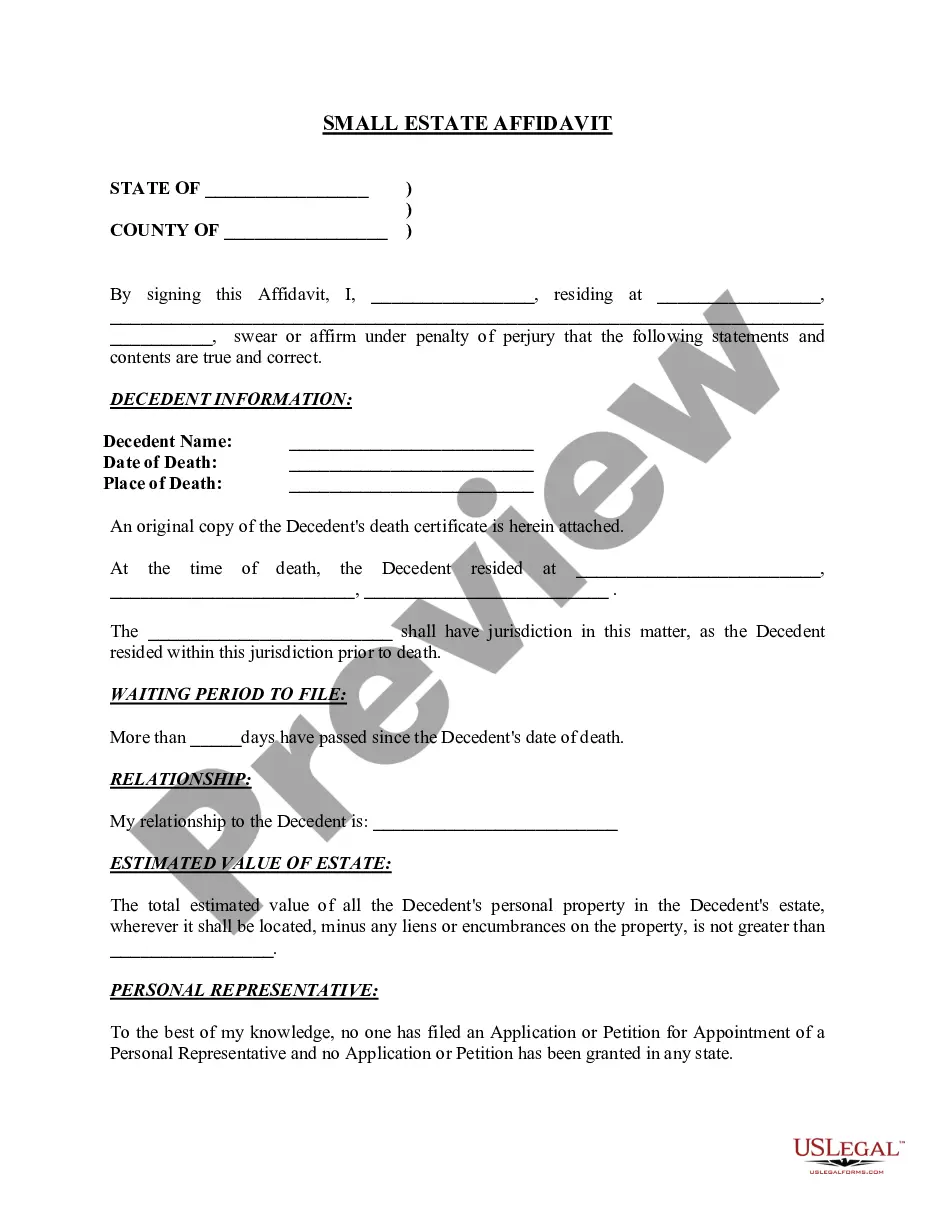
The Small Estate Affidavit is a legal document that allows beneficiaries to collect assets from an estate valued at less than $40,000 without going through the lengthy and costly process of probate. This form is specifically for use under Connecticut law and serves as an alternative to initiating formal estate administration. By using this affidavit, interested parties can expedite the transfer of personal property and settle the estate in a more efficient manner.
What’s included in this form
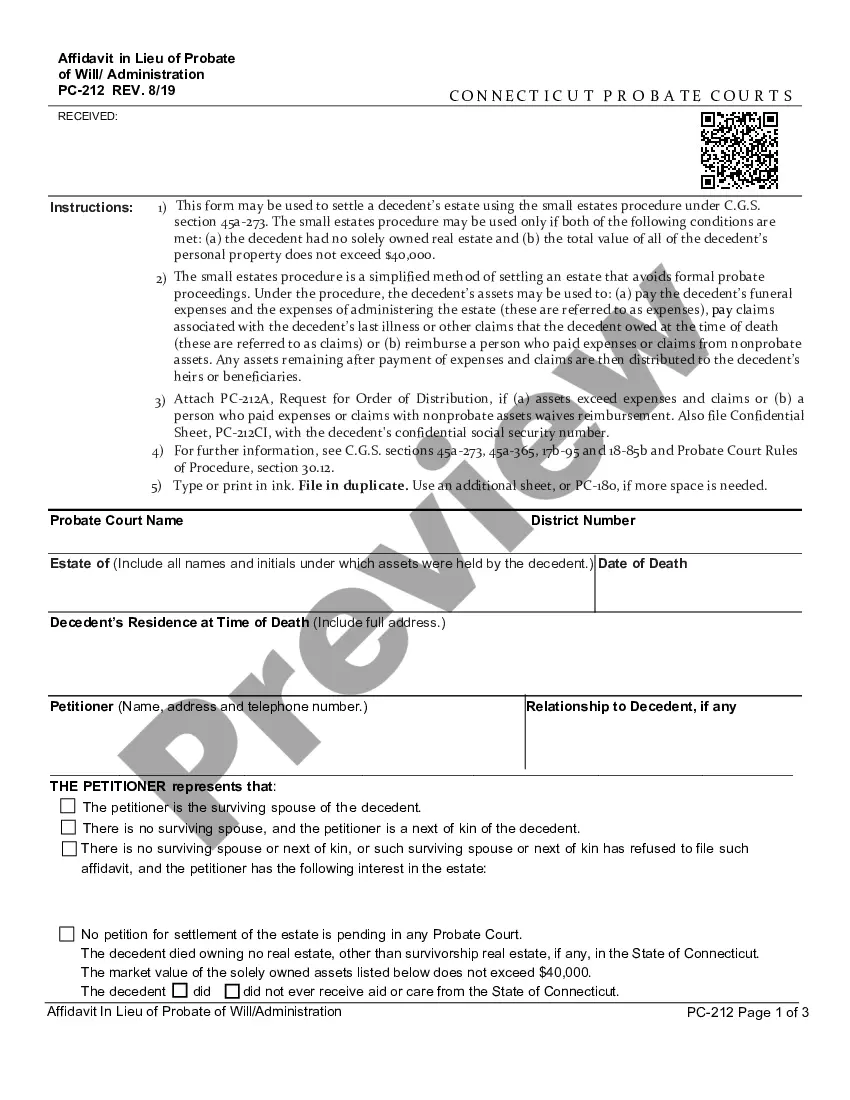
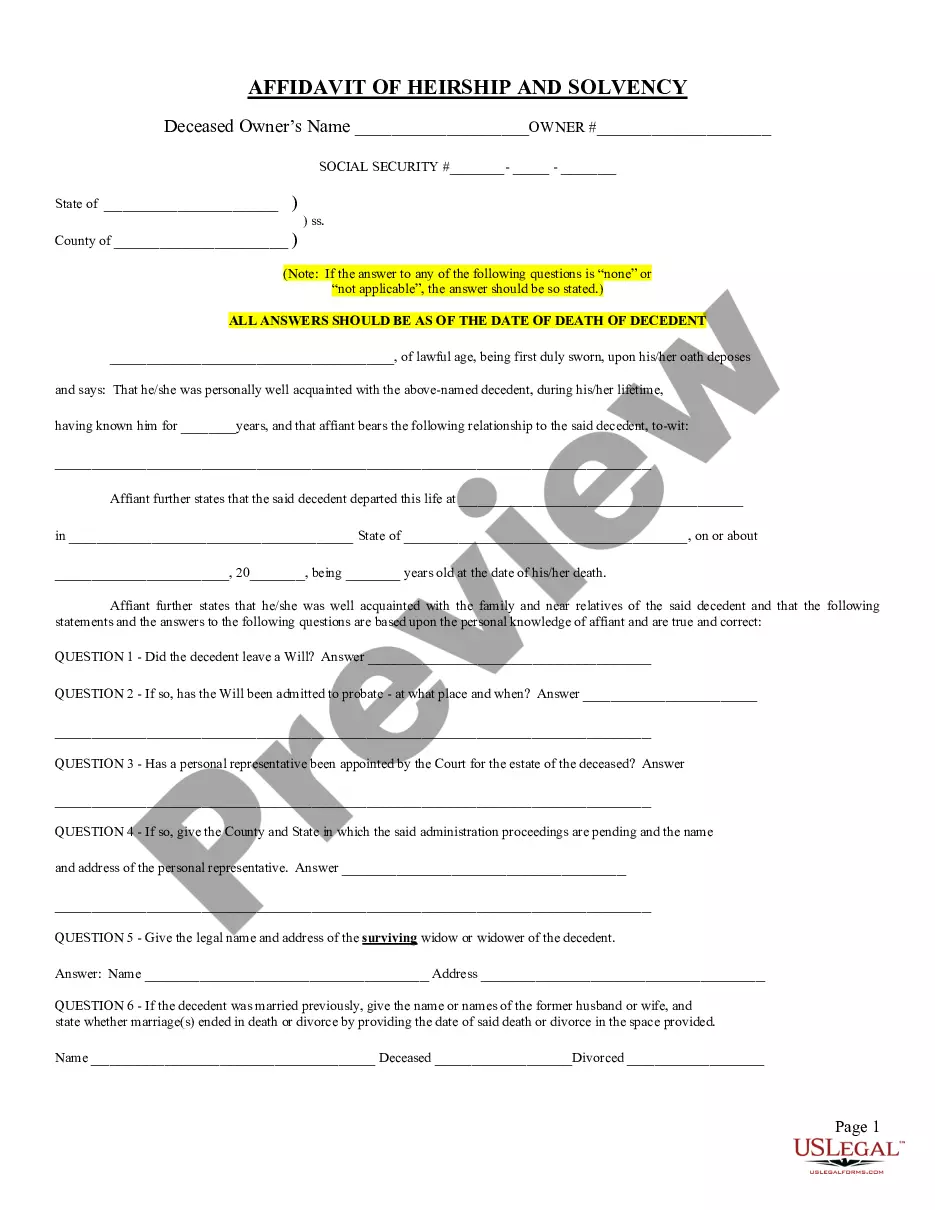
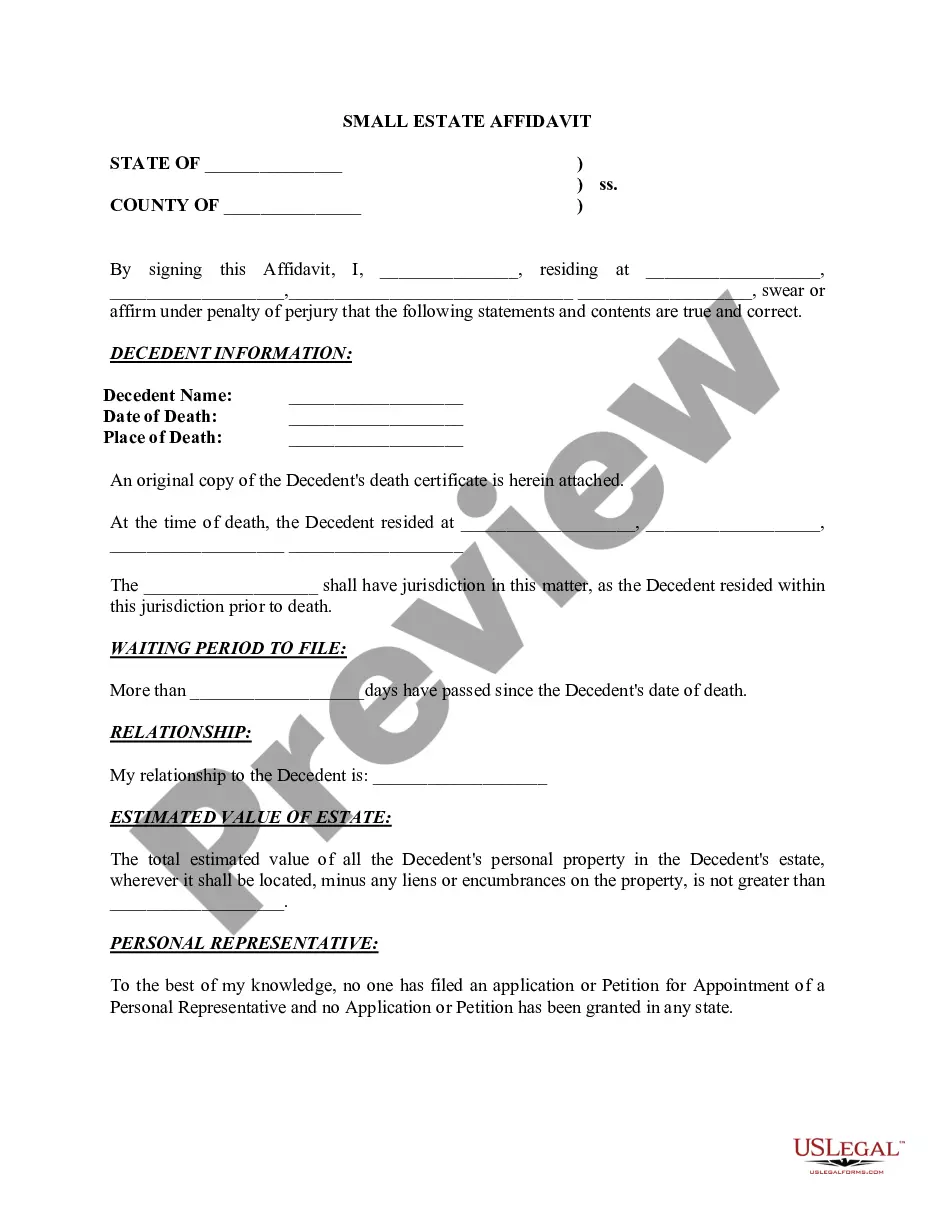
- Decedent's full name and Social Security number
- Decedent's residence address at the time of death
- The petitionerâs relation to the decedent
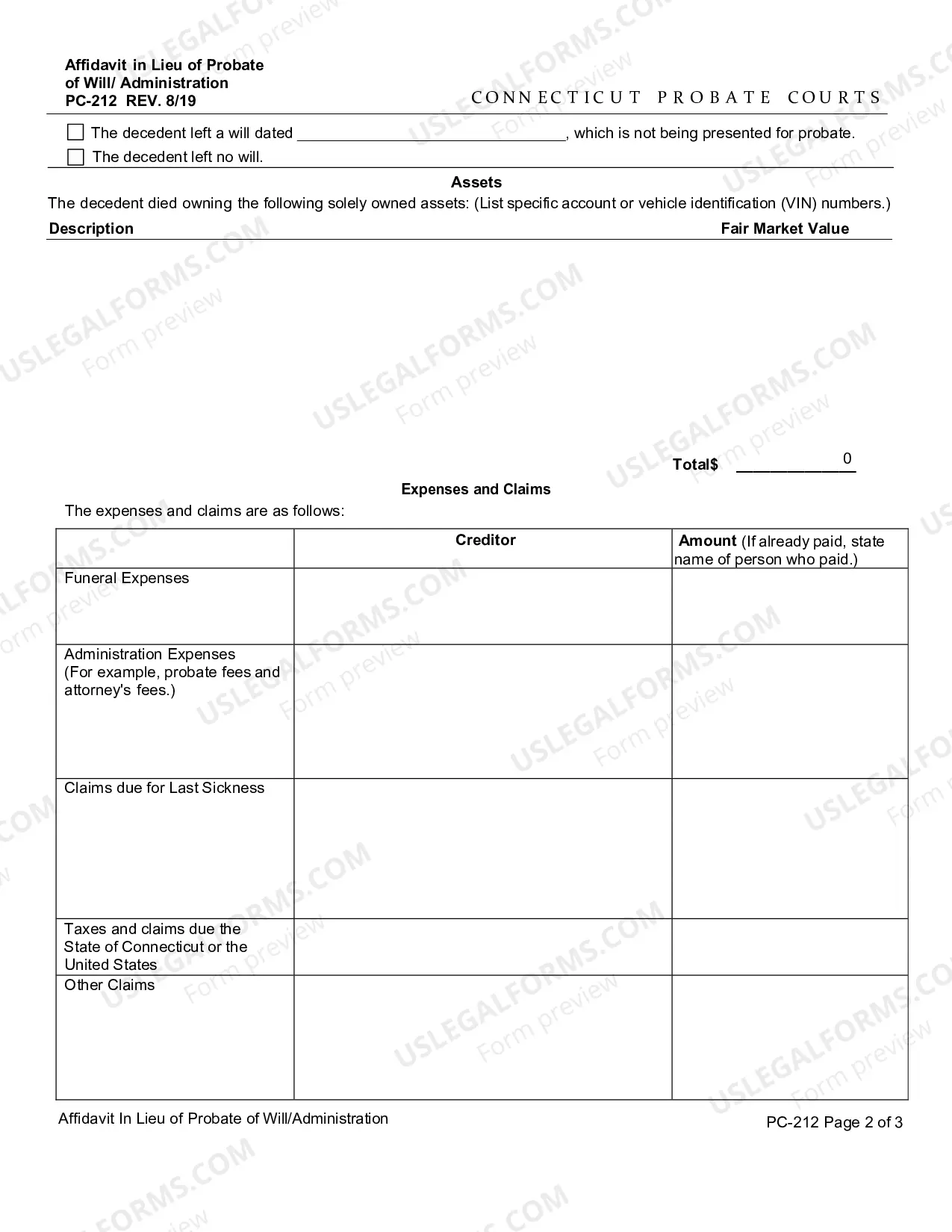
- A declaration of the estate's value and the absence of real property
- A list of debts and claims against the estate
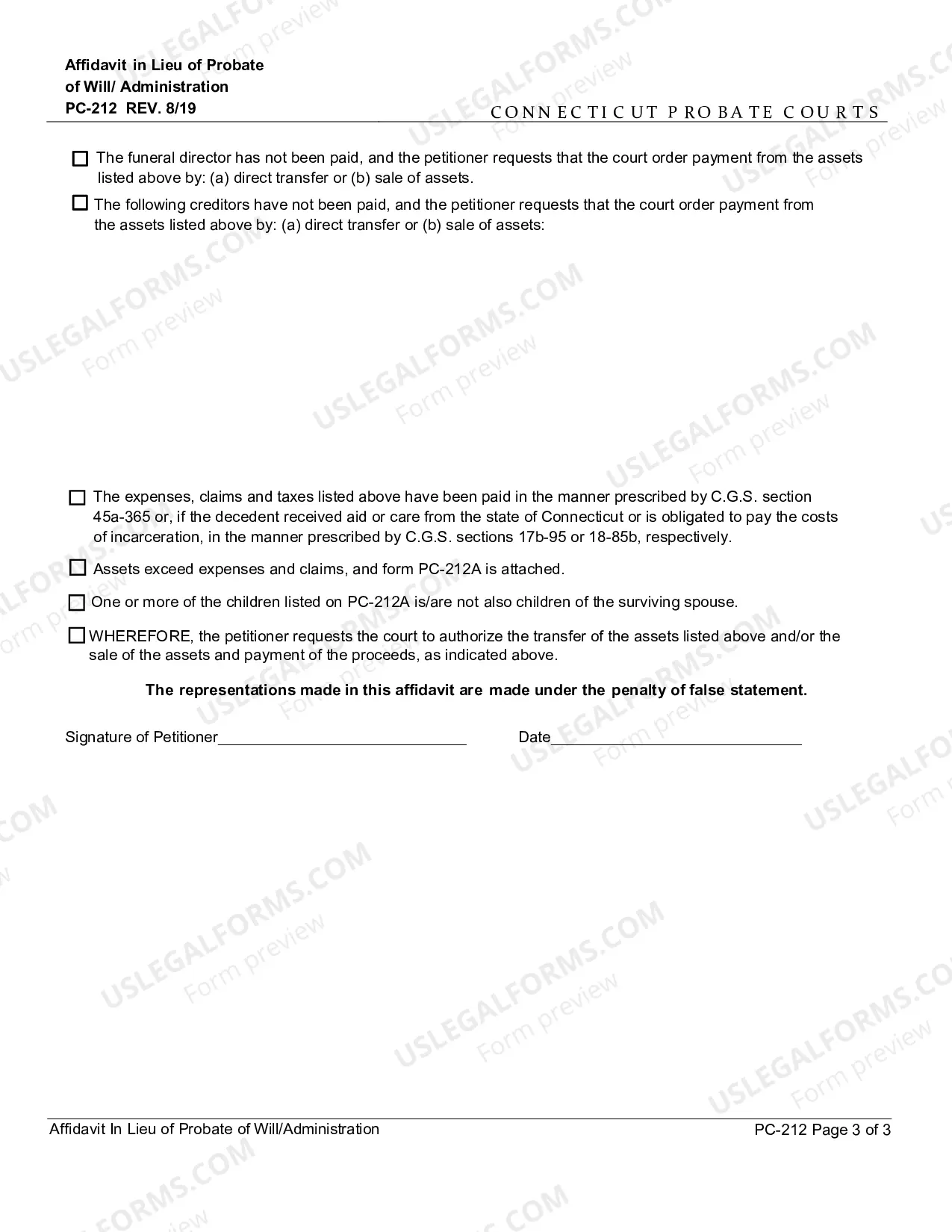
- Petitioner's signature and notarization section
When to use this form
This form is used when the decedent's estate is valued at under $40,000, allowing interested parties to settle the estate quickly without going through the probate process. It is particularly helpful for surviving spouses or close relatives who need to collect debts owed or access the decedent's personal property without delay.
Who needs this form
This affidavit is ideal for the following individuals:
- Surviving spouses seeking inheritance
- Next of kin when no surviving spouse exists
- Individuals designated as suitable persons with sufficient interest in the estate
Instructions for completing this form
- Identify the decedent by entering their full name and Social Security number.
- Provide the decedent's residence address at the time of death.
- List your relationship to the decedent as the petitioner.
- Declare the total value of the estate and specify that it does not involve real property.
- Detail any debts and claims against the estate, including attaching any relevant forms.
- Sign the form in the designated area and ensure it is notarized as required.
Is notarization required?
Yes, this form must be notarized to be legally valid. Proper notarization will verify the petitioner's identity and the legitimacy of the affidavit, ensuring it meets the legal standards required by the state of Connecticut.
Get your form ready online
Our built-in tools help you complete, sign, share, and store your documents in one place.
Make edits, fill in missing information, and update formatting in US Legal Forms—just like you would in MS Word.
Download a copy, print it, send it by email, or mail it via USPS—whatever works best for your next step.
Sign and collect signatures with our SignNow integration. Send to multiple recipients, set reminders, and more. Go Premium to unlock E-Sign.
If this form requires notarization, complete it online through a secure video call—no need to meet a notary in person or wait for an appointment.
We protect your documents and personal data by following strict security and privacy standards.

Make edits, fill in missing information, and update formatting in US Legal Forms—just like you would in MS Word.

Download a copy, print it, send it by email, or mail it via USPS—whatever works best for your next step.

Sign and collect signatures with our SignNow integration. Send to multiple recipients, set reminders, and more. Go Premium to unlock E-Sign.

If this form requires notarization, complete it online through a secure video call—no need to meet a notary in person or wait for an appointment.

We protect your documents and personal data by following strict security and privacy standards.
Avoid these common issues
- Failing to include complete and accurate information about the decedent.
- Not disclosing all debts and claims against the estate, which can delay processing.
- Missing signatures or incorrect notarization, rendering the affidavit invalid.
Why complete this form online
- Easy access and download from the convenience of your home.
- Editable form fields allowing for quick and straightforward completion.
- Reliability ensured through forms drafted by licensed attorneys.
Key takeaways
- The Small Estate Affidavit allows for a streamlined process in settling small estates in Connecticut.
- The form is essential for expediting the transfer of property without probate.
- Accurate completion and notarization are critical to the form's validity.
Looking for another form?
Form popularity
FAQ
The time it takes to get a Connecticut Small Estate Affidavit for Estates under $40,000 approved can vary based on several factors, including the completeness of your documentation. Typically, this process can range from a few days to a few weeks. To expedite approval, ensure that all information is accurate and that the affidavit is properly notarized. Using UsLegalForms can help you avoid common pitfalls, thus speeding up the approval process.
No, in Kansas, a small estate affidavit does not need to be filed with the court if the estate value is under a certain threshold. However, you should check local laws regarding the specific requirements of the Connecticut Small Estate Affidavit for Estates under $40,000. It's essential to ensure compliance with applicable laws to avoid potential issues. Keep in mind that using a well-structured affidavit can make transferring assets smoother.
To write a Connecticut Small Estate Affidavit for Estates under $40,000, you need to gather essential information about the deceased and their assets. Start by identifying the estate's value and detailing the heirs. Make sure to include signatures and notarization, as these enhance the document's validity. You can simplify this process by using our platform, UsLegalForms, which provides templates and guidance tailored to your needs.
Not all wills in Connecticut must go through probate, especially if the estate is valued under $40,000. If the estate qualifies, the Connecticut Small Estate Affidavit for Estates under $40,000 allows for a simpler process without the need for formal probate court action. This provides an efficient way to settle the estate and distribute assets to heirs. Understanding this option can significantly ease the burden on families during difficult times.
In Connecticut, assets that are subject to probate include real estate, bank accounts, and personal property owned solely by the deceased. However, assets held in joint tenancy, retirement accounts with designated beneficiaries, and assets governed by a living trust typically pass outside of probate. Understanding which assets are subject to probate can guide individuals in estate planning. Using the Connecticut Small Estate Affidavit for Estates under $40,000 can help expedite the process for qualifying estates.
The threshold for probate in Connecticut is currently set at $40,000. If an estate is valued at less than this amount, heirs may use the Connecticut Small Estate Affidavit for Estates under $40,000. This option streamlines the asset transfer process, avoiding the complexities of formal probate. Families can benefit from understanding this threshold as they plan their estate.
An affidavit in lieu of probate in Connecticut is a document used to transfer assets of a decedent when the estate value does not exceed $40,000. This legal tool simplifies the process, allowing heirs to claim assets without going through formal probate court. By utilizing the Connecticut Small Estate Affidavit for Estates under $40,000, families can quickly access funds and property, enabling them to focus on healing.
To avoid probate in Connecticut, individuals may consider using a Connecticut Small Estate Affidavit for Estates under $40,000, which is available for qualifying estates. Additionally, establishing joint ownership of assets, naming beneficiaries, and creating trust accounts are effective strategies. Each method allows heirs to bypass probate, ensuring a smoother transfer of assets. Planning ahead is vital to protect your loved ones.
In Connecticut, the estate value that triggers probate is typically over $40,000. For estates valued at $40,000 or less, the Connecticut Small Estate Affidavit for Estates under $40,000 can be used to simplify the process. This affidavit allows heirs to collect the assets without going through the lengthy probate process. Utilizing this option can save time and reduce costs for families.
In Connecticut, the small estate limit is set at $40,000. This means that if the estate’s value is under this amount, heirs can use a Connecticut Small Estate Affidavit for Estates under $40,000 to avoid the full probate process. This limit provides a great benefit for those dealing with modest estates, allowing for a quicker asset transfer.