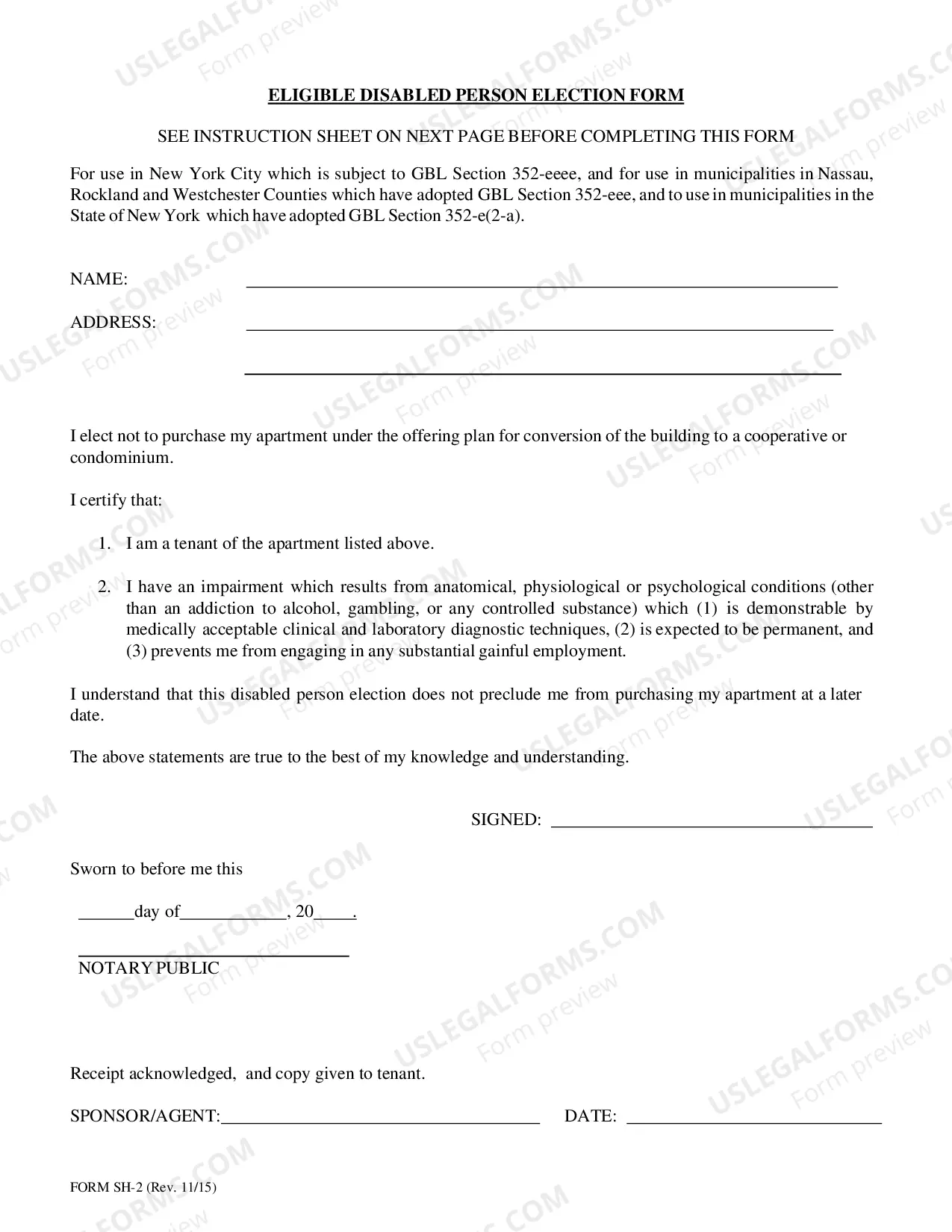
Connecticut Framing Contract for Contractor
What is this form?
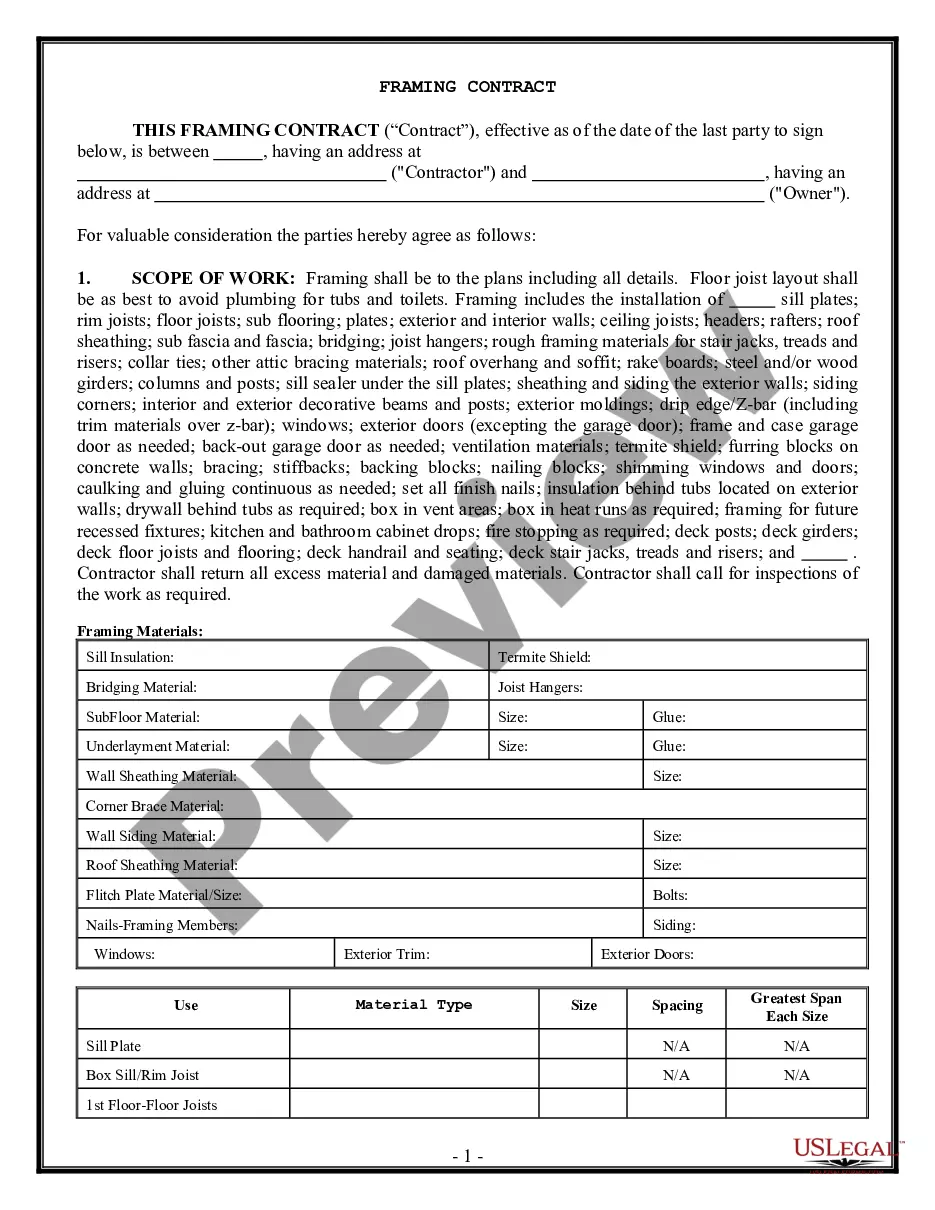
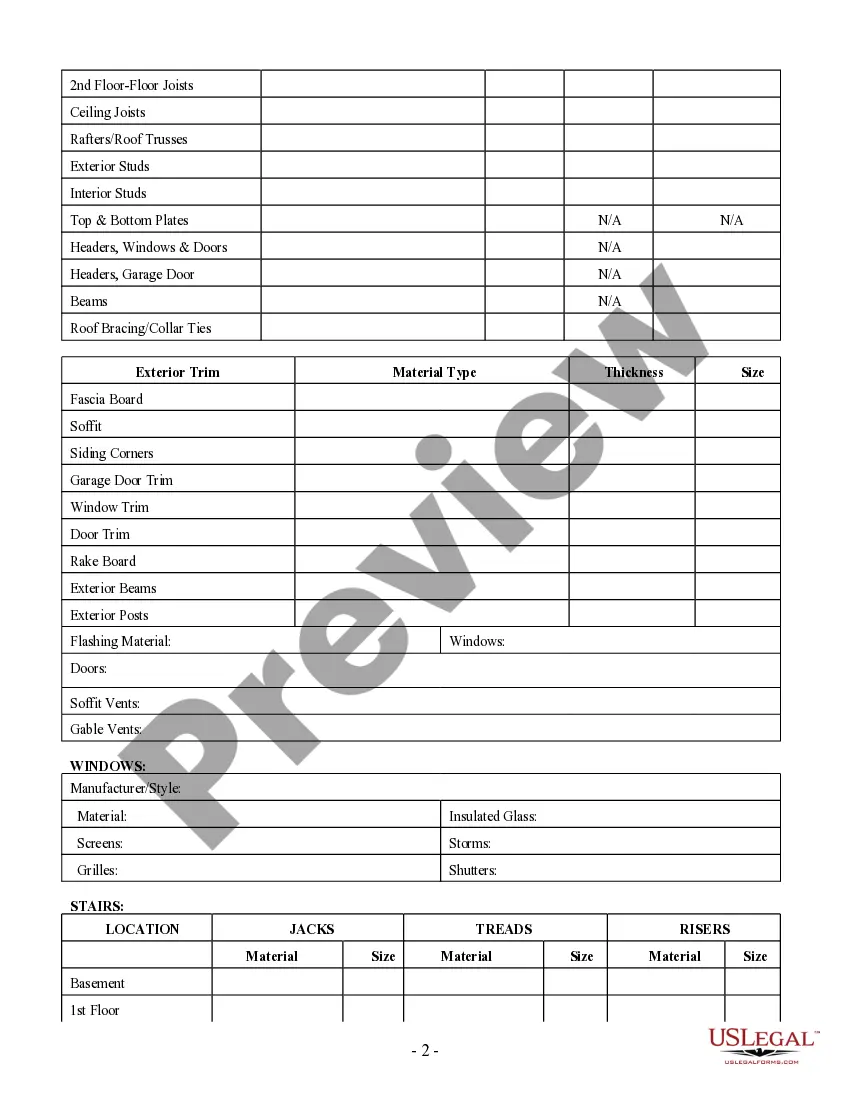
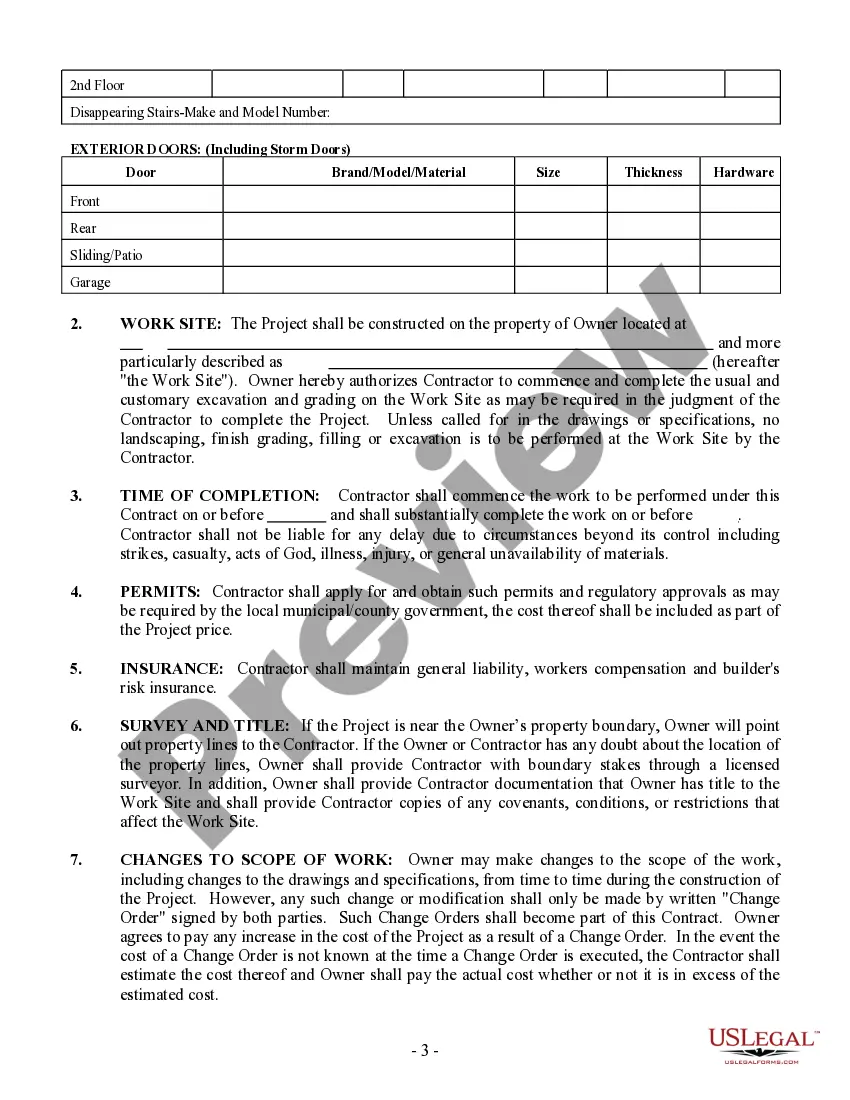
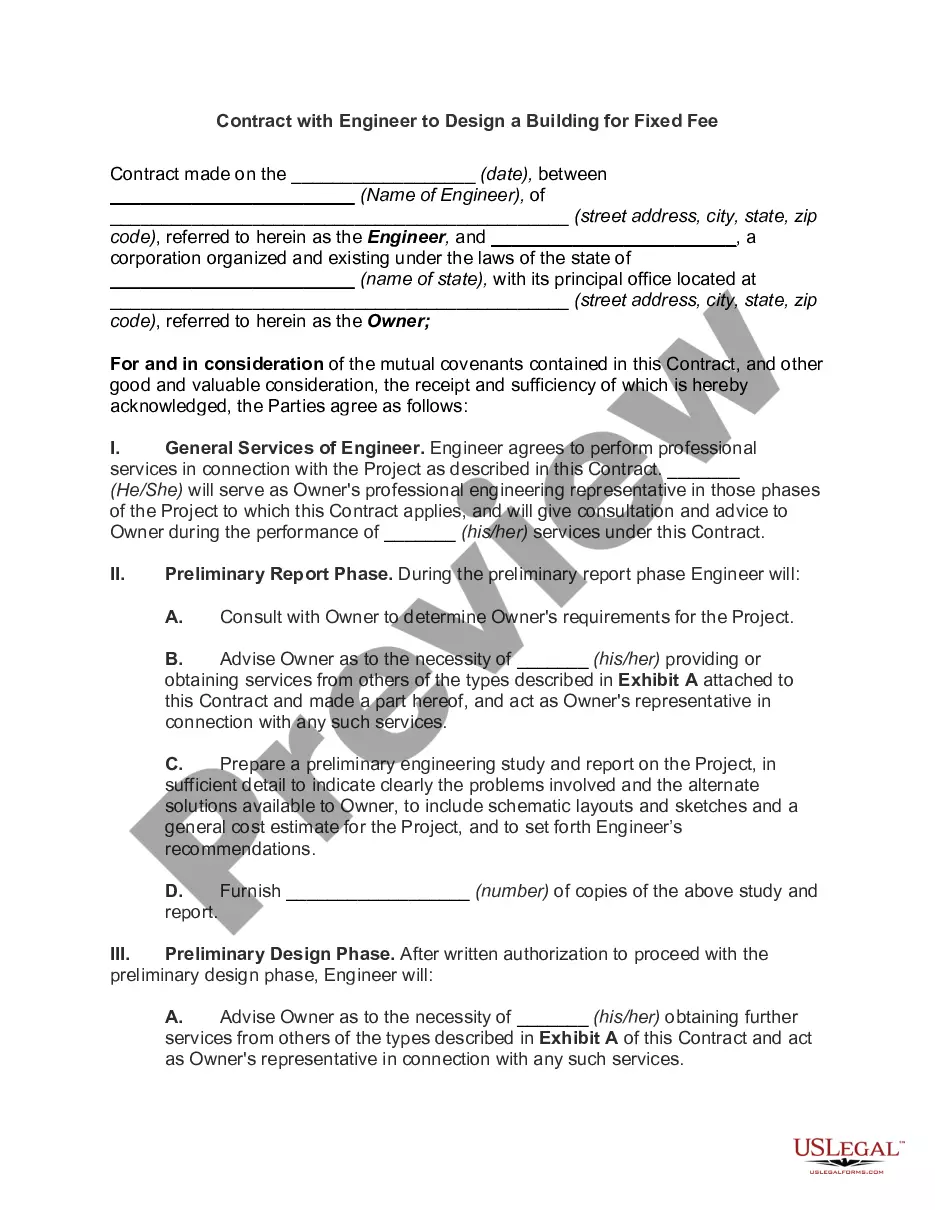
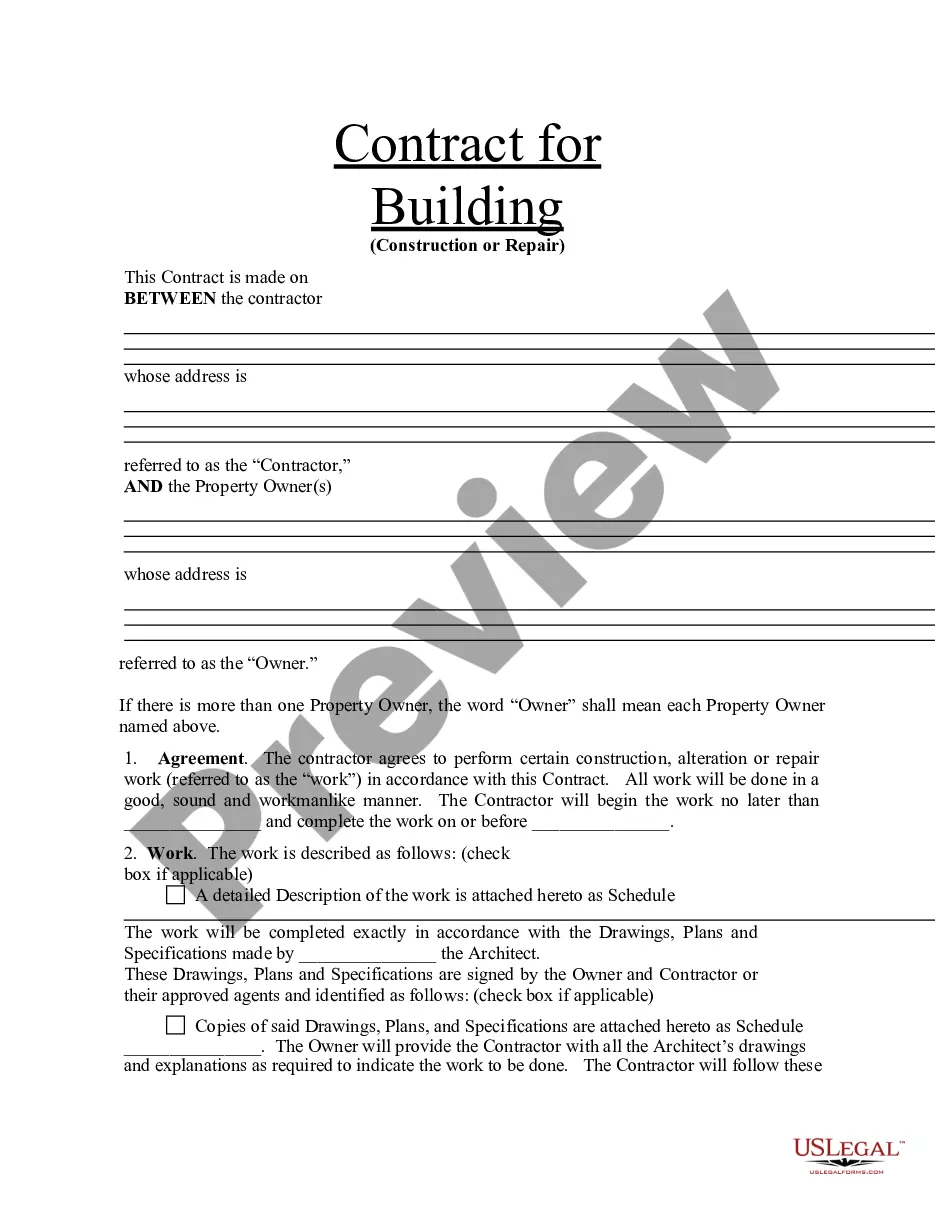
The Framing Contract for Contractor is a legally binding document used between framing contractors and property owners. It outlines the terms and conditions of the framing work to be done, including payment arrangements, responsibilities, change orders, and insurance requirements. This contract is specifically tailored to meet the legal standards of Connecticut, ensuring proper compliance and protection for both parties.
Key components of this form
- Permits: Clarifies that the contractor is responsible for obtaining necessary permits.
- Insurance: States the requirement for general liability, workers compensation, and builders risk insurance.
- Changes to Scope of Work: Details the process for making changes to the project and associated costs.
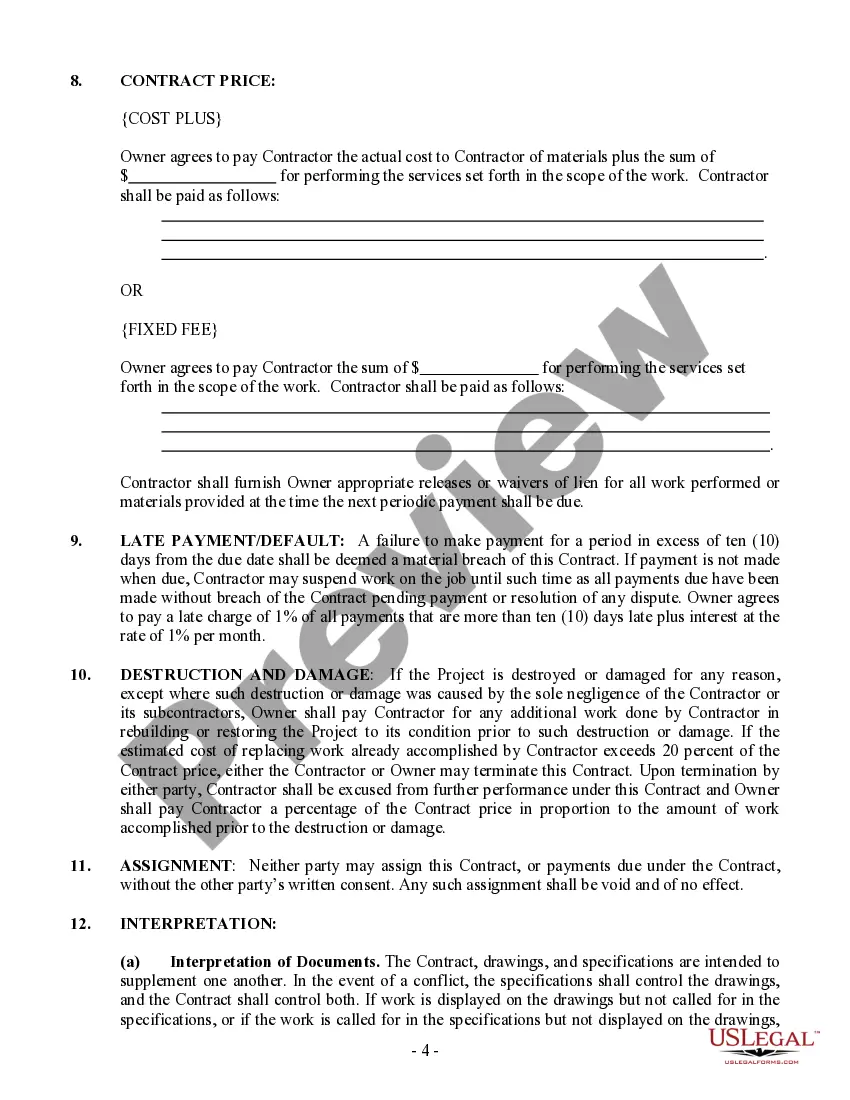
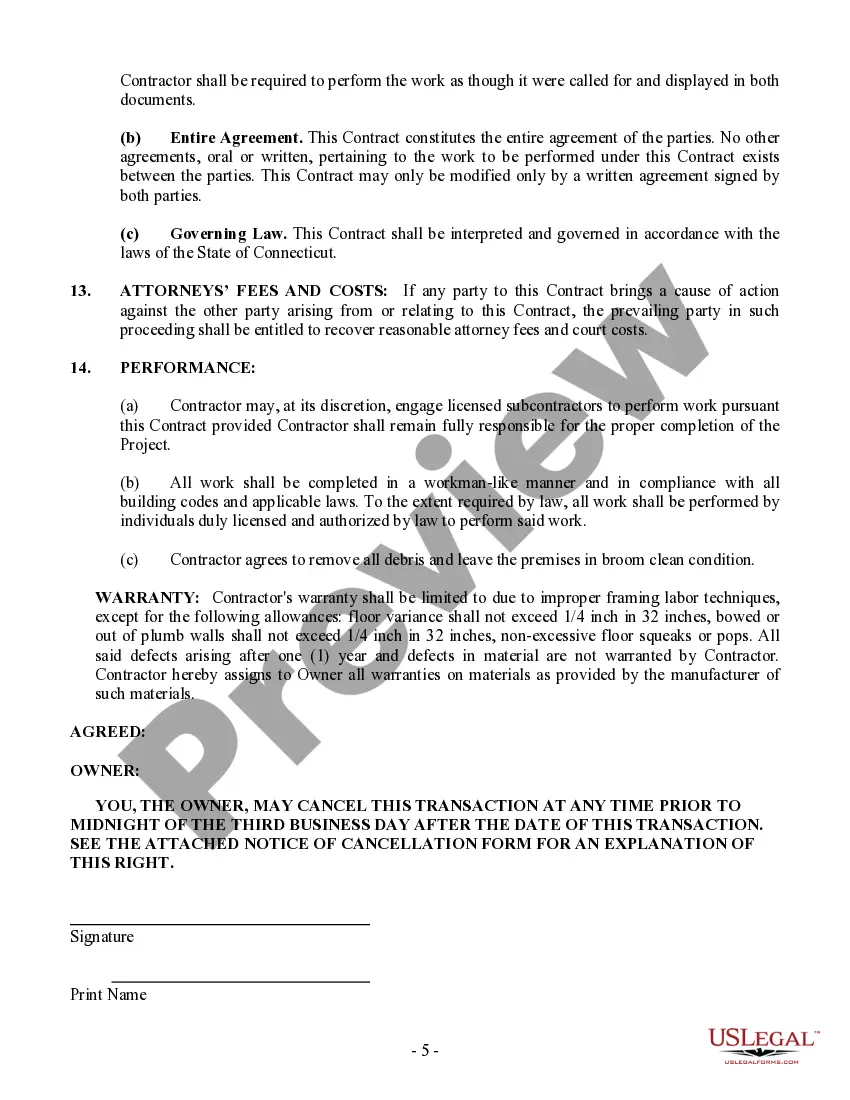
- Destruction and Damage: Outlines responsibilities in case of project damage and termination rights.
- Assignment: Prohibits the assignment of contract responsibilities without written consent.
- Warranties: Defines the contractor's warranty on workmanship and materials, including conditions.

Common use cases
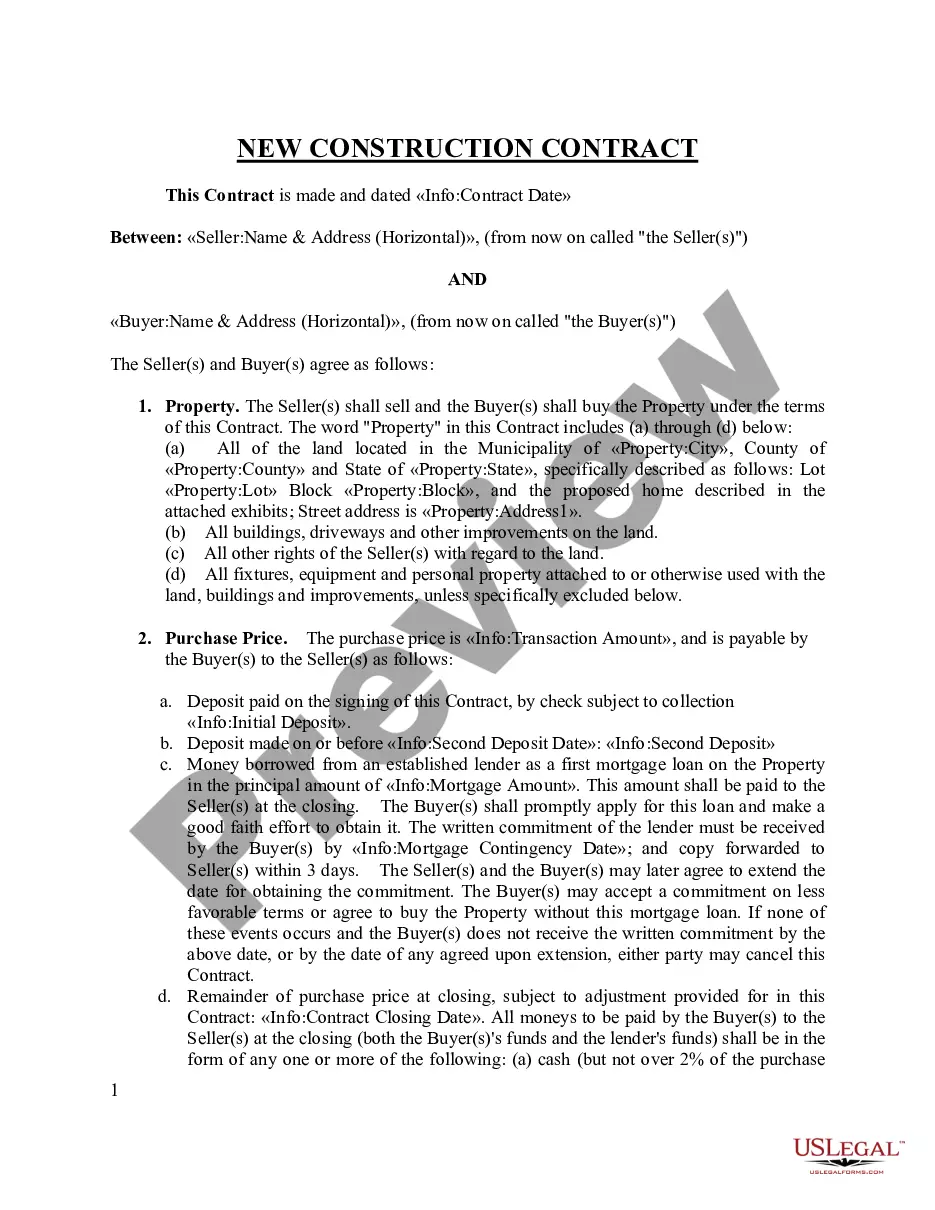
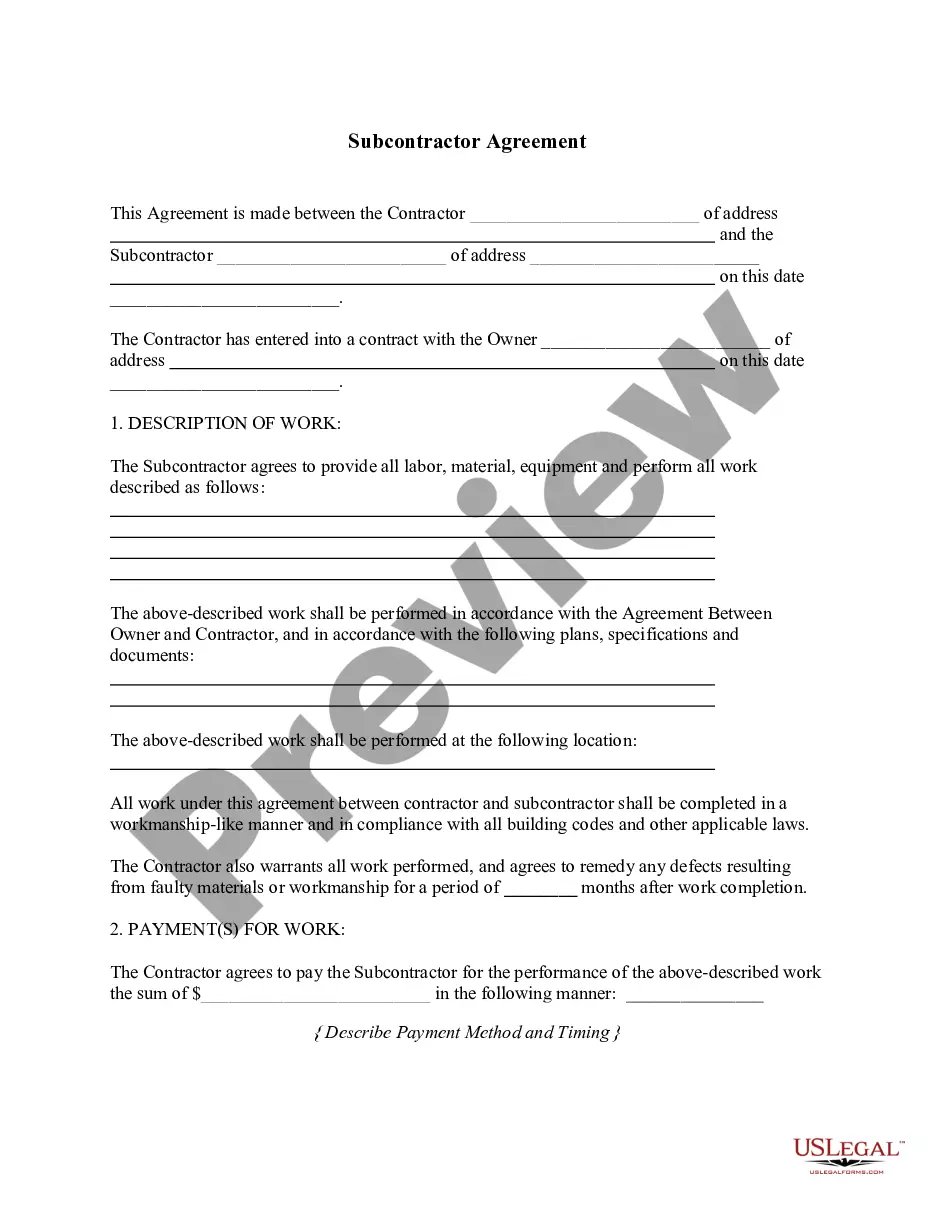
This form should be used when a property owner hires a framing contractor to perform framing work on a construction project. It is useful in situations where there is a need to clearly define the scope of work, payment terms, and responsibilities before work commences. This contract helps prevent misunderstandings and disputes related to construction projects.
Who should use this form
This contract is suitable for:
- Property owners seeking to hire a framing contractor for construction projects.
- Framing contractors who wish to formalize agreements with clients.
- Contractors and owners who operate under cost plus or fixed fee arrangements.
Instructions for completing this form
To complete the Framing Contract for Contractor, follow these steps:
- Identify the parties: Clearly provide the names and addresses of the contractor and the property owner.
- Specify the project details: Outline the specific scope of work and any applicable drawings or specifications.
- Set payment terms: Choose between a cost plus or fixed fee payment arrangement and specify the amount.
- Include insurance requirements: Ensure that both parties acknowledge the insurance coverage needed.
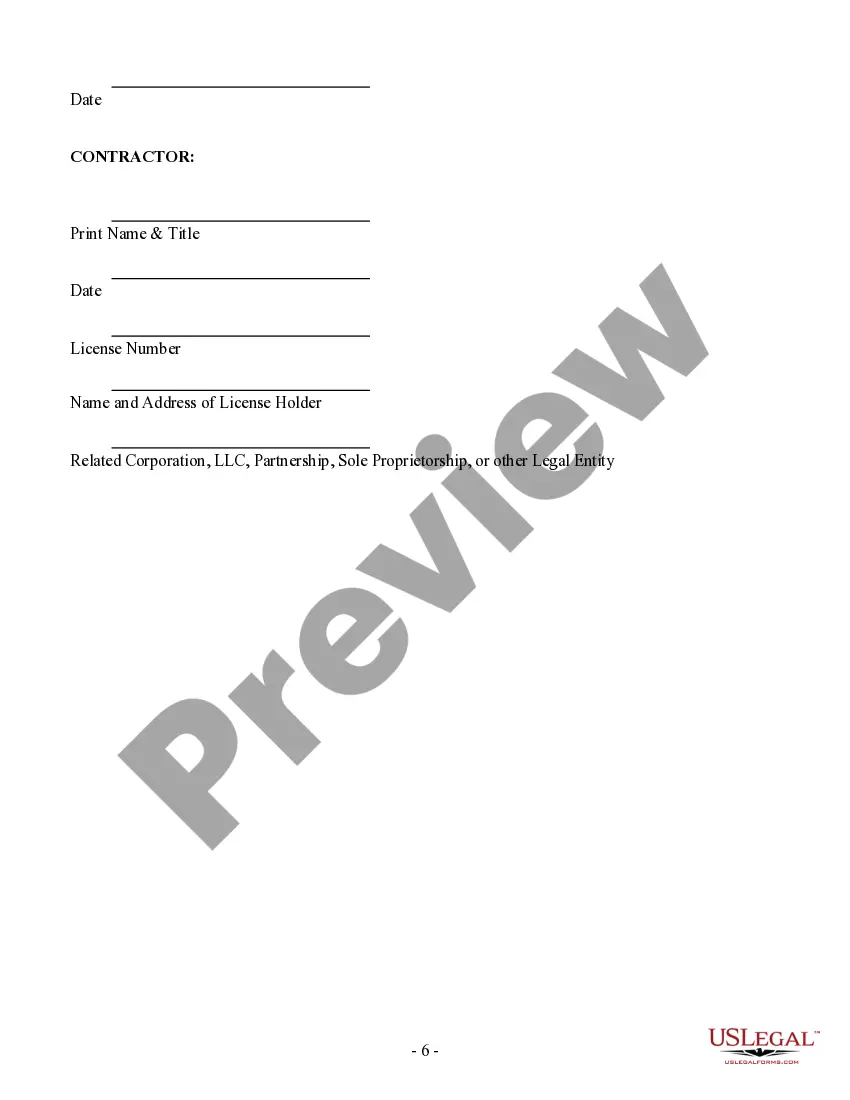
- Sign and date: Both parties should sign the contract and include the date for legal compliance.
Is notarization required?
This form does not typically require notarization unless specified by local law. However, it's advisable to confirm local requirements and ensure that all parties fully understand the terms prior to signing.
Get your form ready online
Our built-in tools help you complete, sign, share, and store your documents in one place.
Make edits, fill in missing information, and update formatting in US Legal Forms—just like you would in MS Word.
Download a copy, print it, send it by email, or mail it via USPS—whatever works best for your next step.
Sign and collect signatures with our SignNow integration. Send to multiple recipients, set reminders, and more. Go Premium to unlock E-Sign.
If this form requires notarization, complete it online through a secure video call—no need to meet a notary in person or wait for an appointment.
We protect your documents and personal data by following strict security and privacy standards.

Make edits, fill in missing information, and update formatting in US Legal Forms—just like you would in MS Word.

Download a copy, print it, send it by email, or mail it via USPS—whatever works best for your next step.

Sign and collect signatures with our SignNow integration. Send to multiple recipients, set reminders, and more. Go Premium to unlock E-Sign.

If this form requires notarization, complete it online through a secure video call—no need to meet a notary in person or wait for an appointment.

We protect your documents and personal data by following strict security and privacy standards.
Avoid these common issues
- Failing to specify the scope of work clearly, leading to misunderstandings.
- Not addressing change orders and their costs, which can lead to disputes.
- Overlooking insurance requirements, resulting in liabilities for either party.
- Forgetting to include the governing law clause, which is essential for legal clarity.
Advantages of online completion
- Convenience in obtaining a legally sound contract without needing extensive legal knowledge.
- Editability allows users to tailor the document to their specific project needs.
- Reliable, attorney-drafted templates ensure compliance with local laws.
- The contract serves as a comprehensive legal agreement between the contractor and property owner.
- It helps to protect both parties' interests and provides a clear outline for enforcement if disputes arise.
- Any changes made to the contract must be documented through written change orders.
Main things to remember
- The Framing Contract is essential for formalizing the relationship between contractors and property owners.
- Clear specifications regarding work scope, payment, and insurance are critical for a successful agreement.
- This contract is specifically designed for use in Connecticut, adhering to its legal standards.
Looking for another form?
Form popularity
FAQ
If you run a small business that hires 1099 contractors, also known as independent contractors, it is vital that you have them sign an independent contractor contract. This is because there is a significant gray area between who is classified as an independent contractor and who is classified as an employee.
Yes, absolutely. Starting work without a signed contract means that your position isn't clear, or even worse it's weak.It also means that the contract is legally enforceable and will be able to support you if you decide to take legal action.
There are three main types of construction contract, identified according to the mechanism for calculating the sum due to be paid by the employer: lump sum contracts, re-measurement contracts and cost-reimbursable contracts.
Applications for licensure can be obtained by calling the Connecticut Department of Professional Licensing at 1-860-713-6135. To schedule your exam, contact PSI at 1-800-733-9267. Please select the license/exam that you are wanting to obtain.
Begin with the Date and the Address of the Other Party. Start with the Basic Details of the Planned Work. Include Special Stipulations. State Whether There Will be a Further Agreement. Create an Area for Signatures. Sign and Date the Contract Letter.
Both parties should sign the contract, and both should be bound by the terms and conditions spelled out in the agreement. In general that means the contractor will be obliged to provide specified materials and to perform certain services for you. In turn, you will be required to pay for those goods and that labor.
Identifying/Contact Information. Title and Description of the Project. Projected Timeline and Completion Date. Cost Estimate and Payment Schedule. Stop Work Clause and Stop Payment Clause. Act of God Clause. Change Order Agreement. Warranty.
For most types of projects you hire an independent contractor (IC) to do, the law does not require you to put anything in writing. You can meet with the IC, agree on the terms of your arrangement, and have an oral contract or agreement that is legally binding. Just because you can doesn't mean you should, however.
Name of contractor and contact information. Name of homeowner and contact information. Describe property in legal terms. List attachments to the contract. The cost. Failure of homeowner to obtain financing. Description of the work and the completion date. Right to stop the project.