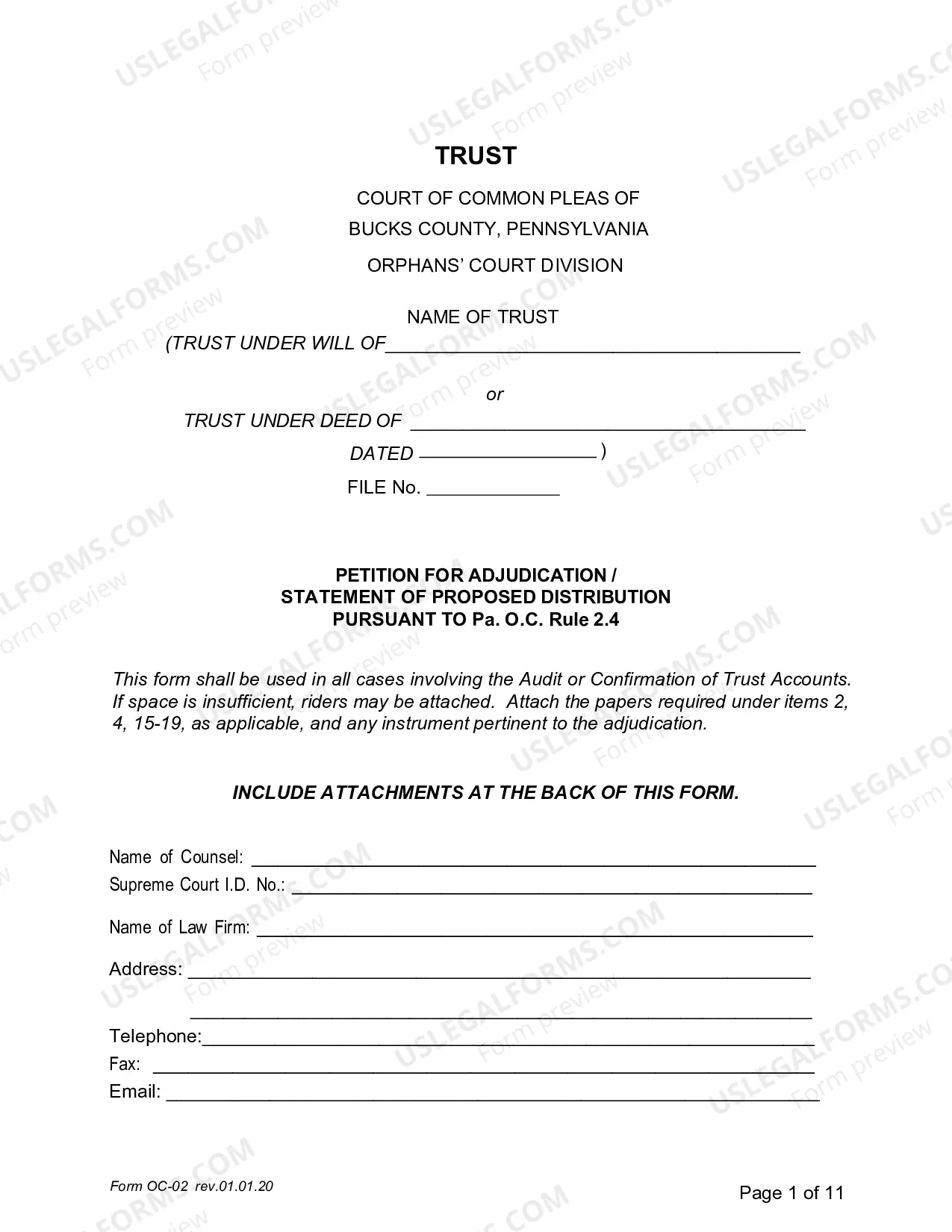
Parent - Child Internet Use Agreement
Understanding this form
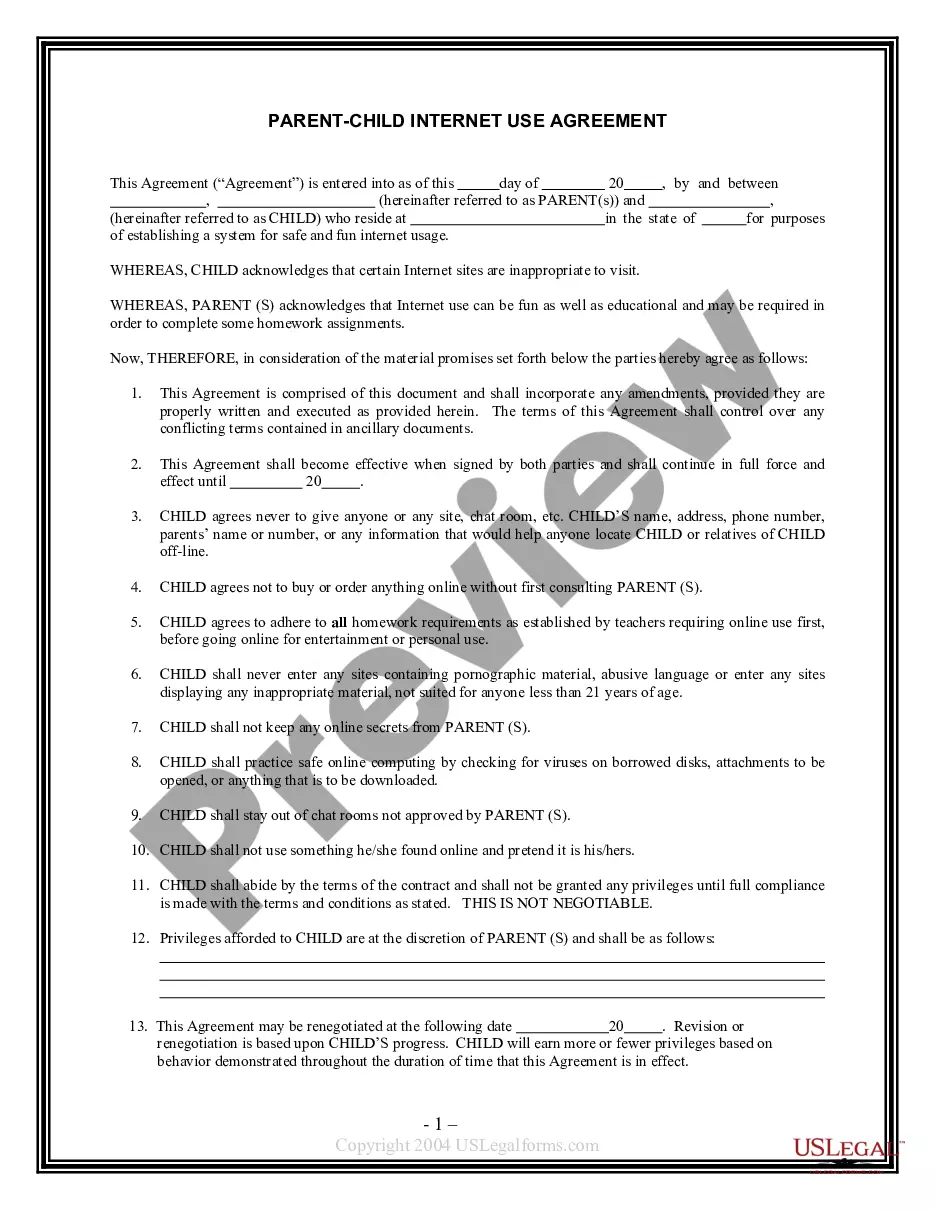
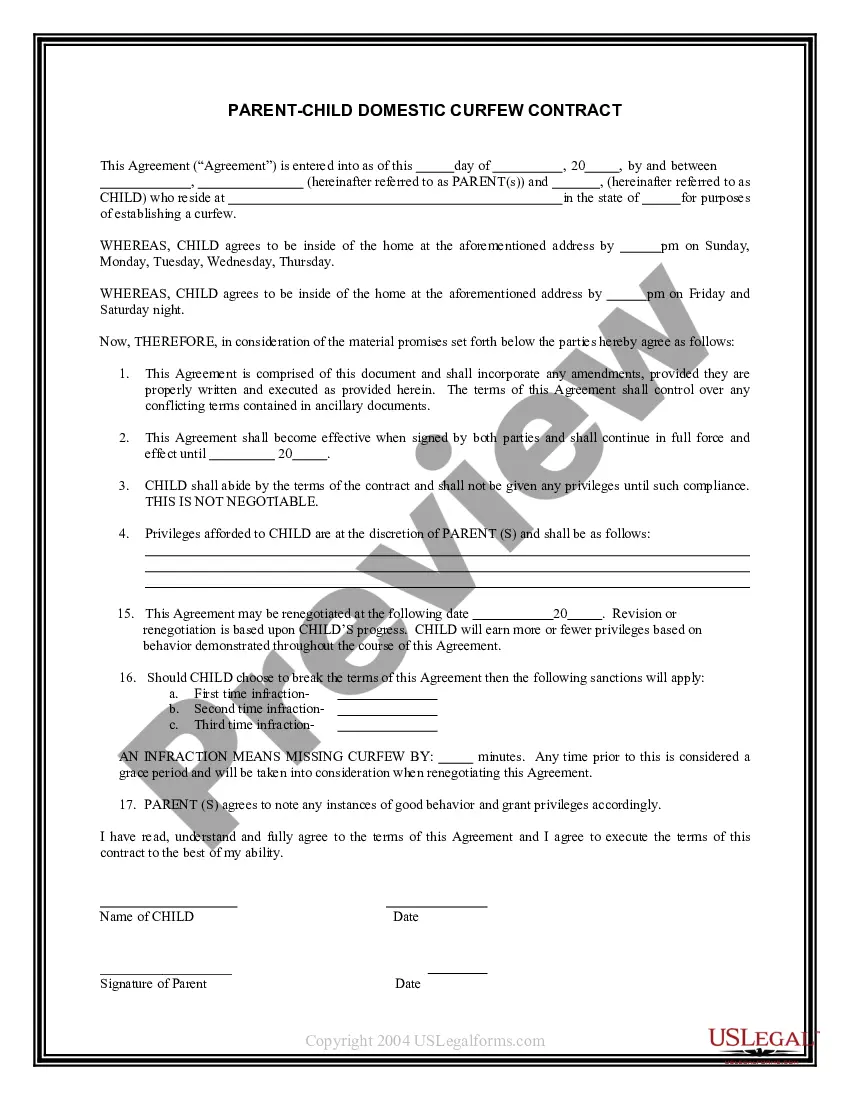
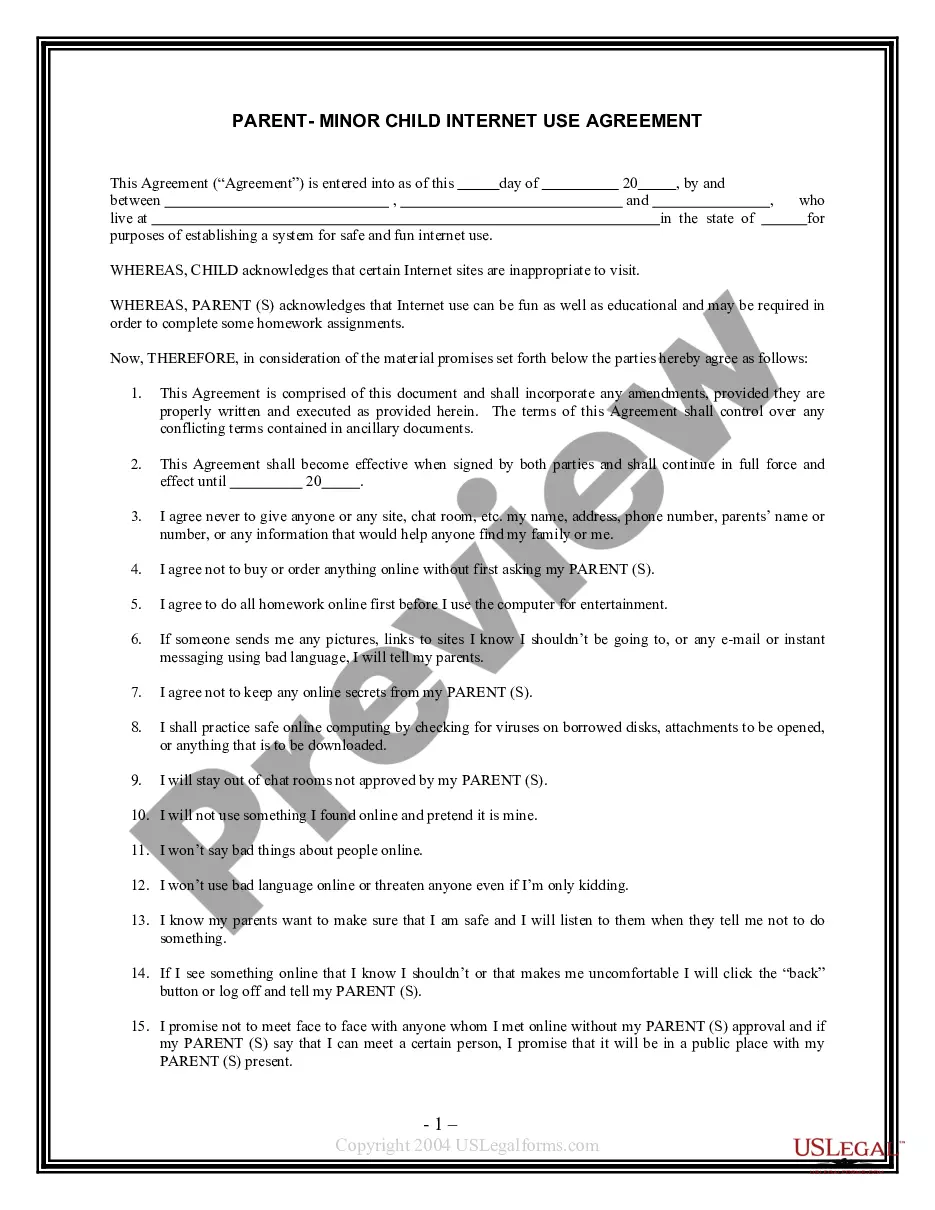
The Parent - Child Internet Use Agreement is a legal contract that outlines the rules and guidelines for a child's use of the Internet at home. This form aims to promote safe online behavior by detailing acceptable Internet activities, prohibiting access to adult or inappropriate content, and establishing consequences for breaking the rules. Unlike other general Internet usage policies, this agreement focuses specifically on the parent-child relationship regarding online conduct.
What’s included in this form
- Identification of parties involved: parent(s) and child.
- Rules concerning online purchases and interactions.
- Prohibition of accessing inappropriate sites or content.
- Guidelines for safe online behavior, including checking for viruses.
- Consequences for infractions, specifying first, second, and third offenses.
- Parental acknowledgment of acting in the best interest of the child.

When to use this document
This form is necessary when parents want to establish clear expectations and rules for their child's Internet usage at home. It is especially useful when introducing Internet access to younger children, transitioning to more unsupervised online activity, or when parents want to reinforce guidelines for safe and responsible online behavior.
Who should use this form
- Parents or guardians looking to set specific Internet rules for their children.
- Caregivers who are responsible for a child's online activities.
- Families seeking to foster open communication about online safety and responsibilities.
Steps to complete this form
- Identify and enter the names of the parent(s) and child involved in the agreement.
- Read through the rules and standards for Internet use, ensuring mutual understanding.
- Specify any prohibited sites or content explicitly in the designated sections.
- Outline the consequences for infractions according to the agreed-upon terms.
- Both parties should sign and date the agreement to acknowledge their consent to the terms.
Notarization requirements for this form
This form does not typically require notarization unless specified by local law. However, both parties should retain a signed copy for their records to ensure clarity and mutual understanding of the agreed guidelines.
Get your form ready online
Our built-in tools help you complete, sign, share, and store your documents in one place.
Make edits, fill in missing information, and update formatting in US Legal Forms—just like you would in MS Word.
Download a copy, print it, send it by email, or mail it via USPS—whatever works best for your next step.
Sign and collect signatures with our SignNow integration. Send to multiple recipients, set reminders, and more. Go Premium to unlock E-Sign.
If this form requires notarization, complete it online through a secure video call—no need to meet a notary in person or wait for an appointment.
We protect your documents and personal data by following strict security and privacy standards.

Make edits, fill in missing information, and update formatting in US Legal Forms—just like you would in MS Word.

Download a copy, print it, send it by email, or mail it via USPS—whatever works best for your next step.

Sign and collect signatures with our SignNow integration. Send to multiple recipients, set reminders, and more. Go Premium to unlock E-Sign.

If this form requires notarization, complete it online through a secure video call—no need to meet a notary in person or wait for an appointment.

We protect your documents and personal data by following strict security and privacy standards.
Avoid these common issues
- Not discussing the rules fully with the child before signing.
- Failing to specify what constitutes inappropriate content clearly.
- Neglecting to revisit and update the agreement as the child grows and their online activities change.
Advantages of online completion
- Convenient downloading allows for immediate access and use.
- Editability enables customization to suit specific family needs.
- Reliability, as the form is drafted by licensed attorneys, ensuring legal validity.
Legal use & context
- This agreement is legally recognized as a reflective understanding between parents and children on acceptable online behavior.
- It is not a legally binding contract in the traditional sense but serves as a behavioral guideline.
- Enforcement may vary by family, but adherence to its terms can foster responsible internet usage.
What to keep in mind
- The Parent - Child Internet Use Agreement sets clear expectations for online behavior.
- It outlines rules, responsibilities, and consequences that promote safe internet use.
- Both parents and children should actively communicate about the content and importance of the agreement.
Looking for another form?


Form popularity
FAQ
Surveys have shown that the average age kids get cell phones is 10 years old. It has also been reported that 25% of kids under the age of six have phones and half of them spend up to 21 hours a week on them. This trend of kids getting smartphones before they are ready is a cause for concern.
Research has shown there are economic, social, and educational benefits of living in a two parent household, which can extend to other family structures if the same factors are present. One of the most researched and documented benefits of two parent households is that they have two adults that can generate income.
As a result of a recent decision handed down by the California Courts of Appeal, 1st District, police can legally search a minor's room without their consent as long as the minor's parents authorize the search.Essentially, a child's objection to a search does not override a parent's simultaneous consent.
Having two parents in a child's life is important as they both play very distinct and important roles in the psychological and emotional development of a child.Being a responsible parent means providing love and authority in both the good times and the bad times.
Keep your eyes on your wee Web explorers at all times. Teach them to keep private info private. Take advantage of your browser's parental controls. Chaperone your child's every online chat. Install mature content filtering software. Don't your kids shop online without you. Know your online game ratings.
The answer: eight years old is the average age at which parents allow independent Internet and device use. Ninety-four percent of parents said they allow their kids unsupervised access to at least one device or online service like email or social networks.
Experts Say Supervision is Vital Safekids.com says children can benefit from Internet exposure as early as age 3 as long as parents are present and in control.
Young children who grow with a secure and healthy attachment to their parents stand a better chance of developing happy and content relationships with others in their life. A child who has a secure relationship with parent learns to regulate emotions under stress and in difficult situations.
According a BBC survey more than three quarters of younger children between 10 and 12 years old are using at least one social media network.Ultimately, these social networks give children a safer environment where they can share their experiences and engage with friends they know.