California Warranty Deed for Separate or Joint Property to Joint Tenancy
What this document covers
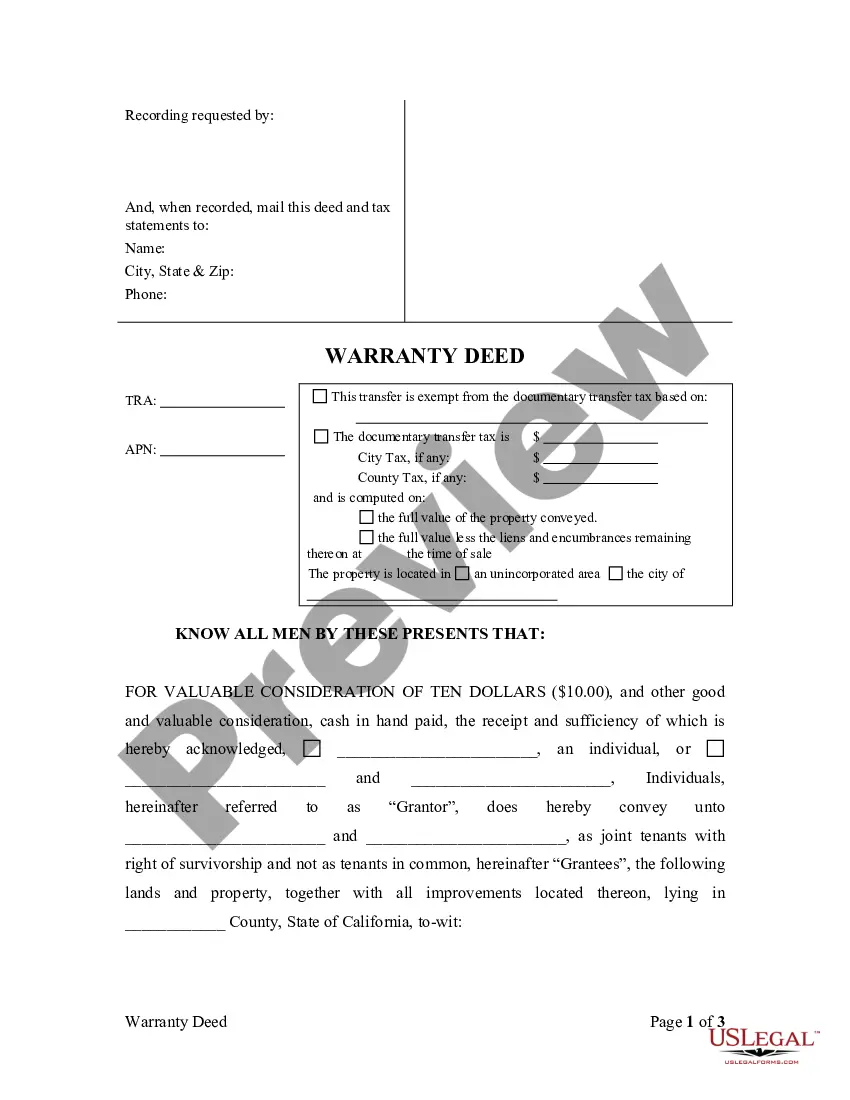
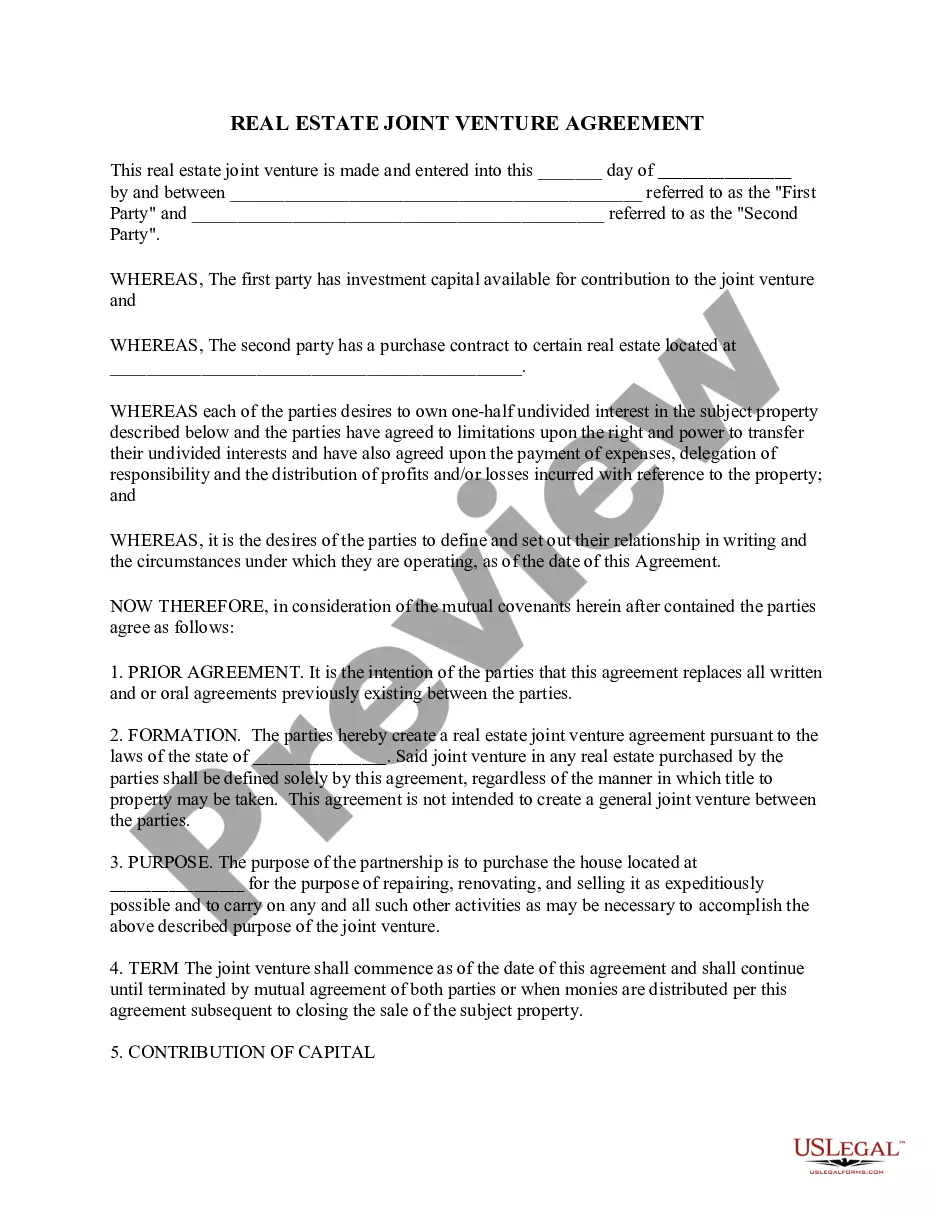
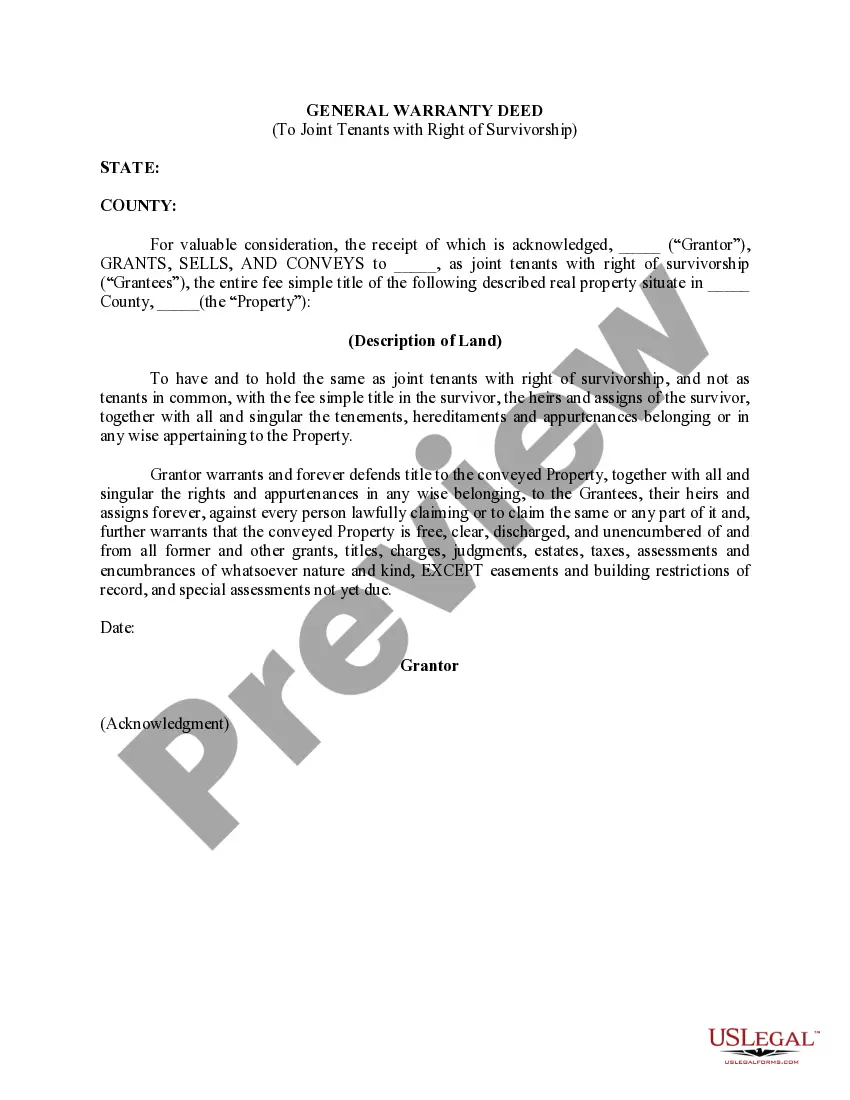
This Warranty Deed for Separate or Joint Property to Joint Tenancy is used to transfer ownership of real estate to multiple parties, known as joint tenants. Unlike other deeds, this form establishes a joint tenancy, meaning that each tenant has equal rights to the property, and if one tenant passes away, their share automatically transfers to the surviving tenant(s). This form is essential for individuals seeking to share property while maintaining rights of survivorship.
Key parts of this document
- Names and addresses of the grantor and grantees.
- Legal description of the property being transferred.
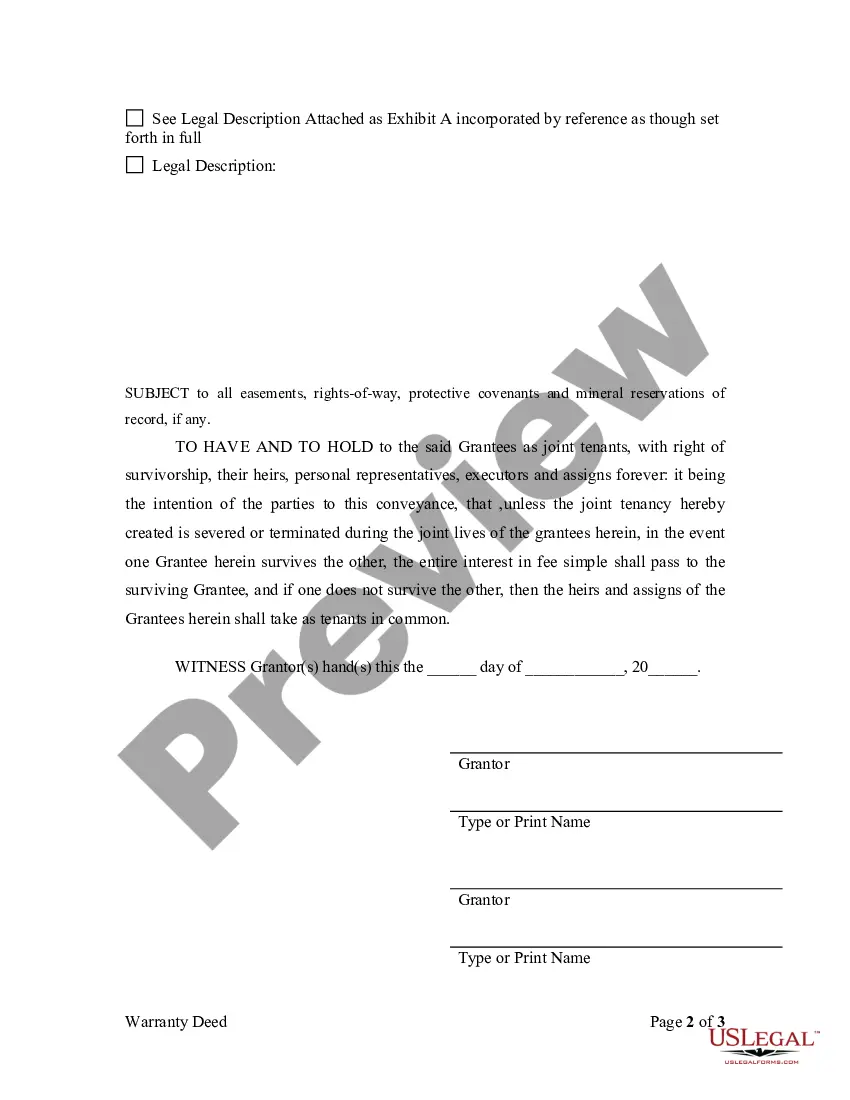
- Statement of the nature of the tenancy (joint tenancy).
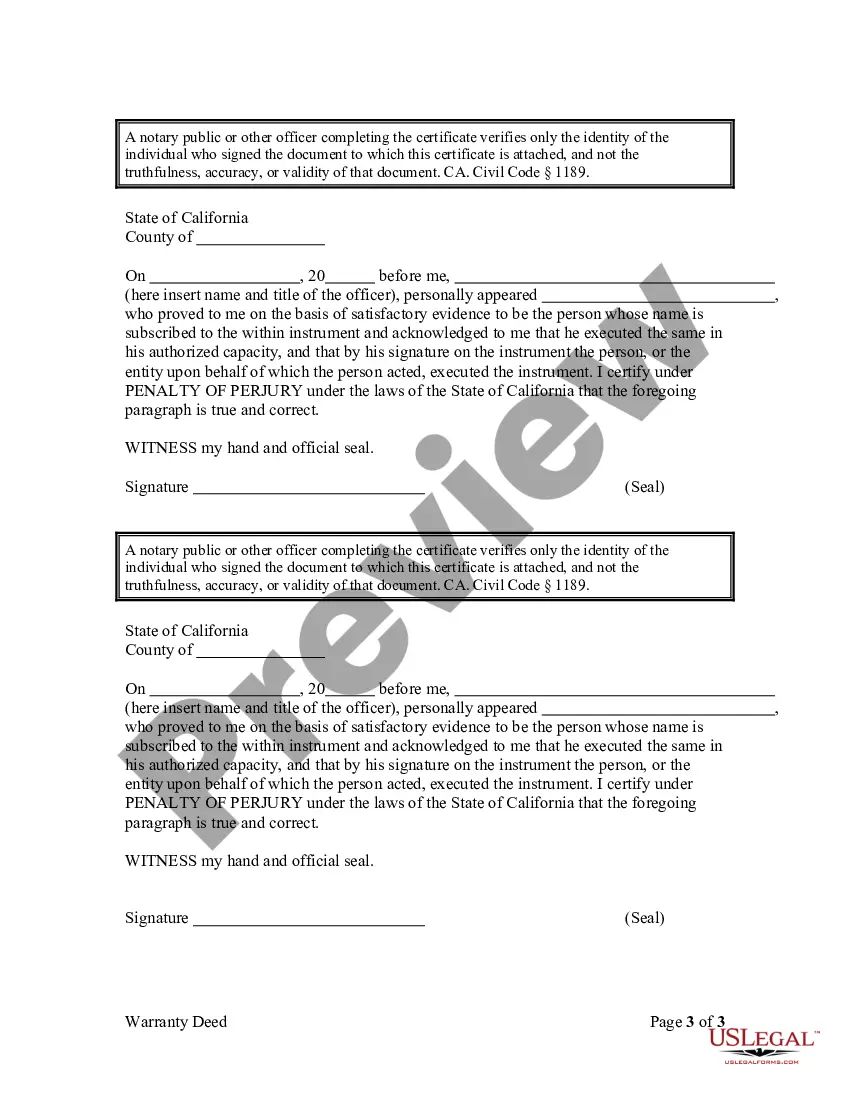
- Signature of the grantor and acknowledgment by a notary public (if required).
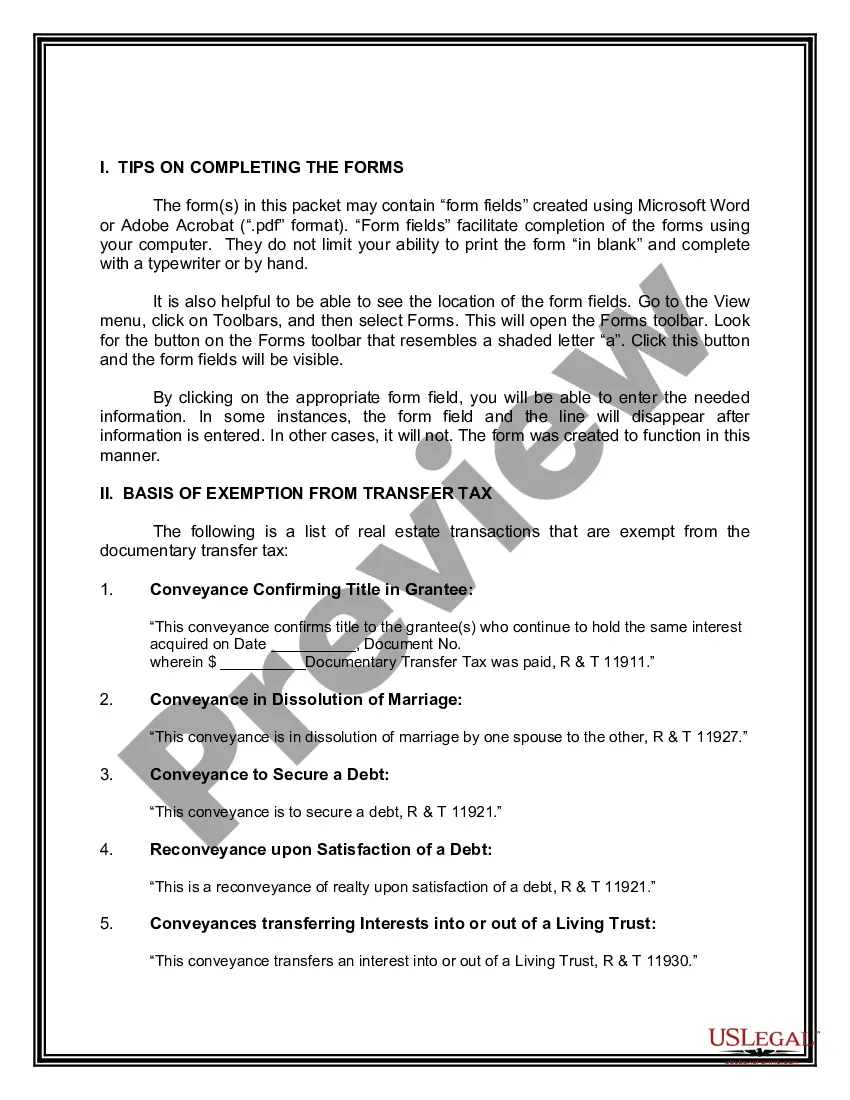
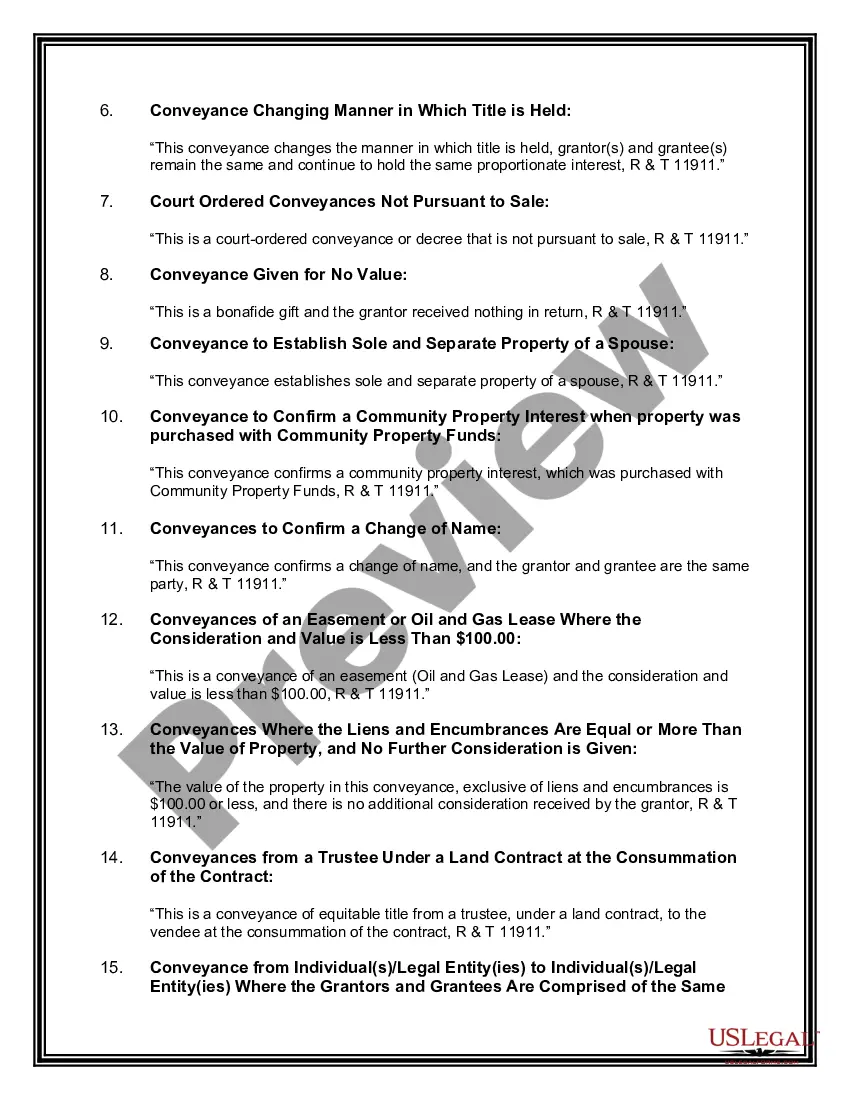
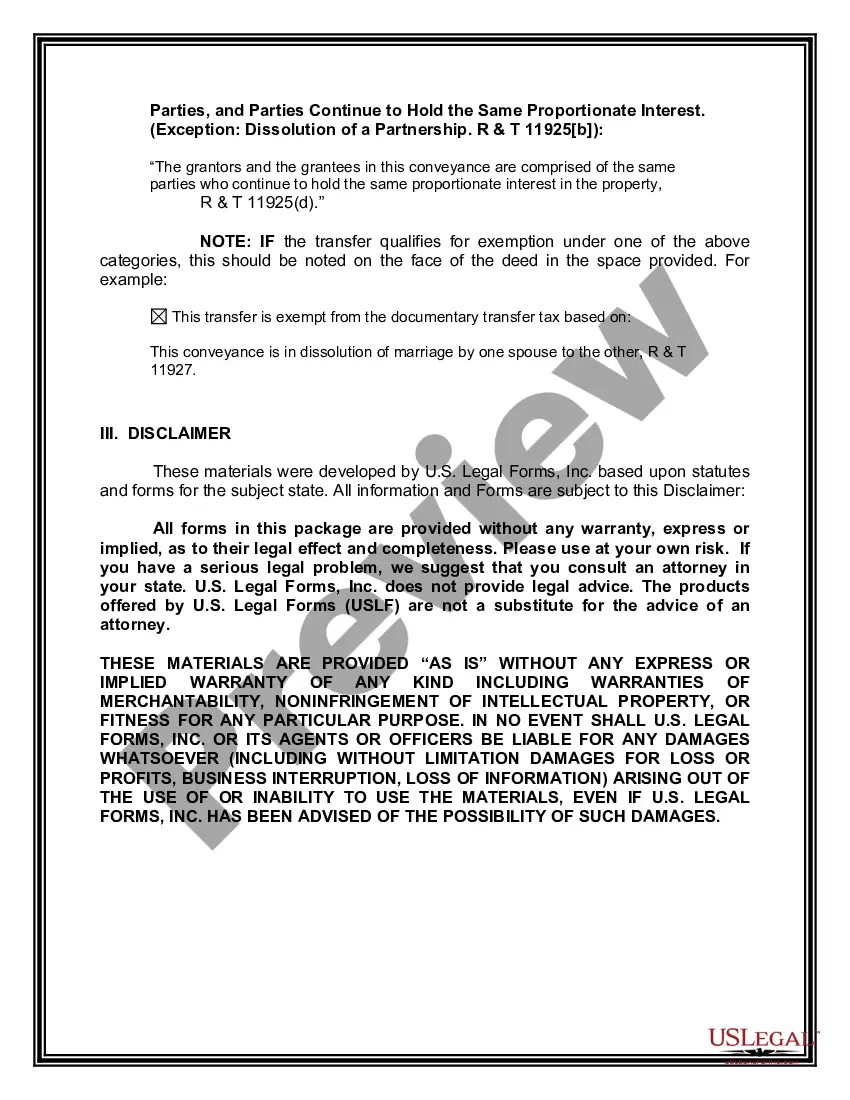
- Field to indicate any exemptions from documentary transfer tax.

Common use cases
Use this Warranty Deed when you want to transfer property to one or more individuals who will hold the title as joint tenants. This is commonly applicable in family situations, partnerships, or co-purchasing scenarios where co-owners want to ensure that the property seamlessly passes to the surviving owner(s) upon death.
Who should use this form
- Individuals transferring property to family members or friends.
- Couples purchasing a home together.
- Business partners who are co-investing in real estate.
- Anyone wishing to establish a joint tenancy arrangement for property ownership.
Completing this form step by step
- Identify the parties involved: list the grantor(s) and grantee(s).
- Provide a detailed legal description of the property being transferred.
- Specify that the property is being held as joint tenants by entering the appropriate clause.
- Have the grantor sign the deed in the designated area.
- If necessary, arrange for a notary public to acknowledge the signature.
- Indicate any applicable exemptions from transfer tax, if relevant.
Is notarization required?
This document requires notarization to meet legal standards. US Legal Forms provides secure online notarization powered by Notarize, allowing you to complete the process through a verified video call, available 24/7.
Get your form ready online
Our built-in tools help you complete, sign, share, and store your documents in one place.
Make edits, fill in missing information, and update formatting in US Legal Forms—just like you would in MS Word.
Download a copy, print it, send it by email, or mail it via USPS—whatever works best for your next step.
Sign and collect signatures with our SignNow integration. Send to multiple recipients, set reminders, and more. Go Premium to unlock E-Sign.
If this form requires notarization, complete it online through a secure video call—no need to meet a notary in person or wait for an appointment.
We protect your documents and personal data by following strict security and privacy standards.

Make edits, fill in missing information, and update formatting in US Legal Forms—just like you would in MS Word.

Download a copy, print it, send it by email, or mail it via USPS—whatever works best for your next step.

Sign and collect signatures with our SignNow integration. Send to multiple recipients, set reminders, and more. Go Premium to unlock E-Sign.

If this form requires notarization, complete it online through a secure video call—no need to meet a notary in person or wait for an appointment.

We protect your documents and personal data by following strict security and privacy standards.
Mistakes to watch out for
- Failing to include a complete legal description of the property.
- Not specifying the type of tenancy (joint tenancy) correctly.
- Omitting signatures or acknowledgment by a notary when required.
- Not noting any exemptions from transfer tax, if applicable.
Benefits of completing this form online
- Convenient access to legal forms anytime and anywhere.
- Editable templates that allow you to customize the document to your needs.
- Professional legal verification of forms to ensure compliance with the law.
Looking for another form?
Form popularity
FAQ
Transferring property title to a family member in California can be accomplished through a warranty deed. You must complete the deed accurately and ensure it's notarized before filing it with the county recorder. Utilizing the California Warranty Deed for Separate or Joint Property to Joint Tenancy can simplify this process, ensuring a legally recognized transfer that maintains the integrity of your family's property.
The main point of joint tenancy is to provide a clear benefit of shared ownership while ensuring the right of survivorship among owners. This feature facilitates the automatic transfer of ownership without the need for probate, offering peace of mind and financial security. Hence, when you draft a California Warranty Deed for Separate or Joint Property to Joint Tenancy, you create a streamlined method for property transfer.
A notable disadvantage of joint tenancy is that it typically cannot be unilaterally altered without the consent of all owners. This situation can create complications, especially if the co-owners have differing opinions on property management or sale. Understanding these dynamics is essential when creating your California Warranty Deed for Separate or Joint Property to Joint Tenancy.
When individuals are listed as 'joint tenants' on a warranty deed, they share equal ownership of a property. This arrangement means that if one owner passes away, the remaining owners automatically inherit their share. This structure is vital if you want to ensure a seamless transition of property rights through the California Warranty Deed for Separate or Joint Property to Joint Tenancy.
Adding a person to a house deed in California requires you to draft a California Warranty Deed for Separate or Joint Property to Joint Tenancy. You should include both your name and the name of the new owner on the deed, ensuring it is signed and notarized. After this, submit the deed to your county's recorder's office to officially update the ownership records.
To add someone to a deed in California as joint tenants, you will need to prepare and execute a California Warranty Deed for Separate or Joint Property to Joint Tenancy. This process includes including the new co-owner's name on the deed and having it signed and notarized. Once this is completed, file the deed with your local county clerk's office to ensure that the new ownership is properly recorded.
Yes, you can add someone to your deed in California without refinancing your mortgage. Using a California Warranty Deed for Separate or Joint Property to Joint Tenancy allows you to make this change independently of your mortgage. However, it is crucial to review your mortgage terms, as some loans may have specific clauses regarding ownership changes, so consider consulting your lender.
The best way to add someone to a deed involves officially executing a California Warranty Deed for Separate or Joint Property to Joint Tenancy. This deed must be signed by the current owner and notarized for it to be valid. After completing the deed, ensure you file it with your county's recorder's office to make the change official and avoid any future disputes.
Adding someone to your deed in California can have various tax implications, particularly regarding property tax reassessment. When you transfer your ownership interest, the county may reassess the property, potentially increasing your property tax bill. Additionally, this change can affect capital gains tax when you eventually sell the property, especially in the context of a California Warranty Deed for Separate or Joint Property to Joint Tenancy.
A warranty deed can be prepared by a variety of individuals, including attorneys, title companies, or even the property owner themselves. In California, it is essential to ensure that the document complies with legal requirements, making it advantageous to consider services like USLegalForms. They can help you create a valid California Warranty Deed for Separate or Joint Property to Joint Tenancy easily and efficiently.