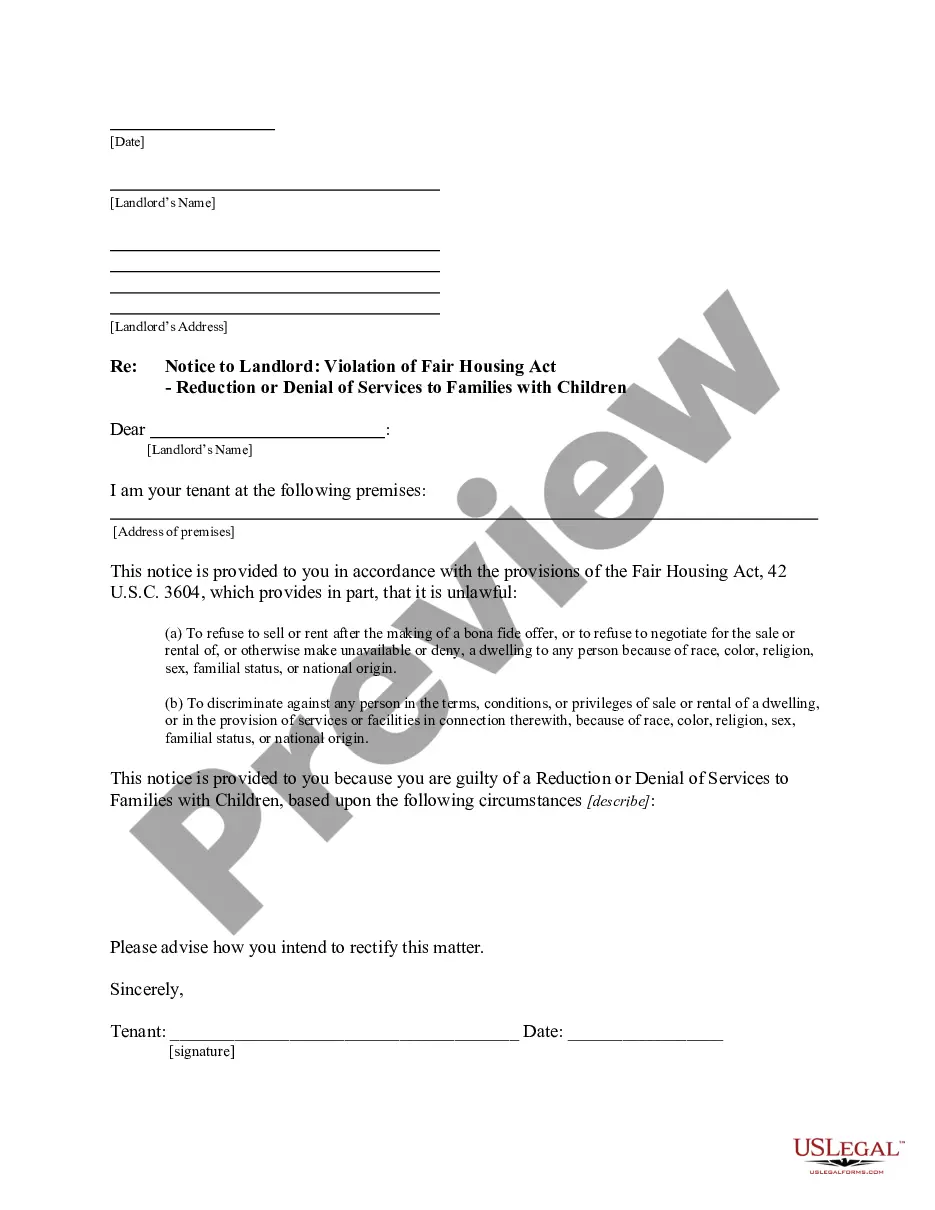
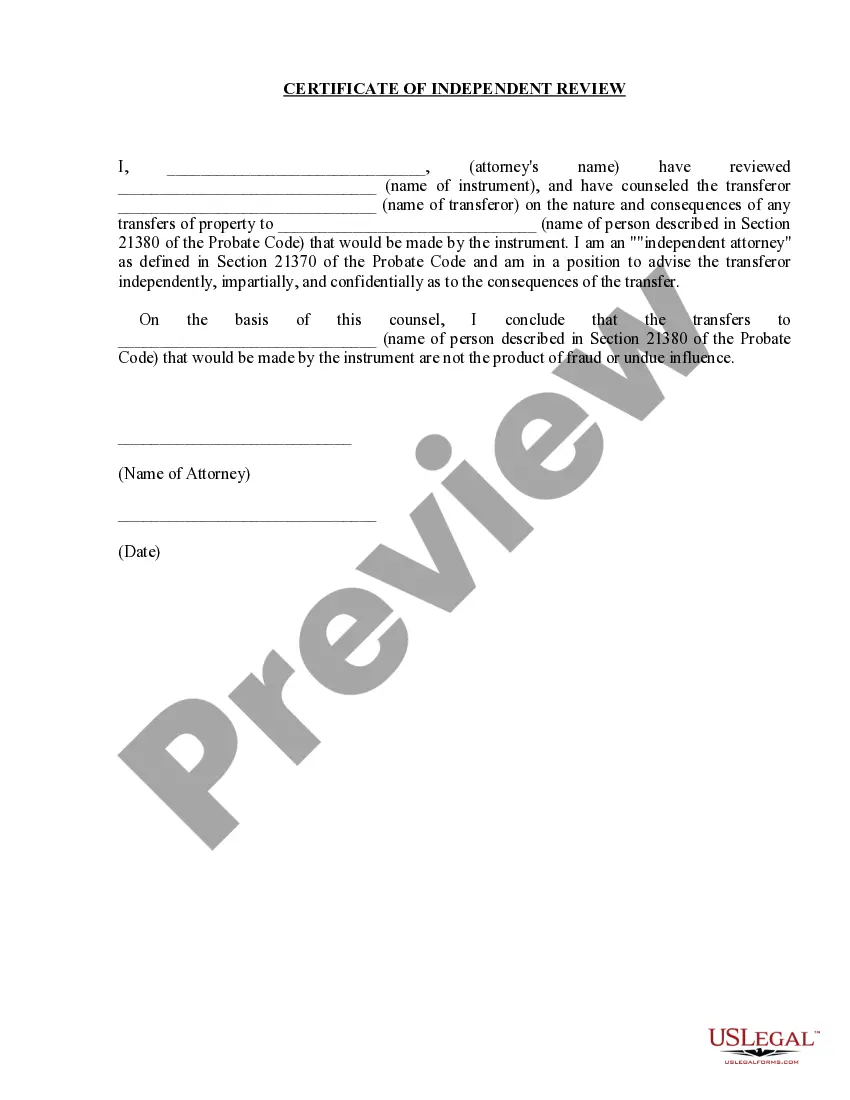
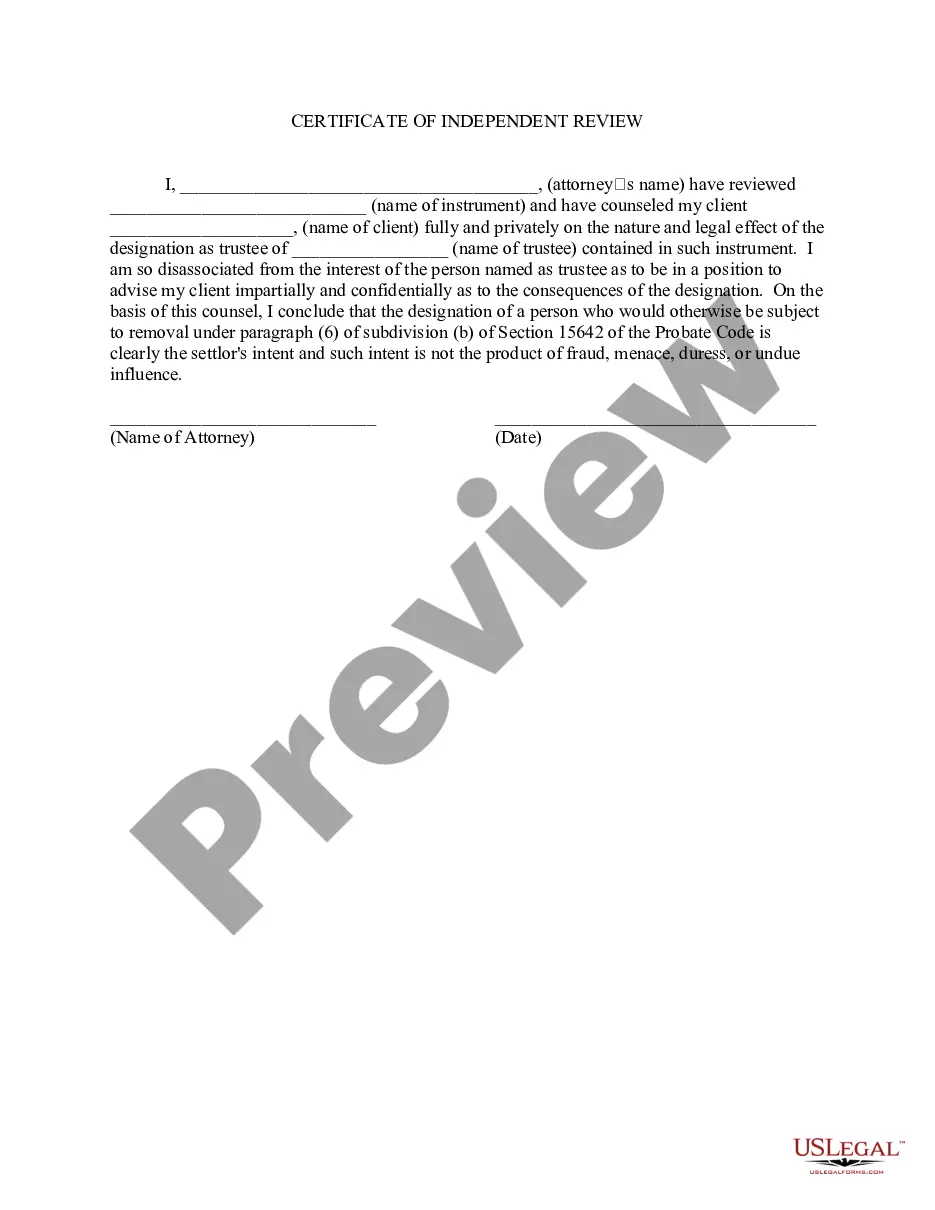
California Certificate of Independent Review for Donative Transfers
Understanding this form
The Certificate of Independent Review for Donative Transfers is a legal document used by attorneys to certify that a gift transfer is free from fraud or undue influence. This form differs from other legal certifications by ensuring that the transferor understands the implications of their actions, particularly when transferring property to individuals described in the Probate Code. This certificate is essential for ensuring that the transfer is legitimate and made with the appropriate legal counsel.
Key components of this form
- Name of the attorney providing the certification.
- Name of the legal instrument being reviewed.
- Name of the transferor who is making the gift.
- Name of the recipient as described in Section 21380 of the Probate Code.
- Conclusion confirming the absence of fraud or undue influence regarding the transfers.
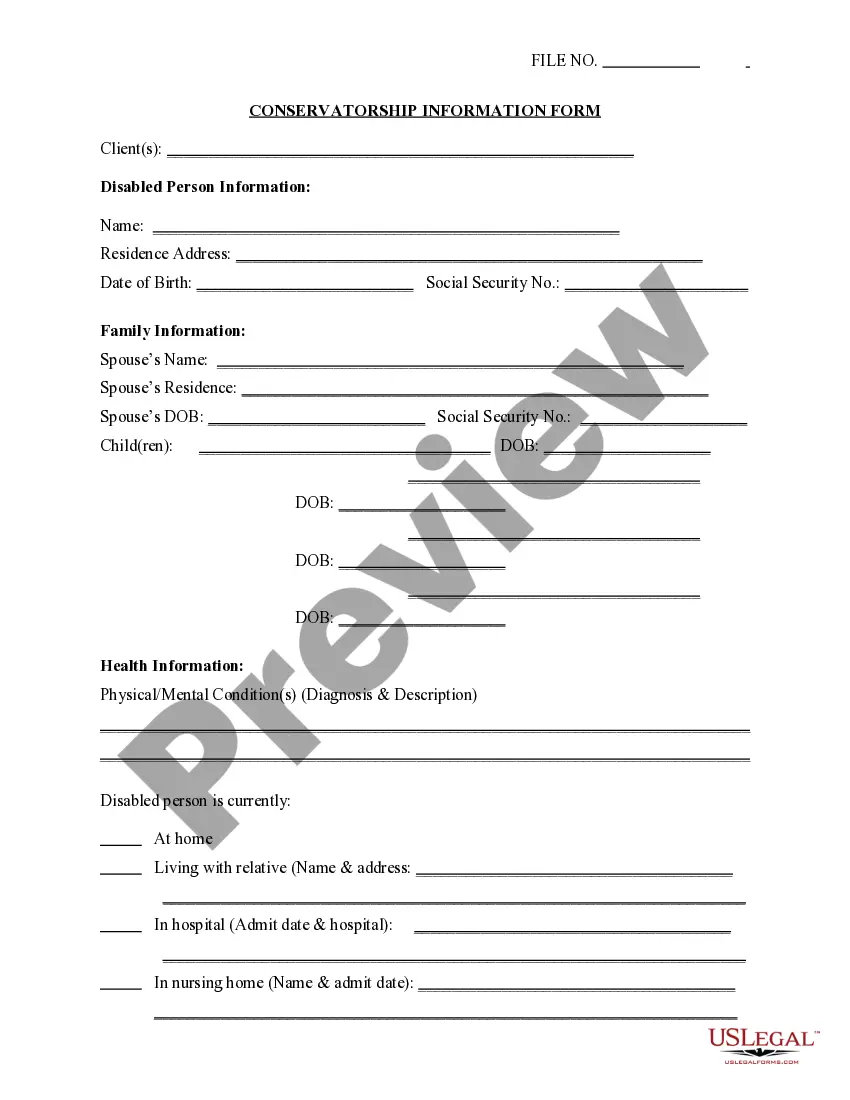
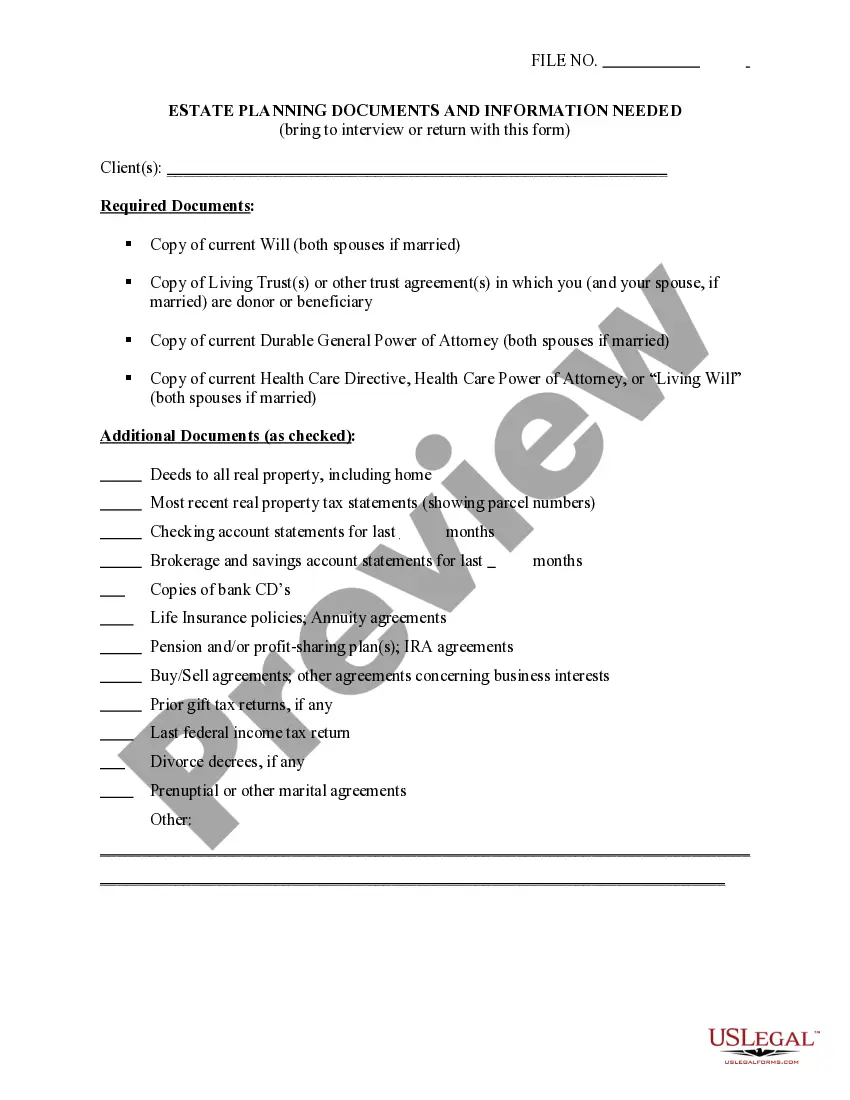
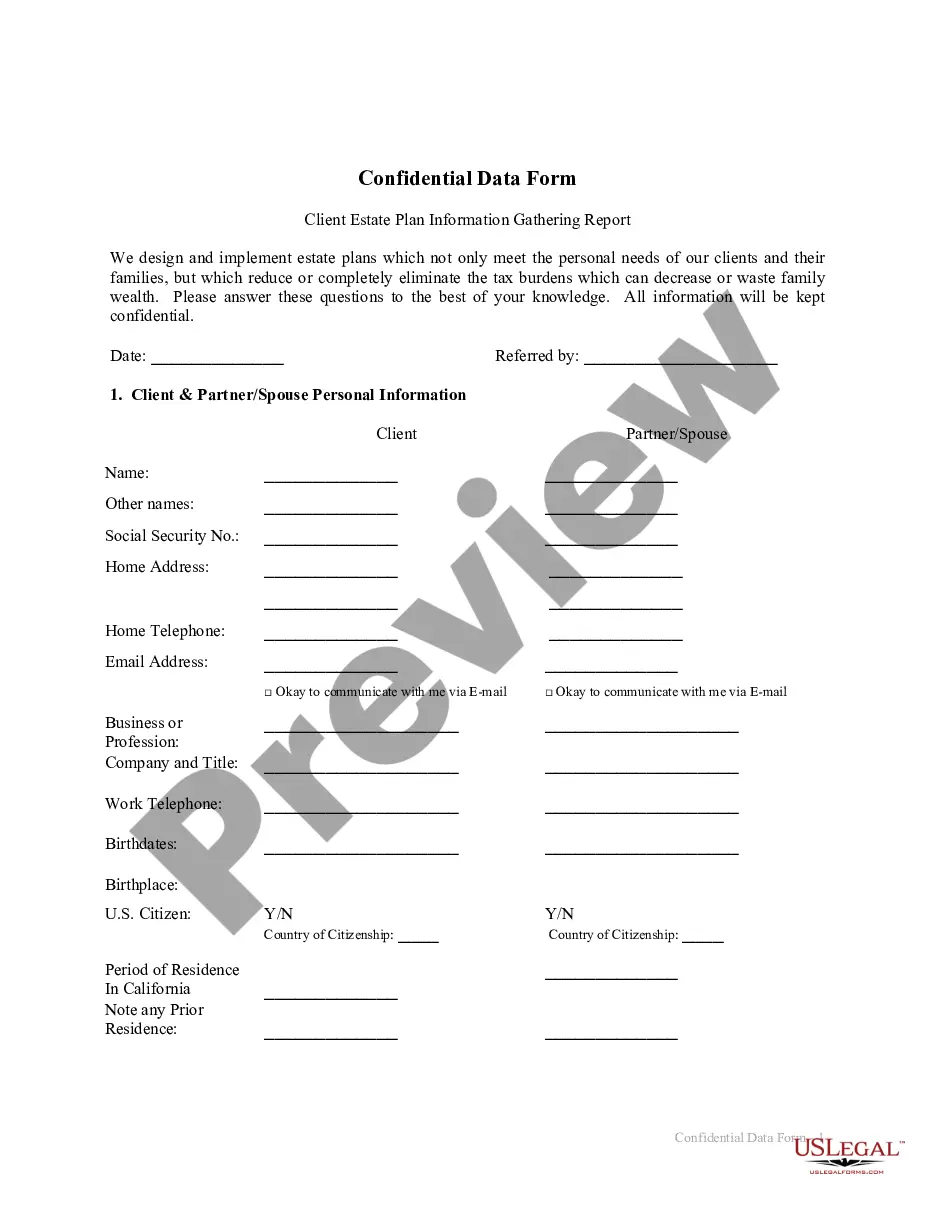
When to use this document
This form is used in situations where an individual intends to make a significant gift or transfer of property, particularly to someone who may face scrutiny under probate laws. It is useful when the transferor wants to ensure their decisions are valid and above reproach, especially in family situations where disputes might arise concerning the legitimacy of the gift.
Who needs this form
- Attorneys acting on behalf of clients who wish to make donative transfers.
- Individuals planning to transfer property as a gift to ensure legal protection against future claims.
- Estate planners who need to document the independence of their assessments regarding property transfers.
Completing this form step by step
- Identify the attorney filling out the form and enter their name.
- Specify the name of the legal instrument being reviewed.
- Enter the name of the transferor who is making the gift.
- Provide the name of the recipient as defined in Section 21380 of the Probate Code.
- Ensure the attorney includes a declaration of their independence and impartiality.
- Sign and date the form to finalize the certification.
Does this form need to be notarized?
This form does not typically require notarization unless specified by local law. However, it is advisable to check local regulations to ensure compliance with any additional notarization requirements.
Get your form ready online
Our built-in tools help you complete, sign, share, and store your documents in one place.
Make edits, fill in missing information, and update formatting in US Legal Forms—just like you would in MS Word.
Download a copy, print it, send it by email, or mail it via USPS—whatever works best for your next step.
Sign and collect signatures with our SignNow integration. Send to multiple recipients, set reminders, and more. Go Premium to unlock E-Sign.
If this form requires notarization, complete it online through a secure video call—no need to meet a notary in person or wait for an appointment.
We protect your documents and personal data by following strict security and privacy standards.

Make edits, fill in missing information, and update formatting in US Legal Forms—just like you would in MS Word.

Download a copy, print it, send it by email, or mail it via USPS—whatever works best for your next step.

Sign and collect signatures with our SignNow integration. Send to multiple recipients, set reminders, and more. Go Premium to unlock E-Sign.

If this form requires notarization, complete it online through a secure video call—no need to meet a notary in person or wait for an appointment.

We protect your documents and personal data by following strict security and privacy standards.
Common mistakes
- Failing to properly identify the attorney or transferor.
- Not including the correct names for the recipient as specified in the Probate Code.
- Omitting the attorney's signature or date, which invalidates the certification.
- Not confirming that the attorney's advice was independent, which is crucial for legal protection.
Advantages of online completion
- Convenience of downloading the form anytime, anywhere.
- Editable fields to ensure all necessary information is accurately captured.
- Access to templates drafted by licensed attorneys, ensuring the quality and legality of the form.
- Instant access to updates and changes in law that may affect the form's validity.
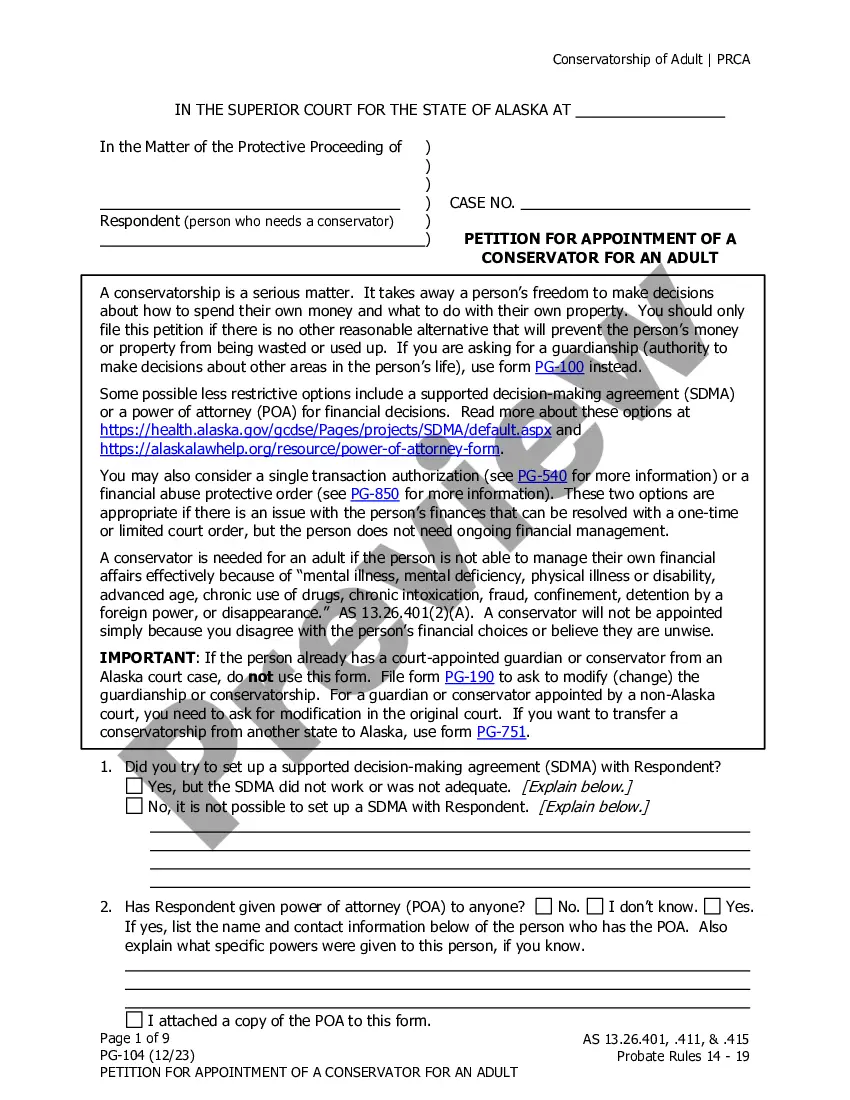
Looking for another form?
Form popularity
FAQ
Independent review offers several benefits, including enhanced transparency and reduced risk of legal challenges. By validating the terms of a donative transfer, this process protects both the donor and the recipient. Specifically, in the context of California Certificate of Independent Review for Donative Transfers, it fosters trust and ensures compliance with California's legal framework, ultimately streamlining the transfer process.
To invalidate a trust in California, one must provide strong evidence that the trust was created under undue influence, fraud, or lack of mental capacity. This process typically involves legal proceedings, which can be complex. However, the California Certificate of Independent Review for Donative Transfers can help clarify intentions and strengthen claims, making any potential disputes easier to navigate.
An independent review aims to evaluate the appropriateness of a donative transfer in accordance with legal standards. This ensures that the grantor's intentions align with state laws and safeguards against potential disputes. Engaging in an independent review, especially regarding California Certificate of Independent Review for Donative Transfers, provides peace of mind, as it helps validate the transaction.
A certificate of trust serves to confirm the existence of a trust and details its important terms. This document often helps in establishing the trustee's authority without disclosing the entire trust agreement. When dealing with California Certificate of Independent Review for Donative Transfers, this certificate enhances clarity in asset transfers and simplifies the process for all parties involved.
To obtain a copy of a trust document in California, you'll typically need to request it from the trustee, as they hold the original document. If the trust is irrevocable, beneficiaries have a right to access certain trust information, including its terms. In situations where the trustee is uncooperative, legal action may be necessary to compel the production of the document. For comprehensive guidance on this process, consider turning to US Legal Forms to find the necessary resources and templates.
Generally, a certificate of trust can be drafted by the trustee, the grantor, or an attorney who specializes in estate planning. It is highly recommended to work with an attorney to ensure that the certificate complies with California law and accurately reflects the trust's terms. A well-drafted certificate aligns with excellent practice, easing interactions with banks, real estate firms, and other institutions. Remember, clarity in this document can prevent misunderstandings later.
A certificate of trust is usually created by the person who establishes the trust, known as the grantor, or the trustee once the trust is active. The preparation of this document often involves careful consideration of the trust's terms and the relevant parties titled in the trust. Once created, it serves as proof of the trust's existence and essential provisions, useful in dealing with financial institutions and other entities. Seeking professional legal assistance can make this process more streamlined.
A certificate of independent review is a legal document that confirms a professional review has been conducted regarding a donative transfer, such as gifts or bequests. This certificate aims to ensure that the donor's intent is honored while also providing a level of protection against potential disputes or legal challenges. For individuals considering significant transfers, obtaining a California Certificate of Independent Review for Donative Transfers can be beneficial. It promotes transparency and helps prevent future litigation.
In California, a certificate of trust is typically issued by the trustee of the trust. The trustee must have the authority to manage the trust according to its terms, which is established during the creation of the trust. This certificate serves as a summary of the trust without disclosing all details, making it easier for third parties to verify its existence. It is crucial to have this document issued correctly to facilitate transactions related to the trust.
No, trust documents are generally not considered public records in California. This means that access to these documents is restricted to trustees and beneficiaries. However, the California Certificate of Independent Review for Donative Transfers can provide clarity and assurance in the context of private transfers, reinforcing the need for transparency and legality in these matters.