California Living Trust for Individual as Single, Divorced or Widow (or Widower) with No Children
Understanding this form
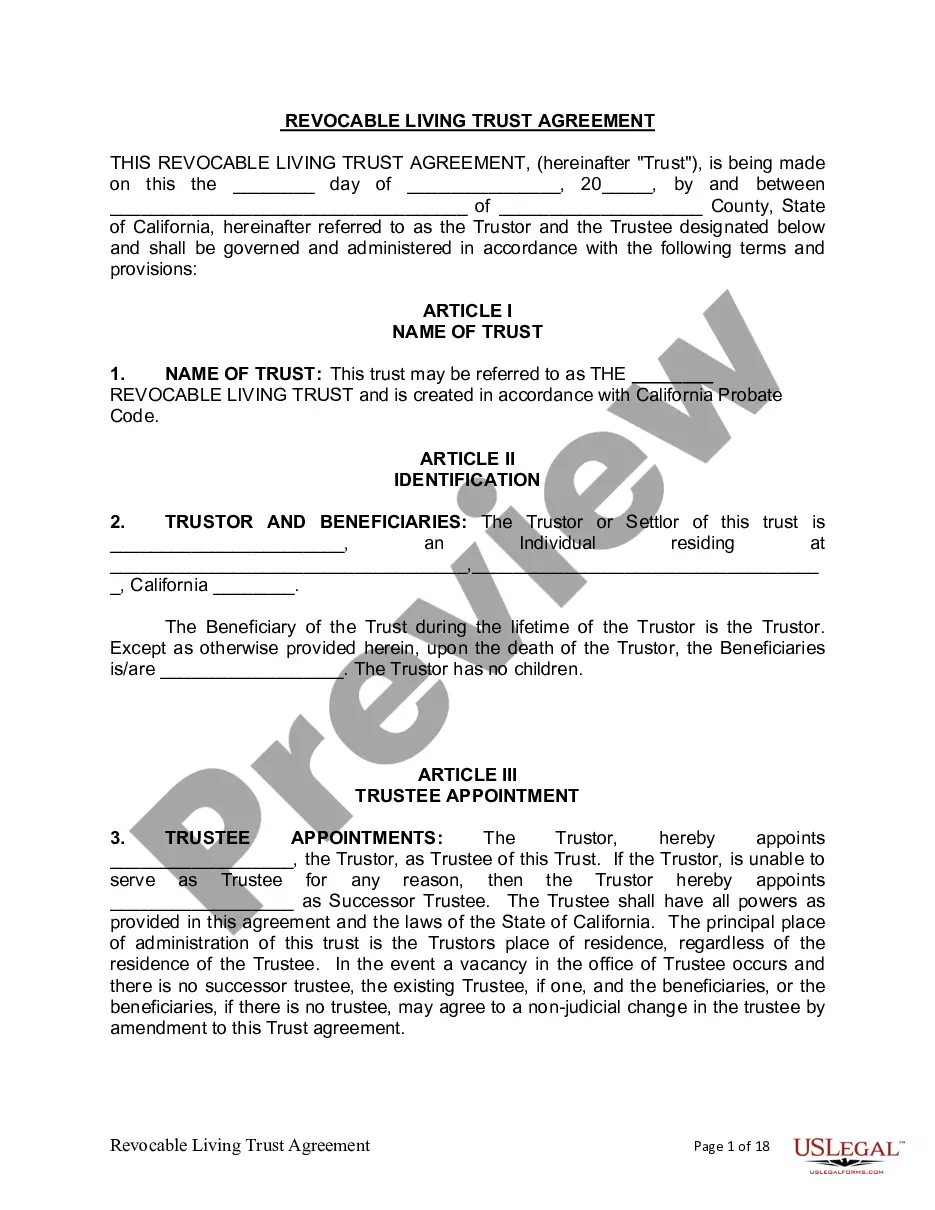
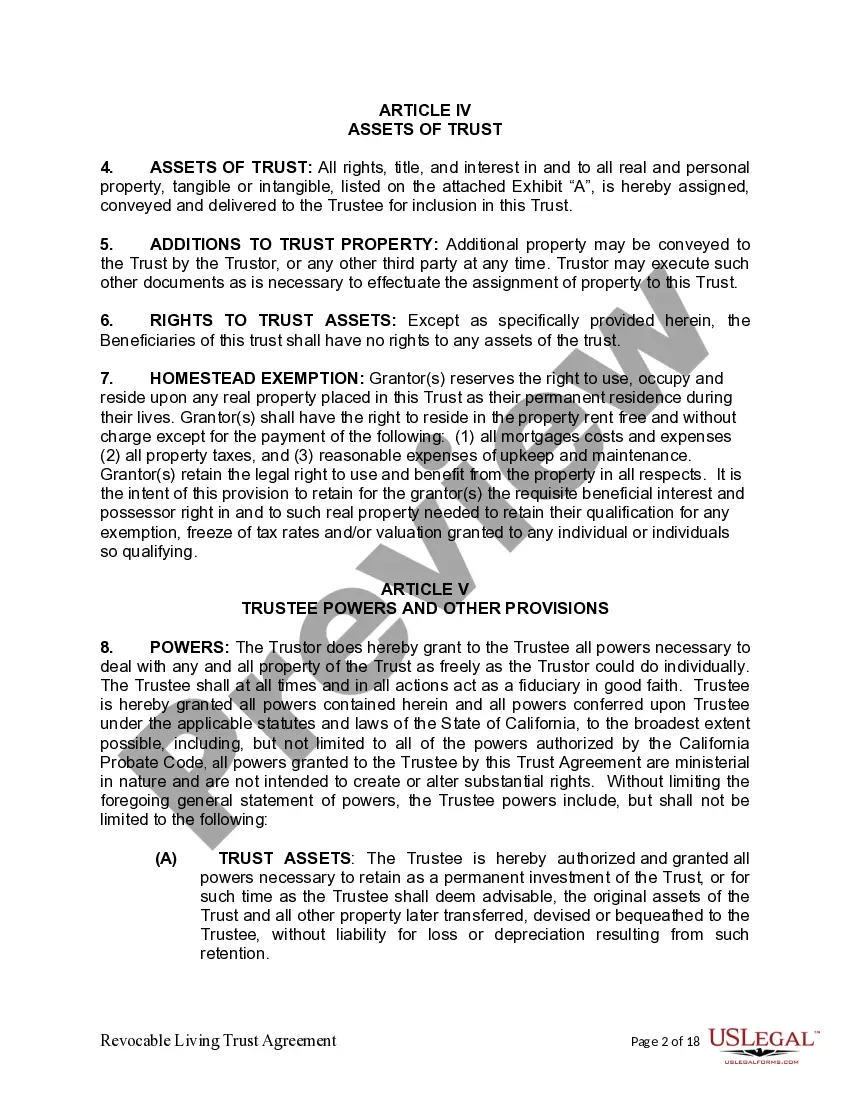
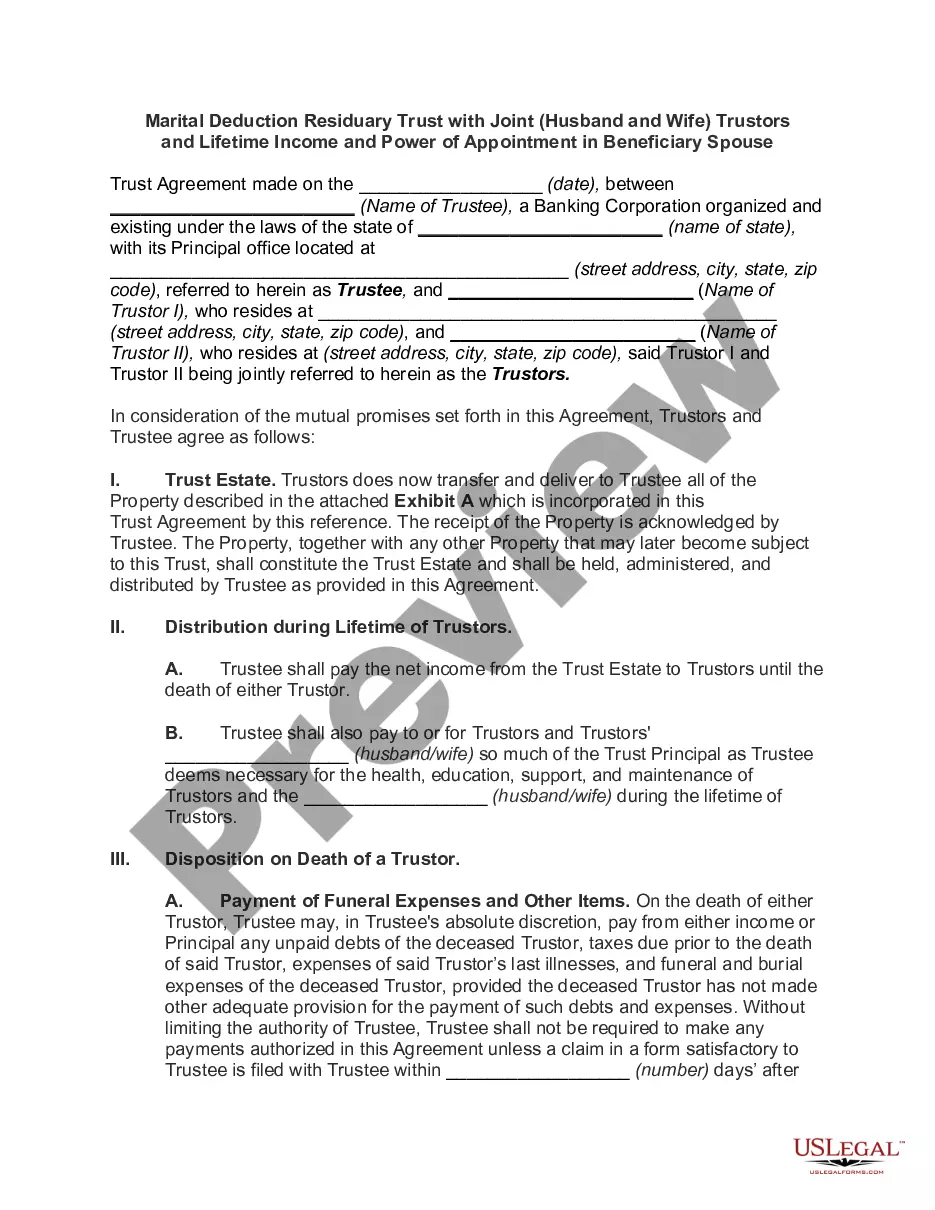
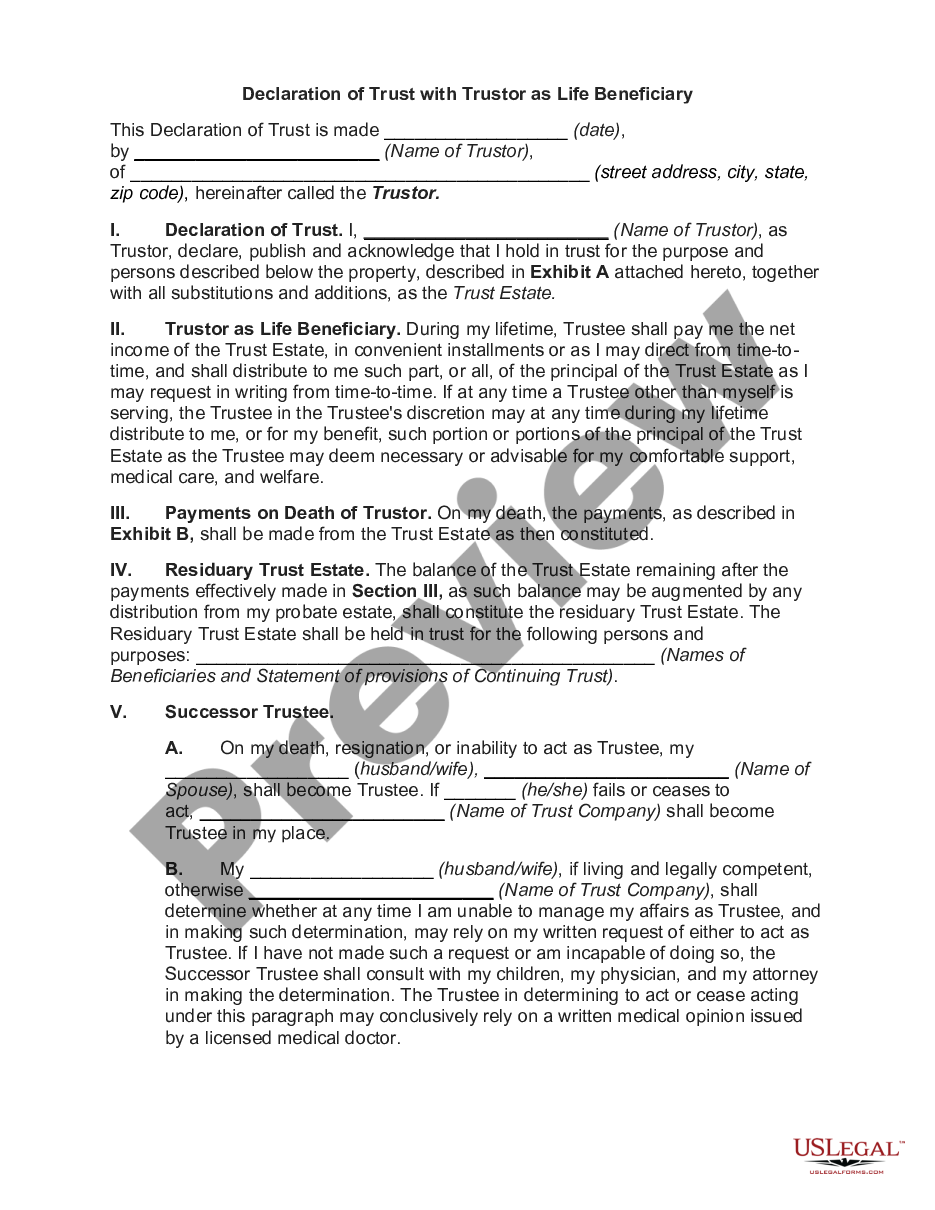
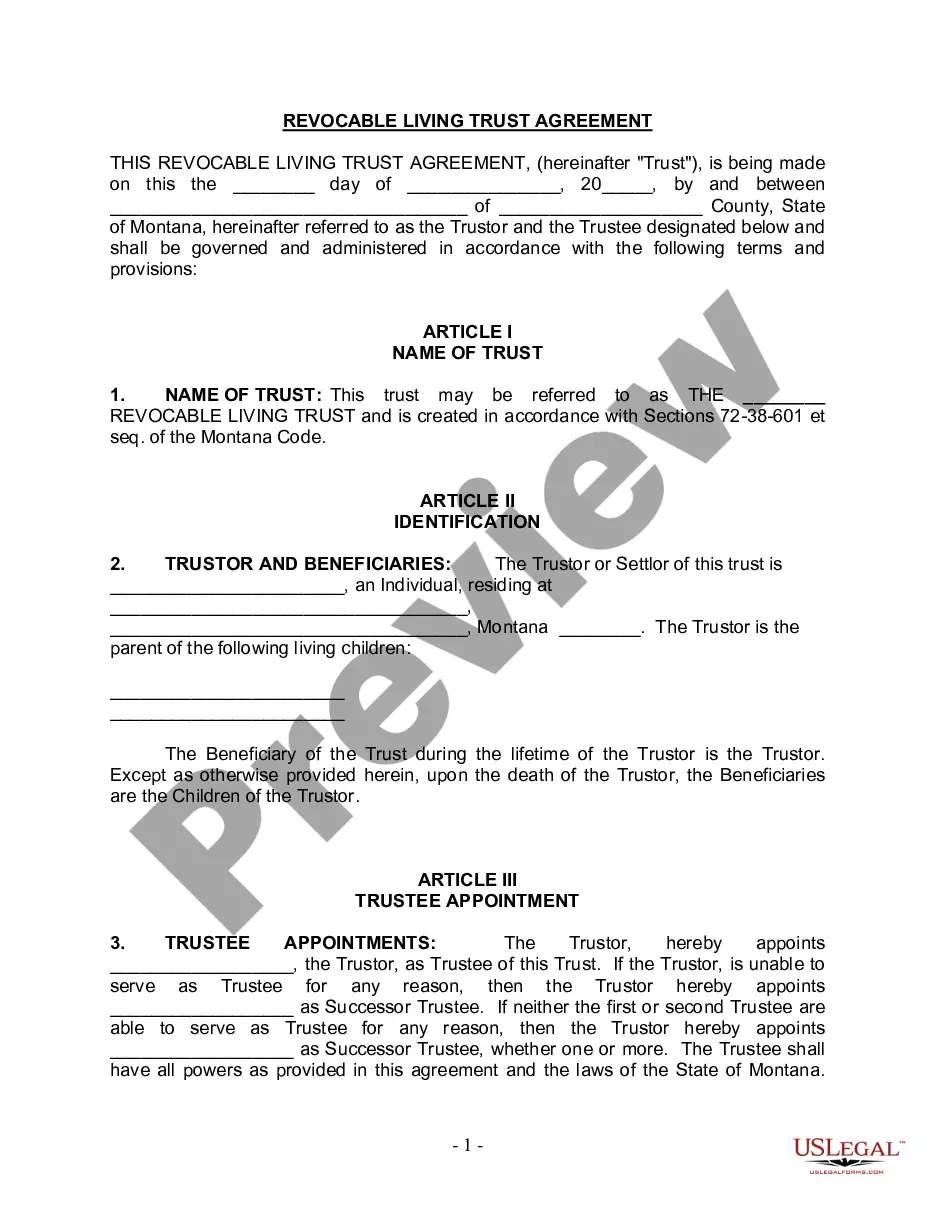
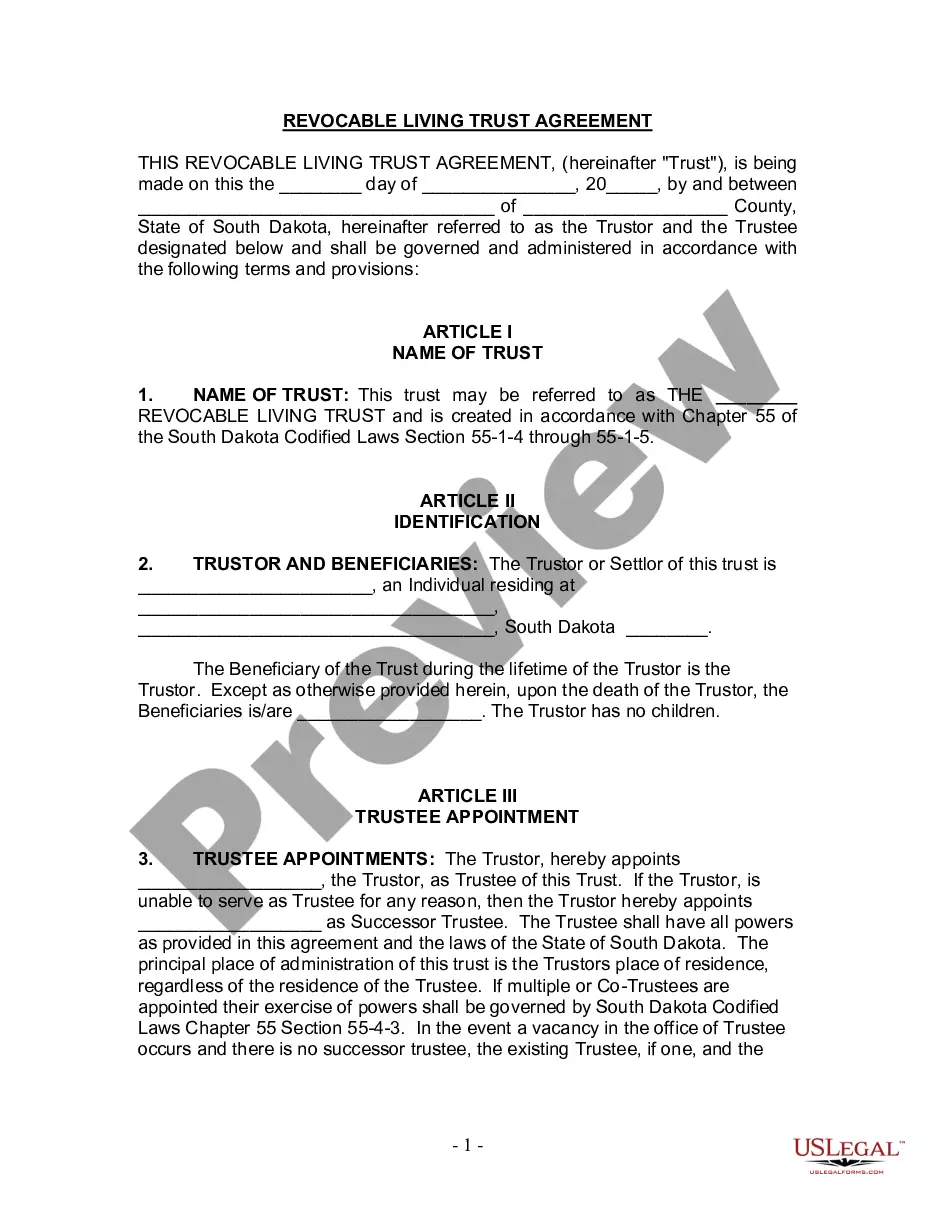
The Living Trust for Individual as Single, Divorced or Widow(er) with No Children is a legal document that allows a person to create a revocable living trust. This trust is established during the individual's lifetime to manage their assets and distribute them efficiently upon their death. Unlike a will, assets placed in this trust avoid probate, simplifying the transfer process. This form is specifically tailored for individuals without children, ensuring that their unique estate planning needs are met.
Key parts of this document
- Name of the trust and identification of the trustor.
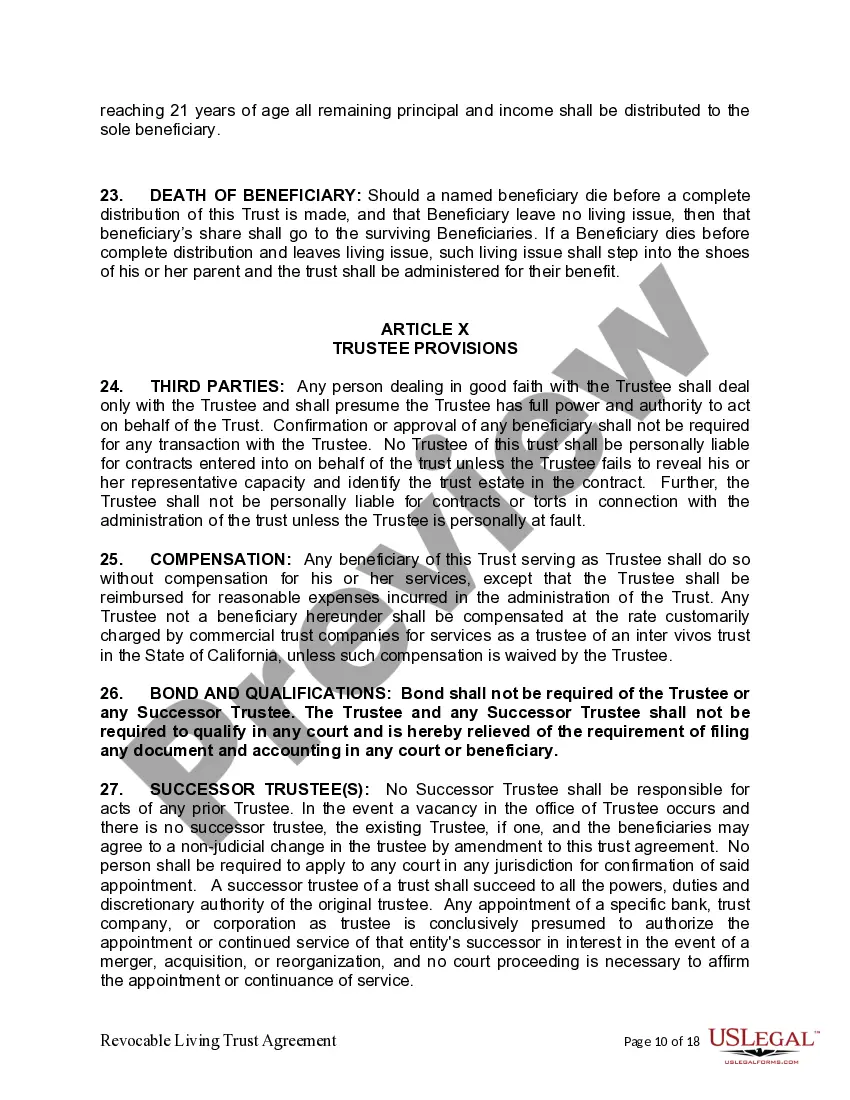
- Appointment of the trustee and successor trustee provisions.
- Details on the assets included in the trust.
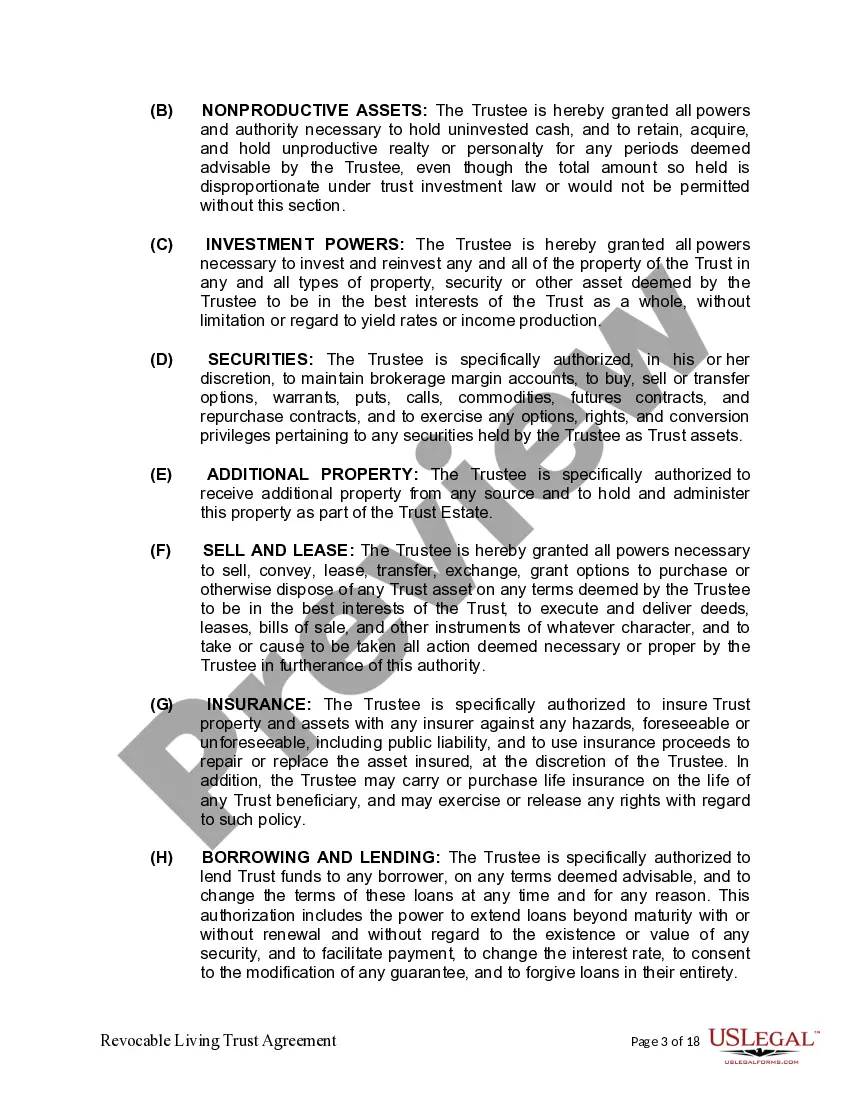
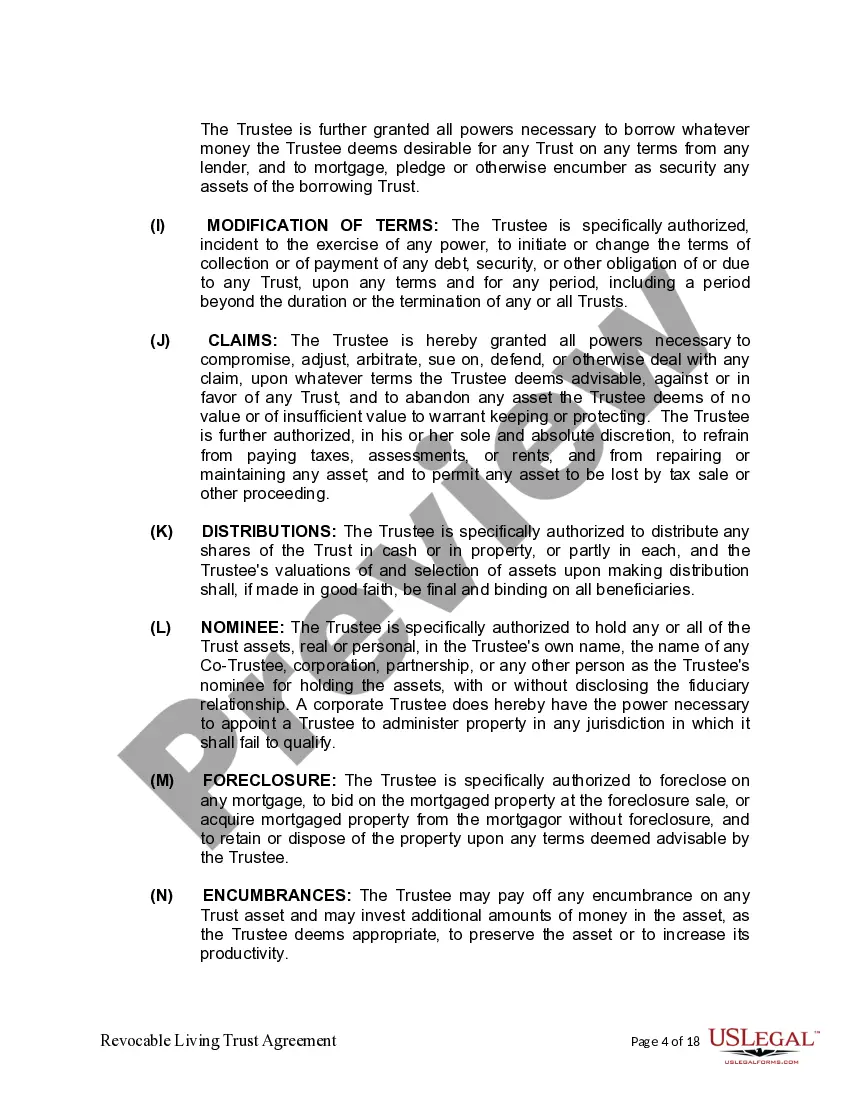
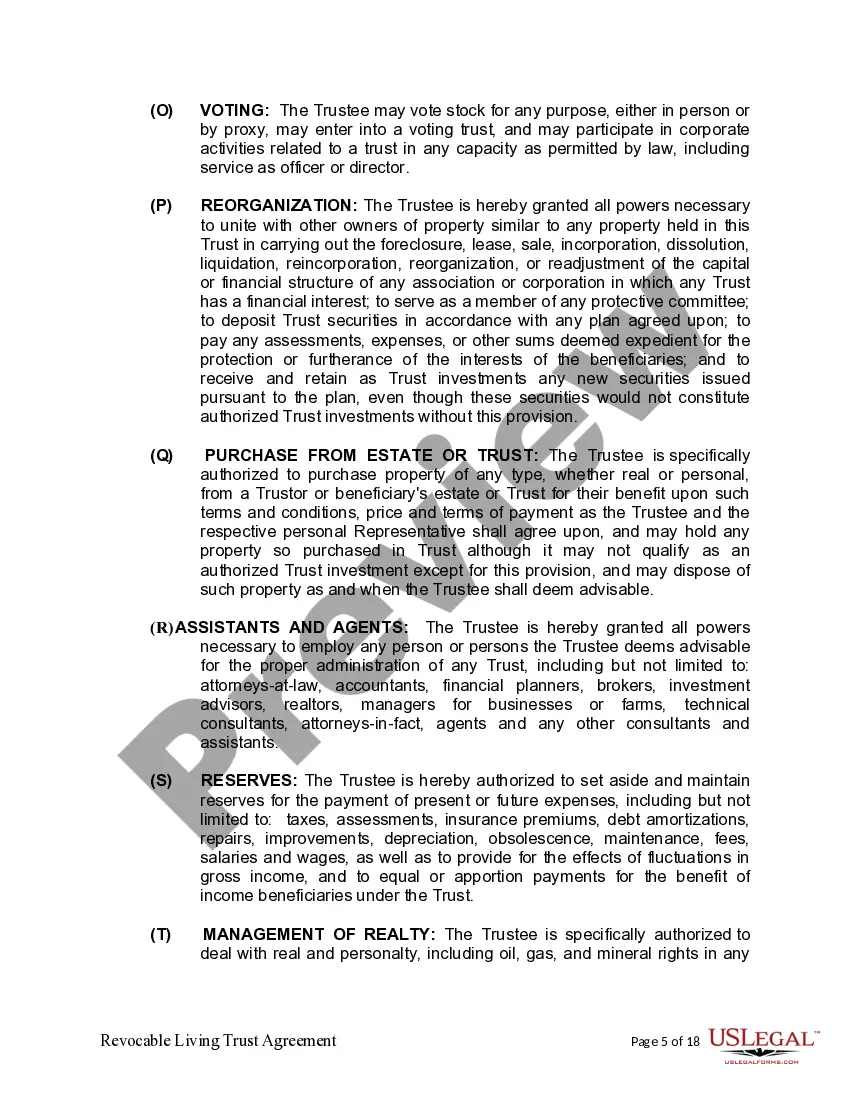
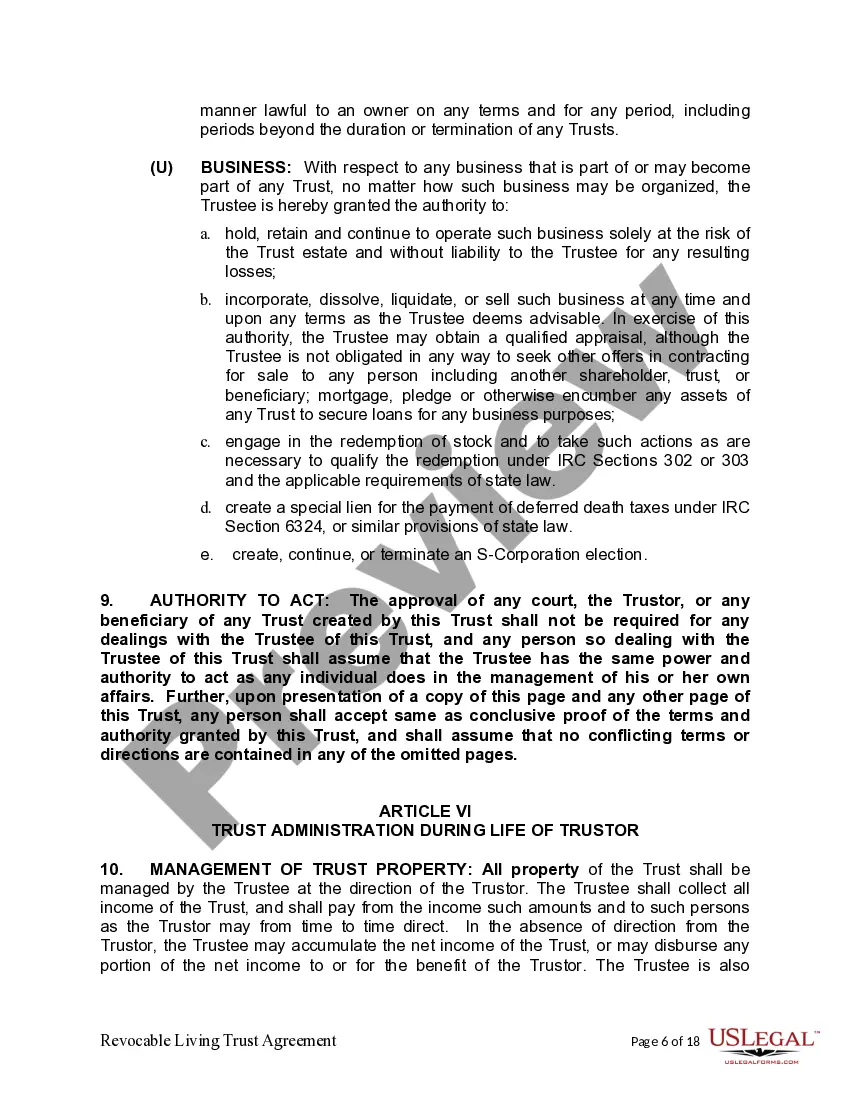
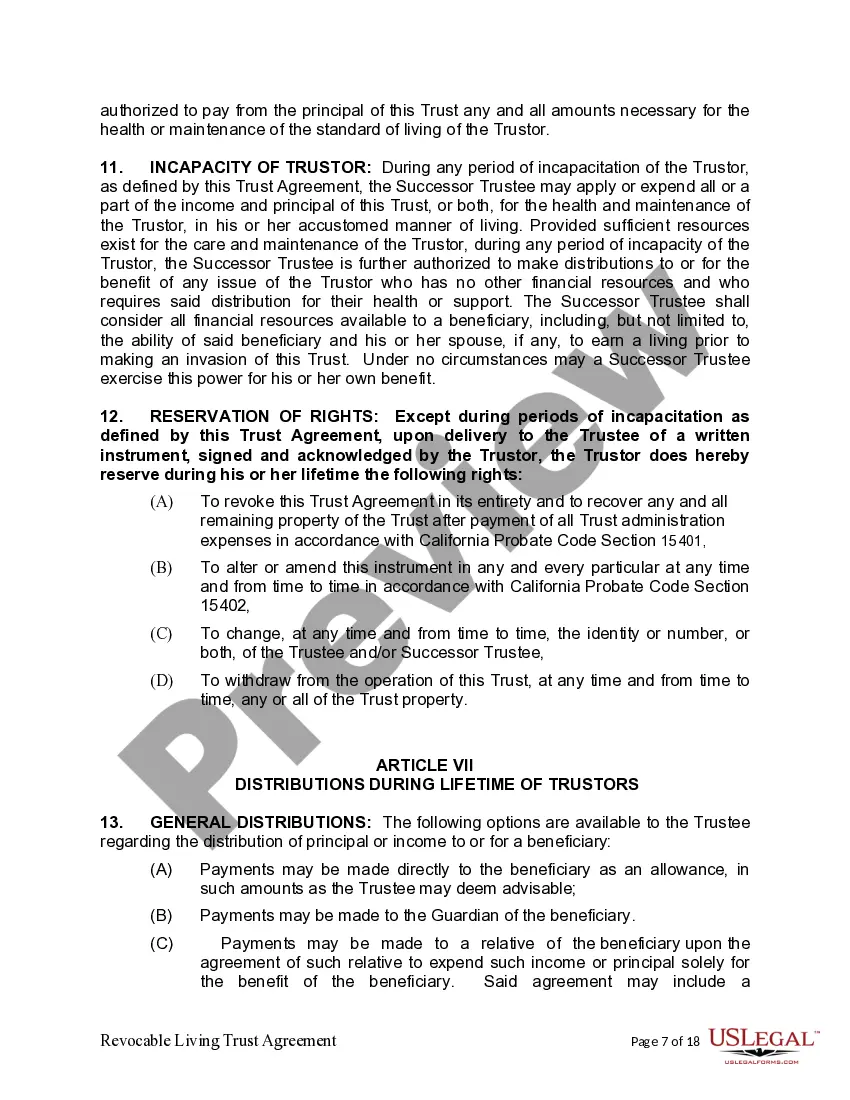
- Specific powers granted to the trustee for managing trust assets.
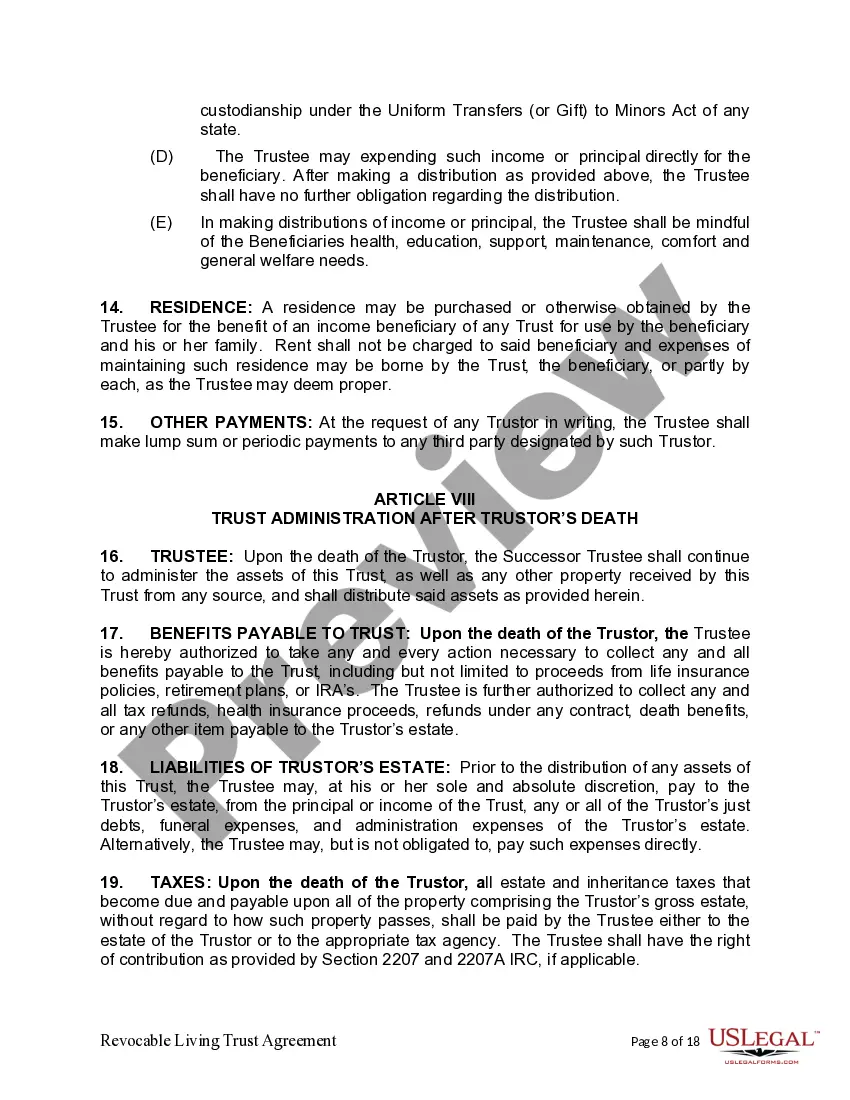
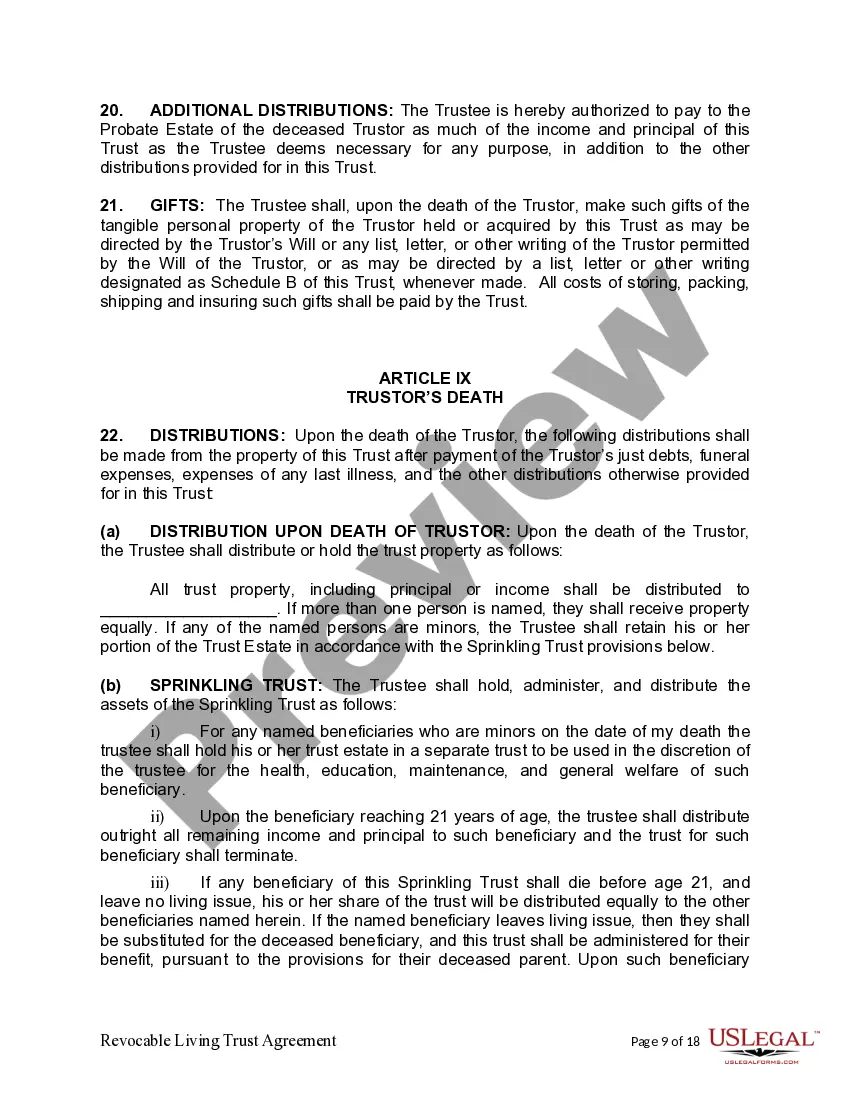
- Instructions for the distribution of assets upon the trustor's death.




When to use this document
This form is ideal when an individual who is single, divorced, or widowed wishes to establish a living trust to manage their assets. It is particularly useful for those without children who want to ensure their property is distributed according to their wishes after death, without the complications of the probate process.
Who can use this document
- Individuals who are single, divorced, or widowed.
- Persons without children seeking to create a trust for asset management and distribution.
- Individuals looking to simplify the estate transfer process and avoid probate.
Instructions for completing this form
- Identify the trustor by entering their full name and details.
- Appoint a trustee and a successor trustee, if needed.
- List all assets to be included in the trust on the designated schedule.
- Outline the powers granted to the trustee for asset management.
- Specify the distribution of assets upon the trustor's death.
Notarization requirements for this form
Notarization is required for this form to take effect. Our online notarization service, powered by Notarize, lets you verify and sign documents remotely through an encrypted video session, available 24/7.
Get your form ready online
Our built-in tools help you complete, sign, share, and store your documents in one place.
Make edits, fill in missing information, and update formatting in US Legal Forms—just like you would in MS Word.
Download a copy, print it, send it by email, or mail it via USPS—whatever works best for your next step.
Sign and collect signatures with our SignNow integration. Send to multiple recipients, set reminders, and more. Go Premium to unlock E-Sign.
If this form requires notarization, complete it online through a secure video call—no need to meet a notary in person or wait for an appointment.
We protect your documents and personal data by following strict security and privacy standards.
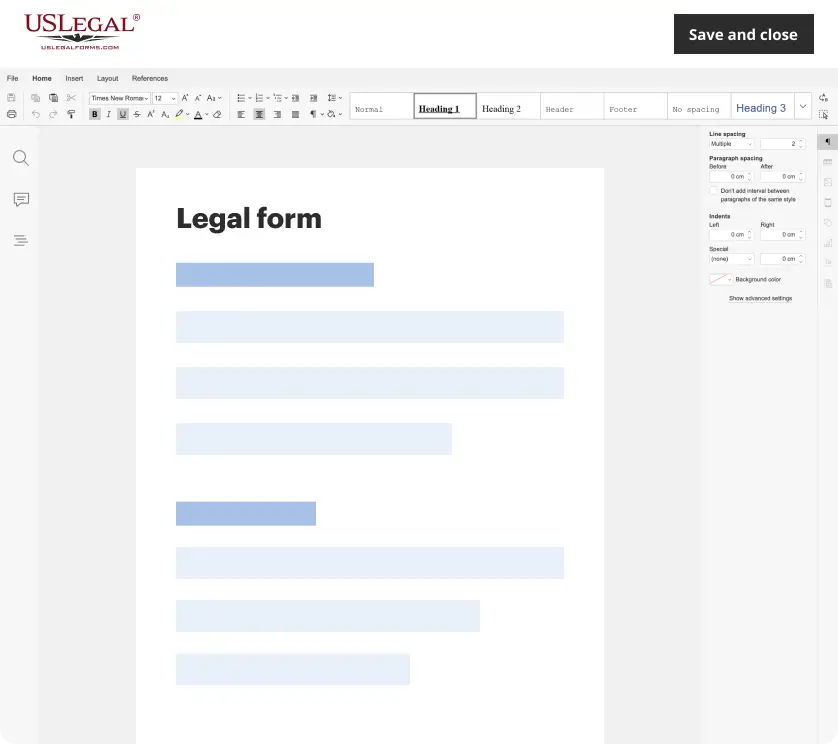
Make edits, fill in missing information, and update formatting in US Legal Forms—just like you would in MS Word.
Download a copy, print it, send it by email, or mail it via USPS—whatever works best for your next step.
Sign and collect signatures with our SignNow integration. Send to multiple recipients, set reminders, and more. Go Premium to unlock E-Sign.
If this form requires notarization, complete it online through a secure video call—no need to meet a notary in person or wait for an appointment.
We protect your documents and personal data by following strict security and privacy standards.
Typical mistakes to avoid
- Failing to accurately list all assets in the trust.
- Not appointing a successor trustee, which can create complications later.
- Providing insufficient details in the distribution instructions.
- Overlooking state-specific legal requirements when drafting the trust.
Benefits of using this form online
- Convenient access allows users to complete the form at their own pace.
- Editable templates make customization easy.
- Drafted by licensed attorneys to align with current legal standards.
- Secure storage of documents for easy retrieval when needed.
Looking for another form?
Form popularity
FAQ
Yes, a single person with no children should consider establishing a trust. A California Living Trust for Individual as Single, Divorced or Widow (or Widower) with No Children can help manage assets and dictate distributions according to your wishes. This trust not only simplifies the transfer of wealth but also provides peace of mind regarding your financial future.
A common mistake parents make is not clearly defining the beneficiaries and their roles in a trust fund. It’s essential to establish a California Living Trust for Individual as Single, Divorced or Widow (or Widower) with No Children with well-defined terms to avoid confusion or conflict. Taking the time to set clear guidelines ensures your wishes are honored.
A single living trust in California is a legal document that allows individuals to manage their assets during their lifetime and distribute them after passing. For those using a California Living Trust for Individual as Single, Divorced or Widow (or Widower) with No Children, it offers a streamlined way to handle estate matters. This trust empowers you to specify your wishes clearly and avoid probate.
When you go through a divorce, a living trust may require modifications. In California, a California Living Trust for Individual as Single, Divorced or Widow (or Widower) with No Children may be divided depending on how it was structured. It’s important to review and possibly amend the trust to ensure it complies with your new marital status.
To protect your finances during a divorce, consider consulting an experienced attorney and reviewing your estate plan. Establishing a California Living Trust for Individual as Single, Divorced or Widow (or Widower) with No Children can be an effective approach to safeguard your assets. It allows you to control how your assets will be distributed, even amid marital changes.
Yes, a trust can be influenced by a divorce. When a marriage ends, the assets in a California Living Trust for Individual as Single, Divorced or Widow (or Widower) with No Children may need to be reevaluated. It’s crucial to update the trust to reflect the new circumstances, ensuring your intentions are clear and legally sound.
Yes, you can create a California Living Trust for Individual as Single, Divorced or Widow (or Widower) with No Children on your own. Many individuals choose to handle this process themselves to save on legal fees. However, doing it by yourself requires careful attention to the legal requirements and procedures. Tools available through USLegalForms can assist you in drafting your trust accurately and efficiently.
Yes, you can establish a California Living Trust for Individual as Single, Divorced or Widow (or Widower) with No Children without your spouse's involvement. This type of trust allows you to manage your assets according to your wishes. Creating a trust independently gives you full control over your estate planning process. If you seek guidance, platforms like USLegalForms offer valuable resources to help you navigate this journey.
Putting your house in a trust in California can lead to various disadvantages, including potential complications with property taxes. When transferring property into a California Living Trust for Individual as Single, Divorced or Widow (or Widower) with No Children, reassessments may occur, impacting your tax situation. Moreover, should you wish to finance or sell the home, processes may become more cumbersome if the property resides within the trust. Evaluating your options with professionals can provide a clearer understanding of the implications.
Suze Orman advocates for living trusts, emphasizing their role in ensuring a smooth transfer of assets upon death, especially for those with unique family situations like a California Living Trust for Individual as Single, Divorced or Widow (or Widower) with No Children. She notes that they can help avoid probate and provide clarity regarding your wishes. However, she also cautions individuals to understand the complexities involved, and she recommends seeking reliable advice before establishing a trust.