Florida Living Trust for individual, Who is Single, Divorced or Widow or Widower with Children

Understanding this form
This form is a Living Trust for an individual who is single, divorced, or widowed with children. It serves as an estate planning tool that allows the trustor (the person creating the trust) to retain control over their assets during their lifetime while ensuring that their children are provided for after their death. Unlike a will, property held in a living trust does not go through probate, allowing for a more efficient transfer of assets to beneficiaries.
Key components of this form
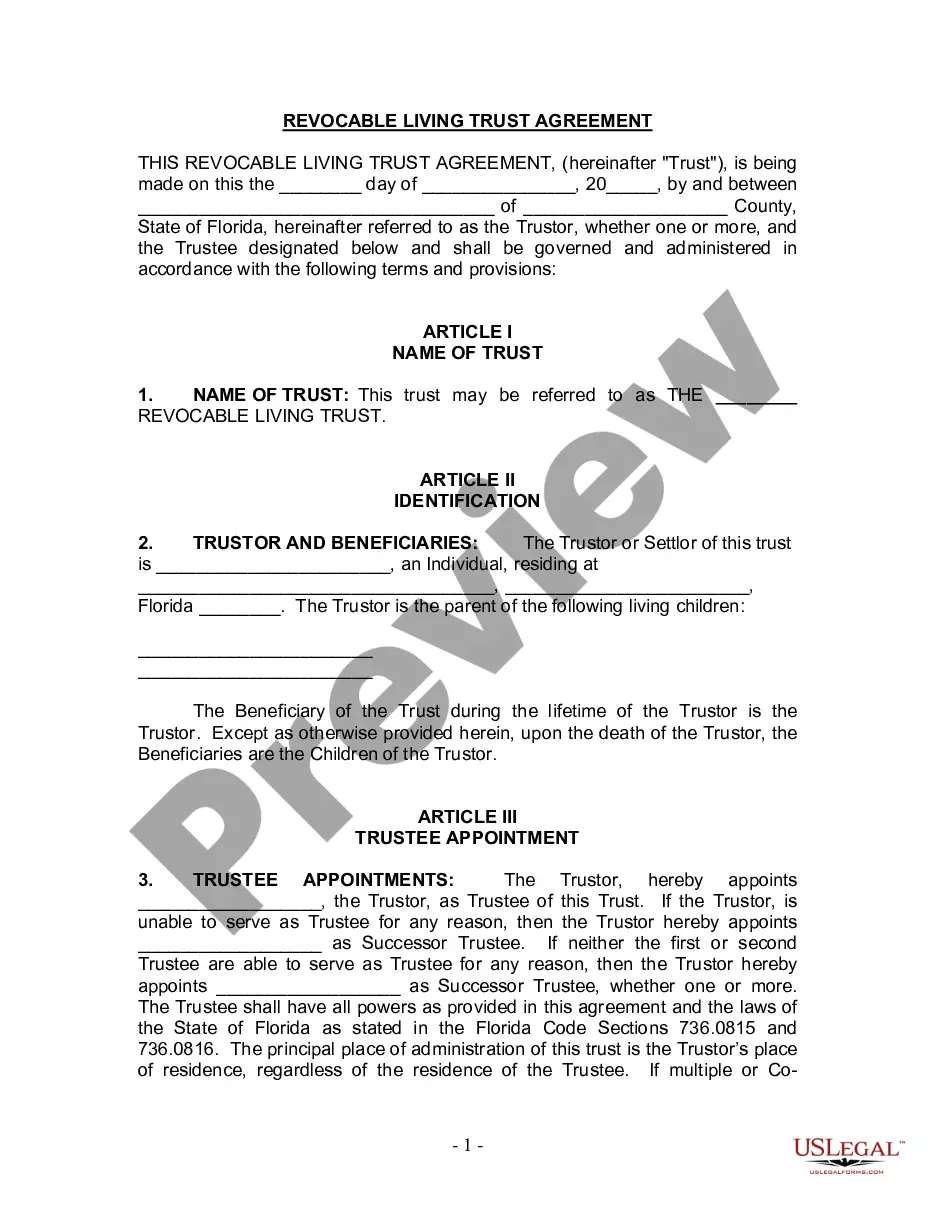
- Name of Trust: Designate a name for your living trust to easily identify it.
- Trustor Information: Include details about the trustor and any living children who are beneficiaries.
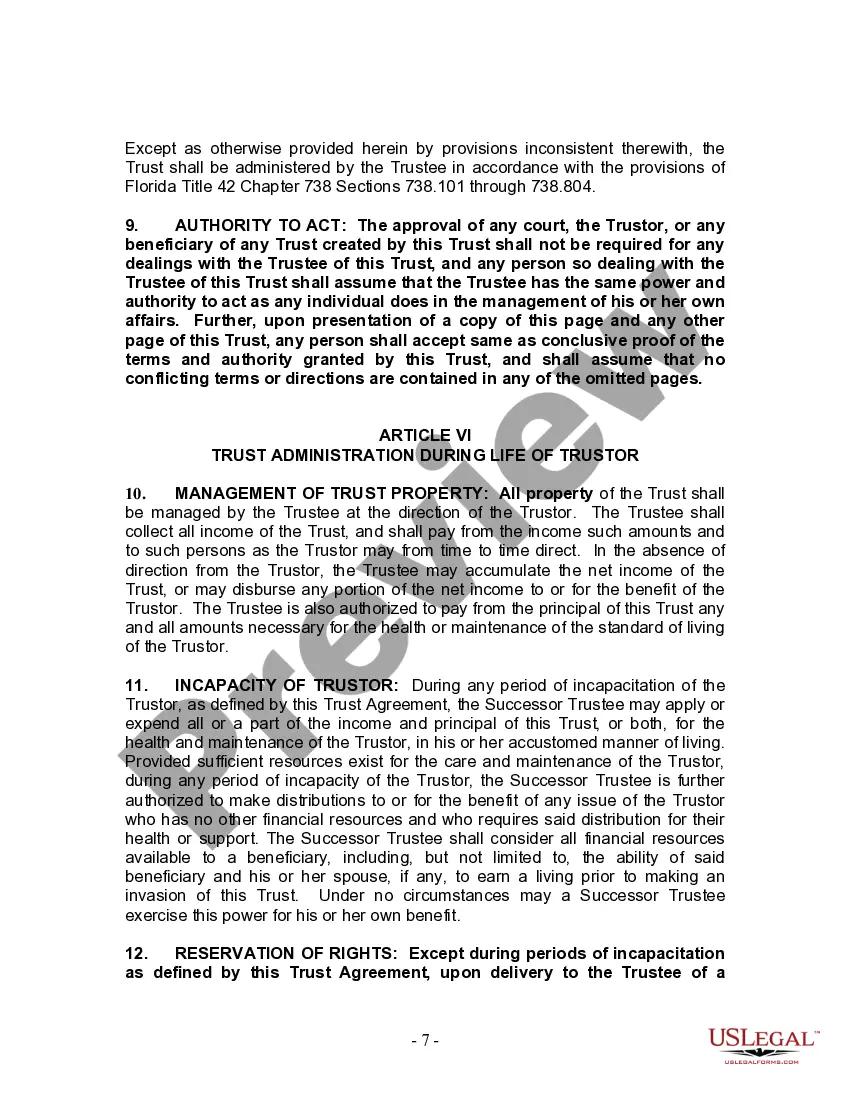
- Trustee Appointment: Specify the individual or entity appointed as trustee, and identify any successor trustees.
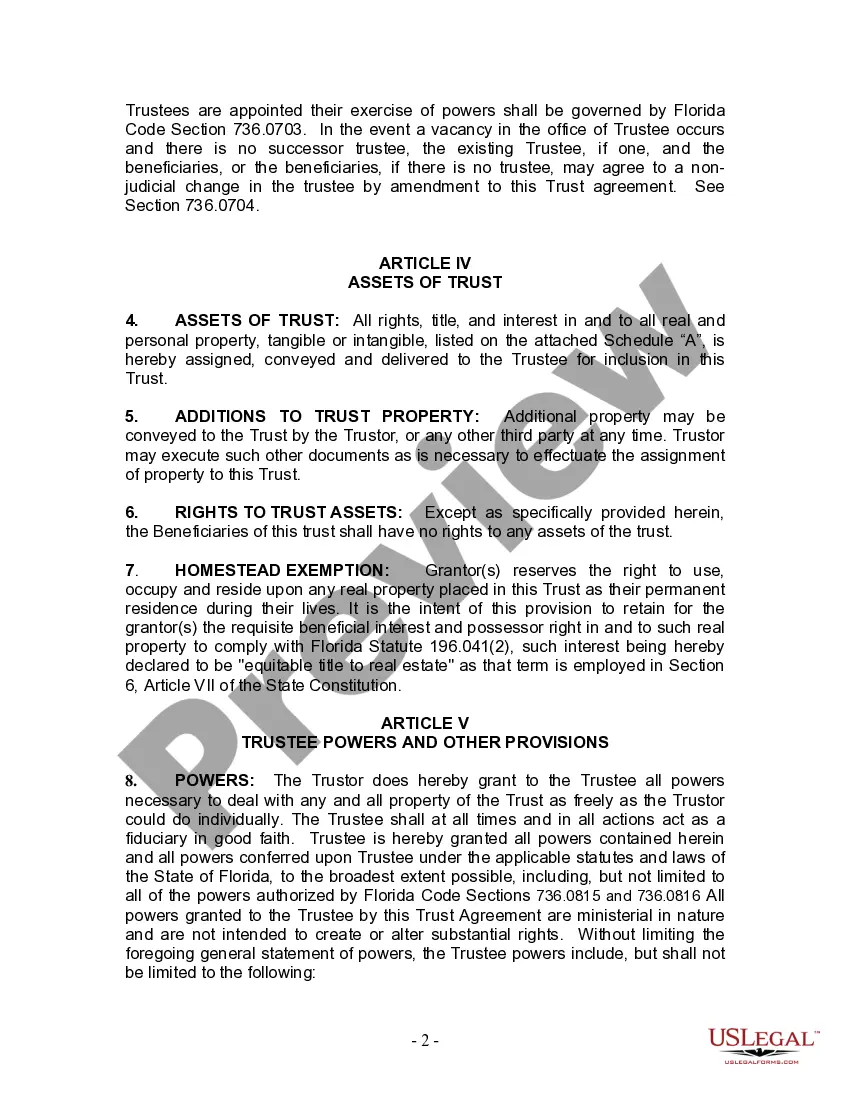
- Assets of Trust: Document all assets that will be included in the trust.
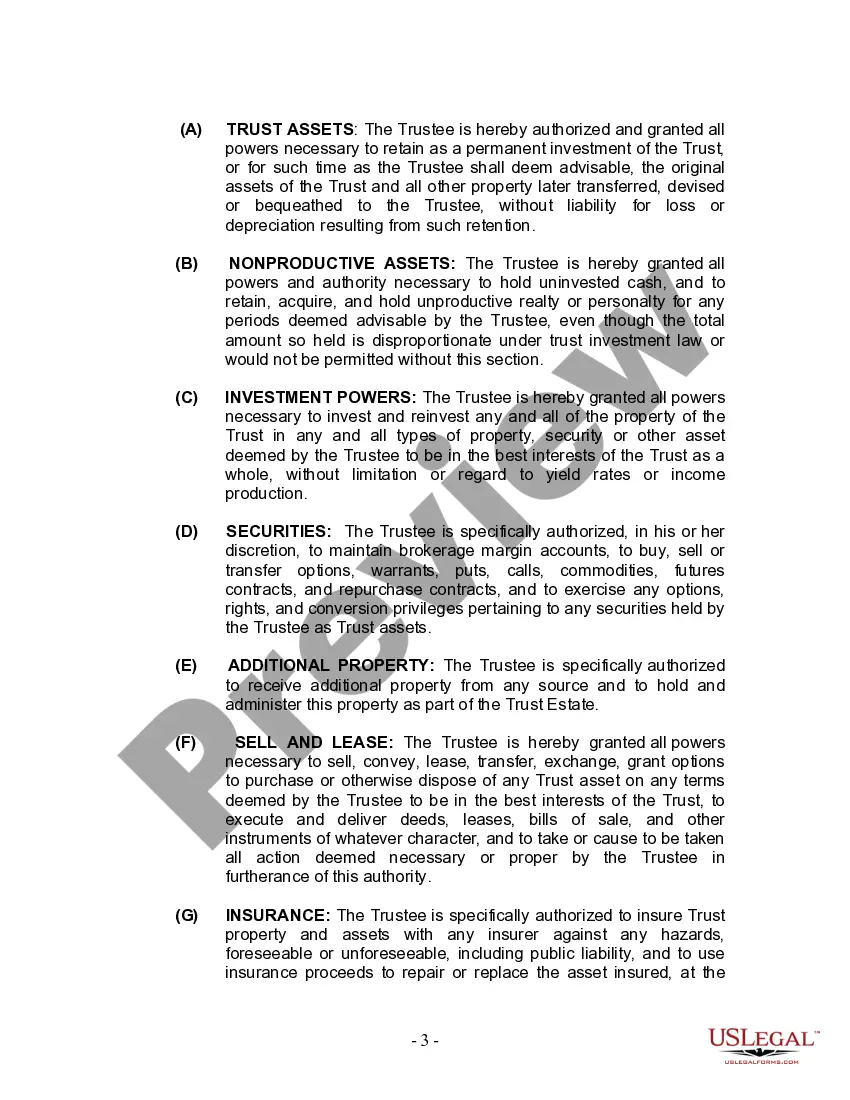
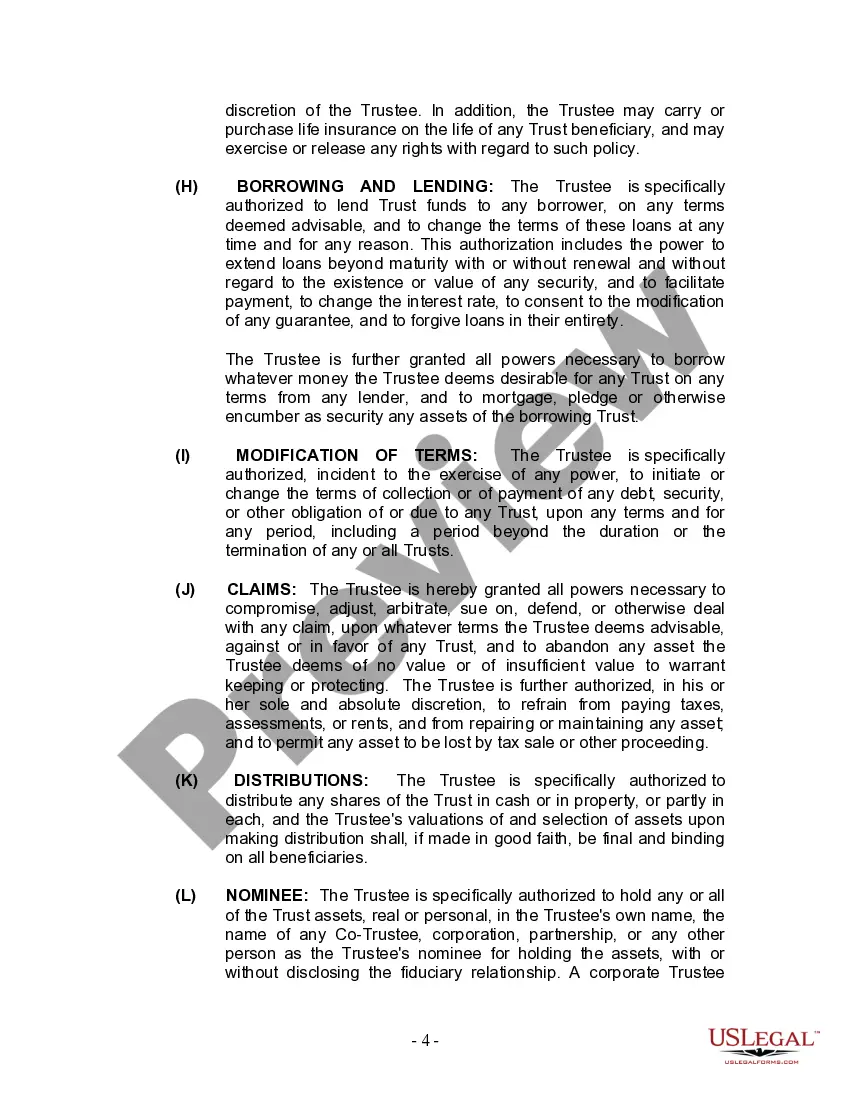
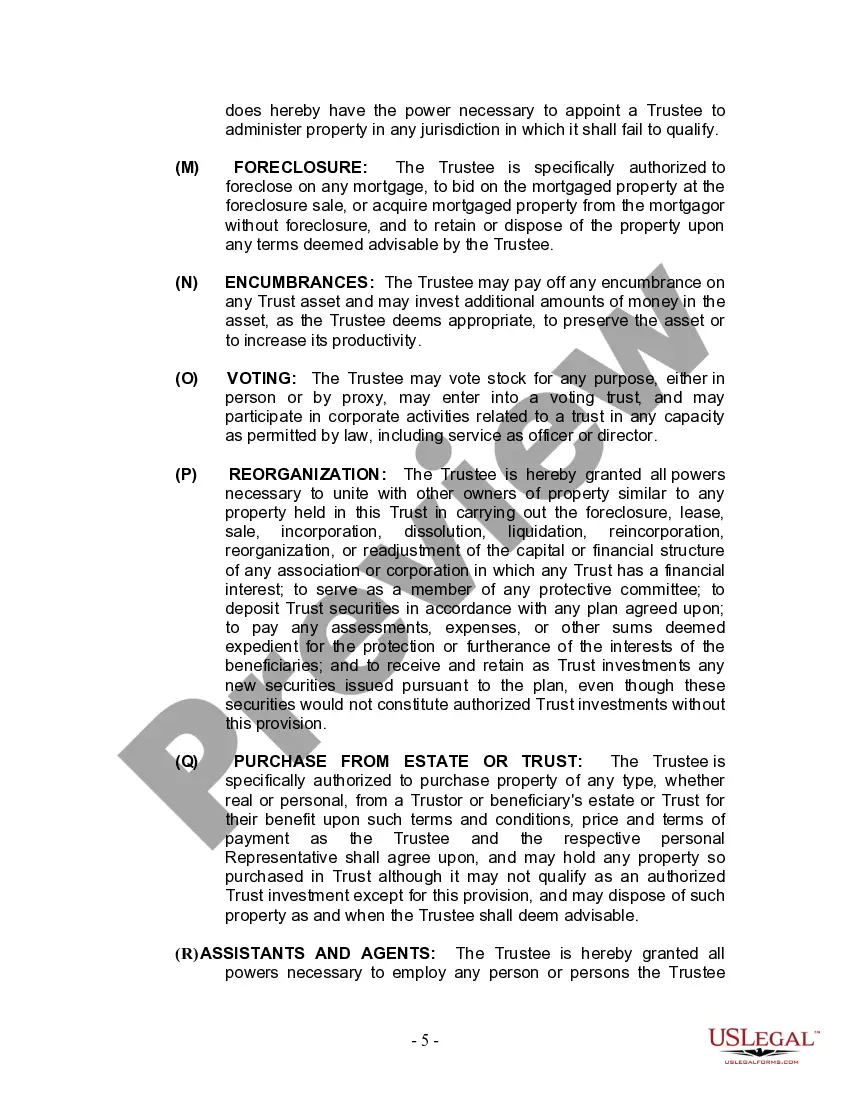
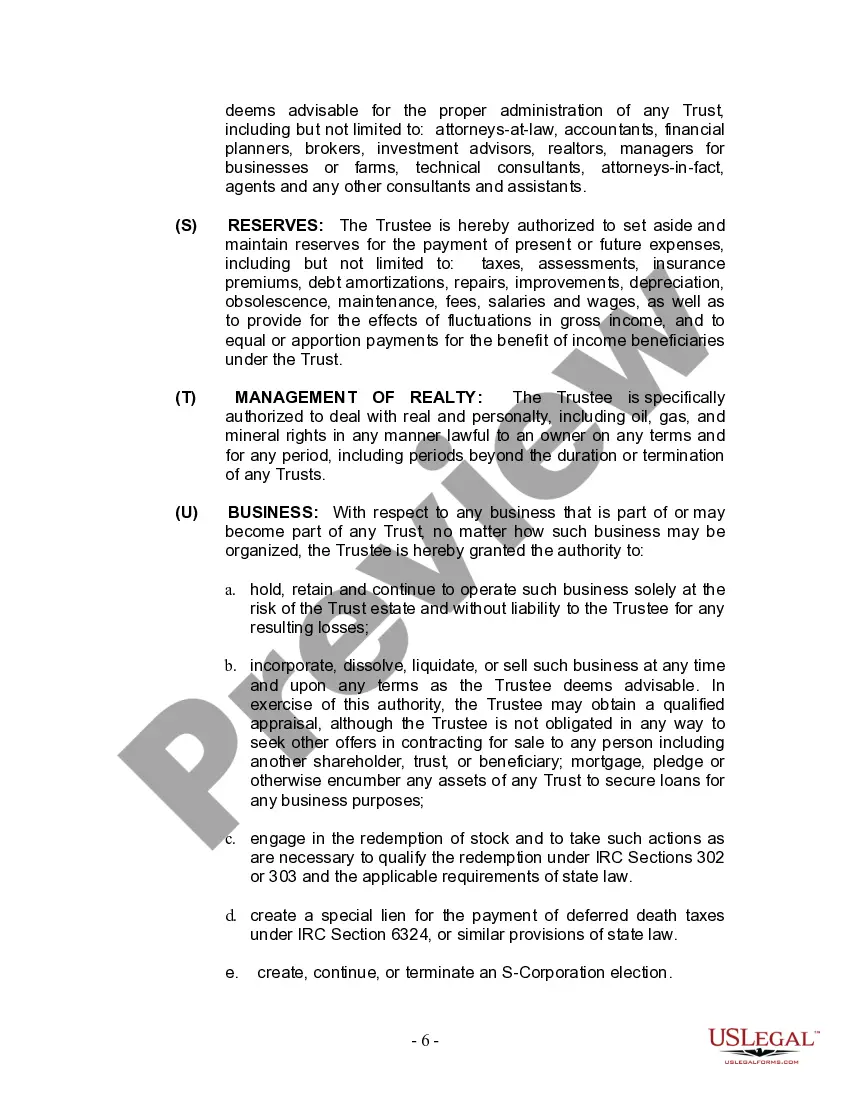
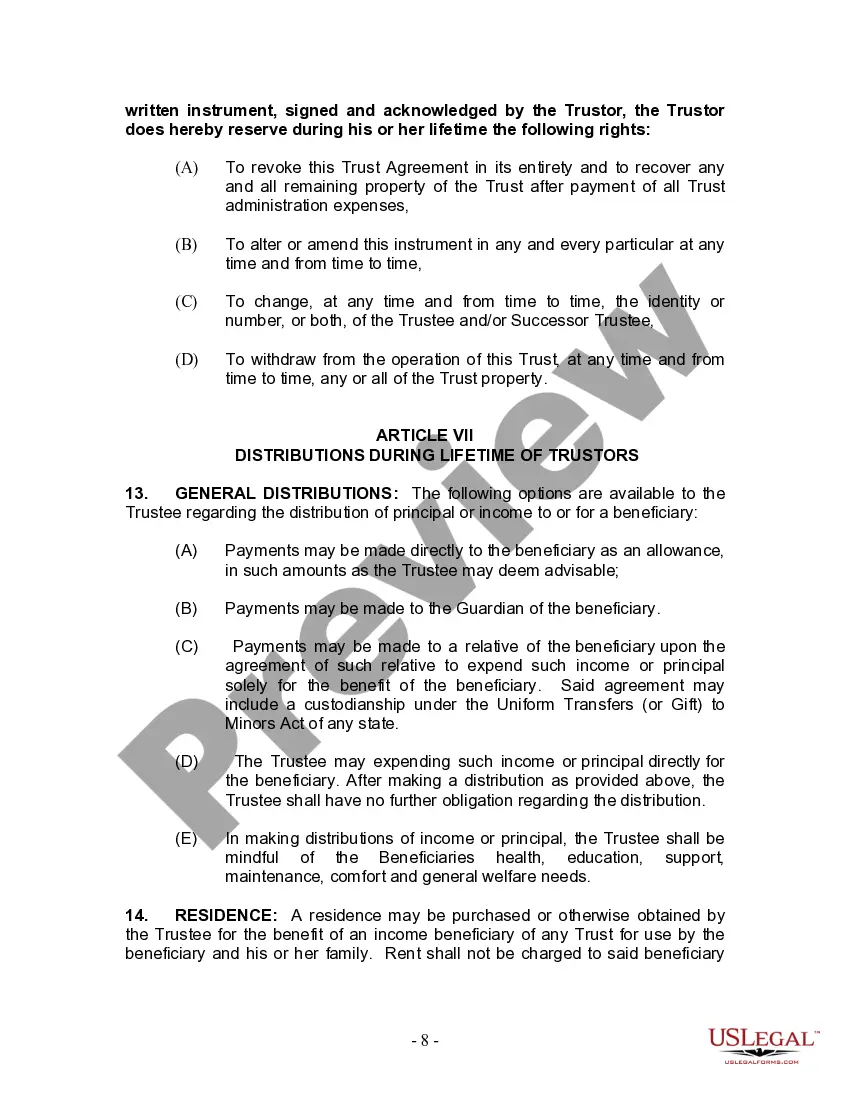
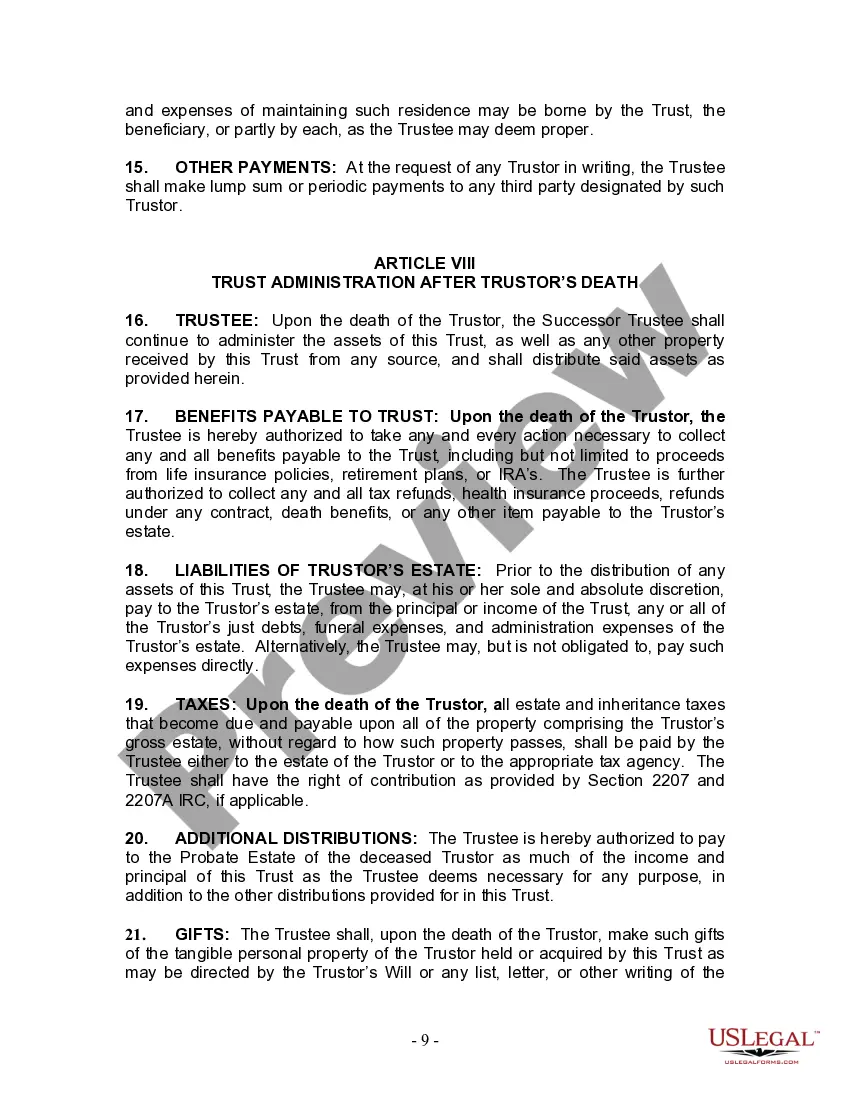
- Trustee Powers: Outline the powers granted to the trustee to manage the trust assets.
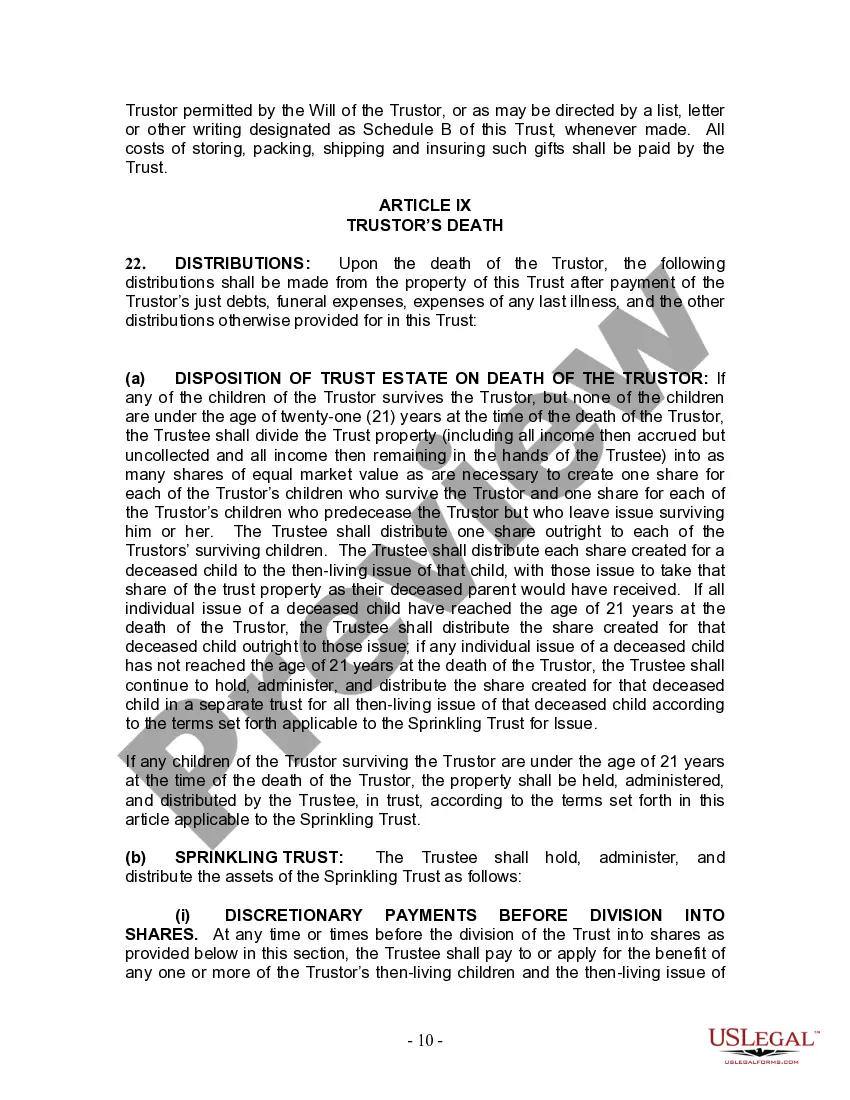
- Distribution Provisions: Detail how and when the assets will be distributed to the beneficiaries upon the trustor's death.


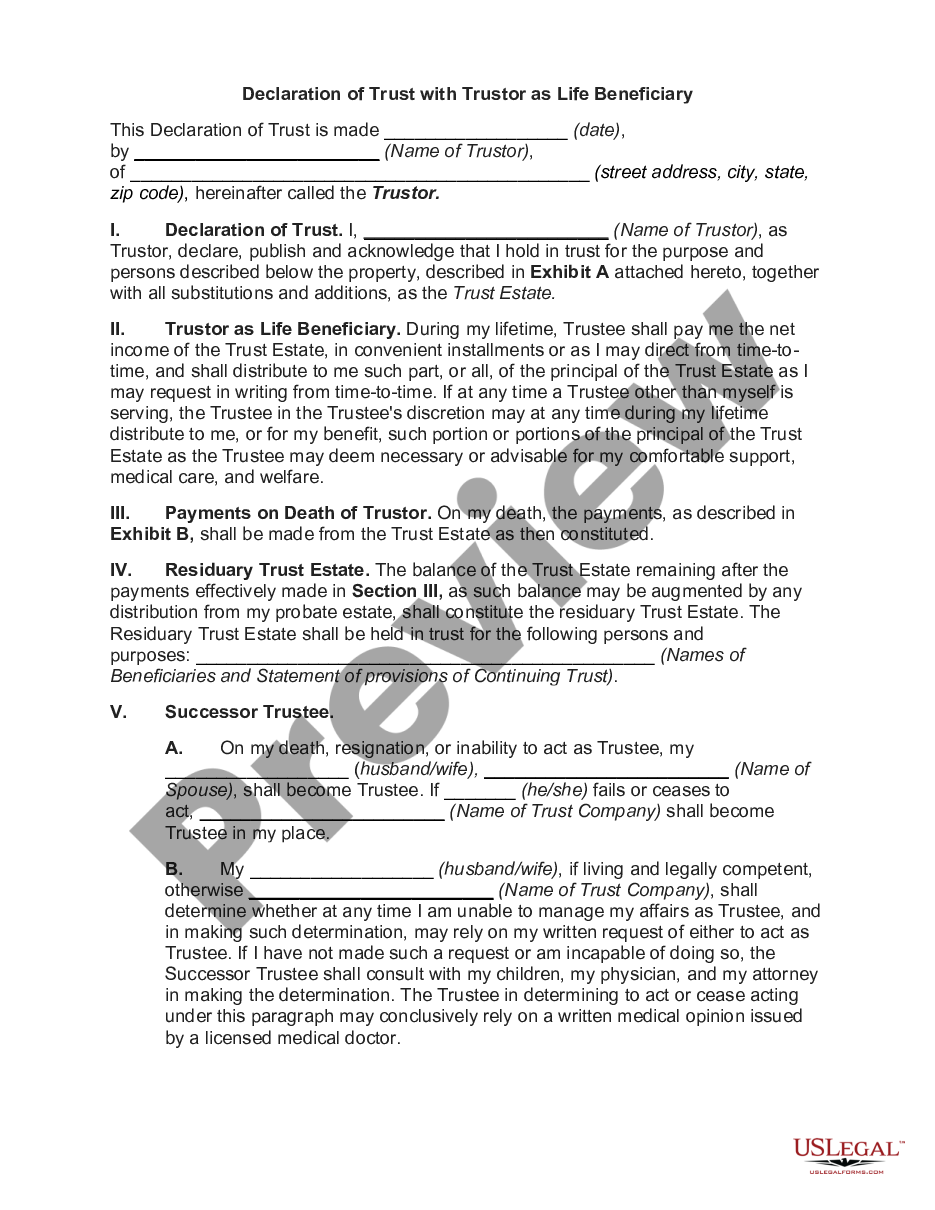


When to use this form
This form is useful in several situations, including when individuals want to ensure a smooth transition of their assets to their children without the need for probate. It is particularly relevant for those who are single, divorced, or widowed and wish to maintain control over their estate while also providing for their dependents after their passing.
Who this form is for
This form is intended for:
- Individuals who are single, divorced, or widowed and have children.
- People who wish to manage their assets during their lifetime while planning for their children's future.
- Those looking to avoid the probate process following their death.
Instructions for completing this form
To complete this Living Trust form, follow these steps:
- Identify the parties involved, including the trustor and trustee.
- Specify the name of the trust.
- Document the assets that will be included in the trust.
- Designate the powers and responsibilities of the trustee.
- Include provisions for how assets will be distributed to beneficiaries after the trustor's death.
- Have the document signed by all necessary parties and notarized, if required.
Notarization guidance
Yes, this form must be notarized to be legally valid. US Legal Forms provides integrated online notarization, allowing you to complete the process securely via video call 24/7, ensuring convenience and compliance with state laws.
Get your form ready online
Our built-in tools help you complete, sign, share, and store your documents in one place.
Make edits, fill in missing information, and update formatting in US Legal Forms—just like you would in MS Word.
Download a copy, print it, send it by email, or mail it via USPS—whatever works best for your next step.
Sign and collect signatures with our SignNow integration. Send to multiple recipients, set reminders, and more. Go Premium to unlock E-Sign.
If this form requires notarization, complete it online through a secure video call—no need to meet a notary in person or wait for an appointment.
We protect your documents and personal data by following strict security and privacy standards.

Make edits, fill in missing information, and update formatting in US Legal Forms—just like you would in MS Word.

Download a copy, print it, send it by email, or mail it via USPS—whatever works best for your next step.

Sign and collect signatures with our SignNow integration. Send to multiple recipients, set reminders, and more. Go Premium to unlock E-Sign.

If this form requires notarization, complete it online through a secure video call—no need to meet a notary in person or wait for an appointment.

We protect your documents and personal data by following strict security and privacy standards.
Common mistakes
- Overlooking the need to list all assets intended to be included in the trust.
- Failing to name successor trustees for when the primary trustee is unable to serve.
- Not updating the trust when personal circumstances change, such as marriage or divorce.
- Assuming that the trust does not need to be funded with assets to be effective.
Advantages of online completion
- Convenience of accessing and managing legal documents online.
- Editability to customize the trust to fit individual needs.
- Reliability, with forms drafted by licensed attorneys to ensure legal compliance.
Legal use & context
- Living trusts are recognized as valid estate planning tools under Florida law.
- This trust allows for asset management during the Trustorâs lifetime and specifies distributions after death.
- Properly executed trusts can help minimize estate taxes and avoid probate.
Summary of main points
- A Living Trust assists in managing and distributing your assets efficiently.
- This trust is specifically tailored for individuals with children who want to secure their future.
- Proper completion and notarization of the form are essential for legality.
Looking for another form?
Form popularity
FAQ
To write a Florida Living Trust for individuals who are single, divorced, or widowed with children, start by outlining your assets and deciding how you want them distributed. Gather the necessary information, including names of beneficiaries and your chosen successor trustee. You can simplify this process by using USLegalForms, which offers user-friendly templates and guidance to ensure your trust meets all Florida legal requirements. Secure your family's future with a solid trust that clearly reflects your wishes.
Divorce can have significant implications for a Florida Living Trust for individuals who are single, divorced, or widowed with children. When you divorce, the terms of your living trust may need revision to reflect your new situation and intentions regarding the distribution of your assets. It is crucial to update beneficiaries and make necessary adjustments to ensure that your children, rather than an ex-spouse, are protected. Consulting with a legal expert can help you navigate this process effectively.
The biggest mistake parents often make when establishing a Florida Living Trust for individuals who are single, divorced, or widowed with children is failing to clearly define their wishes. Many assume that their intentions are obvious or will be understood by their children, which can lead to confusion and conflict later on. Additionally, not updating the trust as family circumstances change—such as remarriage or having more children—can create significant issues. To avoid these pitfalls, consider using the US Legal Forms platform to ensure your trust properly reflects your desires and protects your loved ones.
There is no specific net worth requirement to establish a Florida Living Trust for individuals who are single, divorced, or widowed with children. Even if your estate is modest, a trust can help avoid probate and provide peace of mind regarding asset distribution. However, if you have significant assets or concerns about how your children will inherit, it becomes increasingly important to have a trust in place. Evaluating your situation with tools from USLegalForms can help you determine the right approach for your needs.
Individuals in Florida, particularly those who are single, divorced, or widowed with children, should consider a living trust. If you possess assets or have specific wishes regarding the distribution of your estate, a living trust can provide clarity and control. It is especially crucial for parents who want to protect their children's interests and ensure they are cared for after passing. By using a platform like USLegalForms, you can easily create a customized Florida Living Trust that meets your family's unique needs.
Having a Florida Living Trust for individuals who are single, divorced, or widowed with children can simplify the management of your estate. Although it is not strictly necessary, a living trust provides numerous benefits, including avoiding probate and ensuring your assets are distributed as per your requirements. This can be particularly helpful if you have children, as it allows for smoother transitions and protections for their inheritance. Overall, creating a trust can be a wise decision for safeguarding your family's future.
A Florida Living Trust for individuals, who are single, divorced, or widowed with children, usually revolves around sole control and benefits. A single living trust allows you to manage your assets independently, ensuring your children receive their inheritance according to your wishes. In contrast, a joint living trust combines the assets of two individuals, allowing them to manage those assets together. This distinction can affect how your estate is handled, especially if you wish to have specific arrangements for your children.
In Florida, you do not need to file your living trust with the state. Your Florida Living Trust for individuals who are single, divorced, or widowed with children operates privately and outside of the courts. However, it's crucial to maintain accurate records and distribute the assets according to your trust terms.
In scenarios where one spouse passes away, a living trust generally continues to operate smoothly. The surviving spouse usually maintains access to the trust assets without the need for probate. This aspect of a Florida Living Trust for individuals, who are single, divorced, or widowed with children, simplifies matters, providing peace of mind during an emotionally challenging time.
Absolutely, you can prepare your own living trust in Florida. Many individuals choose to use online resources or templates to create their Florida Living Trust for individuals who are single, divorced, or widowed with children. However, consider having a legal expert review your documents to ensure they meet state laws and adequately protect your assets.