Utah Living Trust for Individual Who is Single, Divorced or Widow (or Widower) with Children

Overview of this form
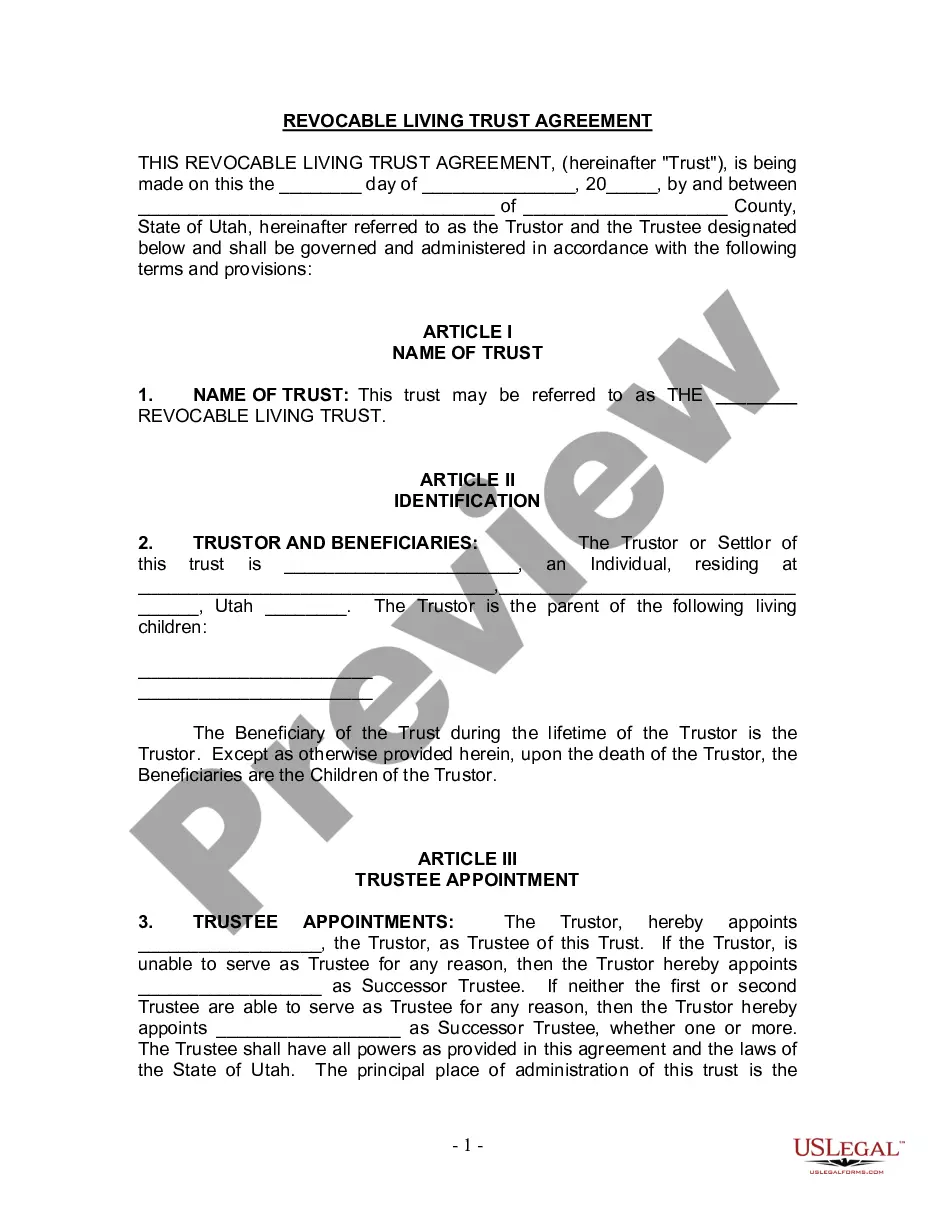
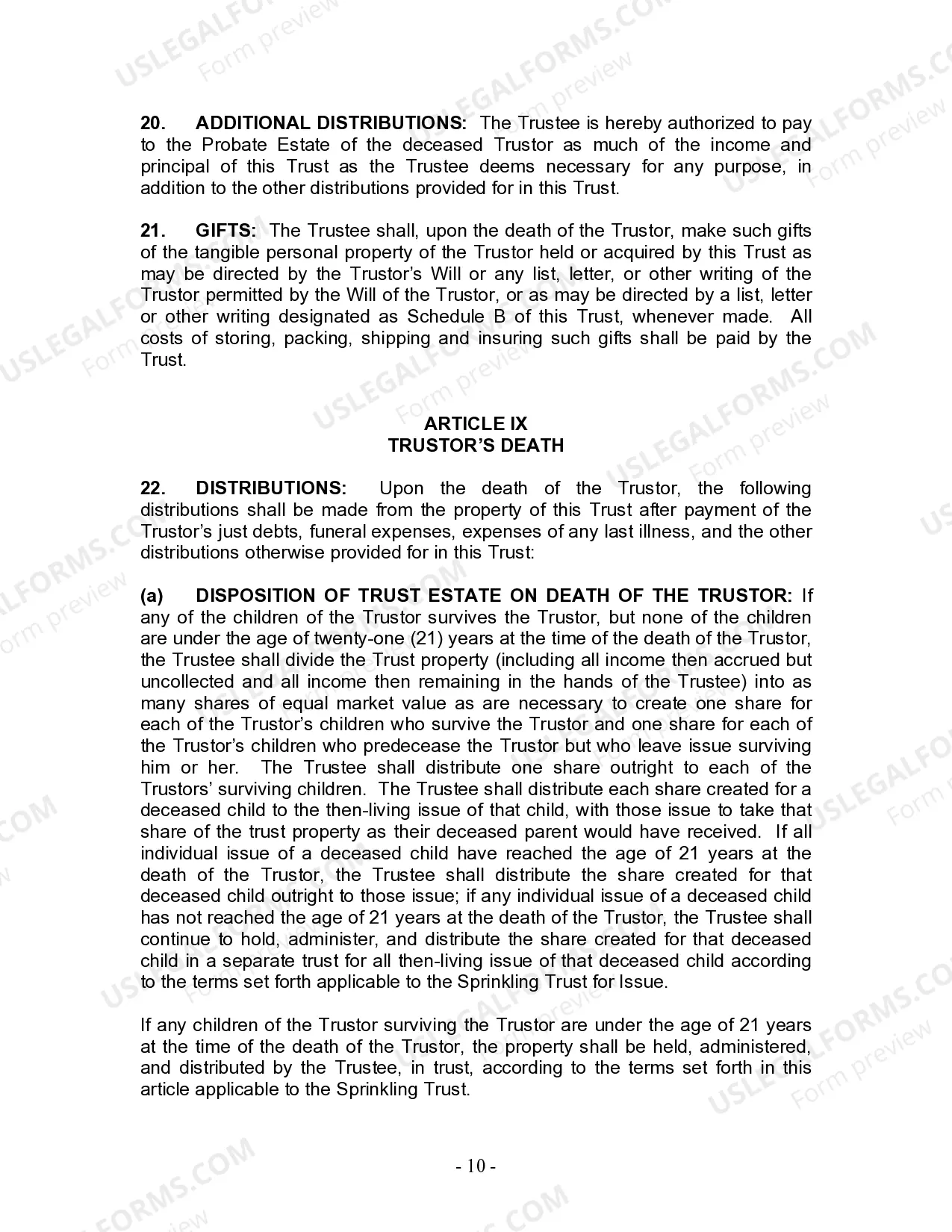
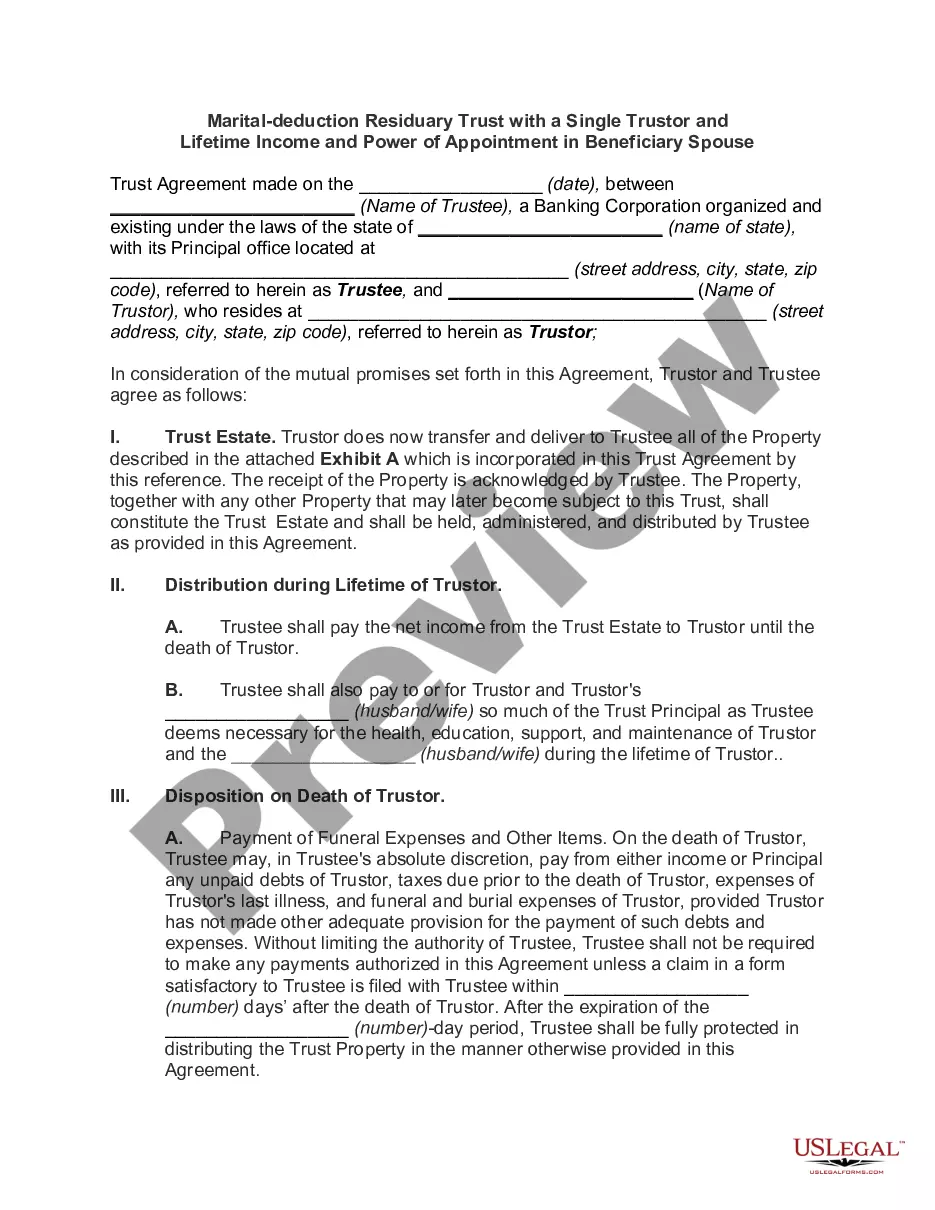
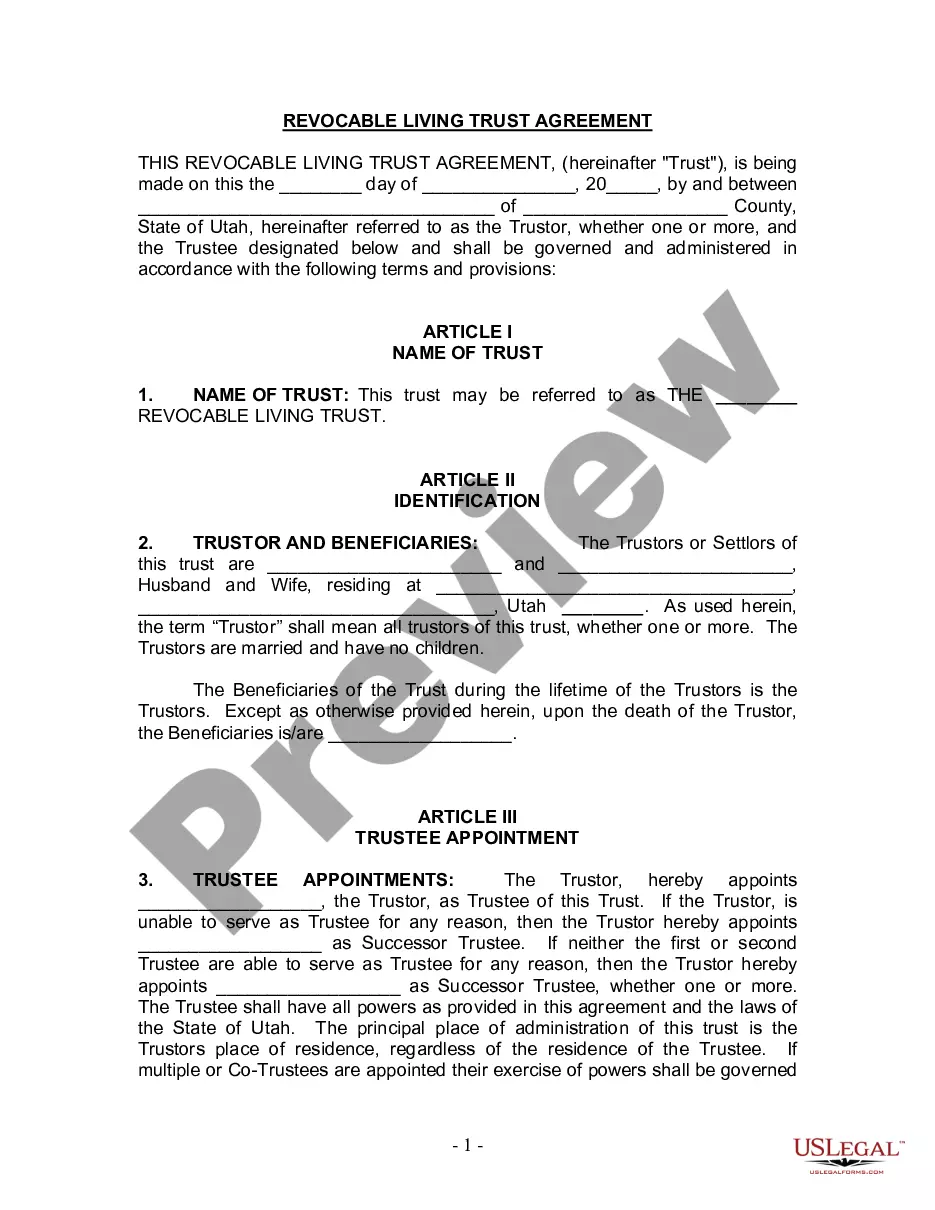
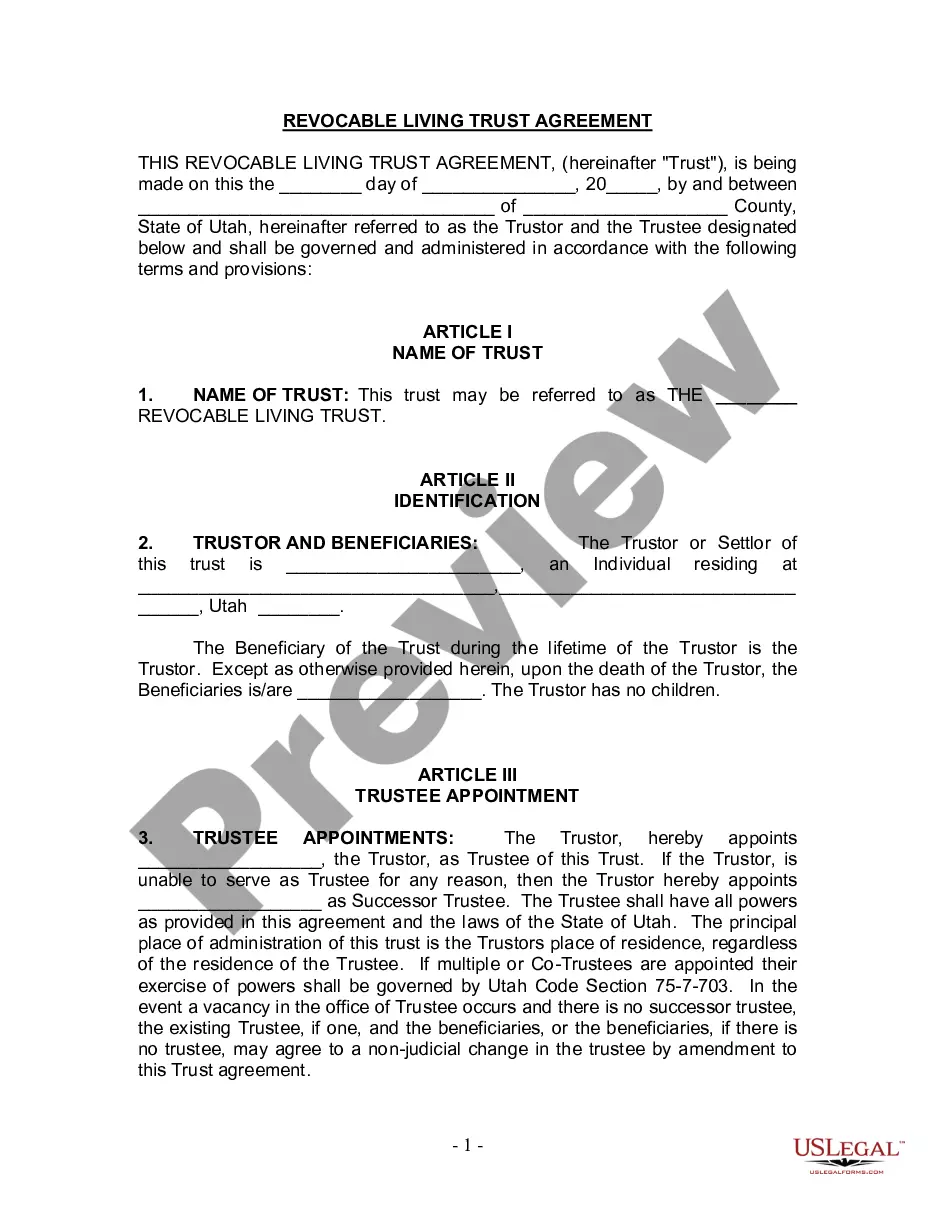
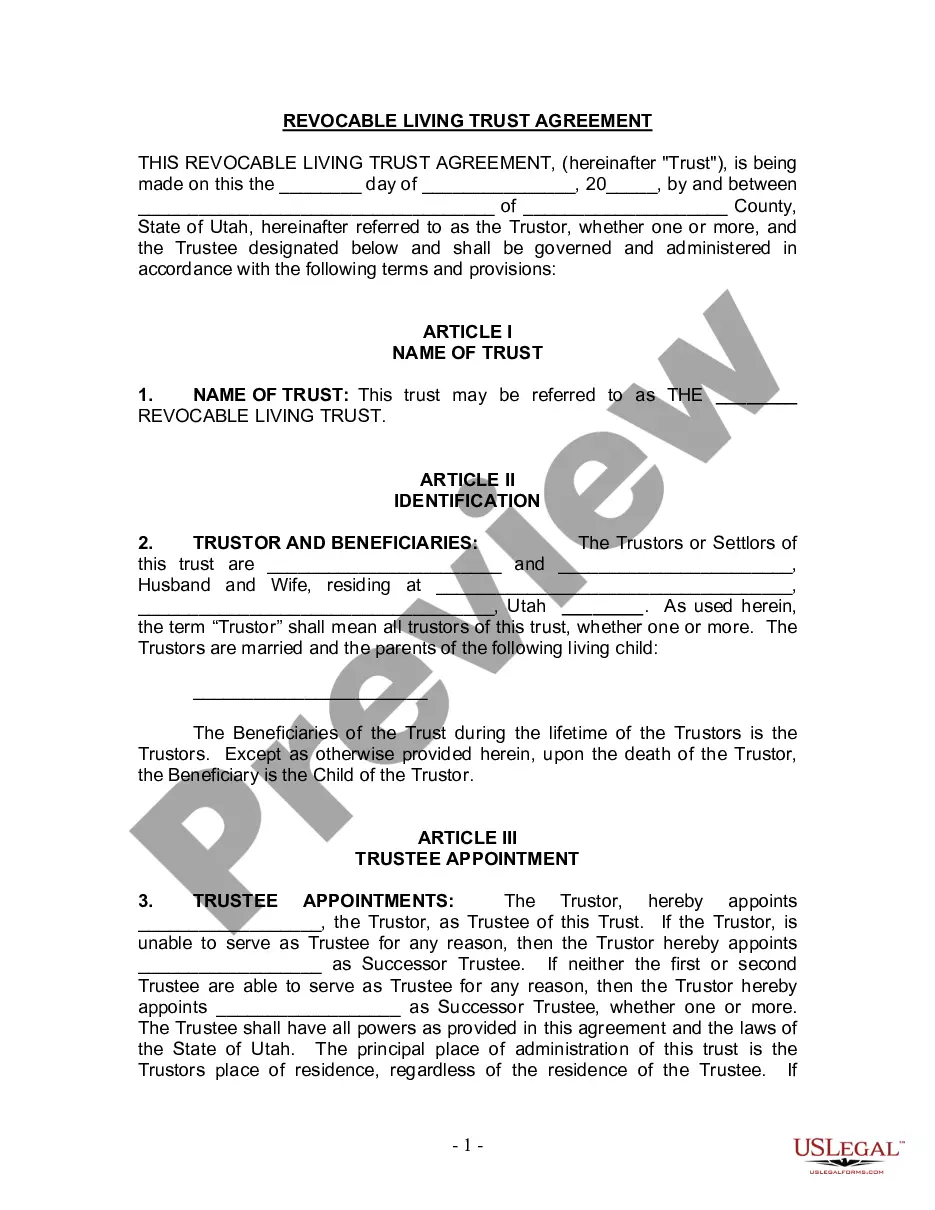
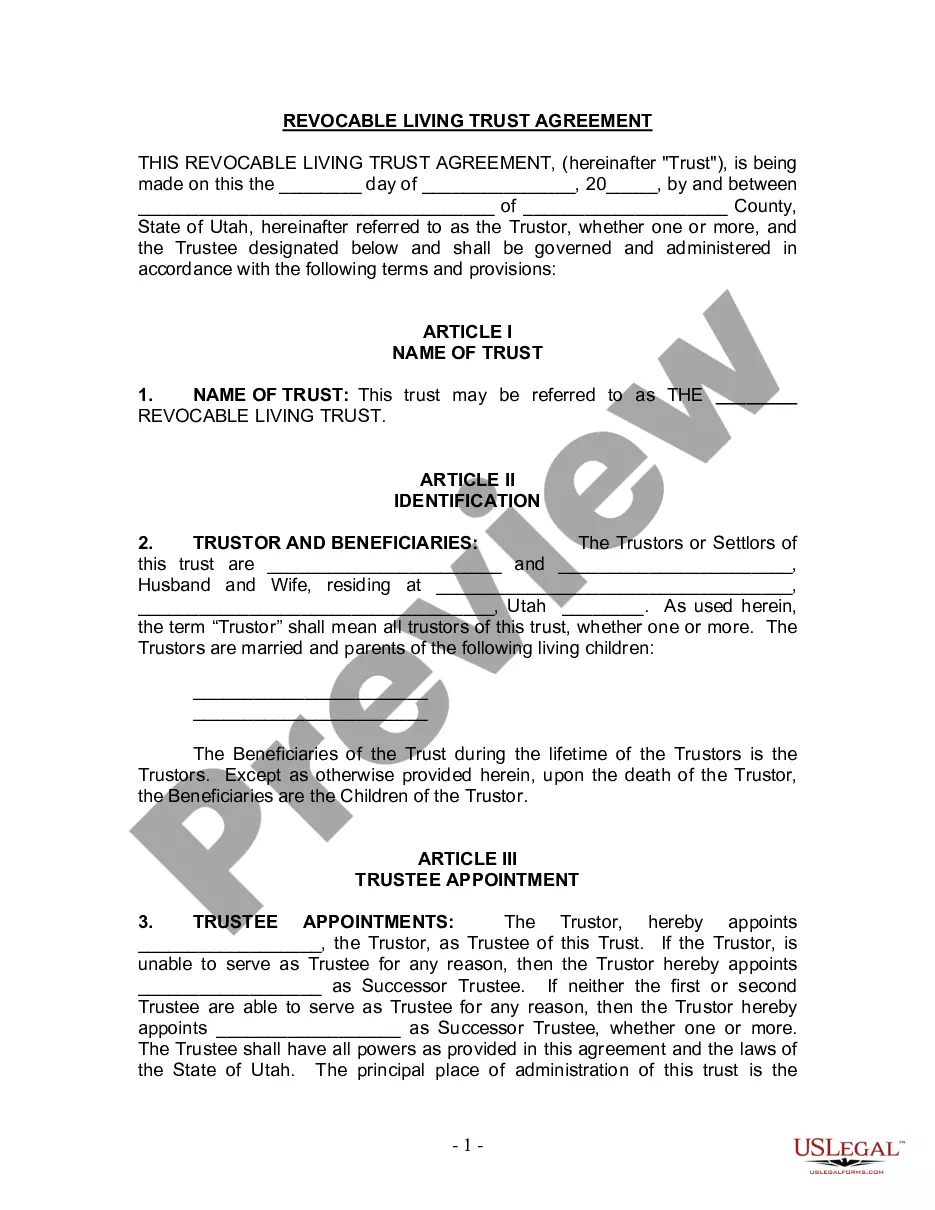
This Living Trust for individuals who are single, divorced, or widowed with children is a legal document created to manage and distribute your assets during your lifetime and after your death. A living trust allows you to retain control of your assets while providing a seamless transfer of ownership to your children or other beneficiaries upon your passing, thus avoiding the probate process. This form is especially useful for individuals with children who seek to ensure their assets are managed according to their specific wishes.
Form components explained
- Name of the Trust: Identification of the living trust.
- Trustor and Beneficiaries: Details about the creator of the trust and the beneficiaries.
- Trustee Appointment: Selection of trustees to manage the trust assets.
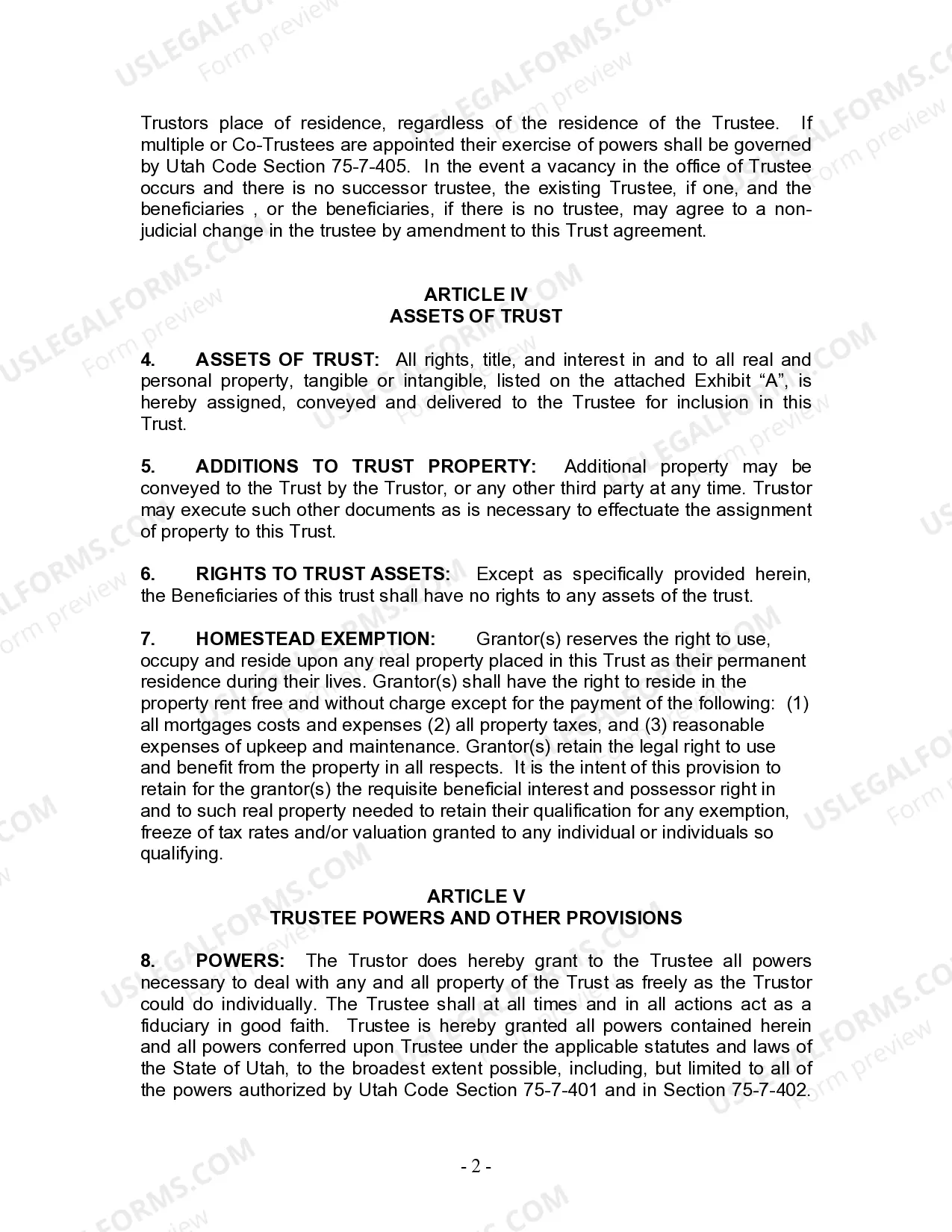
- Assets of Trust: Specification of the assets included in the trust.
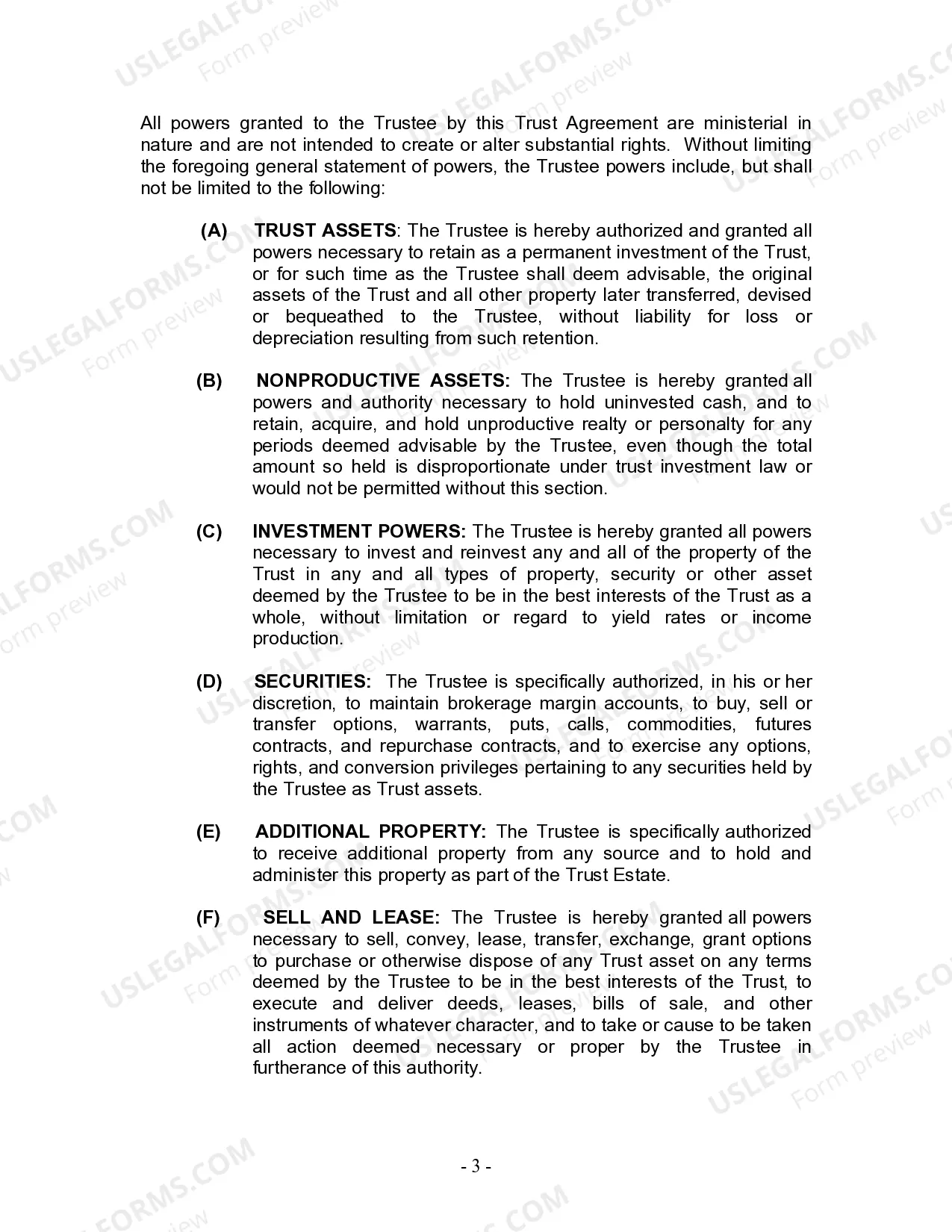
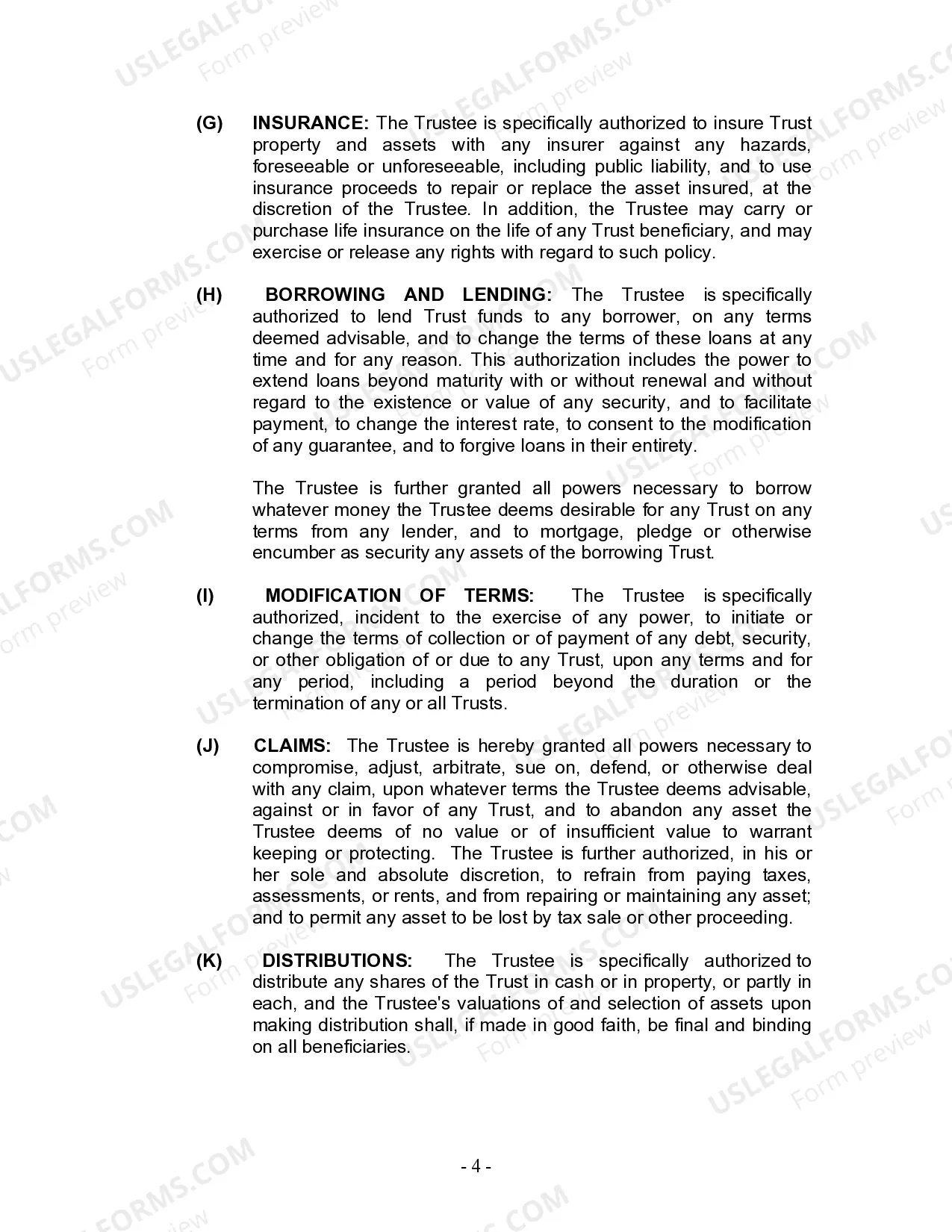
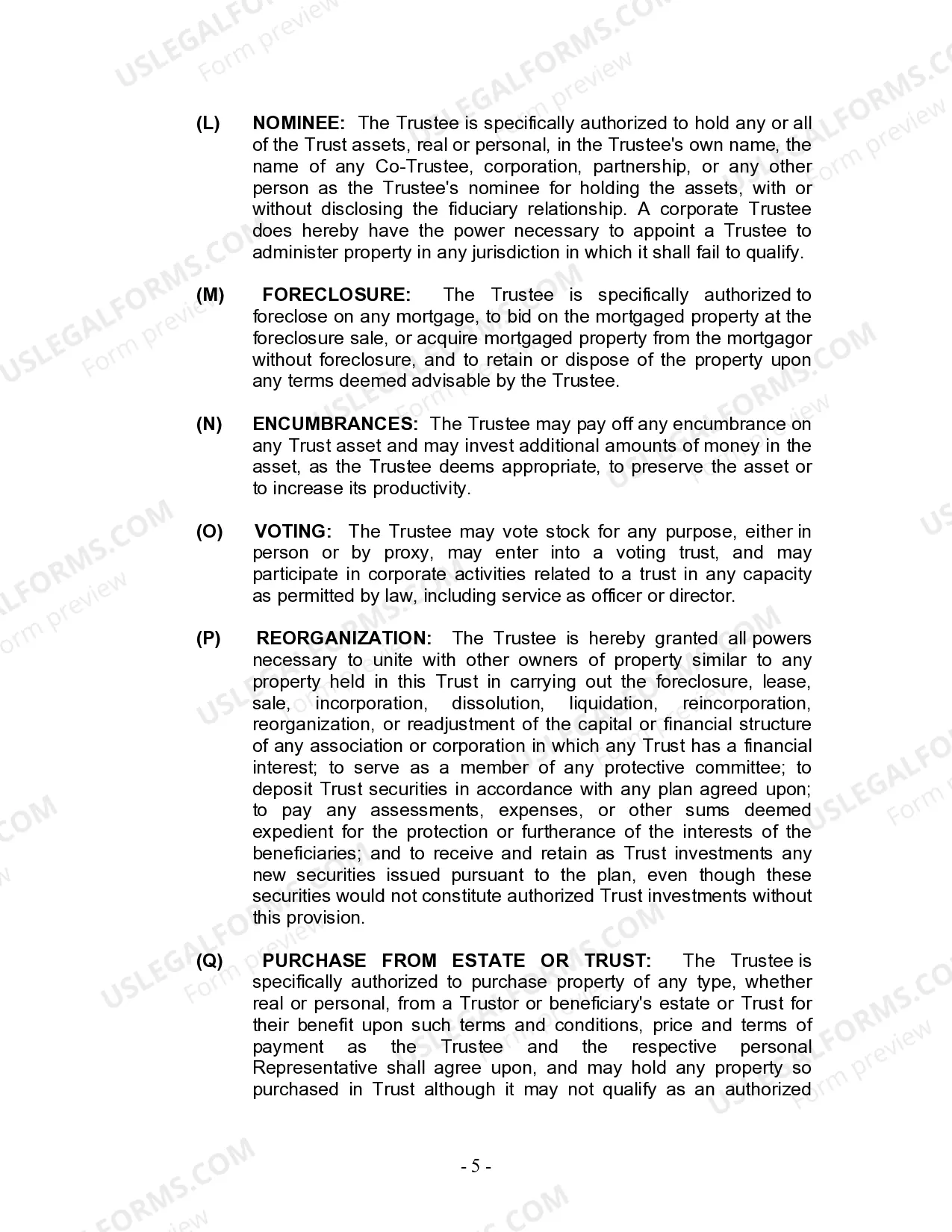
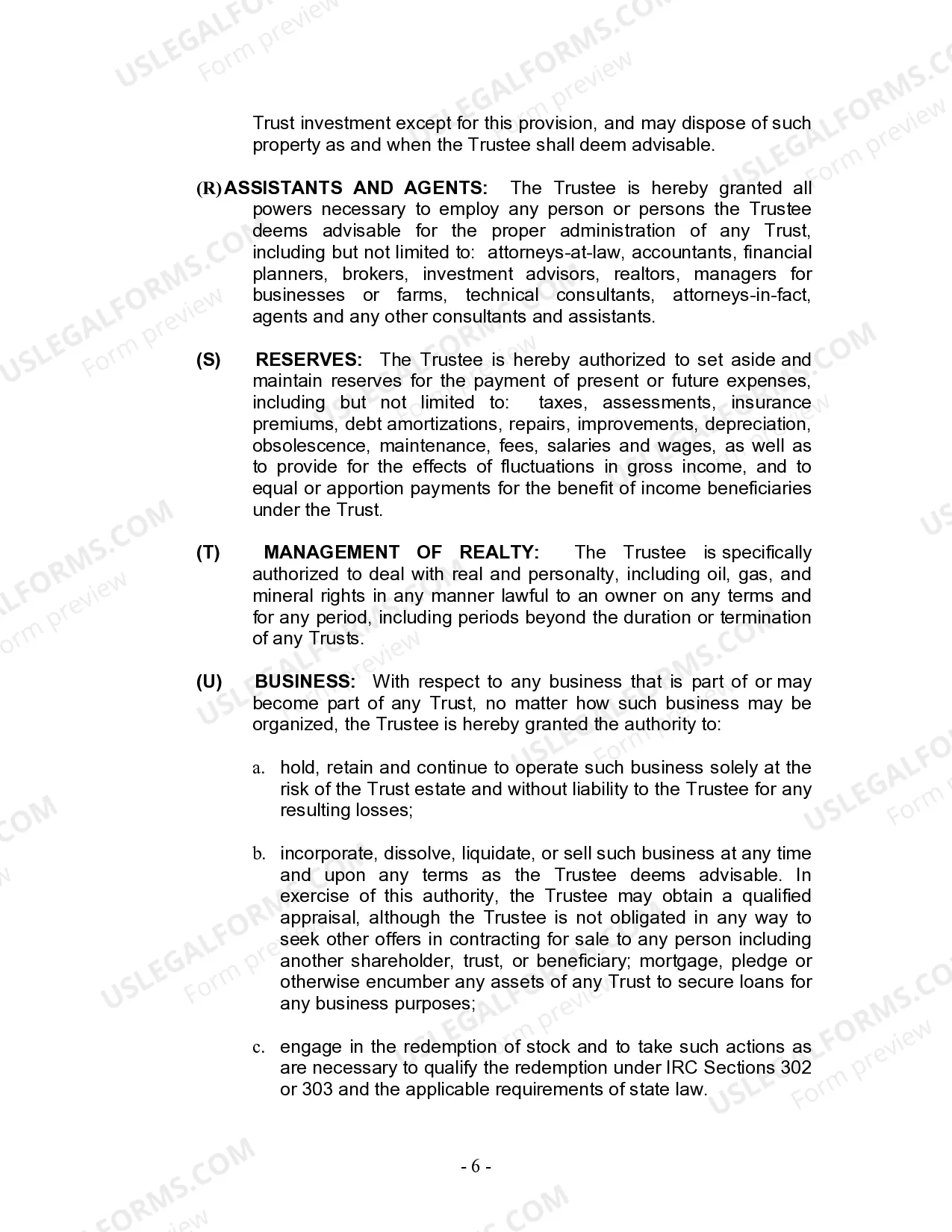
- Trustee Powers: Authority granted to the trustee regarding trust management.
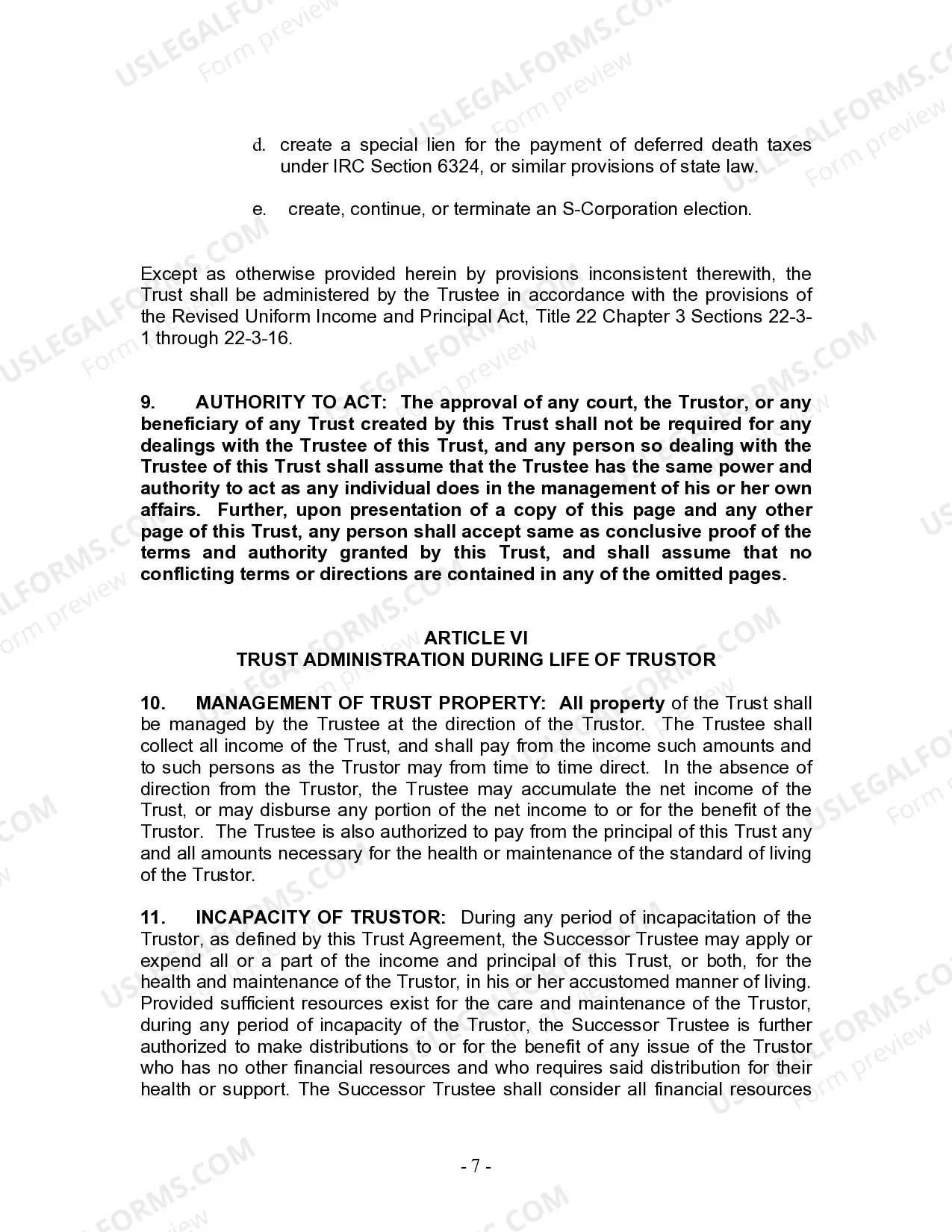
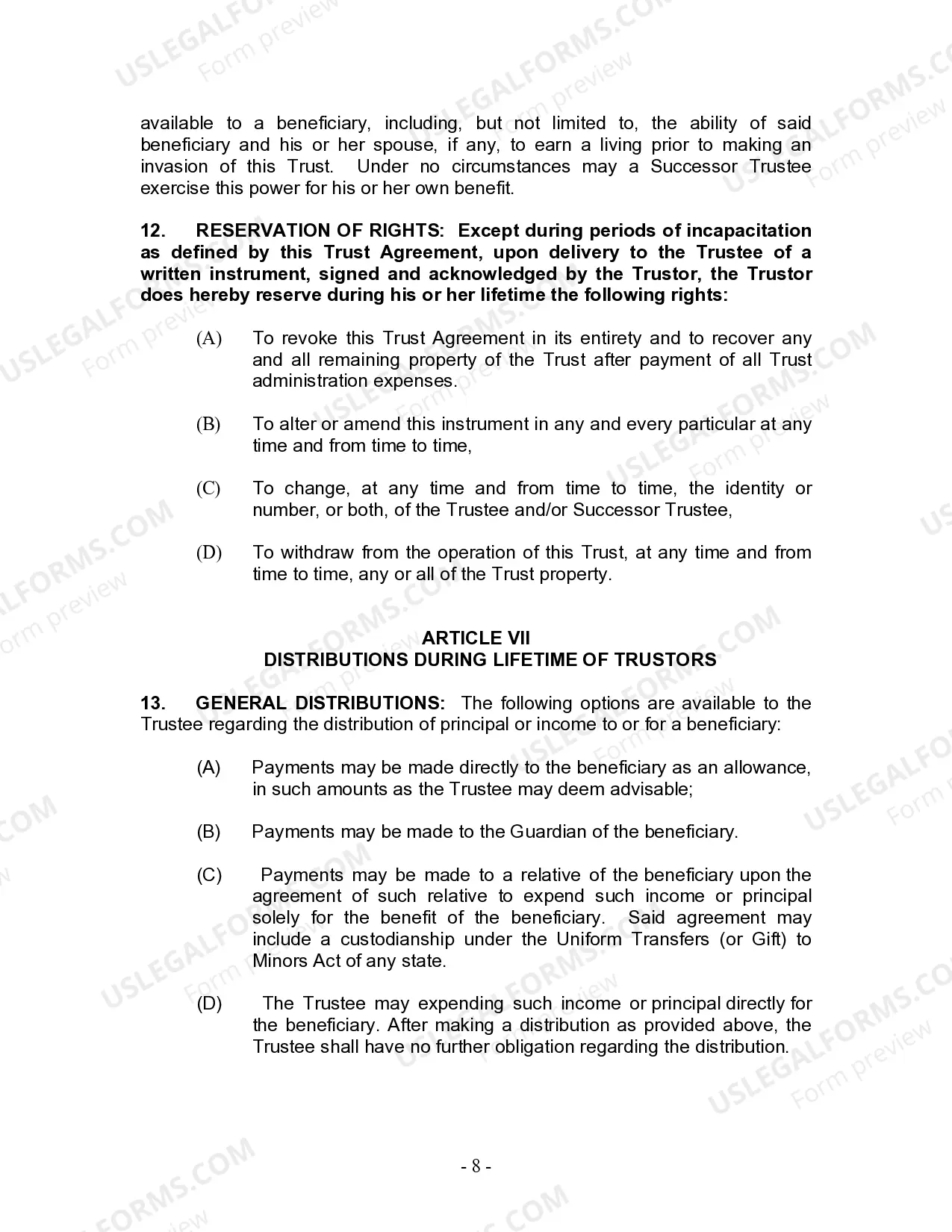
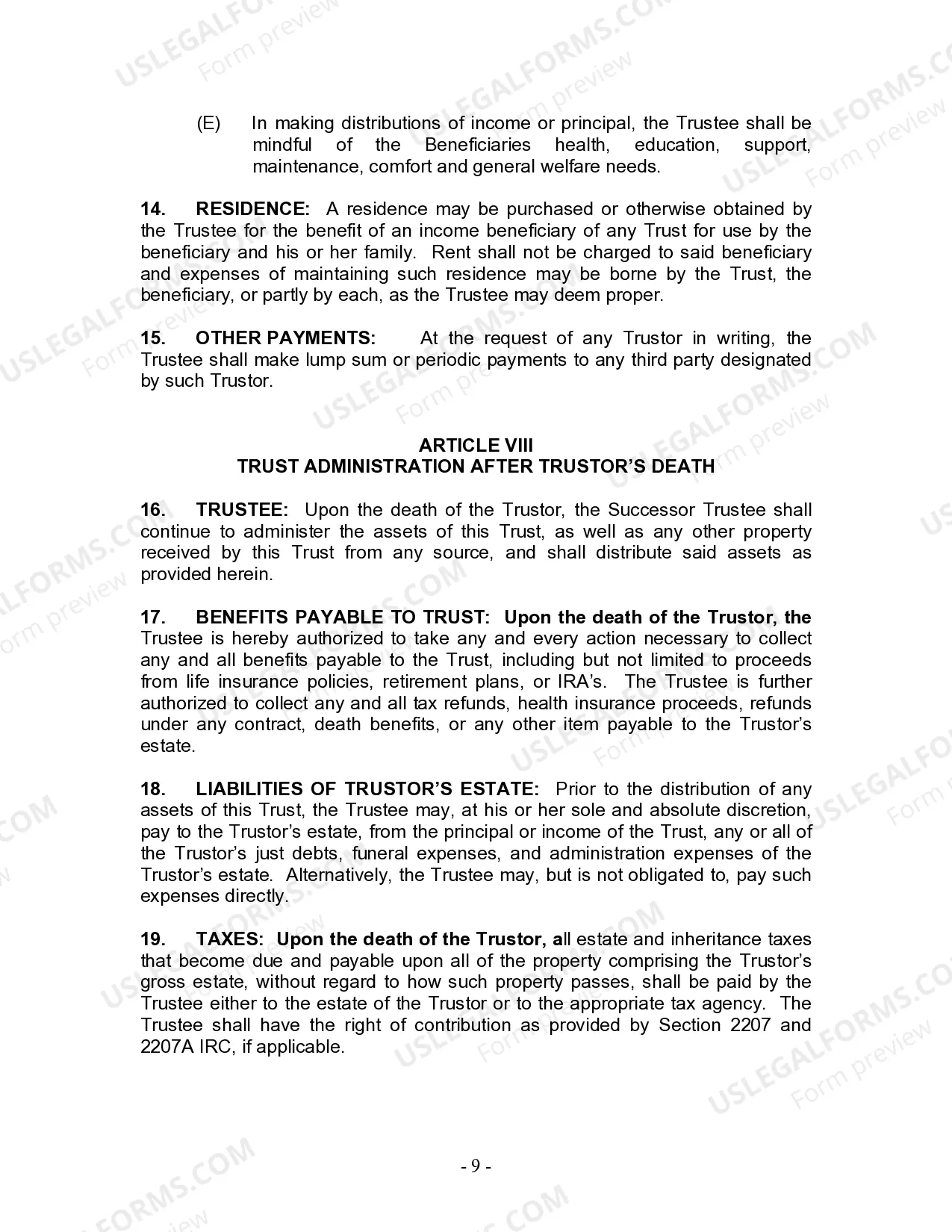
- Management Procedures: Guidelines for handling the trust during the trustor's lifetime and after death.

When this form is needed
This living trust form is ideal when you want to plan for asset distribution in a clear and structured manner. Use this form if you are single, divorced, or widowed and have children, and you want to ensure that your assets are managed and passed on according to your wishes without going through probate. This form is also suitable if you want to avoid potential disputes among heirs and provide financial security for your children.
Who this form is for
- Individuals who are single, divorced, or widowed.
- Parents with one or more children.
- Anyone wanting to avoid probate for their estate.
- Individuals looking to manage their assets during their lifetime.
- Those who wish to specify terms for their beneficiaries.
Steps to complete this form
- Identify the parties involved: the trustor (you), the trustee(s), and beneficiaries.
- Name the trust, creating a specific title for your living trust.
- Specify the assets that will be included in the trust.
- Designate powers and responsibilities of the trustee.
- Review and sign the document in the presence of a notary, if required.
Is notarization required?
This form does not typically require notarization unless specified by local law. However, having the trust notarized can provide an additional layer of authenticity and may be necessary for certain financial institutions in the future.
Get your form ready online
Our built-in tools help you complete, sign, share, and store your documents in one place.
Make edits, fill in missing information, and update formatting in US Legal Forms—just like you would in MS Word.
Download a copy, print it, send it by email, or mail it via USPS—whatever works best for your next step.
Sign and collect signatures with our SignNow integration. Send to multiple recipients, set reminders, and more. Go Premium to unlock E-Sign.
If this form requires notarization, complete it online through a secure video call—no need to meet a notary in person or wait for an appointment.
We protect your documents and personal data by following strict security and privacy standards.

Make edits, fill in missing information, and update formatting in US Legal Forms—just like you would in MS Word.

Download a copy, print it, send it by email, or mail it via USPS—whatever works best for your next step.

Sign and collect signatures with our SignNow integration. Send to multiple recipients, set reminders, and more. Go Premium to unlock E-Sign.

If this form requires notarization, complete it online through a secure video call—no need to meet a notary in person or wait for an appointment.

We protect your documents and personal data by following strict security and privacy standards.
Mistakes to watch out for
- Failing to clearly identify all assets to be included in the trust.
- Not updating the trust after significant life changes such as divorce or remarriage.
- Ignoring the proper wording and legal terms required by the state of Utah.
Why use this form online
- Convenient access to legal forms that can be downloaded and filled out at your pace.
- Time-saving as you do not need to visit a lawyer in person.
- Reliability, provided that forms are drafted by licensed attorneys tailored to state requirements.
- This Living Trust is legally recognized and can help avoid probate, making it an effective estate planning tool.
- Once properly executed, the Living Trust provides significant legal protections for your assets.
- Be aware that while a Living Trust offers many benefits, it does not provide protection against creditors during the Trustor's lifetime.
Key takeaways
- A Living Trust can simplify asset management and distribution for single, divorced, or widowed individuals with children.
- It avoids probate, ensuring faster and more private distribution of assets after death.
- Proper completion and maintenance of the Trust are crucial for it to function effectively.
Looking for another form?


Form popularity
FAQ
Using a revocable living trust instead of a will means assets owned by your trust will bypass probate and flow to your heirs as you've outlined in the trust documents. A trust lets investors have control over their assets long after they pass away.
Paperwork. Setting up a living trust isn't difficult or expensive, but it requires some paperwork. Record Keeping. After a revocable living trust is created, little day-to-day record keeping is required. Transfer Taxes. Difficulty Refinancing Trust Property. No Cutoff of Creditors' Claims.
A living trust holds your assets during your lifetime and allows them to be distributed to the people you choose upon your death. To more easily understand how a living trust works, think of a trust as an empty box. You can put your assets into this box, including financial accounts and real estate.
When it comes to protecting your loved ones, having both a will and a trust is essential. The difference between a will and a trust is when they kick into action. A will lays out your wishes for after you die. A living revocable trust becomes effective immediately.