California Grant Deed for Distribution of a Condominium - Trustee to an Individual
What is this form?
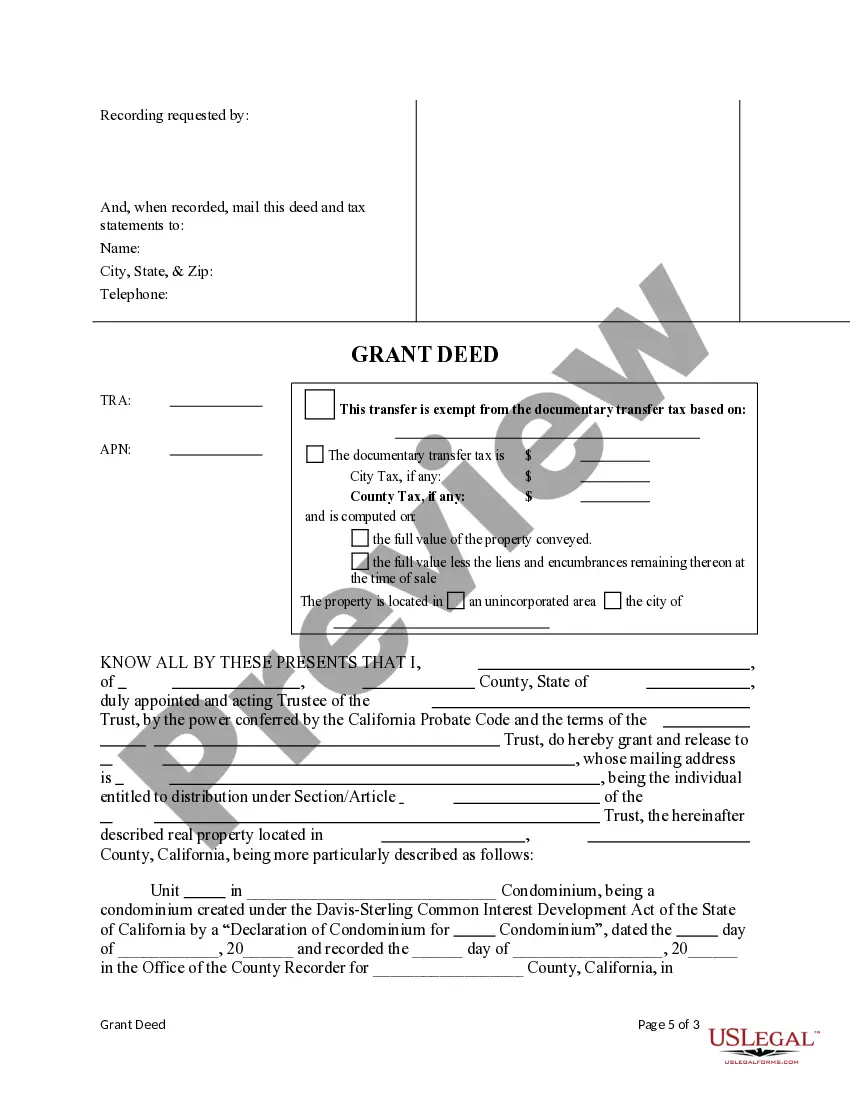
This form is a Grant Deed for Distribution of a condominium from the Trustee to an Individual Beneficiary. This legal document serves to formally transfer ownership of the condominium property, ensuring compliance with all relevant state statutory laws. Unlike other types of property deeds, this specific grant deed is tailored for transactions involving trustees and beneficiaries of a trust, making it particularly relevant in estate planning and trust management scenarios.
Main sections of this form
- Grantor and Grantee information: Details the names and addresses of the parties involved in the transaction.
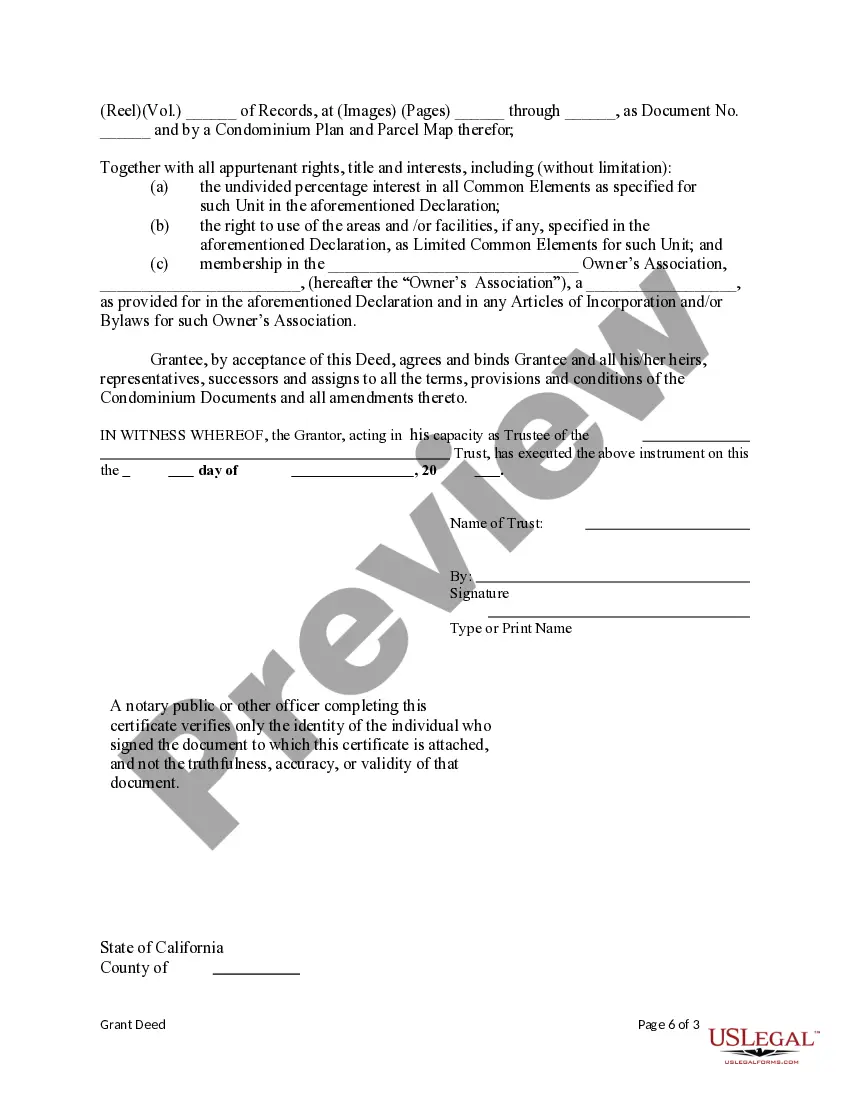
- Property description: Clearly outlines the condominium being transferred, including a description of the unit and any appurtenant rights.
- Legal compliance statement: Affirms that the deed complies with relevant state laws regarding property transfers.
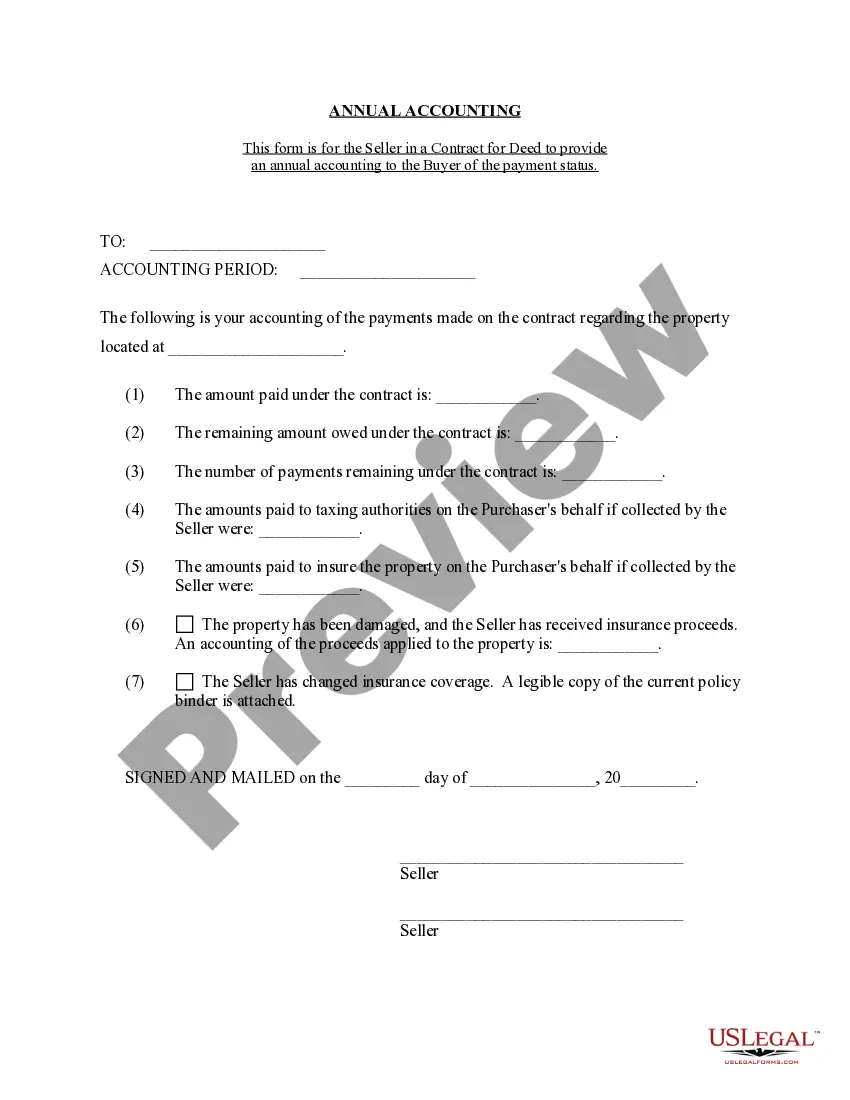
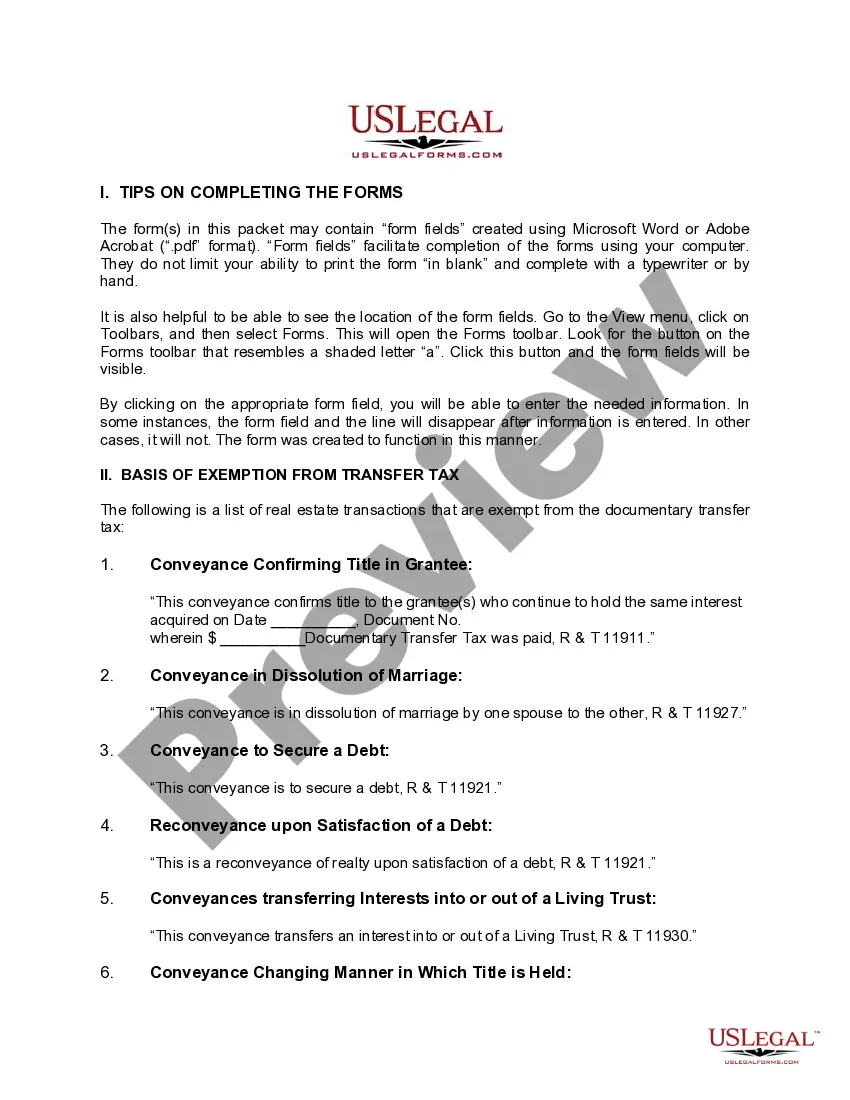
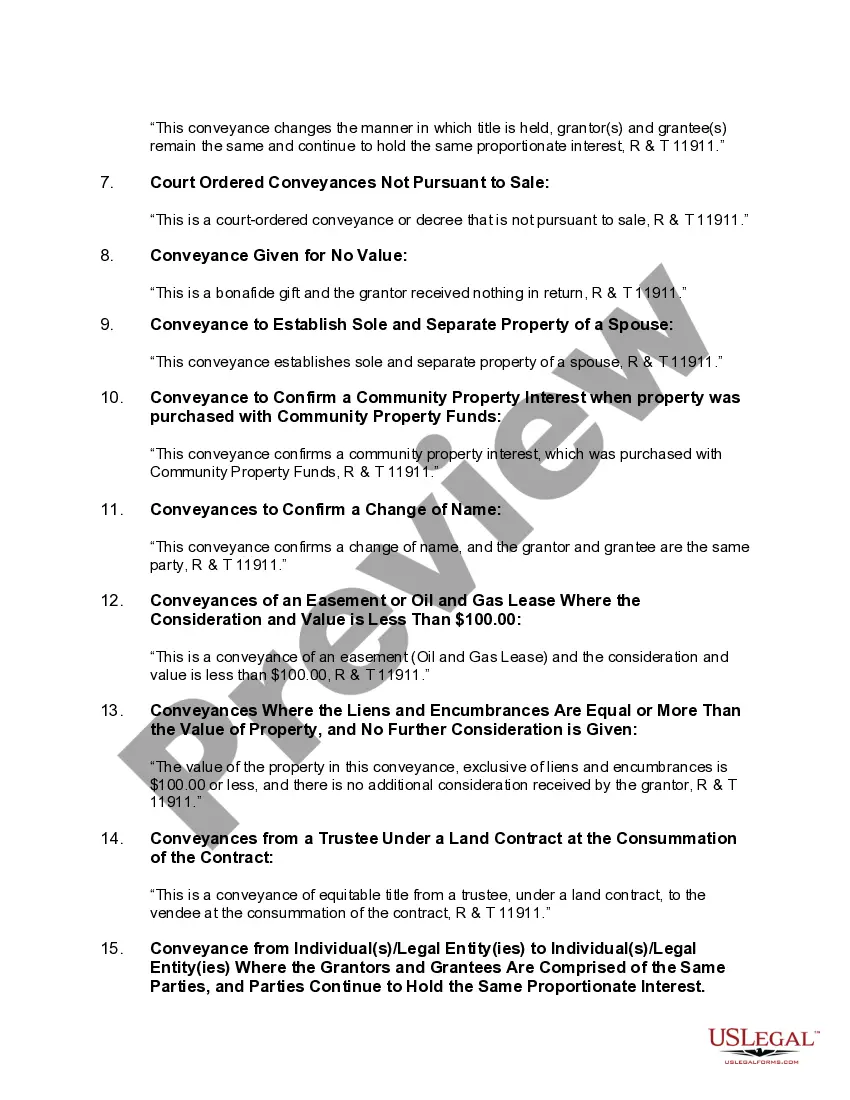
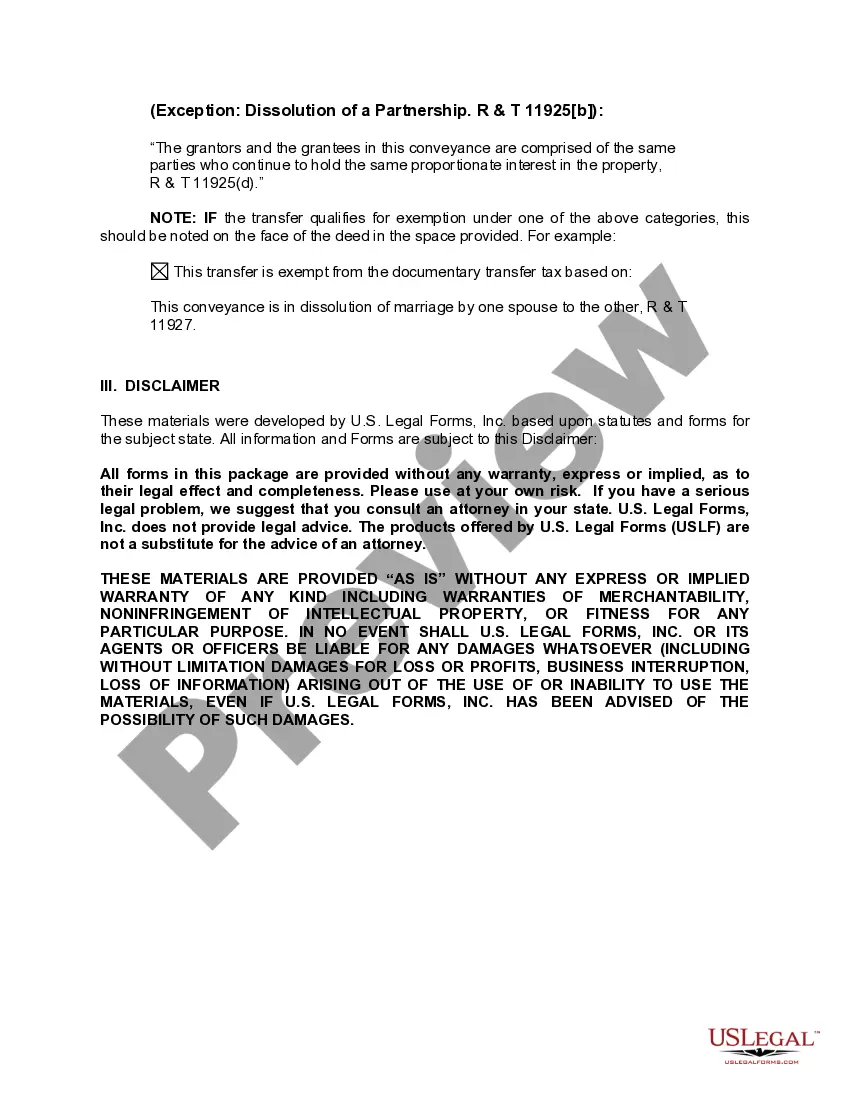
- Transfer tax exemption: Notes any relevant exemptions from transfer taxes applicable to the transaction.
- Signatures: Requires the appropriate signatures from the grantor, with a space for notarization if required.


Situations where this form applies
This form should be used when a trustee is legally transferring a condominium property to an individual beneficiary as part of the distribution of a trust. It is commonly utilized in estate planning scenarios, particularly when assets in a living trust are being disbursed after the death of the trustor or during the trust administration process.
Who should use this form
- Trustees responsible for managing and distributing trust assets.
- Individuals designated as beneficiaries of a condominium in a trust.
- Estate planners and attorneys involved in the management of trust properties.
Completing this form step by step
- Identify the parties: Enter the names and addresses of the grantor (trustee) and grantee (individual beneficiary).
- Specify the property: Include a detailed description of the condominium being transferred, as specified in the trust documents.
- Enter relevant dates: Fill in the date of the transaction at the appropriate section of the form.
- Complete the signature fields: The grantor should sign the document, with a space for notarization if required.
- Review for accuracy: Double-check all information to ensure completeness and correctness before finalizing the deed.
Notarization guidance
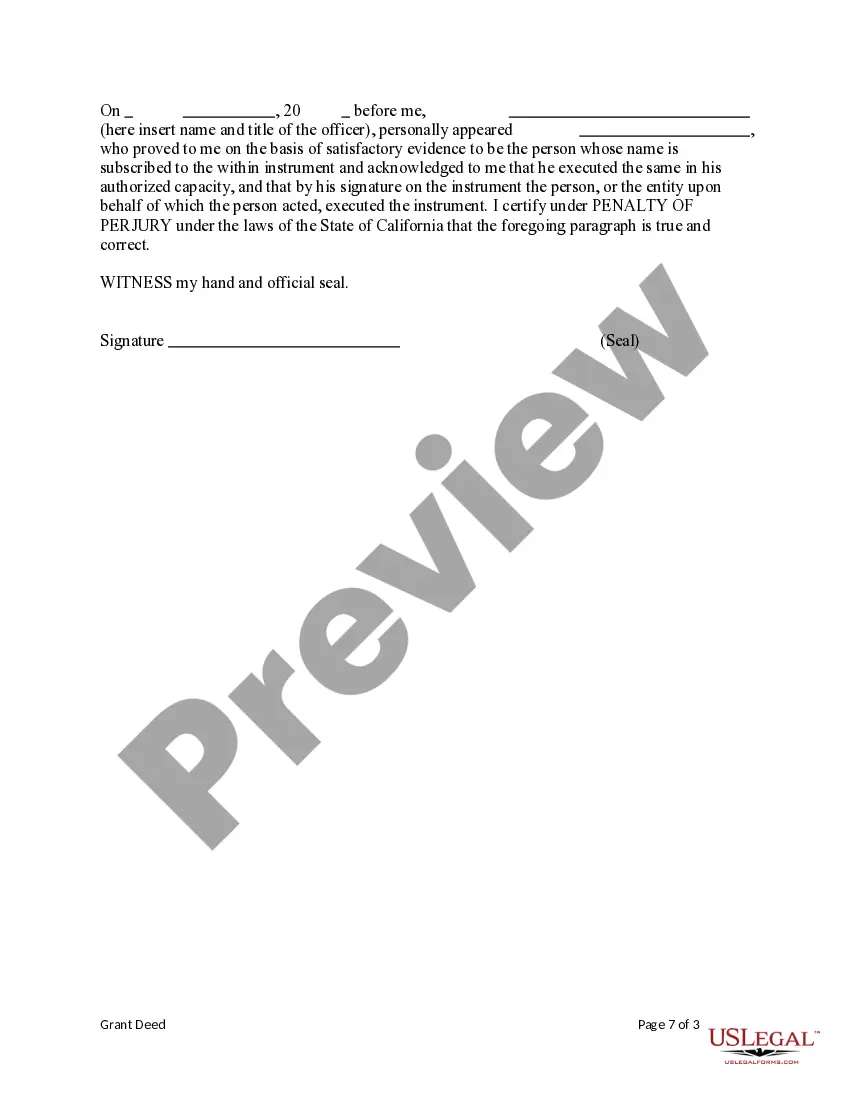
This form does not typically require notarization unless specified by local law. However, it is advisable to check state regulations to confirm whether notarization is necessary to enhance the document's legal standing.
Get your form ready online
Our built-in tools help you complete, sign, share, and store your documents in one place.
Make edits, fill in missing information, and update formatting in US Legal Forms—just like you would in MS Word.
Download a copy, print it, send it by email, or mail it via USPS—whatever works best for your next step.
Sign and collect signatures with our SignNow integration. Send to multiple recipients, set reminders, and more. Go Premium to unlock E-Sign.
If this form requires notarization, complete it online through a secure video call—no need to meet a notary in person or wait for an appointment.
We protect your documents and personal data by following strict security and privacy standards.

Make edits, fill in missing information, and update formatting in US Legal Forms—just like you would in MS Word.

Download a copy, print it, send it by email, or mail it via USPS—whatever works best for your next step.

Sign and collect signatures with our SignNow integration. Send to multiple recipients, set reminders, and more. Go Premium to unlock E-Sign.

If this form requires notarization, complete it online through a secure video call—no need to meet a notary in person or wait for an appointment.

We protect your documents and personal data by following strict security and privacy standards.
Common mistakes
- Failing to accurately describe the property, which can lead to legal complications.
- Not including all necessary partiesâ signatures on the deed.
- Overlooking state-specific requirements for property transfers, resulting in an invalid deed.
- Neglecting to indicate any applicable transfer tax exemptions on the form.
Benefits of using this form online
- Convenience of completing the form digitally from any location.
- Editability allows for easy corrections and adjustments before finalizing the document.
- Instant access to professionally drafted legal templates ensures reliability.
- Streamlined process compared to manual paperwork, saving time and effort.
What to keep in mind
- The Grant Deed for Distribution of a Condominium is specifically tailored for trustee-to-beneficiary property transfers.
- Proper completion and notarization are essential for legal validity.
- Always reference the trust documentation to ensure compliance with the terms of the trust.
- Record the deed with local authorities to finalize the property transfer.
Looking for another form?
Form popularity
FAQ
Filling out a California grant deed involves several steps to ensure correctness. First, clearly state the names of the grantor and grantee, alongside the property's legal description. Include the language indicating the transfer of ownership, especially for the California Grant Deed for Distribution of a Condominium - Trustee to an Individual. US Legal Forms simplifies this process, offering templates and resources to help you complete your deed accurately.
To remove someone from a grant deed in California, you will need to prepare a new grant deed that excludes their name. This process typically involves the current owner, often the trustee, executing the new deed to transfer the property to the remaining owner. The California Grant Deed for Distribution of a Condominium - Trustee to an Individual ensures that ownership reflects the current arrangement. Additionally, consider using US Legal Forms for guided assistance in filing this documentation.
The primary purpose of a trust deed is to establish a legal framework for transferring and managing property on behalf of beneficiaries. It outlines the responsibilities of the trustee and the rights of the beneficiaries, ensuring compliance with the trust's intentions. When utilizing a California Grant Deed for Distribution of a Condominium - Trustee to an Individual, this document serves as a vital tool for clarity and security within the real estate transaction.
A property is most likely conveyed with a trustee's deed in situations involving a trust where the trustee is responsible for managing the property on behalf of the beneficiaries. For example, if a family member passes away and the estate holds a condominium, a California Grant Deed for Distribution of a Condominium - Trustee to an Individual would facilitate the distribution of that property. This process ensures clear legal transfer while adhering to the trust's terms.
In the UK, a deed of grant refers to a legal document that transfers ownership of property or conveys rights associated with it. Unlike the California Grant Deed for Distribution of a Condominium - Trustee to an Individual, the UK version does not commonly apply to trusts but often pertains to easements or rights of way. Understanding this distinction can be critical for property transactions within different jurisdictions.
To create a California Grant Deed for Distribution of a Condominium - Trustee to an Individual, specific requirements must be met. First, the deed must include the names of the trustor and trustee, along with a clear description of the property. Additionally, the deed should be signed by the trustee and notarized. Ensuring these elements are present will help avoid legal complications during the transfer process.
A trustee grant deed is a legal document that allows a trustee to transfer property to another party, such as an individual or beneficiary. This type of deed is commonly used in California and specifically outlines the process of distributing property from a trust, including the California Grant Deed for Distribution of a Condominium - Trustee to an Individual. By utilizing a trustee grant deed, you ensure that the transfer is clear and legally binding. For assistance, consider using USLegalForms to obtain the correct forms and instructions.
To draft a grant deed in California, begin by clearly identifying the grantor and the grantee, along with a legal description of the property. It's essential to include the specific California Grant Deed for Distribution of a Condominium - Trustee to an Individual, which outlines the transfer from the trustee to the individual. Once the deed is drafted, you need to sign it in front of a notary public and record it with the county recorder's office. USLegalForms offers templates and guidance to help you create a compliant grant deed.
A quitclaim deed from a trust to an individual transfers property ownership from the trust directly to the individual without making any guarantees about the property title. This kind of deed allows the trustee to quickly pass ownership of a condominium through the California Grant Deed for Distribution of a Condominium - Trustee to an Individual. It's important to ensure that the property title is clear before proceeding with this type of deed. Using platforms like USLegalForms can guide you through the process and provide you with the necessary documents.
Trusts in California can often avoid property tax reassessment if the property is transferred according to the provisions laid out in Proposition 13. When transferring property like a condominium, executing a California Grant Deed for Distribution of a Condominium - Trustee to an Individual may allow the property to retain its original tax base. It's wise to consult with a tax advisor or an attorney to ensure compliance with current laws.