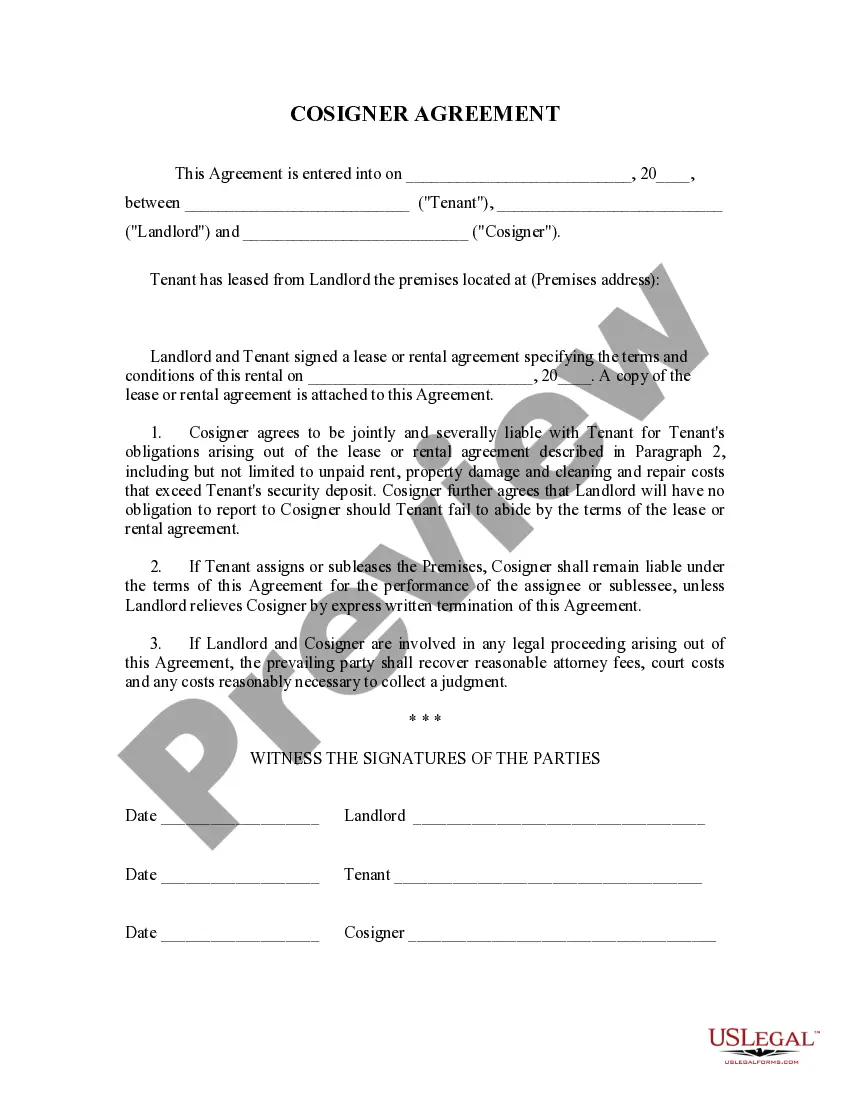
Arizona Judgment Against Garnishee Holding Funds
Understanding this form
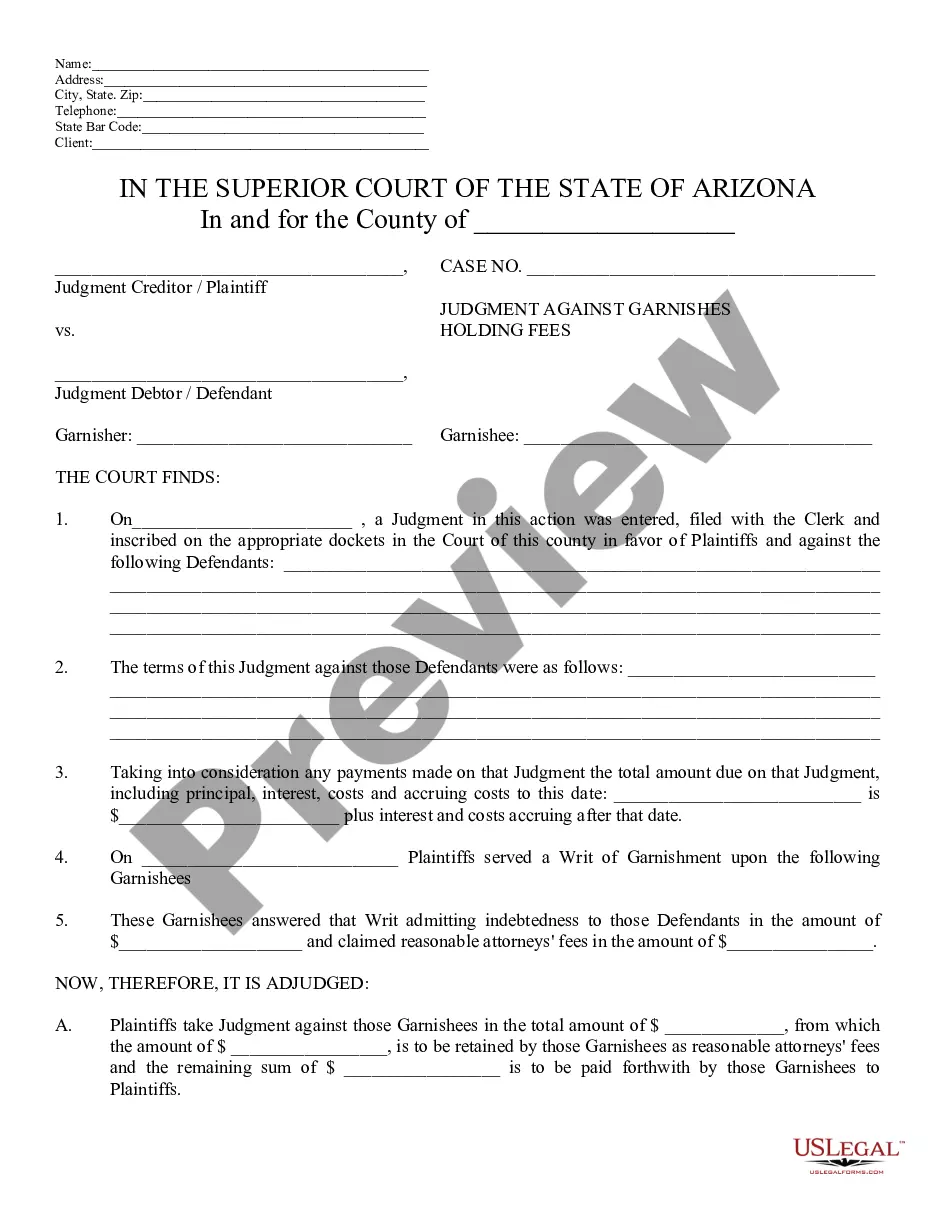
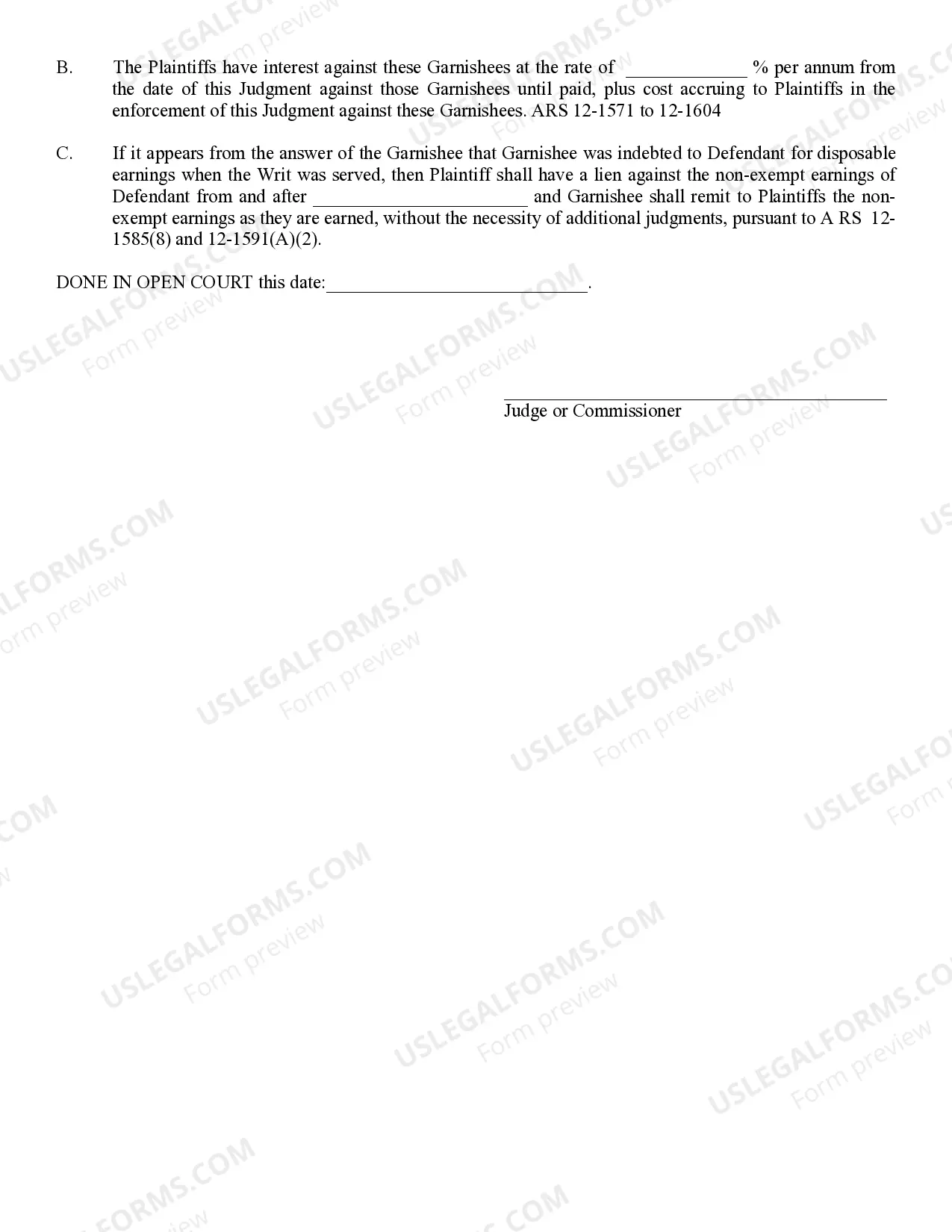
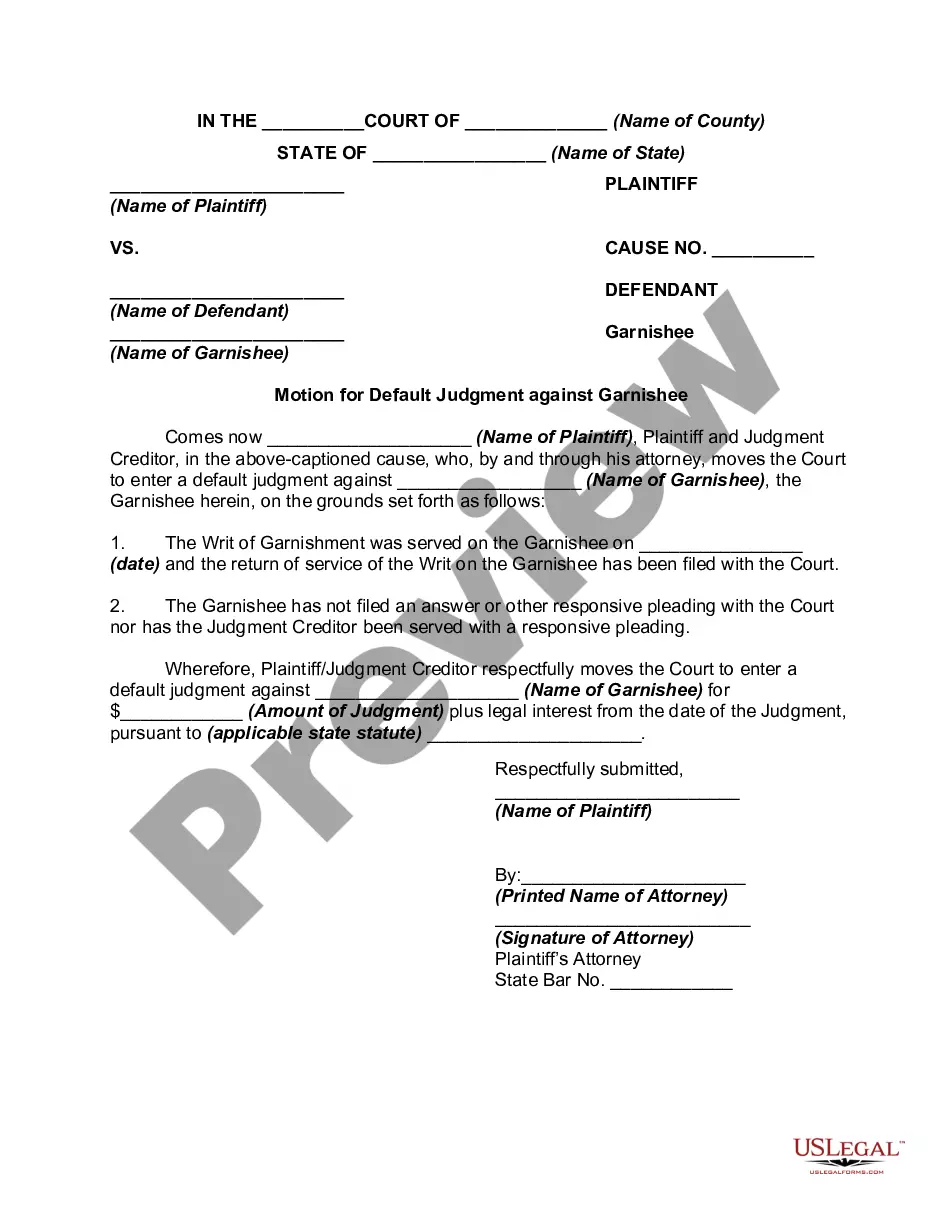
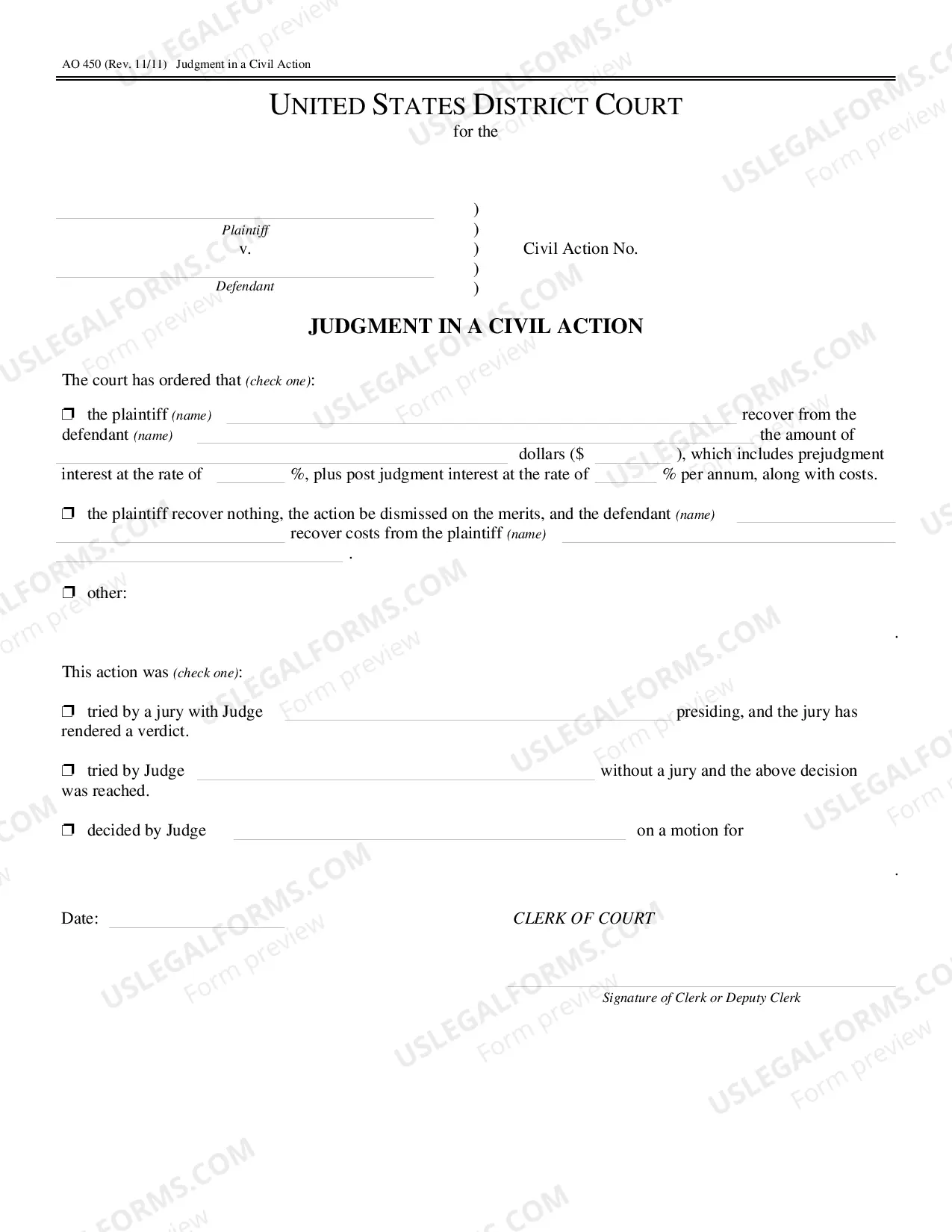
This form, known as a Judgment Against Garnishee Holding Funds, is used to formalize a court's decision regarding funds held by a third party, known as a garnishee, that are owed to a judgment debtor. This form is significant as it outlines the amounts due, including attorney's fees, and specifies how the funds should be disbursed following a judgment. It differs from other legal forms by focusing specifically on enforcing financial judgments against garnishees rather than debtors directly.
Main sections of this form
- Identifying information: Includes names and addresses of the creditor, debtor, and garnishee.
- Court findings: Documents the court's judgment and any relevant details of the case.
- Amount due: Specifies the total owed by the garnishee, including principal, interest, and costs.
- Attorney's fees: Outlines the fees claimed by the garnishee.
- Judgment details: Finalizes the arrangement for payment between the parties involved.
When to use this document
This form should be used after a court has awarded a judgment in favor of the creditor, and when the garnishee has admitted to holding funds owed to the debtor. It is especially relevant in situations where the creditor is seeking to enforce a judgment against funds that a third party is retaining on behalf of the debtor.
Who can use this document
- Creditors who have received a judgment against a debtor.
- Attorneys representing creditors in debt collection actions.
- Debtors who wish to understand the implications of a garnishment on their held funds.
- Garnishees who need to comply with a court order regarding funds they hold.
Steps to complete this form
- Fill in the addresses and contact information for all parties involved, including the creditor, debtor, and garnishee.
- Document the case number and details regarding the court's initial judgment.
- Specify the total amount due, broken down into principal, interest, and costs.
- Indicate any attorney's fees claimed by the garnishee and calculate the net amount owed to the creditor.
- Have the form signed by the judge to make it binding.
Does this document require notarization?
This form does not typically require notarization to be legally valid. However, some jurisdictions or document types may still require it. US Legal Forms provides secure online notarization powered by Notarize, available 24/7 for added convenience.
Get your form ready online
Our built-in tools help you complete, sign, share, and store your documents in one place.
Make edits, fill in missing information, and update formatting in US Legal Forms—just like you would in MS Word.
Download a copy, print it, send it by email, or mail it via USPS—whatever works best for your next step.
Sign and collect signatures with our SignNow integration. Send to multiple recipients, set reminders, and more. Go Premium to unlock E-Sign.
If this form requires notarization, complete it online through a secure video call—no need to meet a notary in person or wait for an appointment.
We protect your documents and personal data by following strict security and privacy standards.

Make edits, fill in missing information, and update formatting in US Legal Forms—just like you would in MS Word.

Download a copy, print it, send it by email, or mail it via USPS—whatever works best for your next step.

Sign and collect signatures with our SignNow integration. Send to multiple recipients, set reminders, and more. Go Premium to unlock E-Sign.

If this form requires notarization, complete it online through a secure video call—no need to meet a notary in person or wait for an appointment.

We protect your documents and personal data by following strict security and privacy standards.
Mistakes to watch out for
- Failing to include all necessary party information, leading to processing delays.
- Incorrectly calculating the total amount due, which can affect payment enforcement.
- Not updating the form with recent payments made towards the judgment.
- Omitting important signatures, particularly from the judge.
Advantages of online completion
- Convenience: Easily download the form at any time from your location.
- Editability: Modify the form to reflect the unique details of your case before printing.
- Reliability: Access forms drafted by licensed attorneys to ensure legal compliance.
Looking for another form?
Form popularity
FAQ
Filing an answer to a summons in Arizona involves preparing a written response to the summons you received. This document should outline your position regarding the claims made against you. Be sure to file your answer with the appropriate court within the specified timeframe to address the Arizona Judgment Against Garnishee Holding Funds effectively. Resources from uslegalforms can guide you through this process.
To stop a garnishment in Arizona, you can file a motion with the court that issued the judgment. This motion may argue that the garnishment creates undue hardship or address other valid concerns. You can also consult a legal professional to explore your options regarding the Arizona Judgment Against Garnishee Holding Funds, as they can help strategize the best approach based on your situation.
The statute of garnishments in Arizona outlines the legal framework for collecting debts through garnishment. Generally, this process allows creditors to obtain funds directly from a debtor's bank account or wages. In cases involving an Arizona Judgment Against Garnishee Holding Funds, it's important to understand the specific limits and requirements defined in Arizona law to ensure compliance and protect rights.
Yes, a creditor can garnish your bank account in Arizona if they have obtained a judgment against you. They must first follow specific legal procedures to access these funds, often requiring a writ of garnishment. Using resources from platforms like US Legal Forms ensures you are well-equipped to handle any issues related to Arizona Judgment Against Garnishee Holding Funds.
The new garnishment law in Arizona has updated certain thresholds and protections for debtors. It now allows for increased exemptions for essential income, aiming to protect more individuals from severe financial strain. Staying informed about these changes can help you manage your financial situation better regarding Arizona Judgment Against Garnishee Holding Funds.
In Arizona, your check can be garnished up to 25% of your disposable earnings after taxes, though the exact amount can vary based on your specific situation. Additionally, certain types of income are exempt from garnishment, such as Social Security benefits. Understanding these limits can help you navigate your financial obligations related to Arizona Judgment Against Garnishee Holding Funds.
To collect a judgment in Arizona, you first need to obtain a writ of execution from the court. This document allows you to take action against the debtor's assets, including bank accounts or wages. Utilizing services from platforms like US Legal Forms can streamline the process of collecting your Arizona Judgment Against Garnishee Holding Funds effectively.
To stop wage garnishment in Arizona, you can file a motion with the court that issued the garnishment order. You may be able to claim exemptions based on your financial situation or the type of income you receive. Consulting with a legal professional can help you understand your rights and options regarding Arizona Judgment Against Garnishee Holding Funds.
In Arizona, the maximum wage garnishment is typically set at 25% of your disposable earnings or the amount by which your weekly earnings exceed 30 times the federal minimum wage, whichever is less. This law exists to protect your ability to afford basic living expenses while also addressing debts. Having knowledge about the Arizona Judgment Against Garnishee Holding Funds can help you understand how these garnishments are calculated. To navigate this process effectively, consider consulting resources on the USLegalForms platform for detailed information and assistance.
To stop a wage garnishment in Arizona, you need to act quickly and file the appropriate paperwork with the court. Consider filing a motion to quash the garnishment based on valid grounds, such as a change in financial circumstances or an error in the original judgment. Additionally, you might explore options to negotiate directly with your creditor or seek assistance from professionals who understand Arizona Judgment Against Garnishee Holding Funds. Utilizing platforms like USLegalForms can provide you with the necessary documentation and guidance throughout this process.