Arizona Writ of Restitution, Assistance or Possession
What is this form?
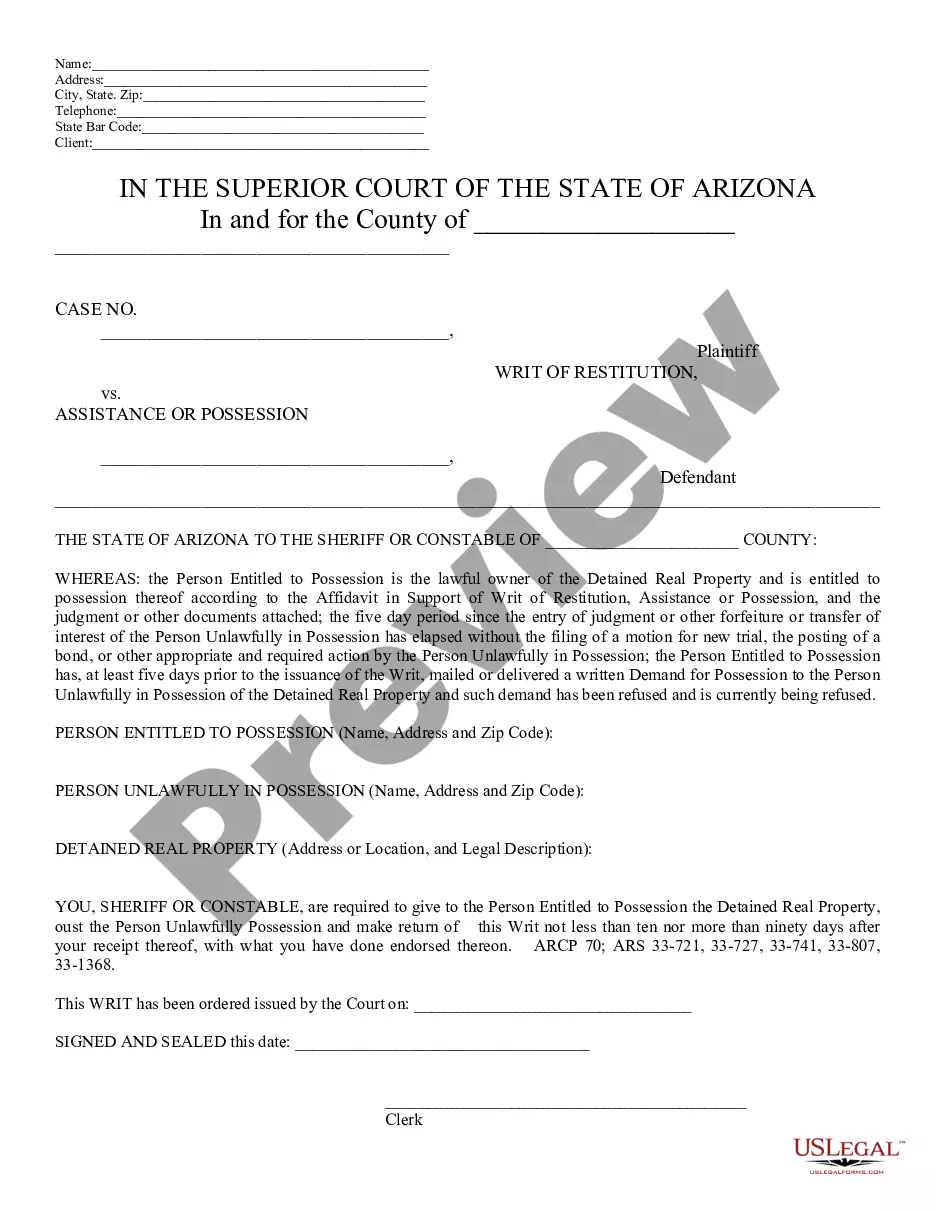
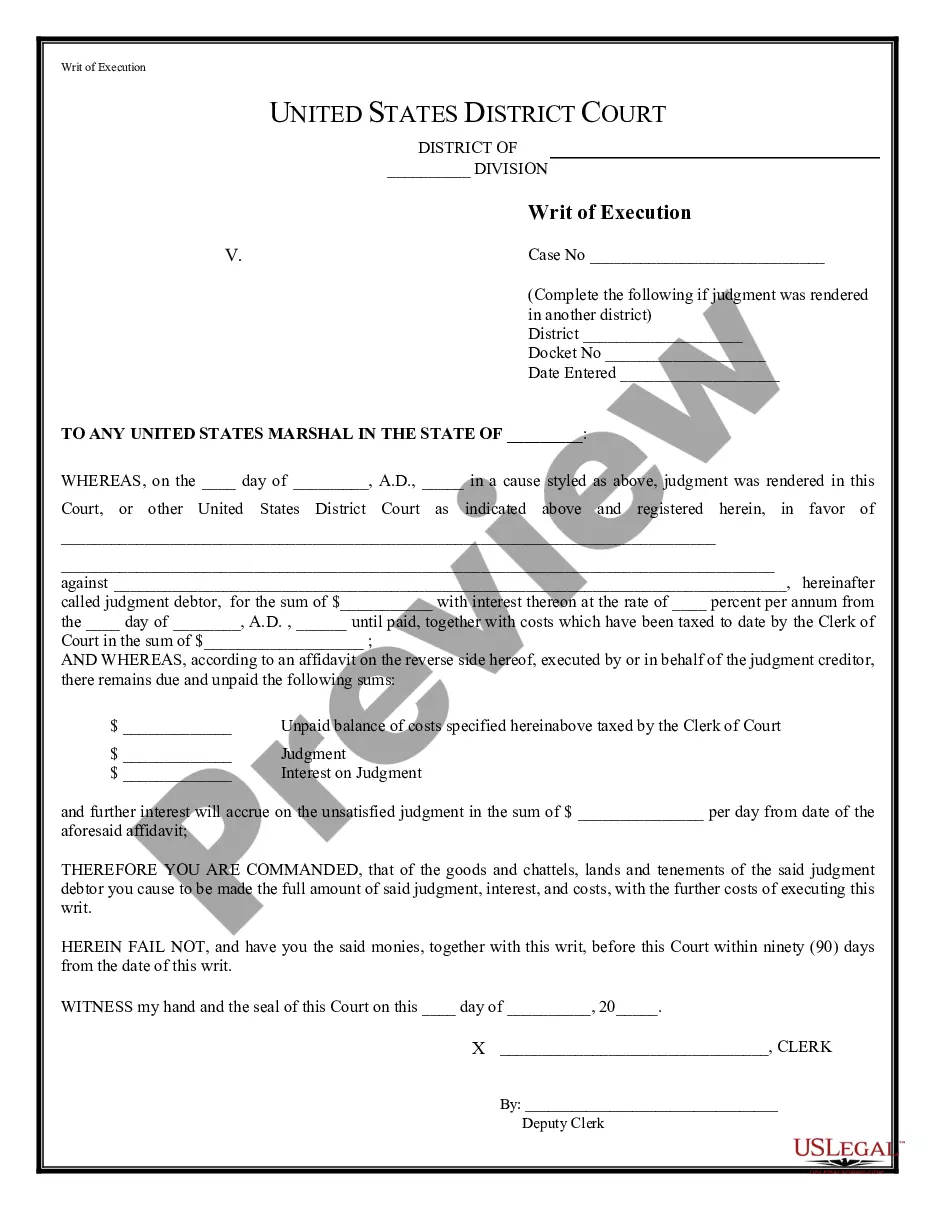
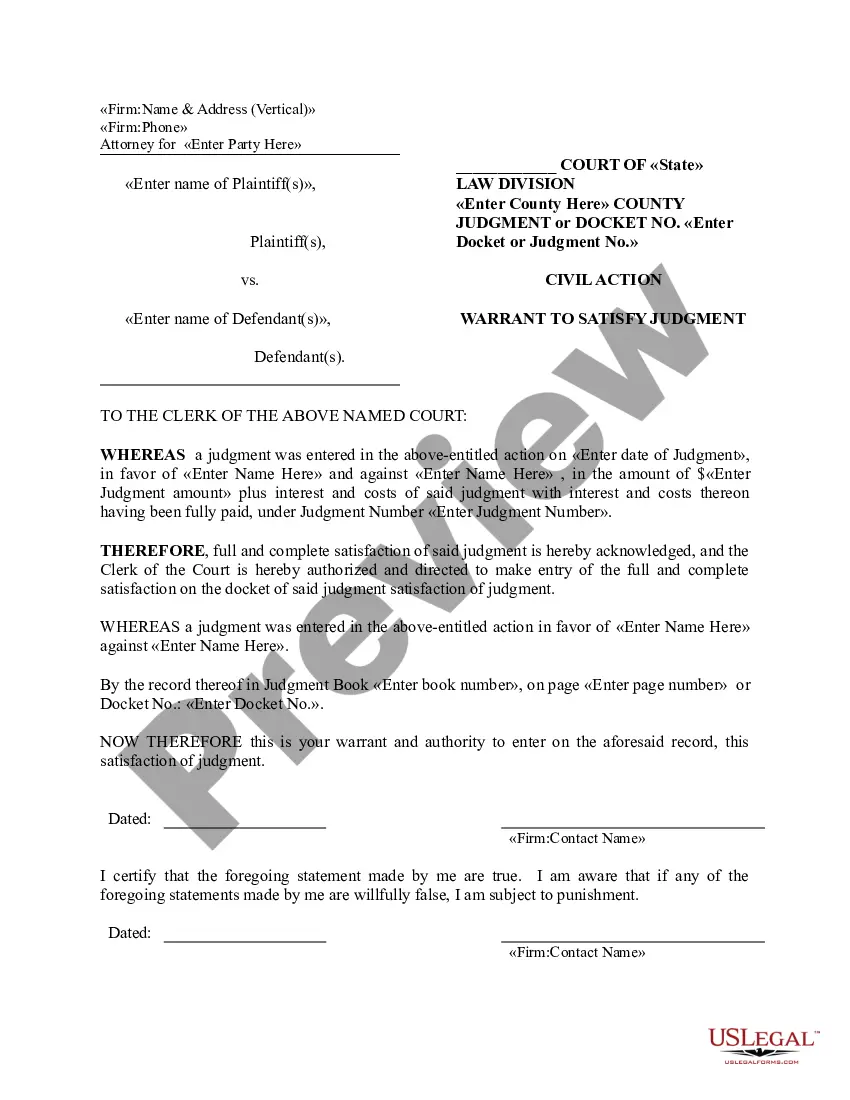
The Writ of Restitution, Assistance or Possession is a legal document used to request the sheriff's department to reclaim property that has been unlawfully held by another person. This form facilitates the return of the property to its rightful owner following a legal judgment. Unlike other legal forms that pertain to property disputes, this writ specifically directs law enforcement to act based on the court's ruling, ensuring swift resolution and enforcement of legal rights.
Form components explained
- Case Information: Includes the names of the plaintiff and defendant, along with the case number.
- Property Details: Specifies the location and legal description of the detained property.
- Demand for Possession: Records that a written demand for the return of the property has been made and refused.
- Instructions for Law Enforcement: Directives for the sheriff or constable regarding the execution of the writ.
- Judgment Reference: Indicates that the request is made following a court judgment.

Common use cases
This form should be used in situations where a property owner has obtained a legal judgment confirming their right to possession but is unable to reclaim their property due to unlawful retention by another individual. Instances may include landlord-tenant disputes, ex-partner property claims, or other civil disputes involving possession of real property.
Who needs this form
The following individuals or entities should consider using this form:
- Property owners seeking the return of their property.
- Landlords dealing with tenants who refuse to vacate the premises after eviction.
- Individuals contesting possession of property following legal rulings.
- Attorneys representing clients in property possession cases.
How to prepare this document
To complete the Writ of Restitution, Assistance or Possession, follow these steps:
- Identify the parties involved: Fill in the names and addresses of both the person entitled to possession and the person unlawfully in possession.
- Specify the property: Provide the address and a legal description of the detained real property.
- Document the demand for possession: Confirm that a demand for return of the property has been made and note the refusal.
- Complete the case information: Include the relevant case number and other identifying details.
- Sign and date the form: Ensure it is properly signed by the court clerk.
Notarization guidance
This form does not typically require notarization unless specified by local law. However, checking local regulations is advisable to ensure compliance with any specific requirements in your jurisdiction.
Get your form ready online
Our built-in tools help you complete, sign, share, and store your documents in one place.
Make edits, fill in missing information, and update formatting in US Legal Forms—just like you would in MS Word.
Download a copy, print it, send it by email, or mail it via USPS—whatever works best for your next step.
Sign and collect signatures with our SignNow integration. Send to multiple recipients, set reminders, and more. Go Premium to unlock E-Sign.
If this form requires notarization, complete it online through a secure video call—no need to meet a notary in person or wait for an appointment.
We protect your documents and personal data by following strict security and privacy standards.

Make edits, fill in missing information, and update formatting in US Legal Forms—just like you would in MS Word.

Download a copy, print it, send it by email, or mail it via USPS—whatever works best for your next step.

Sign and collect signatures with our SignNow integration. Send to multiple recipients, set reminders, and more. Go Premium to unlock E-Sign.

If this form requires notarization, complete it online through a secure video call—no need to meet a notary in person or wait for an appointment.

We protect your documents and personal data by following strict security and privacy standards.
Avoid these common issues
- Forgetting to include the case number or relevant court information.
- Not properly documenting the demand for possession and its refusal.
- Failing to provide a precise legal description of the property.
- Incorrectly addressing the form to law enforcement agencies.
- Not securing necessary signatures from court clerks.
Benefits of completing this form online
- Convenience: The form is available for immediate download, allowing quick access and use.
- Editability: Users can customize the form digitally before printing.
- Accuracy: Templates drafted by licensed attorneys help ensure legal compliance and precision.
- Accessibility: Easily downloadable in both Word and Rich Text formats for user preference.
Legal use & context
- This writ is enforceable under Arizona law when properly completed and submitted.
- It may be used in situations where property rights are contested or when timely action is required to reclaim possession.
Main things to remember
- The Writ of Restitution is essential for reclaiming unlawfully held property.
- Accurate completion of the form is crucial to enforce property rights effectively.
- Understanding local requirements ensures the form's legality and effectiveness in your jurisdiction.
Looking for another form?
Form popularity
FAQ
In Arizona, a judgment typically lasts for five years from the date it is entered, but it can be renewed. If a judgment remains unpaid, the creditor may seek to renew it before it expires, allowing them to collect on the debt for an additional period. Knowing the timeframe of judgments is vital for both landlords and tenants in eviction situations. The Arizona Writ of Restitution, Assistance or Possession can clarify the implications of existing judgments and help you determine the best course of action.
Rule 55 in Arizona refers to the procedures for obtaining a default judgment when a party fails to respond to a court action. This rule outlines the necessary steps for a plaintiff to follow to request a judgment without the defendant's participation. It is essential to understand Rule 55, as it directly impacts your rights and obligations, especially in eviction cases. The Arizona Writ of Restitution, Assistance or Possession can be critical in ensuring compliance with these legal procedures.
After a default judgment is issued in Arizona, the landlord can proceed with the eviction process by obtaining a Writ of Restitution. This legal order allows them to reclaim possession of the rental property. You may still have options to contest the judgment or negotiate a resolution before the eviction takes place. Understanding the implications of the Arizona Writ of Restitution, Assistance or Possession can help you navigate your next steps.
To delay an eviction in Arizona, you can file an appeal or request a stay of the eviction. If you have valid reasons, such as pending legal issues or a hardship, the court may grant a temporary pause on the eviction process. Additionally, you can explore options for negotiating with your landlord to reach an amicable agreement. Utilizing the Arizona Writ of Restitution, Assistance or Possession can also provide clarity on your rights during this time.
In Arizona, obtaining a writ of restitution can take a few days to several weeks, depending on the complexity of the case and court schedules. Once a judgment is made in favor of the landlord, they can request the writ. The timeline may vary, but knowing the steps can help you prepare for the process involving the Arizona Writ of Restitution, Assistance or Possession.
No, a landlord cannot evict you immediately in Arizona without following proper legal procedures. They must first file for an Arizona Writ of Restitution, Assistance or Possession to obtain a court order. Once this is issued, the eviction process can proceed, but tenants have the right to respond during this time, so it is important to stay informed about your rights.
The statute of restitution in Arizona outlines the procedures landlords must follow to regain possession of their property after a renter's failure to comply with terms. It specifically covers the issuance of the Arizona Writ of Restitution, Assistance or Possession, which legally allows a landlord to evict tenants. Understanding these statutes can help tenants and landlords alike to navigate disputes efficiently.
To avoid eviction in Arizona, communication with your landlord is essential. Discuss any payment issues or lease violations upfront before they escalate. Using platforms like uslegalforms, you can find resources and legal documents that help you negotiate terms and potentially reach an agreement to avoid eviction, even when facing an Arizona Writ of Restitution.
To vacate a judgment in Arizona, you must file a motion in court. This involves presenting a valid reason for the request, such as neglecting to appear in court or new evidence that could change the outcome of your case. The Arizona Writ of Restitution, Assistance or Possession can be complex, so consider consulting a legal expert to guide you through the process.
A Writ of Restitution provides a legal tool for landlords to reclaim possession of their property quickly and effectively. One key benefit is that it ensures you regain control of your property while adhering to legal processes. Moreover, this writ can deter further disputes with tenants, offering a clear resolution. For those navigating these complexities, USLegalForms offers templates and support to help manage your case effectively.