Arizona Response to Request for Admission of Matters
Understanding this form
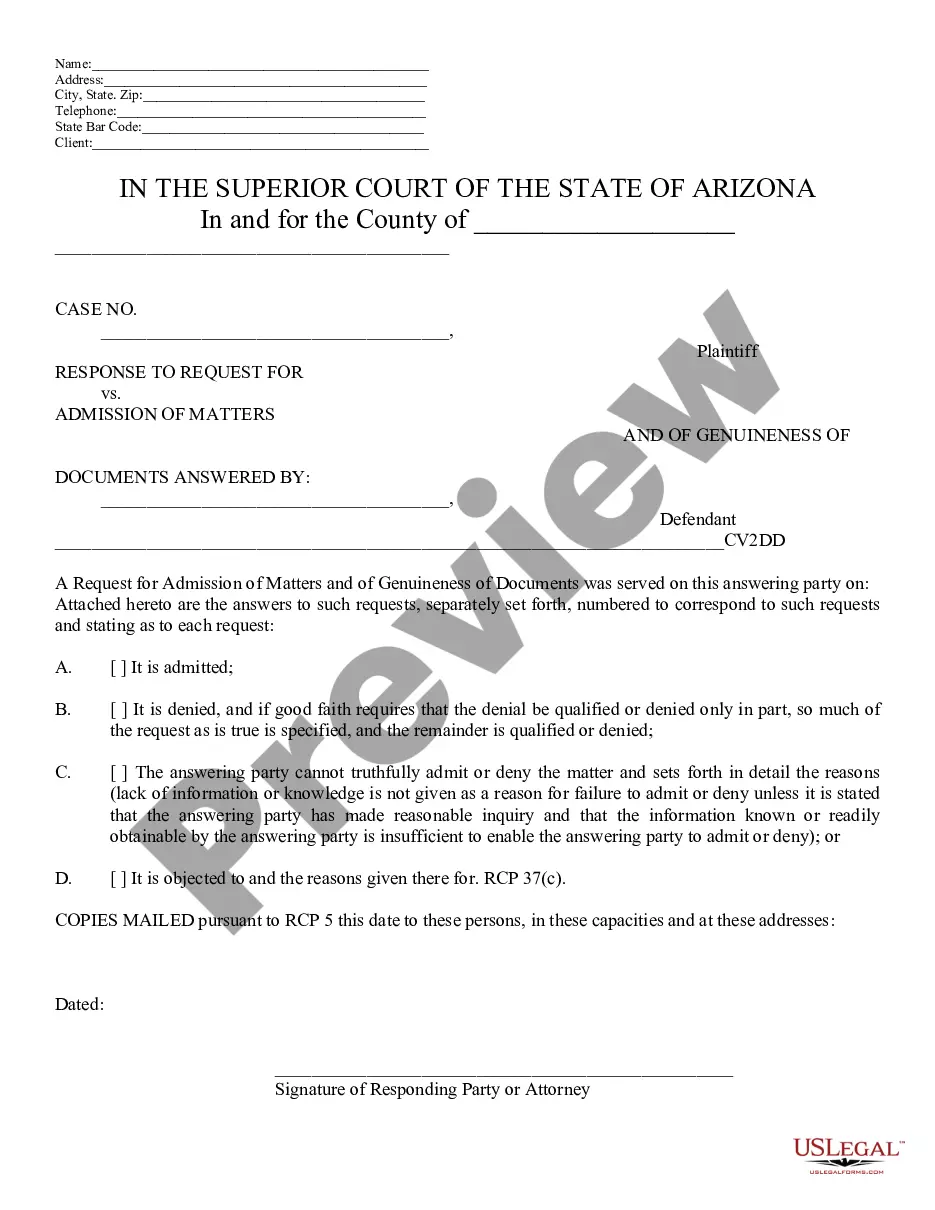
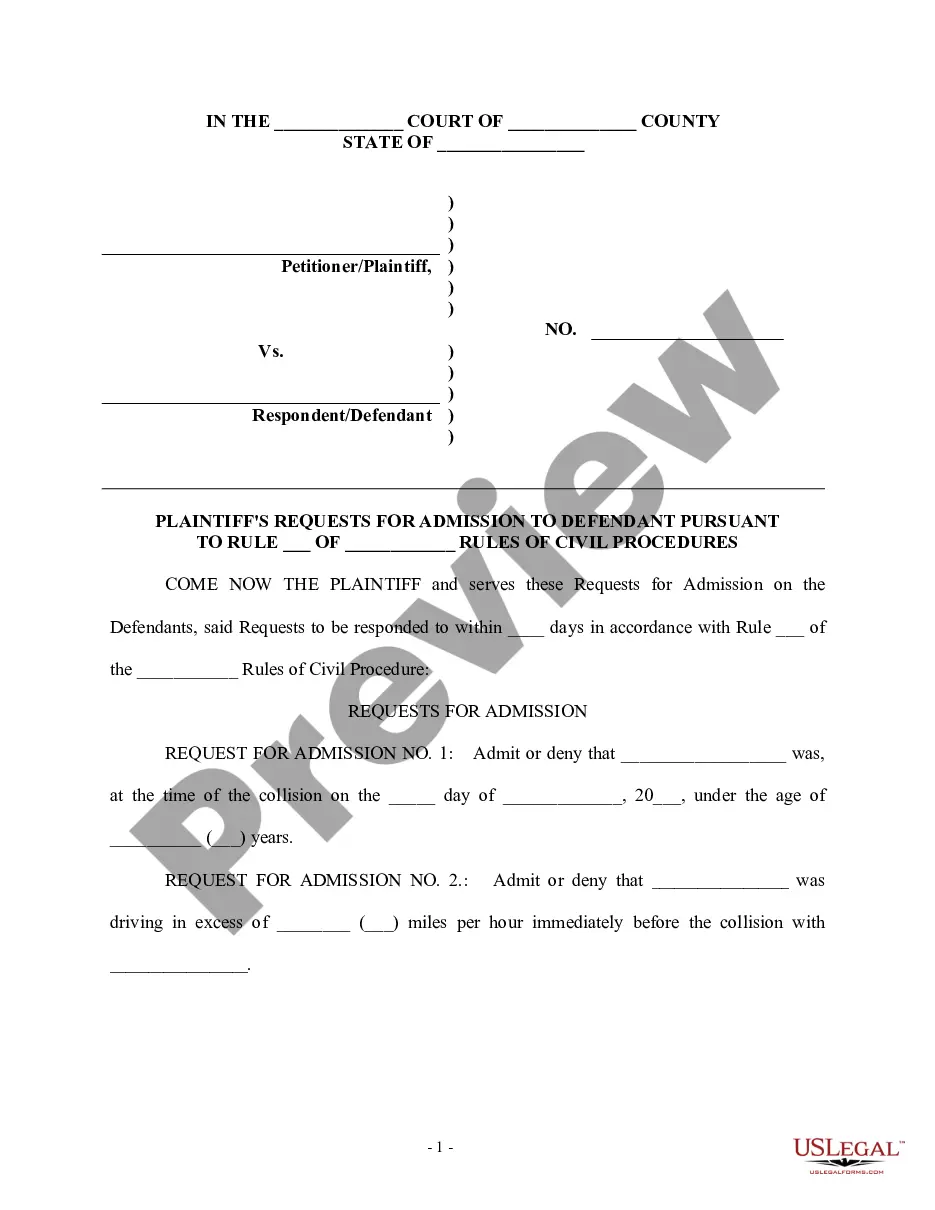
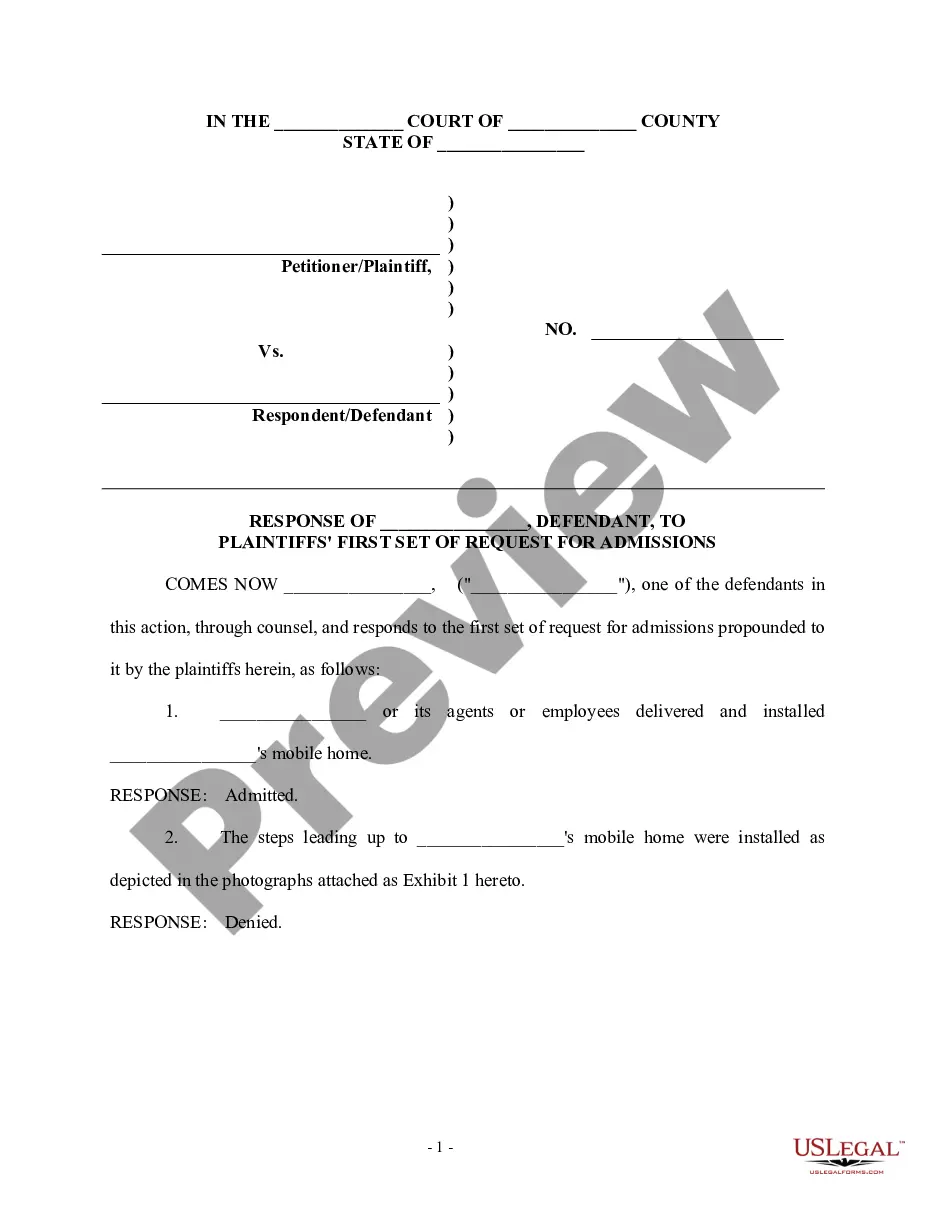
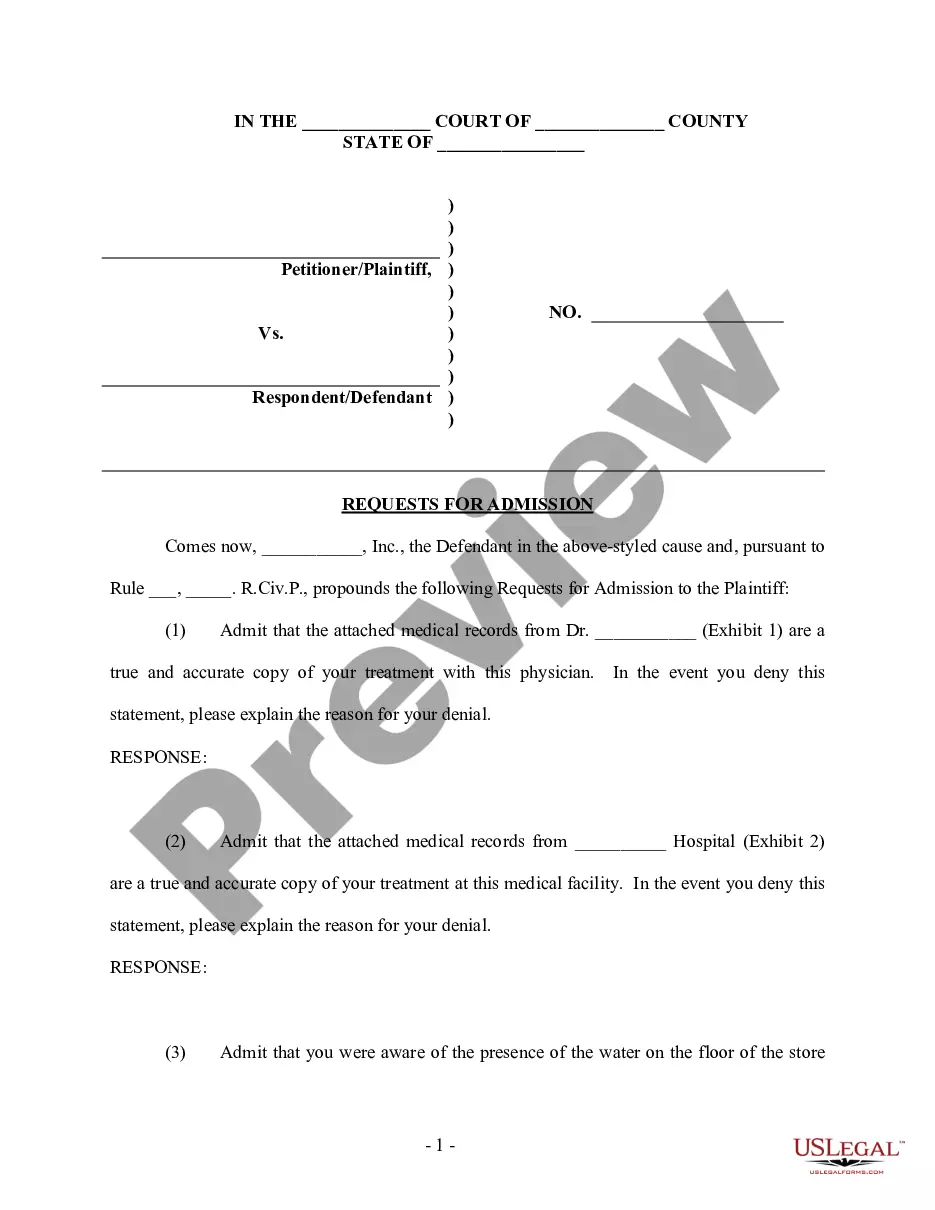
The Response to Request for Admission of Matters is a legal document used in response to specific requests for admission made during litigation. This form allows a party to formally admit, deny, or object to the facts presented in the requests. It serves a crucial role in clarifying positions on the matters at hand, making it distinct from other legal responses like general answers or motions. It provides a structured way to address each request individually, ensuring clear communication between parties.
Main sections of this form
- Address of the responding party
- Case number and court information
- Admittance or denial of specific requests
- Reasons for any objections listed
- Signature of responding party or attorney
When this form is needed
This form should be used when you receive a Request for Admission in a legal proceeding. It is particularly important in cases where a party needs to clarify its position on specific facts or documents that may be disputed. Utilizing this form ensures you respond appropriately within the time limits set by the court, facilitating a smoother litigation process.
Who this form is for
- Defendants in a civil lawsuit who have received a Request for Admission
- Attorneys representing clients in legal disputes
- Individuals involved in litigation seeking to clarify their standing on certain issues
Steps to complete this form
- Fill in the address and contact details of the responding party.
- Include the case number and the name of the court at the top of the form.
- Review each request and indicate whether you admit or deny the facts, or if you have any objections.
- Provide specific reasons for any objections or denials that require clarification.
- Sign and date the form to validate your responses.
Does this document require notarization?
This form usually doesn’t need to be notarized. However, local laws or specific transactions may require it. Our online notarization service, powered by Notarize, lets you complete it remotely through a secure video session, available 24/7.
Get your form ready online
Our built-in tools help you complete, sign, share, and store your documents in one place.
Make edits, fill in missing information, and update formatting in US Legal Forms—just like you would in MS Word.
Download a copy, print it, send it by email, or mail it via USPS—whatever works best for your next step.
Sign and collect signatures with our SignNow integration. Send to multiple recipients, set reminders, and more. Go Premium to unlock E-Sign.
If this form requires notarization, complete it online through a secure video call—no need to meet a notary in person or wait for an appointment.
We protect your documents and personal data by following strict security and privacy standards.

Make edits, fill in missing information, and update formatting in US Legal Forms—just like you would in MS Word.

Download a copy, print it, send it by email, or mail it via USPS—whatever works best for your next step.

Sign and collect signatures with our SignNow integration. Send to multiple recipients, set reminders, and more. Go Premium to unlock E-Sign.

If this form requires notarization, complete it online through a secure video call—no need to meet a notary in person or wait for an appointment.

We protect your documents and personal data by following strict security and privacy standards.
Avoid these common issues
- Failing to respond within the deadline set by the court.
- Not clearly stating admissions or denials.
- Providing vague objections without detailed explanations.
- Neglecting to sign the form before submission.
Why complete this form online
- Convenience of downloading the form instantly from anywhere.
- Editability allows users to fill in specific case details with ease.
- Provides a reliable format drafted by licensed attorneys.
Looking for another form?
Form popularity
FAQ
In Arizona, you have 20 days to respond to divorce papers if you receive them in the state, or 30 days if you receive them by mail from outside Arizona. Missing this timeline can have serious implications, including a default judgment against you. It's essential to act quickly and prepare your Arizona Response to Request for Admission of Matters adequately. Make use of resources like USLegalForms to ensure you meet all legal requirements timely.
When responding to an Arizona Response to Request for Admission of Matters, the reply should be clear and concise, generally not exceeding a few paragraphs. Federal and state guidelines encourage direct and straightforward responses to improve clarity in legal communication. Lengthy replies can dilute the impact of your answers, so focus on the core details relevant to the admissions. Consider using USLegalForms for templates that help structure your responses effectively.
In Arizona, the respondent typically has 30 days to submit their response to the Request for Admission of Matters. This time frame is important to ensure that your rights are protected and that you can adequately address the claims made. Be sure to keep track of deadlines, as timely responses can significantly influence the outcome of your case. USLegalForms offers tools to help you stay organized and informed.
If the respondent fails to provide an Arizona Response to Request for Admission of Matters, the court may deem the matters admitted. This means that you could lose the opportunity to contest important facts that could affect your case. As a result, it’s crucial to respond promptly to avoid negative consequences. Utilizing platforms like USLegalForms can help you navigate this process effectively.
In Arizona, you typically have 15 days to file a motion for reconsideration following the judgment or decision you wish to challenge. This timeframe is crucial, as missing it could result in losing your opportunity to seek relief. When filing, provide a clear argument about why you believe the court should reconsider its decision. If your motion involves an Arizona Response to Request for Admission of Matters, ensure clarity in presenting your arguments.
Rule 37 in Arizona pertains to the discovery process and addresses failure to comply with discovery requests, including requests for admissions. This rule provides the court with the authority to impose sanctions for non-compliance. If you receive an Arizona Response to Request for Admission of Matters that you believe is inadequate, you can consider utilizing Rule 37 to ensure compliance. Understanding these rules is vital for effectively navigating your case.
To file an answer to a summons in Arizona, start by creating a formal written response that addresses the allegations made in the complaint. Make sure to include your defenses and any counterclaims if applicable. After drafting your answer, file it with the appropriate court and serve a copy to the other party. For clarity and precision, including an Arizona Response to Request for Admission of Matters can aid in outlining your stance.
In Arizona, you typically have 20 days to file an answer after you have been served with a summons and complaint. If you were served by mail, this time frame extends to 30 days. It is crucial to file your answer within this period, as missing the deadline could affect your rights. Incorporating an Arizona Response to Request for Admission of Matters in your answer can help establish the facts of your case.
To answer a summons without an attorney in Arizona, begin by reading the documents carefully to understand the claims. Next, prepare your written response, ensuring that you address each point in the complaint. File your answer with the court, and deliver a copy to the plaintiff. Your response could include an Arizona Response to Request for Admission of Matters to clarify any disputed issues.
In Arizona, you generally have 20 days to respond to a complaint if you were served in person. If you received the complaint by mail, you typically have 30 days to respond. This response is critical, as failure to reply within the specified time frame can lead to a default judgment against you. Properly addressing your responses, including an Arizona Response to Request for Admission of Matters, can strengthen your case.