Answer with Specific Denials and Admissions Along with Denial of Sufficient Knowledge or Information to Form a Belief as to Certain Allegations
Understanding this form
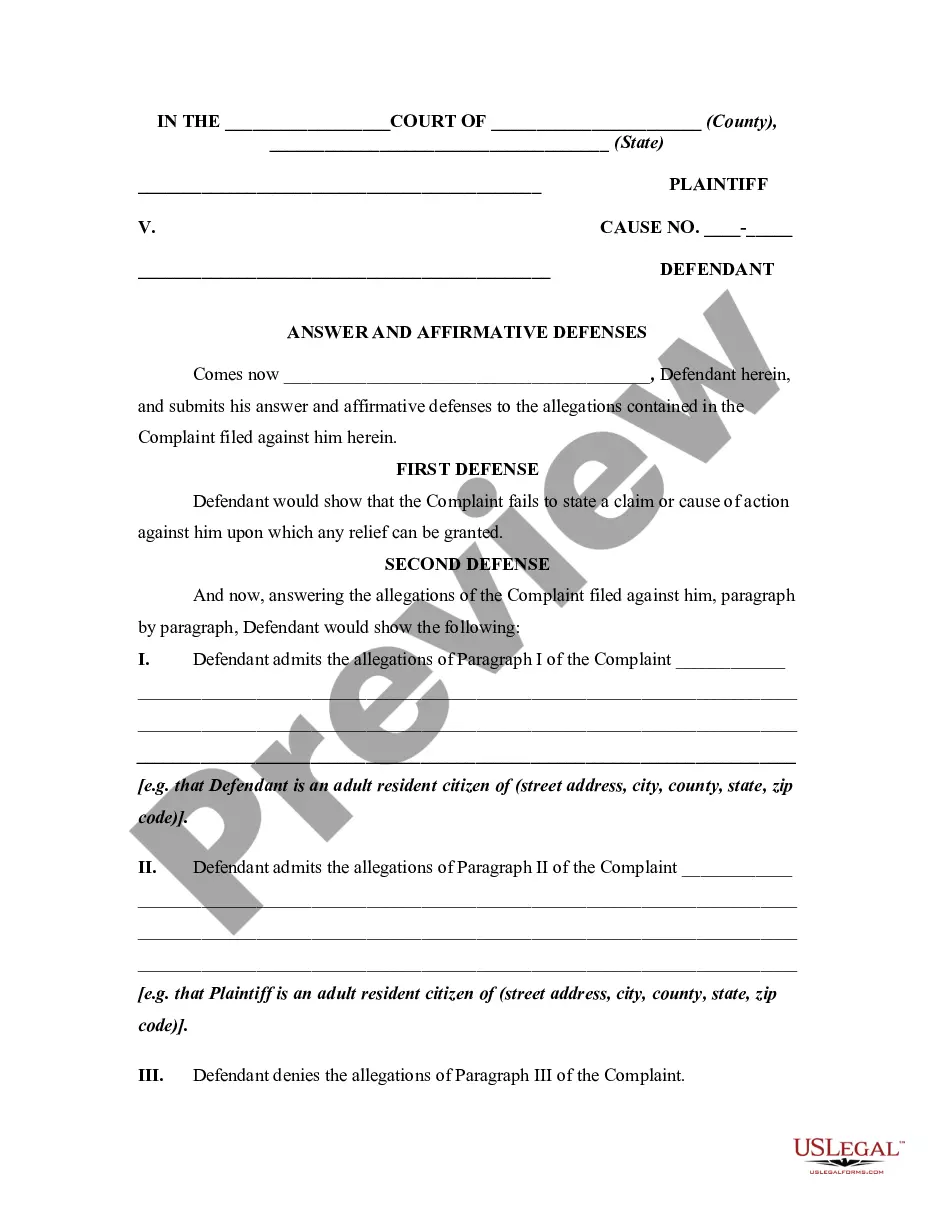
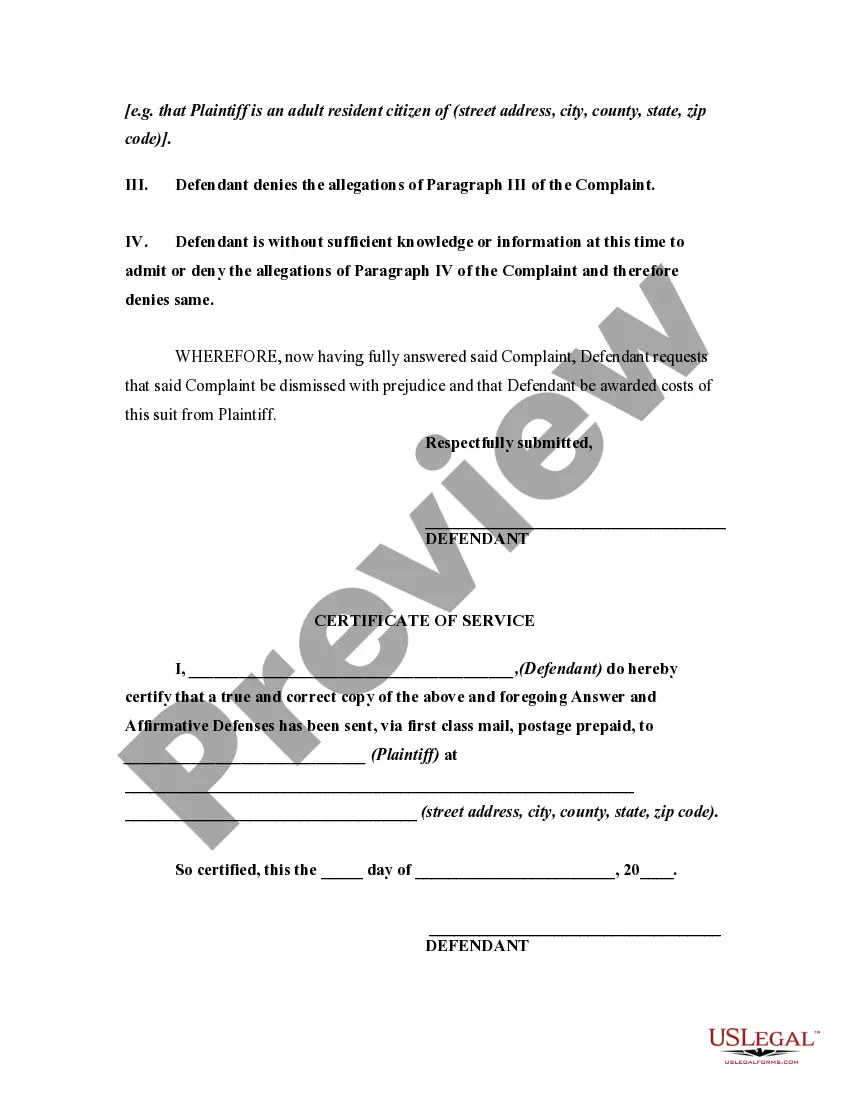
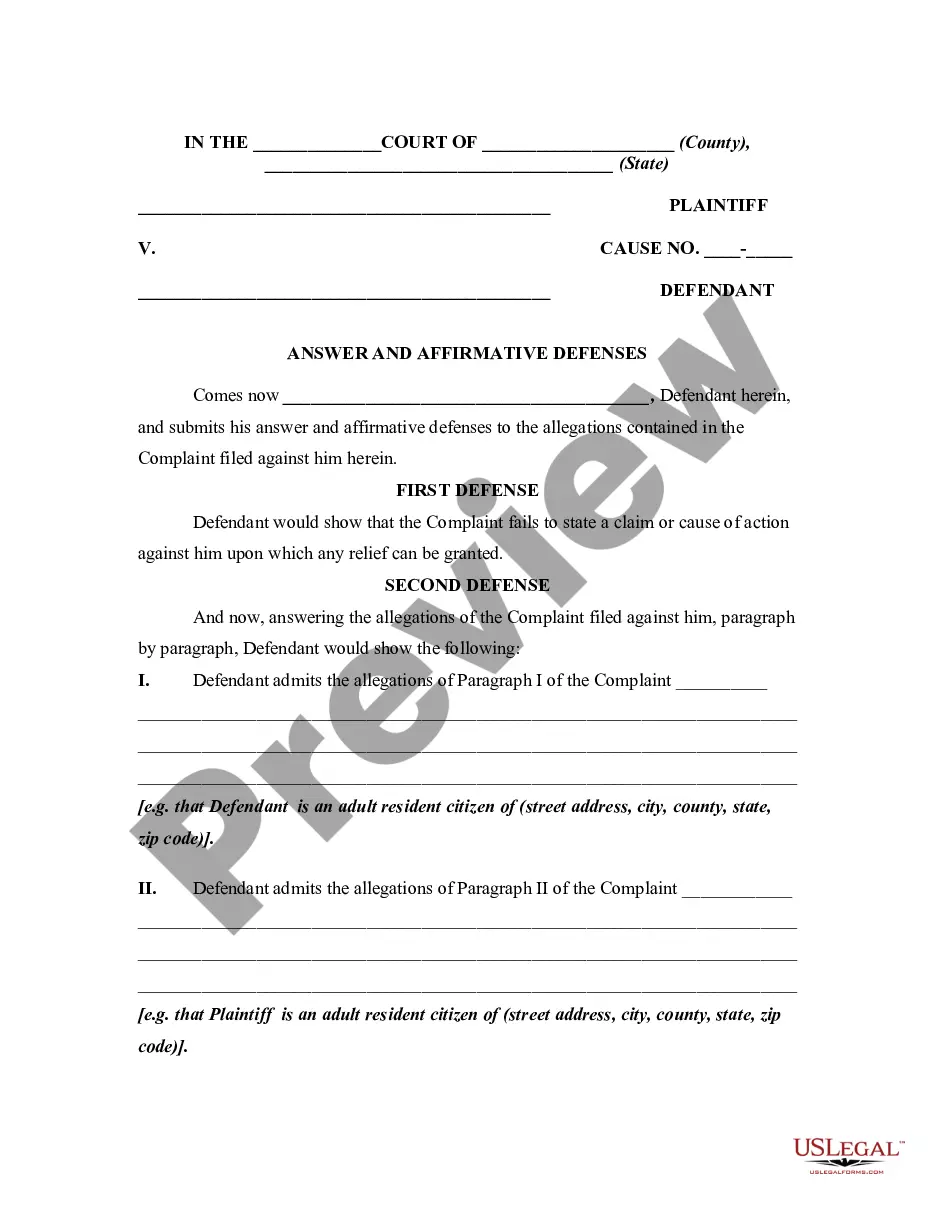
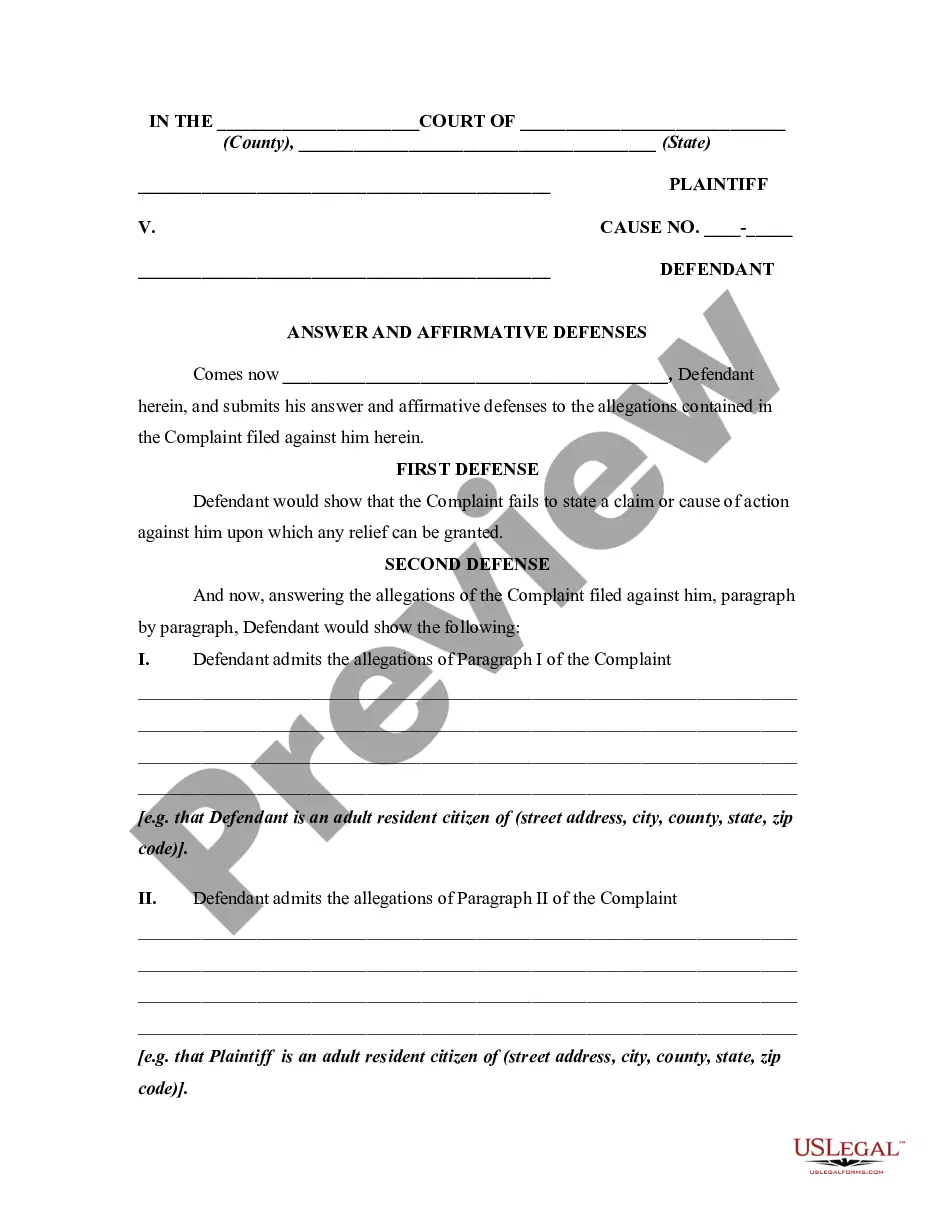
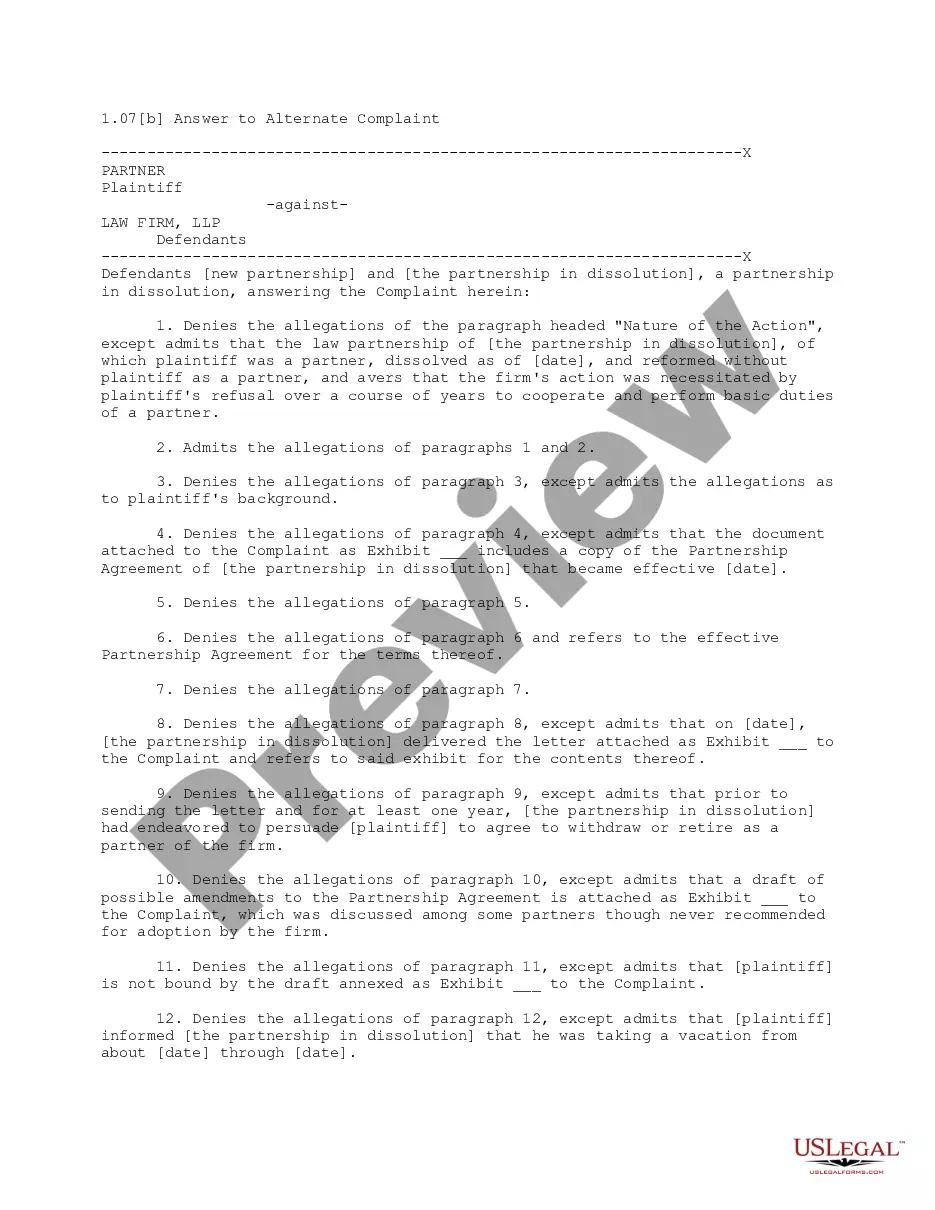
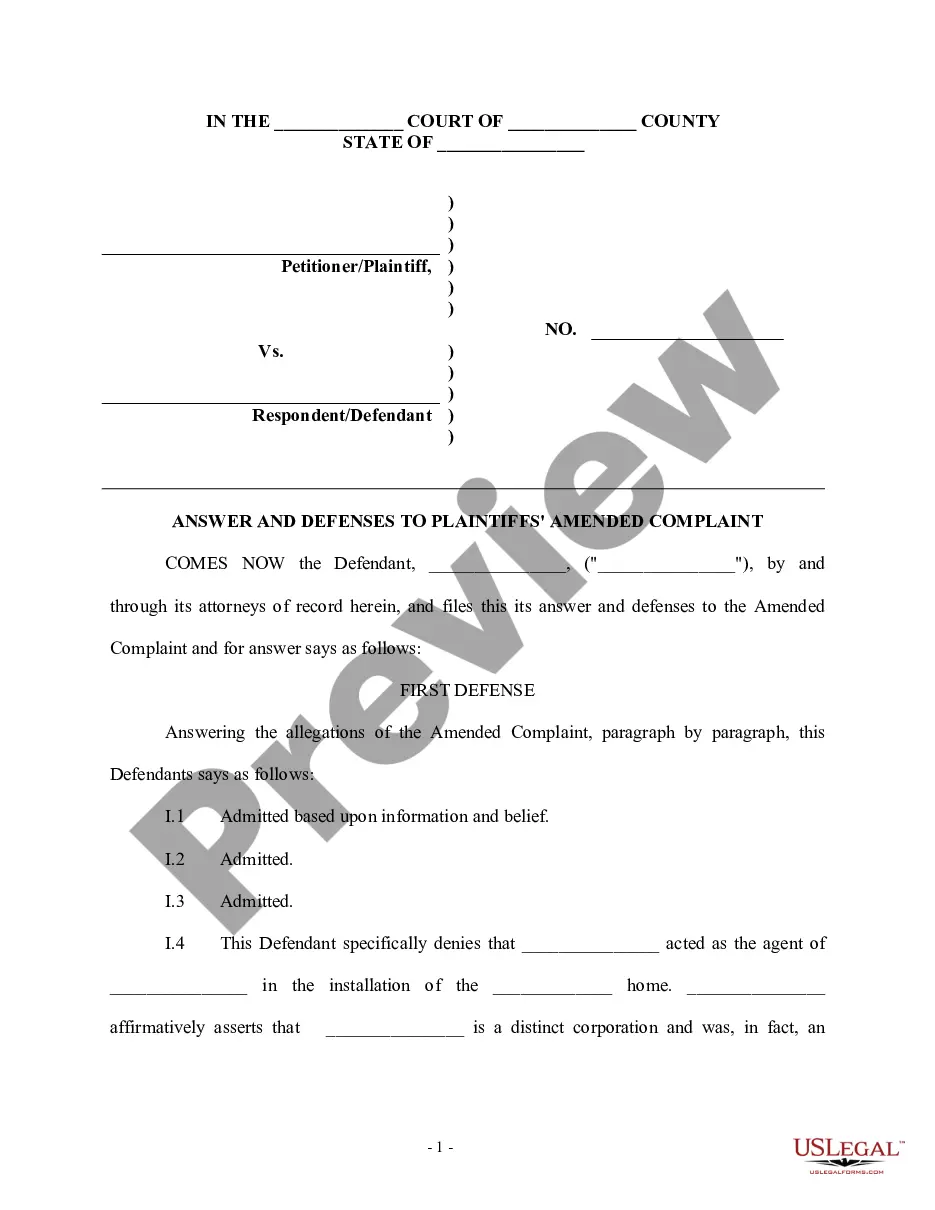
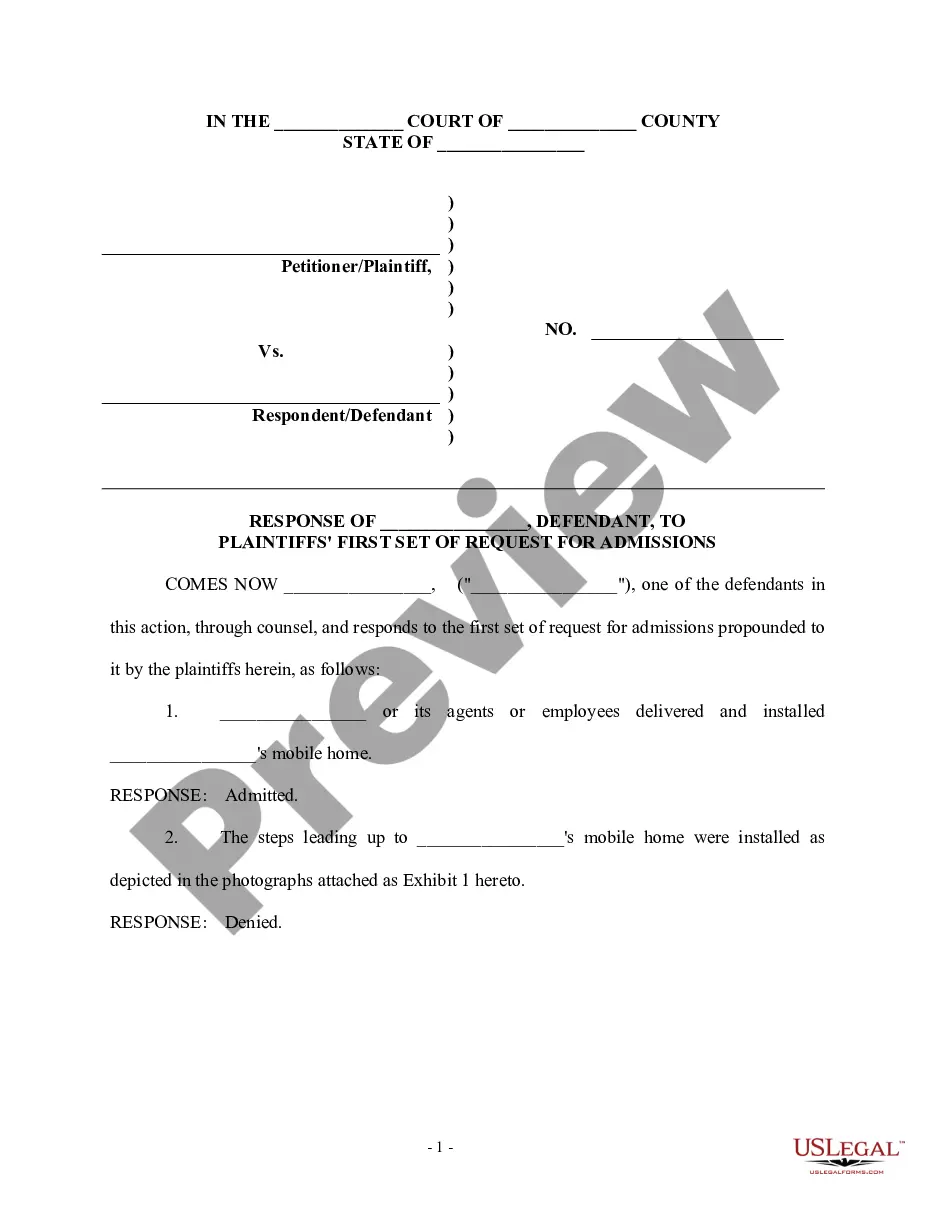
This legal document, known as an Answer with Specific Denials and Admissions, allows a defendant to respond to allegations made in a complaint. It lets the defendant admit to true statements while denying those that are false. This form is essential in legal proceedings, as it helps clarify the defendant's position and outlines their defenses against the claims. Unlike general answer forms, this specific version addresses both admissions and denials, making it suitable for various jurisdictions.
Form components explained
- Introduction of the Defendant and Complaint number
- First Defense: Argument that the complaint fails to state a valid claim
- Admissions section: Specific paragraphs where allegations are admitted
- Denials section: Specific paragraphs where allegations are denied
- Assertion of insufficient knowledge regarding certain allegations
- Request for dismissal and recovery of costs
- Certificate of service confirming the complaintâs delivery

Situations where this form applies
This form is necessary when a defendant needs to formally reply to a complaint filed against them in court. Situations include responding to civil lawsuits, addressing personal injury claims, or contesting breach of contract allegations. If you are defending against claims and need to clarify which facts you admit or deny, this form is appropriate.
Who should use this form
- Defendants who have been served with a complaint
- Individuals responding to civil lawsuits in federal or state courts
- Parties who wish to clarify their responses to specific allegations in a complaint
- Defendants seeking to assert defenses against the claims made
Steps to complete this form
- Identify the parties involved, providing full names and addresses.
- Review the complaint and respond to each allegation, marking admissions or denials.
- Detail any defenses you wish to assert in the designated sections.
- Sign and date the form to affirm the truthfulness of the responses.
- File the completed form with the appropriate court and serve the plaintiff.
Notarization guidance
This form usually doesn’t need to be notarized. However, local laws or specific transactions may require it. Our online notarization service, powered by Notarize, lets you complete it remotely through a secure video session, available 24/7.
Get your form ready online
Our built-in tools help you complete, sign, share, and store your documents in one place.
Make edits, fill in missing information, and update formatting in US Legal Forms—just like you would in MS Word.
Download a copy, print it, send it by email, or mail it via USPS—whatever works best for your next step.
Sign and collect signatures with our SignNow integration. Send to multiple recipients, set reminders, and more. Go Premium to unlock E-Sign.
If this form requires notarization, complete it online through a secure video call—no need to meet a notary in person or wait for an appointment.
We protect your documents and personal data by following strict security and privacy standards.

Make edits, fill in missing information, and update formatting in US Legal Forms—just like you would in MS Word.

Download a copy, print it, send it by email, or mail it via USPS—whatever works best for your next step.

Sign and collect signatures with our SignNow integration. Send to multiple recipients, set reminders, and more. Go Premium to unlock E-Sign.

If this form requires notarization, complete it online through a secure video call—no need to meet a notary in person or wait for an appointment.

We protect your documents and personal data by following strict security and privacy standards.
Common mistakes
- Failing to file the answer within the required time limit.
- Overlooking any specific allegations that need to be addressed.
- Not clearly stating the defenses being asserted.
- Providing incomplete or vague admissions or denials.
Benefits of using this form online
- Convenience of downloading the form from home.
- Easy editing to customize responses according to specific allegations.
- Access to legal forms drafted by licensed attorneys.
- Time-saving layout that streamlines the filling process.
Legal use & context
- This form can be enforced in various legal scenarios where a defendant needs to reply to a complaint.
- Correctly filing this form protects the defendant's rights and possibly prevents default judgment.
- The information provided in this answer may be used as a foundational document for further legal defenses.
Summary of main points
- The form allows a defendant to respond to allegations in a structured manner.
- Timely filing is critical to prevent negative legal consequences.
- It is essential to clearly admit, deny, or state lack of knowledge regarding each allegation.
Looking for another form?

Form popularity
FAQ
Provide the name of the court at the top of the Answer. You can find the information on the summons. List the name of the plaintiff on the left side. Write the case number on the right side of the Answer. Address the Judge and discuss your side of the case. Ask the judge to dismiss the case.
Pull the header information from the plaintiff's petition. Title your Answer Answer to Plaintiff's Petition/Complaint. Center this title and make it bold. Introduce yourself. Admit, deny, or claim that you lack sufficient knowledge to admit or deny each of the plaintiff's numbered allegations.
You can file an answer or a general denial. Filing an answer. You can file a motion In certain situations, you can respond to the lawsuit by filing a motion (a request) that usually tells the court that the plaintiff made a mistake in the lawsuit. Talk to a lawyer!
Don't ignore it. If you do this, the court will simply rule in the issuer or debt collector's favor. Try to work things out. Answer the summons. Consult an attorney. Go to court. Respond to the ruling.
To deny generally the. grounds alleged by the statement of claim but each party must deal specifically with each allega- tion of fact of which he does not admit the truth, except damages.
Be brief. Answer the allegations in the complaint with one or two sentences. Again remember that the statements you make in your answer can be used as admissions against you. Your response to the allegations in the complaint may admit part of the statement in the specific paragraph and deny part.
Fill out the forms. You have to fill out at least 2 forms, maybe more, to file your opposition. File the forms. Turn in your completed forms by mail or efiling. Serve the other party. Get ready for the hearing. Prepare an order.
The name of the court - you can find this at the top of the Complaint you got. The Court Division - this is the county where the complaint was filed. The Docket No. The Plaintiff's name. The Defendant's name - your name. The kind of complaint you are answering.
Pull the header information from the plaintiff's petition. Title your Answer Answer to Plaintiff's Petition/Complaint. Center this title and make it bold. Introduce yourself. Admit, deny, or claim that you lack sufficient knowledge to admit or deny each of the plaintiff's numbered allegations.