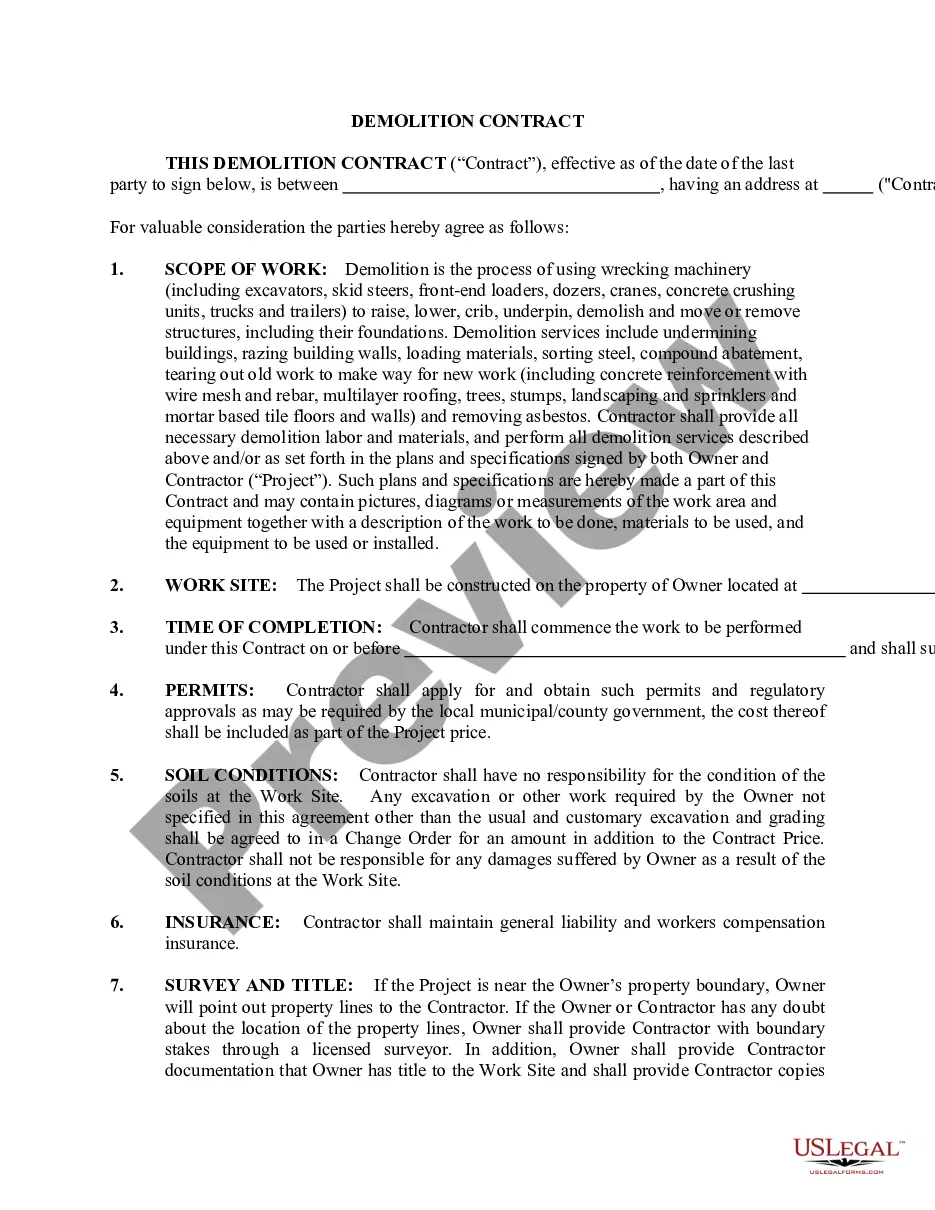
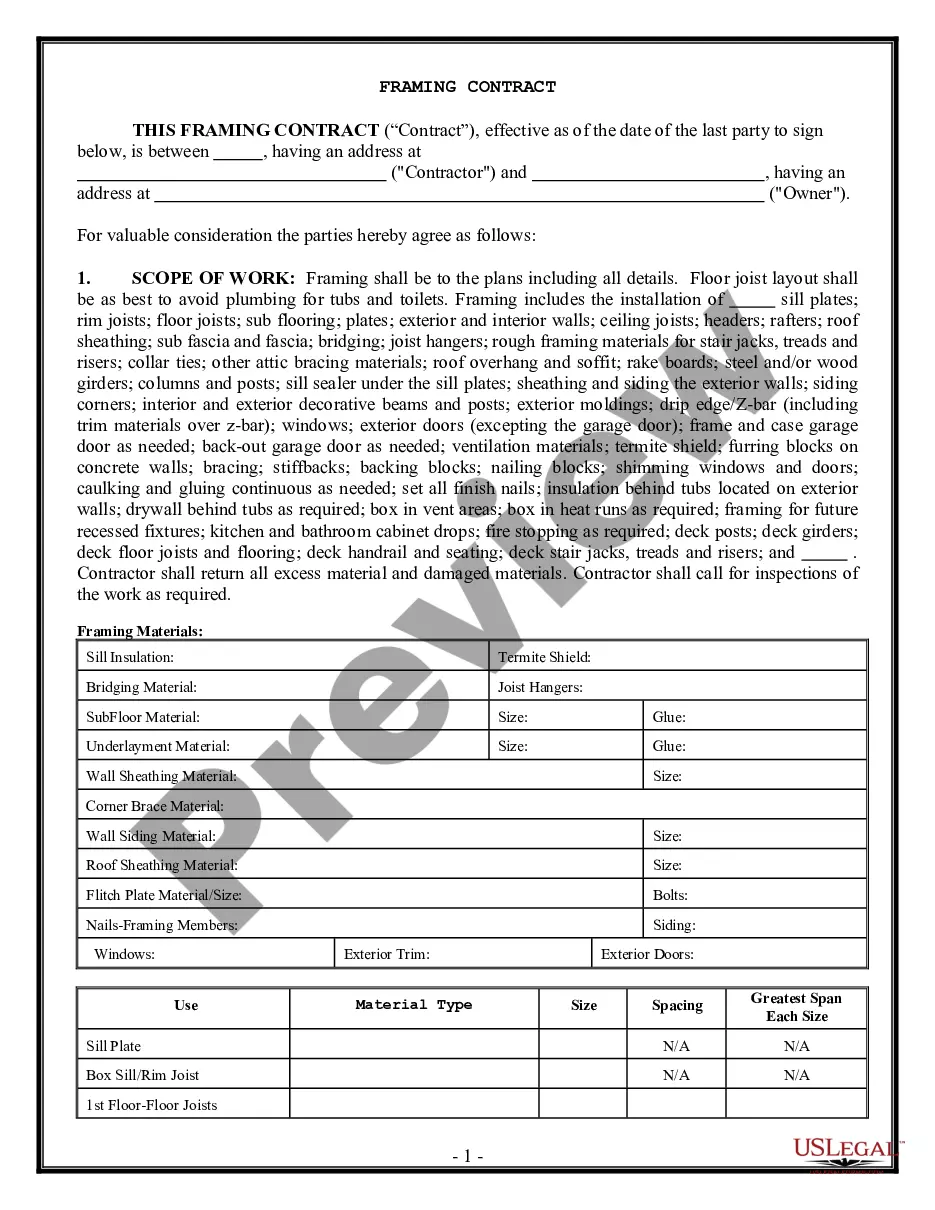
Assessing the Primary and Support Activities in the Value Chain Approach
About this form
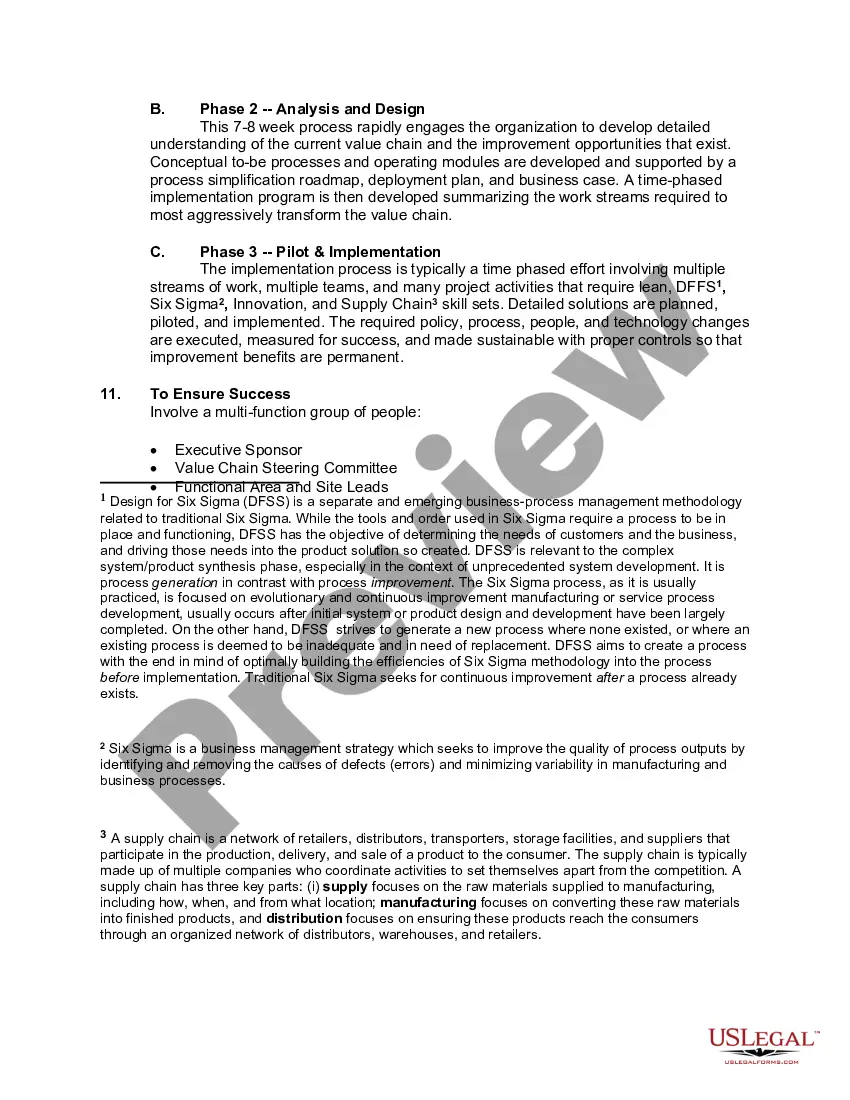
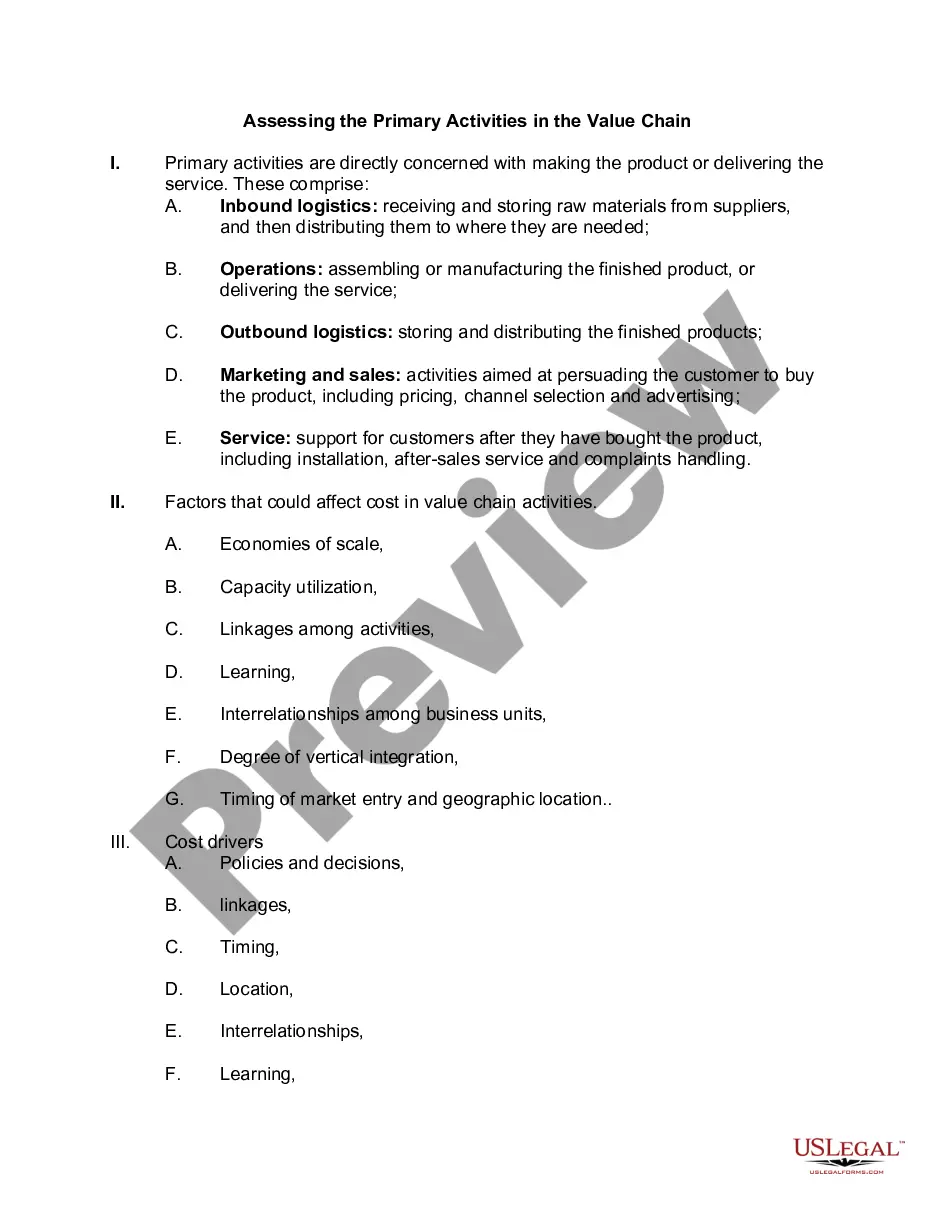
This form is designed for assessing the primary and support activities in the value chain approach. It serves to evaluate how a company's various processes contribute to creating value for its products or services. By using this comprehensive assessment form, businesses can identify their strengths and areas for improvement, enabling them to enhance operational efficiency and competitiveness. This approach is essential for businesses seeking a structured method to analyze their activities over simply following operational guidelines or checklists.
Main sections of this form
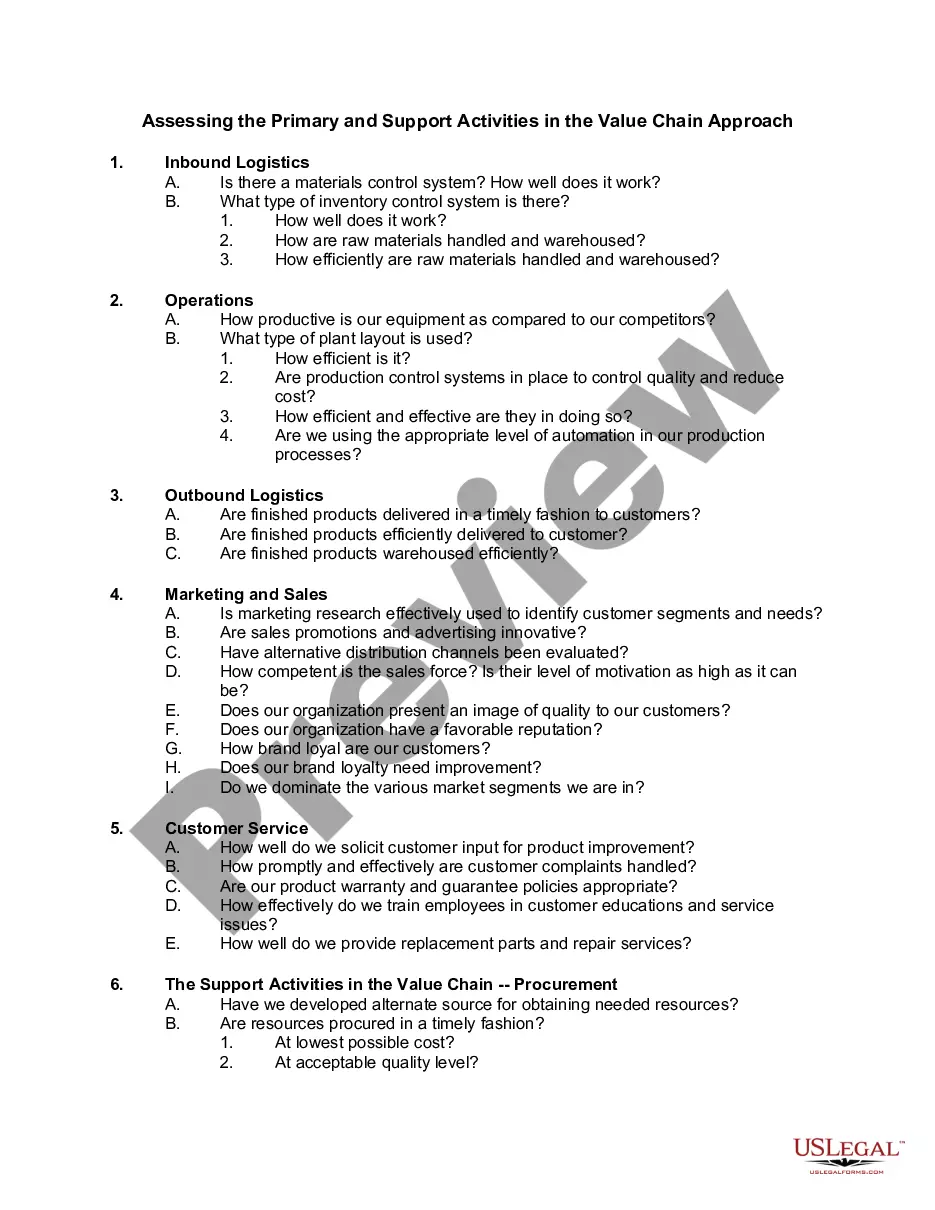
- Inbound logistics: Evaluating materials control systems and inventory management.
- Operations: Assessing equipment productivity, plant layout, and production control systems.
- Outbound logistics: Analyzing delivery efficiency and warehousing of finished products.
- Marketing and sales: Investigating marketing research, sales promotions, and customer brand loyalty.
- Customer service: Reviewing customer input solicitation and complaint handling processes.
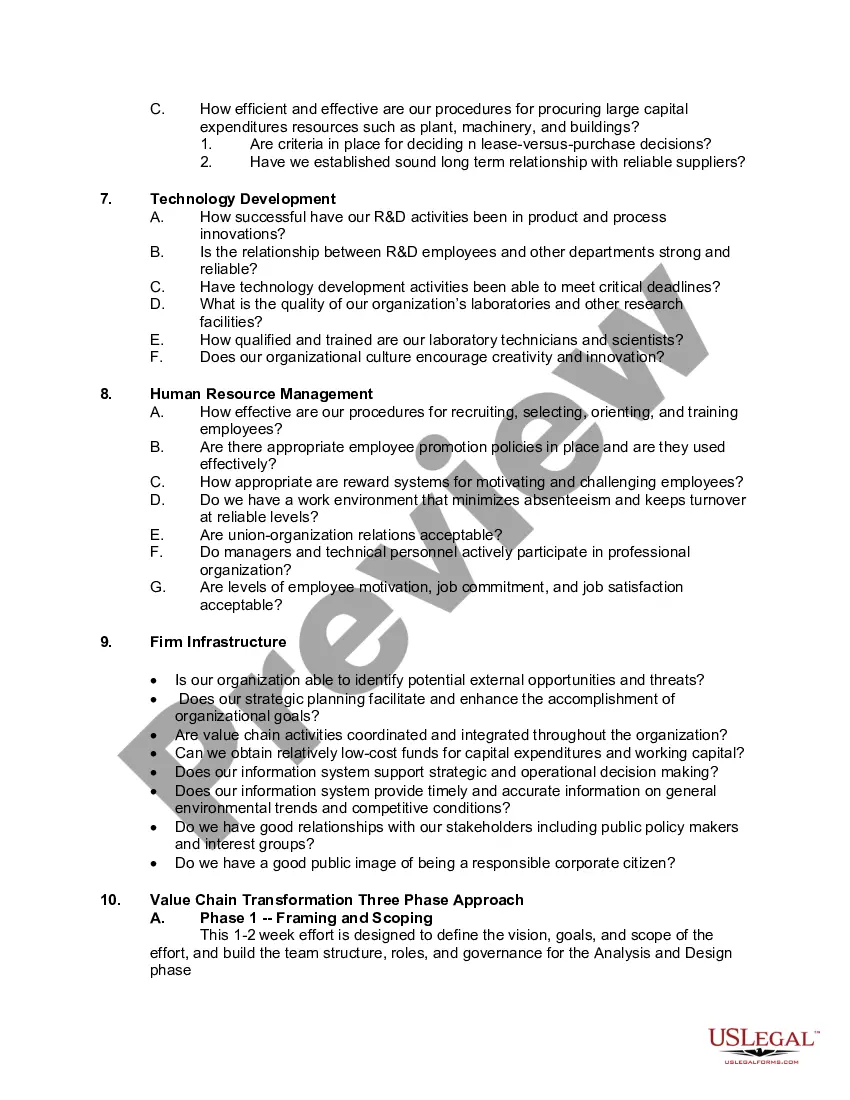
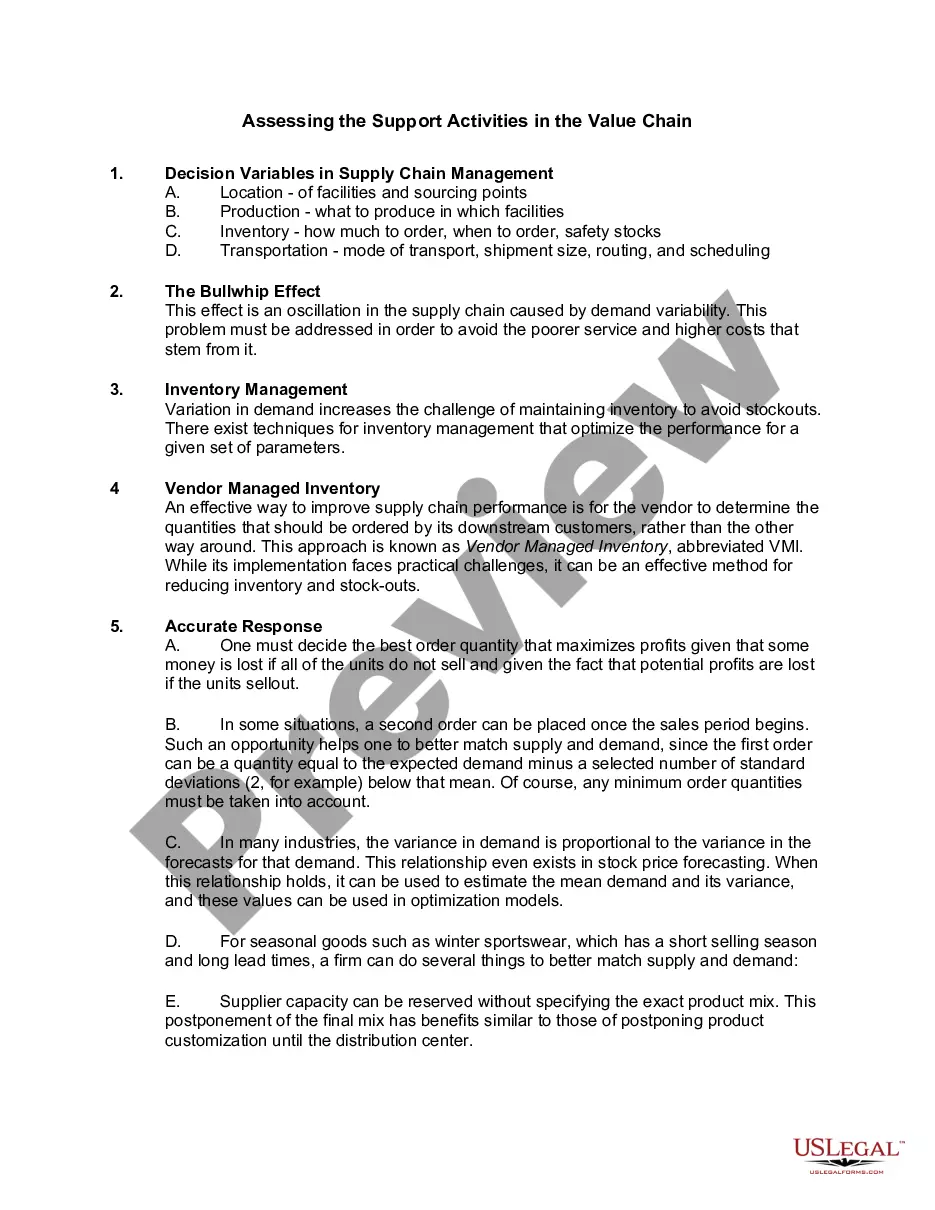
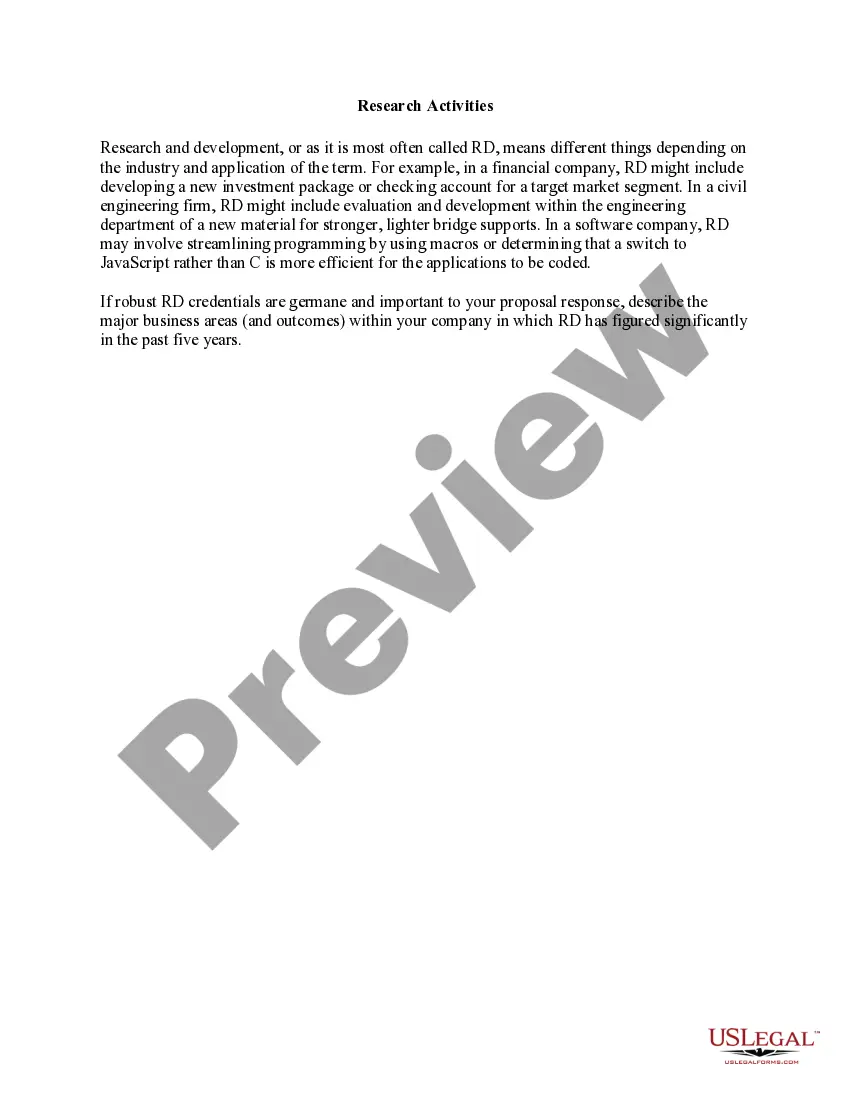
- Support activities: Covering procurement, technology development, human resource management, and firm infrastructure.
When to use this document
This form is useful during strategic planning sessions, when identifying operational inefficiencies, or at the initiation of transformation projects. Companies may utilize this assessment when conducting a thorough audit of their business operations, when entering new markets, or when aiming to adapt their processes to enhance competitive advantage. It can also be applied in performance reviews or to inform stakeholder reports.
Who this form is for
- Business managers looking to improve operational efficiency.
- Consultants conducting organizational assessments.
- Strategy teams involved in competitive analysis.
- Internal auditors performing process evaluations.
- Executive leaders planning for future growth.
Completing this form step by step
- Begin by detailing the current inbound logistics processes, including inventory and material management.
- Evaluate operational effectiveness by examining equipment productivity and the plant layout.
- Assess outbound logistics focusing on the speed and efficiency of product delivery.
- Analyze marketing and sales strategies to determine alignment with customer needs and market conditions.
- Review customer service protocols to evaluate responsiveness and service quality.
- Conclude with an assessment of support activities, including procurement efficiency and employee management practices.
Is notarization required?
Notarization is generally not required for this form. However, certain states or situations might demand it. You can complete notarization online through US Legal Forms, powered by Notarize, using a verified video call available anytime.
Get your form ready online
Our built-in tools help you complete, sign, share, and store your documents in one place.
Make edits, fill in missing information, and update formatting in US Legal Forms—just like you would in MS Word.
Download a copy, print it, send it by email, or mail it via USPS—whatever works best for your next step.
Sign and collect signatures with our SignNow integration. Send to multiple recipients, set reminders, and more. Go Premium to unlock E-Sign.
If this form requires notarization, complete it online through a secure video call—no need to meet a notary in person or wait for an appointment.
We protect your documents and personal data by following strict security and privacy standards.

Make edits, fill in missing information, and update formatting in US Legal Forms—just like you would in MS Word.

Download a copy, print it, send it by email, or mail it via USPS—whatever works best for your next step.

Sign and collect signatures with our SignNow integration. Send to multiple recipients, set reminders, and more. Go Premium to unlock E-Sign.

If this form requires notarization, complete it online through a secure video call—no need to meet a notary in person or wait for an appointment.

We protect your documents and personal data by following strict security and privacy standards.
Mistakes to watch out for
- Neglecting to involve all relevant departments in the assessment process.
- Failing to keep the assessment up-to-date with current operational changes.
- Overlooking employee input during reviews of customer service and operational processes.
- Not prioritizing areas of the value chain that require immediate attention.
Benefits of completing this form online
- Convenient access to the assessment form anytime, anywhere.
- Editable fields allow for real-time updates and modifications.
- Automatically saves progress, ensuring nothing is lost.
- Streamlined collaboration among team members for coordinated assessments.
Legal use & context
- This assessment is legally recognized as a valuable tool in business management and operational strategy.
- It can aid in justifying deviation from the status quo in decision-making processes.
- Utilizing a structured assessment helps ensure compliance with industry standards and practices.
Main things to remember
- The value chain approach is essential for understanding a company's operational effectiveness.
- This form helps systematically improve processes across various business activities.
- Involvement from different departments enhances the assessment's accuracy and utility.
- Regular use can sustain competitive advantage by adapting to market demands and operational capabilities.
Looking for another form?
Form popularity
FAQ
The primary activities of Michael Porter's value chain are inbound logistics, operations, outbound logistics, marketing and sales, and service. The goal of the five sets of activities is to create value that exceeds the cost of conducting that activity, therefore generating a higher profit.
The value chain categorizes the generic value-adding activities of an organization. The "primary activities" include: inbound logistics, operations (production), outbound logistics, marketing and sales, and services (maintenance).
The activities associated with this part of the value chain are providing service to enhance or maintain the value of the product after it has been sold and delivered. Examples: installation, repair, training, parts supply and product adjustment.
Porter's value chain involves five primary activities: inbound logistics, operations, outbound logistics, marketing and sales, and service. Support activities are illustrated in a vertical column over all of the primary activities. These are procurement, human resources, technology development, and firm infrastructure.
The primary activities of Michael Porter's value chain are inbound logistics, operations, outbound logistics, marketing and sales, and service. The goal of the five sets of activities is to create value that exceeds the cost of conducting that activity, therefore generating a higher profit.
The support activities can therefore be divided into procurement, technology development (R&D), human resource management and firm infrastructure.
Porter's value chain involves five primary activities: inbound logistics, operations, outbound logistics, marketing and sales, and service. Support activities are illustrated in a vertical column over all of the primary activities. These are procurement, human resources, technology development, and firm infrastructure.
Step 1: Identify all value chain activities. Step 2: Calculate each value chain activity's cost. Step 3: Look at what your customers perceive as value. Step 4: Look at your competitors' value chains. Step 5: Decide on a competitive advantage.
The primary activities of the value chain include inbound logistics, operation outbound logistics, marketing and sales, and service. Secondary activities or the support activities include firm infrastructure, human resources management, and procurement.