Assessing the Support Activities in the Value Chain
Overview of this form
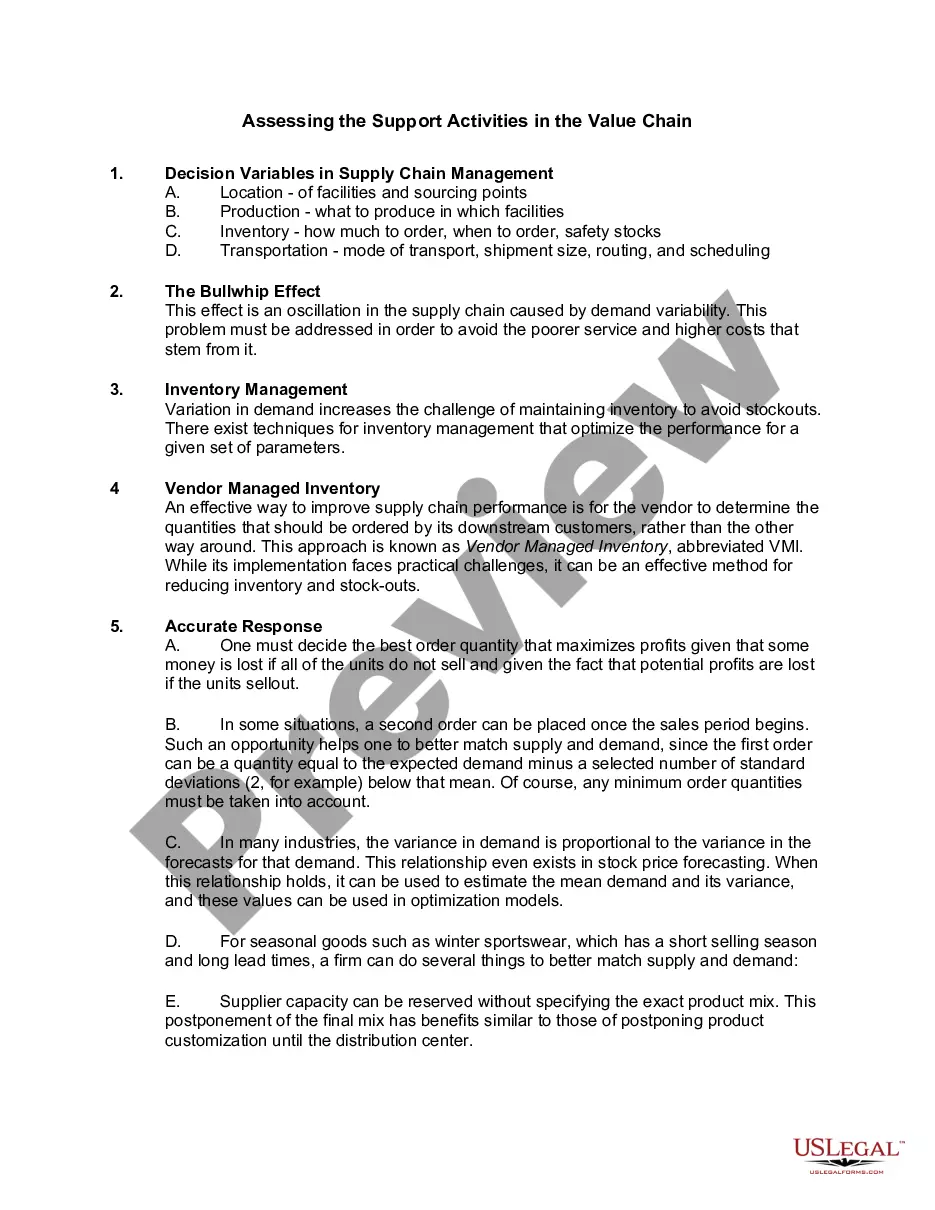
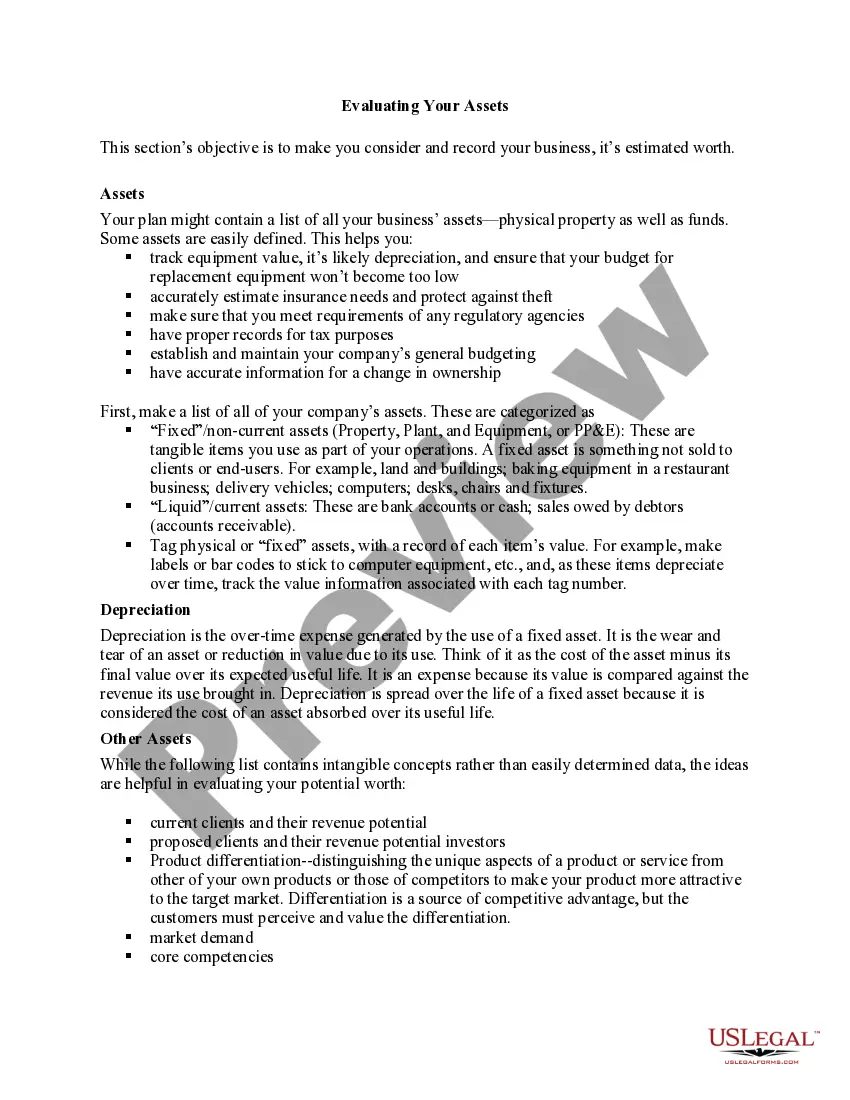
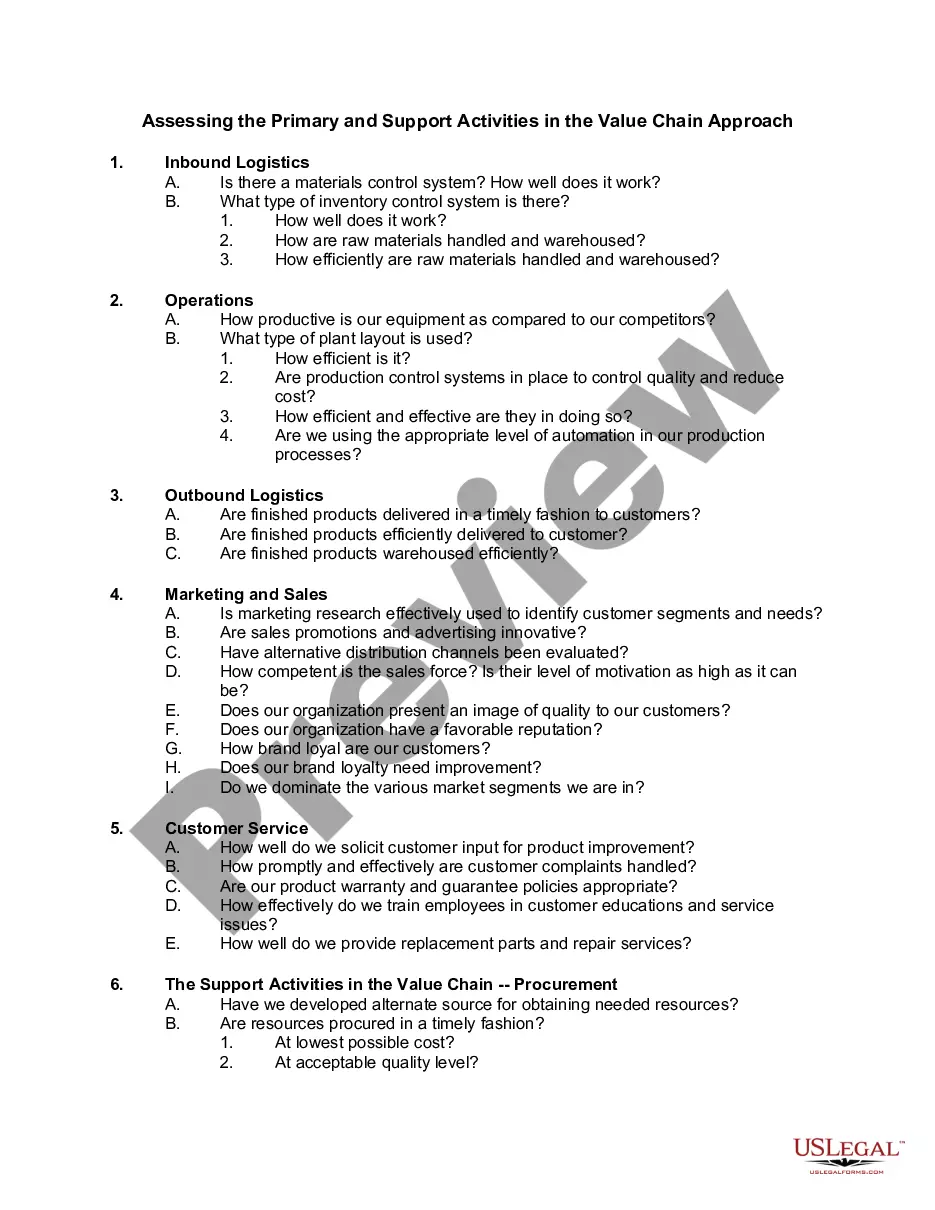
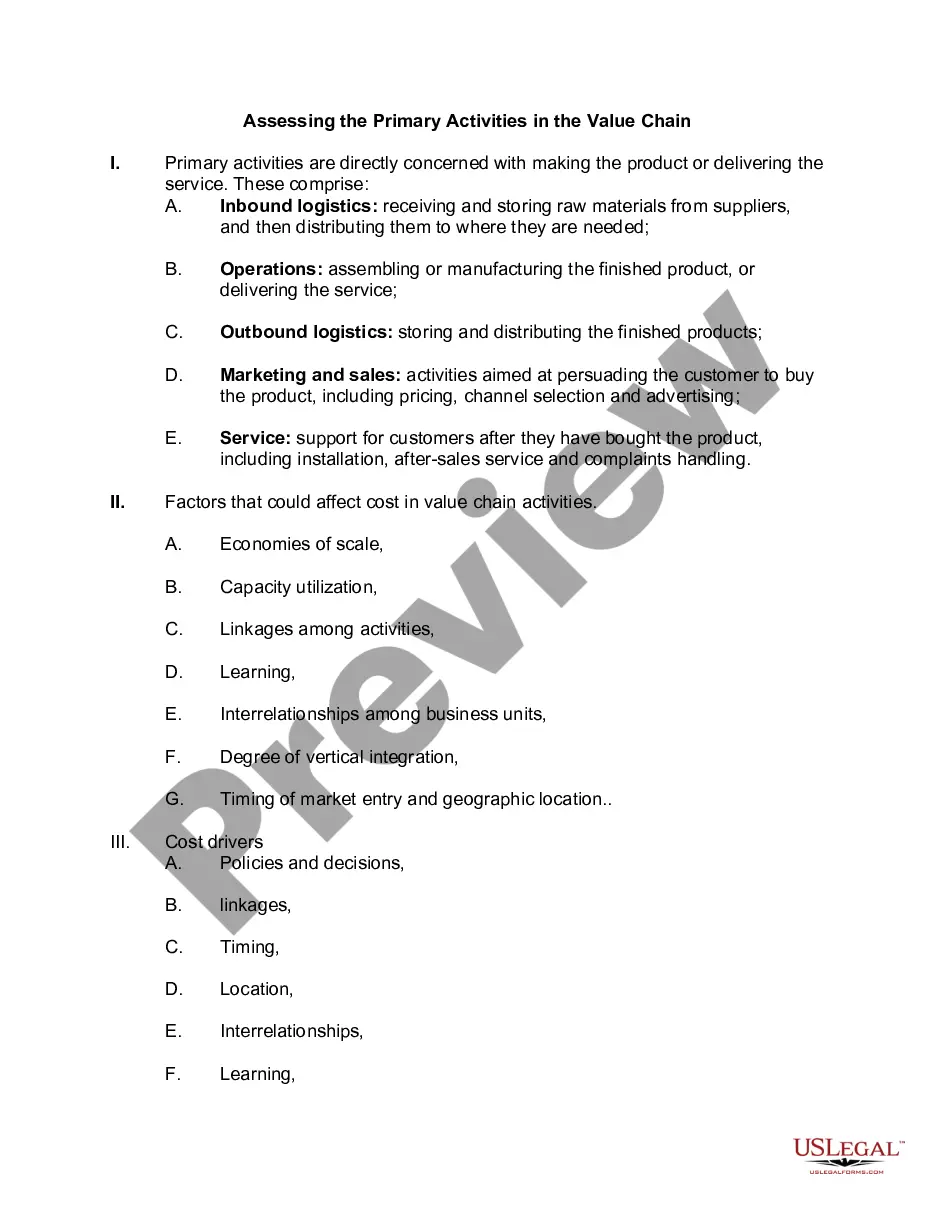
The "Assessing the Support Activities in the Value Chain" form helps businesses analyze their internal processes that contribute to product value creation. This form guides users in identifying key decision variables, managing supply chain challenges, and optimizing performance across activities. Unlike other business forms, this one is specifically focused on the value chain analytical framework, making it ideal for management evaluations in various industries.
What’s included in this form
- Decision variables in supply chain management, including location, production, inventory, and transportation.
- Addressing the bullwhip effect to enhance supply chain responsiveness.
- Essential techniques for effective inventory management.
- Vendor managed inventory (VMI) as a strategy for reducing stock-outs.
- Accurate response mechanisms for optimizing order quantities and sales forecasting.
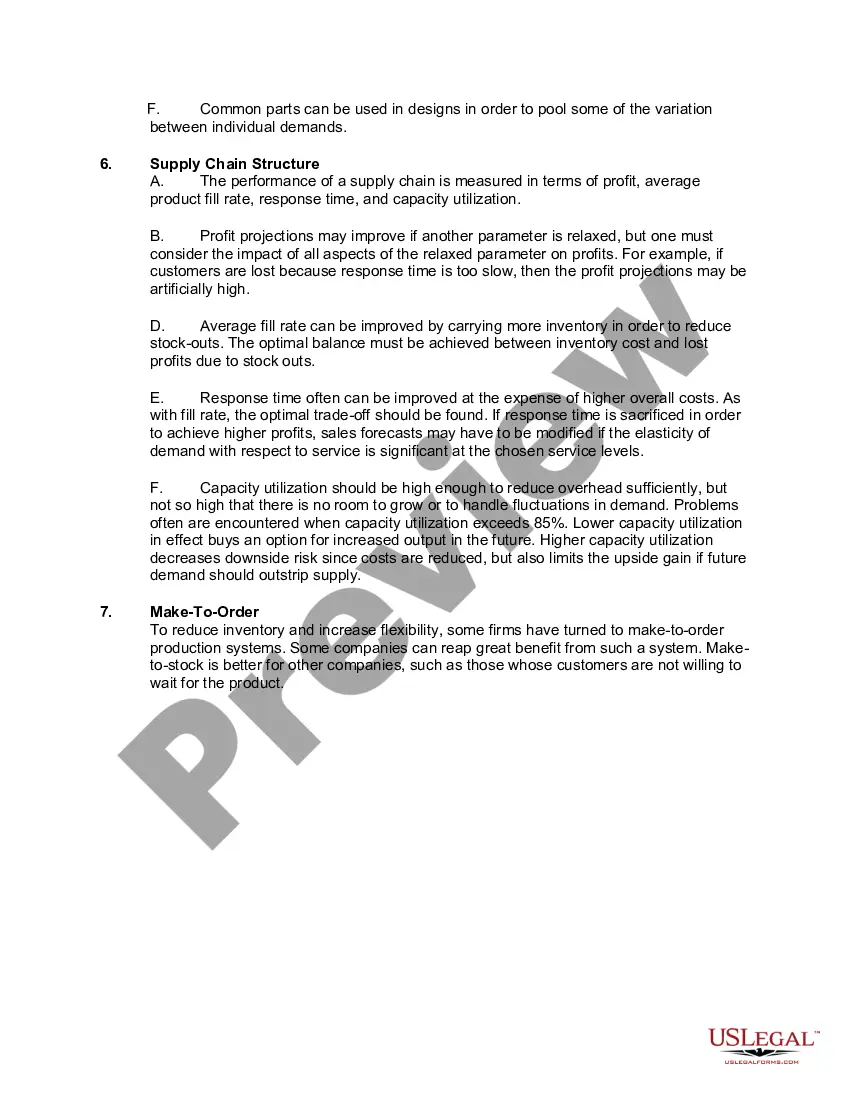
- Supply chain structure and its impact on performance metrics such as profit and response time.
- Considerations for make-to-order versus make-to-stock production systems.
Situations where this form applies
This form is useful during the strategic planning phase when a business aims to refine its operations. It can be used when addressing supply chain inefficiencies, determining optimal inventory levels, or assessing vendor relationships. Additionally, companies introducing new products or services may use this form to ensure that their value chain activities align with customer demand and market conditions.
Who needs this form
This form is intended for:
- Business managers seeking to improve internal processes.
- Supply chain professionals aiming to optimize resource allocation.
- Consultants advising clients on operational efficiencies.
- Students and educators studying business management concepts.
How to prepare this document
- Begin by identifying the primary decision variables relevant to your supply chain, such as facility locations and sourcing points.
- Examine any existing inventory management practices and adjust them based on demand variability findings.
- Assess the impact of the bullwhip effect on your supply chain and implement strategies to mitigate its effects.
- Utilize vendor managed inventory approaches to enhance inventory turnover and minimize stock-outs.
- Evaluate your supply chain structure for performance metrics and adjust operations accordingly.
Is notarization required?
Notarization is not commonly needed for this form. However, certain documents or local rules may make it necessary. Our notarization service, powered by Notarize, allows you to finalize it securely online anytime, day or night.
Get your form ready online
Our built-in tools help you complete, sign, share, and store your documents in one place.
Make edits, fill in missing information, and update formatting in US Legal Forms—just like you would in MS Word.
Download a copy, print it, send it by email, or mail it via USPS—whatever works best for your next step.
Sign and collect signatures with our SignNow integration. Send to multiple recipients, set reminders, and more. Go Premium to unlock E-Sign.
If this form requires notarization, complete it online through a secure video call—no need to meet a notary in person or wait for an appointment.
We protect your documents and personal data by following strict security and privacy standards.

Make edits, fill in missing information, and update formatting in US Legal Forms—just like you would in MS Word.

Download a copy, print it, send it by email, or mail it via USPS—whatever works best for your next step.

Sign and collect signatures with our SignNow integration. Send to multiple recipients, set reminders, and more. Go Premium to unlock E-Sign.

If this form requires notarization, complete it online through a secure video call—no need to meet a notary in person or wait for an appointment.

We protect your documents and personal data by following strict security and privacy standards.
Typical mistakes to avoid
- Overlooking the impacts of the bullwhip effect, which can lead to poor inventory decisions.
- Failing to accurately forecast demand, resulting in stock-outs or excess inventory.
- Neglecting to assess vendor performance before applying vendor managed inventory strategies.
- Ignoring the need for regular review of decision variables as market conditions change.
Benefits of using this form online
- Convenience of access from anywhere, making it easy to gather necessary data.
- Editable format allows for customization based on specific business needs.
- Secure storage and easy retrieval of records for future reference.
- Time-efficient completion compared to traditional methods.
Legal use & context
- This form provides a structured approach for businesses to assess their internal activities.
- Form usage may be subject to specific legal standards or regulations depending on the industry.
- It is important to ensure alignment with local laws on supply chain practices when using this form.
What to keep in mind
Key takeaways:
- Using the Assessing the Support Activities in the Value Chain form can significantly improve supply chain efficiency.
- The form helps in identifying critical operational processes and decision-making factors.
- Regular assessment of the value chain enhances a business's ability to adapt to market changes.
Looking for another form?

Form popularity
FAQ
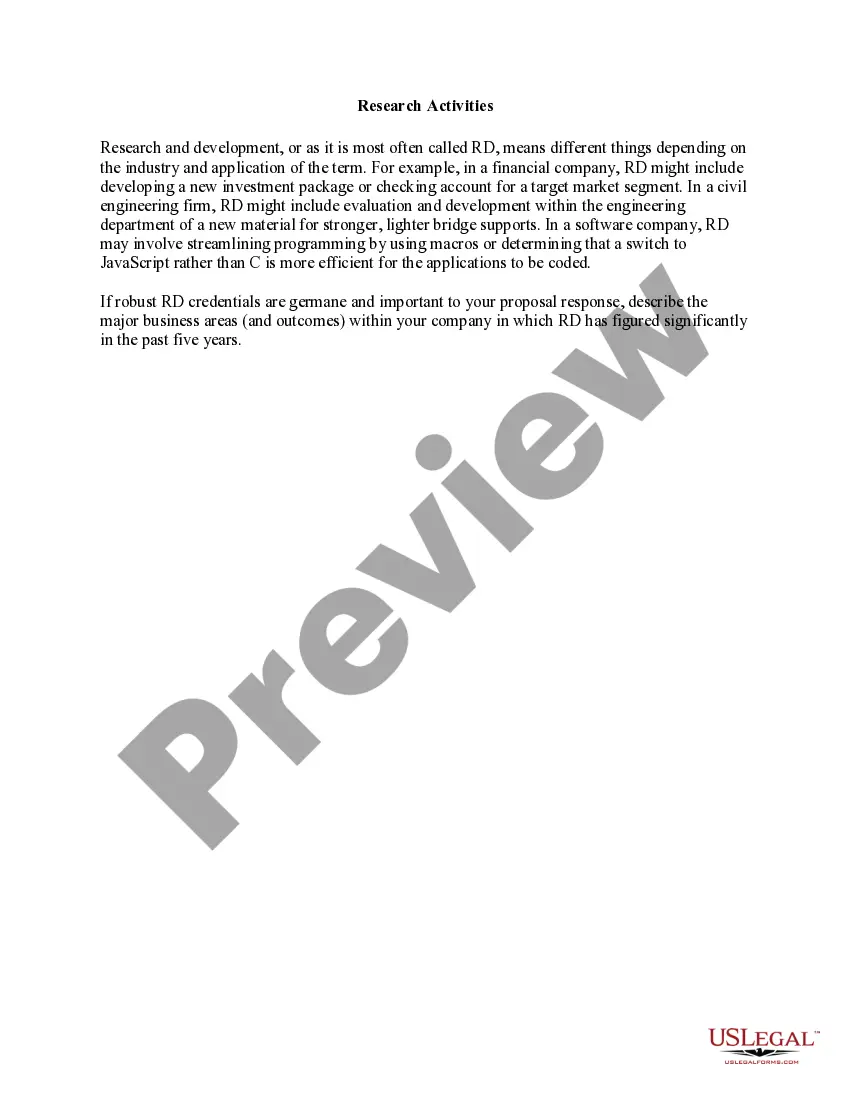
The support activities can therefore be divided into procurement, technology development (R&D), human resource management and firm infrastructure.
Step 1: Identify all value chain activities. Step 2: Calculate each value chain activity's cost. Step 3: Look at what your customers perceive as value. Step 4: Look at your competitors' value chains. Step 5: Decide on a competitive advantage.
Porter's value chain involves five primary activities: inbound logistics, operations, outbound logistics, marketing and sales, and service. Support activities are illustrated in a vertical column over all of the primary activities. These are procurement, human resources, technology development, and firm infrastructure.
Porter's value chain involves five primary activities: inbound logistics, operations, outbound logistics, marketing and sales, and service. Support activities are illustrated in a vertical column over all of the primary activities. These are procurement, human resources, technology development, and firm infrastructure.
Step 1: Identify all value chain activities. Step 2: Calculate each value chain activity's cost. Step 3: Look at what your customers perceive as value. Step 4: Look at your competitors' value chains. Step 5: Decide on a competitive advantage.
Value Chain Analysis is a three-step process: Activity Analysis: First, you identify the activities you undertake to deliver your product or service. Value Analysis: Second, for each activity, you think through what you would do to add the greatest value for your customer.
The primary activities of the value chain include inbound logistics, operation outbound logistics, marketing and sales, and service. Secondary activities or the support activities include firm infrastructure, human resources management, and procurement.
Value chain analysis is based on the principle that organisations exist to create value for their customers.The organisation can more effectively evaluate its internal capabilities by identifying and examining each of these activities. Each value adding activity is considered to be a source of competitive advantage.
Supporting activities are those actions taken by a nonprofit organization other than program services. Supporting activities typically include fundraising activities, management and general activities, and membership development activities.