Arkansas Grant Deed - Individual to Individual
What this document covers
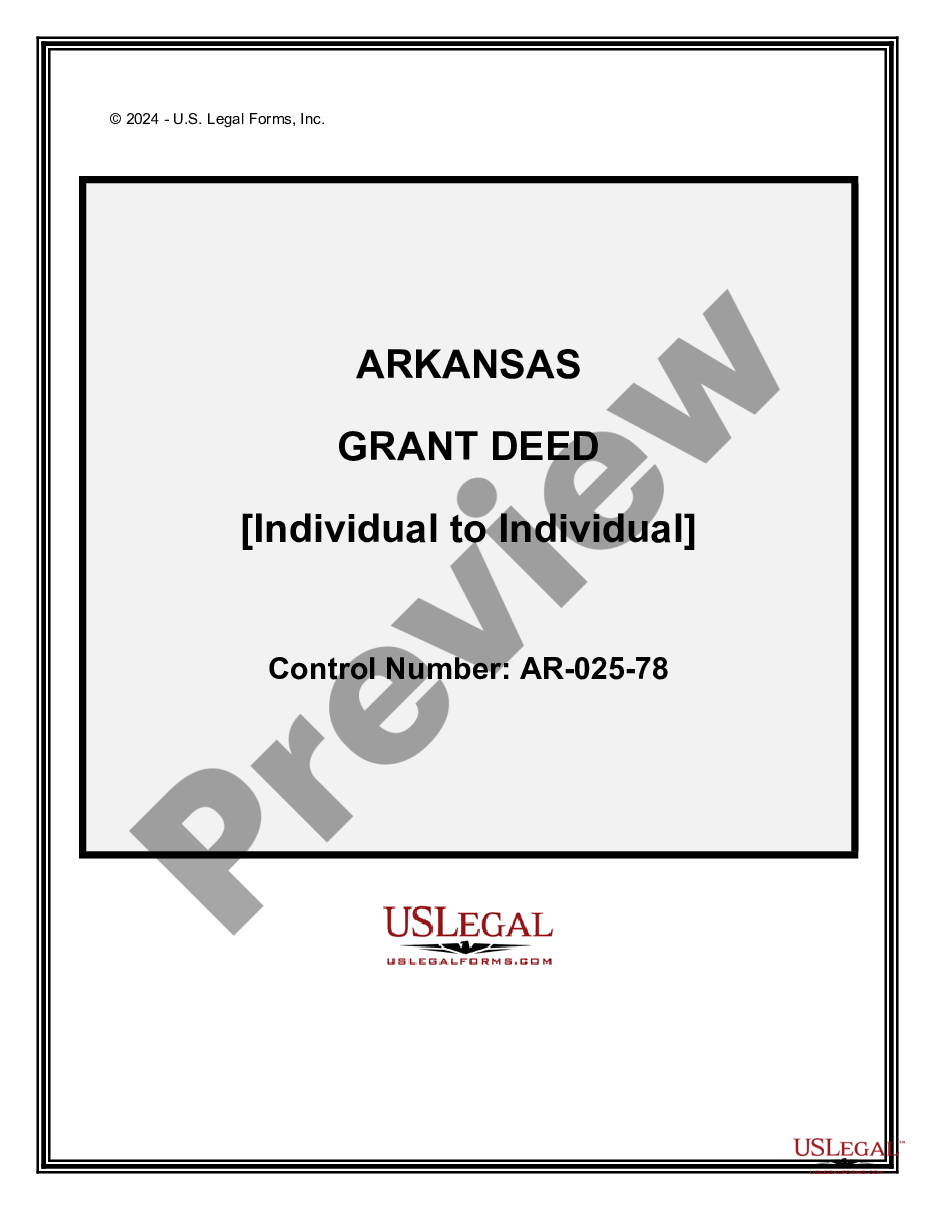
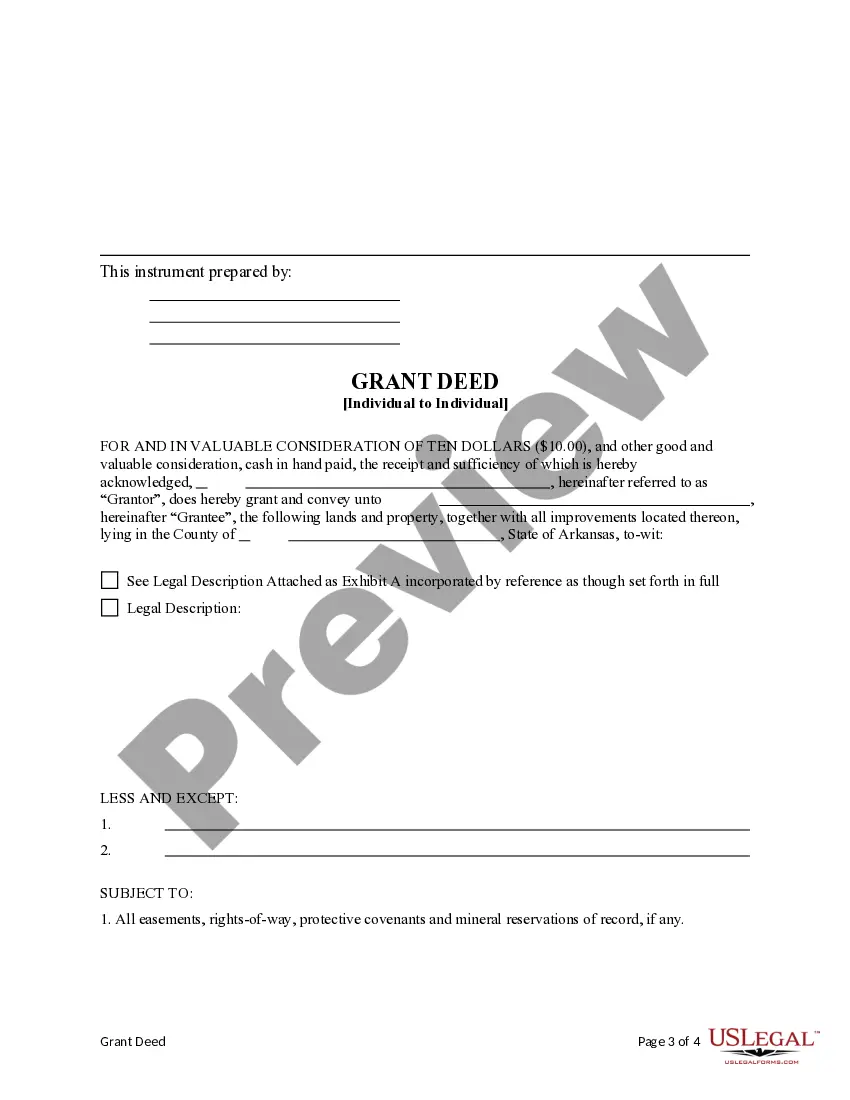
A Grant Deed is a legal document used to transfer property ownership from one individual (the Grantor) to another individual (the Grantee). This form outlines the specific property being conveyed and is legally binding upon completion. Unlike other deed types, a Grant Deed typically includes certain warranties, providing assurance that the Grantor holds clear title to the property and has the right to convey it. This ensures that the Grantee receives protection against any future claims on the property.
Key components of this form
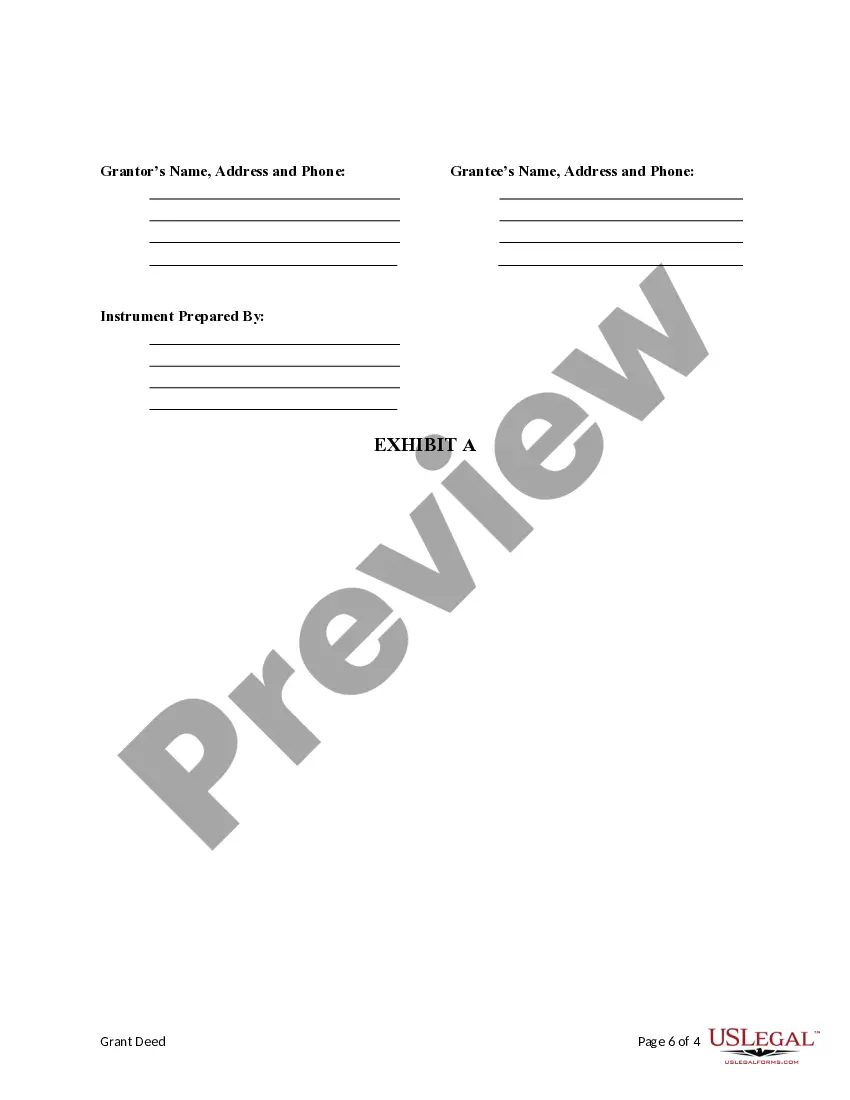
- Identification of the Grantor and Grantee, including full legal names.
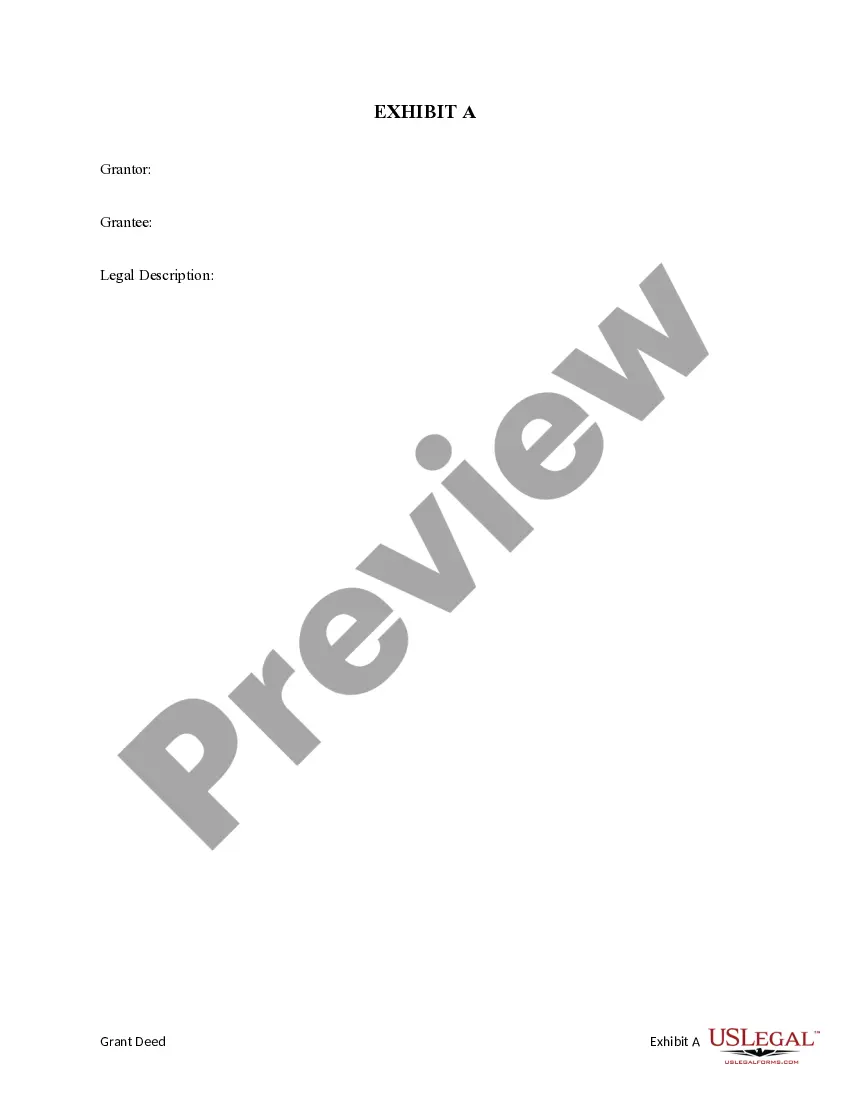
- Description of the property being transferred, usually including a legal address or lot number.
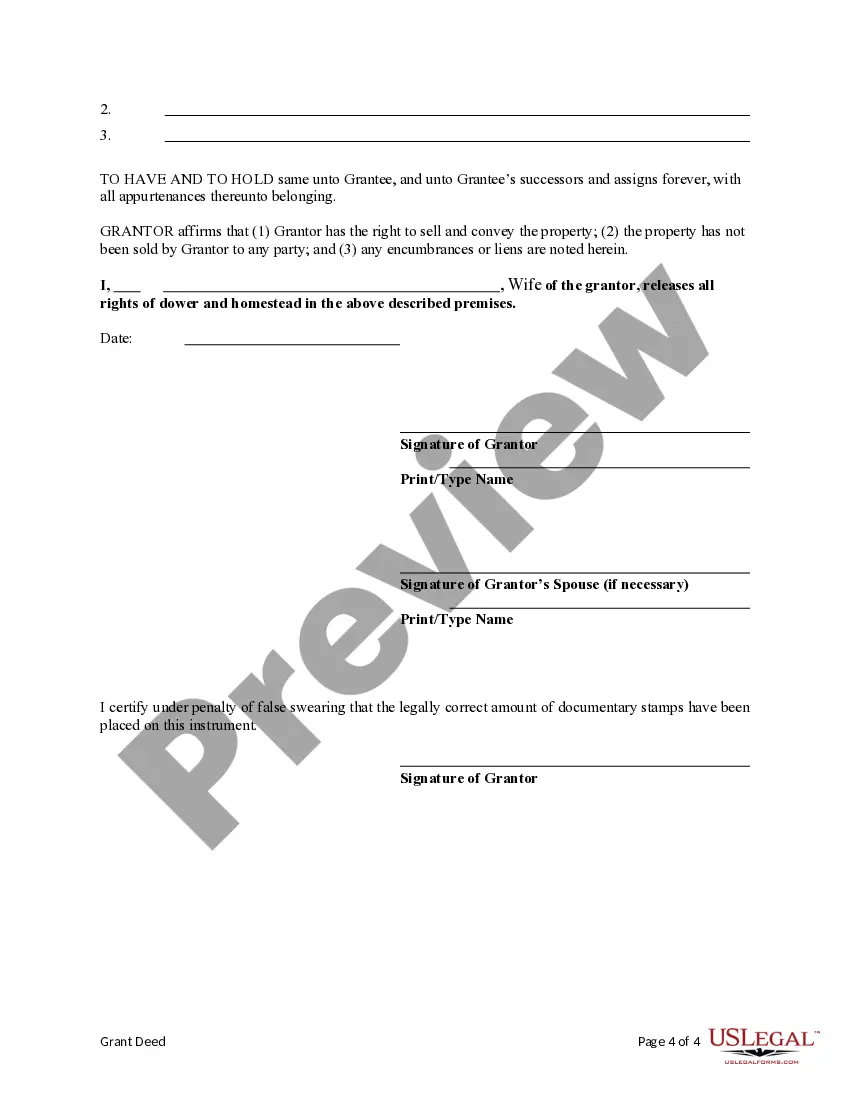
- Warranties provided by the Grantor, affirming legal ownership and absence of encumbrances.
- Space for signatures and dates to formalize the transfer.
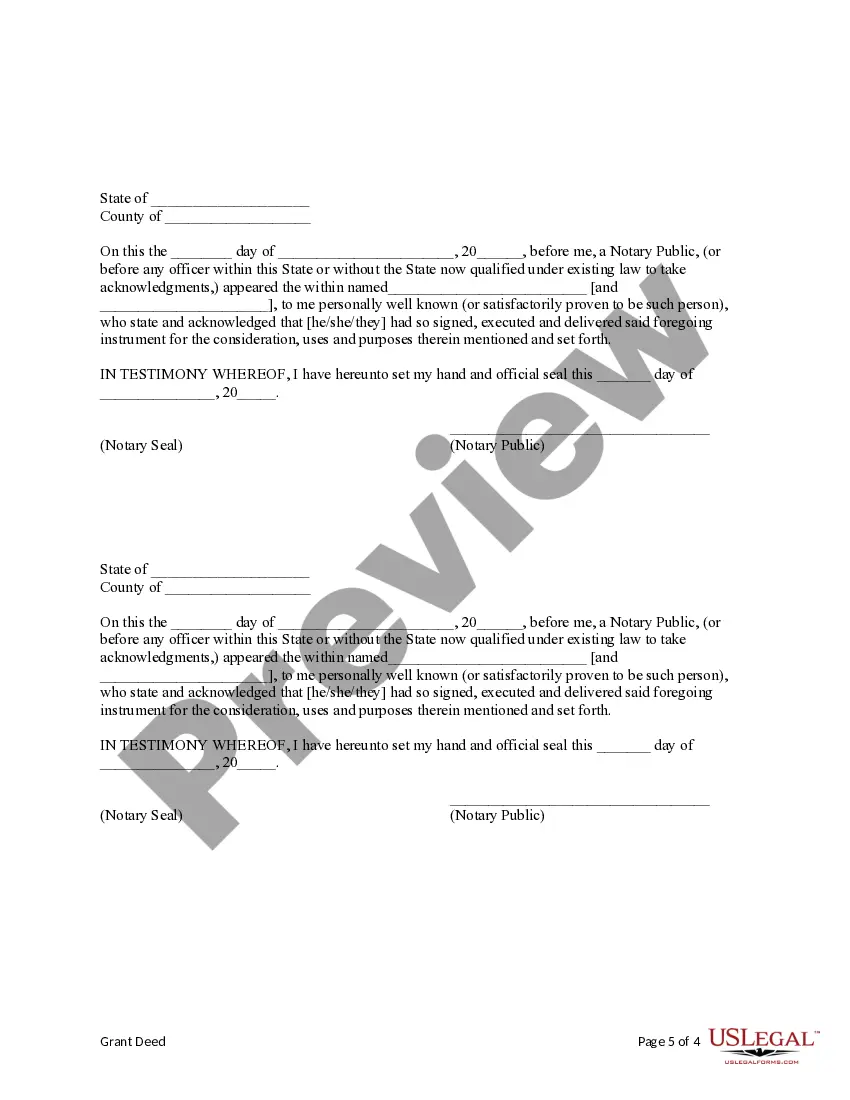
- Notarization section, if required by state law.





When this form is needed
This Grant Deed should be used when an individual wishes to transfer real estate to another individual without involving any third party. Common scenarios include transferring property between family members, friends, or business partners, as well as during the sale of property where both the buyer and seller are individuals. It is important to ensure that a Grant Deed is used in accordance with state laws governing property transactions.
Who can use this document
- Individuals transferring ownership of real estate to another individual.
- Property owners seeking to formalize a gift of real estate.
- Buyers and sellers engaged in private property transactions.
- Individuals involved in estate planning and property transfers between relatives.
How to complete this form
- Identify the parties by entering the full names of the Grantor and Grantee.
- Provide a complete and accurate description of the property being transferred.
- Fill in the date of the transaction.
- Review and ensure the Grantor signs the deed; include the date of signing.
- If required, arrange for notarization to validate the document.
Does this form need to be notarized?
This document requires notarization to meet legal standards. US Legal Forms provides secure online notarization powered by Notarize, allowing you to complete the process through a verified video call, available 24/7.
Get your form ready online
Our built-in tools help you complete, sign, share, and store your documents in one place.
Make edits, fill in missing information, and update formatting in US Legal Forms—just like you would in MS Word.
Download a copy, print it, send it by email, or mail it via USPS—whatever works best for your next step.
Sign and collect signatures with our SignNow integration. Send to multiple recipients, set reminders, and more. Go Premium to unlock E-Sign.
If this form requires notarization, complete it online through a secure video call—no need to meet a notary in person or wait for an appointment.
We protect your documents and personal data by following strict security and privacy standards.

Make edits, fill in missing information, and update formatting in US Legal Forms—just like you would in MS Word.

Download a copy, print it, send it by email, or mail it via USPS—whatever works best for your next step.

Sign and collect signatures with our SignNow integration. Send to multiple recipients, set reminders, and more. Go Premium to unlock E-Sign.

If this form requires notarization, complete it online through a secure video call—no need to meet a notary in person or wait for an appointment.

We protect your documents and personal data by following strict security and privacy standards.
Typical mistakes to avoid
- Failing to provide a complete property description, which can lead to confusion about what is being transferred.
- Not obtaining the necessary signatures from both parties.
- Neglecting to have the deed notarized when required, which can invalidate the document.
- Forgetting to update property records after the deed is executed.
Benefits of completing this form online
- Convenient access to fill out the Grant Deed at any time from anywhere.
- Edit and save the document before finalizing, reducing the chances of errors.
- Easy download options in popular formats such as PDF or Word.
- Comprehensive instructions provided to guide users in completing the form correctly.
Looking for another form?

Form popularity
FAQ
To obtain the deed to your property in Arkansas, you can approach the county recorder's office where the property is located. You may need to provide identification and property details, such as the address. If you're looking for a specific Arkansas Grant Deed - Individual to Individual, online legal form services can offer assistance in generating the necessary documents.
To file a beneficiary deed in Arkansas, start by completing the Arkansas Grant Deed - Individual to Individual form. After filling it out, you must submit it to the county clerk's office where your property is located. Ensuring accuracy will help avoid potential issues in the future.
Adding someone to a house deed is a straightforward process when using an Arkansas Grant Deed - Individual to Individual. The primary task is completing the deed form and filing it with the local records office. Supported by proper guidance, you can navigate the steps easily.
Preparing a deed can be considered practicing law, especially if you provide legal advice. If you choose to use an Arkansas Grant Deed - Individual to Individual, utilizing a template from a legal form provider reduces your risk of inadvertently practicing law. This approach allows you to complete the document correctly without legal expertise.
When you add someone’s name to an Arkansas Grant Deed - Individual to Individual, that person gains ownership rights to the property. This change allows them to participate in decisions about the property, including selling or refinancing. It is essential to understand this impact before making any changes.
Anyone who owns property can create an Arkansas Grant Deed - Individual to Individual. This includes individuals looking to transfer ownership to another person. Remember, the deed must meet specific legal requirements to be valid.
While it is common to consult an attorney when dealing with an Arkansas Grant Deed - Individual to Individual, it is not strictly necessary. You can prepare a deed on your own if you understand the legal requirements. However, using a legal form provider can simplify the process and ensure accuracy.
The best way to transfer property title between family members is by using a legal document like an Arkansas Grant Deed - Individual to Individual. This deed ensures a clear transfer while providing necessary protections against future claims. Utilizing the US Legal Forms platform can simplify this process, guiding you through the necessary steps to ensure a secure property transfer.
Yes, a quitclaim deed is legal in Arkansas and can be used for property transfers. However, unlike an Arkansas Grant Deed - Individual to Individual, a quitclaim deed does not guarantee that the grantor holds any interest in the property being transferred. It is often more suitable for transfers between family members or in situations where the owners trust each other.
The key distinction between a grant deed and a quitclaim deed lies in warranties. A grant deed guarantees that the grantor holds clear title and has the right to convey it. In contrast, a quitclaim deed transfers whatever interest the grantor might have, without any guarantee. For a more dependable transfer, consider using an Arkansas Grant Deed - Individual to Individual.