Alabama Covenants to Run with the Land
What is this form?
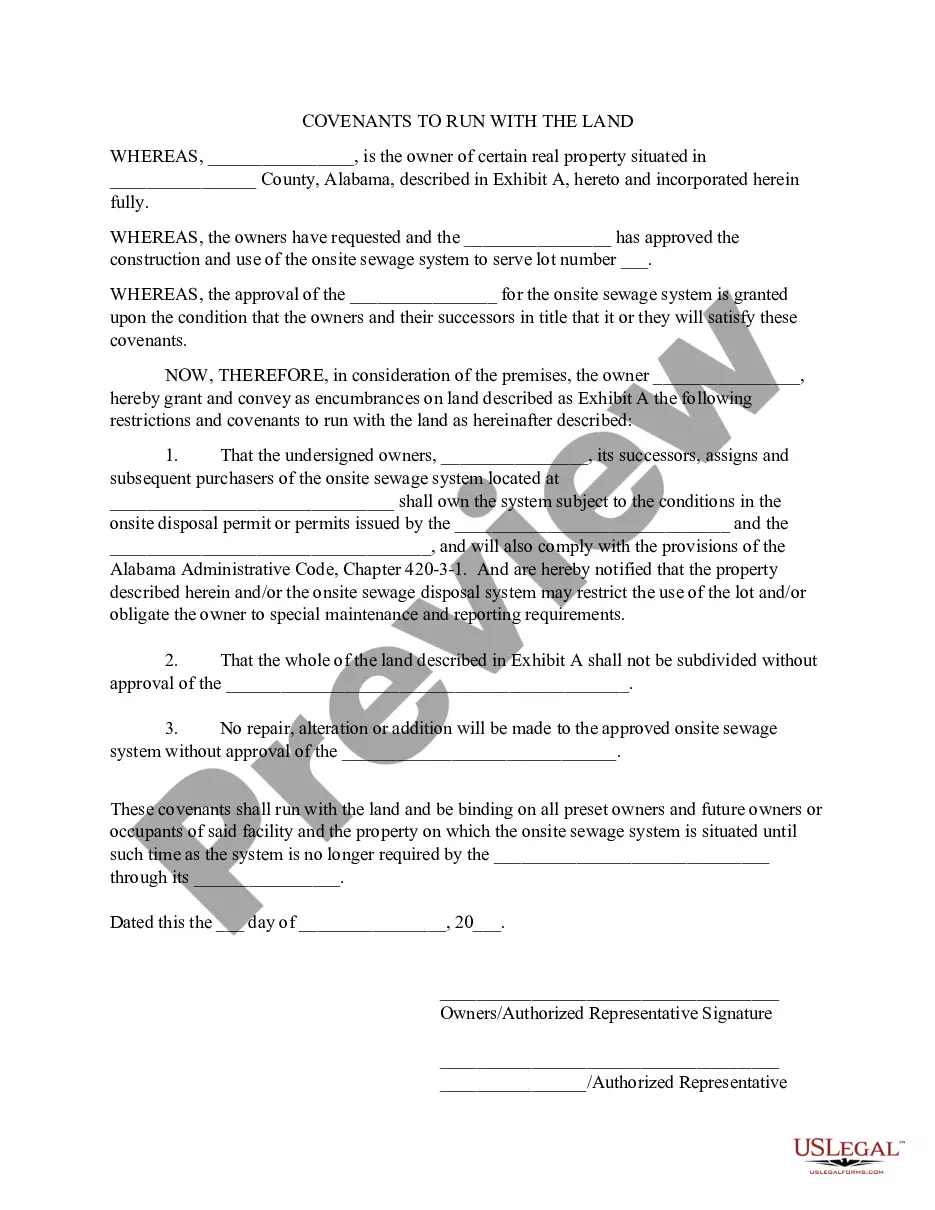
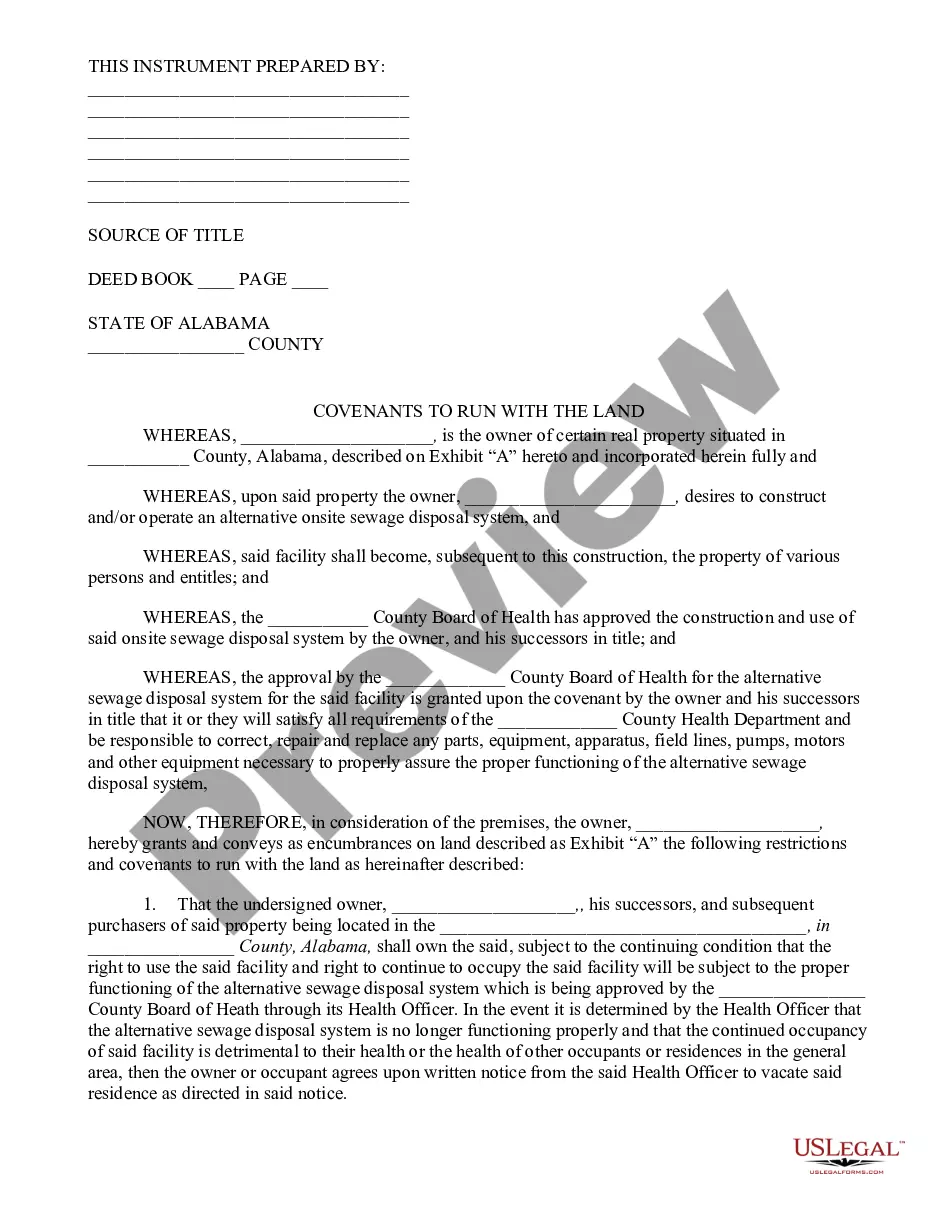
The Covenants to Run with the Land form is a legal agreement outlining the conditions for constructing and using an onsite sewage system on a specific property. This form is essential for ensuring compliance with local regulations and establishes binding obligations for future property owners regarding the maintenance and restrictions associated with the sewage system. Unlike general property agreements, this form explicitly addresses the operation of such sewage systems in compliance with state requirements.
Main sections of this form
- Identification of property owner and location details.
- Approval details for the onsite sewage system from relevant authorities.
- Covenants that run with the land binding current and future owners.
- Conditions for repairs, alterations, and system maintenance.
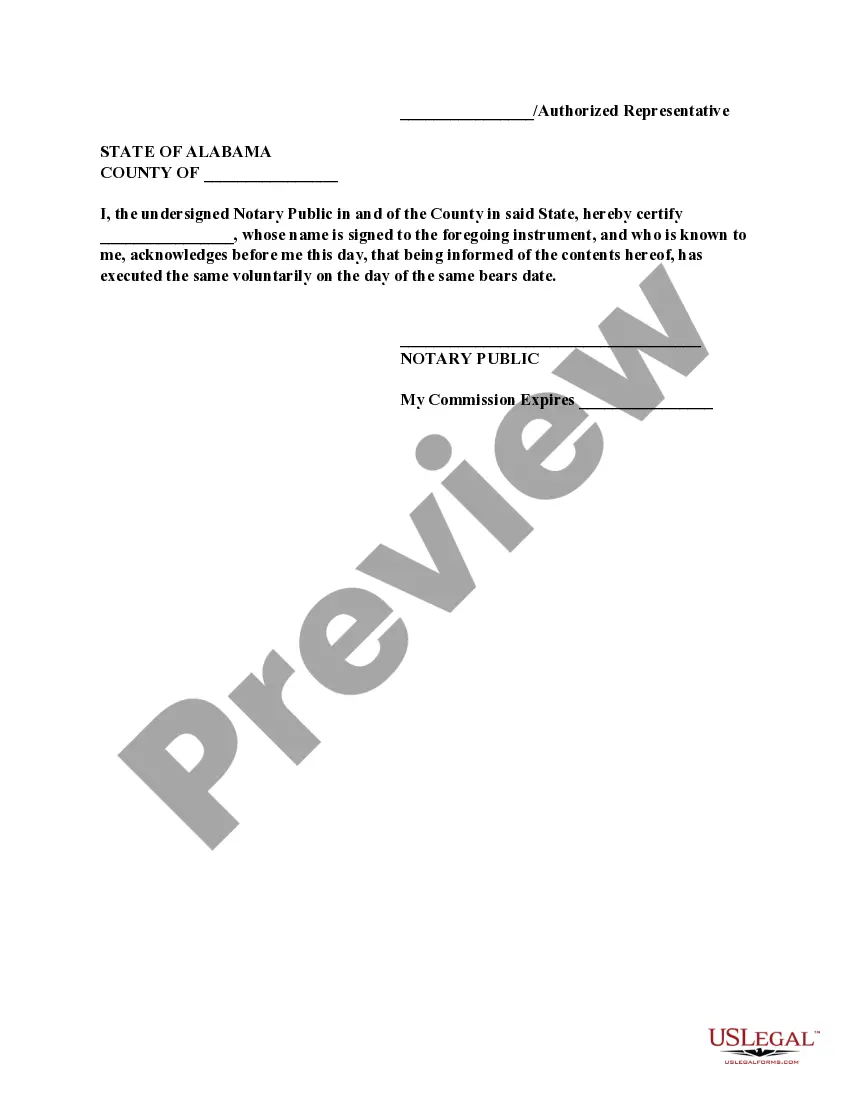
- Notary public section to certify signatures.
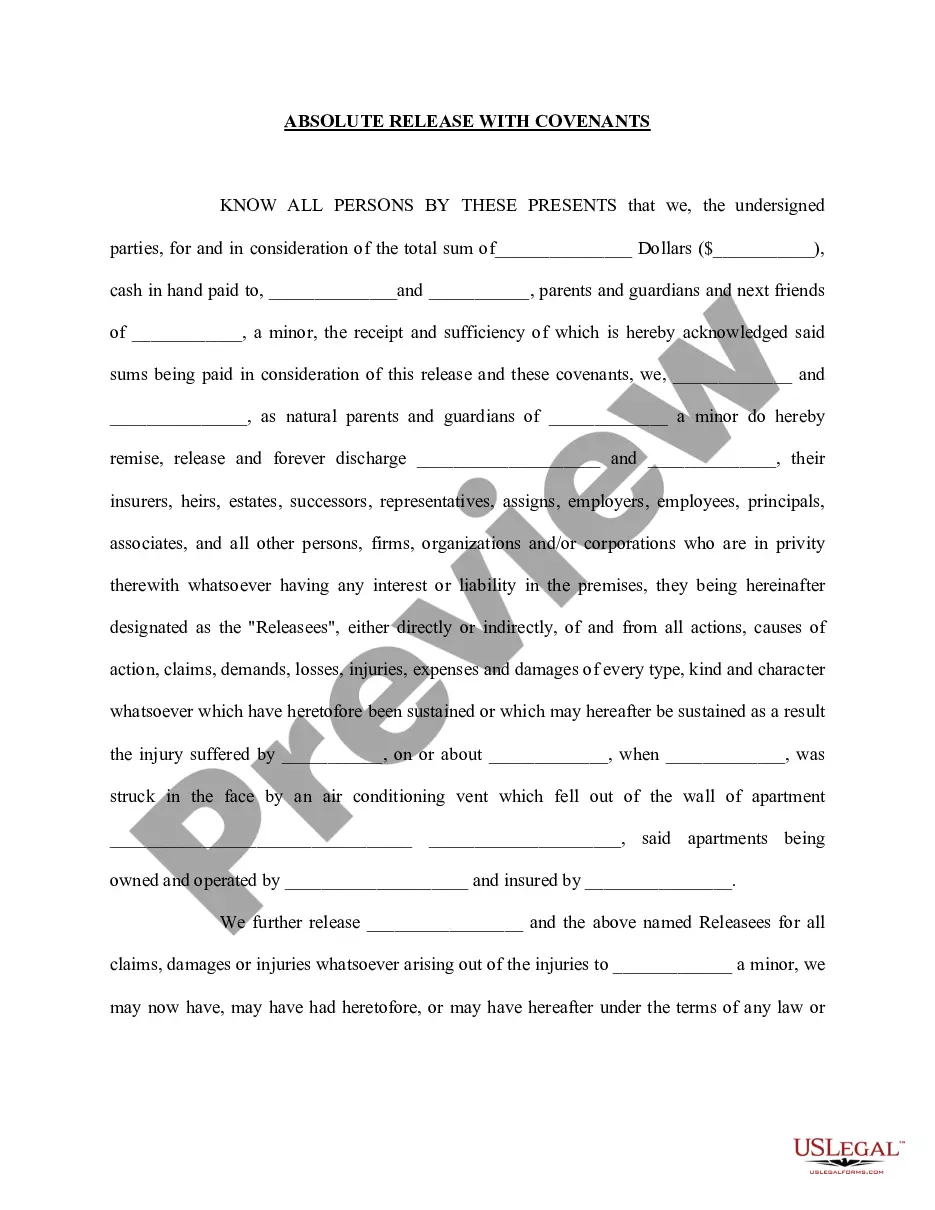
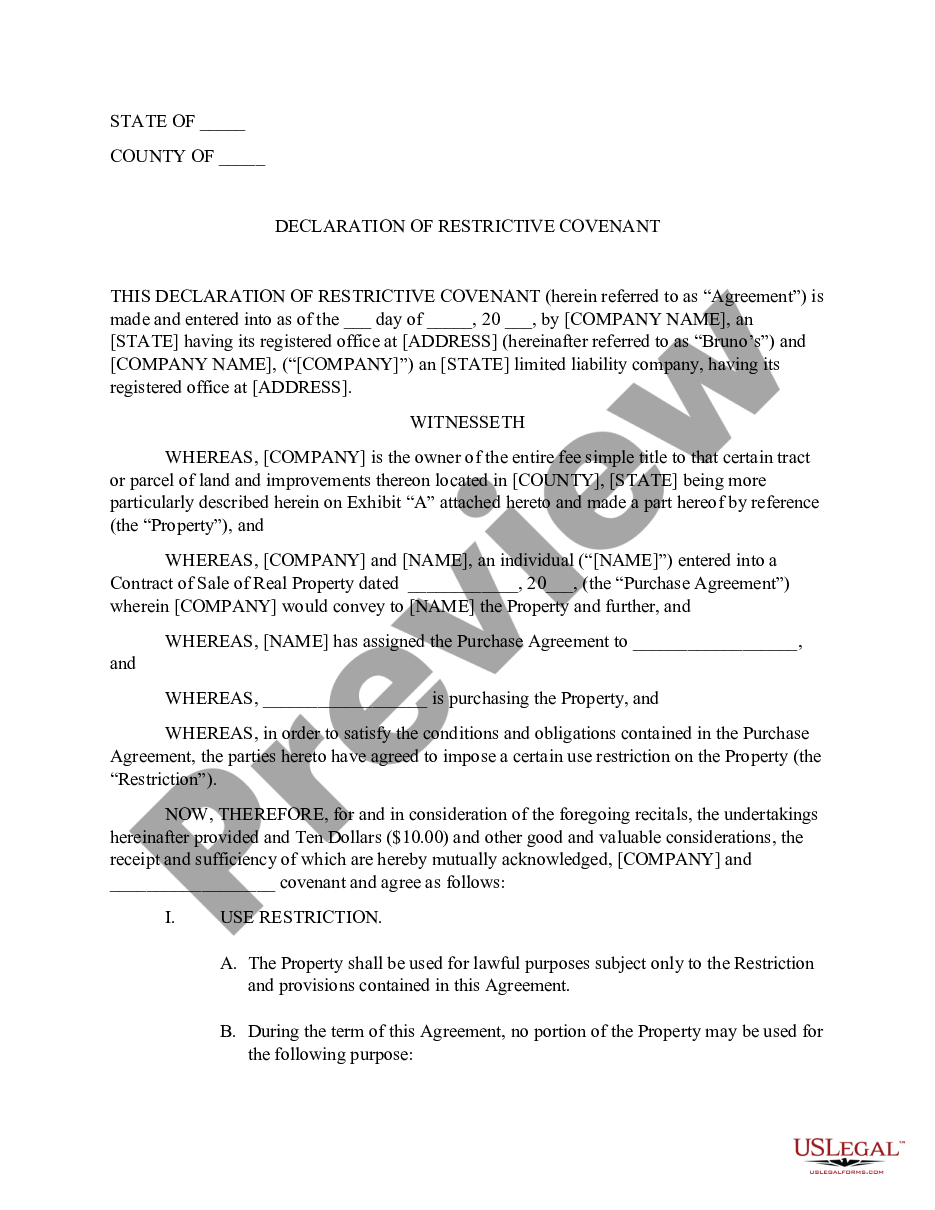
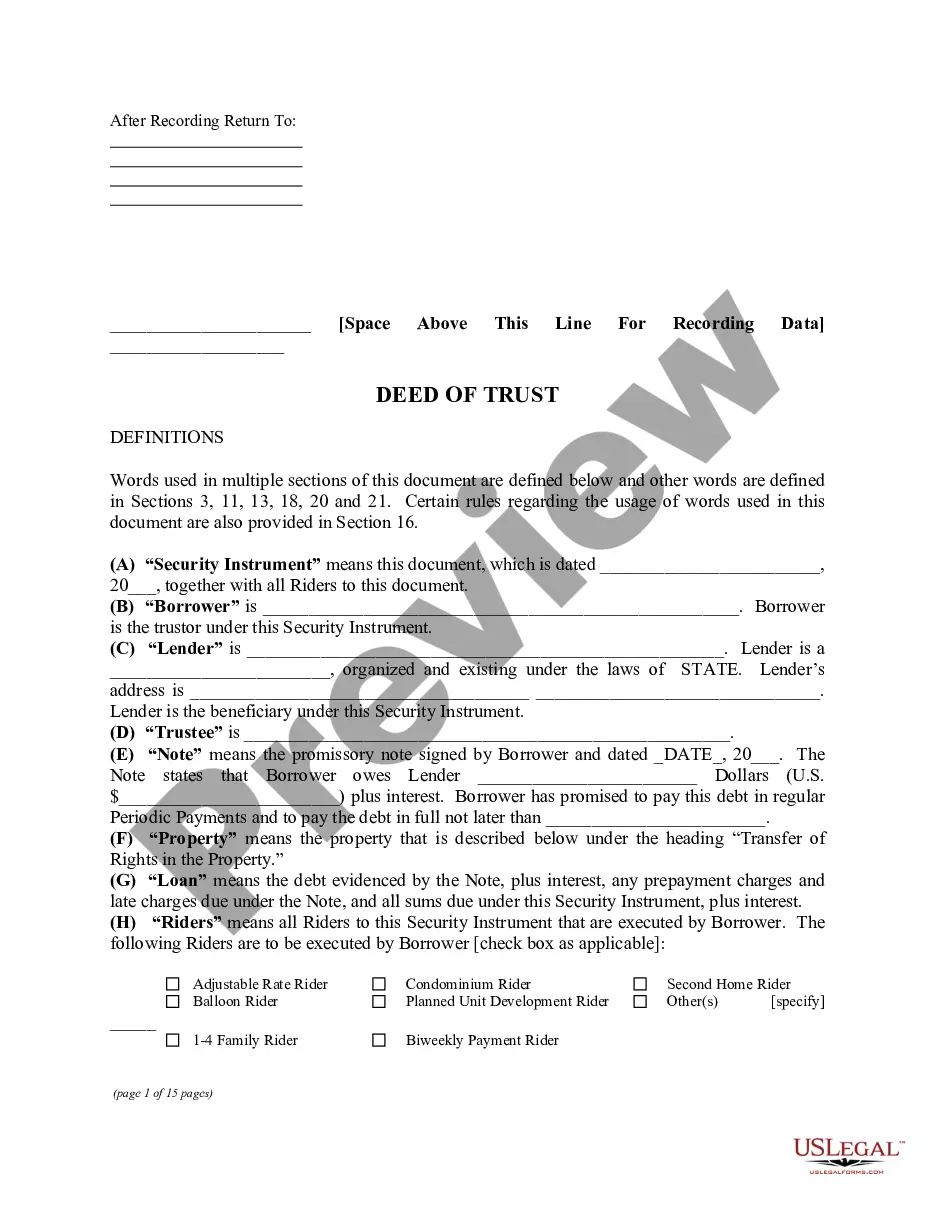
When to use this document
This form should be used when a property owner seeks approval for an onsite sewage system in Alabama. It is essential in situations where the installation and usage of the sewage system are subject to local regulations, ensuring that any party who buys or occupies the property understands the specific maintenance requirements and legal restrictions.
Intended users of this form
- Property owners planning to install an onsite sewage system.
- Contractors involved in the construction of sewage systems.
- Real estate professionals managing properties with sewage systems.
- Future buyers or occupants of properties with established sewage system agreements.
Completing this form step by step
- Identify the property owner and the specific property location in Exhibit A.
- Fill in the approval details from the relevant local authority regarding the onsite sewage system.
- Outline the covenants and restrictions clearly, specifying maintenance responsibilities.
- Obtain signatures from the property owner and an authorized representative.
- Have the document notarized to ensure its legal validity.
Does this form need to be notarized?
Yes, this form must be notarized to be legally valid. Notarization adds an additional layer of authenticity, ensuring that signatures are confirmed. US Legal Forms offers an integrated online notarization service available 24/7 through secure video calls, allowing for a seamless process without the need to travel.
Get your form ready online
Our built-in tools help you complete, sign, share, and store your documents in one place.
Make edits, fill in missing information, and update formatting in US Legal Forms—just like you would in MS Word.
Download a copy, print it, send it by email, or mail it via USPS—whatever works best for your next step.
Sign and collect signatures with our SignNow integration. Send to multiple recipients, set reminders, and more. Go Premium to unlock E-Sign.
If this form requires notarization, complete it online through a secure video call—no need to meet a notary in person or wait for an appointment.
We protect your documents and personal data by following strict security and privacy standards.

Make edits, fill in missing information, and update formatting in US Legal Forms—just like you would in MS Word.

Download a copy, print it, send it by email, or mail it via USPS—whatever works best for your next step.

Sign and collect signatures with our SignNow integration. Send to multiple recipients, set reminders, and more. Go Premium to unlock E-Sign.

If this form requires notarization, complete it online through a secure video call—no need to meet a notary in person or wait for an appointment.

We protect your documents and personal data by following strict security and privacy standards.
Avoid these common issues
- Failing to include all property identification details, which can lead to disputes.
- Not clarifying responsibilities for maintenance and reporting requirements.
- Omitting necessary signatures or notary acknowledgment, making the form invalid.
Benefits of completing this form online
- Convenient access to legally compliant templates, allowing for quick downloads.
- Editability enables customization to meet specific property needs and local rules.
- Reliability of attorney-drafted forms that adhere to current legal standards.
Key takeaways
- The Covenants to Run with the Land form is crucial for managing onsite sewage systems in Alabama.
- Clear documentation of responsibilities aids in legal compliance and property value assurance.
- Notarization is required for the form to ensure it is legally binding.
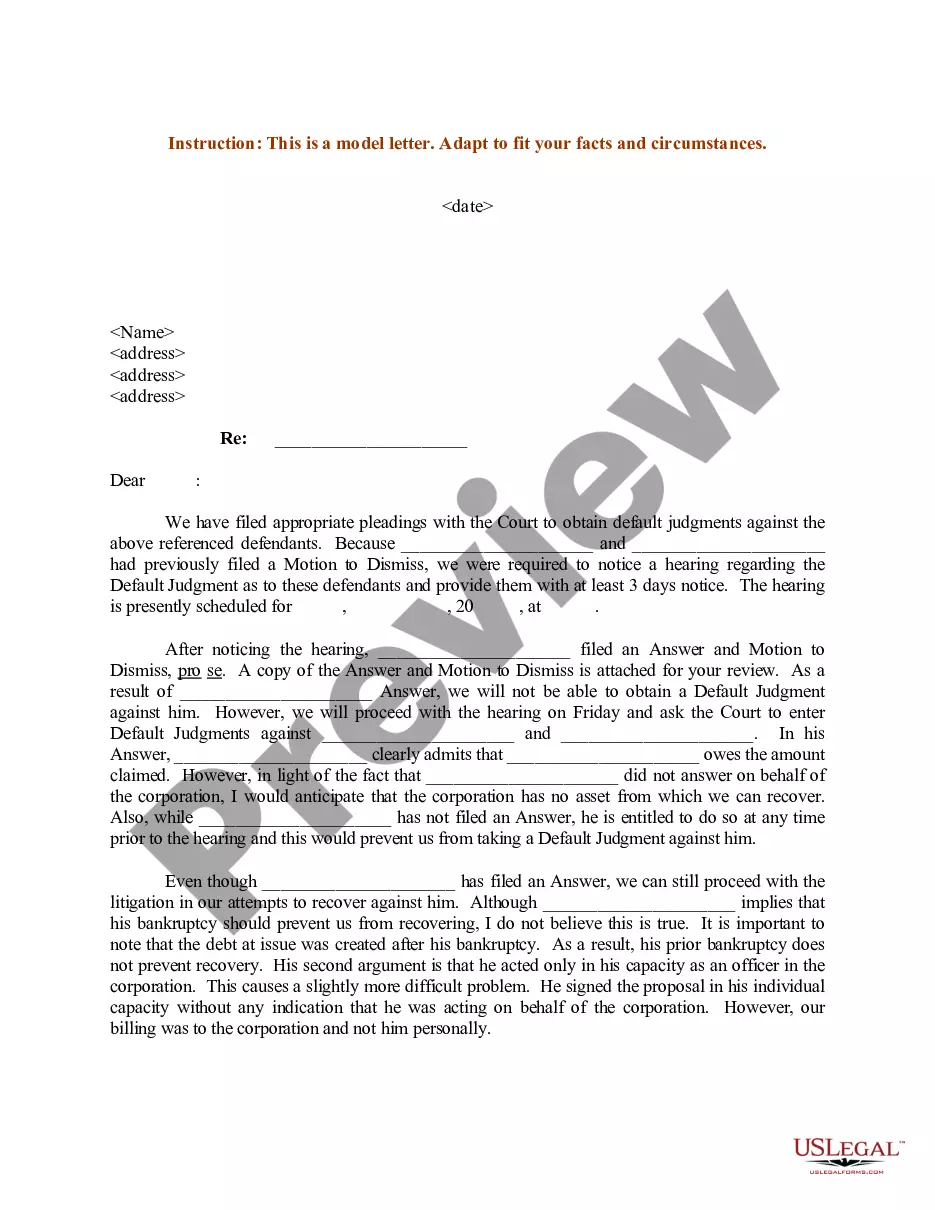
Looking for another form?
Form popularity
FAQ
Some of the most common restrictive covenants include limitations on property use, such as prohibiting commercial activities in residential areas. Many Alabama covenants to run with the land also address architectural guidelines for homes, ensuring a uniform appearance in neighborhoods. Others may restrict fence heights or the types of animals allowed on the property. Understanding these common restrictions can help you navigate property ownership effectively.
In Alabama, maintaining land may help establish certain rights, but it does not automatically grant ownership. Adverse possession laws allow for a claim to land under specific conditions, such as continuous and open use. Nevertheless, such claims need to satisfy legal criteria and timeframes. For clarity on property rights, consult with a legal expert who understands Alabama laws about land claims.
Yes, restrictive covenants can hold up in court if they are clear, specific, and do not violate public policy. Courts often uphold Alabama covenants to run with the land when they meet legal standards and serve a legitimate purpose. To ensure enforceability, it's wise to draft these covenants carefully and consider legal advice during the process. This helps to avoid potential disputes and confusion.
To qualify as Alabama covenants to run with the land, certain requirements must be met. The original parties must intend for the benefit and burden of the covenant to transfer to future owners. Additionally, the covenant must touch and concern the land, meaning it directly affects the property's use or value. Finally, it should be properly recorded to give notice to subsequent landowners.
Yes, restrictive covenants are enforceable in Alabama, provided they meet specific legal requirements. These covenants must be properly recorded and must not violate public policy. If recorded correctly, Alabama covenants to run with the land can bind future property owners, ensuring compliance with the terms set forth. It's important to consult legal expertise for guidance based on your unique situation.
Yes, mortgages can run with the land, meaning the obligation to repay a mortgage often transfers to subsequent owners of the property. This transfer of responsibility occurs even if the ownership changes, impacting future buyers. Understanding how Alabama covenants to run with the land apply to mortgages is vital for making informed real estate decisions.
Property rights that typically run with the land include easements and restrictions that affect how the land can be used. These rights can enhance the value of the property and provide legal backing for maintaining certain uses. Knowing your Alabama covenants to run with the land gives you a clearer picture of your rights and responsibilities.
Yes, for a covenant to run with the land, it must touch and concern the land itself. This means the covenant must relate directly to the property and affect its value or use in some way. In Alabama, recognizing this requirement helps ensure that all parties involved are aware of the obligations that follow ownership.
When a covenant runs with the land, it means the obligation or benefit of that covenant is tied to the property itself, rather than the individual owners. This principle means that future owners of the land will also be bound by the same covenant. Understanding how Alabama covenants to run with the land work can prevent disputes and protect property rights.
A covenant to convey is a promise in a real estate agreement that obligates one party to transfer property rights to another. In Alabama, covenants to run with the land are important in ensuring buyers and sellers understand their rights. These covenants help maintain the integrity of property transactions while providing clarity on ownership obligations.