Bill of Sale in Connection with Sale of Business - Individual or Corporate Seller or Buyer. This bill of sale may include anything that is intangible but considered part of the business. These may be all licenses, processes, designs, formulas, computer programs, computer software packages, trade secrets, product manufacturing instructions etc.
Alabama Bill of Sale in Connection with Sale of Business by Individual or Corporate Seller
Instant download
Description
Free preview
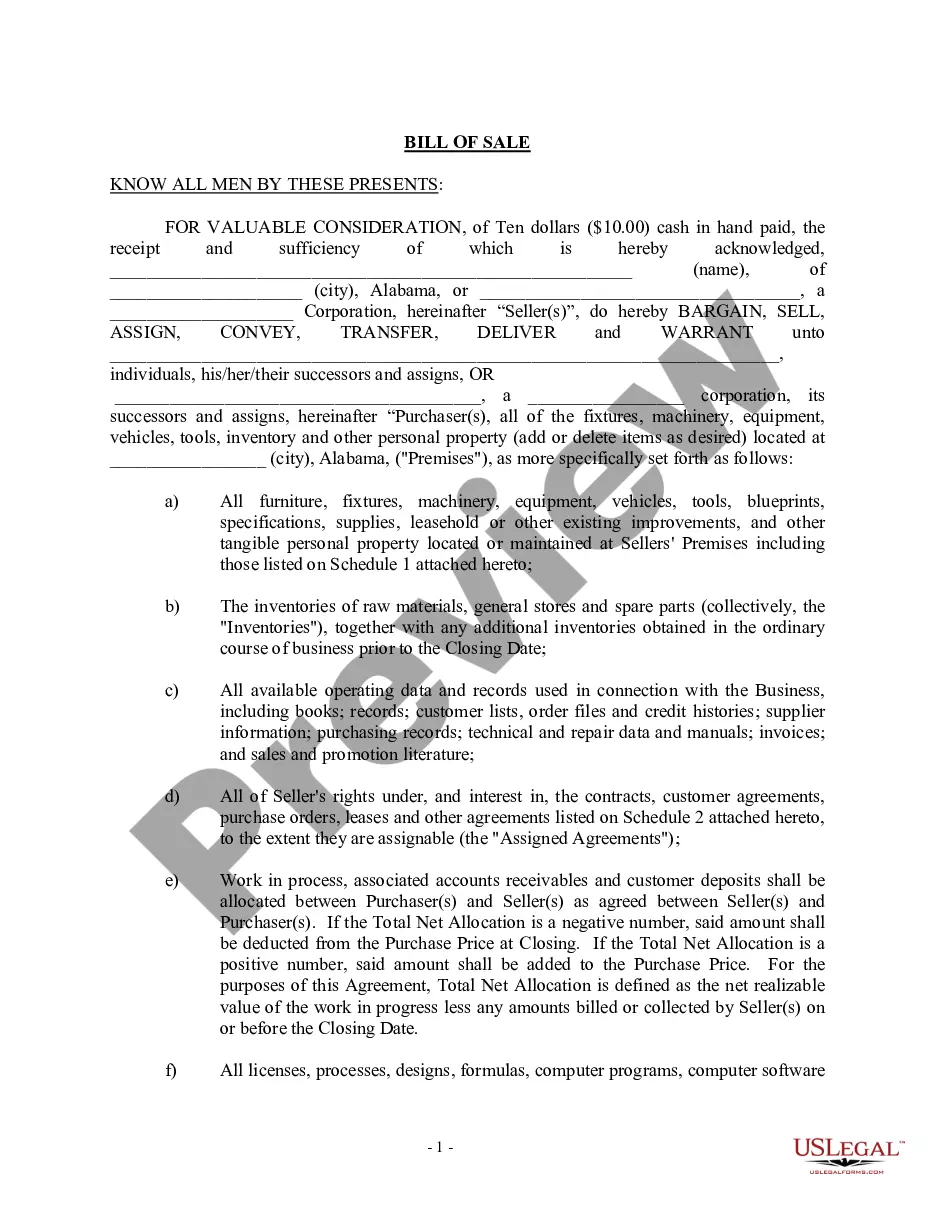
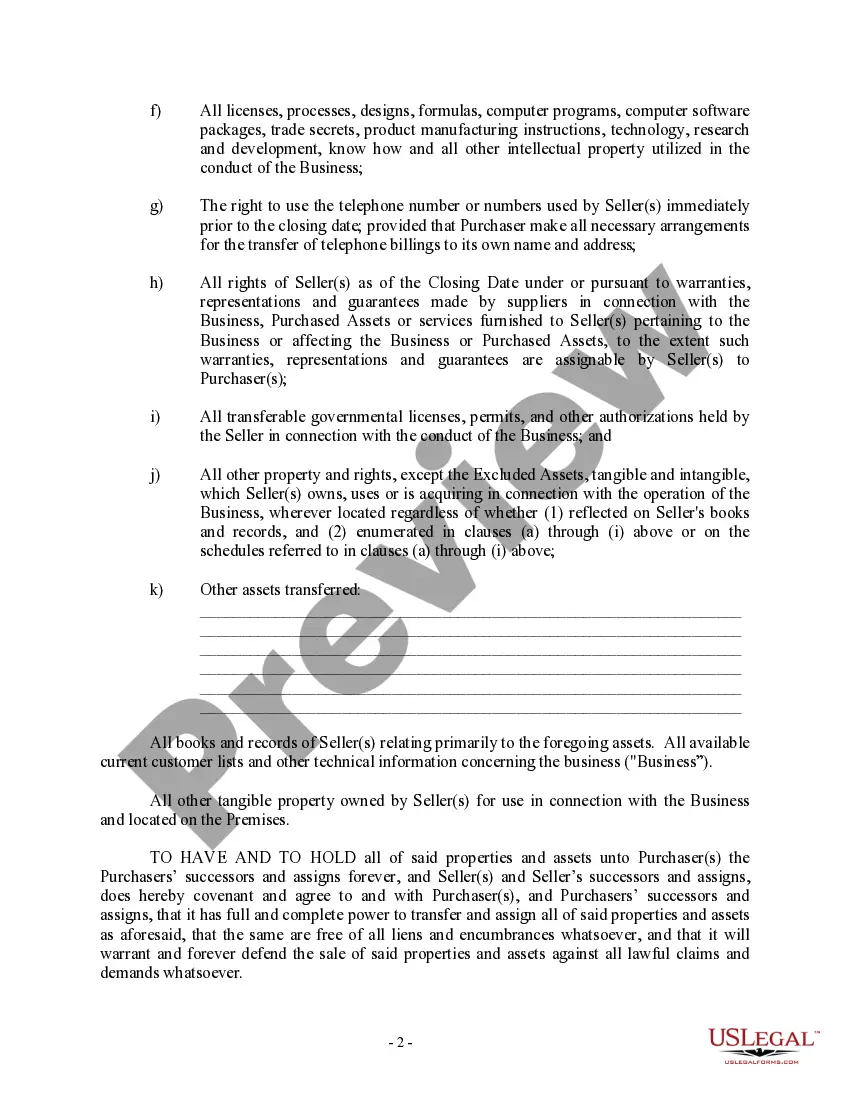
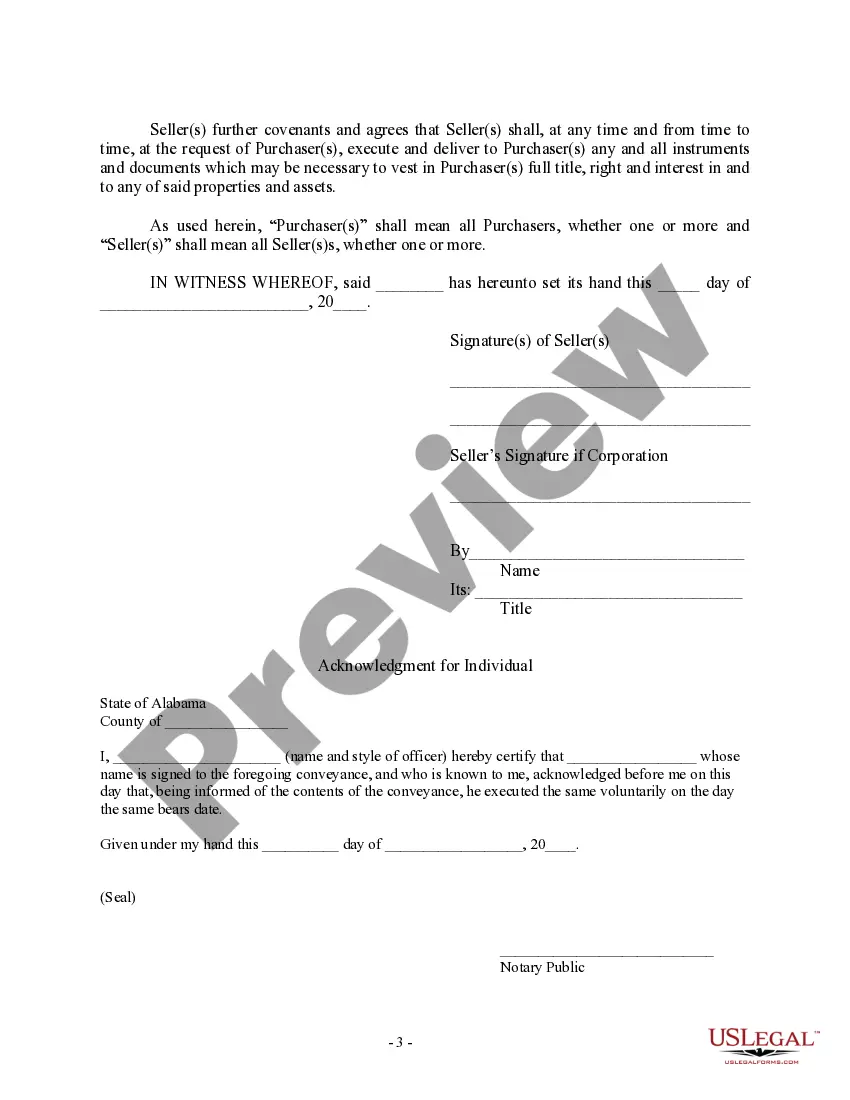
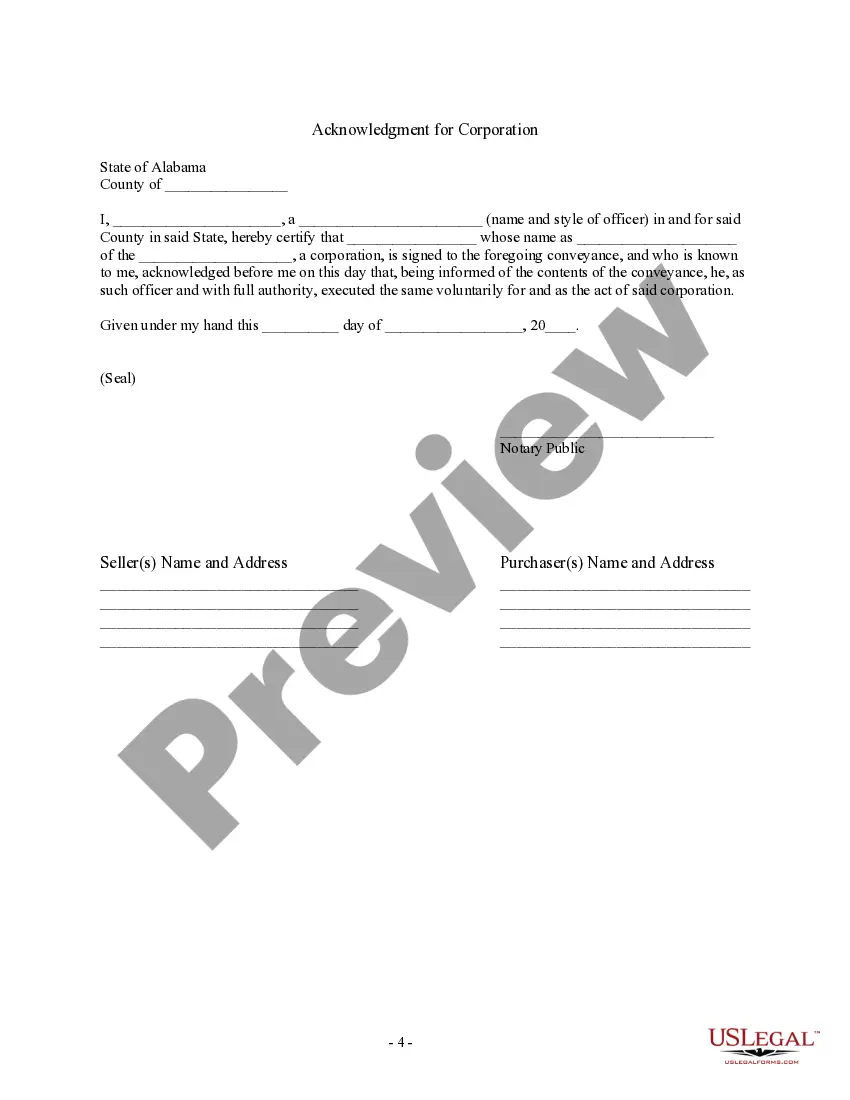

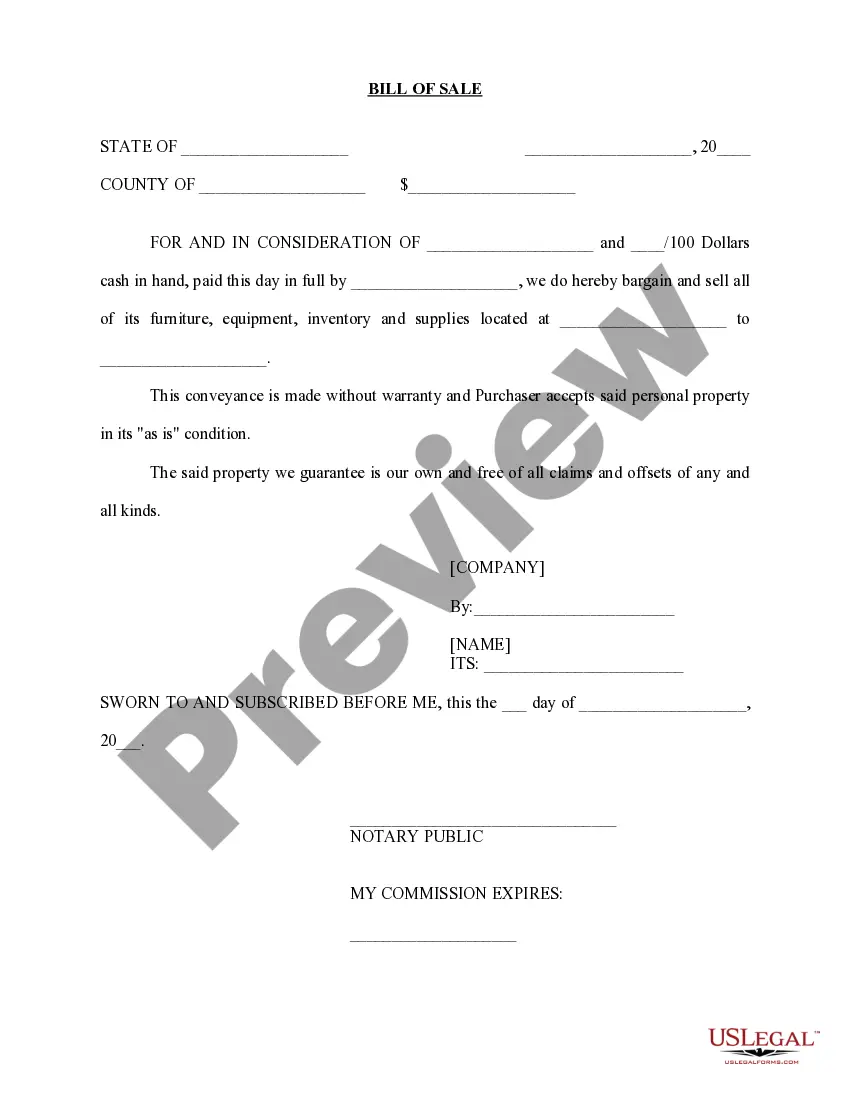
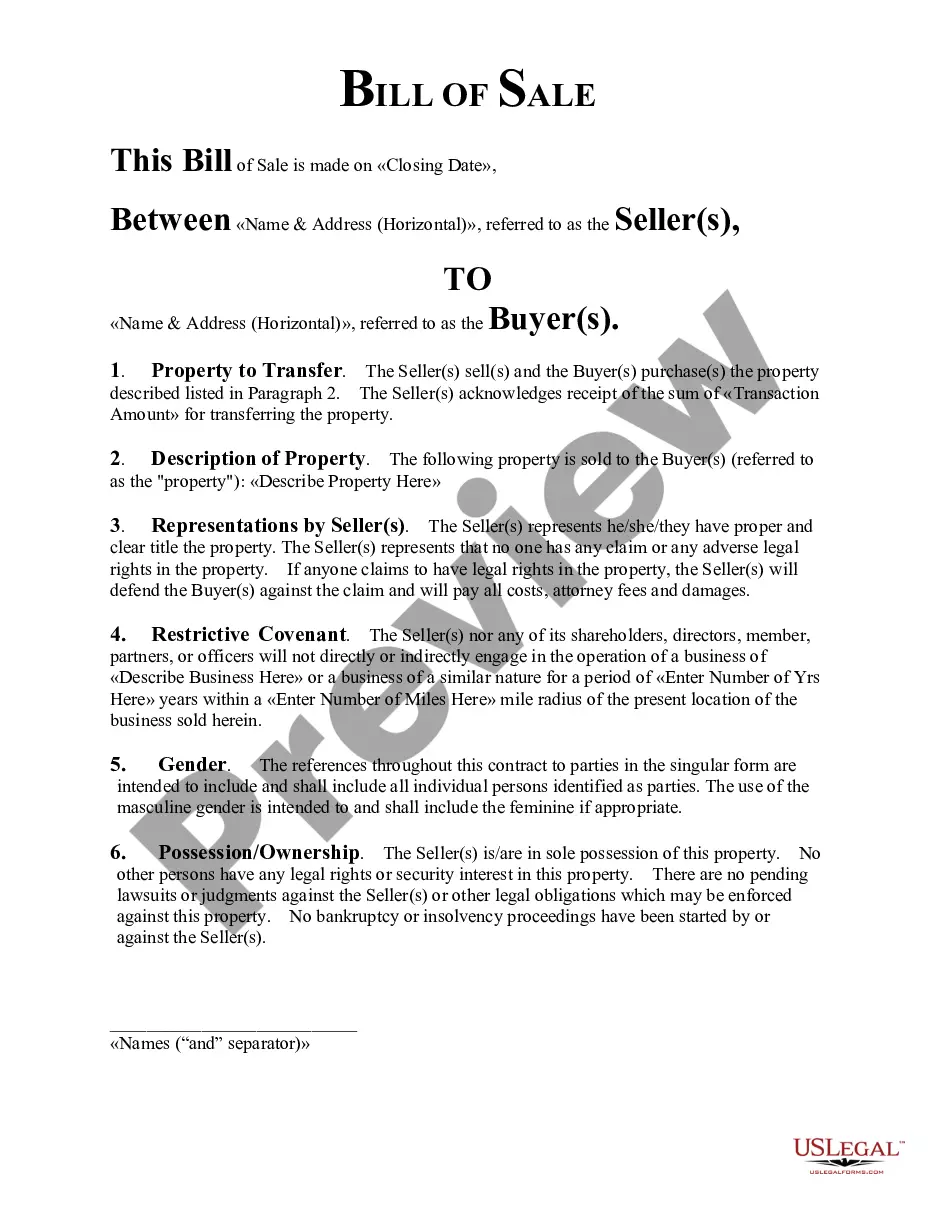
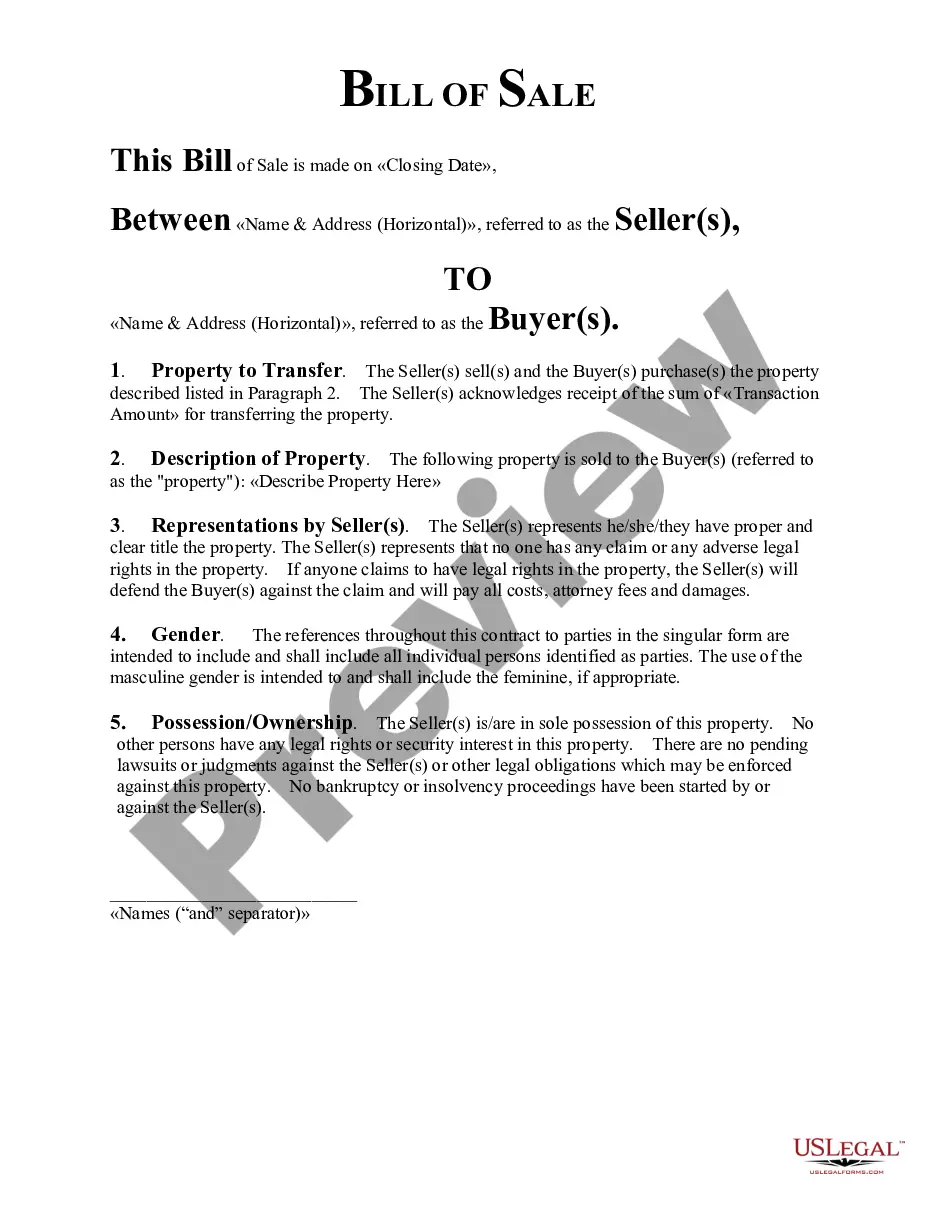
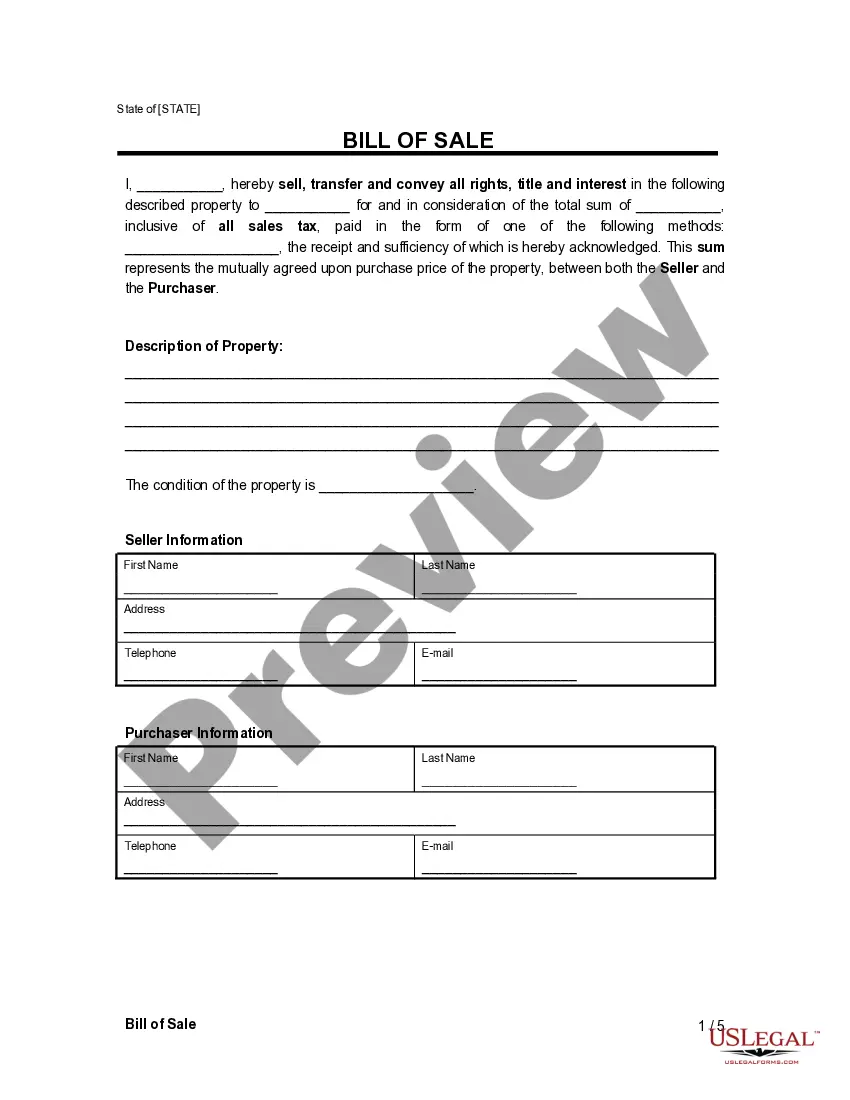
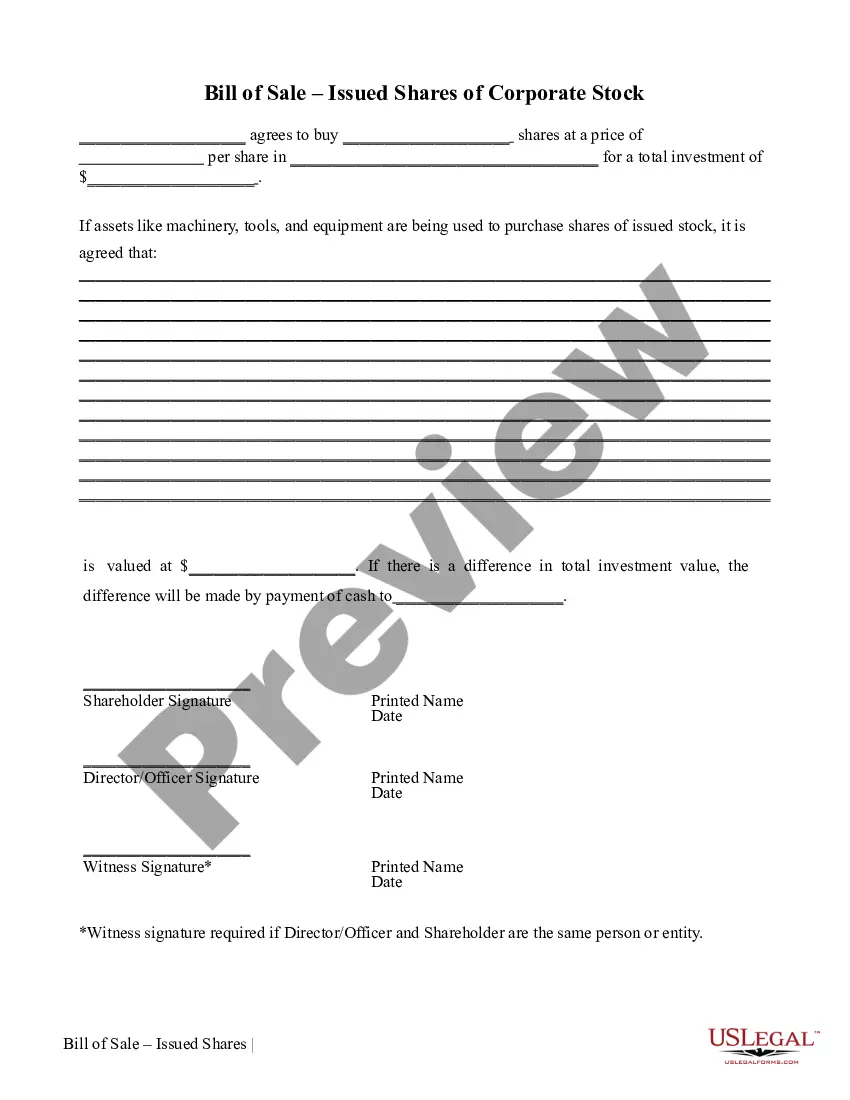


How to fill out Alabama Bill Of Sale In Connection With Sale Of Business By Individual Or Corporate Seller?
Using Alabama Bill of Sale in Relation to Business Sale by Individual or Corporate Seller templates crafted by experienced attorneys helps you avoid complications during document completion.
Merely download the form from our site, fill it out, and consult a lawyer for a review. This approach can save you considerably more time and energy compared to having an attorney draft a document entirely from the ground up to cater to your requirements.
If you possess a US Legal Forms subscription, simply Log In to your account and return to the form page. Look for the Download button next to the templates you are examining. After you download a template, all your saved samples will be found in the My documents section.
Once you've completed all of the above steps, you will be able to fill out, print, and sign the Alabama Bill of Sale in Connection with Sale of Business by Individual or Corporate Seller template. Make sure to double-check all entered information for accuracy before submitting it or sending it out. Minimize the time spent on document completion with US Legal Forms!
- If you do not have a subscription, it's not an issue. Just follow the instructions below to create an online account, obtain, and finalize your Alabama Bill of Sale in Connection with Sale of Business by Individual or Corporate Seller template.
- Verify that you are downloading the correct form specific to your state.
- Use the Preview feature and read the description (if provided) to determine if you need this specific sample, and if so, just click Buy Now.
- Utilize the Search field to find another template if needed.
- Choose a subscription plan that meets your requirements.
- Begin with your credit card or PayPal.
- Pick a file format and download your document.
Form popularity
FAQ
Filing the bill of sale usually falls to the buyer, although both parties should keep copies for their records. When dealing with the Alabama Bill of Sale in Connection with Sale of Business by Individual or Corporate Seller, it’s often wise to file a copy with local authorities if required, especially for business sales. Maintaining accurate records will help both parties establish ownership and protect their rights.
Typically, either party can write a bill of sale, but it is often beneficial to use a template or service like US Legal Forms to ensure accuracy. In the case of the Alabama Bill of Sale in Connection with Sale of Business by Individual or Corporate Seller, using a standardized document helps cover essential details and legal requirements. This ensures that important information is not omitted, reducing the risk of misunderstandings.
Both the buyer and the seller are responsible for filling out the bill of sale. In the case of the Alabama Bill of Sale in Connection with Sale of Business by Individual or Corporate Seller, clear details about the business and terms of sale should be included. Each party should ensure that the information is accurate and complete to avoid future disputes.
Backing out of a bill of sale can be complicated, especially in the context of the Alabama Bill of Sale in Connection with Sale of Business by Individual or Corporate Seller. Generally, once both parties sign the document, it becomes a legally binding agreement. However, certain circumstances may allow for cancellation, such as fraud or misrepresentation, so it’s crucial to review the specific terms.
The DMV does not typically keep a bill of sale for transactions related to the Alabama Bill of Sale in Connection with Sale of Business by Individual or Corporate Seller. Instead, the seller and buyer should maintain a copy for their records. This document serves as proof of the sale and details the terms agreed upon, which can be important for tax and legal purposes.
A bill of sale serves as proof of the transaction but does not automatically transfer title to business equipment. To transfer title legally, both parties must follow additional legal guidelines, depending on the type of equipment sold. For clarity on these processes, consult resources like US Legal Forms while preparing your Alabama Bill of Sale in Connection with Sale of Business by Individual or Corporate Seller.
An equipment bill of sale is a specialized document used specifically for the sale of equipment. It outlines the details of the transaction, including what equipment is sold, the terms of sale, and the parties involved. If you’re selling business equipment, using an Alabama Bill of Sale in Connection with Sale of Business by Individual or Corporate Seller can help protect your rights and simplify the process.
A bill of sale does not serve as a title, but it does document the transfer of ownership. While it provides evidence of the transaction, it does not confer title rights. For ownership transfers, especially regarding vehicles or valuable business assets, ensure you follow additional legal processes specific to the Alabama Bill of Sale in Connection with Sale of Business by Individual or Corporate Seller.
Yes, a properly executed bill of sale generally holds up in court. Courts recognize these documents as proof of sale when they include all required information, such as signatures and a clear description of the items sold. If you ensure that the Alabama Bill of Sale in Connection with Sale of Business by Individual or Corporate Seller is completed correctly, it can serve as a valuable legal document.
To report the sale of business equipment, you need to document the transaction properly. Typically, you must keep a record of the sale, including a signed Alabama Bill of Sale in Connection with Sale of Business by Individual or Corporate Seller. Additionally, you may need to report the transaction on your business tax return. Consulting with a tax advisor can help clarify your reporting responsibilities.