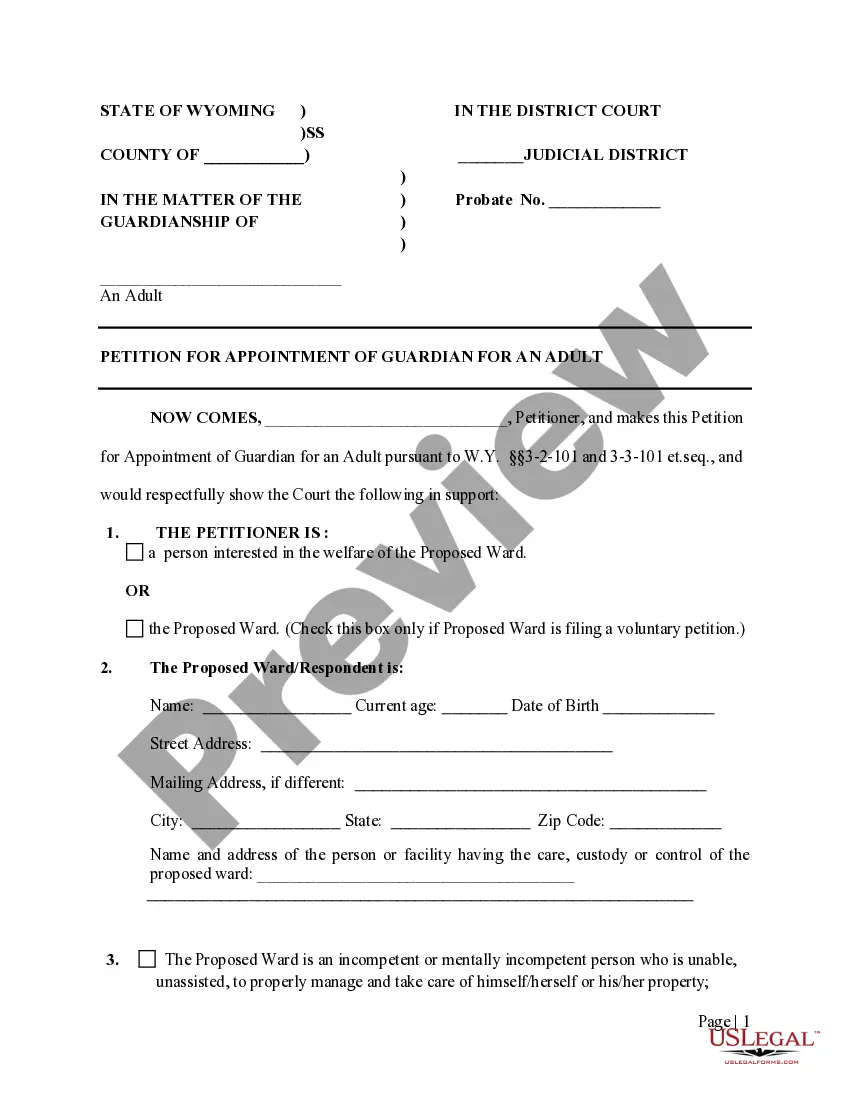
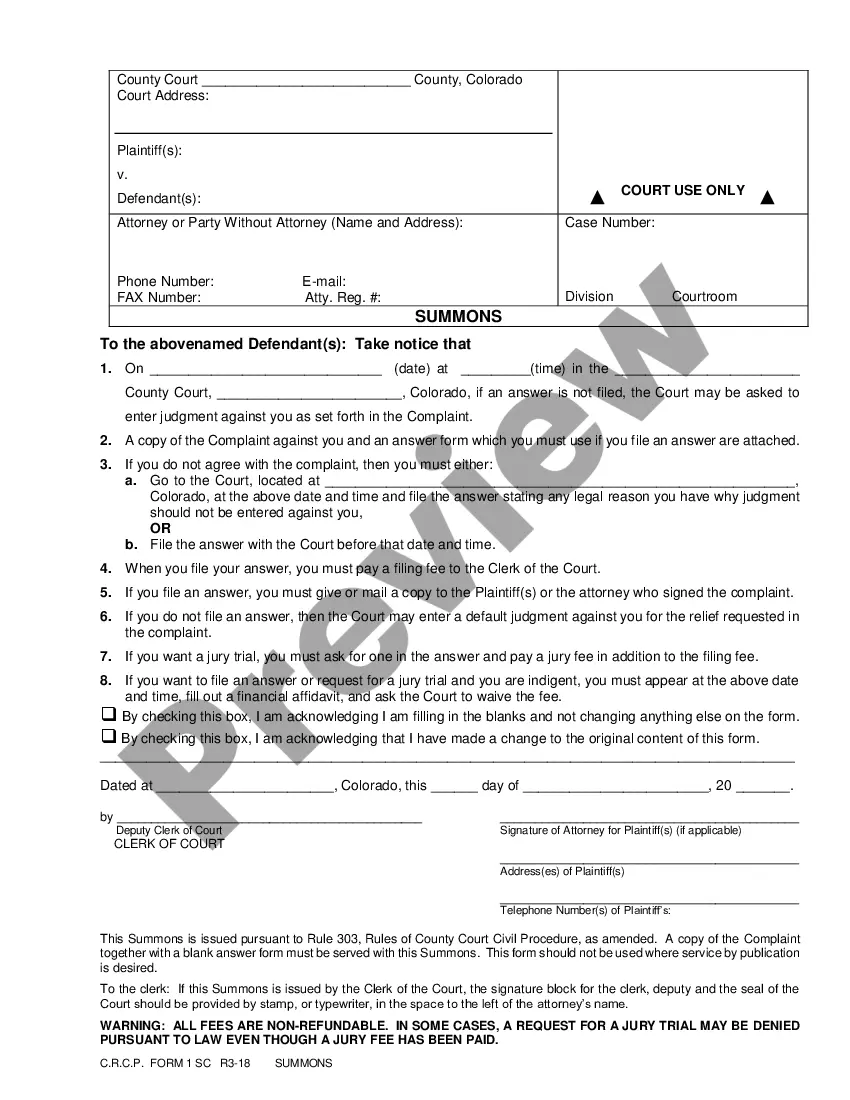
Alabama Estate Administration Forms Package
What this form package covers
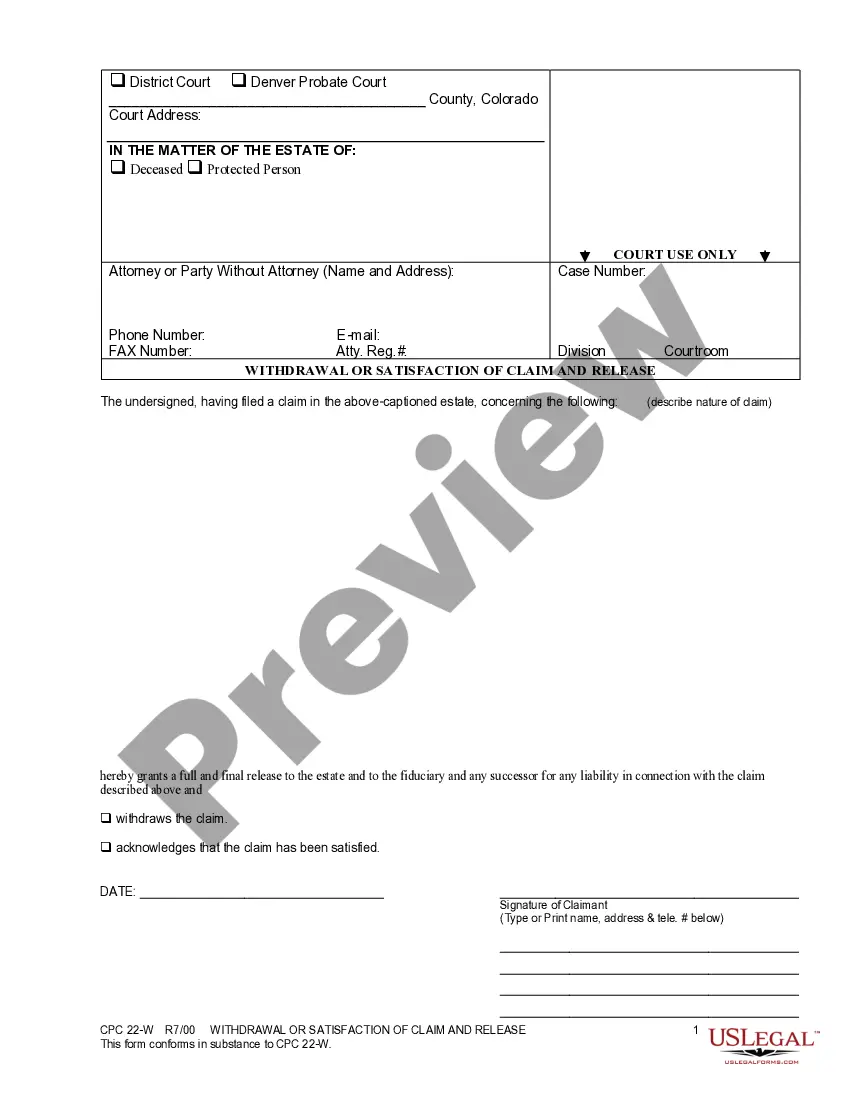
The Alabama Estate Administration Forms Package provides essential legal documents for administering an estate in Alabama. This package contains all the necessary forms to effectively navigate the estate administration process, ensuring compliance with state laws. Unlike generic forms, these are specifically tailored for Alabama's legal requirements, helping you manage estate matters accurately and efficiently.
What’s included in this form package
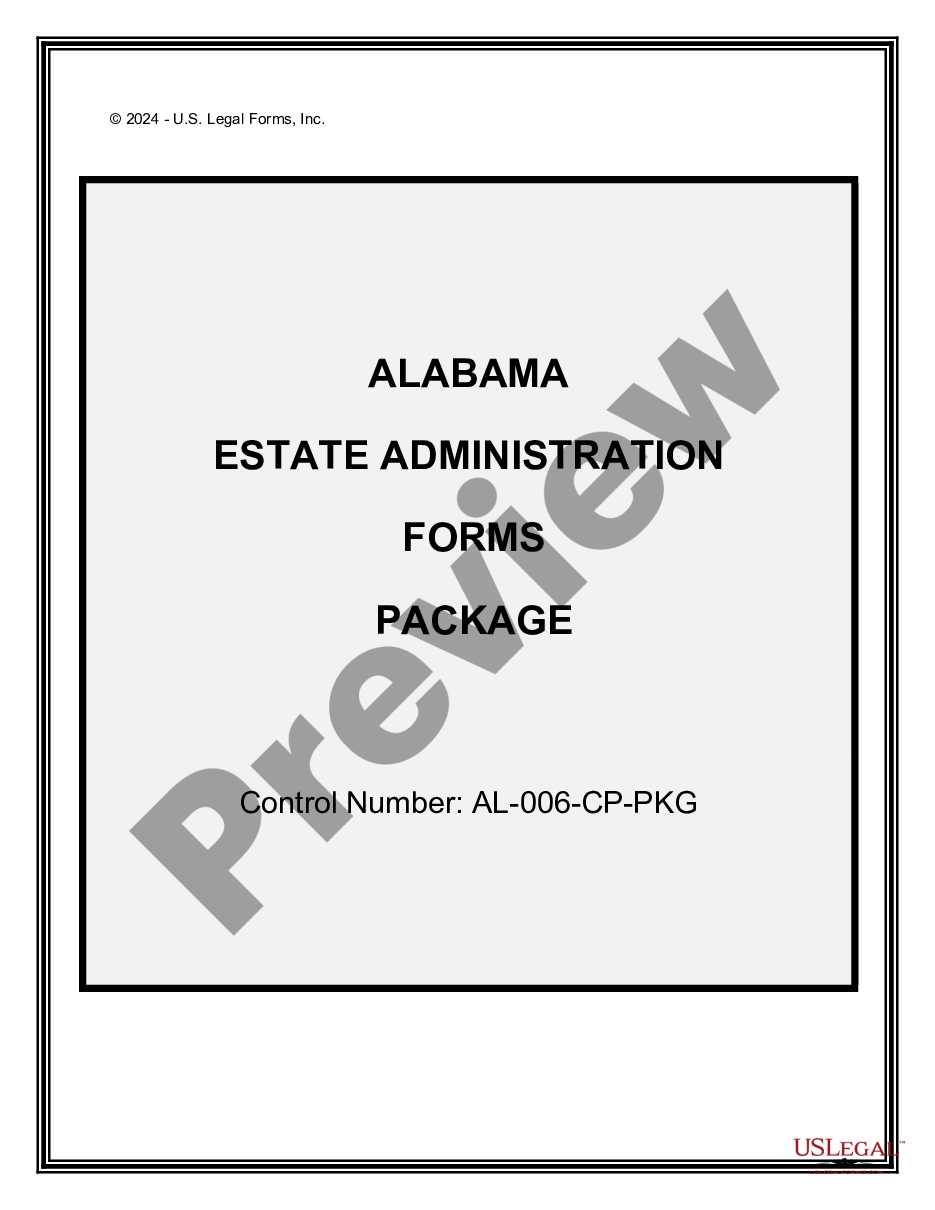
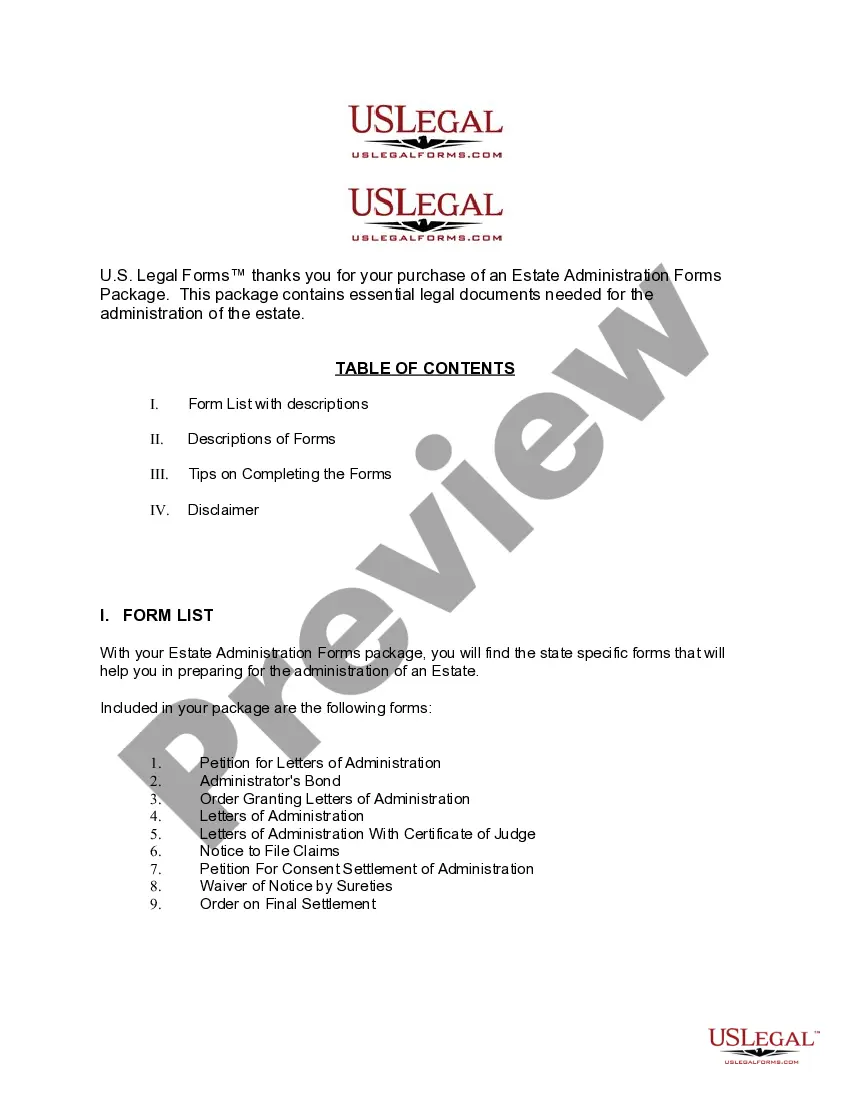
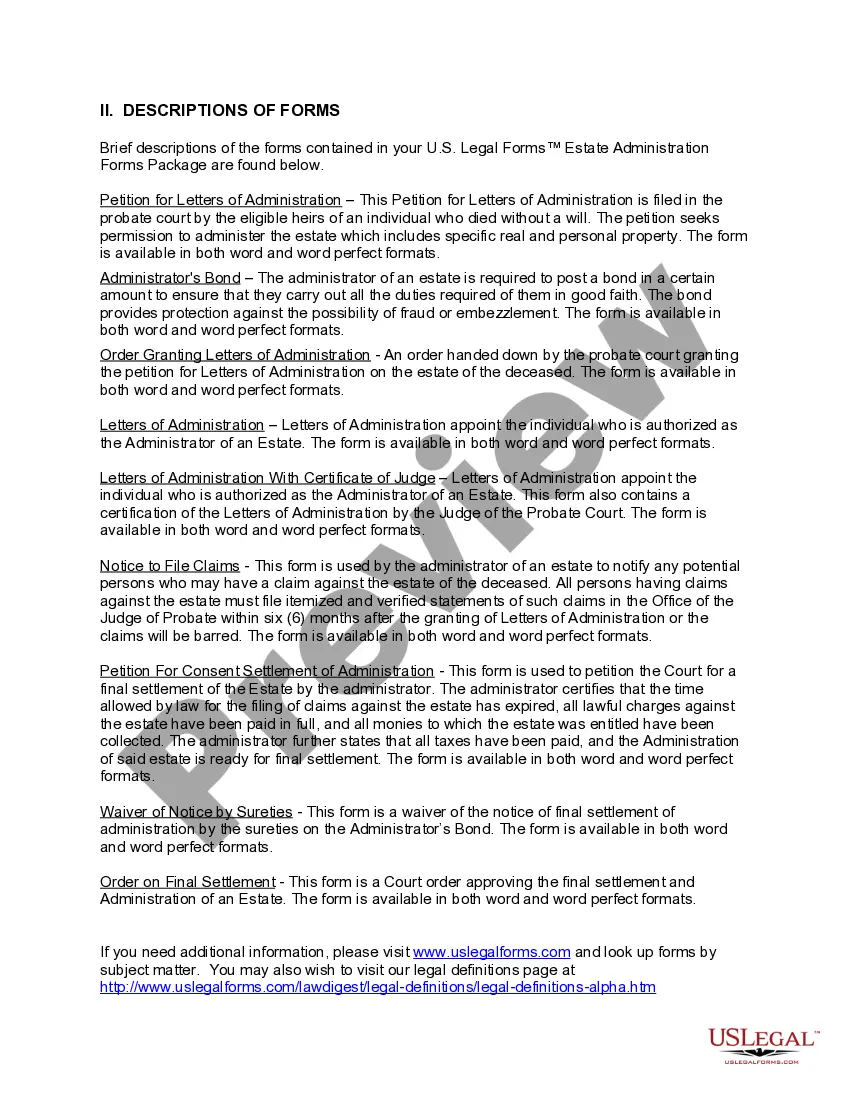
- Petition for Letters of Administration
- Administrator's Bond
- Order Granting Letters of Administration
- Letters of Administration
- Letters of Administration With Certificate of Judge
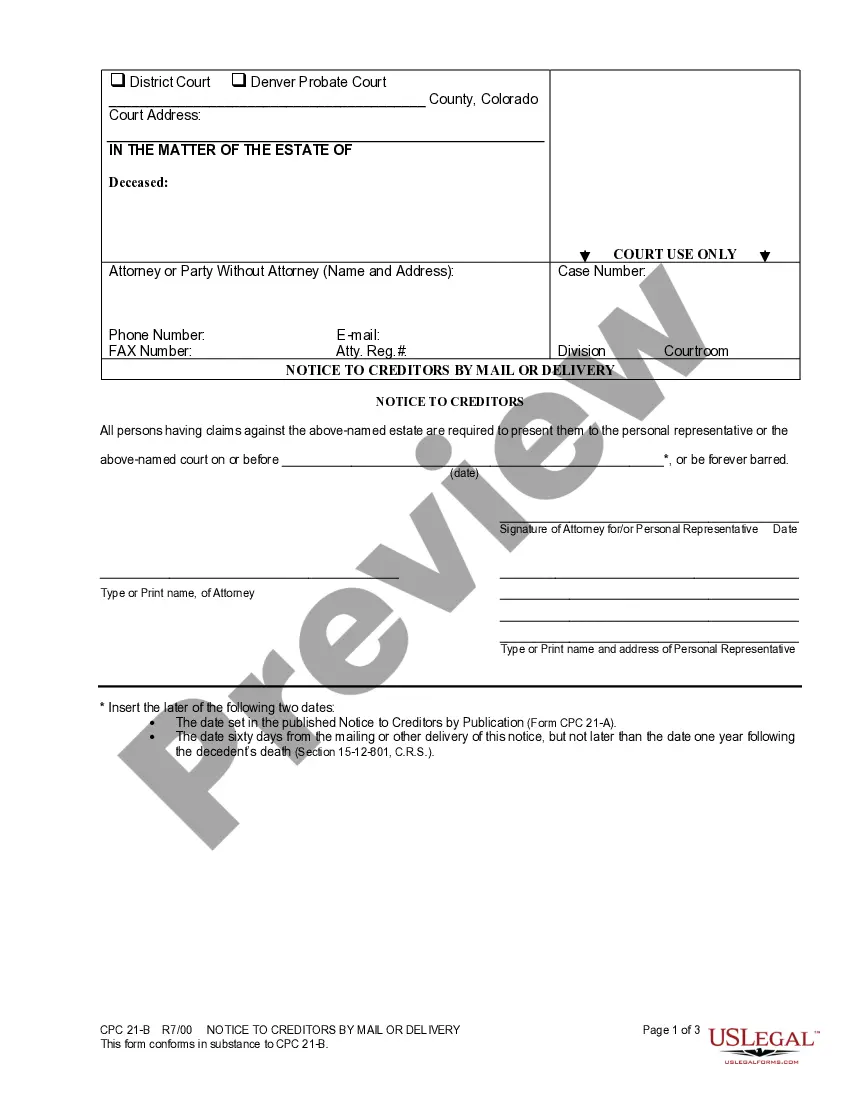
- Notice to File Claims
- Petition For Consent Settlement of Administration
- Waiver of Notice by Sureties
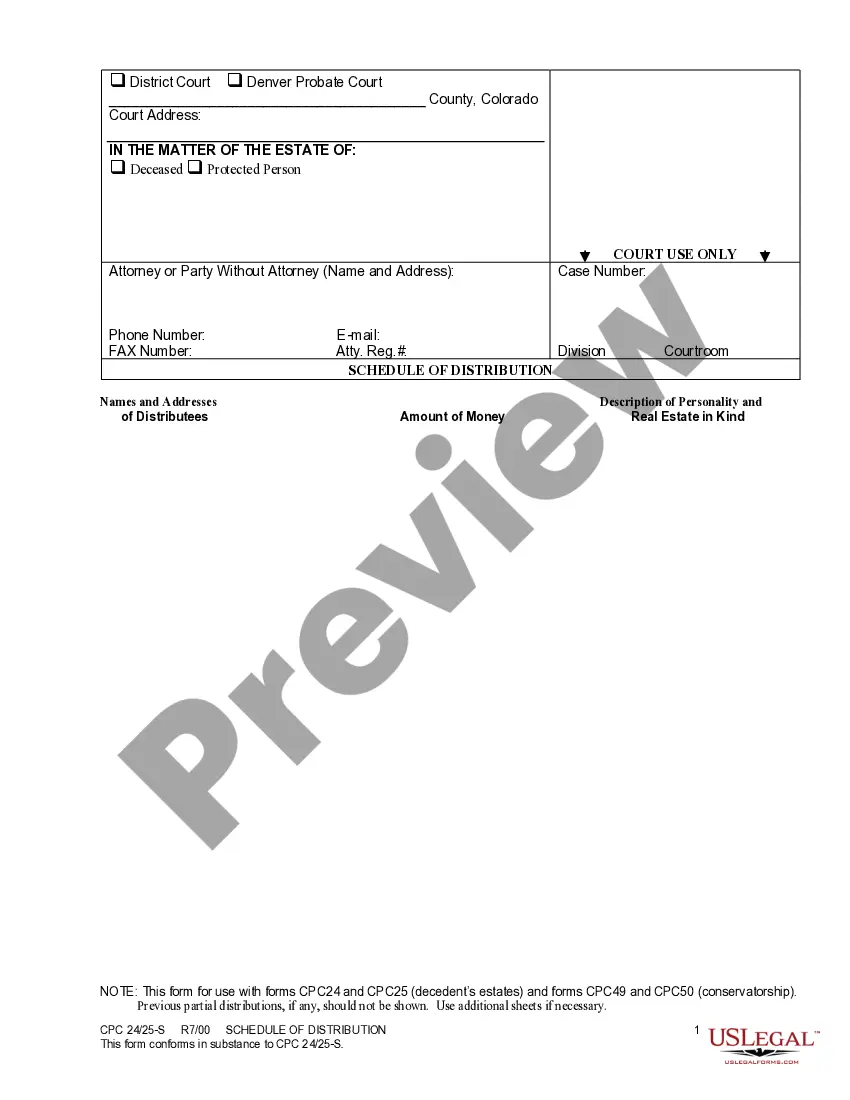
- Order on Final Settlement
When to use this document
This form package is useful in various scenarios, including:
- When a loved one passes away and you need to manage their estate.
- If you have been appointed as the administrator of an estate and require legal documentation to begin the process.
- When dealing with claims against the estate from creditors.
- When finalizing the estate and making distributions to beneficiaries.
Who can use this document
- Individuals appointed as administrators or executors of an estate in Alabama.
- Family members or heirs involved in the estate administration process.
- Estate attorneys seeking structured forms for client matters.
How to prepare this document
- Review all included forms to understand their purpose and requirements.
- Gather relevant information concerning the deceased and the estate.
- Fill out each form accurately using the appropriate legal terminology.
- Check for any required signatures and dates on the forms.
- File the completed forms with the appropriate probate court as needed.
Notarization details for included forms
Forms in this package typically do not require notarization unless required by local law. However, it is advisable to check specific court requirements as they may vary. Ensure all documents are correctly filled out and, where necessary, validate the information before submission.
Get your form ready online
Our built-in tools help you complete, sign, share, and store your documents in one place.
Make edits, fill in missing information, and update formatting in US Legal Forms—just like you would in MS Word.
Download a copy, print it, send it by email, or mail it via USPS—whatever works best for your next step.
Sign and collect signatures with our SignNow integration. Send to multiple recipients, set reminders, and more. Go Premium to unlock E-Sign.
If this form requires notarization, complete it online through a secure video call—no need to meet a notary in person or wait for an appointment.
We protect your documents and personal data by following strict security and privacy standards.

Make edits, fill in missing information, and update formatting in US Legal Forms—just like you would in MS Word.

Download a copy, print it, send it by email, or mail it via USPS—whatever works best for your next step.

Sign and collect signatures with our SignNow integration. Send to multiple recipients, set reminders, and more. Go Premium to unlock E-Sign.

If this form requires notarization, complete it online through a secure video call—no need to meet a notary in person or wait for an appointment.

We protect your documents and personal data by following strict security and privacy standards.
Mistakes to watch out for
- Failing to include all necessary information on the forms.
- Not keeping track of filing deadlines for claims and other formalities.
- Neglecting to sign or date the forms where required.
- A misunderstanding of the duties and responsibilities of the administrator.
Why use this package online
- Convenient access to forms that can be downloaded instantly.
- Edit and complete forms at your own pace in a digital format.
- Reliability of documents drafted by experienced licensed attorneys.
- Affordable alternative to hiring a lawyer for basic estate administration needs.
Quick recap
- The Alabama Estate Administration Forms Package is essential for legal estate management in Alabama.
- It contains unique forms tailored to state-specific laws and requirements.
- Careful completion and timely filing of these forms ensure compliance and avoid legal complications.
Looking for another form?
Form popularity
FAQ
Completion of the executor or administrator appointment takes about six to eight weeks once the executor files the petition or the court makes a selection.
When calculating the value of an estate, the gross value is the sum of all asset values, and the net value is the gross value minus any debts: in other words, the actual worth of the estate.
Before applying for a grant you must publish an online notice of your intention to apply for Letters of Administration on the NSW Online Registry.
To obtain Letters Testamentary or Letters of Administration, the lawyer files a Petition for Grant of Letters Testamentary (if there is a will) or Petition for Grant of Letters of Administration (if there is no will) with the Alabama probate court.
An inventory and appraisal is a required filing in California probate. The inventory and appraisal is a single document that (1) inventories the property in the decedent's estate and (2) contains an appraisal of the property in the inventory. California Probate Code § 8800(a).
Determine who has priority to serve. State law establishes the qualifications for an administrator and sets the order of priority that the court must follow in making an appointment. Prepare to file a petition to administer. Collect the necessary information. File the petition with the court.
Your inventory should include the number of shares of each type of stock, the name of the corporation, and the name of the exchange on which the stock is traded. Meanwhile, you should note the total gross amount of a bond, the name of the entity that issued it, the interest rate on the bond, and its maturity date.
Determine Your State's Laws Regarding Inventory Forms. Review the Instructions Provided. Identify Real Property. Identify Personal Property. Identify Bank Accounts. Identify Retirement Accounts. Identify Non-Probate Assets. File the Form With the Court.
The first step in probating an estate is to locate all of the decedent's estate planning documents and other important papers, even before being appointed to serve as the personal representative or executor.