Wisconsin Last Will and Testament for Widow or Widower with Minor Children
About this form
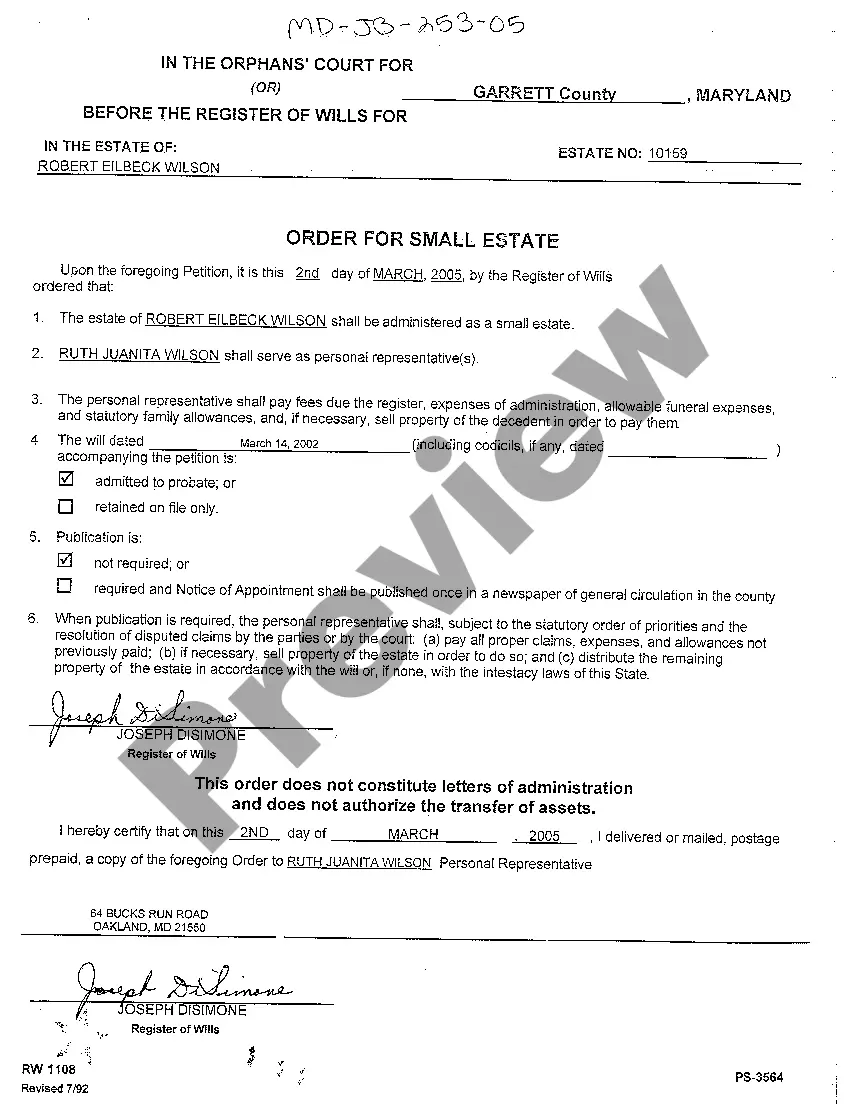
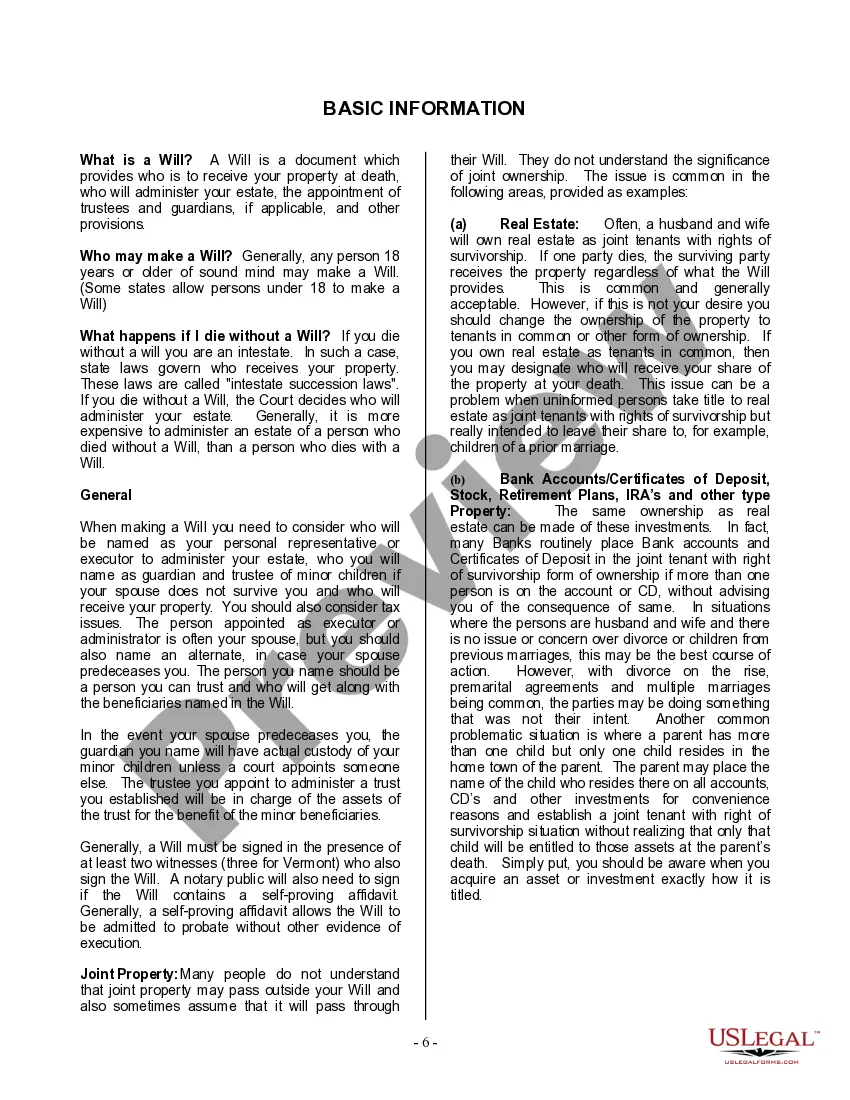
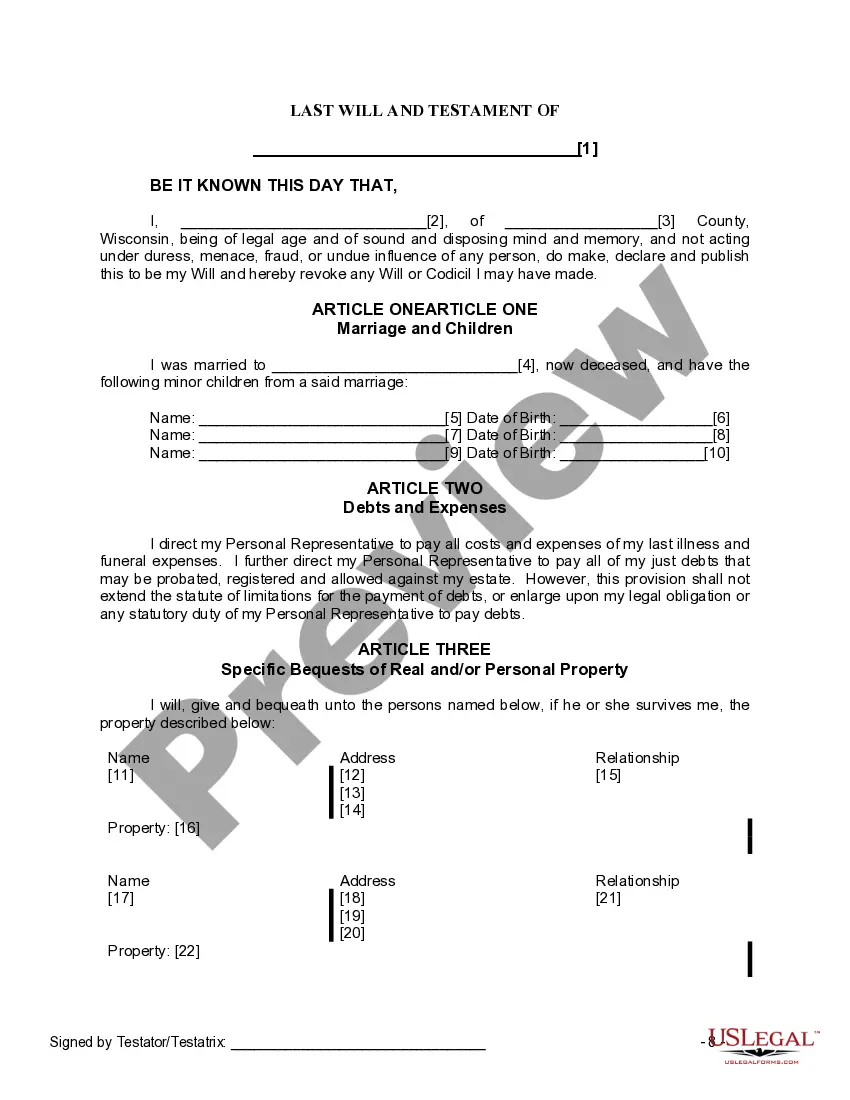
The Last Will and Testament for Widow or Widower with Minor Children is a legal document that outlines how your assets will be distributed after your death, particularly beneficial for those who are a widow or widower with dependent minor children. This form allows you to appoint a personal representative, specify beneficiaries of your estate, designate a guardian for your children, and establish trusts for their benefit. Using this document can ensure your loved ones are taken care of according to your wishes, which is particularly important in complex family situations.
Key parts of this document
- Appointment of a personal representative or executor to manage your estate.
- Designation of beneficiaries who will receive your property, including specific bequests.
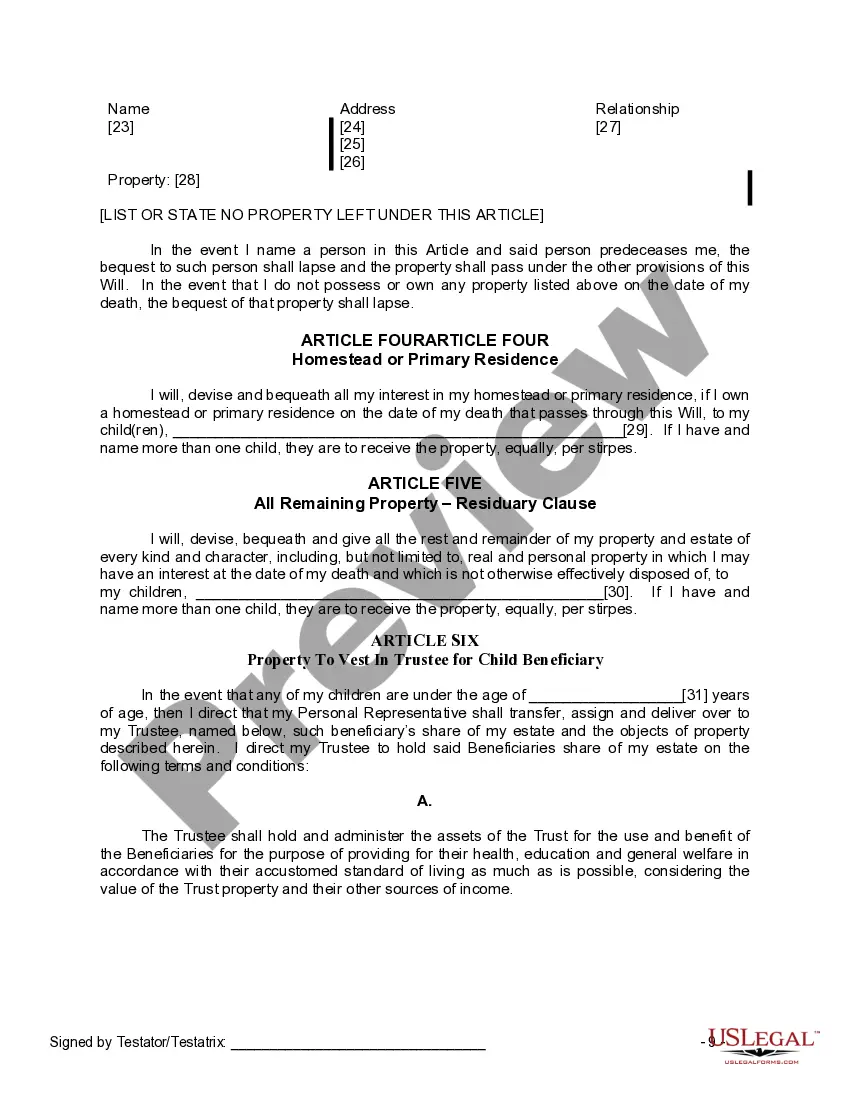
- Establishment of a trust for any assets left to minor children until they reach a specified age.
- Designation of a guardian for your minor children in the event of your death.
- Legal provisions for debts, expenses, and the distribution of remaining assets.






Situations where this form applies
This form is necessary when a widow or widower with minor children wishes to create a legally binding document that specifies their wishes regarding the distribution of assets, guardianship of children, and other important matters after their death. It is particularly relevant for parents who want to ensure their childrenâs future care and the management of their financial resources in a secure manner.
Who this form is for
Individuals who should use this form include:
- Widows or widowers with dependent minor children.
- Parents seeking to establish guardianship and trusts for their children's inheritance.
- Individuals wanting to clearly define asset distribution among family members.
- Those who have specific wishes about the care of their children and want to legally document them.
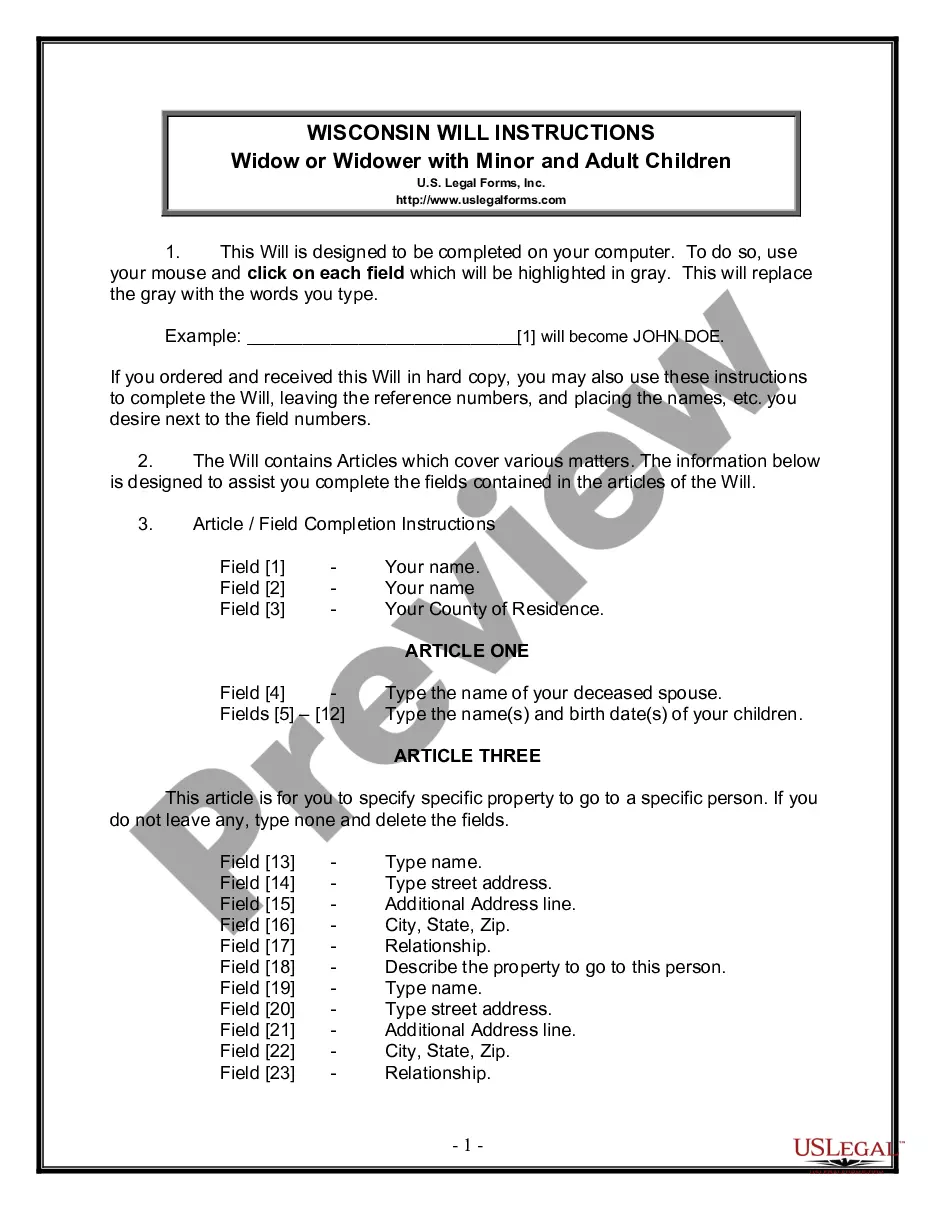
Completing this form step by step
Follow these steps to complete your Last Will and Testament:
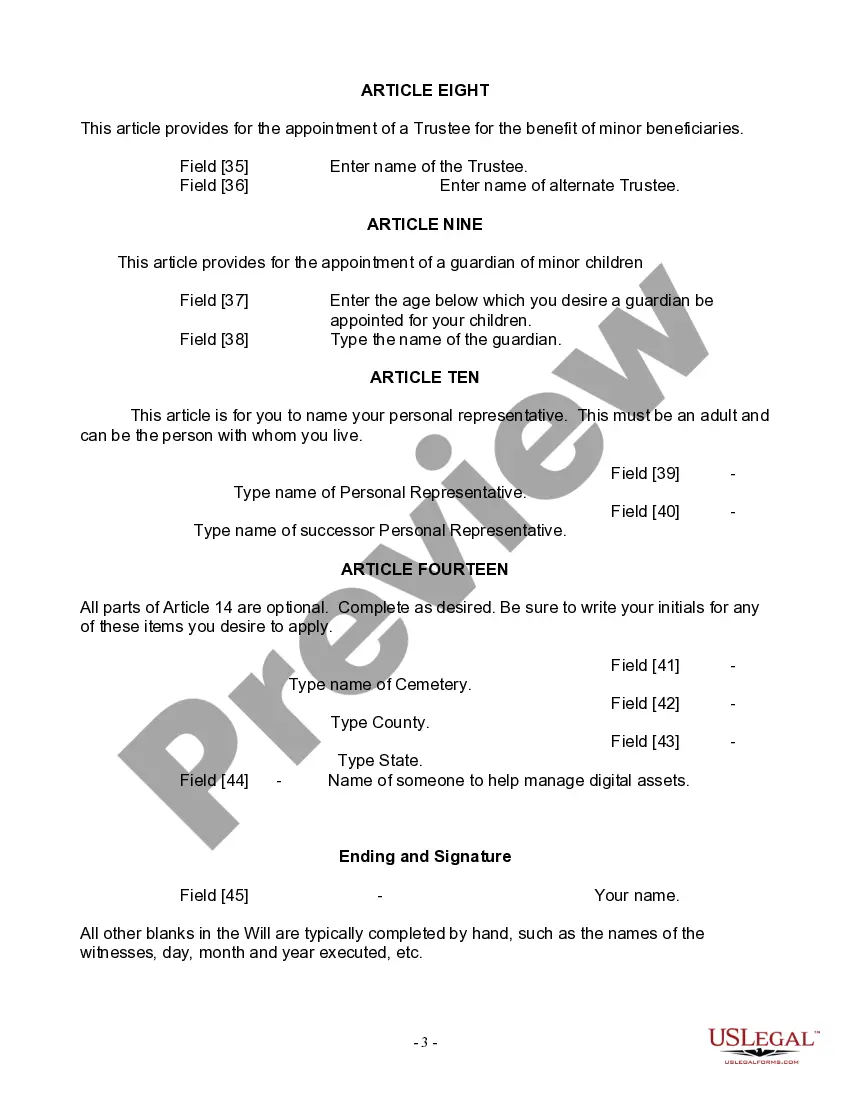
- Enter your full name and county of residence at the top of the document.
- Specify the name of your deceased spouse and list the names of your minor children.
- Identify the beneficiaries and the specific properties you wish to bequeath to them.
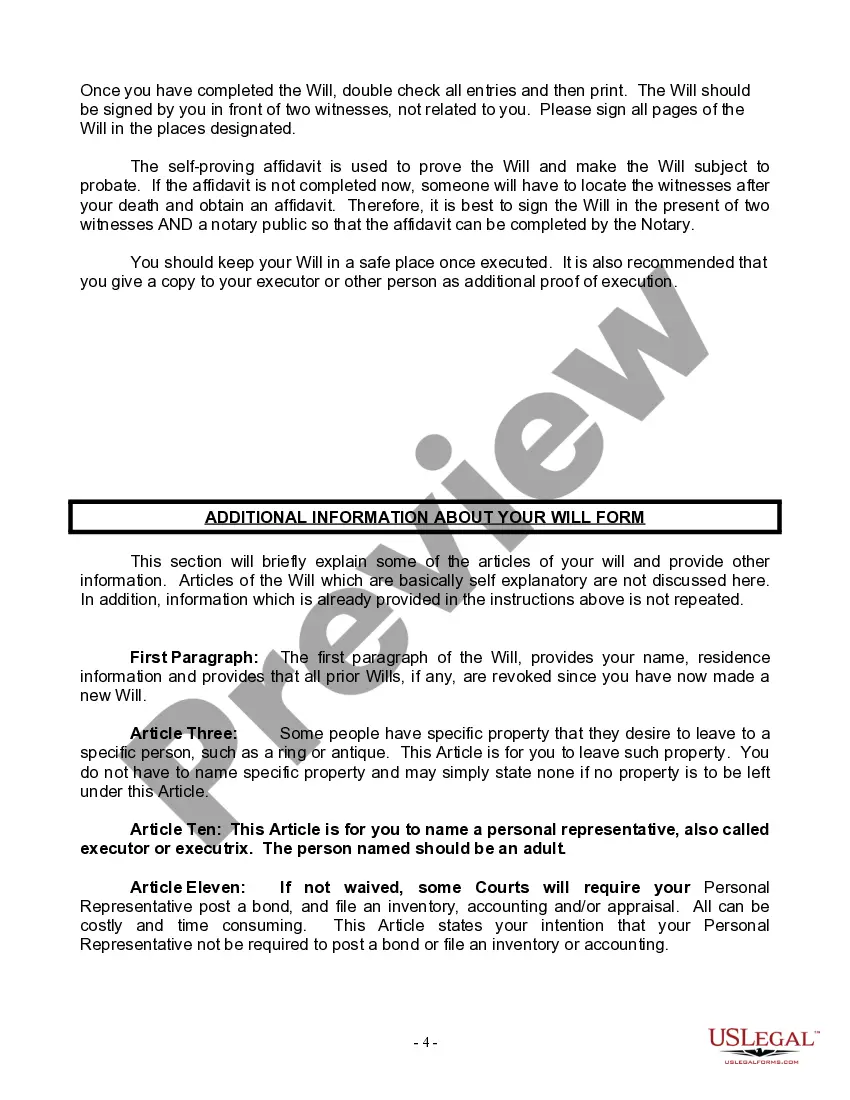
- Designate a personal representative, an alternate, and a guardian for your minor children.
- Ensure the document is signed in front of two witnesses, who must not be beneficiaries.
Does this document require notarization?
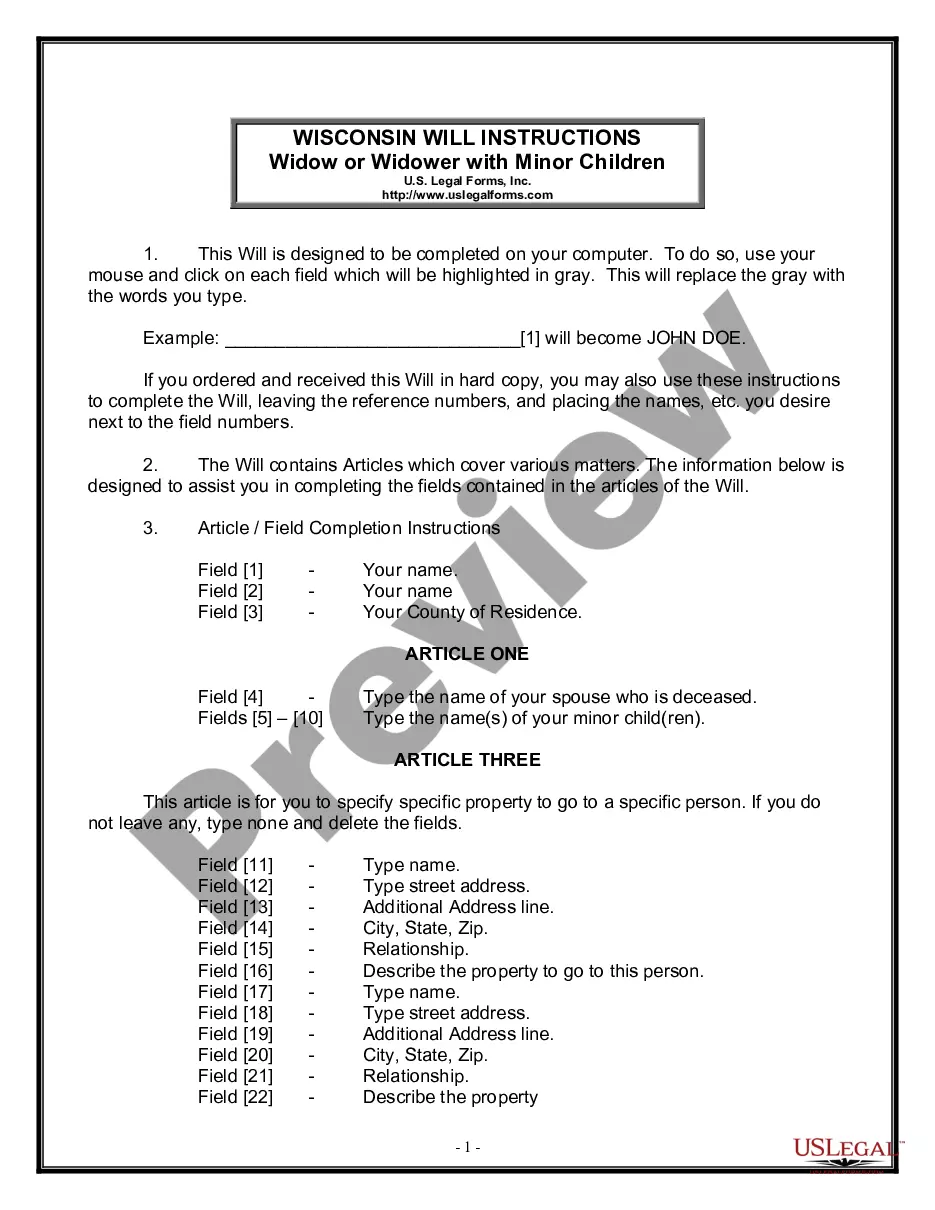
Yes, this form must be notarized to be legally valid. A notary public must sign the document if it contains a self-proving affidavit. US Legal Forms offers integrated online notarization services, providing secure video calls, which ensures that your document can be notarized without the need for travel.
Get your form ready online
Our built-in tools help you complete, sign, share, and store your documents in one place.
Make edits, fill in missing information, and update formatting in US Legal Forms—just like you would in MS Word.
Download a copy, print it, send it by email, or mail it via USPS—whatever works best for your next step.
Sign and collect signatures with our SignNow integration. Send to multiple recipients, set reminders, and more. Go Premium to unlock E-Sign.
If this form requires notarization, complete it online through a secure video call—no need to meet a notary in person or wait for an appointment.
We protect your documents and personal data by following strict security and privacy standards.

Make edits, fill in missing information, and update formatting in US Legal Forms—just like you would in MS Word.

Download a copy, print it, send it by email, or mail it via USPS—whatever works best for your next step.

Sign and collect signatures with our SignNow integration. Send to multiple recipients, set reminders, and more. Go Premium to unlock E-Sign.

If this form requires notarization, complete it online through a secure video call—no need to meet a notary in person or wait for an appointment.

We protect your documents and personal data by following strict security and privacy standards.
Common mistakes
- Failing to have the document signed by required witnesses or notarized, where necessary.
- Not specifying a guardian for minor children, leaving their care uncertain.
- Neglecting to keep the Will in a safe place where it can easily be accessed after your death.
- Using unclear or vague language in describing specific bequests.
Benefits of completing this form online
- Convenient online editing to suit your specific needs without legal hassles.
- Assured reliability, as all forms are drafted by licensed attorneys.
- Accessibility to download and print the form whenever you need it.
- Integration of instructions that simplify the completion process.
Summary of main points
- The Last Will and Testament for Widow or Widower with Minor Children helps outline asset distribution and guardianship for children.
- It's crucial to complete the Will according to the specific legal requirements of your state.
- Appointing a trustworthy personal representative is vital for ensuring your wishes are carried out.
- Regularly review and update your Will as circumstances in your life change.
Looking for another form?

Form popularity
FAQ
Include personal identifying information. Include a statement about your age and mental status. Designate an executor. Decide who will take care of your children. Choose your beneficiaries. List your funeral details. Sign and date your Last Will and Testament.
Create the initial document. Start by titling the document Last Will and Testament" and including your full legal name and address. Designate an executor. Appoint a guardian. Name the beneficiaries. Designate the assets. Ask witnesses to sign your will. Store your will in a safe place.
Your last will and testament allows you to say how you want your property disposed of after you pass away.You do not need to file your will with a court or other public office before you pass away for it to be valid, although you can choose to.
Probate matters in Wisconsin are handled at the local circuit court level. If there is a will, it must be filed with the court, even if probate isn't needed to distribute the decedent's property.
Find an online template or service. Make a list of your assets. Be specific about who gets what. If you have minor children, choose a guardian. Give instructions for your pet. Choose an executor. Name a 'residuary beneficiary' List your funeral preferences.
In order for a will to be valid, Wisconsin law requires that it be written. There are some states that allow holographic wills, which are handwritten and signed without witnesses present.In Wisconsin, you must sign a will in the conscious presence of two witnesses in order for the will to be valid.
All beneficiaries named in a will are entitled to receive a copy of it so they can understand what they'll be receiving from the estate and when they'll be receiving it. 4feff If any beneficiary is a minor, his natural or legal guardian should be given a copy of the will on his behalf.
Contrary to popular belief, you do not need to have an attorney draft a will for you. Anyone can write this document on their own, and as long as it meets all of the legal requirements of the state, courts will recognize one you wrote yourself.
Forms can be obtained in person from the Register in Probate office. A small fee may be charged. Forms can also be obtained online at Wisconsin Court System - Circuit court forms.