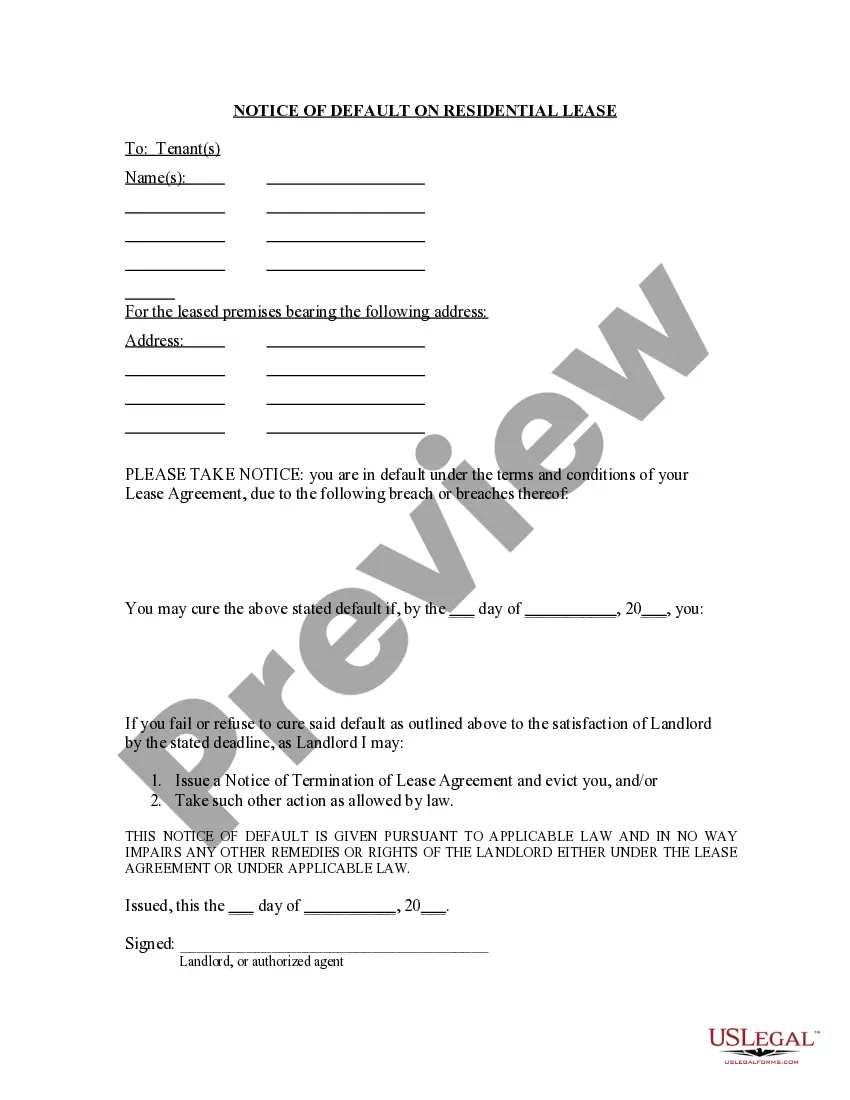
Wisconsin Notice of Default on Residential Lease
Overview of this form
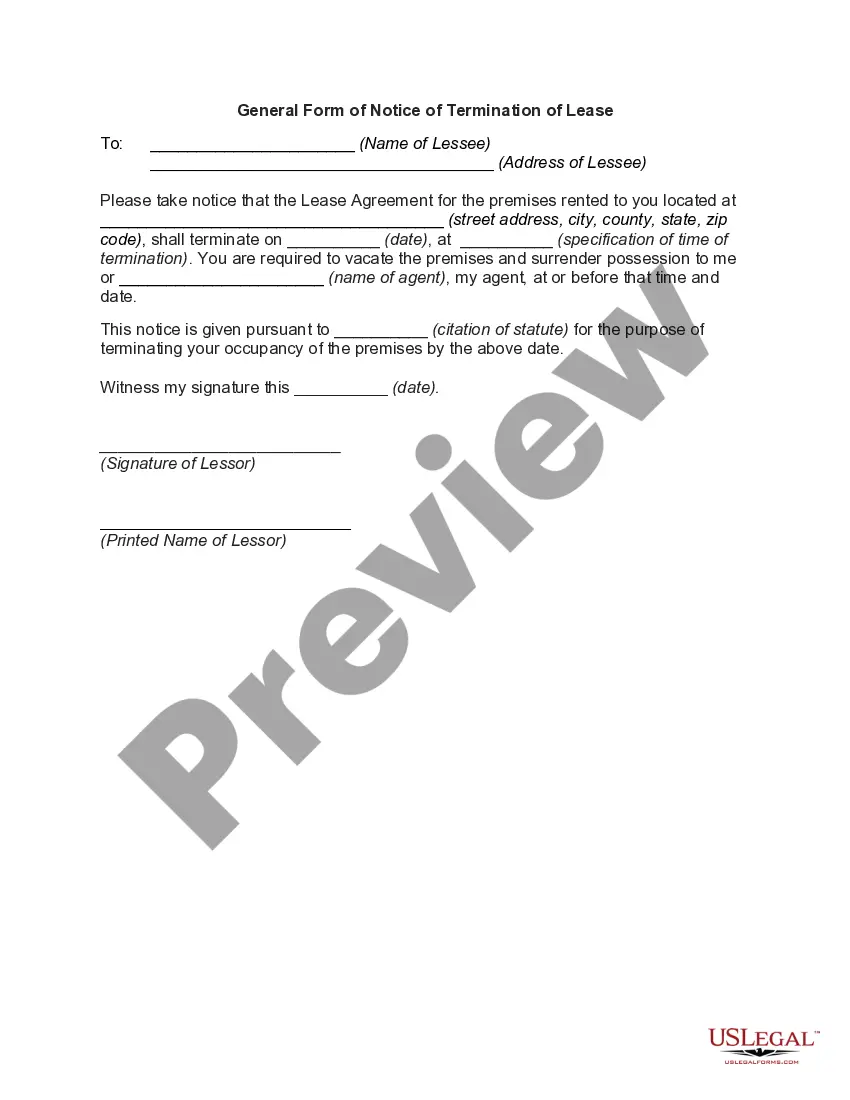
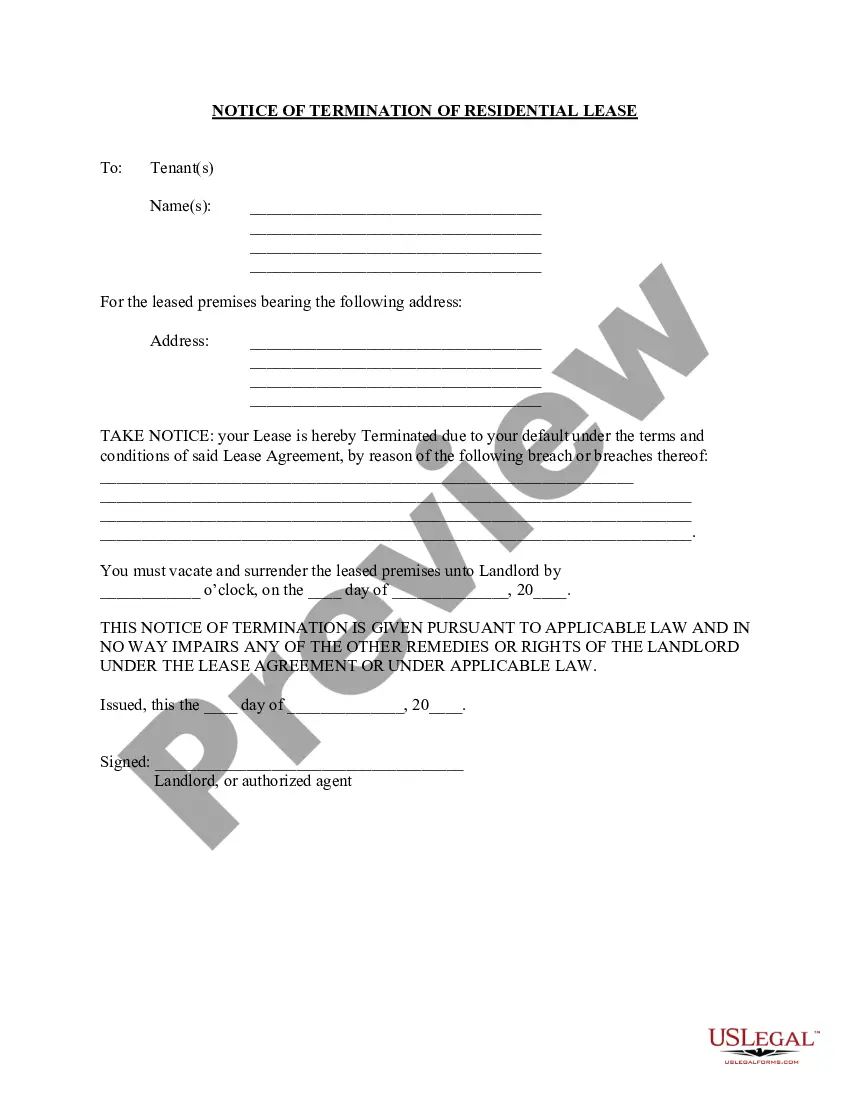
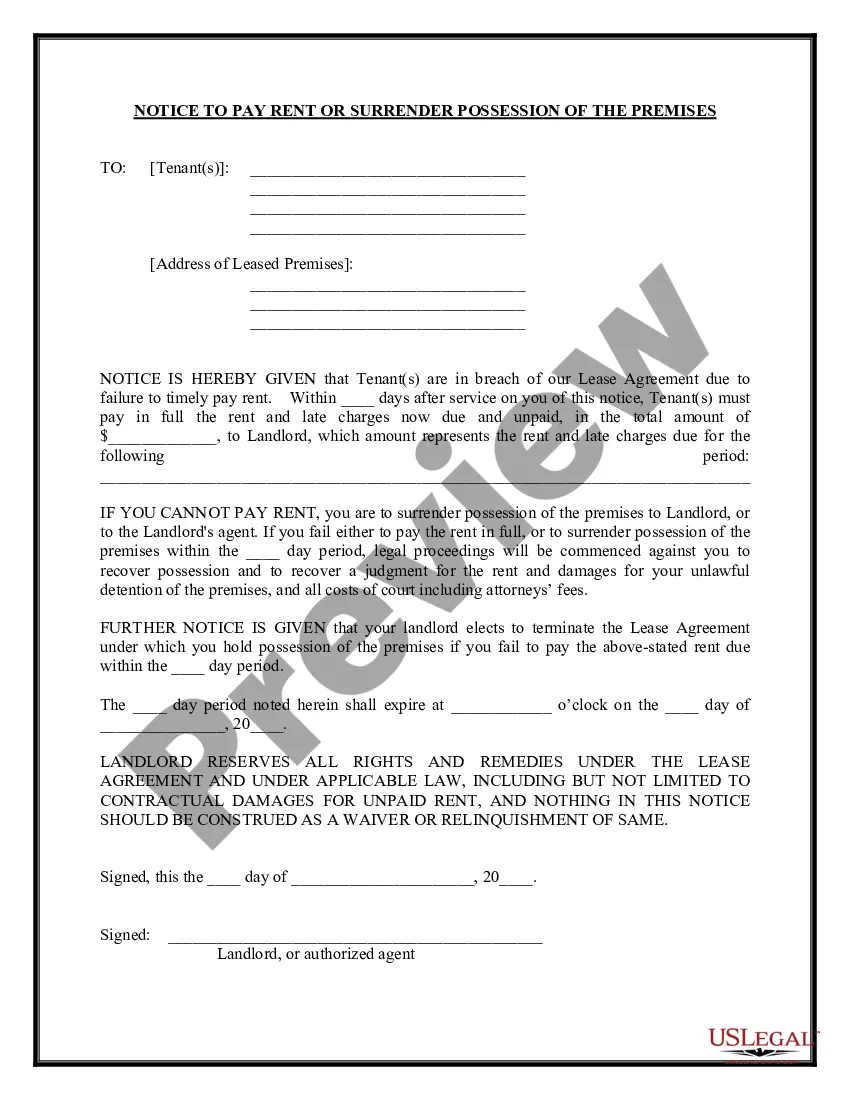
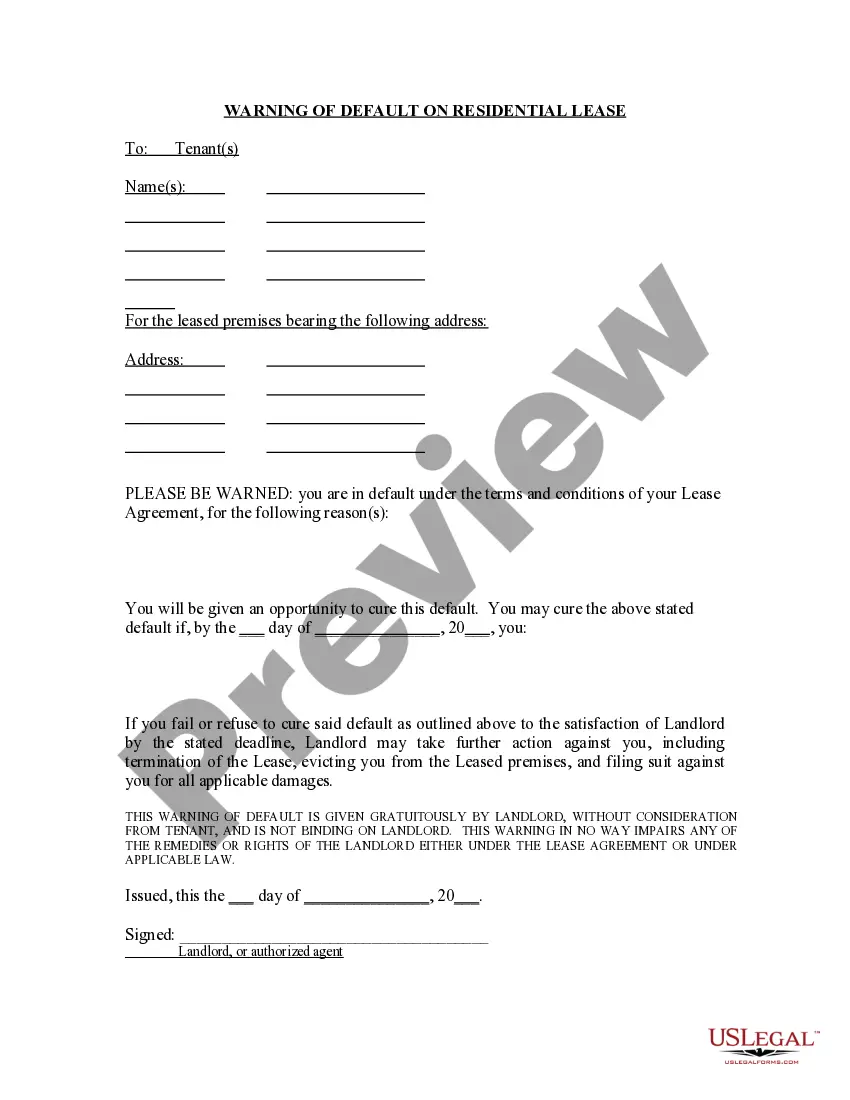
The Notice of Default on Residential Lease is a legal document that landlords use to formally notify tenants of specific defaults under their lease agreement. This includes issues like late rent payments. The purpose of this notice is to outline the reasons for the default and provide a deadline for the tenant to remedy the situation. This form differs from a Notice of Termination, as it serves as a preliminary step before potential eviction proceedings can take place.
Key parts of this document
- Identification of the landlord and tenant parties involved.
- Clear description of the default(s) that have occurred.
- Deadline date by which the tenant must cure the default.
- Consequences of failing to remedy the default, including possible eviction.
- Signature field for the landlord or authorized agent.
When to use this document
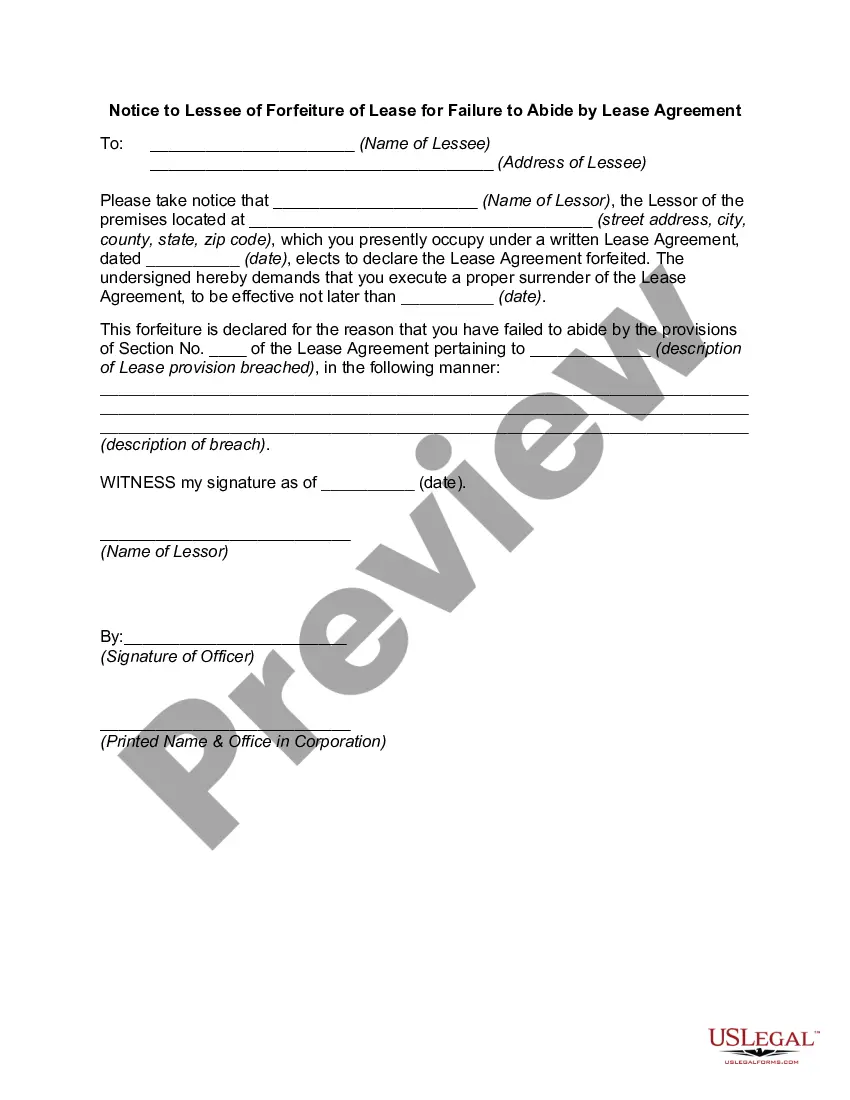
This form should be used when a tenant has failed to meet the terms of their lease, primarily in cases of late rent payments or other specified defaults. Landlords should issue this notice before taking further action, such as initiating eviction proceedings or accessing security deposits for unpaid rent. It acts as a formal warning and gives the tenant an opportunity to rectify the violation.
Who can use this document
- Residential landlords seeking to communicate a tenant's lease default.
- Property managers acting on behalf of landlords.
- Tenant landlords in multi-unit housing situations.
How to prepare this document
- Identify the parties involved by entering the landlord's and tenant's names.
- Specify the reasons for the default in clear language.
- Set a deadline date by which the tenant must cure the default.
- Include information on potential consequences for the tenant if the default is not resolved.
- Sign and date the notice, ensuring it is issued by the landlord or authorized agent.
Notarization guidance
Notarization is not commonly needed for this form. However, certain documents or local rules may make it necessary. Our notarization service, powered by Notarize, allows you to finalize it securely online anytime, day or night.
Get your form ready online
Our built-in tools help you complete, sign, share, and store your documents in one place.
Make edits, fill in missing information, and update formatting in US Legal Forms—just like you would in MS Word.
Download a copy, print it, send it by email, or mail it via USPS—whatever works best for your next step.
Sign and collect signatures with our SignNow integration. Send to multiple recipients, set reminders, and more. Go Premium to unlock E-Sign.
If this form requires notarization, complete it online through a secure video call—no need to meet a notary in person or wait for an appointment.
We protect your documents and personal data by following strict security and privacy standards.

Make edits, fill in missing information, and update formatting in US Legal Forms—just like you would in MS Word.

Download a copy, print it, send it by email, or mail it via USPS—whatever works best for your next step.

Sign and collect signatures with our SignNow integration. Send to multiple recipients, set reminders, and more. Go Premium to unlock E-Sign.

If this form requires notarization, complete it online through a secure video call—no need to meet a notary in person or wait for an appointment.

We protect your documents and personal data by following strict security and privacy standards.
Common mistakes to avoid
- Failing to specify the exact reasons for the default.
- Not providing a realistic deadline for the tenant to remedy the situation.
- Neglecting to sign the notice before delivering it to the tenant.
- Sending the notice without confirming the appropriate local regulations have been followed.
Benefits of using this form online
- Immediate access to legally compliant templates.
- Convenience of downloading and editing documents from home.
- Templates are drafted by licensed attorneys, ensuring reliability.
- Easy to customize for your specific situation and state requirements.
Legal use & context
This form is legally enforceable under landlord-tenant law. It serves as a preliminary legal step prior to eviction proceedings. Proper use of this notice is critical to protect a landlord's rights and ensure compliance with the law.
Looking for another form?
Form popularity
FAQ
If you are renting by the month, the landlord may terminate the rental agreement by giving you a written termination notice at least 28 days before the next rent due date. You must use the same procedure in notifying the landlord of your intent to terminate the rental agreement, Wis.
Your landlord can end the let at any time by serving a written 'notice to quit'. The notice period will depend on the tenancy or agreement, but is often at least 4 weeks.
In landlord-tenant law, default refers to the failure of a tenant to timely pay rent due.In general, the landlord is required to give the tenant notice of the default before bringing eviction proceedings or applying security deposit proceeds to the payment in default.
At-will tenancy is subject to the will of both the tenant and the landlord (hence the name). In other words, the tenant can choose to leave and stop paying rent at any time, and the landlord can choose to stop accepting rent and ask the tenant to leave at any time.
In Wisconsin, a landlord can evict a tenant for a variety of reasons, such as tenant nonpayment of rent or violation of rental or lease agreement term. Depending on the circumstances, a tenant facing an eviction may have the legal grounds, or a defense, to challenge the eviction.
Landlords are prohibited from harassing or retaliating against tenants who exercise their legal rights. In Wisconsin, the landlord must not terminate, refuse to renew a lease, or fine a tenant for complaining to the landlord regarding the deposit, complaining to a government agency, or exercising a legal right.
The landlord can enter at reasonable times to inspect the premises, make repairs, or show the premises to prospective tenants. The landlord usually must give 12 hours notice before entry, unless immediate entry is necessary to preserve or protect the premises, such as in case of a fire or a burst water pipe.
Tenant default occurs when a Tenant breaches one of the tenant's covenants in its lease. Tenant default can arise in a number of different ways but will typically be for one of the following: Non-payment of rent or other sums reserved under the lease.