Wisconsin Guaranty or Guarantee of Payment of Rent
Overview of this form
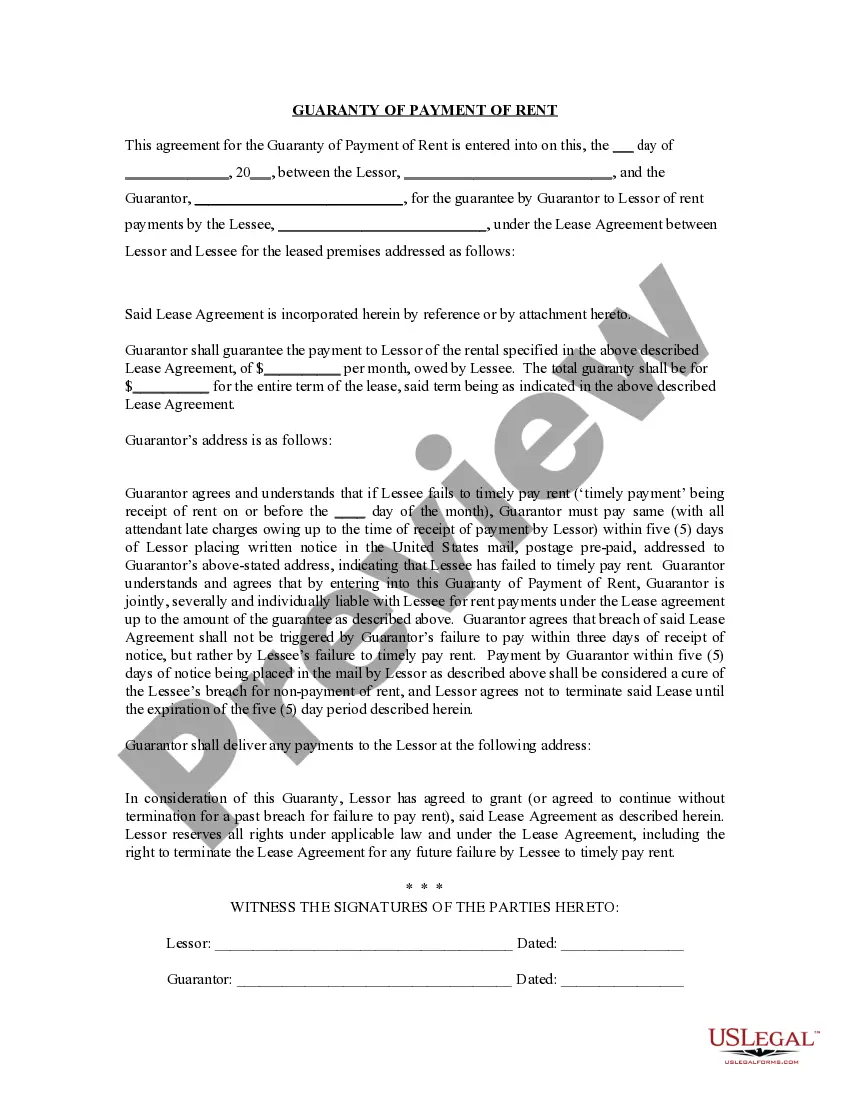
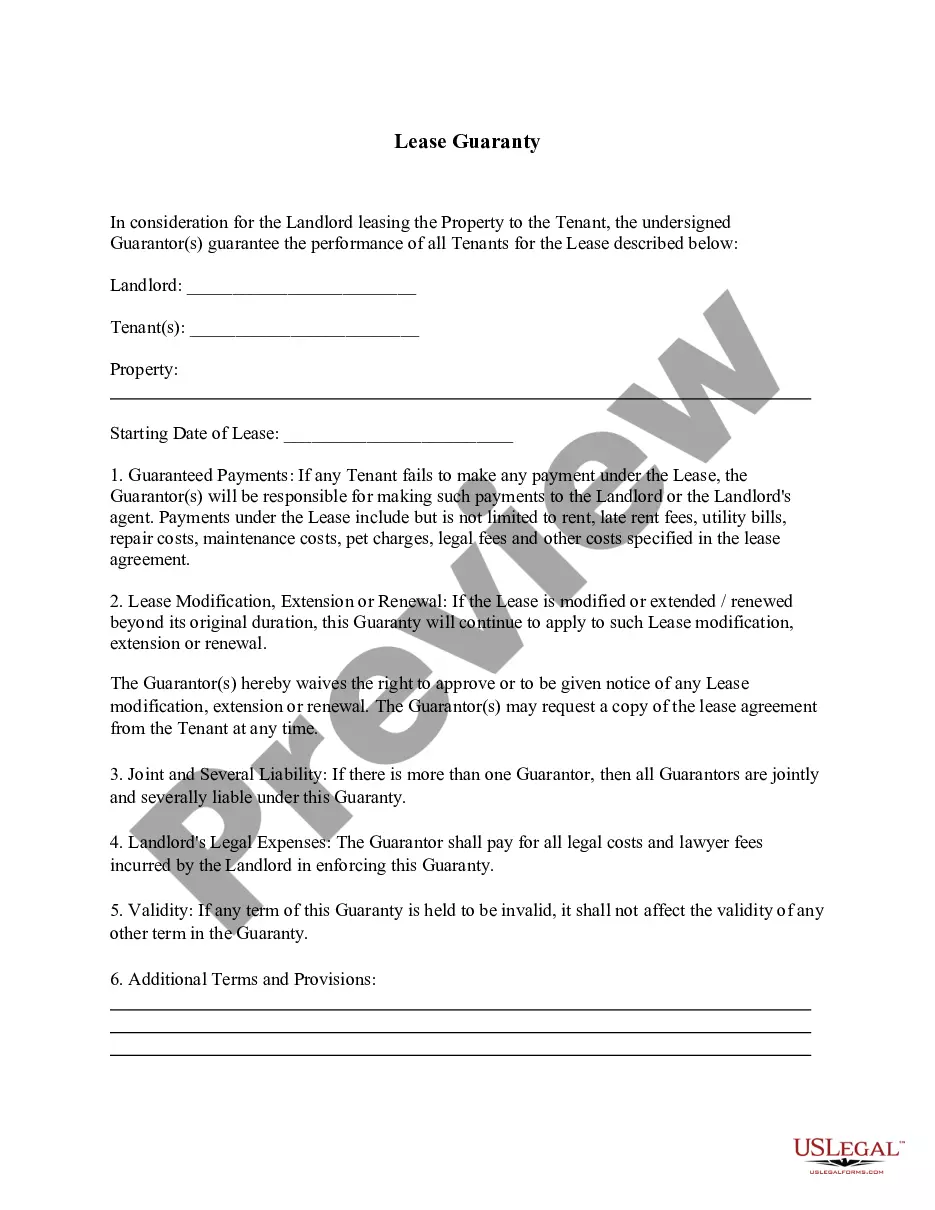
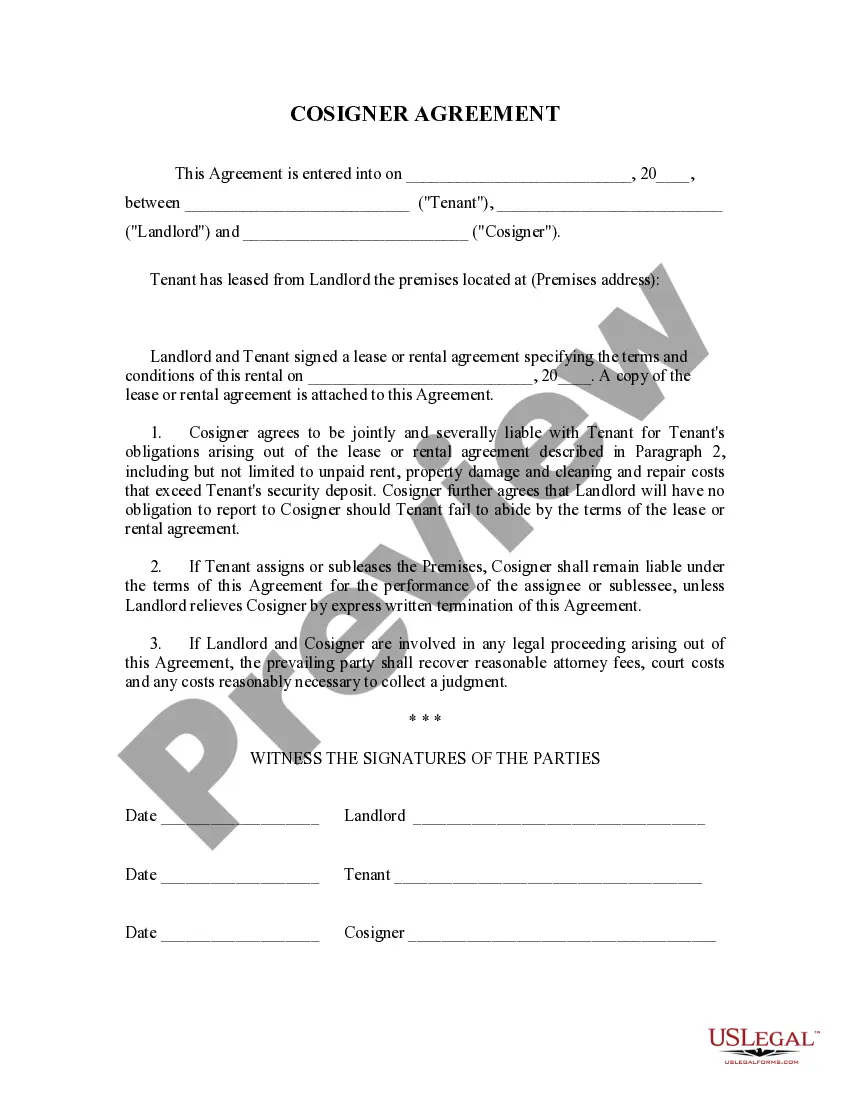
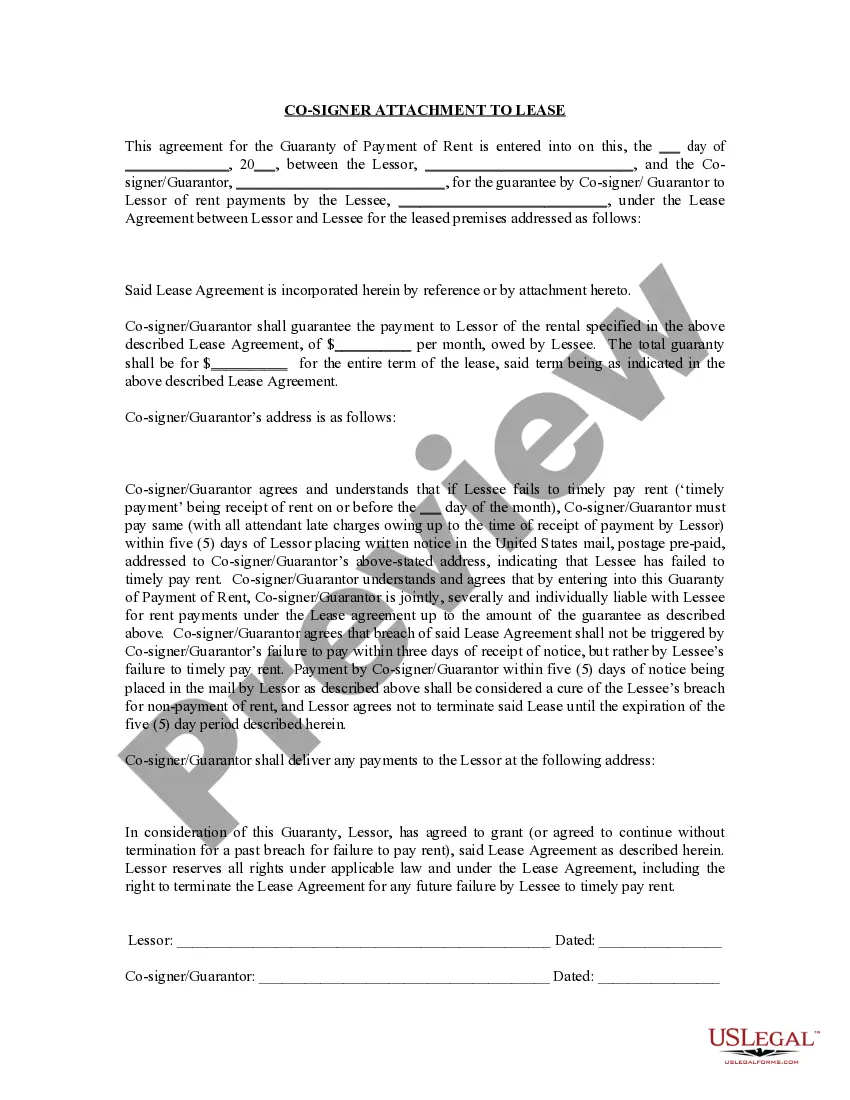
The Guaranty or Guarantee of Payment of Rent is a legal document where a guarantor agrees to pay rent on behalf of a tenant who might be unable to do so. This contract outlines the responsibilities of both the guarantor and the landlord, specifying the conditions that trigger the guarantor's obligation to pay. Unlike standard lease agreements, this guaranty provides added security for landlords by ensuring straightforward compensation in the event of tenant default.
Form components explained
- Guarantor's information: Requires the name and address of the guarantor.
- Lessor's information: Identifies the landlord's details.
- Terms of the guaranty: States the conditions under which the guarantor must pay.
- Signatures: Both parties must sign and date the agreement for it to be binding.
Situations where this form applies
This form is necessary when a tenant is applying for a lease but may not have sufficient credit history or income to qualify. It is particularly useful for students, first-time renters, or those moving to a new area without prior rental history. Landlords may also require a guaranty to mitigate financial risks associated with leasing property.
Who can use this document
Individuals or entities who should consider using this form include:
- Tenants seeking to rent property without strong credit or rental history.
- Guarantors, often family or friends, willing to ensure rent payments.
- Landlords who require additional assurance for rent payments.
Instructions for completing this form
- Identify the parties involved: Fill in the names and addresses of both the guarantor and the landlord.
- Specify the lease terms: Clearly outline the rent amount and the duration of the lease covered by the guaranty.
- Detail the conditions for payment: Include the circumstances under which the guarantor must pay the rent.
- Sign the agreement: Both the guarantor and landlord must sign the document, including the date.
- Distribute copies: Ensure that all parties retain a copy for their records.
Does this document require notarization?
This form does not typically require notarization to be legally valid. However, some jurisdictions or document types may still require it. US Legal Forms provides secure online notarization powered by Notarize, available 24/7 for added convenience.
Get your form ready online
Our built-in tools help you complete, sign, share, and store your documents in one place.
Make edits, fill in missing information, and update formatting in US Legal Forms—just like you would in MS Word.
Download a copy, print it, send it by email, or mail it via USPS—whatever works best for your next step.
Sign and collect signatures with our SignNow integration. Send to multiple recipients, set reminders, and more. Go Premium to unlock E-Sign.
If this form requires notarization, complete it online through a secure video call—no need to meet a notary in person or wait for an appointment.
We protect your documents and personal data by following strict security and privacy standards.

Make edits, fill in missing information, and update formatting in US Legal Forms—just like you would in MS Word.

Download a copy, print it, send it by email, or mail it via USPS—whatever works best for your next step.

Sign and collect signatures with our SignNow integration. Send to multiple recipients, set reminders, and more. Go Premium to unlock E-Sign.

If this form requires notarization, complete it online through a secure video call—no need to meet a notary in person or wait for an appointment.

We protect your documents and personal data by following strict security and privacy standards.
Mistakes to watch out for
- Not including all parties' full names and addresses.
- Failing to specify the conditions that trigger the guarantor's obligation.
- Skipping signatures or dates, making the form unenforceable.
- Using vague language that could lead to misunderstandings about obligations.
Benefits of using this form online
- Convenient access: Obtain the form anytime without a physical visit to an attorney.
- Editable templates: Customize the form to fit specific needs and situations.
- Reliability: Forms are prepared by licensed attorneys, ensuring legal compliance.
Legal use & context
- This document functions as a legally enforceable contract between the guarantor and the landlord.
- It is important to retain a copy for personal records after completion.
- Guarantee agreements can help landlords in the collection process, should the tenant default on rent payments.
Quick recap
- A Guaranty of Payment of Rent provides security for landlords while assisting tenants in qualifying for housing.
- Proper completion and signatures are essential for legal validity.
- Consider having the document notarized for additional security.
Looking for another form?
Form popularity
FAQ
A guarantor is a third party who 'guarantees' a loan, mortgage or rental agreement. This means they agree to repay the total amount owed if the borrower or renter can't pay what they owe. By guaranteeing the agreement, you become responsible for any arrears that occur.
If you're renting in London, you'll need to go through credit checks and referencing as part of the rental application process. If you're new to renting or you can't provide a reference from a previous landlord, you might be asked to provide a guarantor.
In rental property, the guarantors are also liable for any damage, cleaning costs, outstanding bills or any other tenancy related obligation - in effect they are agreeing to the obligations outlined in the tenancy agreement.
Landlords are entitled to ask for a guarantor and may not want to rent to someone who is unable to provide one.The landlord may, for example, agree to take a larger than usual deposit instead of a guarantor. Any deposit that you pay must be protected in an approved scheme.
Most landlords and letting agents require tenants to have a Guarantor in order to qualify as a suitable tenant. Some tenants for one reason or another can't arrange a Guarantor.The reality is, a guarantor is a prerequisite for every sensible landlord, and rightly so.
It's very common for a guarantee to last as long as the tenancy lasts. So, if the tenant remains in the property for four years, you will continue to be responsible for any arrears or damages during that entire period. Most tenancies will run for a fixed term and will then continue on a month-by-month basis.
Quite simply, if a guarantor can technically pay, but decides they will not pay it for whatever reason, they are breaking the contract that they signed.Collateral may be taken into account if the guarantor will not pay up what is due or the lender may have a claim in their estate.
It's very common for a guarantee to last as long as the tenancy lasts. So, if the tenant remains in the property for four years, you will continue to be responsible for any arrears or damages during that entire period.
Essentially, in the event of a tenant being unable to meet their obligations under the Tenancy Agreement contract, whether it is for overdue rent, damage to the property or whatever, the Guarantor is legally bound to accept the liabilities on behalf of the tenant.