Texas General Warranty Deed - Two Individuals to an Individual and a LLC
What this document covers
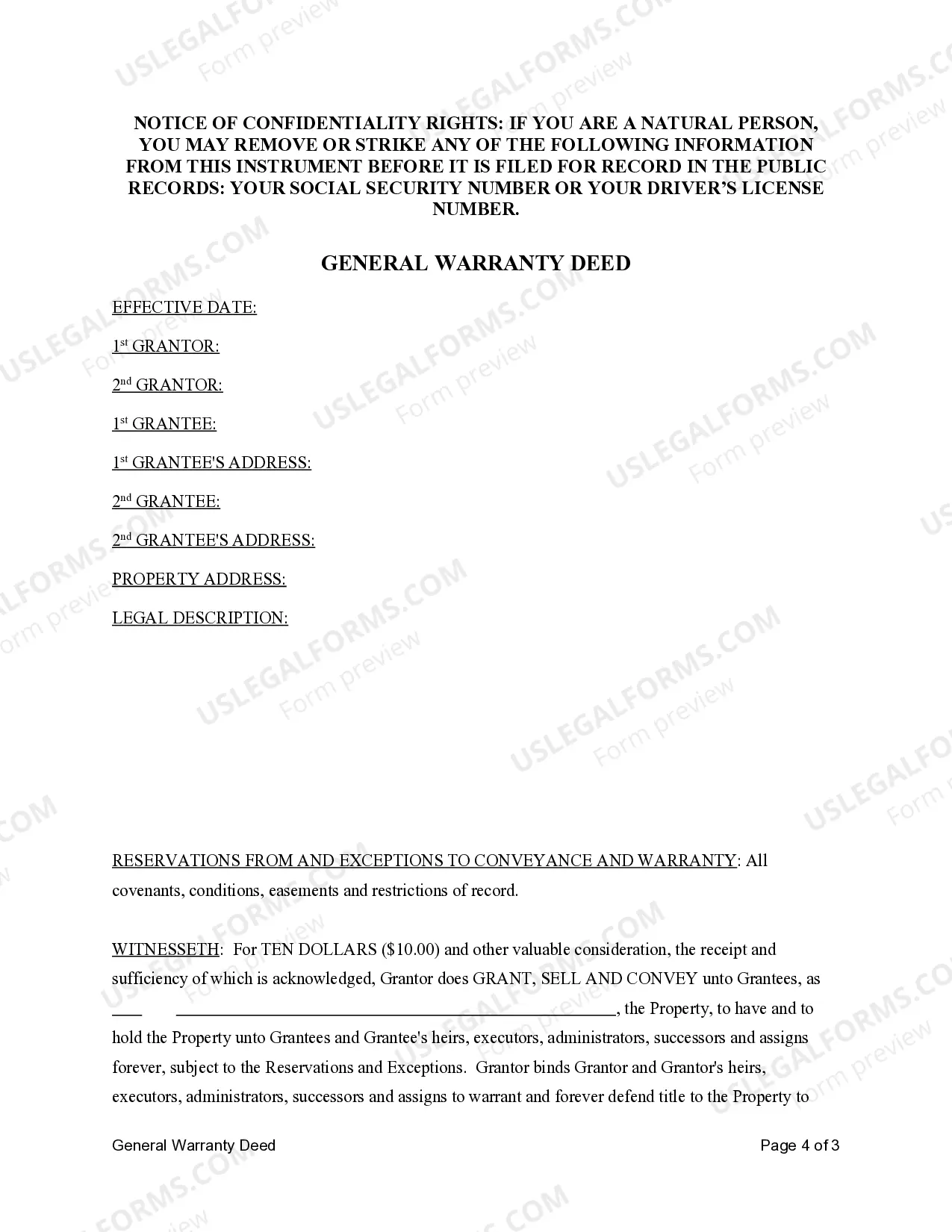
The General Warranty Deed - Two Individuals to an Individual and a LLC is a legal document used to transfer real property from two individuals (grantors) to an individual and a limited liability company (grantees). This deed provides a warranty that the property is clear of any encumbrances and complies with state laws. This form is distinct from other deed types, like quitclaim deeds, as it offers guarantees regarding the ownership and condition of the property being transferred.
Main sections of this form
- Parties involved: Details about the grantors and grantees.
- Property description: Clear identification of the real property being conveyed.
- Warranty clause: Assurances provided by the grantors regarding the property.
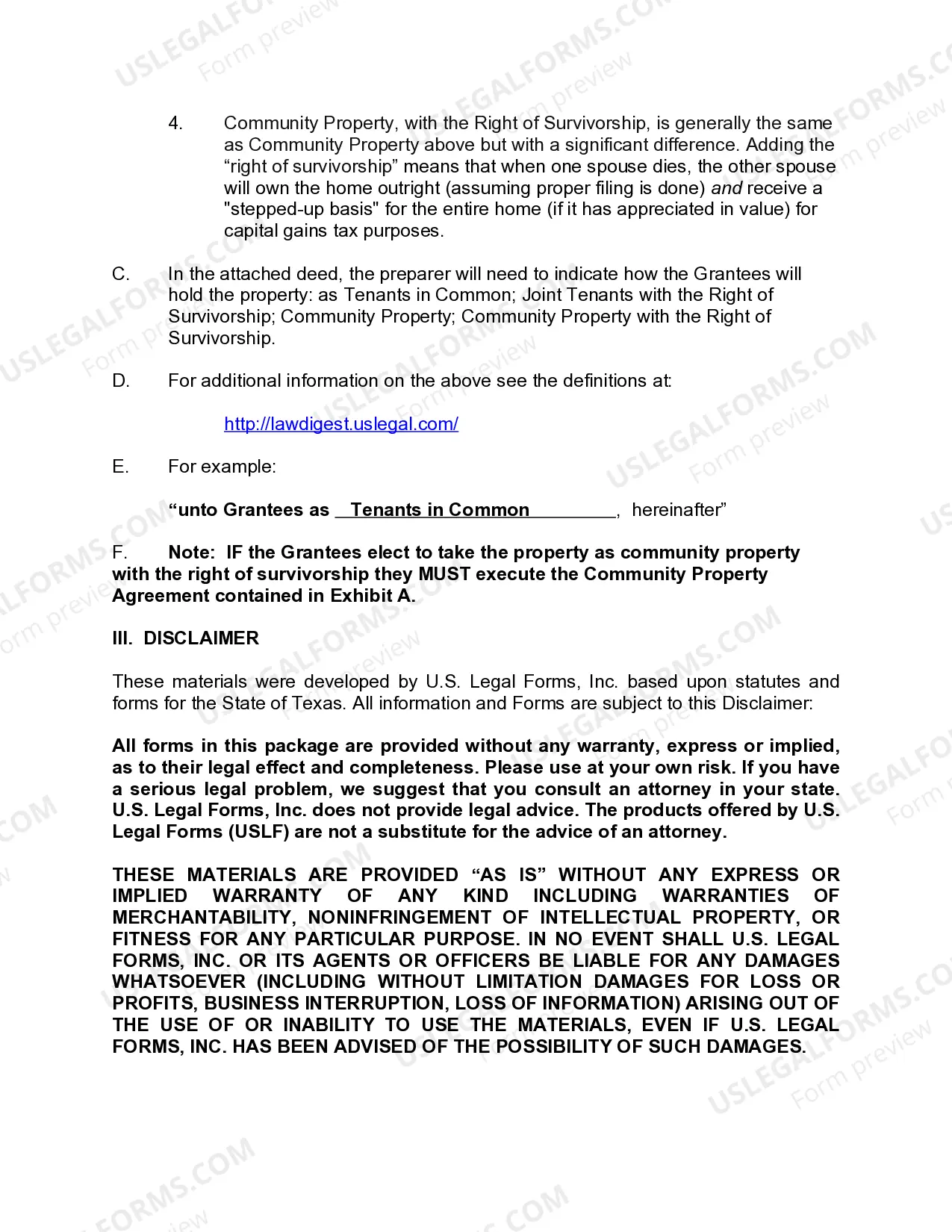
- Concurrent estate options: Specification on how the grantees will hold the property.
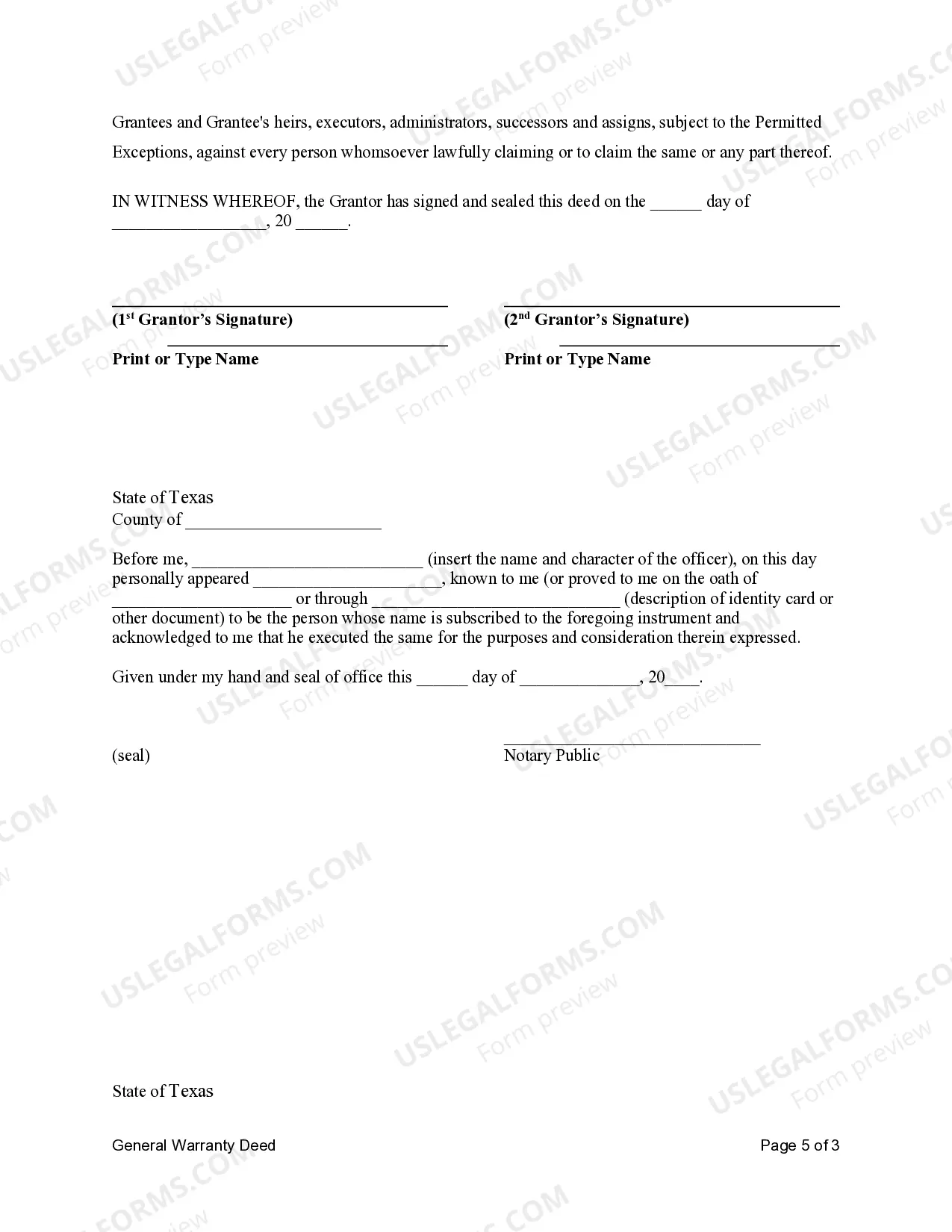
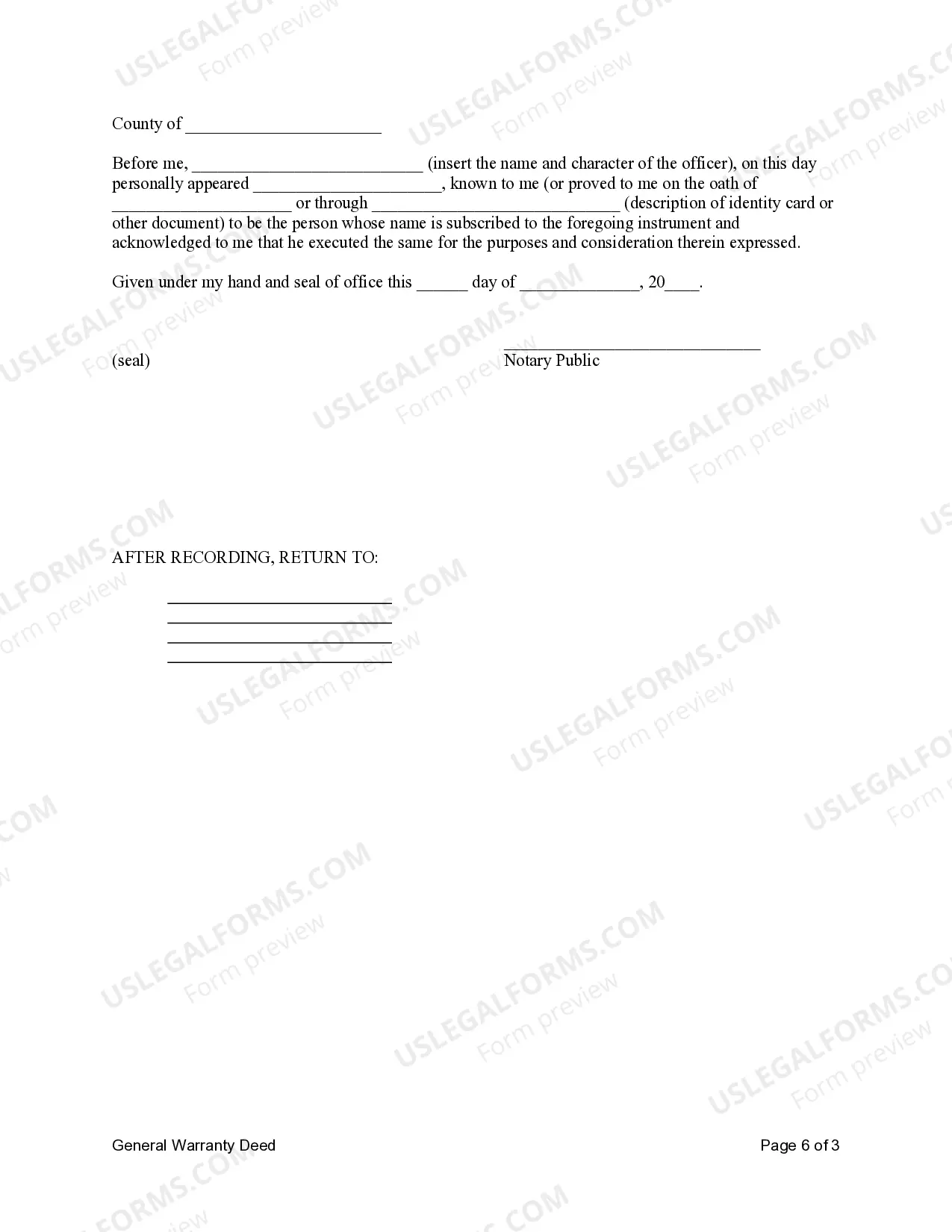
- Execution requirements: Areas for signatures and notary acknowledgments if applicable.




When to use this document
This form should be used when two individuals wish to transfer property to themselves and a limited liability company. It is suitable for real estate transactions where the grantors want to provide a general warranty to the grantees, ensuring a clear title and proper conveyance. It is commonly used in situations involving joint ownership or a partnership structure with an LLC.
Who needs this form
- Individuals transferring real property to themselves and a limited liability company.
- Partners in a business that involves real estate investment.
- Anyone needing to ensure clear title during the transfer of property.
- Property owners who require a general warranty for the transaction.
Instructions for completing this form
- Identify the parties: Clearly state the names of the individuals transferring the property and the LLC receiving it.
- Specify the property: Provide a legal description of the property being conveyed.
- Choose the concurrent estate type: Indicate how the grantees will hold the property, e.g., tenants in common or joint tenants.
- Sign the document: Both grantors should sign the deed in the presence of a notary if required.
- File the deed: Submit the completed deed to the appropriate county recorder's office for public record.
Does this document require notarization?
This form needs to be notarized to ensure legal validity. US Legal Forms provides secure online notarization powered by Notarize, allowing you to complete the process through a verified video call, available anytime.
Get your form ready online
Our built-in tools help you complete, sign, share, and store your documents in one place.
Make edits, fill in missing information, and update formatting in US Legal Forms—just like you would in MS Word.
Download a copy, print it, send it by email, or mail it via USPS—whatever works best for your next step.
Sign and collect signatures with our SignNow integration. Send to multiple recipients, set reminders, and more. Go Premium to unlock E-Sign.
If this form requires notarization, complete it online through a secure video call—no need to meet a notary in person or wait for an appointment.
We protect your documents and personal data by following strict security and privacy standards.

Make edits, fill in missing information, and update formatting in US Legal Forms—just like you would in MS Word.

Download a copy, print it, send it by email, or mail it via USPS—whatever works best for your next step.

Sign and collect signatures with our SignNow integration. Send to multiple recipients, set reminders, and more. Go Premium to unlock E-Sign.

If this form requires notarization, complete it online through a secure video call—no need to meet a notary in person or wait for an appointment.

We protect your documents and personal data by following strict security and privacy standards.
Mistakes to watch out for
- Failing to provide a complete legal description of the property.
- Not indicating the correct concurrent estate type for ownership.
- Omitting signatures from all grantors, which can invalidate the deed.
- Not properly notarizing the document when required.
Benefits of completing this form online
- Convenience: Complete the form at any time from your computer.
- Editability: Make changes easily without needing to start over.
- Reliability: Forms are drafted by licensed attorneys, ensuring legal validity.
What to keep in mind
- The General Warranty Deed ensures the transfer of property is clear and legally valid.
- Properly identifying all parties and the property description is crucial for the deed's effectiveness.
- Understanding the type of concurrent estate is essential for ownership structure.
Looking for another form?
Form popularity
FAQ
The Texas warranty deed is a form of deed that provides an unlimited warranty of title. It makes an absolute guarantee that the current owner has good title to the property.When a buyer is purchasing residential property from a seller for full value; When the buyer does not intend to purchase title insurance; or.
A warranty deed is a document often used in real estate that provides the greatest amount of protection to the purchaser of the property. The deed pledges or warrants that the owner owns the property free and clear of any outstanding liens, mortgages, or other encumbrances.
A property deed, or house deed, is a legal document that transfers ownership of real estate from the grantor (seller) to the grantee (buyer). Property deeds are the legal tool of defining ownership. When a property or house is sold, the buyer and seller sign the deed to transfer ownership.
The name and address of the seller (called the grantor) The name and address of the buyer (called the grantee) A legal description of the property (found on the previous deed) A statement that the grantor is transferring the property to the grantee.
The Texas warranty deed is a form of deed that provides an unlimited warranty of title. It makes an absolute guarantee that the current owner has good title to the property.When a buyer is purchasing residential property from a seller for full value; When the buyer does not intend to purchase title insurance; or.
It's important to note that a warranty deed does not actually prove the grantor has ownership (a title search is the best way to prove that), but it is a promise by the grantor that they are transferring ownership and if it turns out they don't actually own the property, the grantor will be responsible for compensating
The deed must be presented to and accepted by the grantee, and it should be filed of record in the county clerk's office to put the public on notice of the transfer. Failure to file the deed can subject the property to future claims by other parties. Most commonly, a grantor provides a general warranty deed.
The difference between a Warranty Deed and Special Warranty Deed is the extent of the coverage of the warranty. Both types of Warranty Deeds (Special and General) guarantee the buyer: That the seller owns the title.That the property is free of debt or other claims (aside any mentioned in the deed)
How do I add my spouse to the deed? In Texas, you can't add your spouse's name to an existing deed, but you can create a new deed by transferring the property from yourself to you and your spouse jointly. You can do this by using either a deed without warranty or a quit claim deed.