Wisconsin Proposal Bid Bond
What this document covers
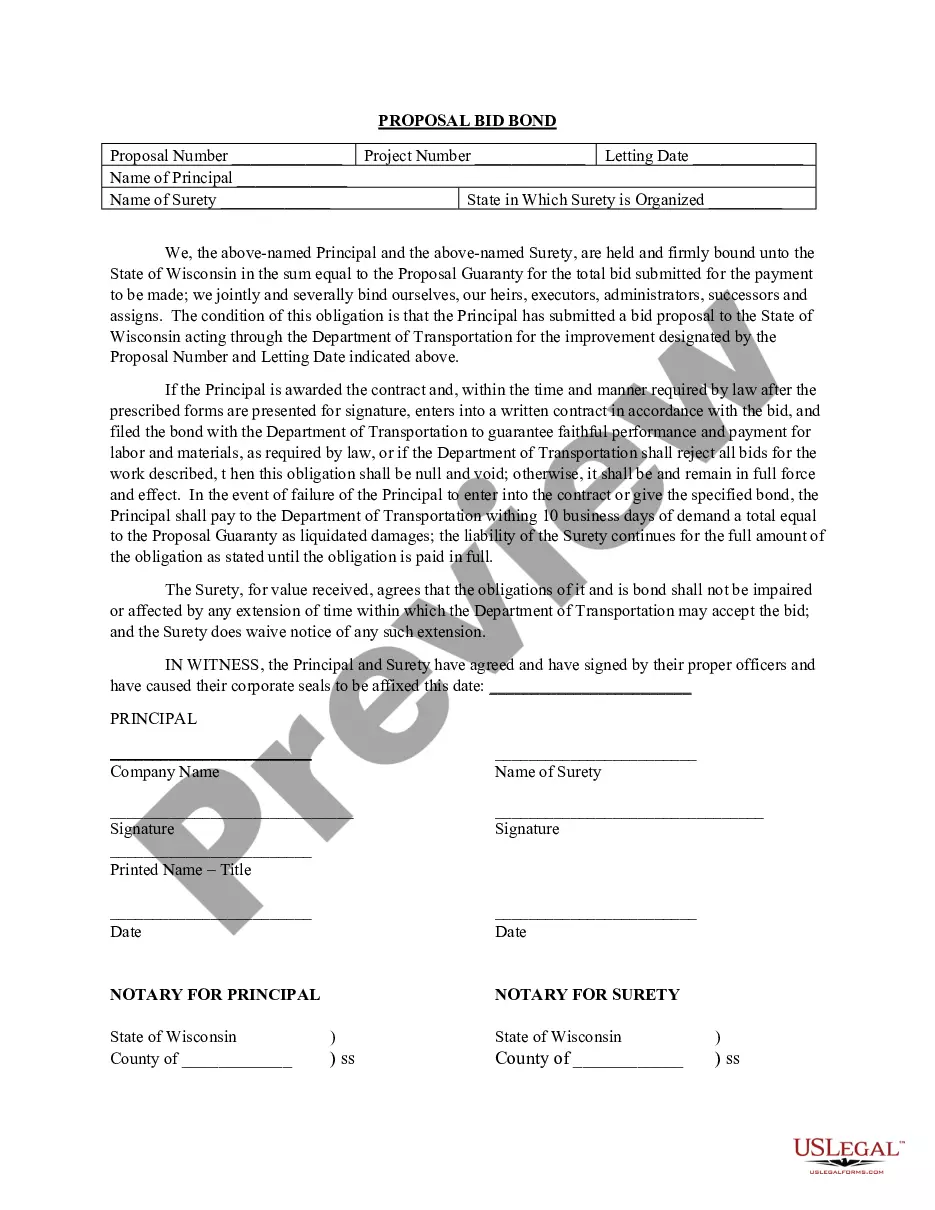
The Proposal Bid Bond is a legal document that a contractor submits when bidding for a project with the Department of Transportation. This bond guarantees that if the contractor is awarded the bid, they will enter into a contract and provide a performance bond as required. Unlike other bonding forms, the Proposal Bid Bond specifically ensures the contractor's commitment to the bid and serves as a financial safety net for the state in case of non-compliance.
Main sections of this form
- Proposal Number: Identifies the specific bid being submitted.
- Project Number: Links the bond to a particular project under the Department of Transportation.
- Name of Principal: The contractor or company submitting the bid.
- Name of Surety: The bonding company guaranteeing the contractorâs obligations.
- Liquidated Damages Clause: Outlines the contractor's financial obligations in case of default.
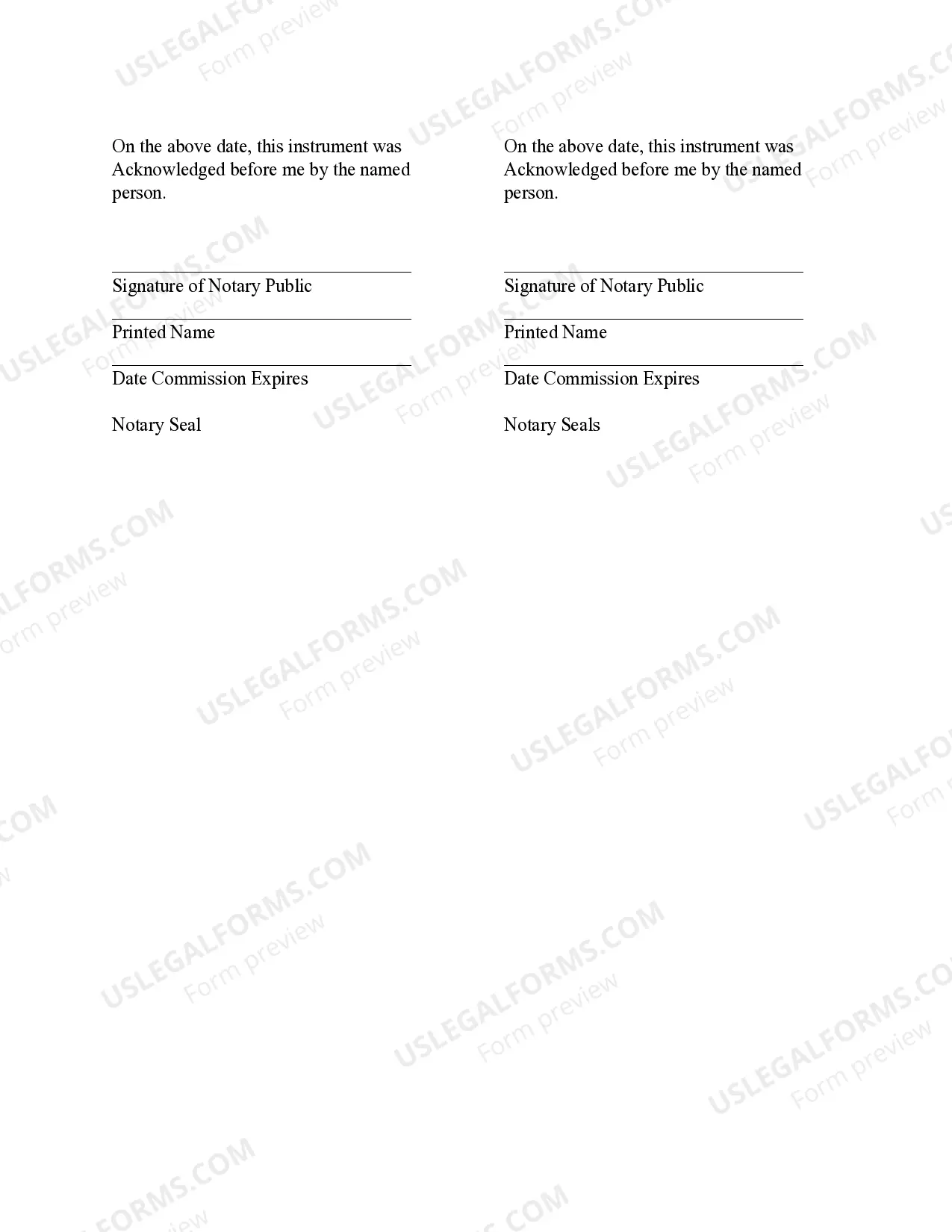
- Notary Requirements: Ensures the document is legally binding through notarization.

When this form is needed
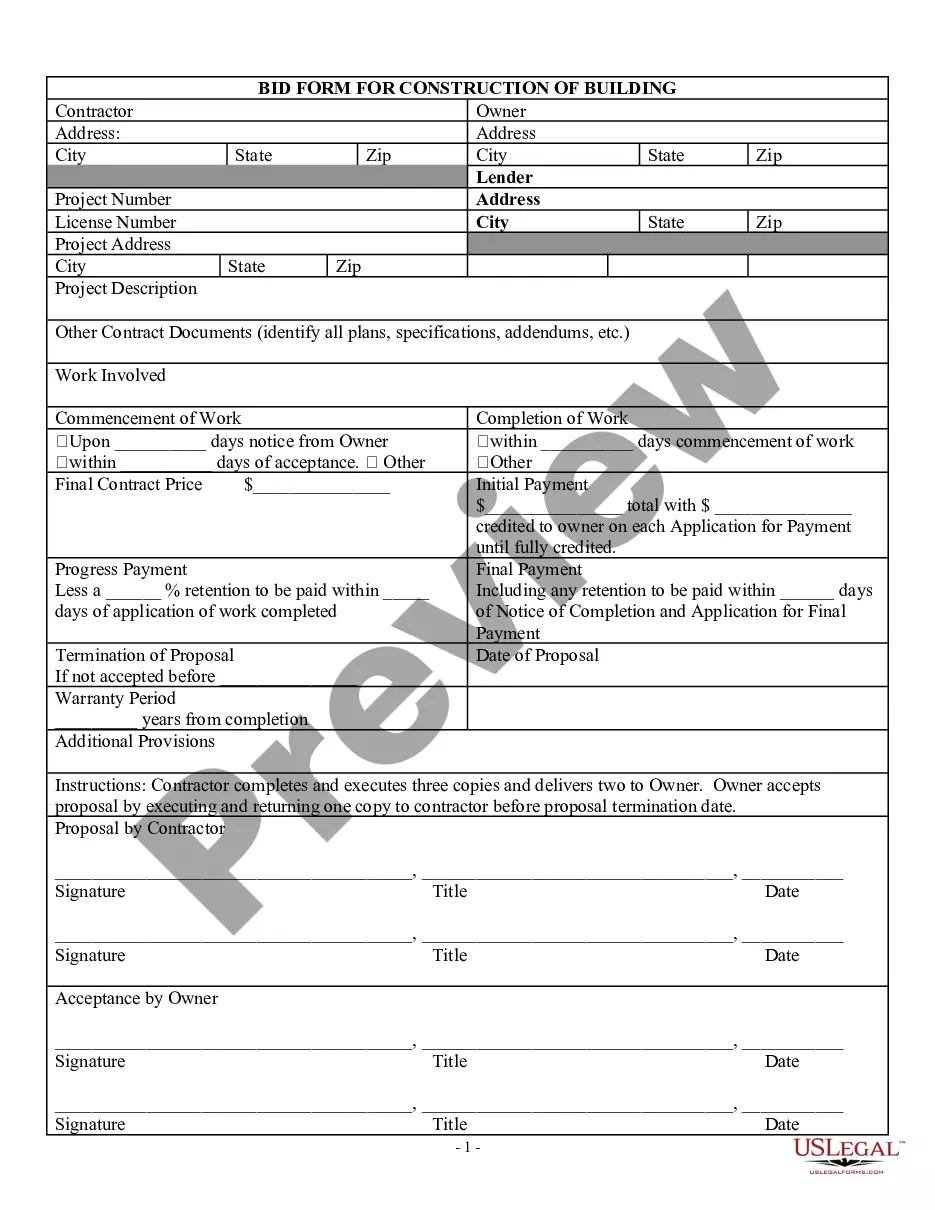
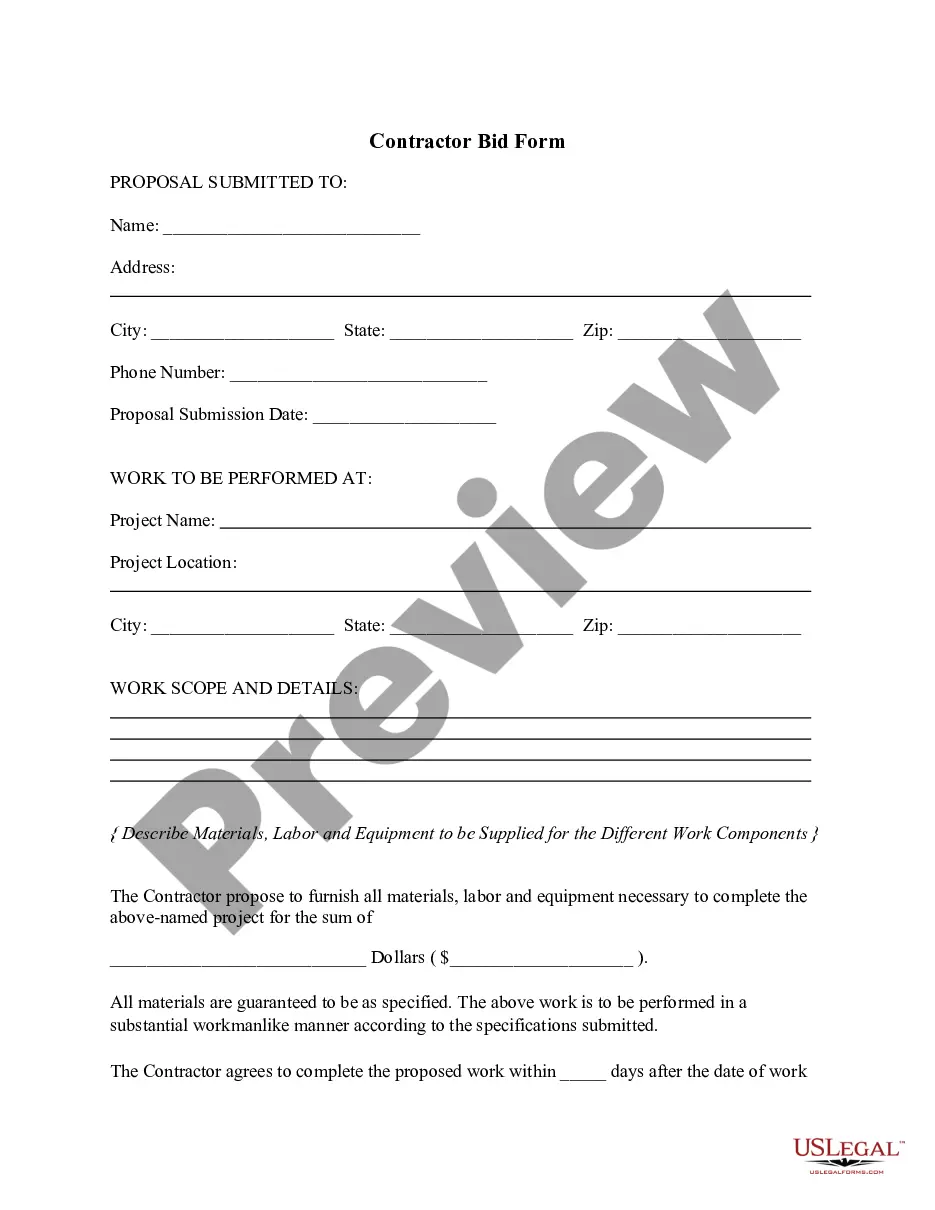
This form is necessary when a contractor wants to place a bid on a project managed by the Department of Transportation in Wisconsin. It is particularly useful when the bid requires a bond to ensure compliance with the bid proposal and contract obligations. The Proposal Bid Bond should be submitted along with the bid and is critical for projects that involve public funds or state contracts.
Who this form is for
- Contractors bidding on projects with the Department of Transportation.
- Surety companies providing bonding services to contractors.
- Businesses looking to ensure they meet bidding requirements for public contracts.
Steps to complete this form
- Identify the parties involved: Fill in the names of the Principal and Surety.
- Enter the Proposal Number and Project Number to associate the bond with the specific bidding project.
- Specify the Letting Date to indicate when the bid will be considered by the Department of Transportation.
- Provide signatures of the Principal and Surety along with dates to validate the bond.
- Complete the notary section to ensure the bond is recognized as legally binding.
Notarization guidance
Yes, this form must be notarized to be legally valid. The notarization ensures that the signatures are certified and the document is formally recognized in legal contexts. US Legal Forms offers integrated online notarization services, making it simple and secure to complete this process via video call, accessible 24/7, without the need to travel.
Get your form ready online
Our built-in tools help you complete, sign, share, and store your documents in one place.
Make edits, fill in missing information, and update formatting in US Legal Forms—just like you would in MS Word.
Download a copy, print it, send it by email, or mail it via USPS—whatever works best for your next step.
Sign and collect signatures with our SignNow integration. Send to multiple recipients, set reminders, and more. Go Premium to unlock E-Sign.
If this form requires notarization, complete it online through a secure video call—no need to meet a notary in person or wait for an appointment.
We protect your documents and personal data by following strict security and privacy standards.

Make edits, fill in missing information, and update formatting in US Legal Forms—just like you would in MS Word.

Download a copy, print it, send it by email, or mail it via USPS—whatever works best for your next step.

Sign and collect signatures with our SignNow integration. Send to multiple recipients, set reminders, and more. Go Premium to unlock E-Sign.

If this form requires notarization, complete it online through a secure video call—no need to meet a notary in person or wait for an appointment.

We protect your documents and personal data by following strict security and privacy standards.
Common mistakes to avoid
- Failing to accurately fill out the Proposal Number or Project Number.
- Not obtaining necessary signatures from both the Principal and Surety.
- Neglecting to have the form notarized, which can invalidate the bond.
- Missing the deadline to submit the bond with the bid proposal.
Advantages of online completion
- Convenience: Download and fill out the form at your own pace.
- Editability: Easily customize the form to meet specific requirements.
- Reliability: Access forms drafted by licensed attorneys to ensure compliance with legal standards.
Main things to remember
- The Proposal Bid Bond is essential for securing a bid with the Department of Transportation.
- Completing the form correctly ensures compliance with state guidelines and contract obligations.
- Notarization is required to validate the bond, and online services can simplify this step.
Looking for another form?

Form popularity
FAQ
Contract bonds, sometimes referred to as construction bonds, ensure that the obligations of a construction contract are met, from starting work as promised (bid bonds) to completing the project per specifications and on time (performance bonds) to paying their subcontractors and suppliers for the project (payment bonds
A bid bond usually involves three parties: the obligee, the surety, and the principal. The obligee is the owner or general contractor of a construction project, the principal is the contractor, and the surety is the bond company that issues the bid bond to the contractor.
Construction Bonds can be quoted as a percentage and usually range in the 0.7 ? 2.5% range, but they could go up to 3%. This is different for each bond depending on its size or other factors such as location of the project being built or availability of insurance companies willing to offer coverage at that price point.
Protections: Bid bonds and payment bonds are both obtained by a project contractor, but protect different groups. Bid bonds provide legal and financial protection for project owners against changing terms, while payment bonds provide financial protection to the workers and suppliers on a project.
Typically a bid bond is 10% of the contract price, but that isn't mandatory. Some owners will ask for 5%, a fixed dollar amount or any amount they think is worthy. The idea behind the bid bond is that the owner can recover the difference between low and second lowest bidder, and it provides a prequalification function.
The amount for each bid bond request will vary between projects but very commonly it will be 5-10% of the total contract price. One bid bond example is that a $100,000 contract may require a $10,000 bond (assuming a 10% requirement.)
A bid bond provides a guarantee that a winning bidder will take up the contract as per the terms at which they bid. A bid bond ensures compensation to the bond owner if the bidder fails to begin a project. Bid bonds are often used in construction jobs or other projects that follow a similar bid-based selection process.
A bid bond is a guarantee from a surety company to the project owner that a contractor is able to fulfill the obligations of the contract and provide contract bonds before work begins.