Massachusetts LegalLife Multistate Guide and Handbook for Selling or Buying Real Estate
Understanding this form
The LegalLife Multistate Guide and Handbook for Selling or Buying Real Estate is a comprehensive resource designed for individuals planning to purchase or sell real estate. This guide outlines the entire process, including key steps such as financing, pricing, and the closing procedure. Unlike simpler forms, this guide includes state-specific information to help users navigate the complexities of real estate transactions with confidence.
Key parts of this document
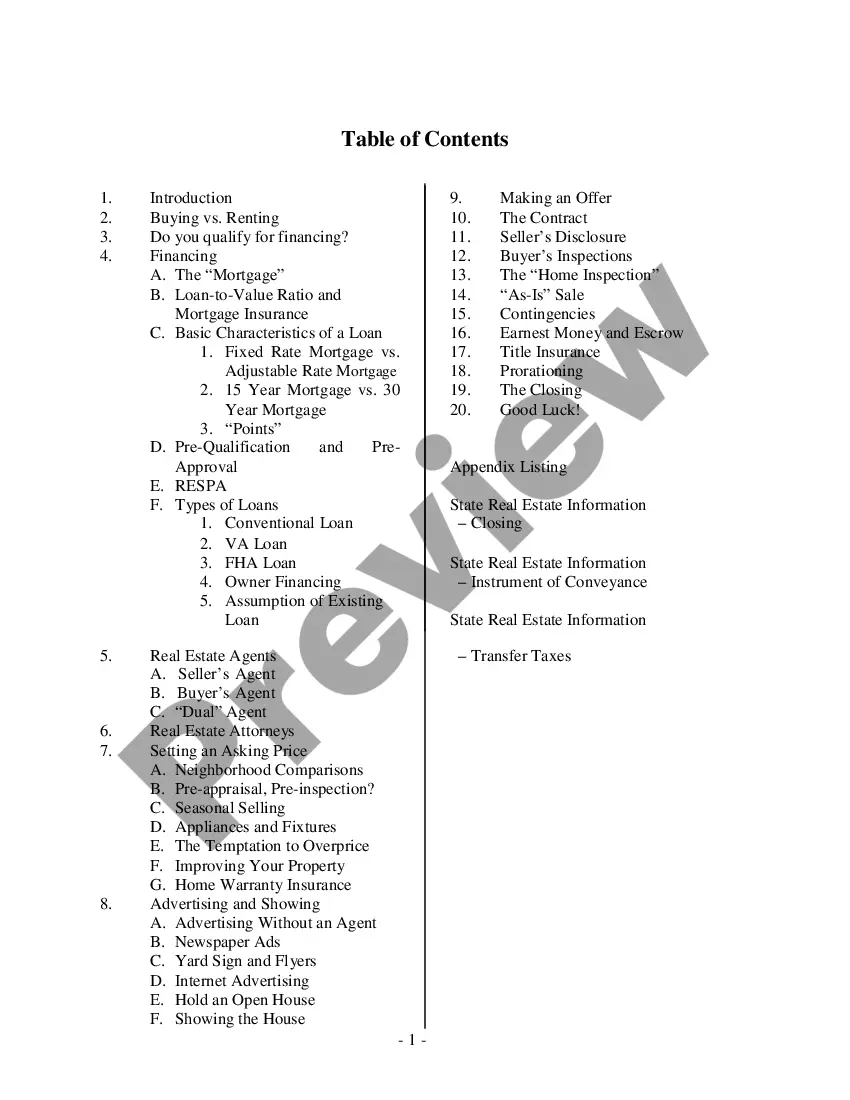
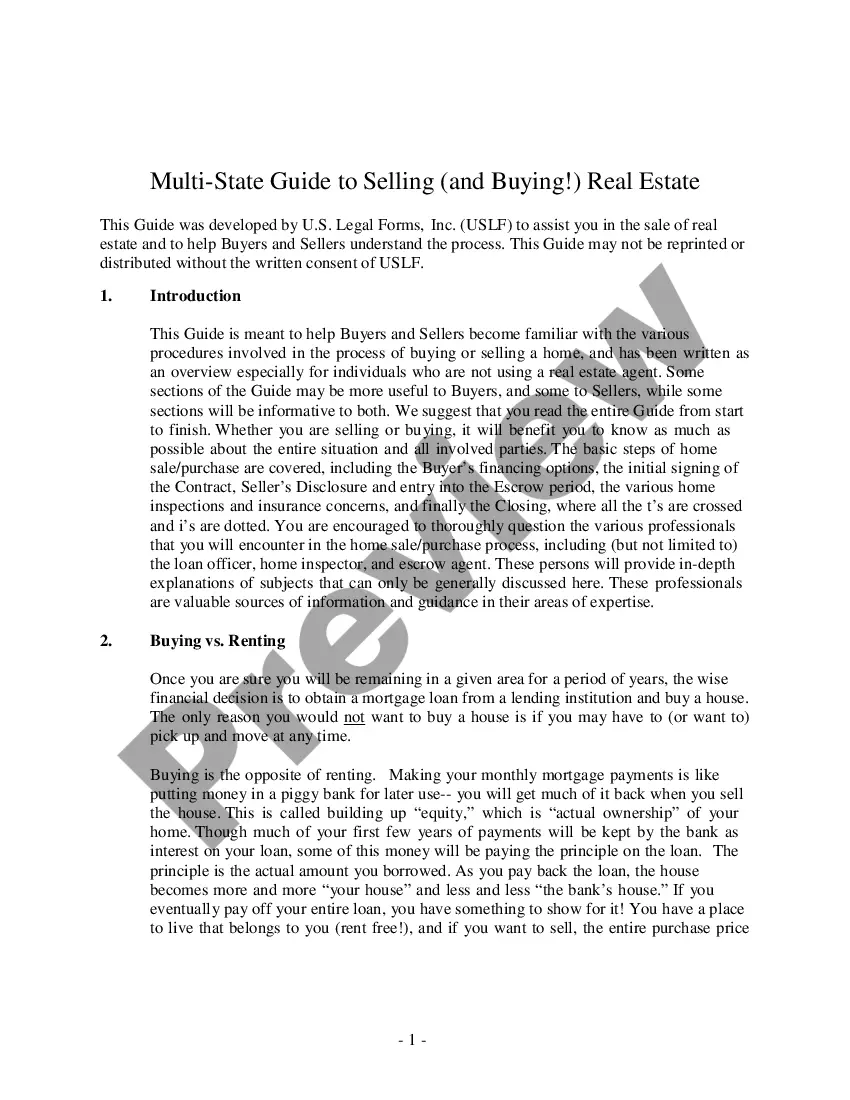
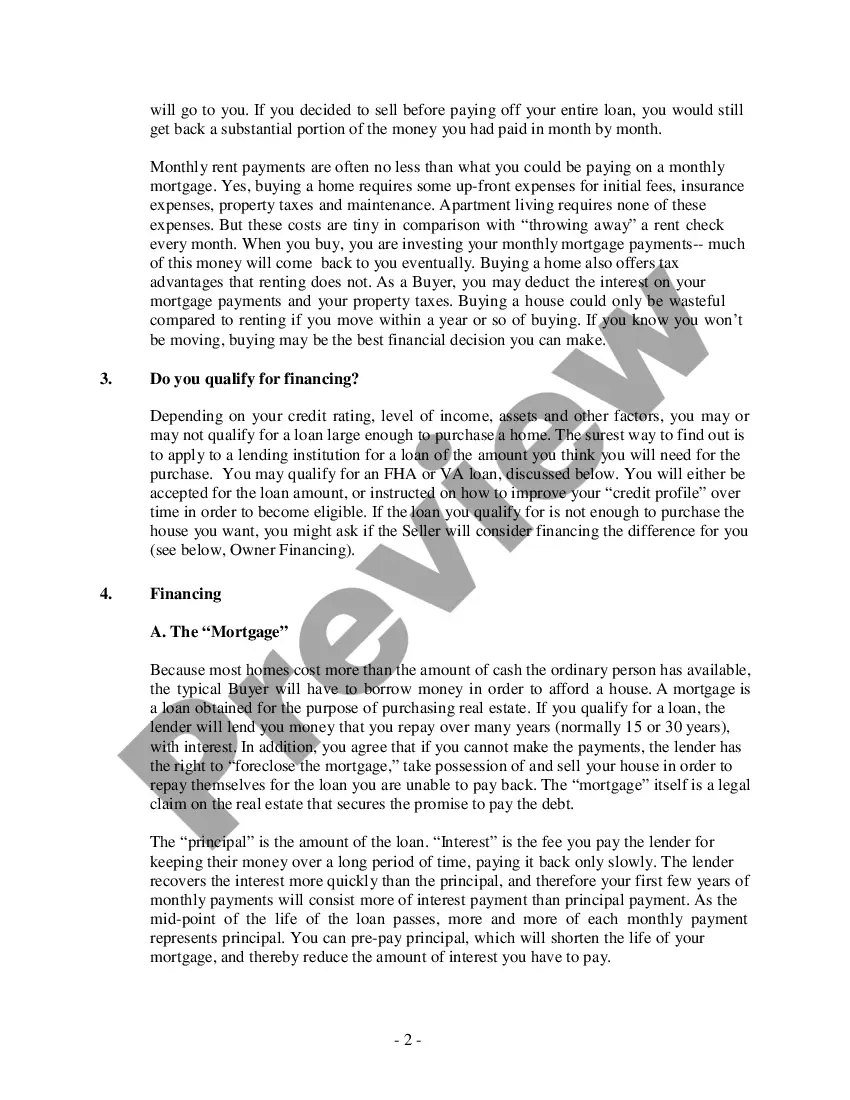
- Introduction to buying versus renting
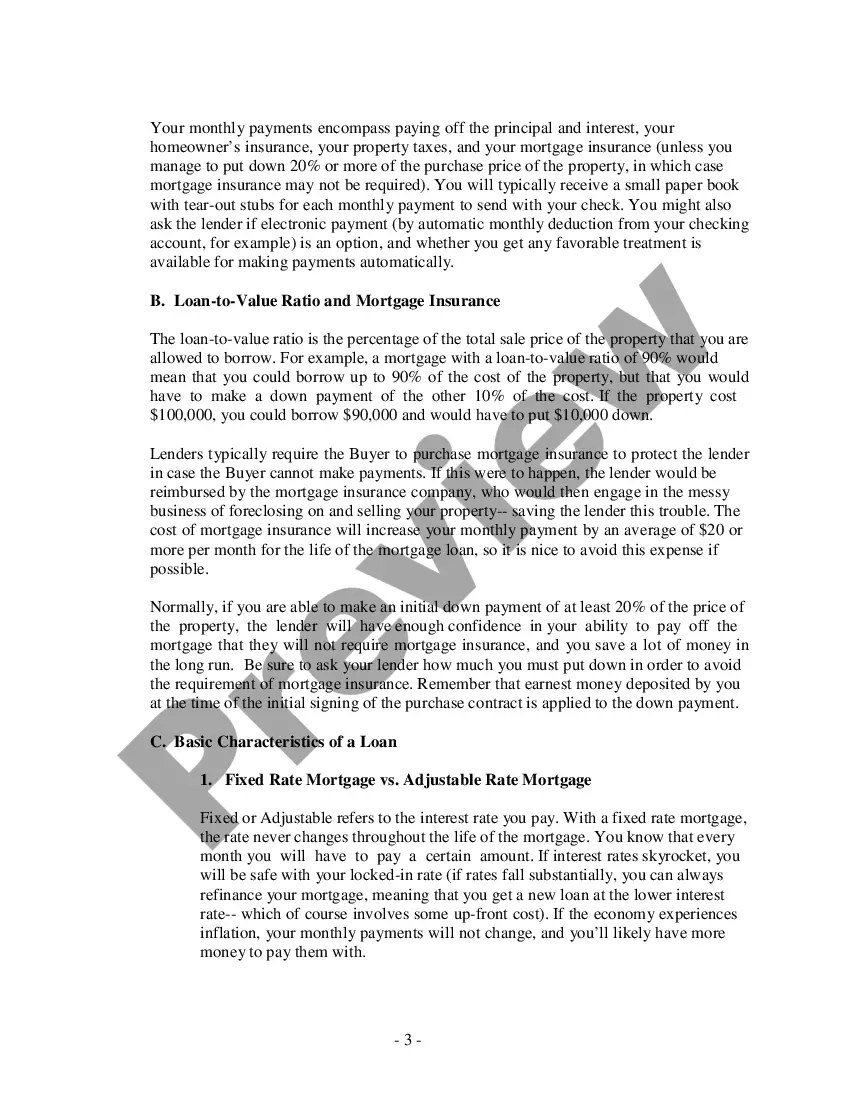
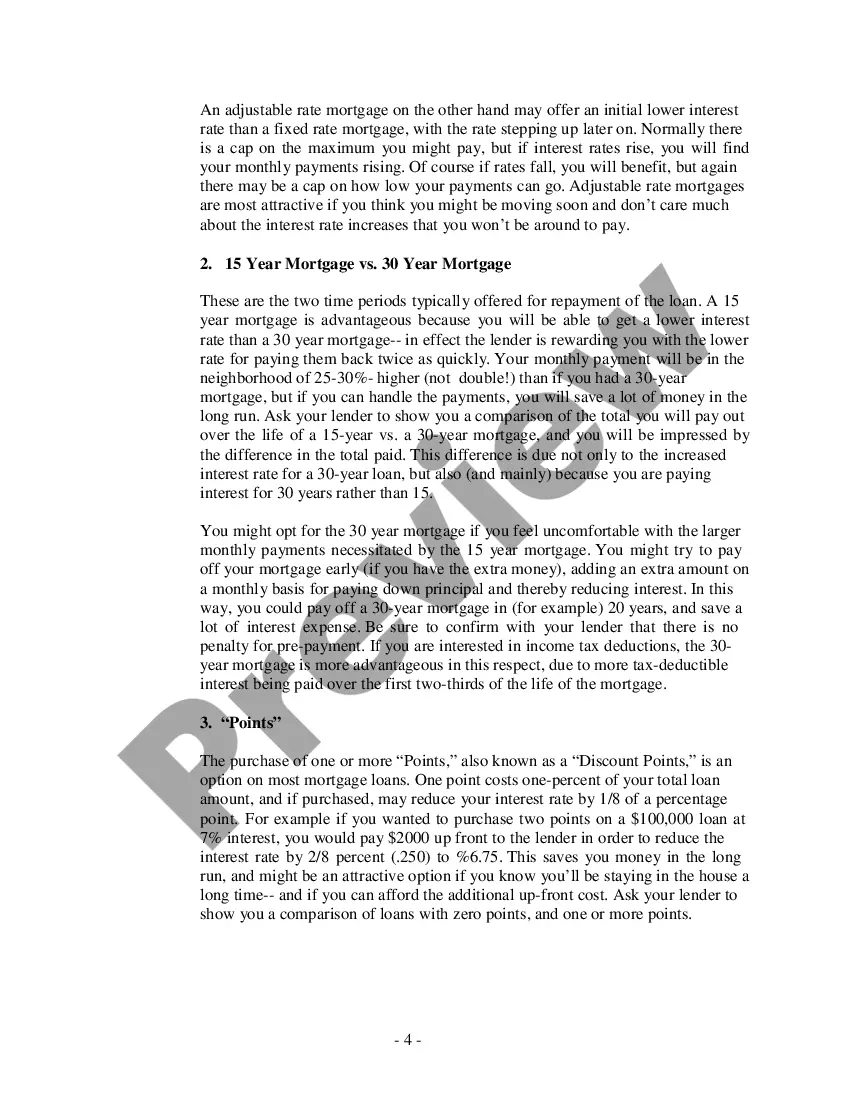
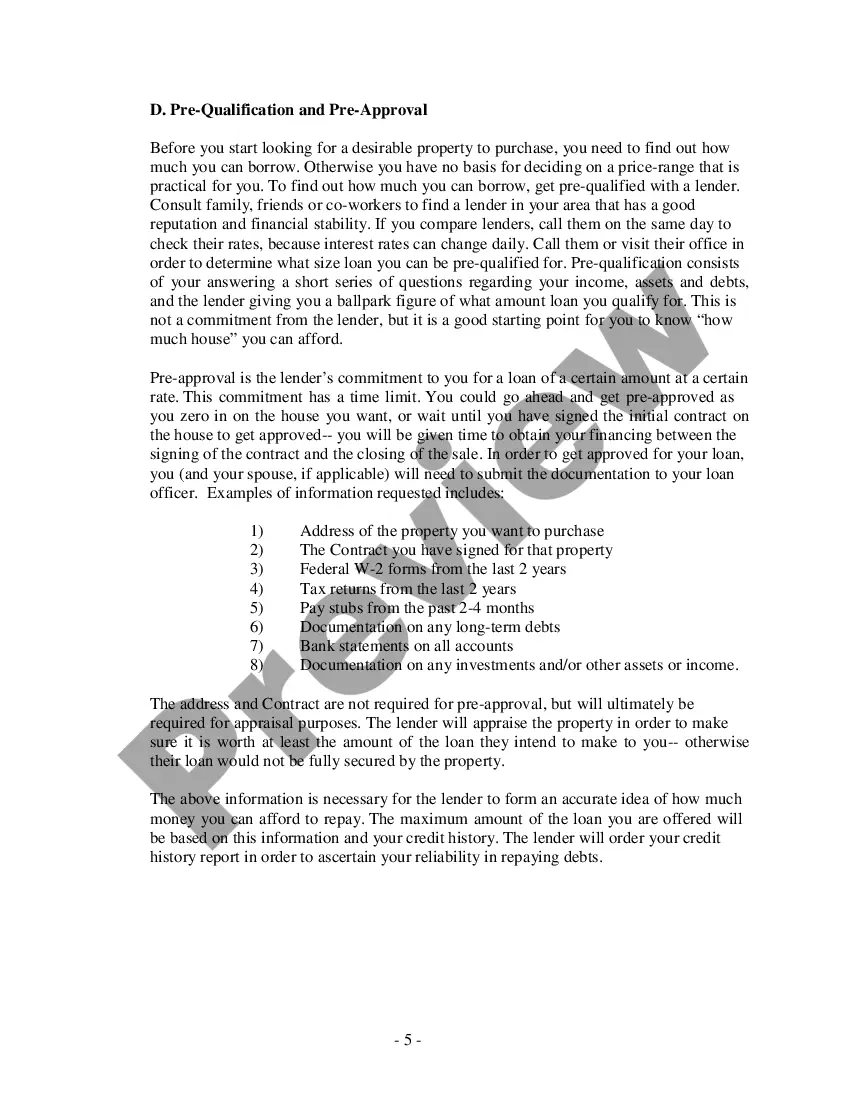
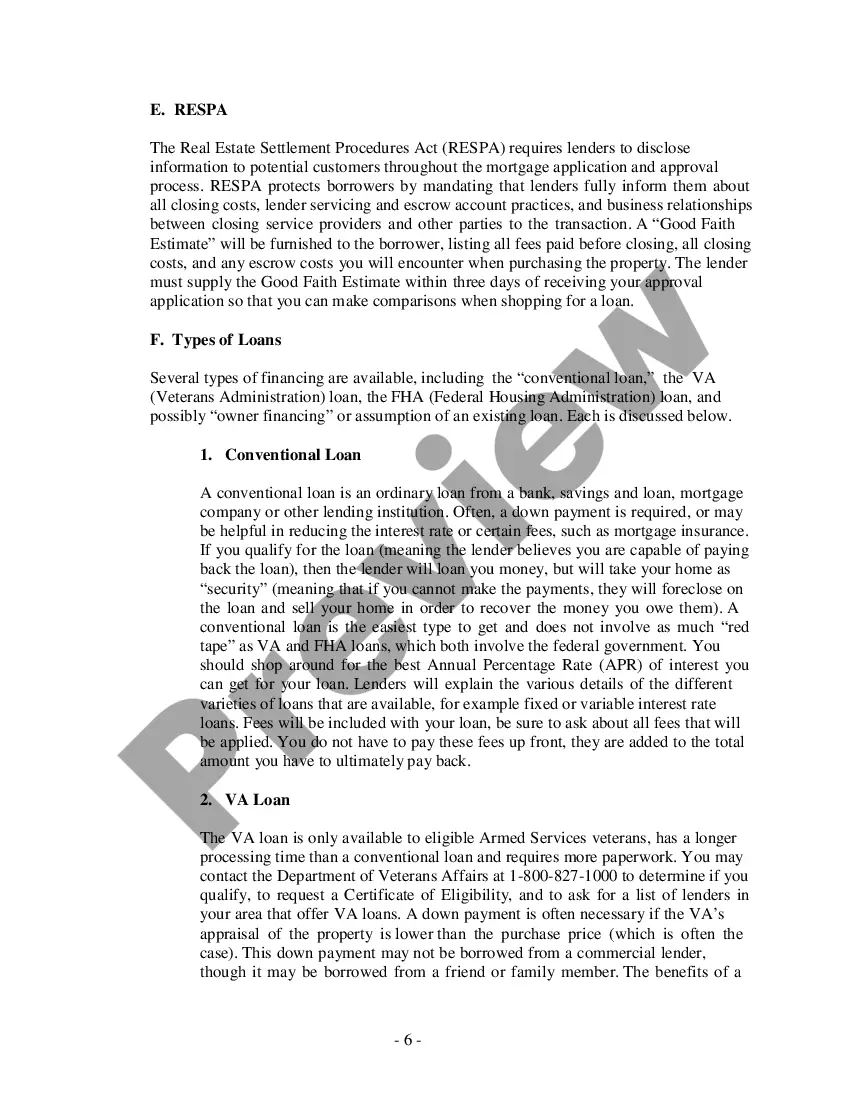
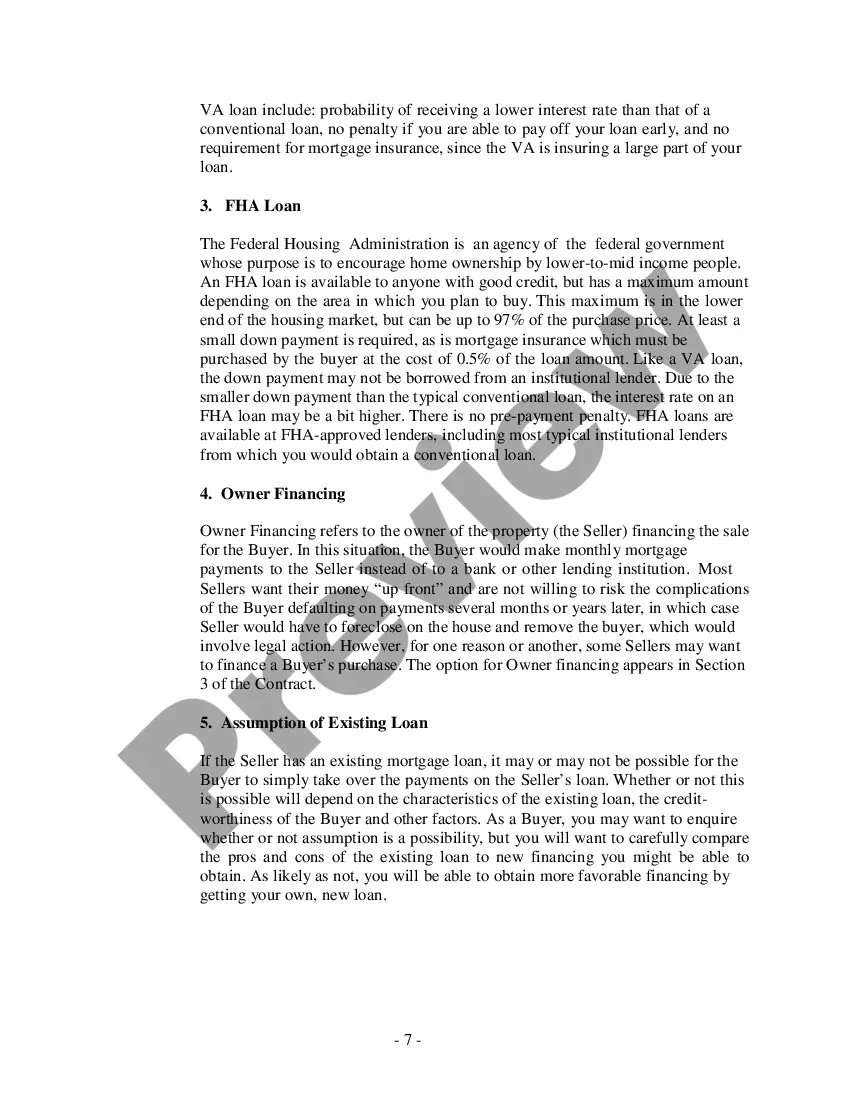
- Financing options, including conventional, VA, and FHA loans
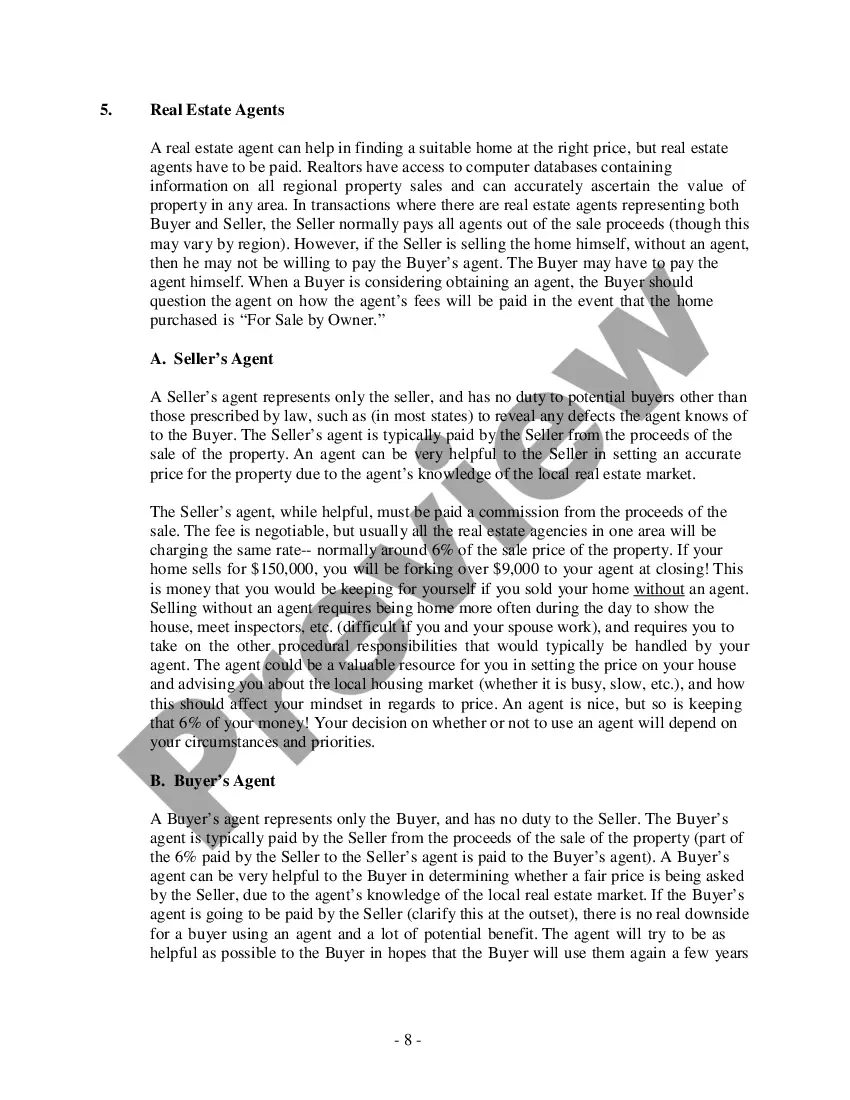
- Roles of real estate agents and attorneys
- Setting an asking price and conducting property inspections
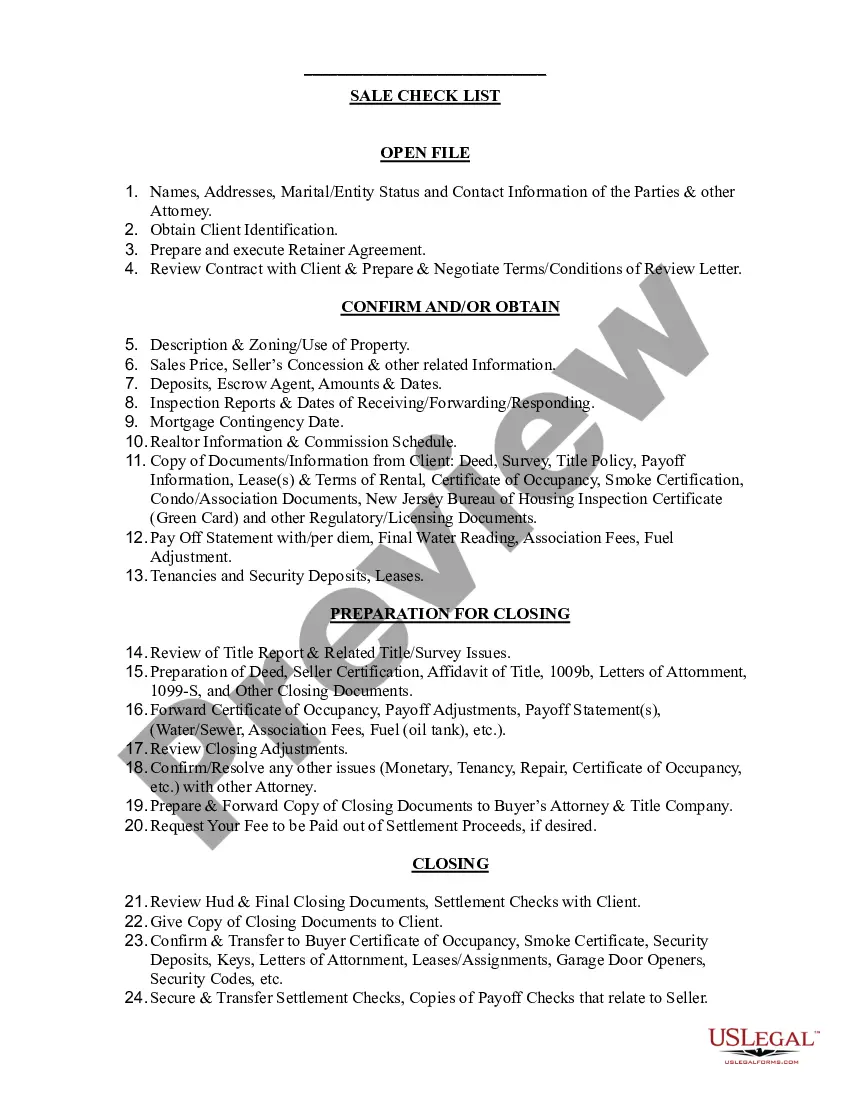
- Understanding earnest money, escrow, and closing processes
- State-specific real estate information, including taxes and instruments of conveyance

Situations where this form applies
This guide is essential for anyone looking to sell or buy real estate, whether you are a first-time buyer, a seller looking to relocate, or someone navigating the complex real estate market without an agent. It provides crucial insights into financing options and the local regulations that may impact your transaction.
Intended users of this form
- Homebuyers looking to understand the purchasing process
- Sellers preparing their property for sale
- Investors seeking insights on real estate transactions
- Individuals operating without professional real estate assistance
Instructions for completing this form
- Review the introduction and familiarize yourself with the buying and selling processes.
- Identify your financing options and gather necessary financial documents.
- Determine the asking price by comparing local market data.
- Consult with real estate agents or attorneys for specific guidance.
- Complete any state-specific sections related to your property and transaction.
- Sign and date the document, keeping copies for your records.
Does this document require notarization?
This form does not typically require notarization unless specified by local law. However, certain sections or documents may need notarization during the closing process, depending on state requirements
Get your form ready online
Our built-in tools help you complete, sign, share, and store your documents in one place.
Make edits, fill in missing information, and update formatting in US Legal Forms—just like you would in MS Word.
Download a copy, print it, send it by email, or mail it via USPS—whatever works best for your next step.
Sign and collect signatures with our SignNow integration. Send to multiple recipients, set reminders, and more. Go Premium to unlock E-Sign.
If this form requires notarization, complete it online through a secure video call—no need to meet a notary in person or wait for an appointment.
We protect your documents and personal data by following strict security and privacy standards.

Make edits, fill in missing information, and update formatting in US Legal Forms—just like you would in MS Word.

Download a copy, print it, send it by email, or mail it via USPS—whatever works best for your next step.

Sign and collect signatures with our SignNow integration. Send to multiple recipients, set reminders, and more. Go Premium to unlock E-Sign.

If this form requires notarization, complete it online through a secure video call—no need to meet a notary in person or wait for an appointment.

We protect your documents and personal data by following strict security and privacy standards.
Mistakes to watch out for
- Failing to review state-specific laws that may affect the sale or purchase process.
- Not conducting necessary inspections or relying solely on seller disclosures.
- Overpricing the property based on emotional attachment rather than market analysis.
- Neglecting to clarify the roles of real estate agents and attorneys in your transaction.
Benefits of completing this form online
- Immediate access to downloadable and editable guides tailored to your needs.
- Convenient updates reflecting the latest real estate regulations and practices.
- Ease of use with a user-friendly layout designed to facilitate understanding.
- Reliable resource created by licensed attorneys specializing in real estate law.
Looking for another form?

Form popularity
FAQ
Wholesaling is not illegal per se in Massachusetts. But a great many of the activities commonly engaged in by wholesalers are.
By contrast, Massachusetts does not require sellers to provide a disclosure form or statement to potential buyers. If you work with a real estate broker or agent, he or she may ask you to complete a statement that will include a provision that indemnifies the broker or agent for any misstatements or errors on the form.
Wholesaling real estate is legal if it is done right. This means that you have to establish a bilateral contract between you and the seller that stipulates that you are acquiring equitable interest. You also need to prove that you have intent to purchase by providing a proof of funds letter.
No, in Massachusetts, it is not necessary to notarize your will to make it legal. Massachusetts does, however, allow you to make your will "self-proving." A self-proving will speeds up probate because the court can accept the will without contacting the witnesses who signed it.
Wholesaling is dead. Although in many markets it's harder to find deals, this strategy is not dead.
Massachusetts is one of few states that still follows a legal rule known as caveat emptor, or buyer beware. This basically mean there is not a lot you are legally required to disclose to the buyer when selling your property.
Yes, you can wholesale houses without a limited liability company (LLC). However, it is advisable to create an LLC and then wholesale houses. Many wholesalers, unfortunately, make the critical mistake of not creating or procrastinating on setting up an LLC.
Wholesale does not have to be limited to in state properties. You can also wholesale properties out of state as well.Since the seller's contract has been passed to the investor, the homeowner can take the money made from selling the contract, minus the extra that goes to the wholesaler's profit.
There is no requirement that you hire a real estate lawyer in Massachusetts. But when selling a large asset, having proper legal protection and guidance is recommended. Typically, the buyer will have an attorney and the seller of a house should also have legal representation.