Sample Letter for Disputed Balance Notice
About this form
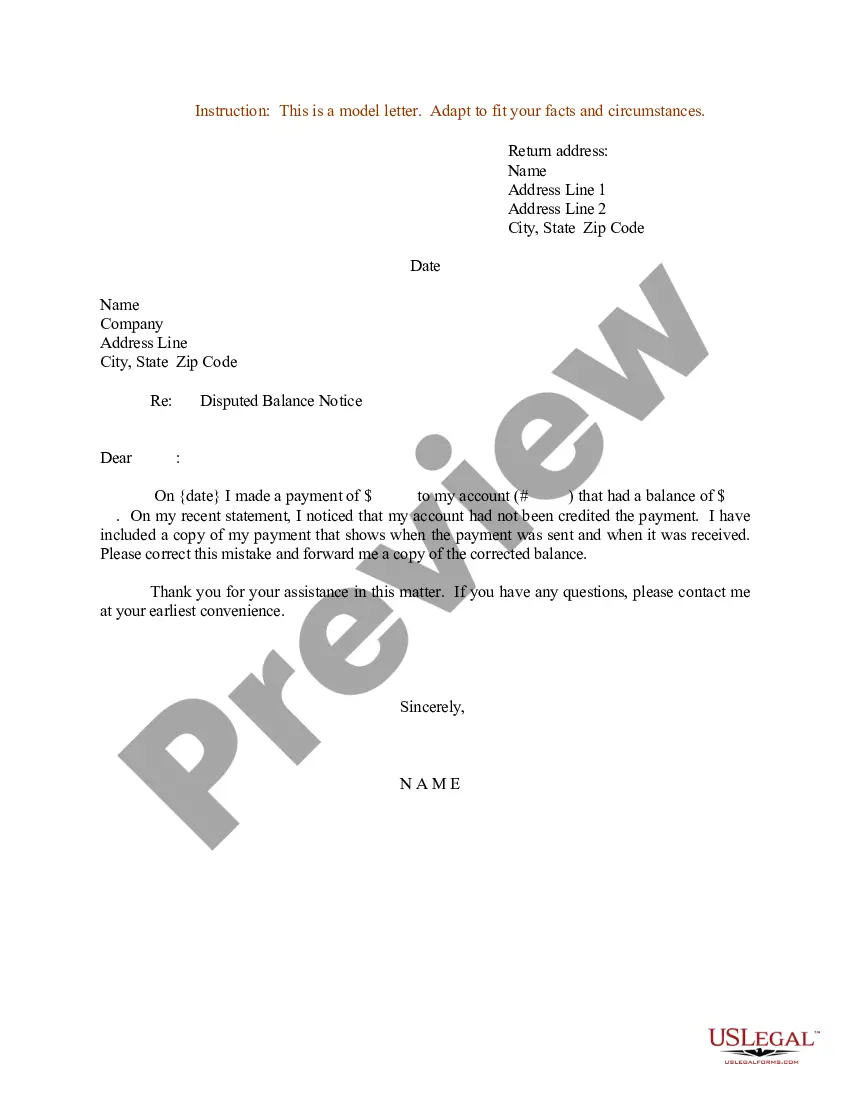
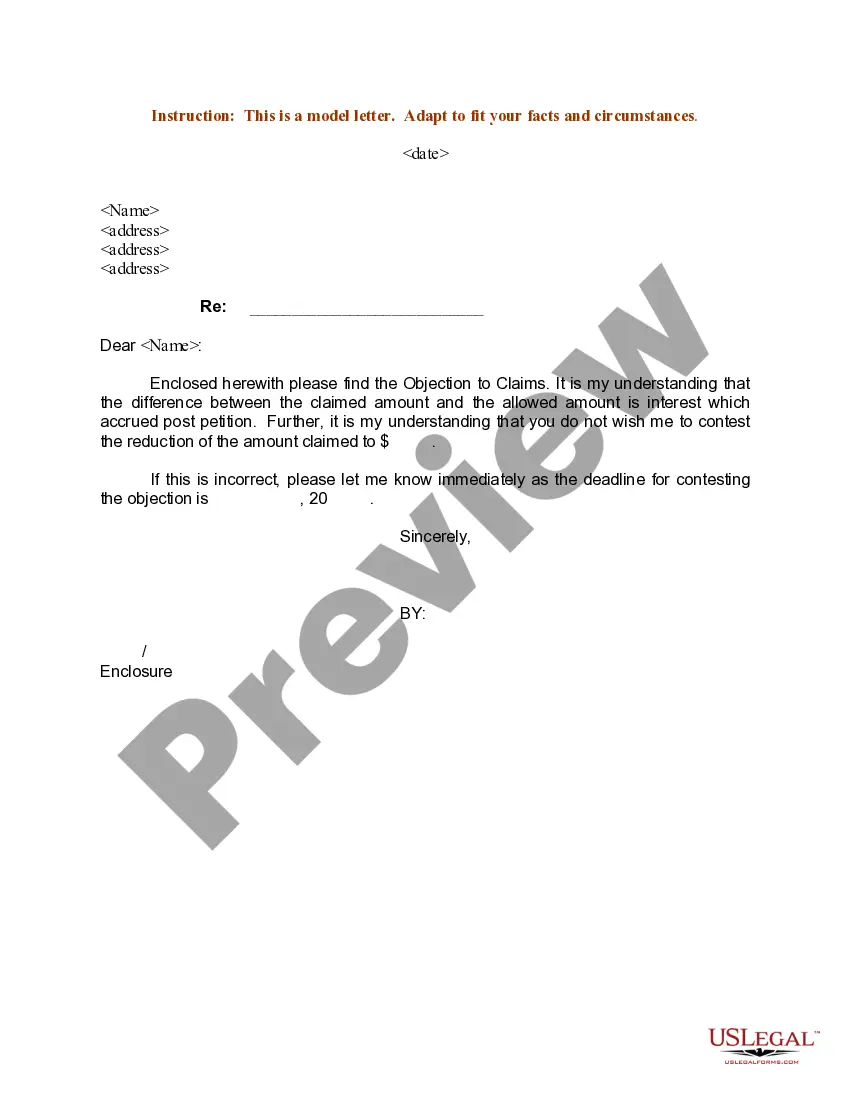
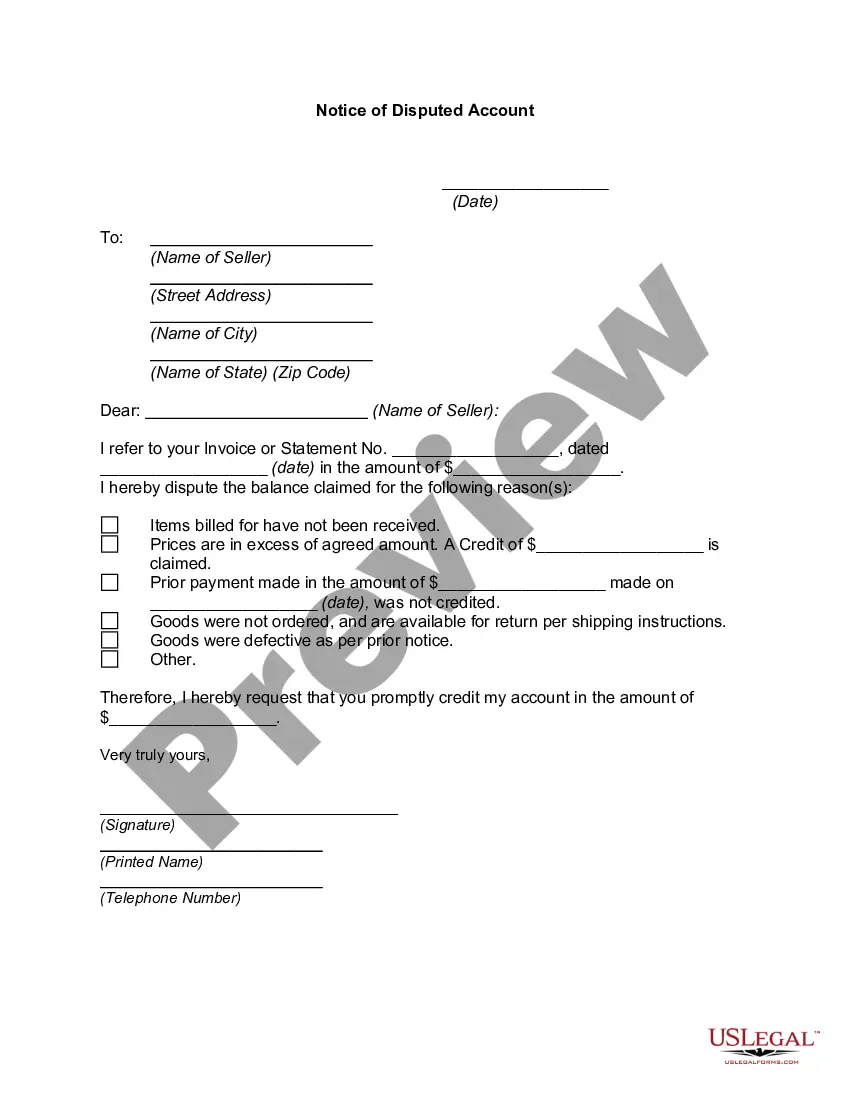
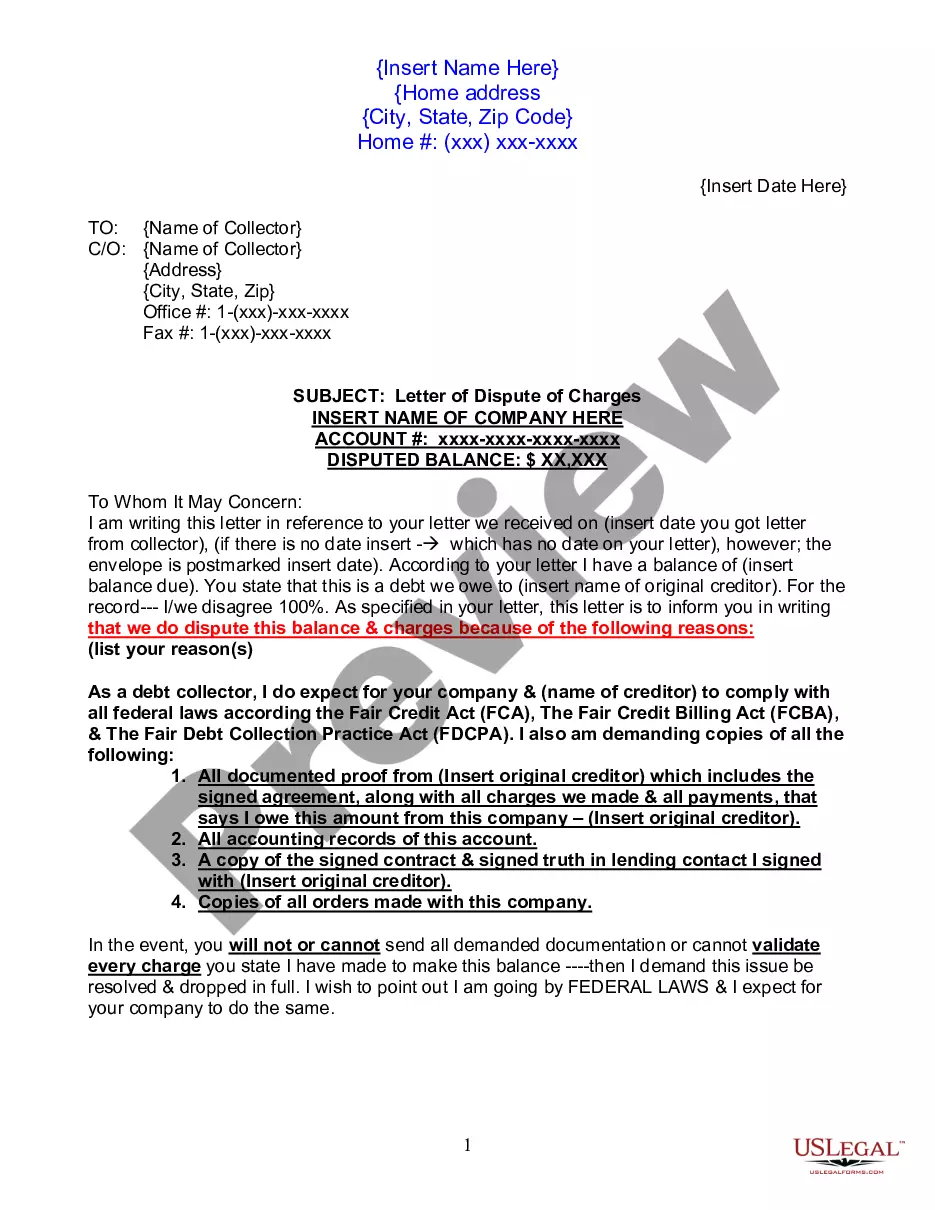
The Sample Letter for Disputed Balance Notice serves as a template for notifying a party about a disagreement regarding an outstanding balance. This document allows individuals or organizations to formally express their concerns about an amount due, potentially initiating a resolution process. Unlike informal communications, this letter offers a standardized approach to documenting disputes and can serve as a record for future reference, ensuring clarity in the dialogue about the balance in question.
Key components of this form
- Return address: Your name and address for correspondence
- Date: The date you are sending the letter
- Recipient's address: Details of the individual or company being notified
- Subject line: Clearly states the nature of the letter, "Disputed Balance Notice"
- Body: A formal statement addressing the disputed balance
- Signature line: Your name for official acknowledgment
Situations where this form applies
You should use the Sample Letter for Disputed Balance Notice when you believe there is an error in a balance owed to you or your organization. This letter is appropriate in situations where previous discussions have not resolved the issue, and you wish to formally document your stance on the disputed amount. It may be used in both business and personal contexts, such as debts owed, billing discrepancies, or service charges that you believe require clarification.
Intended users of this form
- Individuals seeking to dispute a personal debt or balance
- Small business owners dealing with billing disputes
- Organizations wanting to follow up on outstanding invoices
- Accountants or financial professionals assisting clients with disputed balances
How to complete this form
- Identify the return address: Fill in your name and address at the top of the letter.
- Enter the date: Insert the current date to indicate when the notice is being sent.
- Complete the recipient's address: Provide the name and address of the individual or company you are addressing.
- Clearly state the subject: Use "Disputed Balance Notice" to specify the purpose of the letter.
- Draft the body: Mention the specifics of the disputed amount and request further communication.
- Sign the letter: Include your name at the end for authenticity.
Notarization guidance
Notarization is generally not required for this form. However, certain states or situations might demand it. You can complete notarization online through US Legal Forms, powered by Notarize, using a verified video call available anytime.
Get your form ready online
Our built-in tools help you complete, sign, share, and store your documents in one place.
Make edits, fill in missing information, and update formatting in US Legal Forms—just like you would in MS Word.
Download a copy, print it, send it by email, or mail it via USPS—whatever works best for your next step.
Sign and collect signatures with our SignNow integration. Send to multiple recipients, set reminders, and more. Go Premium to unlock E-Sign.
If this form requires notarization, complete it online through a secure video call—no need to meet a notary in person or wait for an appointment.
We protect your documents and personal data by following strict security and privacy standards.

Make edits, fill in missing information, and update formatting in US Legal Forms—just like you would in MS Word.

Download a copy, print it, send it by email, or mail it via USPS—whatever works best for your next step.

Sign and collect signatures with our SignNow integration. Send to multiple recipients, set reminders, and more. Go Premium to unlock E-Sign.

If this form requires notarization, complete it online through a secure video call—no need to meet a notary in person or wait for an appointment.

We protect your documents and personal data by following strict security and privacy standards.
Typical mistakes to avoid
- Failing to include complete addresses of both parties.
- Not dating the letter, which could lead to confusion regarding the timeline.
- Being vague about the disputed amount or issue in the body of the letter.
- Neglecting to proofread for grammatical or spelling errors.
Advantages of online completion
- Convenience: Download and complete the form at your own pace.
- Editability: Modify the content to tailor it specifically to your dispute.
- Reliability: Template created by licensed attorneys ensures legal compliance.
- Accessibility: Available for download anytime, providing immediate access to required documentation.
Legal use & context
- This notice serves as a formal record of your attempt to resolve a billing dispute.
- While it can be used for legal purposes, it is not a substitute for legal advice if the matter escalates.
- Be aware that specific state laws may govern how disputes must be handled.
Quick recap
- The form serves to notify a party about a disputed balance formally.
- It comprises crucial components such as addresses and clear subject lines.
- Use this letter when prior informal communications have failed to resolve the issue.
- Carefully complete the form to avoid common mistakes.
Looking for another form?
Form popularity
FAQ
Your dispute should be made in writing to ensure that the debt collector has to send you verification of the debt. If you're having trouble with debt collection, you can submit a complaint with the CFPB online or by calling (855) 411-CFPB (2372).
Within 30 days of receiving the written notice of debt, send a written dispute to the debt collection agency. You can use this sample dispute letter (PDF) as a model. Once you dispute the debt, the debt collector must stop all debt collection activities until it sends you verification of the debt.
The name 623 dispute method refers to section 623 of the Fair Credit Reporting Act (FCRA). The method allows you to dispute a debt directly with the creditor in question as long as you have already filed your complaint with the credit bureau and completed their process.
The Federal Trade Commission advises that you be as specific as possible in the letter about the reason why you think you do not owe this debt (or owe all of it, if you're disputing the amount), but you should give as little personal information as possible in the letter.
Dispute When Collectors SellWhen this happens, you can have the older collection removed by disputing it with the credit bureaus. If the debt collector fails to respond to the dispute, the credit bureau should remove the account since it has not been verified.
I am writing to dispute a billing error in the amount of $______ on my account. The amount is inaccurate because describe the problem. I am requesting that the error be corrected, that any finance and other charges related to the disputed amount be credited as well, and that I receive an accurate statement.
Dear Sir or Madam: I am writing to dispute a fraudulent charge on my account in the amount of $______. I am a victim of identity theft, and I did not make or authorize this charge.
If you believe any account information is incorrect, you should dispute the information to have it either removed or corrected. If, for example, you have a collection or multiple collections appearing on your credit reports and those debts do not belong to you, you can dispute them and have them removed.
Credit report with the account in question circled and/or highlighted. Birth certificate. Social Security card. Passport (if you have one) the page showing your photo and the number.