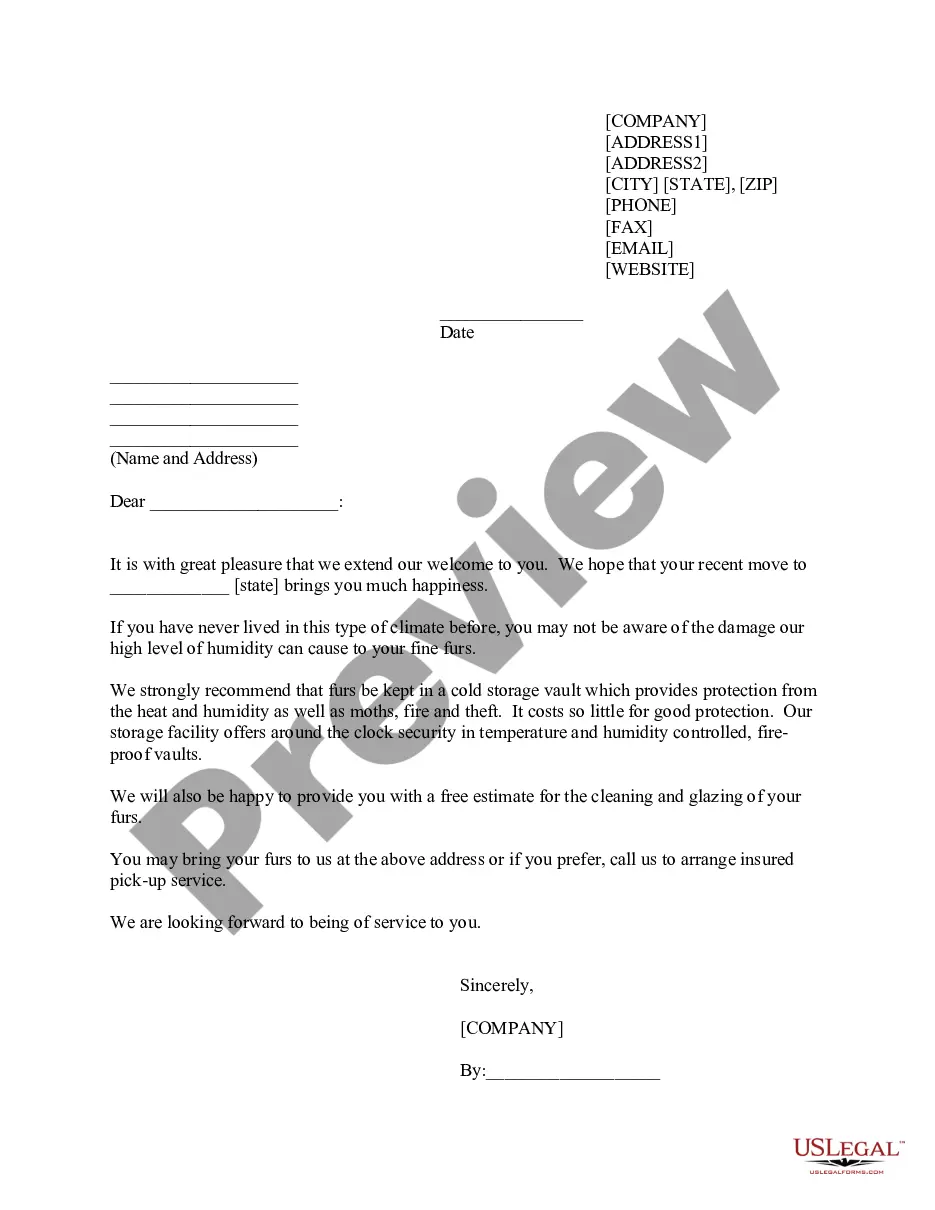
Virginia Letter from Tenant to Landlord containing Notice that doors are broken and demand repair
Overview of this form
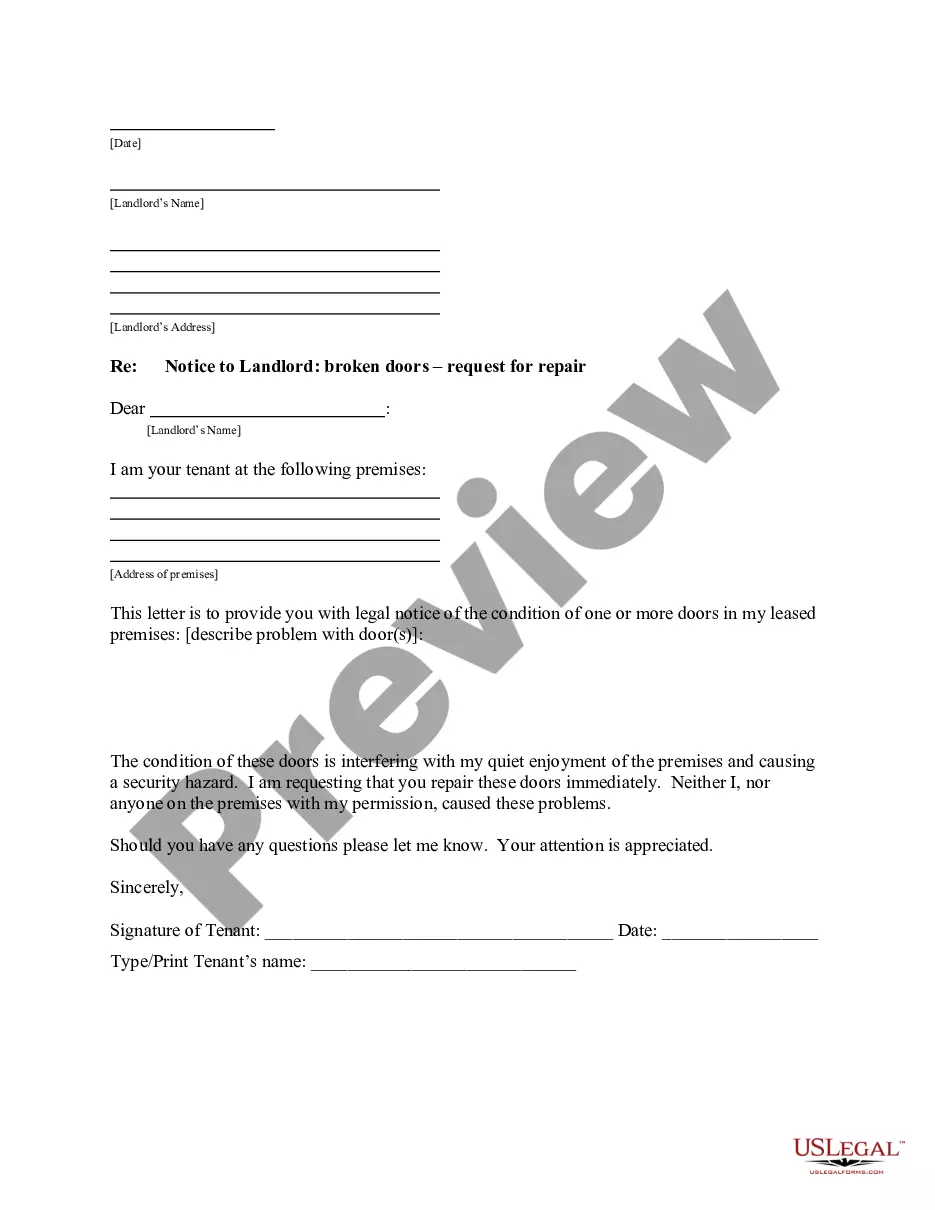
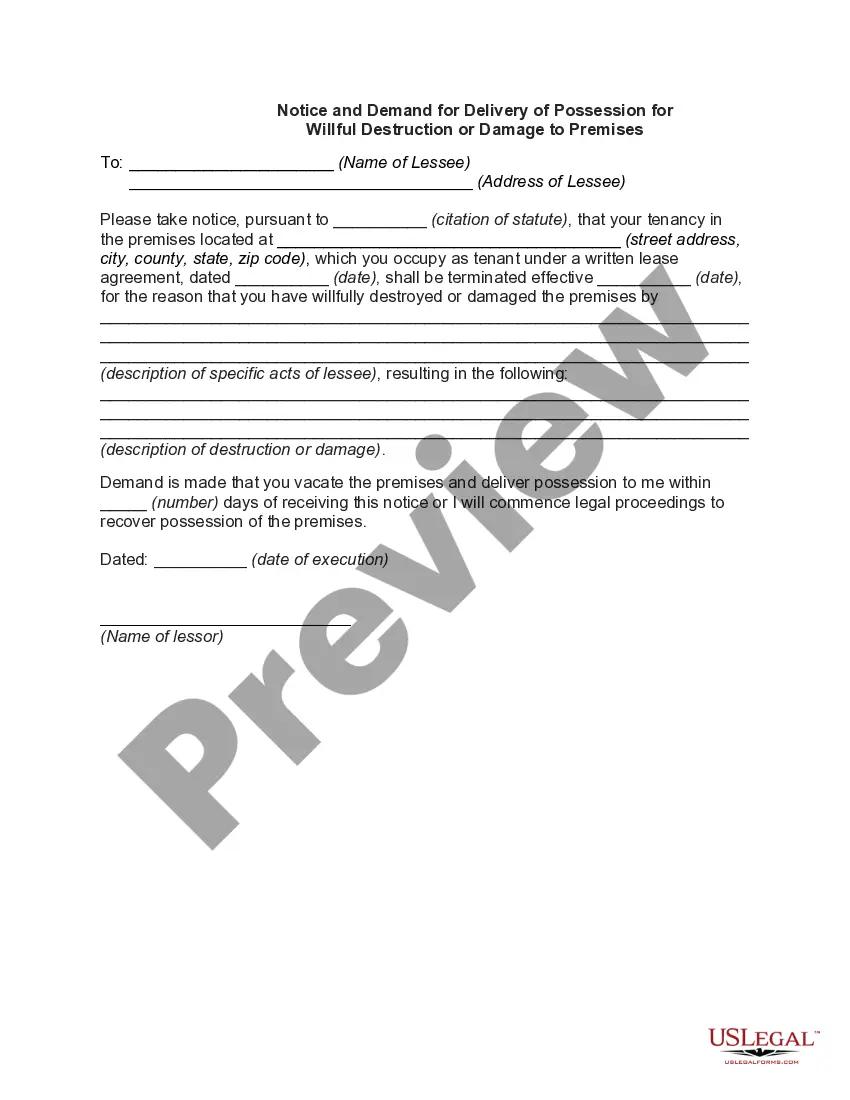
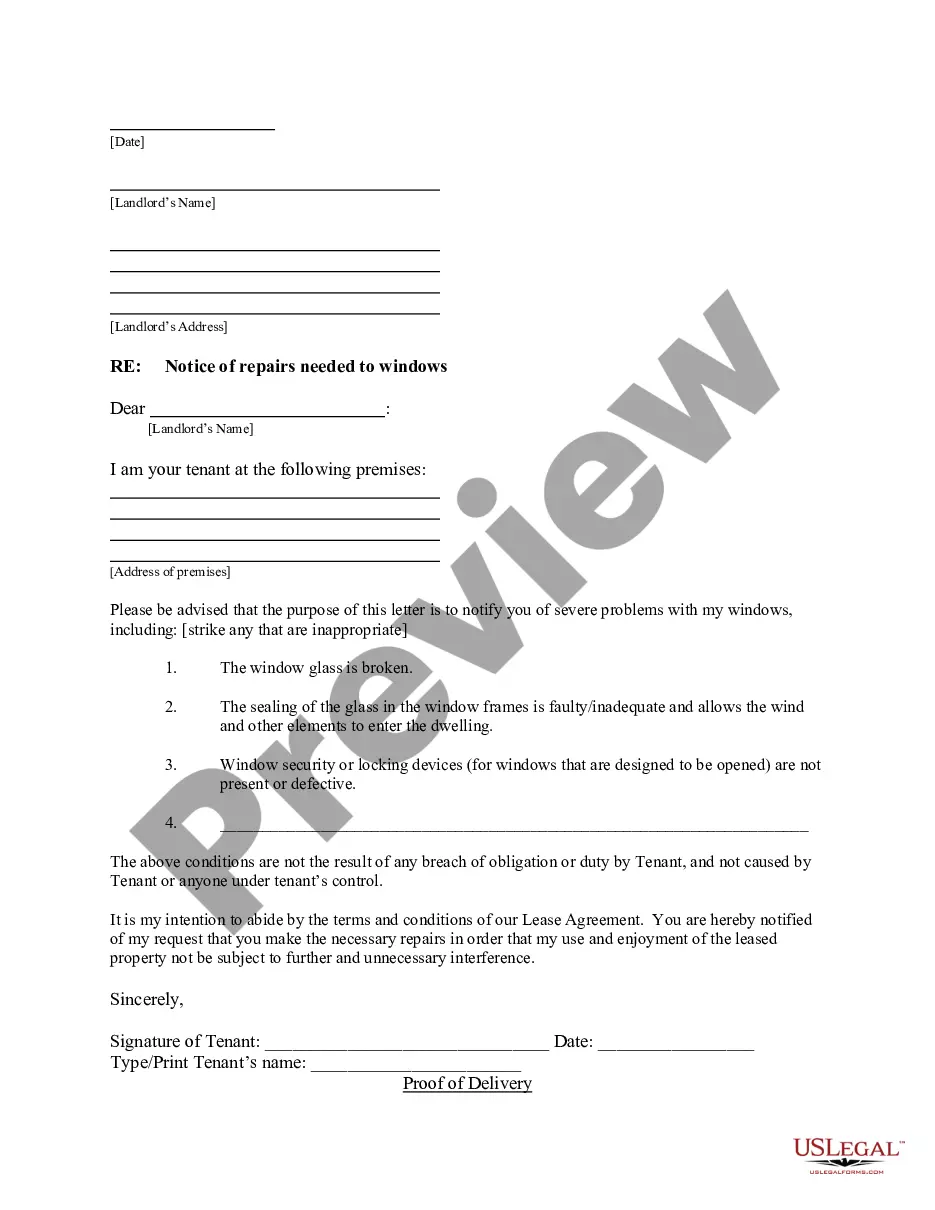
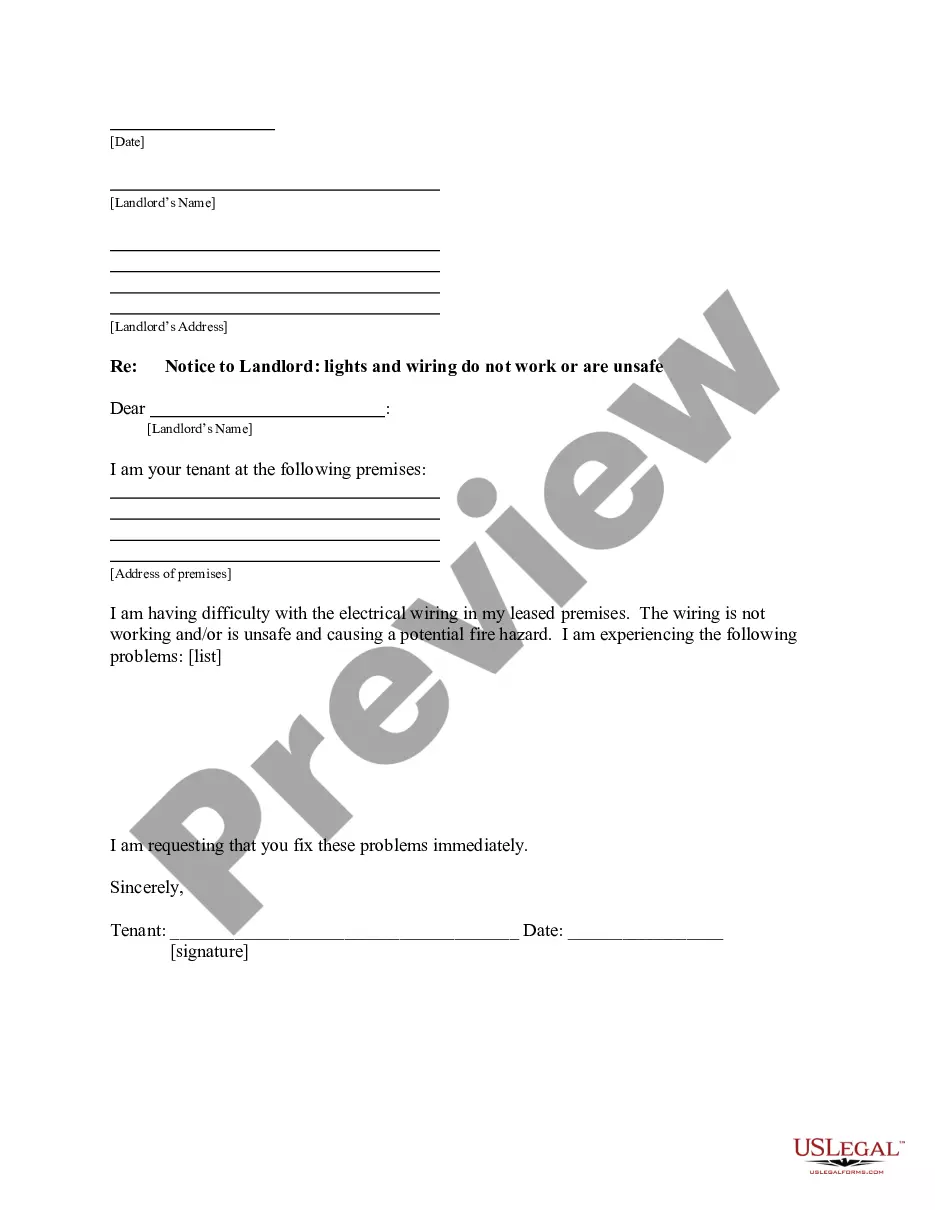
This form is a Letter from Tenant to Landlord containing Notice that doors are broken and demand repair. It allows tenants to officially notify landlords about broken doors in the rental property and request necessary repairs, ensuring compliance with lease agreements. This form is essential for documenting issues and can help in maintaining a clear communication record between tenants and landlords.
What’s included in this form
- Tenant's signature: Essential for formal acknowledgment of the notice.
- Date: Marks when the notice is delivered to the landlord.
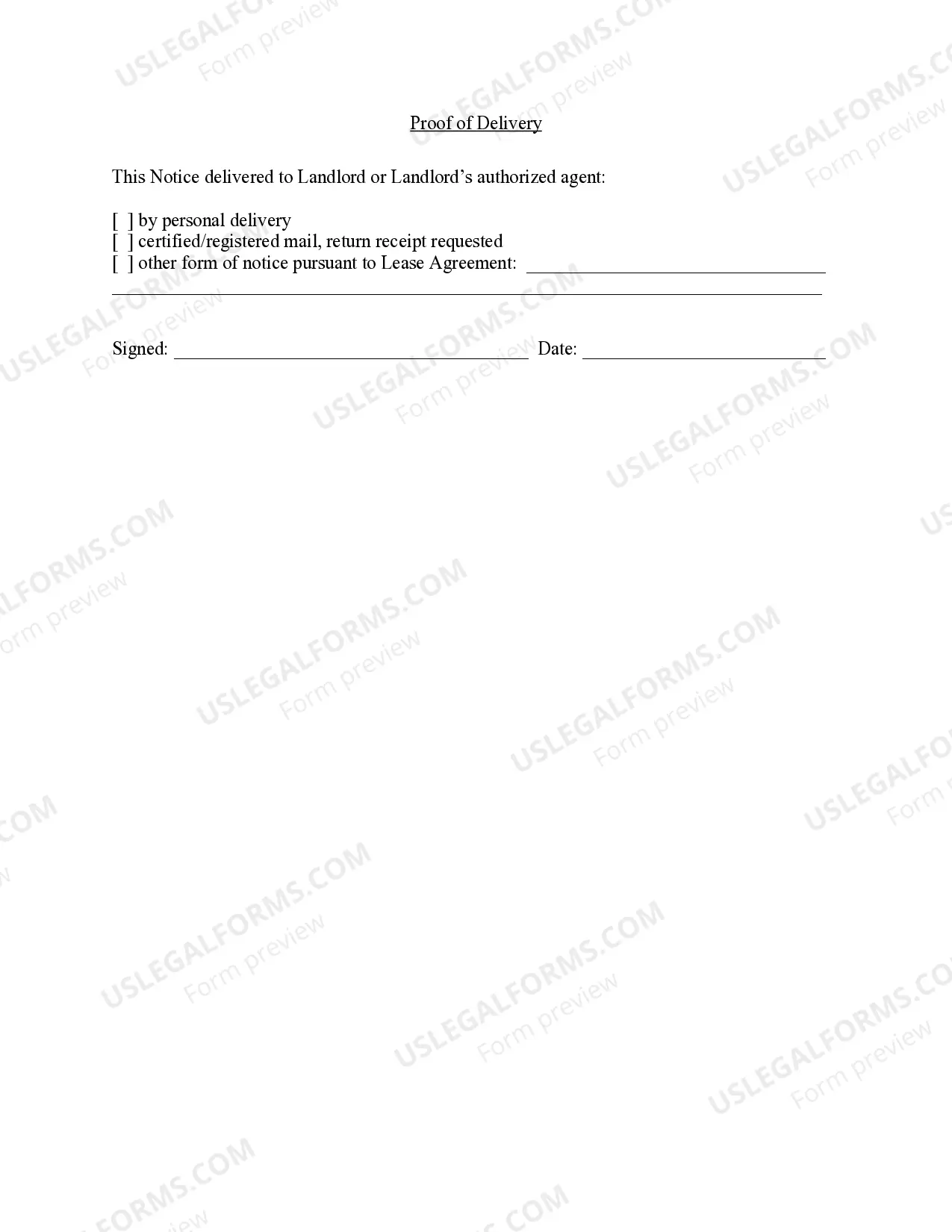
- Proof of delivery options: Includes methods like personal delivery or certified mail.
- Detailed description of the issue: Specifies the broken doors that require repair.
- Request for action: Clearly demands that repairs be made as per the lease agreement.

When to use this document
This form should be used when a tenant notices broken doors in their rental unit and wants to formally inform their landlord about the issue. It is important to document this communication to ensure that repairs are made promptly and to establish a record in case of future disputes regarding maintenance responsibilities.
Who should use this form
- Tenants experiencing issues with broken doors in their rental property.
- Individuals who want to formally document their repair request to their landlord.
- Renters who need to ensure compliance with lease terms related to property maintenance.
Steps to complete this form
- Identify the parties involved: Clearly state the tenantâs name and the landlord's name.
- Specify the property: Include the address of the rental property where the doors are broken.
- Describe the issue: Detail the problem with the doors that requires repair.
- Include the date and tenantâs signature: Ensure these are filled out for documentation.
- Select proof of delivery method: Choose how you intend to deliver this notice to the landlord.
Does this document require notarization?
This form does not typically require notarization unless specified by local law. Tenants should confirm their specific state's requirements regarding notices and repairs.
Get your form ready online
Our built-in tools help you complete, sign, share, and store your documents in one place.
Make edits, fill in missing information, and update formatting in US Legal Forms—just like you would in MS Word.
Download a copy, print it, send it by email, or mail it via USPS—whatever works best for your next step.
Sign and collect signatures with our SignNow integration. Send to multiple recipients, set reminders, and more. Go Premium to unlock E-Sign.
If this form requires notarization, complete it online through a secure video call—no need to meet a notary in person or wait for an appointment.
We protect your documents and personal data by following strict security and privacy standards.

Make edits, fill in missing information, and update formatting in US Legal Forms—just like you would in MS Word.

Download a copy, print it, send it by email, or mail it via USPS—whatever works best for your next step.

Sign and collect signatures with our SignNow integration. Send to multiple recipients, set reminders, and more. Go Premium to unlock E-Sign.

If this form requires notarization, complete it online through a secure video call—no need to meet a notary in person or wait for an appointment.

We protect your documents and personal data by following strict security and privacy standards.
Mistakes to watch out for
- Failing to provide a clear description of the issue.
- Not including the date or signature, which can invalidate the notice.
- Using an incorrect method for delivering the notice that does not comply with lease requirements.
- Not keeping a copy of the communication for personal records.
Advantages of online completion
- Convenience: Easily complete and download the form from anywhere.
- Editable: Customize the template to reflect your specific situation.
- Reliable: Forms drafted by licensed attorneys ensure legal compliance.
What to keep in mind
- The form serves as a formal notice to landlords about broken doors.
- Properly completing and delivering this form is essential for legal clarity.
- Be sure to keep a copy of the notice for your records and follow up on repair requests.
Looking for another form?
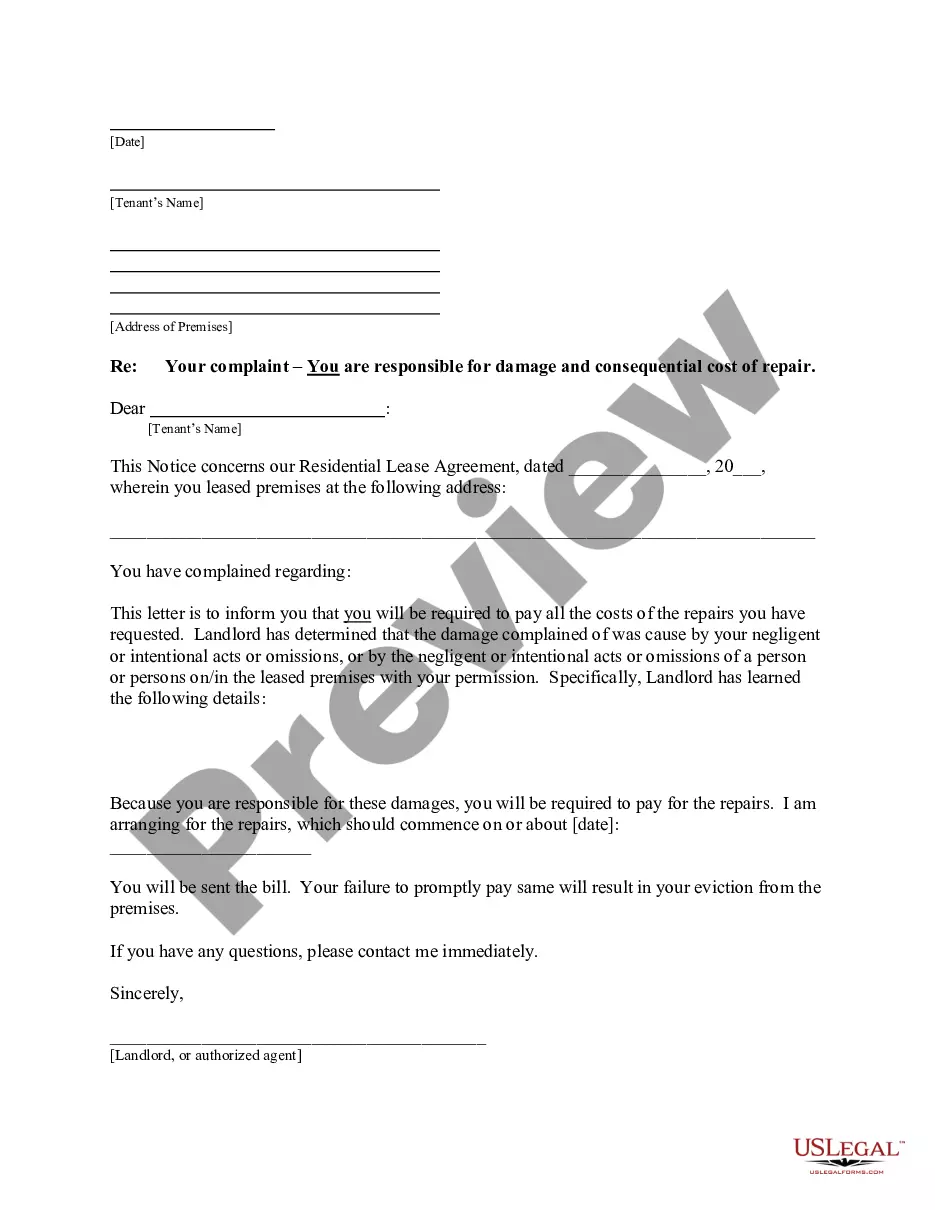
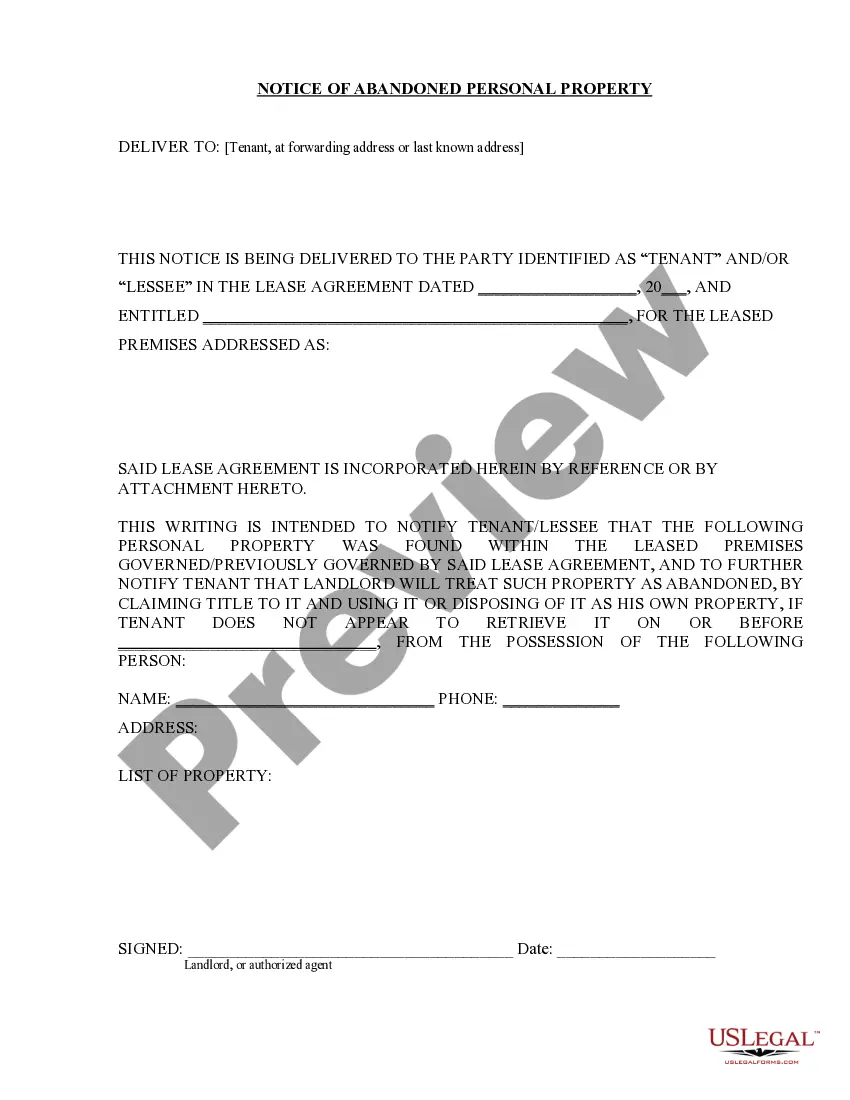
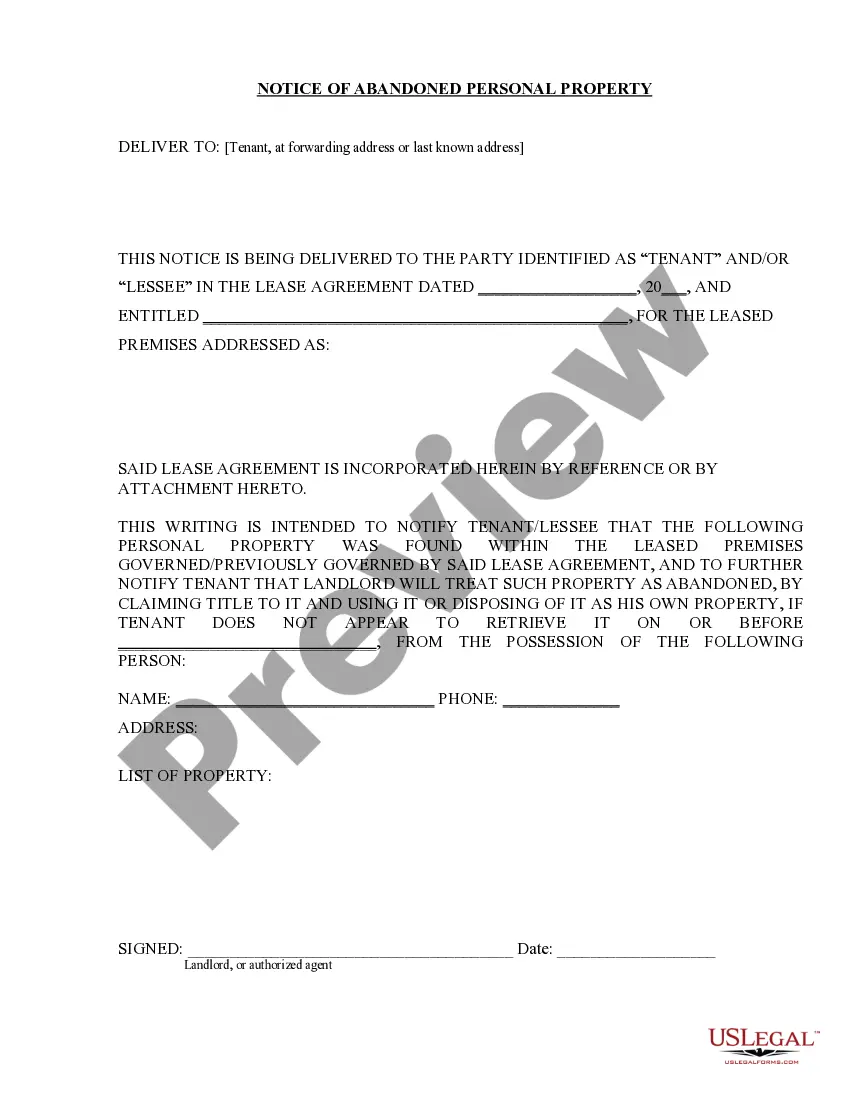
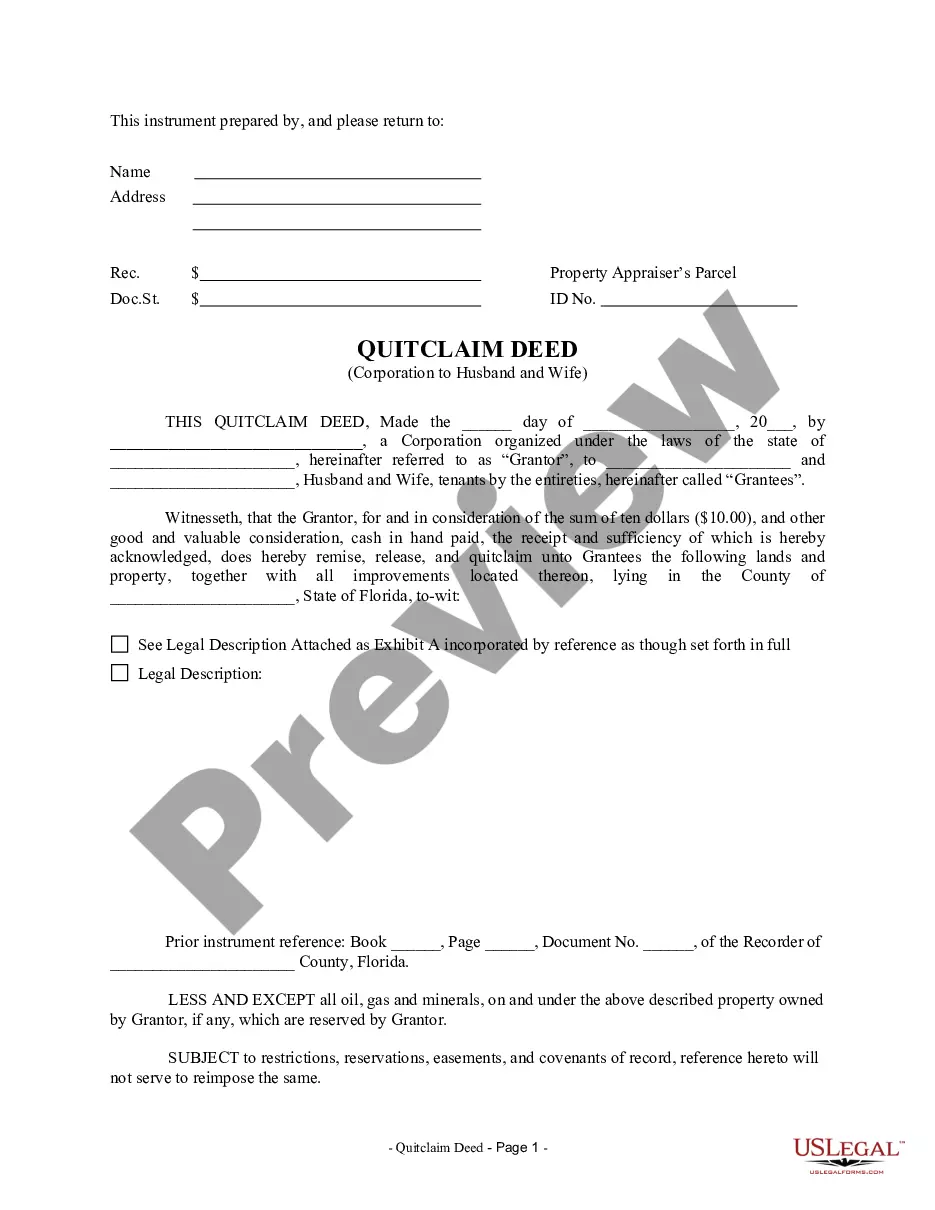
Form popularity
FAQ
As a renter in Virginia, you have legal protections under the Virginia Residential Landlord and Tenant Act (VRLTA) that include the right to: A fair application fee. A fair security deposit. A decent and safe place to live.
Although renters must abide by the Homeowners' Association rules, they still have rights under the law. The property owner must also follow their home state's Landlord-Tenant Laws that include the Fair Housing Act and Fair Credit Reporting Act.
As a renter in Virginia, you have legal protections under the Virginia Residential Landlord and Tenant Act (VRLTA) that include the right to: A fair application fee. A fair security deposit.A certain level of security.
Tenants also have certain rights under federal, state, and some local laws. These include the right to not be discriminated against, the right to a habitable home, and the right to not be charged more for a security deposit than is allowed by state law, to name just a few.
This question is about Virginia Landlord Tenant RightsVirginia is a moderately landlord-friendly state as there is no rent control and landlords have a large amount of freedom when picking tenants.
TERMINATING OR ENDING YOUR TENANCY If you have no written lease and you pay rent by the month, the tenancy can be terminated by either you or the landlord for any reason or no reason at all, by giving at least 30 days written notice before the next rental due date.
NOTE: Under Virginia law, if you do not have a lease, and you do not pay rent, you are considered a tenant at sufferance. This means you can be evicted for any reason at all, at any time, and no notice needs to be given to you.If the rent is paid by the week, only a 7-day written notice is required.
This notice will inform the tenant that the tenant has 21 days to either remedy the violation or move out of the rental unit. If the tenant does not remedy the violation or move, then the landlord can file an eviction lawsuit against the tenant at the end of the 30 days. (Va. Code Ann.