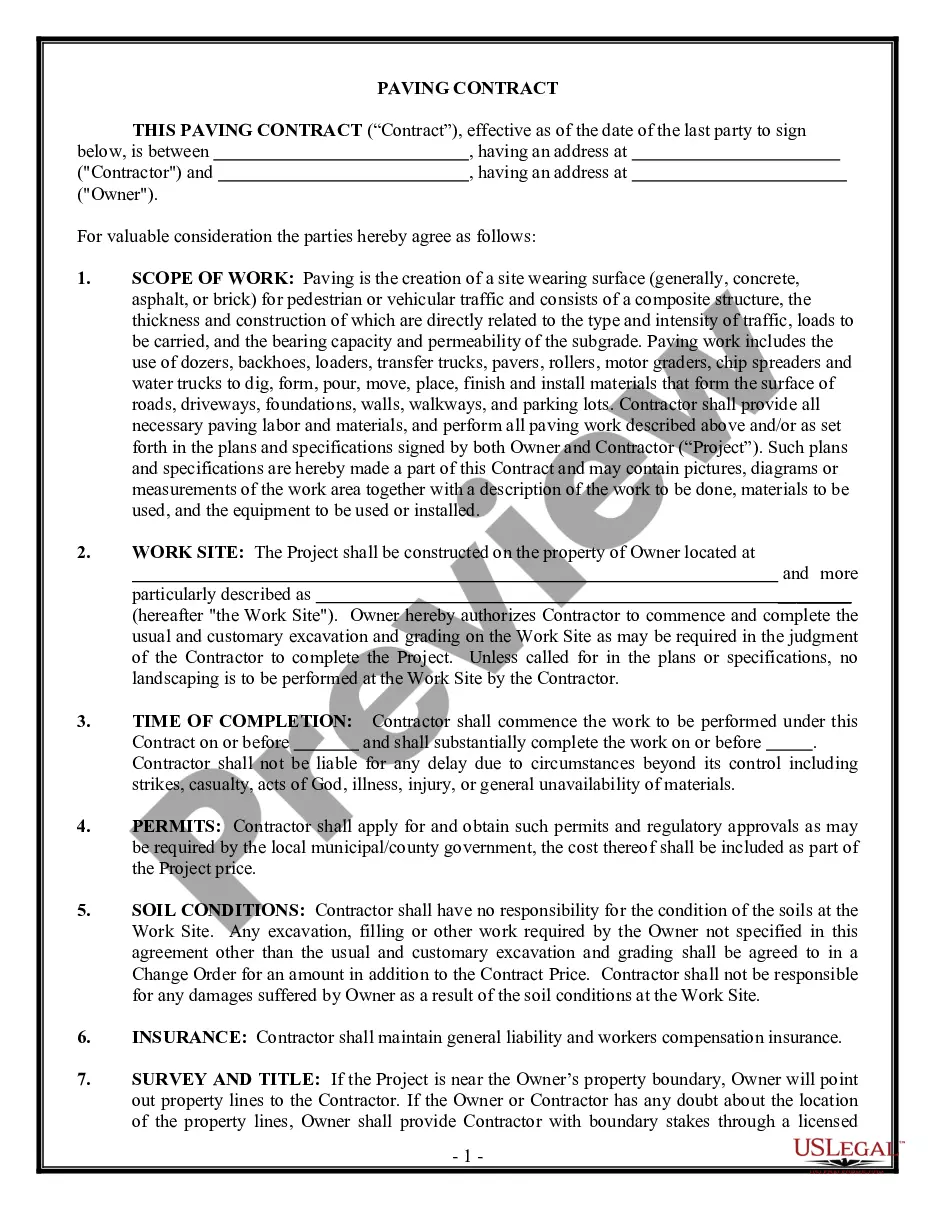
Texas Discovery Interrogatories from Plaintiff to Defendant with Production Requests
What is this form?
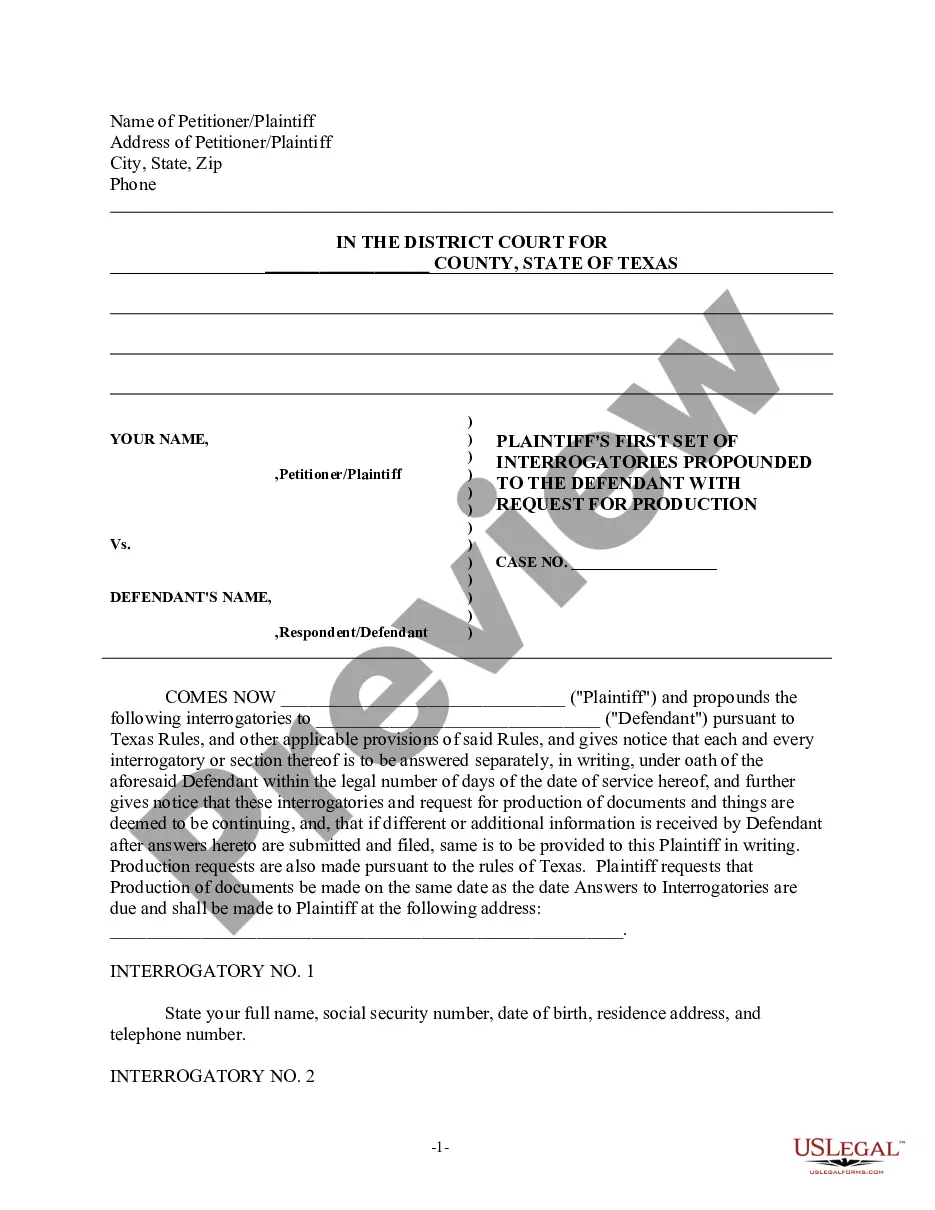
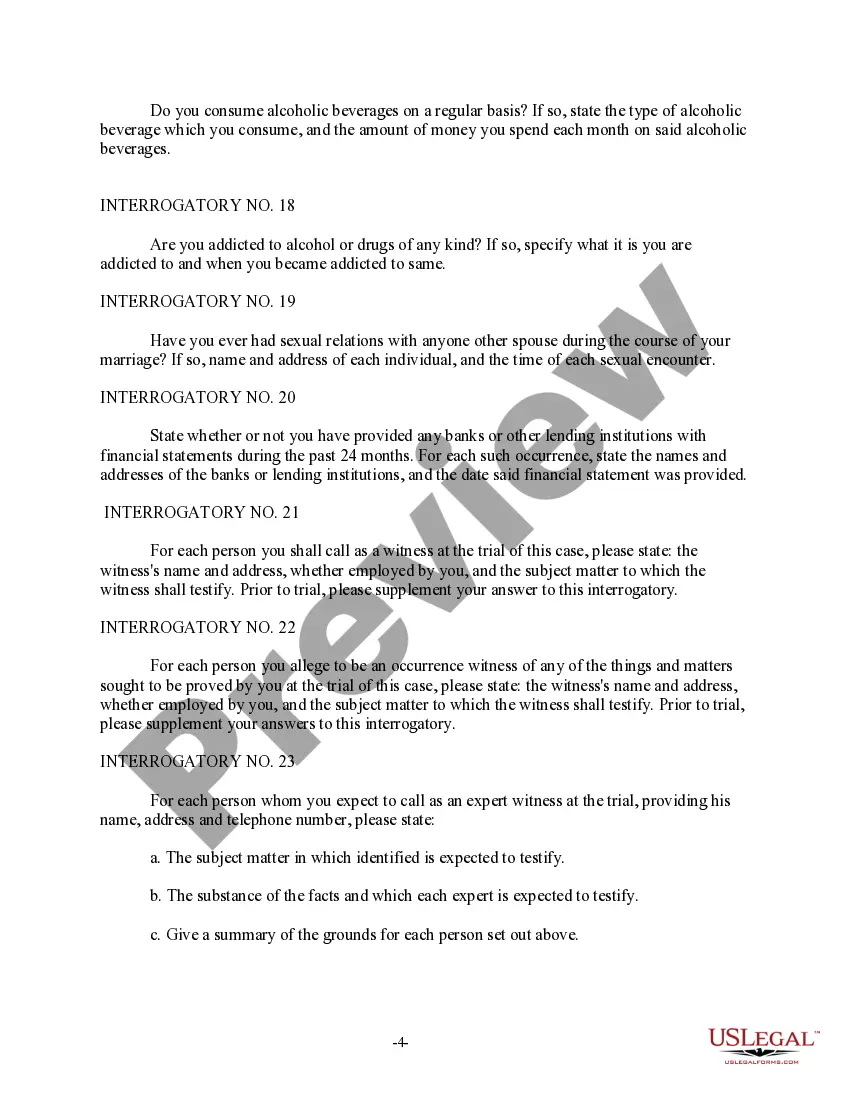
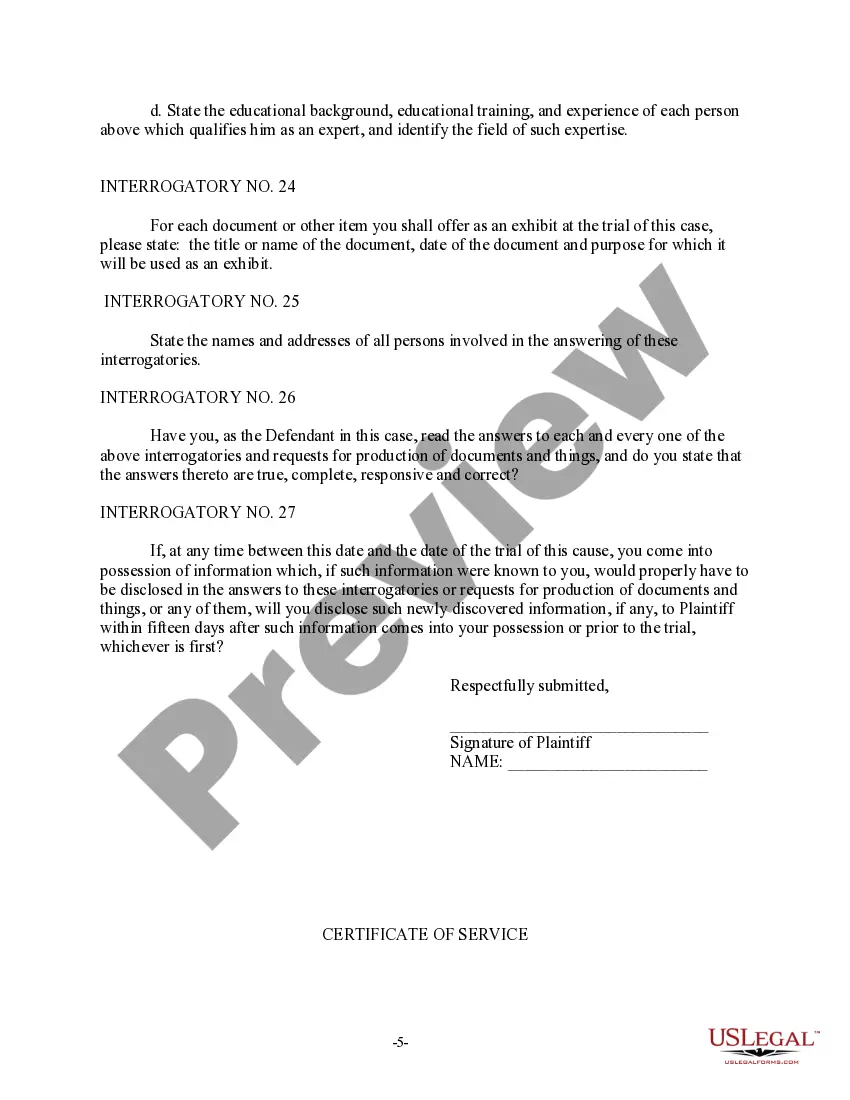
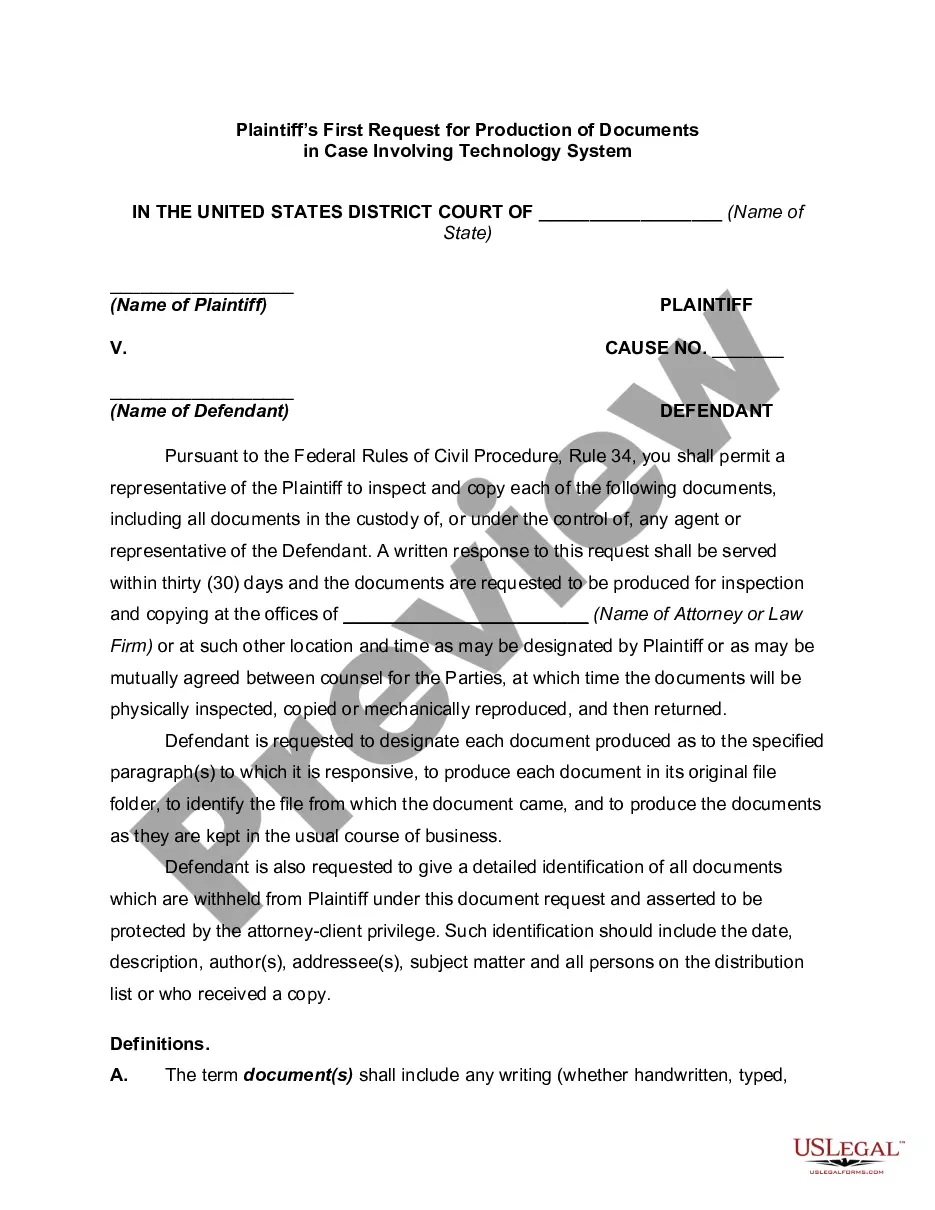
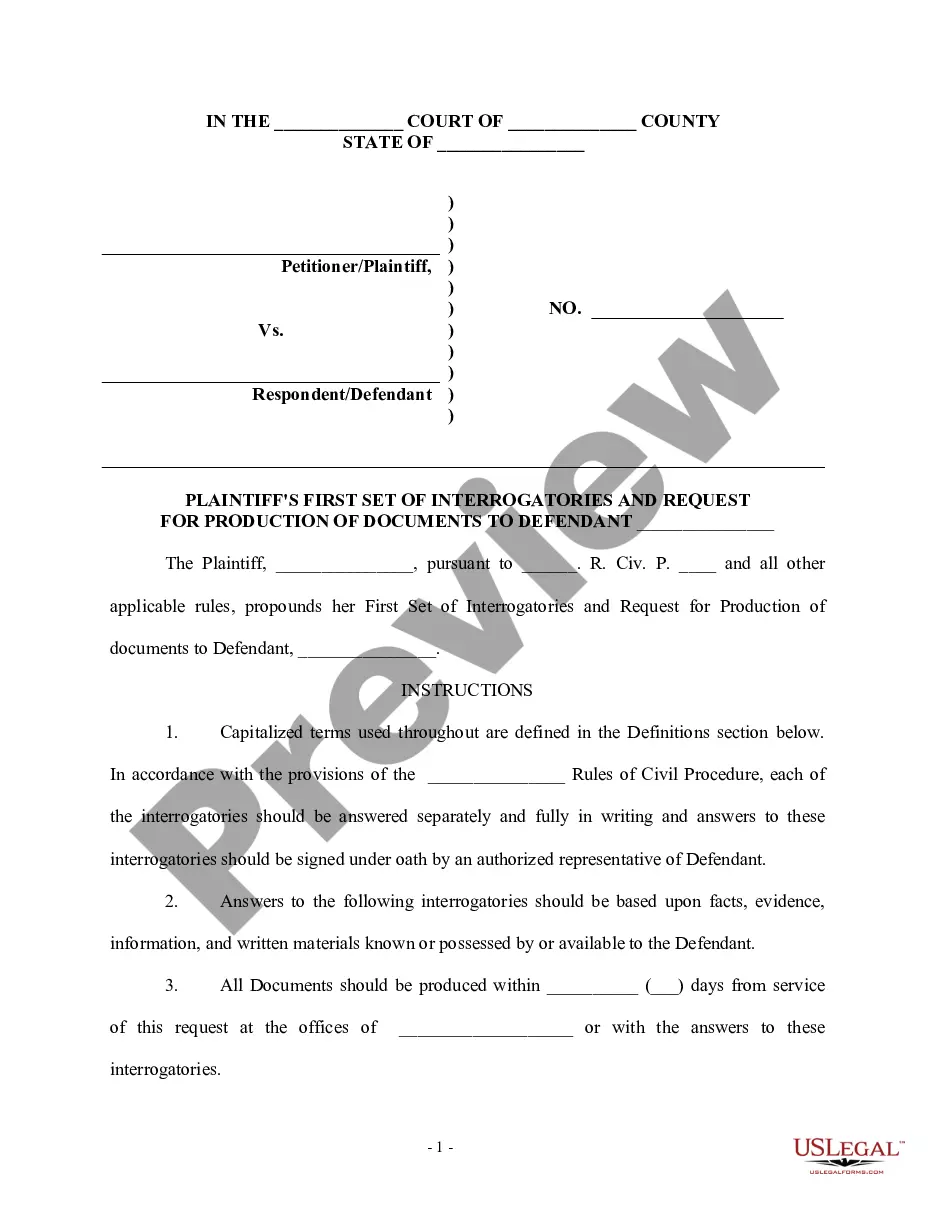
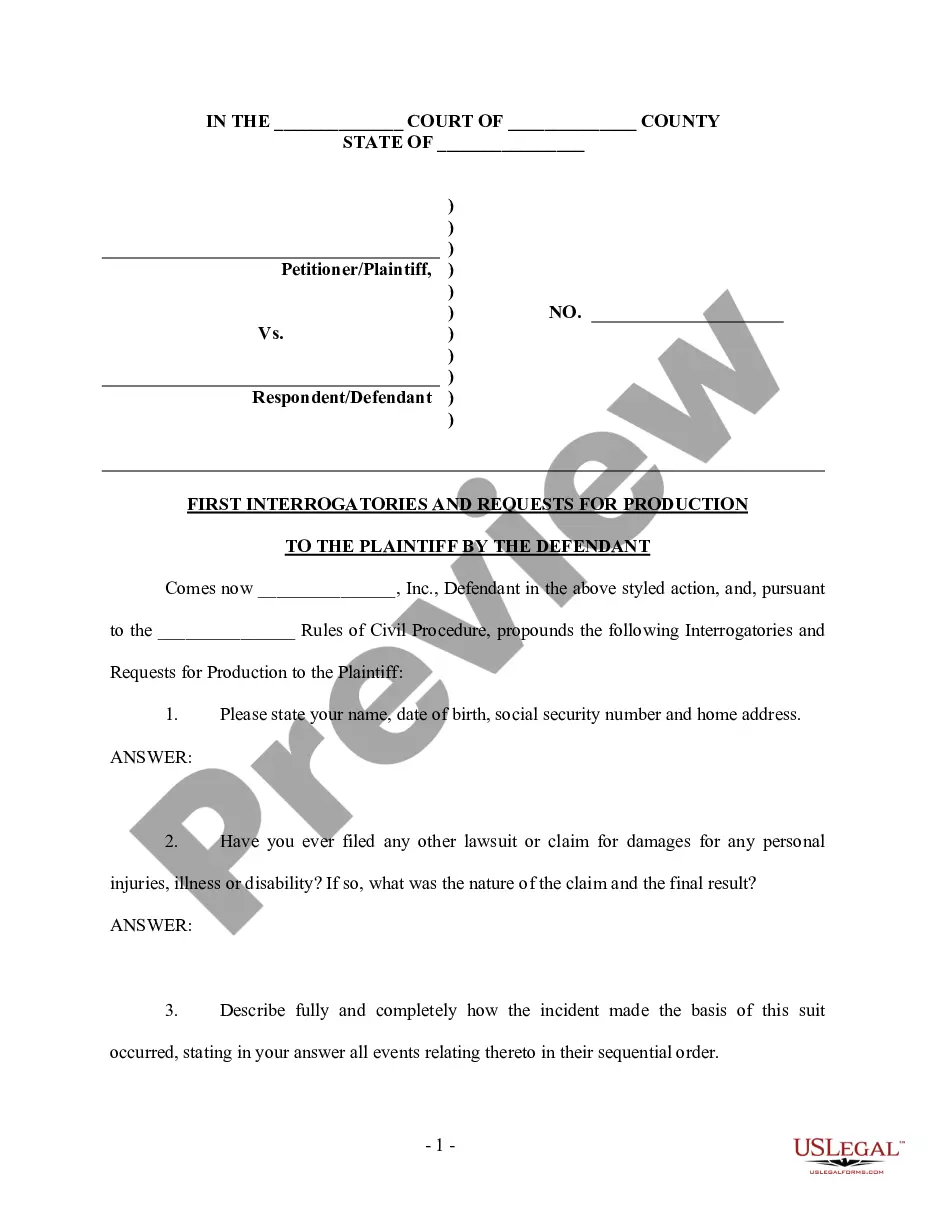
The Discovery Interrogatories from Plaintiff to Defendant with Production Requests is a legal document used in divorce actions. It allows the plaintiff to issue written questions (interrogatories) to the defendant, along with requests for specific documents. This form serves as a tool for gathering pertinent information related to the divorce case, placing an emphasis on financial disclosures and the circumstances surrounding the marriage. Unlike general interrogatories, this form includes additional requests for document production, making it comprehensive for divorce proceedings.
Form components explained
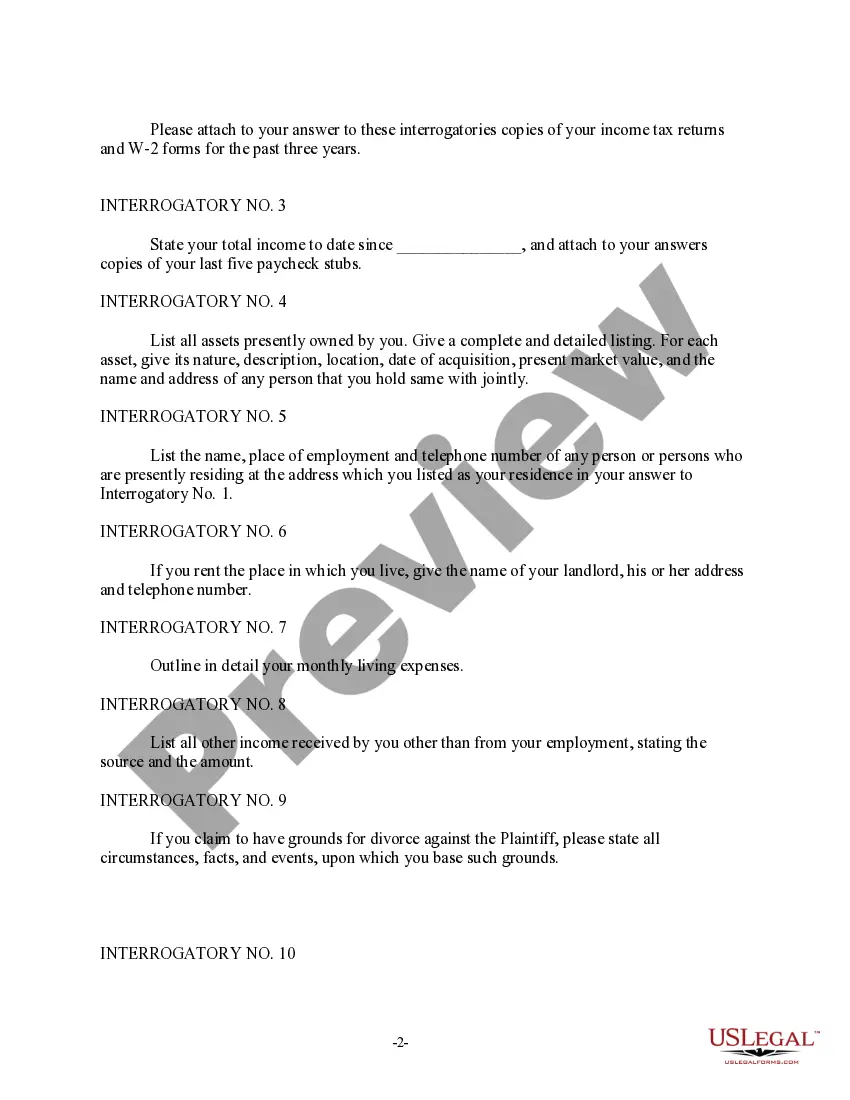
- Interrogatories that require the defendant to provide personal and financial information.
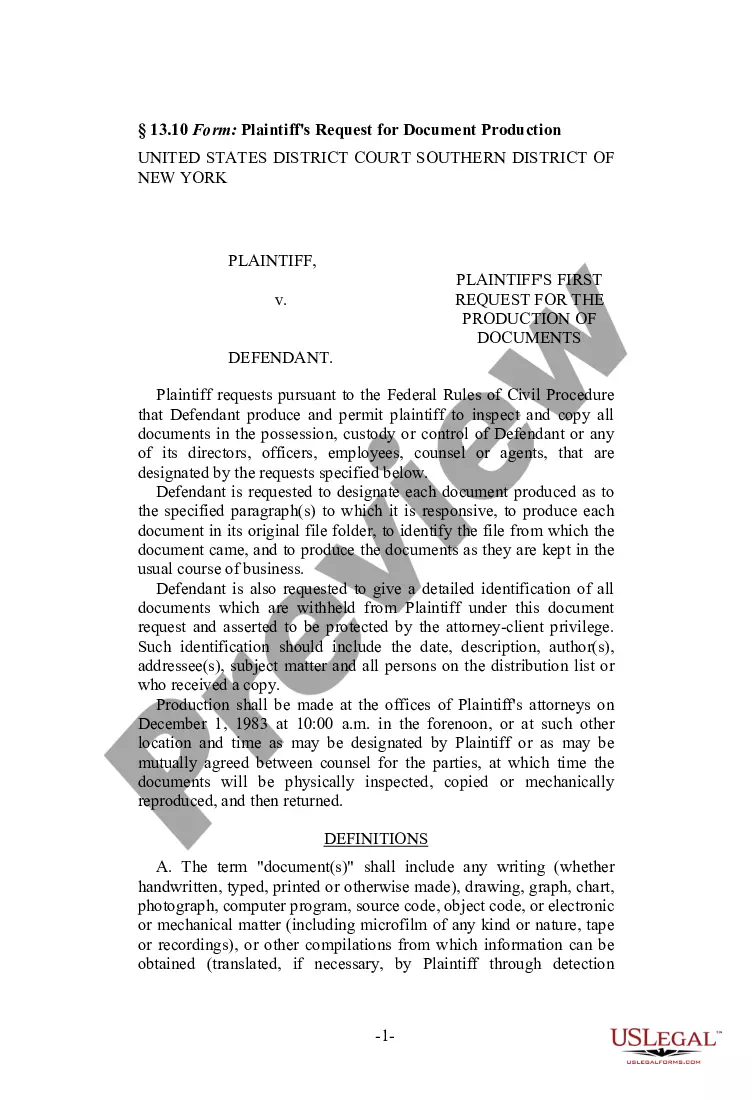
- Requests for production of relevant documents, such as tax returns and financial statements.
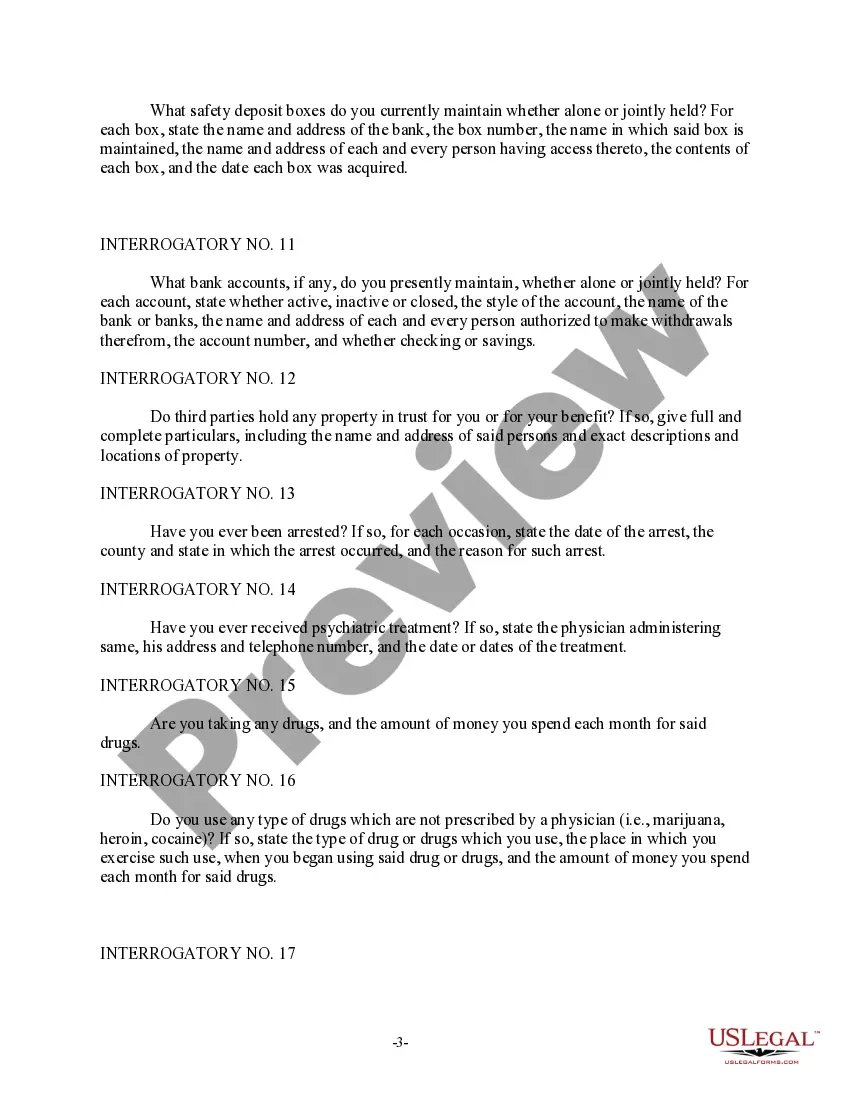
- Details on living expenses and asset disclosures.
- Questions related to any prior legal issues, such as arrests or psychiatric treatment.
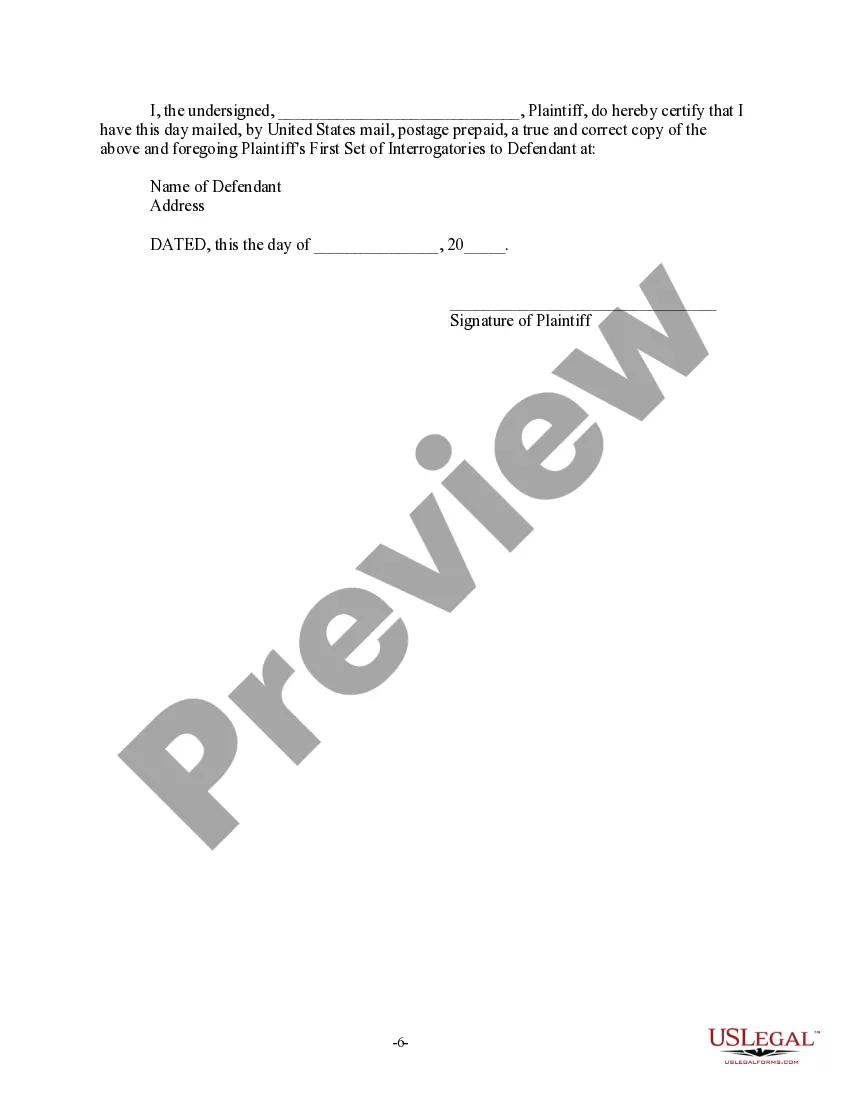
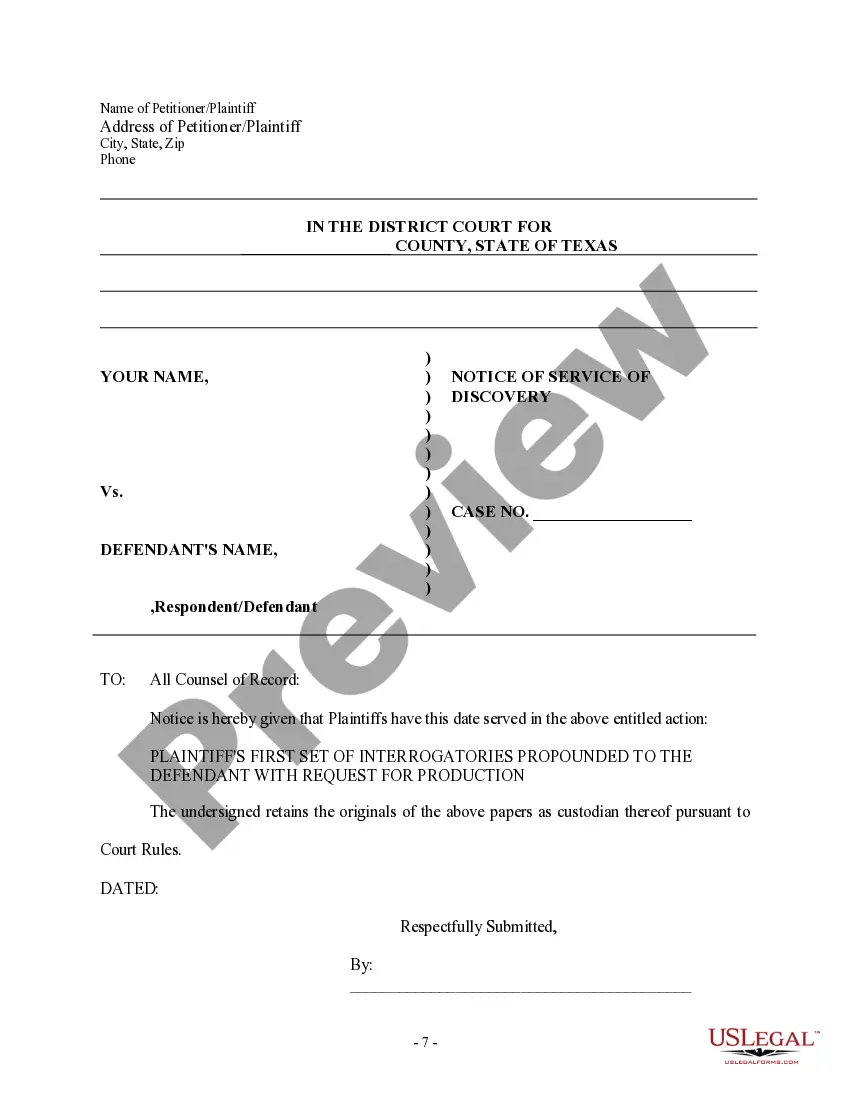
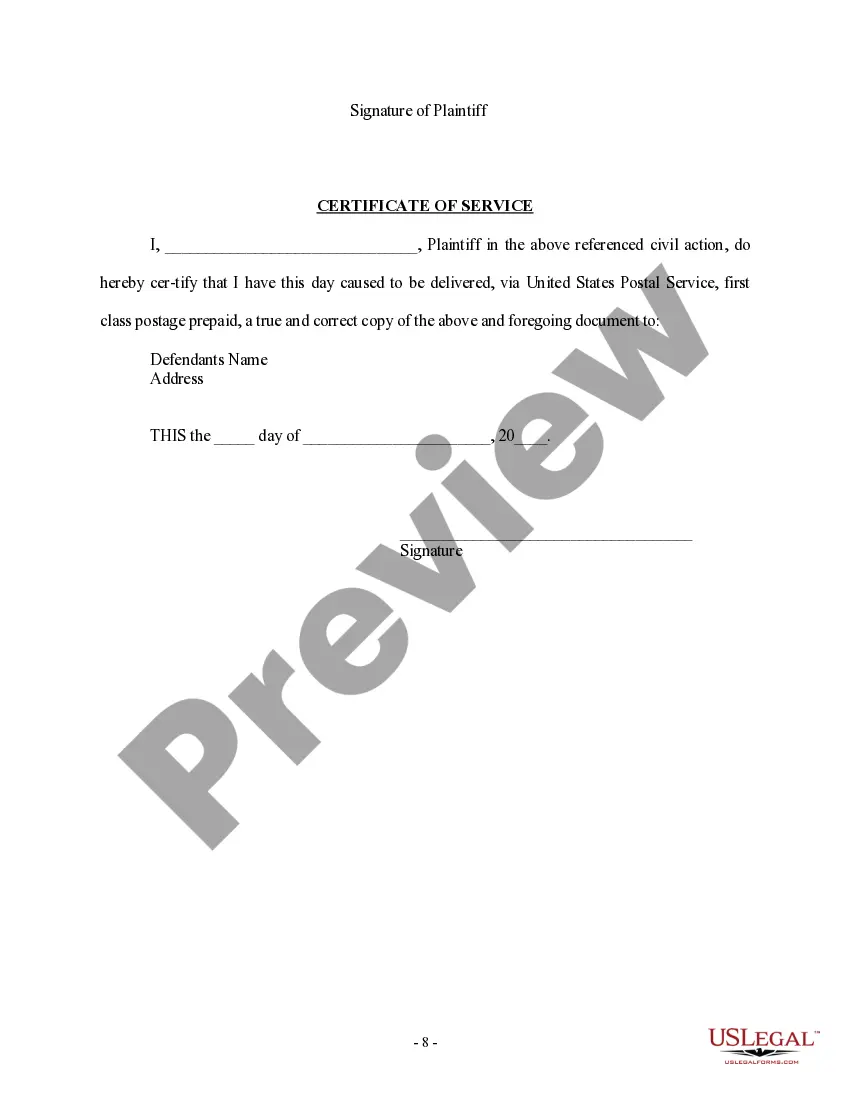
- A notice of service to be filed with the court to prove that the defendant has received the interrogatories.
When this form is needed
This form is typically used during the discovery phase of divorce proceedings. It is essential when the plaintiff needs to obtain information and documents from the defendant to build their case. Scenarios where this form is particularly useful include cases involving disputes over asset division, alimony, child support, or allegations of misconduct in the marriage. Utilizing this form can help ensure that both parties provide necessary disclosures to the court, facilitating a fair outcome.
Who can use this document
- Individuals who have filed for divorce and are the plaintiff in the case.
- Legal representatives or attorneys representing the plaintiff in divorce actions.
- Parties who require detailed financial disclosures from the defendant.
Steps to complete this form
- Identify the parties involved by filling in the plaintiff's and defendant's names, addresses, and contact information at the top of the form.
- List all damages, assets, and relevant financial data as requested in the interrogatories.
- Answer each question in detail to provide comprehensive information on living circumstances and finances.
- Attach any required documents, such as income tax returns and other financial statements, before submitting.
- File the completed form with the court and serve a copy to the defendant to fulfill legal requirements.
Does this form need to be notarized?
In most cases, this form does not require notarization. However, some jurisdictions or signing circumstances might. US Legal Forms offers online notarization powered by Notarize, accessible 24/7 for a quick, remote process.
Get your form ready online
Our built-in tools help you complete, sign, share, and store your documents in one place.
Make edits, fill in missing information, and update formatting in US Legal Forms—just like you would in MS Word.
Download a copy, print it, send it by email, or mail it via USPS—whatever works best for your next step.
Sign and collect signatures with our SignNow integration. Send to multiple recipients, set reminders, and more. Go Premium to unlock E-Sign.
If this form requires notarization, complete it online through a secure video call—no need to meet a notary in person or wait for an appointment.
We protect your documents and personal data by following strict security and privacy standards.

Make edits, fill in missing information, and update formatting in US Legal Forms—just like you would in MS Word.

Download a copy, print it, send it by email, or mail it via USPS—whatever works best for your next step.

Sign and collect signatures with our SignNow integration. Send to multiple recipients, set reminders, and more. Go Premium to unlock E-Sign.

If this form requires notarization, complete it online through a secure video call—no need to meet a notary in person or wait for an appointment.

We protect your documents and personal data by following strict security and privacy standards.
Common mistakes to avoid
- Failing to answer all interrogatories completely or accurately.
- Not providing required documents or attachments with the responses.
- Missing the deadline for responding to the interrogatories.
- Inconsistent answers across different interrogatory sections.
Why complete this form online
- Convenient access to legally drafted interrogatories tailored for divorce cases.
- Editable templates allow users to customize questions based on the specifics of their case.
- Instant downloads facilitate quick preparation and submission of documents.
Key takeaways
- This form is essential for plaintiffs in divorce actions to obtain necessary information from defendants.
- Completing this form accurately can significantly impact the outcomes of divorce proceedings.
- Compliance with state-specific rules is crucial for the form's legal validity and effectiveness.
Looking for another form?
Form popularity
FAQ
The plaintiff must give you responses to the request for interrogatories within 45 days of when you mailed the request. If they do not give you a response you can send a final request to the plaintiff. In the final request tell the plaintiff they have another 30 days to give you answers to your interrogatory requests.
The making available by a party of documents in his possession, custody or power for inspection by the other party or for use as evidence at trial.
If a request asks for a document, make a copy of the document; in your response, describe the document and say that a copy is attached; and attach a copy of the document to the responses you send back to the other side.
A request for production is a discovery device used to gain access to documents, electronic data, and physical items held by an opposing party in a legal matter. The aim is to gain insight into any relevant evidence that the opposing party holds.
When responding to Requests for Admissions, remember to answer as follows: Admit: If any portion of the Request for Admission is true then you must admit to that portion of the request. You are also allowed to have a hybrid response admit the part of the request that is true while denying another part.
That disclosure is accomplished through a methodical process called "discovery." Discovery takes three basic forms: written discovery, document production and depositions. See 's Stages of a Personal Injury Case section for related articles and resources.
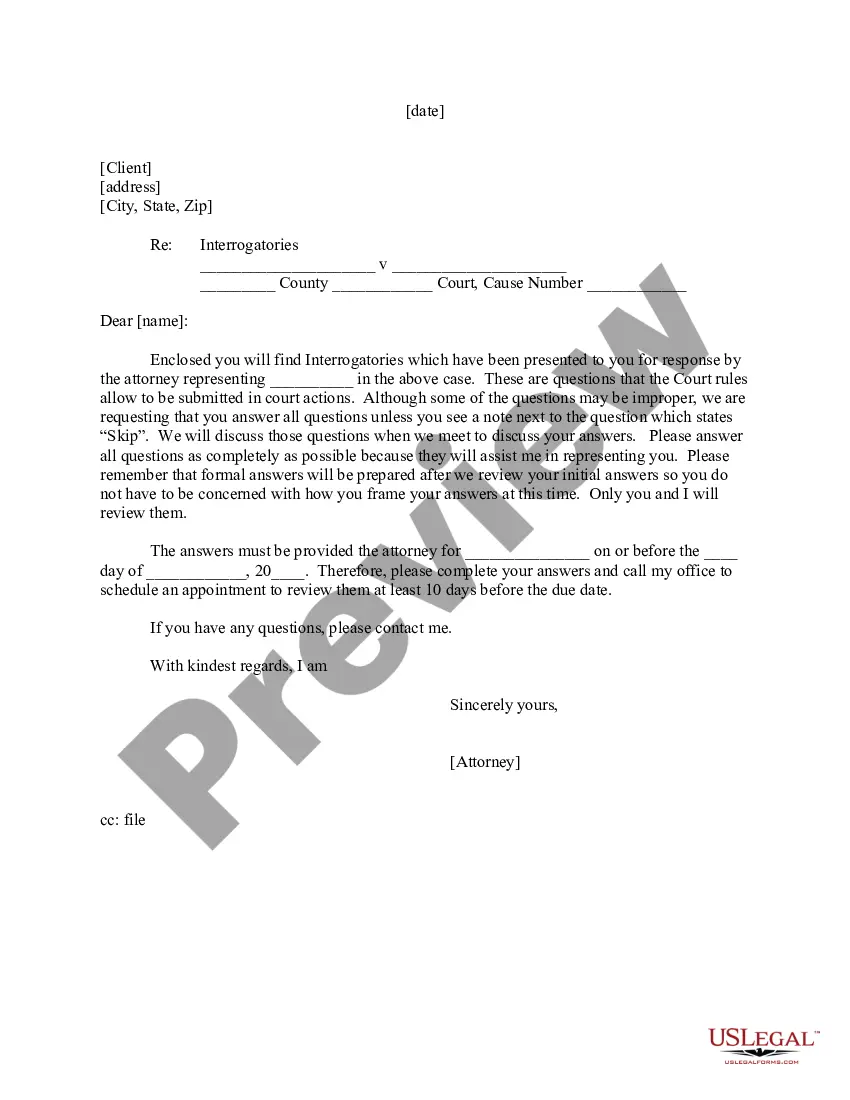
Interrogatories ask questions; the responding party provides written answers. A request for production of documents requests the production of documents (or other tangible things); the responding party provides documents.
Interrogatories Interrogatories are written questions that are sent by one party to another.Requests for production are the means by which you can ask the other party to make copies of documents, photographs, records, etc. and to request the inspection of property.
Thank you for your inquiry regarding our product or service. Thank you for your interest in our product or service. We would like to thank you for your letter inquiring about our product. We truly appreciate your letter asking for information about our service.