Texas Paving Contract for Contractor
What is this form?
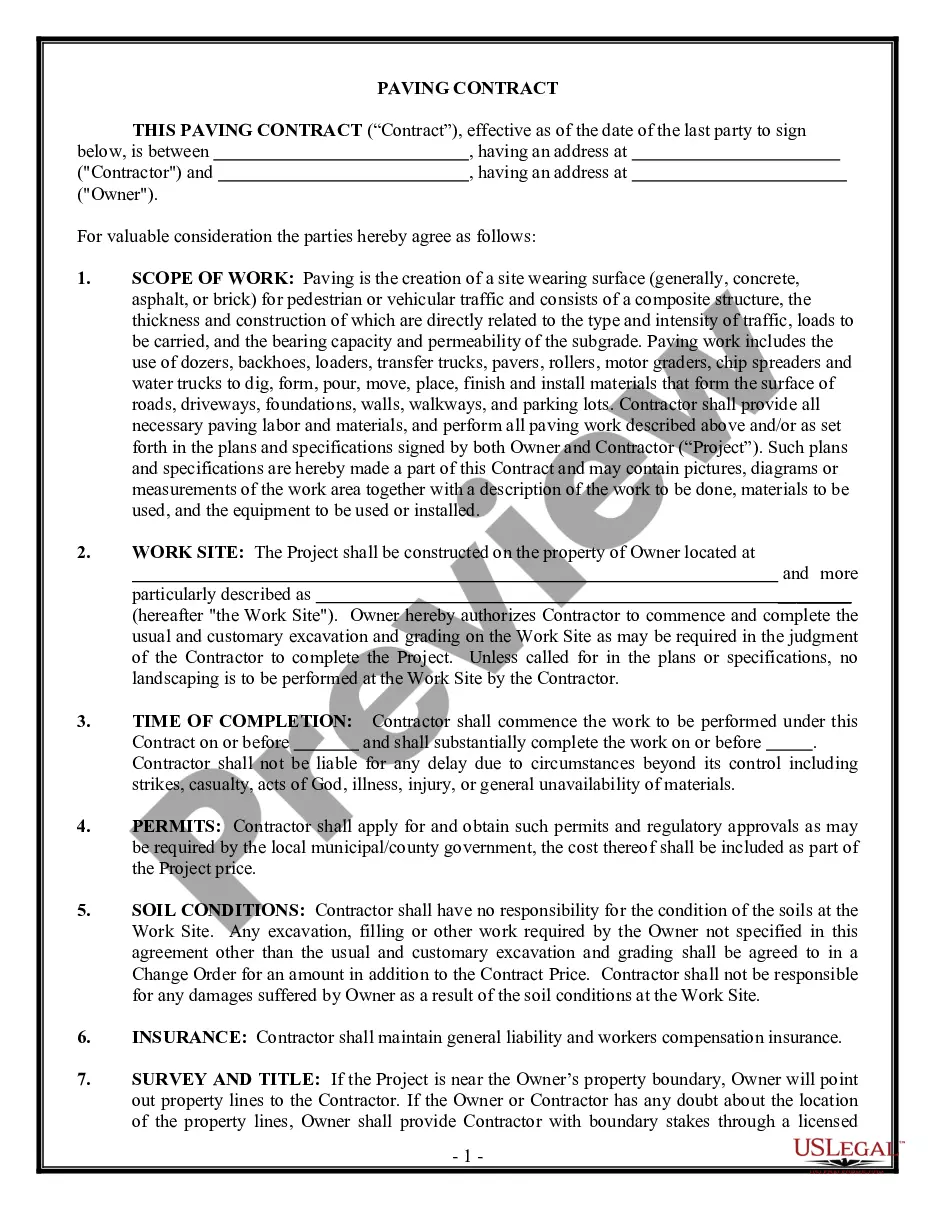
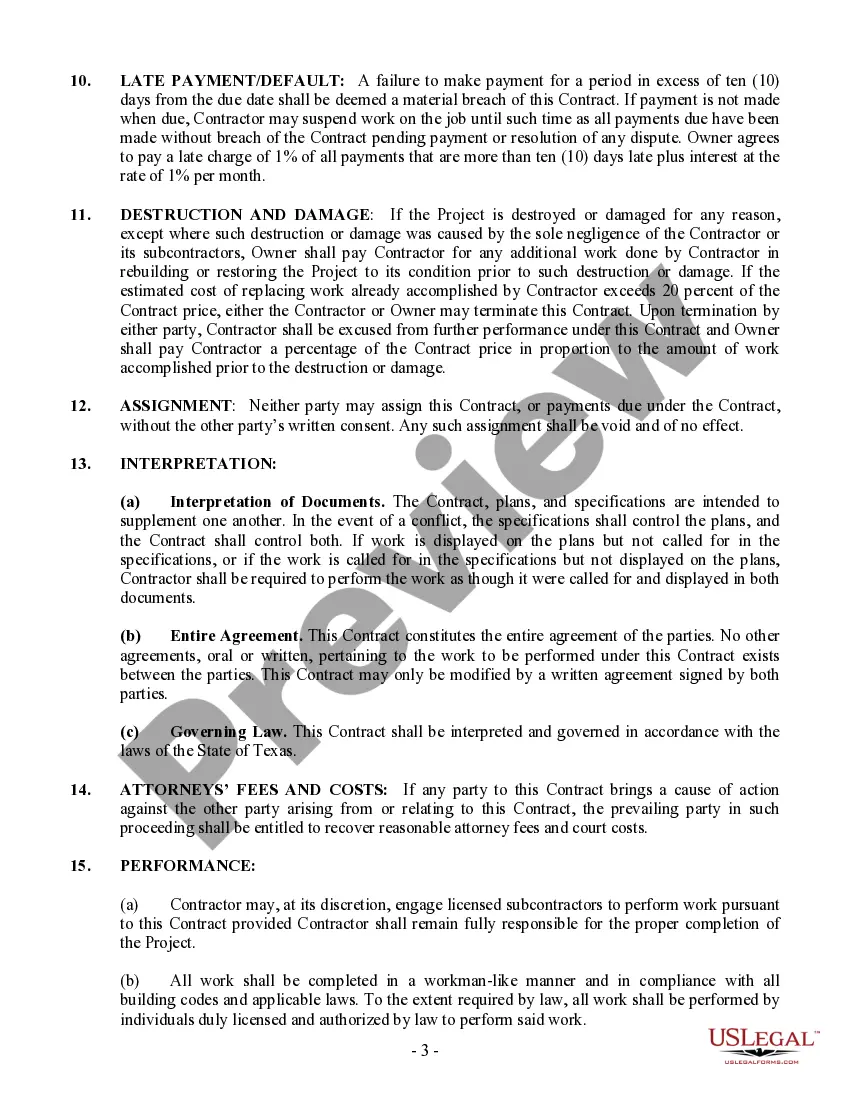
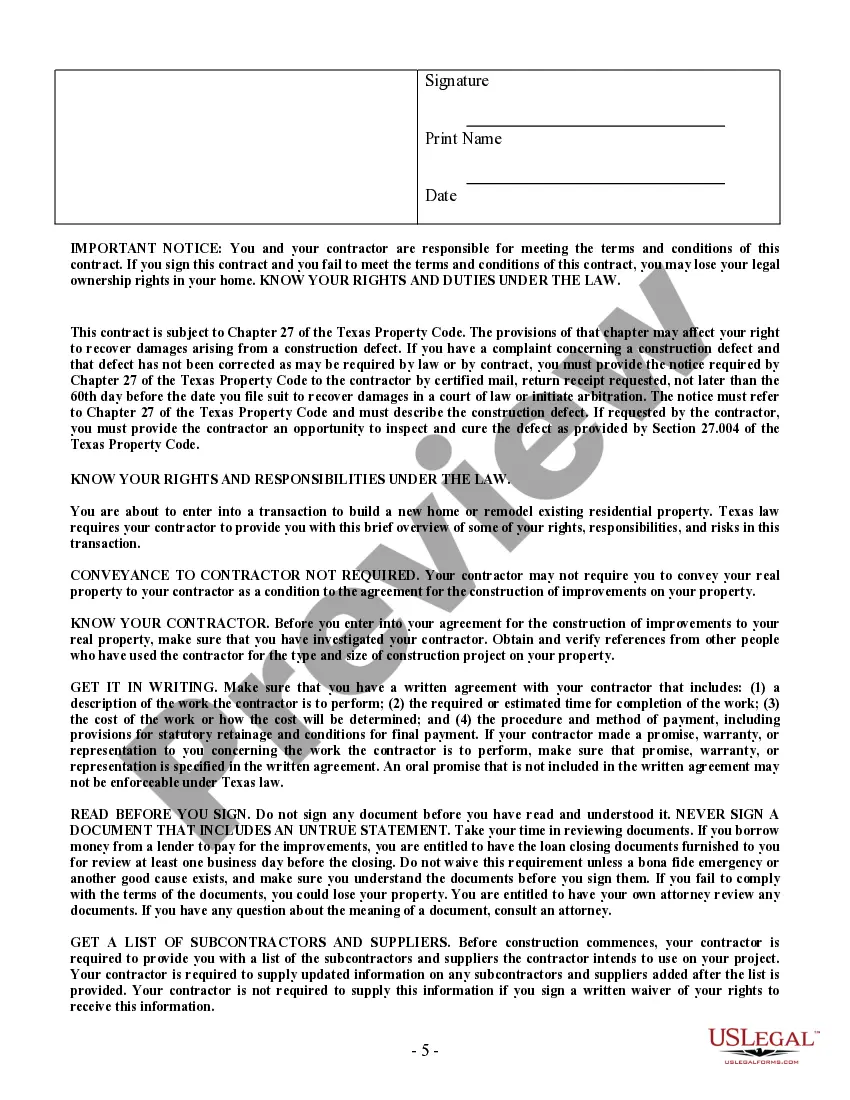
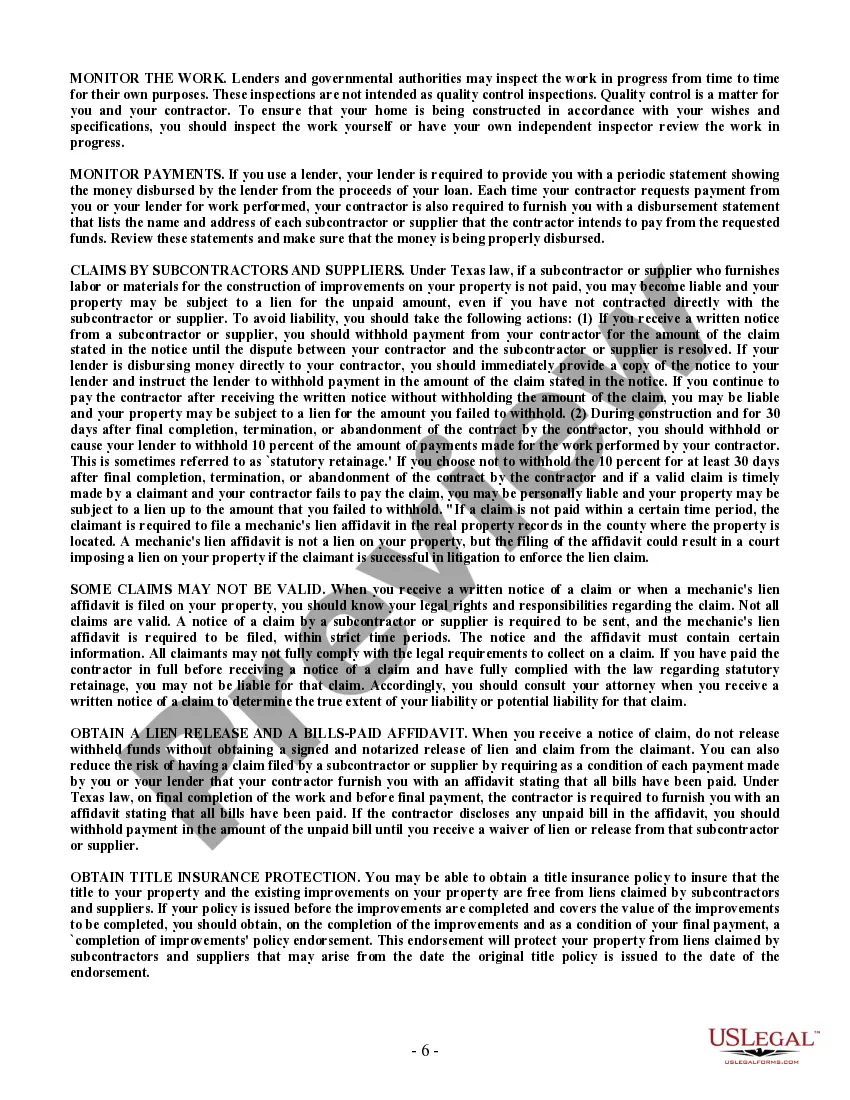
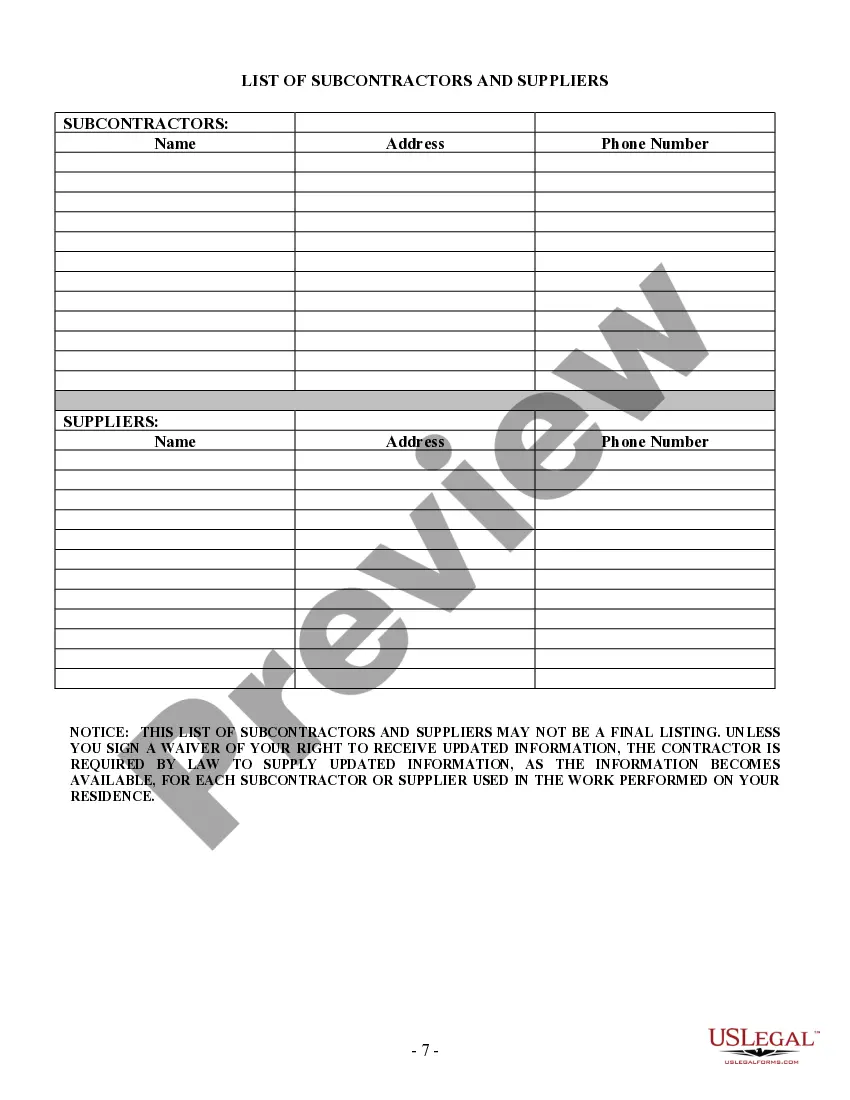
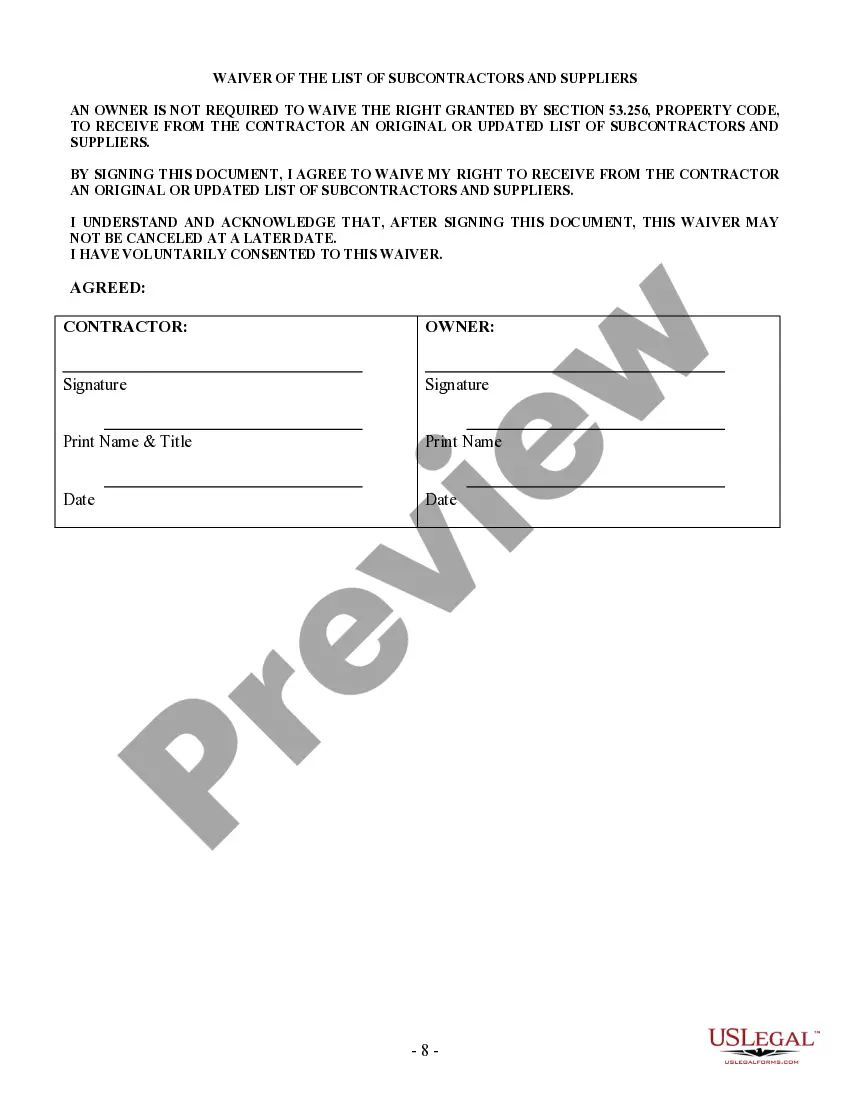
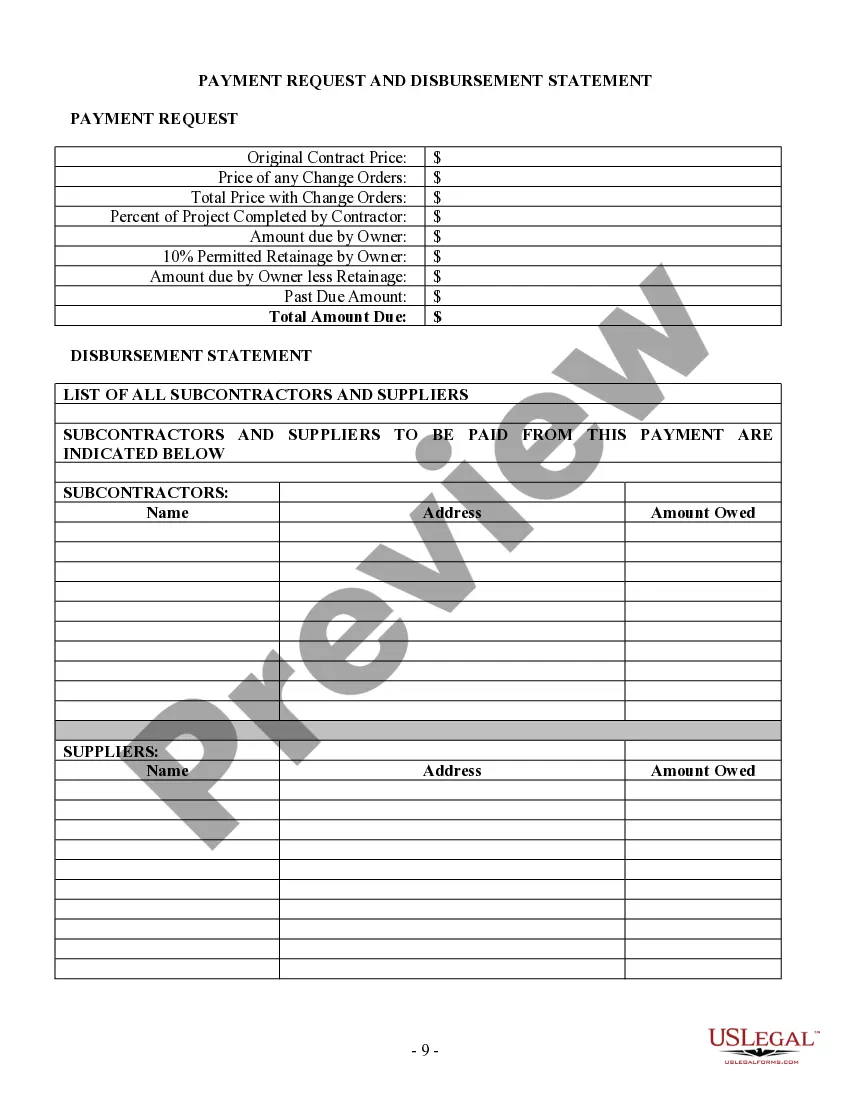
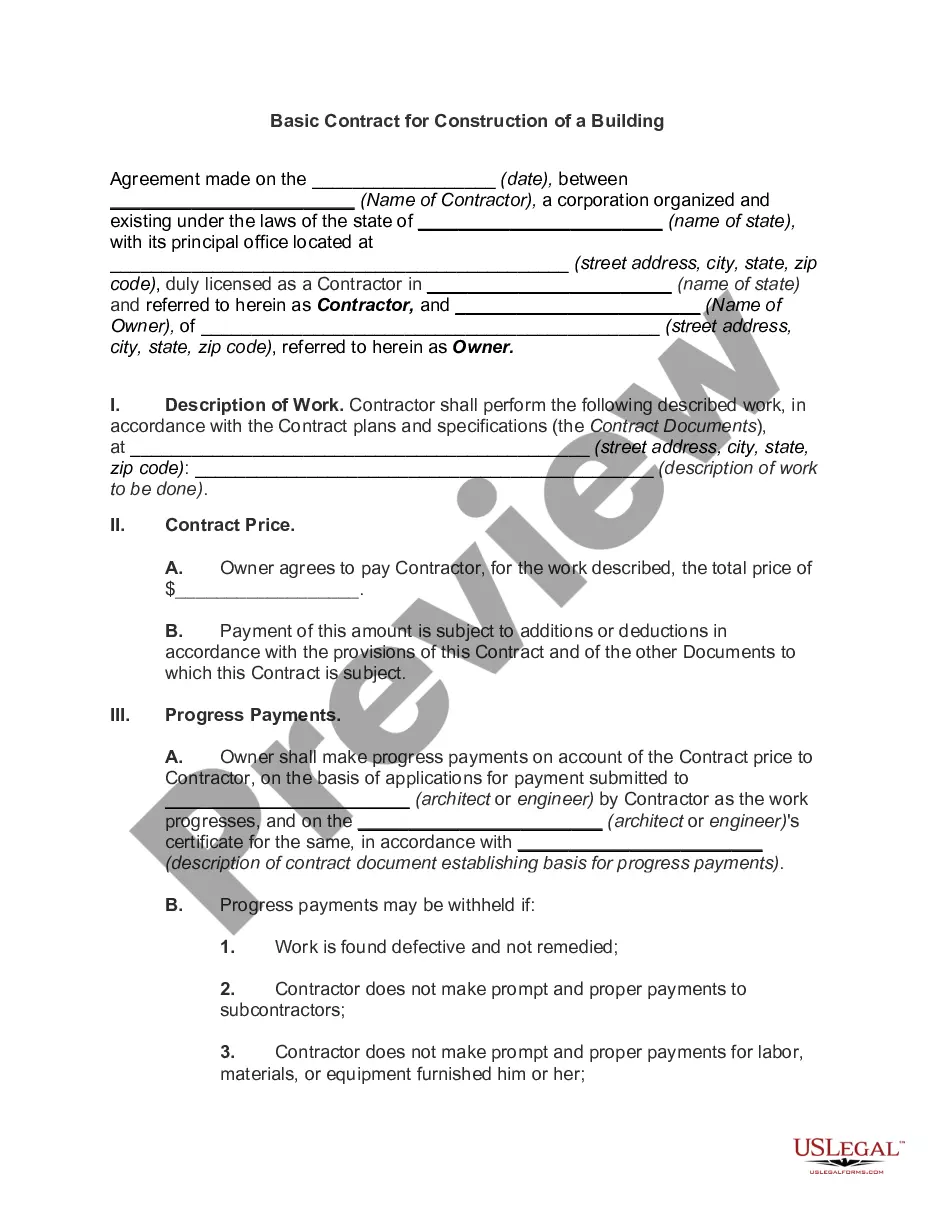
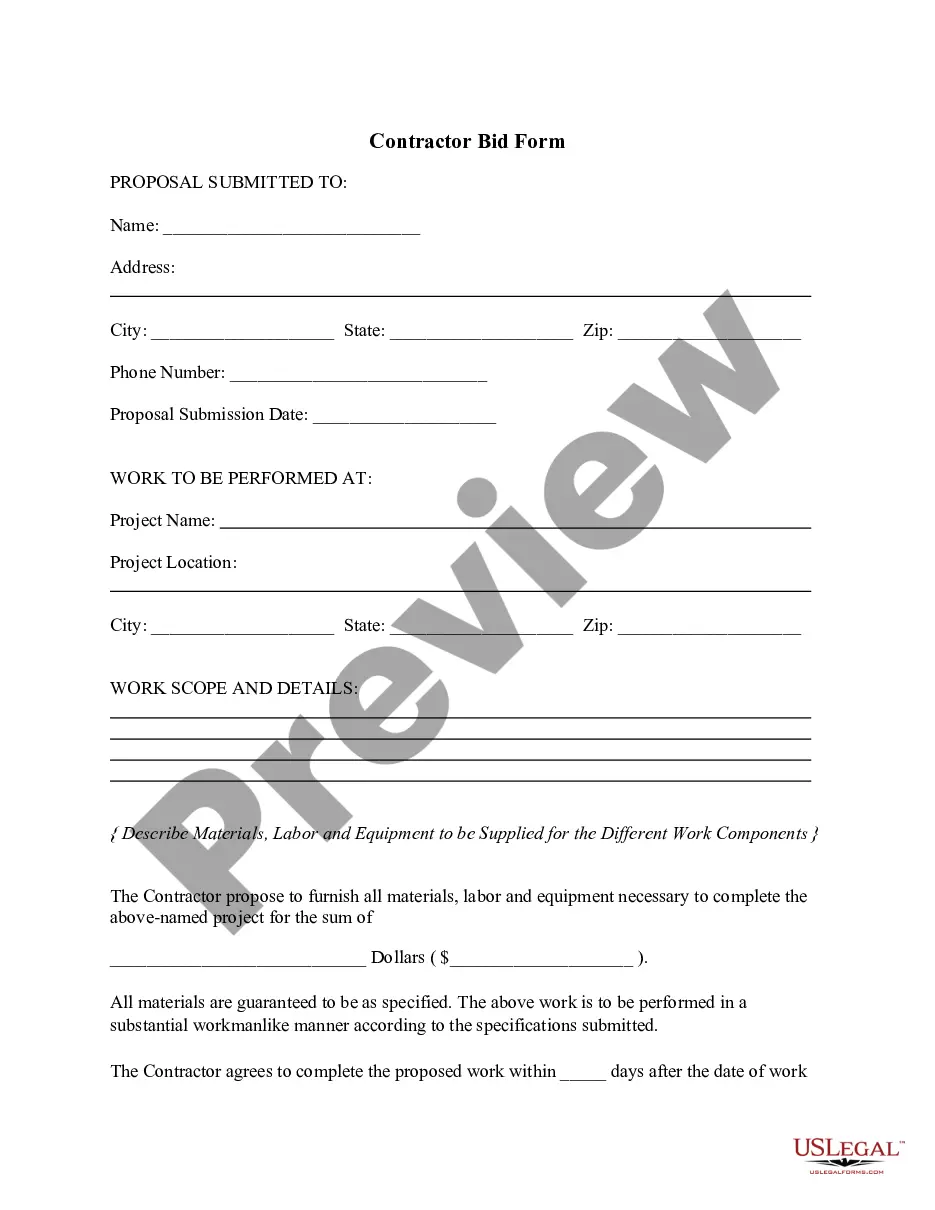
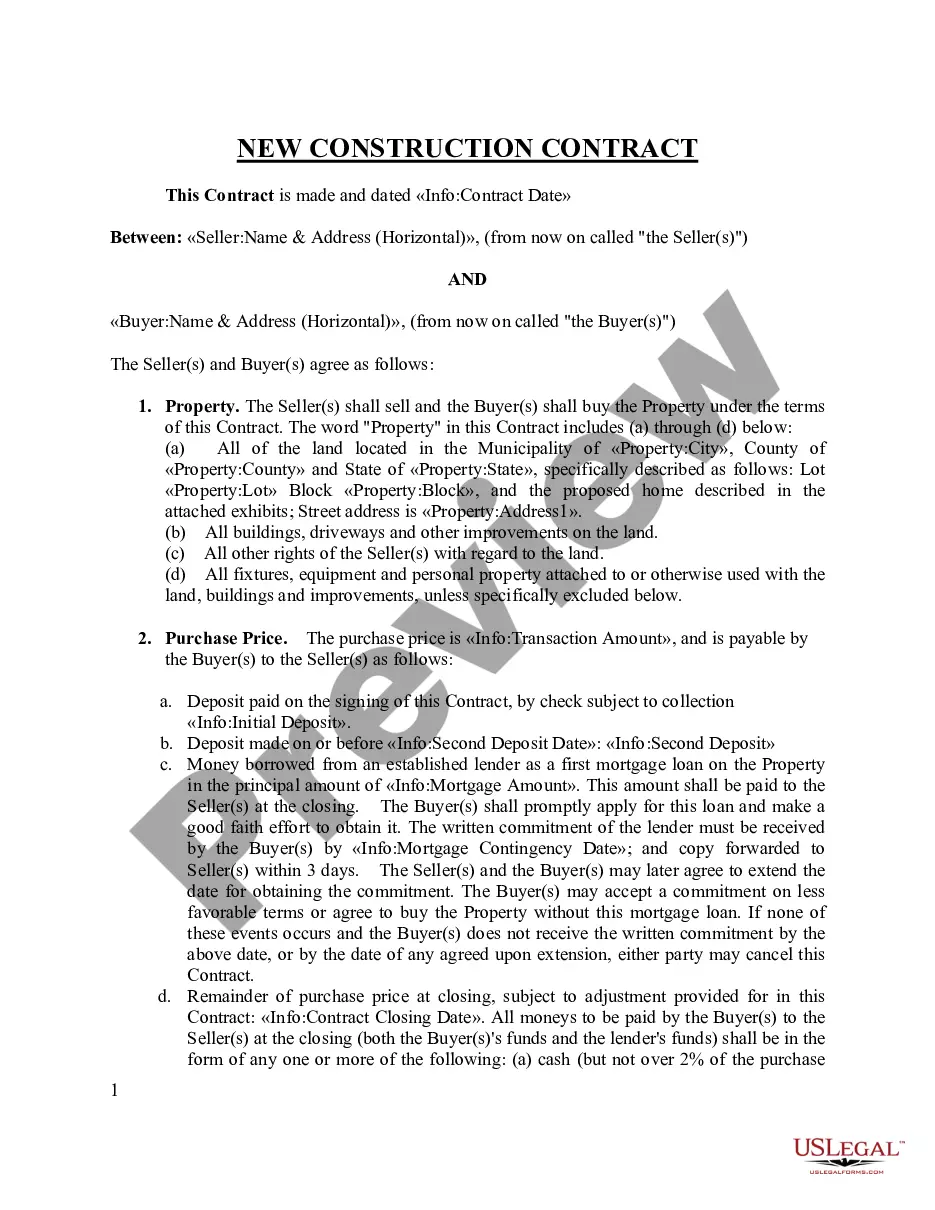
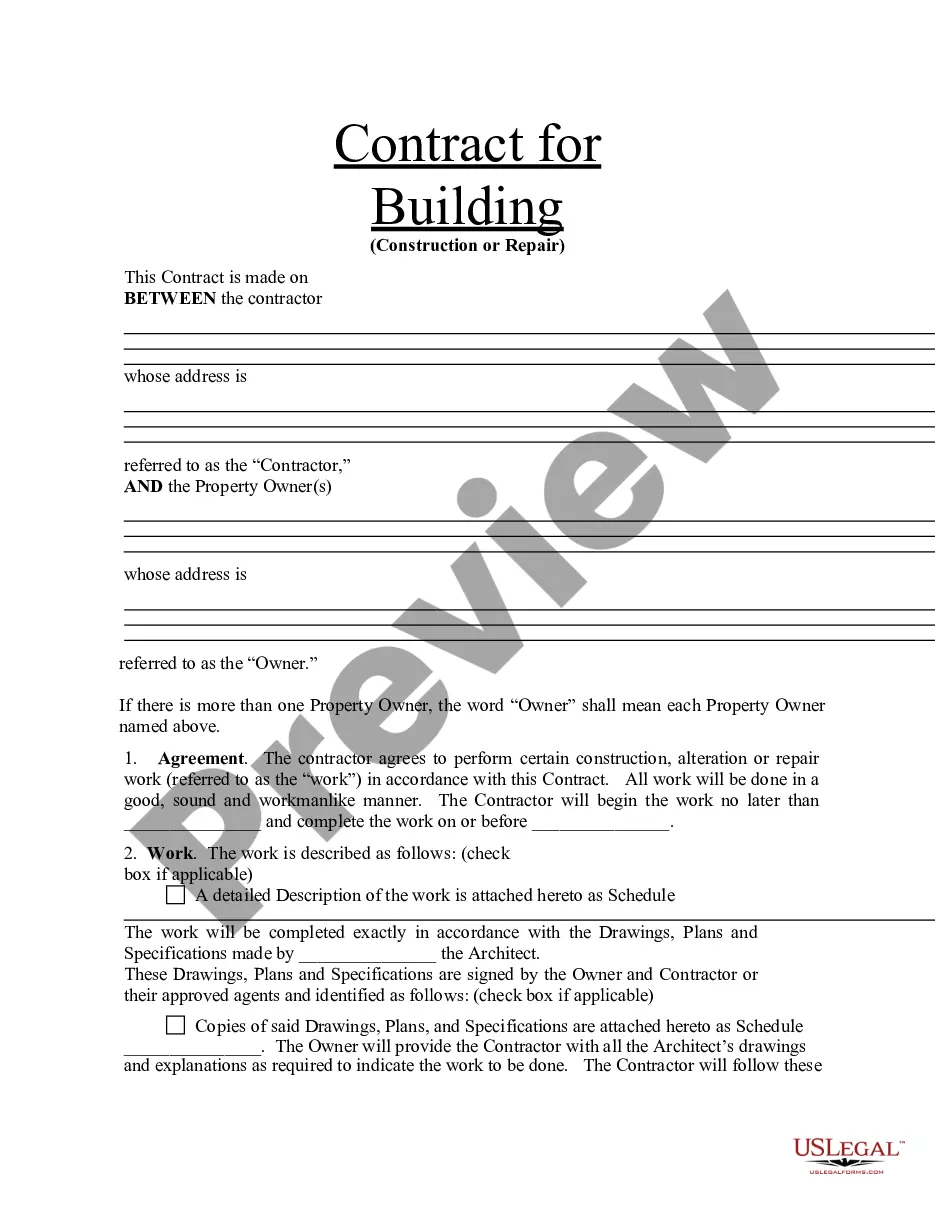
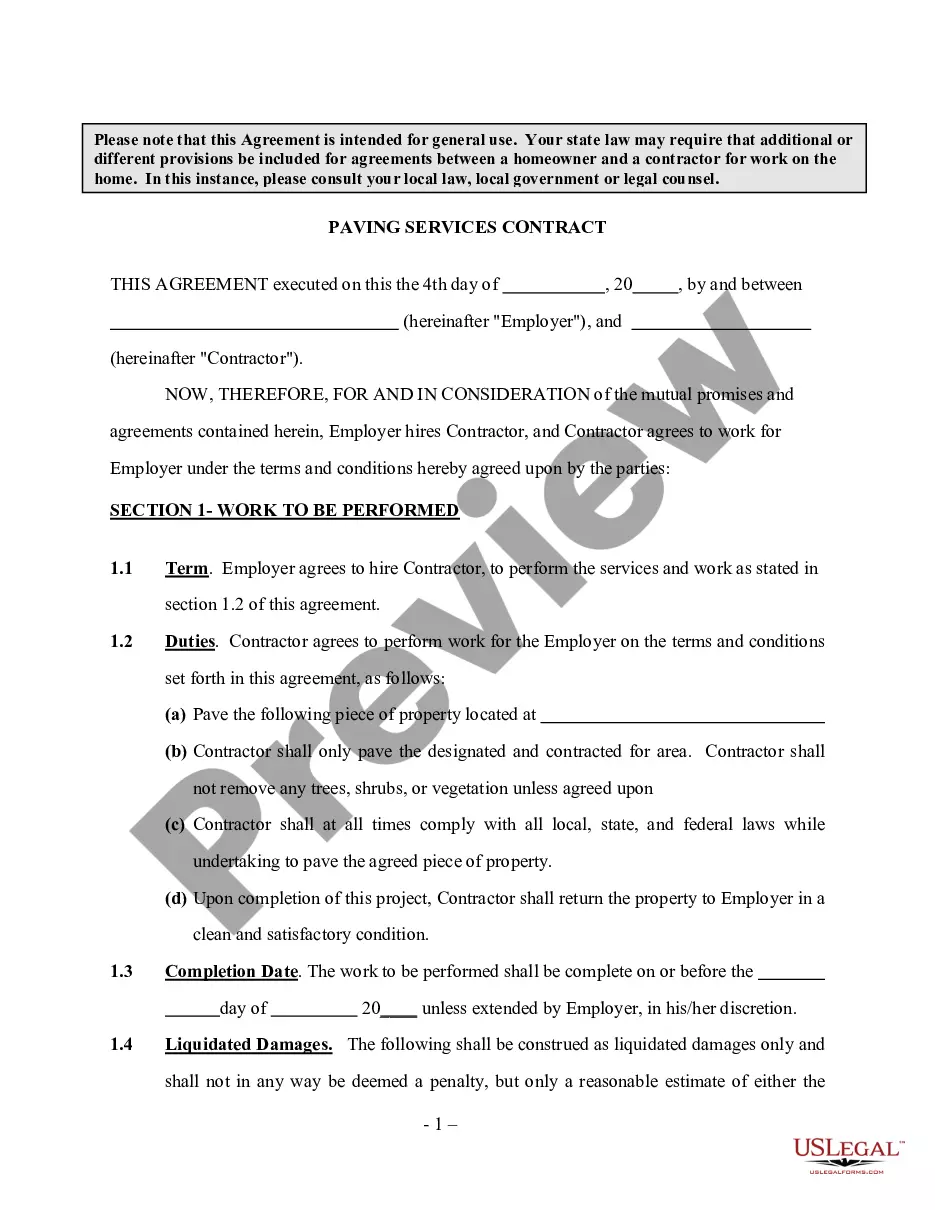
The paving contract for contractors is a legally binding agreement between paving contractors and property owners in Texas. This document outlines the terms of a paving project, including payment arrangements, change orders, work site details, and warranties. It ensures that both parties are clear on their responsibilities and rights throughout the project, protecting their interests and facilitating a smooth working relationship.
Main sections of this form
- Permits: Specifies contractor responsibilities for obtaining necessary permits.
- Soil Conditions: Clarifies that the contractor is not liable for soil-related issues at the work site.
- Insurance: Requires the contractor to maintain general liability and workers compensation insurance.
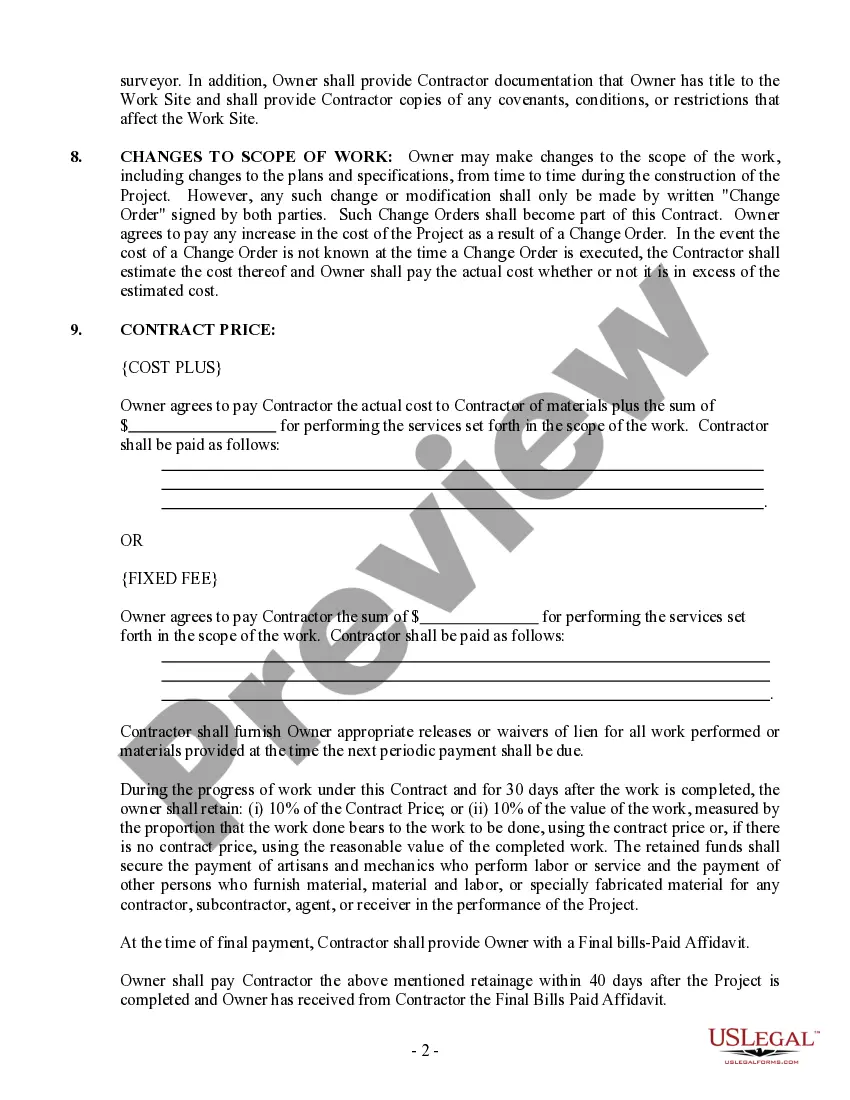
- Changes to Scope of Work: Outlines how modifications can be made through formal change orders signed by both parties.
- Contract Price: Details the payment structure, including retainage for security until project completion.
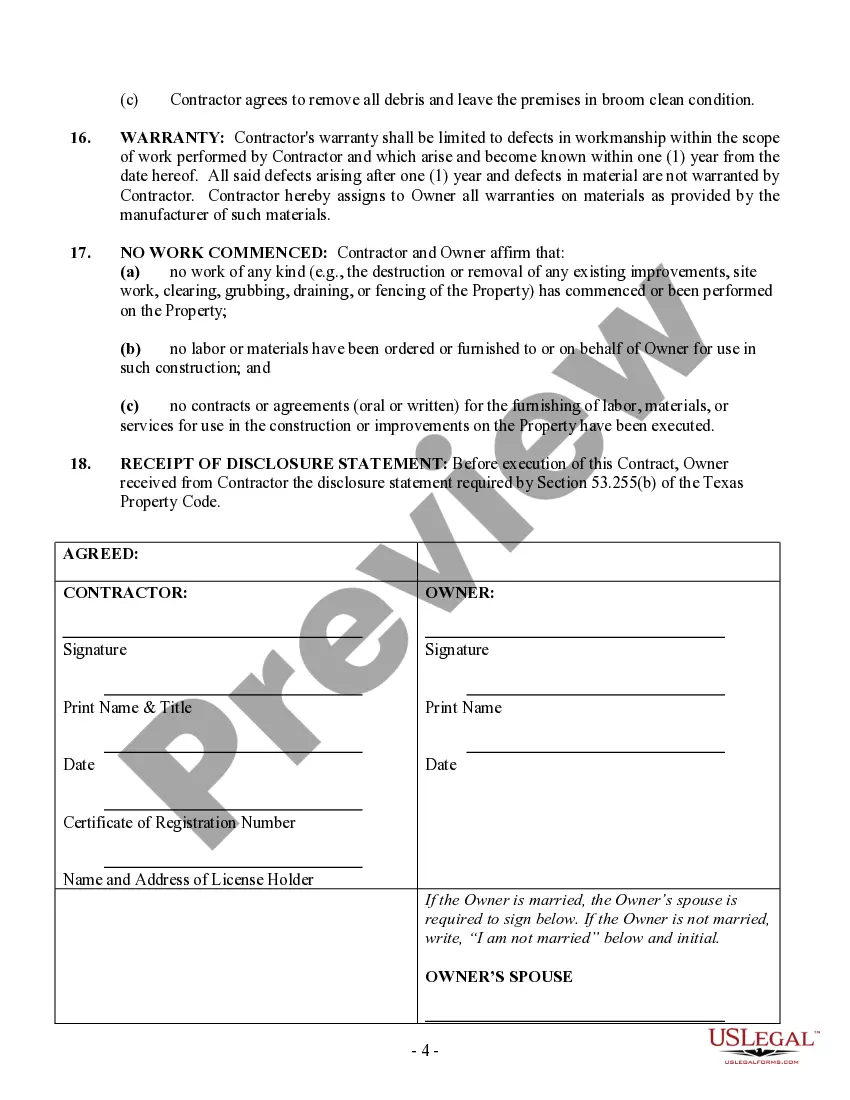
- Warranty: Limits the contractor's warranty on workmanship to one year from the date of completion.
Common use cases
This paving contract should be used whenever property owners engage a paving contractor to perform work on their property. Situations include new paving projects, resurfacing existing driveways, or installing walkways. It is essential when the specific terms of the project need to be documented, especially if costs may fluctuate or if changes to the project may arise during execution.
Who can use this document
- Paving Contractors looking to formalize agreements with property owners.
- Property Owners hiring paving services for residential or commercial projects.
- Subcontractors who need a clear understanding of their responsibilities under the main contract.
- Legal representatives seeking to draft or review paving agreements for clients.
How to complete this form
- Identify the parties involved: Enter the names and contact information of the contractor and property owner.
- Specify the project details: Include a description of the work, site information, and any necessary permits.
- Outline payment terms: Clearly define whether the payment is a fixed fee or cost plus basis.
- Document change order procedures: Set forth how changes to the scope of work will be handled.
- Gather signatures: Ensure that both parties sign the document to validate the agreement.
Notarization requirements for this form
This form usually doesn’t need to be notarized. However, local laws or specific transactions may require it. Our online notarization service, powered by Notarize, lets you complete it remotely through a secure video session, available 24/7.
Get your form ready online
Our built-in tools help you complete, sign, share, and store your documents in one place.
Make edits, fill in missing information, and update formatting in US Legal Forms—just like you would in MS Word.
Download a copy, print it, send it by email, or mail it via USPS—whatever works best for your next step.
Sign and collect signatures with our SignNow integration. Send to multiple recipients, set reminders, and more. Go Premium to unlock E-Sign.
If this form requires notarization, complete it online through a secure video call—no need to meet a notary in person or wait for an appointment.
We protect your documents and personal data by following strict security and privacy standards.

Make edits, fill in missing information, and update formatting in US Legal Forms—just like you would in MS Word.

Download a copy, print it, send it by email, or mail it via USPS—whatever works best for your next step.

Sign and collect signatures with our SignNow integration. Send to multiple recipients, set reminders, and more. Go Premium to unlock E-Sign.

If this form requires notarization, complete it online through a secure video call—no need to meet a notary in person or wait for an appointment.

We protect your documents and personal data by following strict security and privacy standards.
Common mistakes
- Failing to specify clear payment terms, leading to disagreements over costs.
- Not addressing potential soil issues, which can impact project completion.
- Neglecting to maintain records of change orders can create confusion about the scope of work.
- Overlooking the requirement for necessary permits, which may result in legal complications.
Why complete this form online
- Convenient access: Downloadable formats allow for quick and easy retrieval of legal documents.
- Editability: Easy to customize the contract to suit specific project needs and circumstances.
- Reliability: Professionally drafted by licensed attorneys to ensure compliance with Texas laws.
Legal use & context
- The paving contract is enforceable under Texas law, ensuring both parties comply with its terms.
- Understanding contract terms can help prevent disputes and clarify each party's obligations.
- It is advisable for both parties to consult legal counsel before signing to ensure mutual understanding.
Summary of main points
- The Paving Contract for Contractor clarifies the scope, responsibilities, and payment structure for paving work.
- Both parties should ensure they understand the terms before signing to avoid disputes.
- Incorporating clear change order processes can protect both contractor and owner.
- Adhering to state-specific requirements is vital for enforceability.
Looking for another form?


Form popularity
FAQ
Terms. This is the first section of any agreement or contract and states the names and locations of the parties involved. Responsibilities & Deliverables. Payment-Related Details. Confidentiality Clause. Contract Termination. Choice of Law.
Identifying/Contact Information. Title and Description of the Project. Projected Timeline and Completion Date. Cost Estimate and Payment Schedule. Stop Work Clause and Stop Payment Clause. Act of God Clause. Change Order Agreement. Warranty.
Timeframe or key milestones of the project; hours of work; deliverables of the project; and. way the business will pay the contractor for their services.
Name of contractor and contact information. Name of homeowner and contact information. Describe property in legal terms. List attachments to the contract. The cost. Failure of homeowner to obtain financing. Description of the work and the completion date. Right to stop the project.
Scope of Work, Selection Sheet and Drawings. License Number and Insurance. Description of Change Orders. Warranty information. Subcontractor Agreements. Payment schedule. Completion Schedule / Timeline. Clauses Required by Law.
Get it in writing. Keep it simple. Deal with the right person. Identify each party correctly. Spell out all of the details. Specify payment obligations. Agree on circumstances that terminate the contract. Agree on a way to resolve disputes.
Identifying/Contact Information. Title and Description of the Project. Projected Timeline and Completion Date. Cost Estimate and Payment Schedule. Stop Work Clause and Stop Payment Clause. Act of God Clause. Change Order Agreement. Warranty.