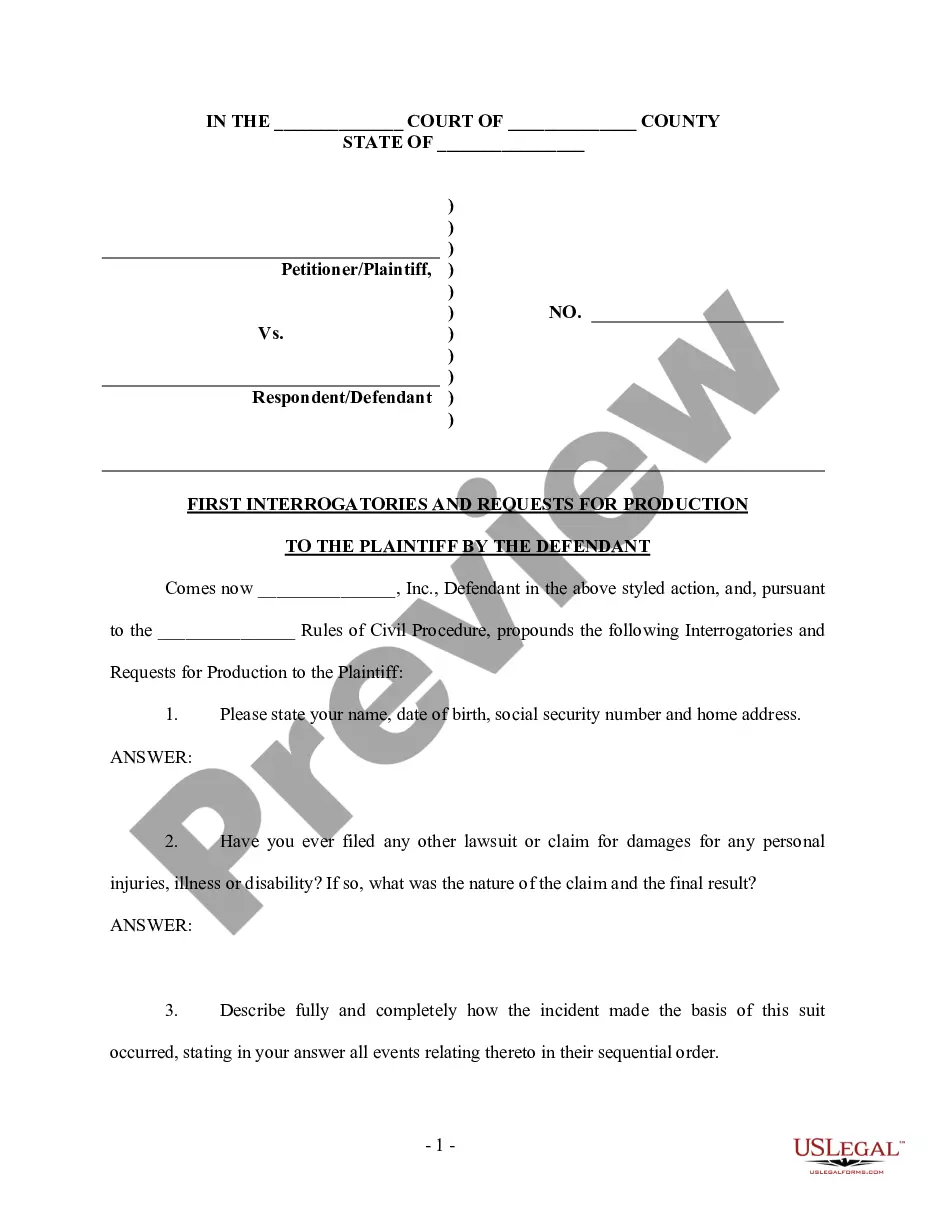
First Interrogatories and Requests for Production to the Plaintiff by the Defendant - Personal Injury
What is this form?
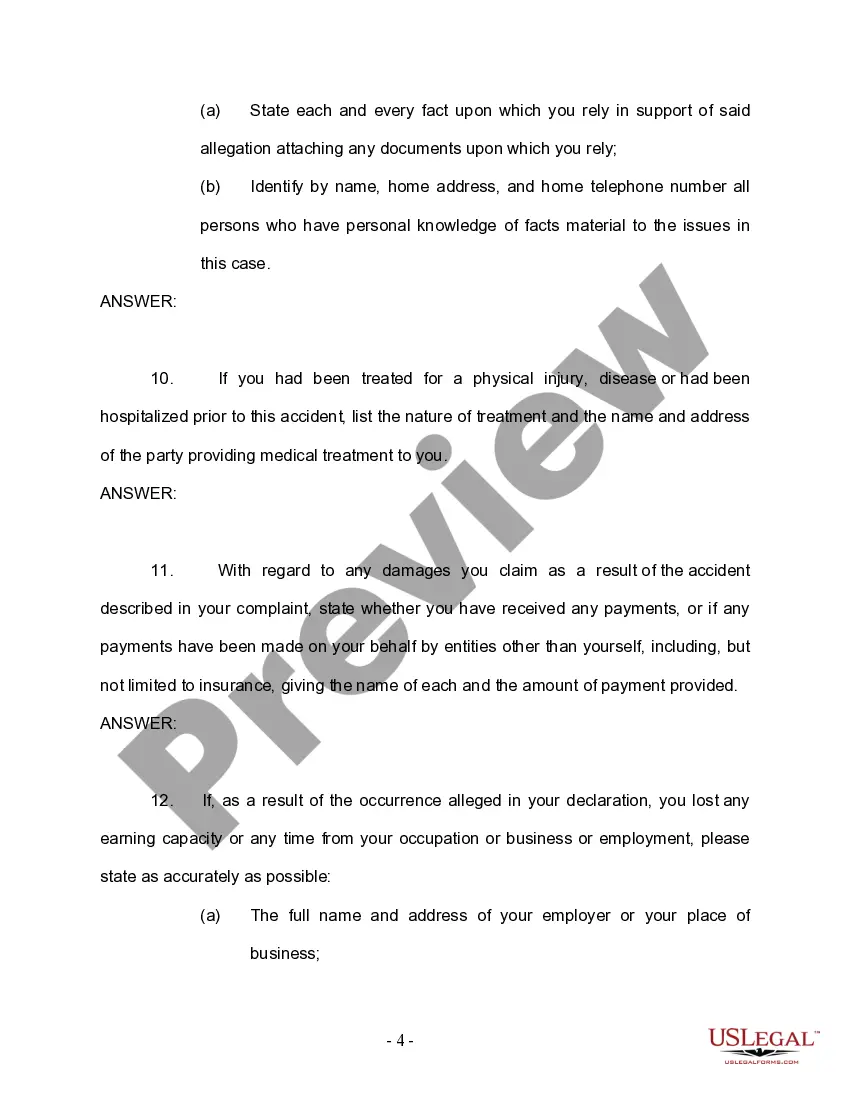
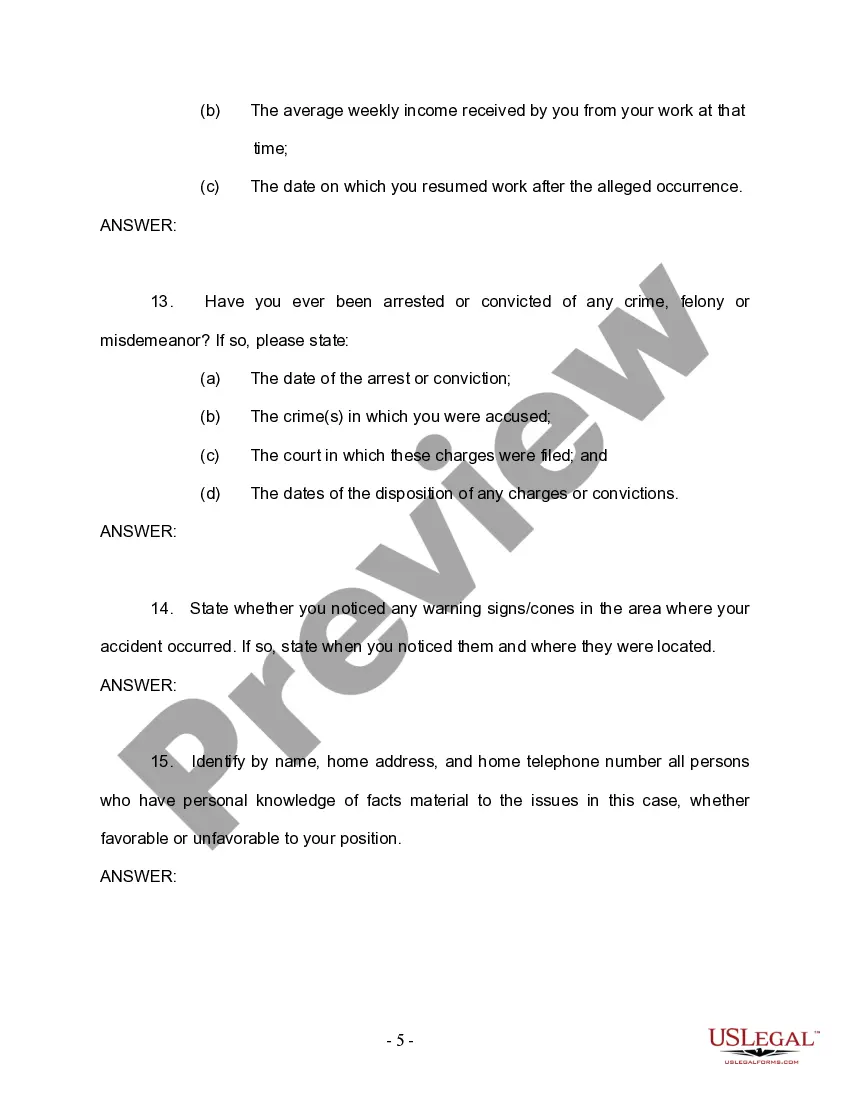
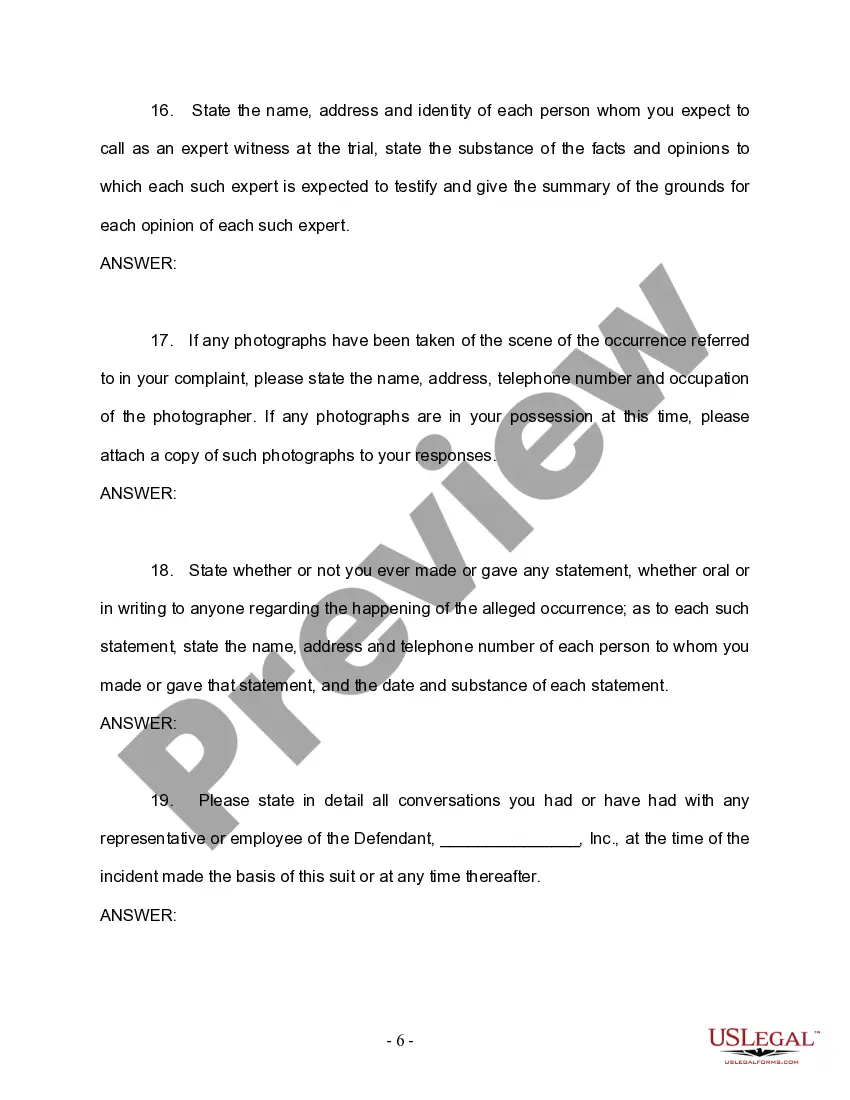
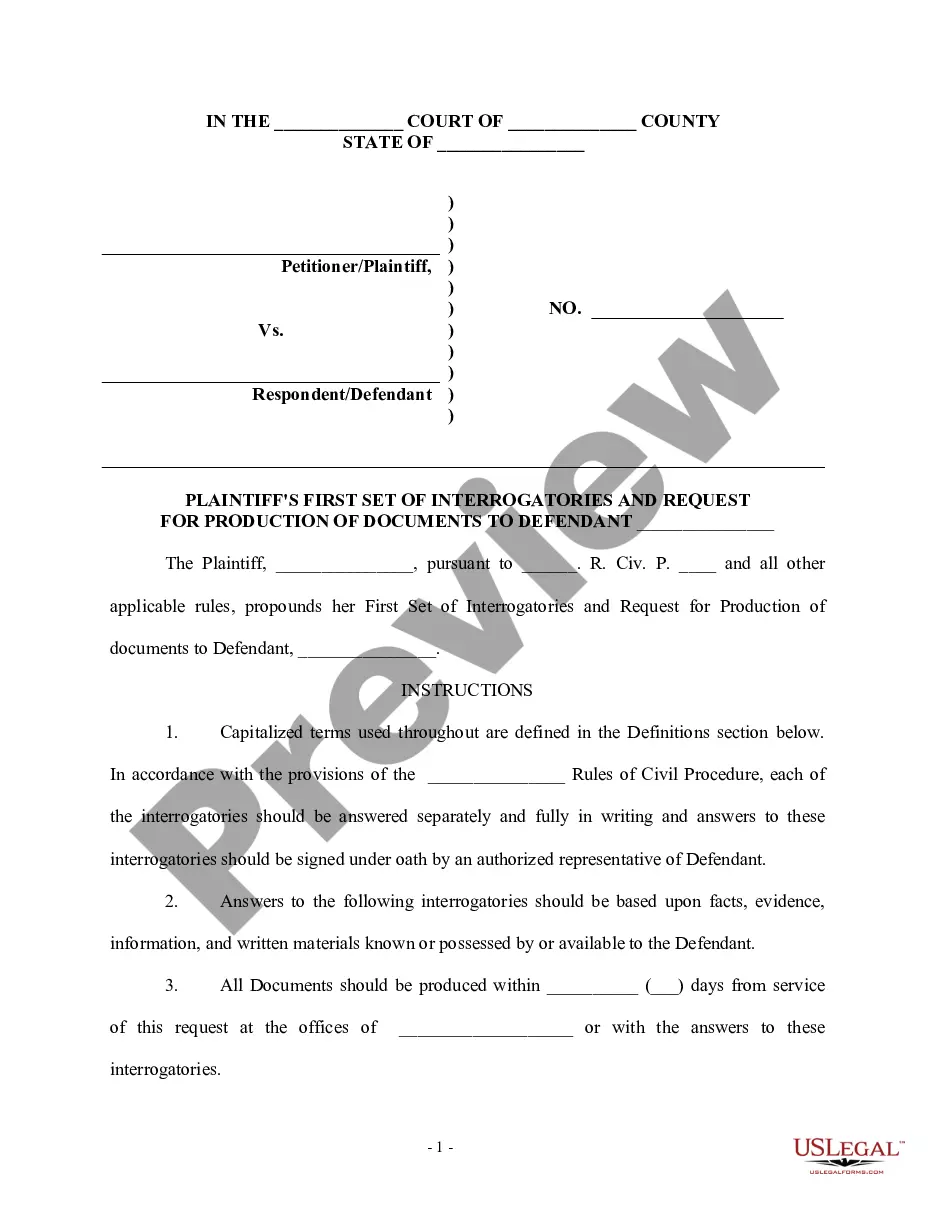
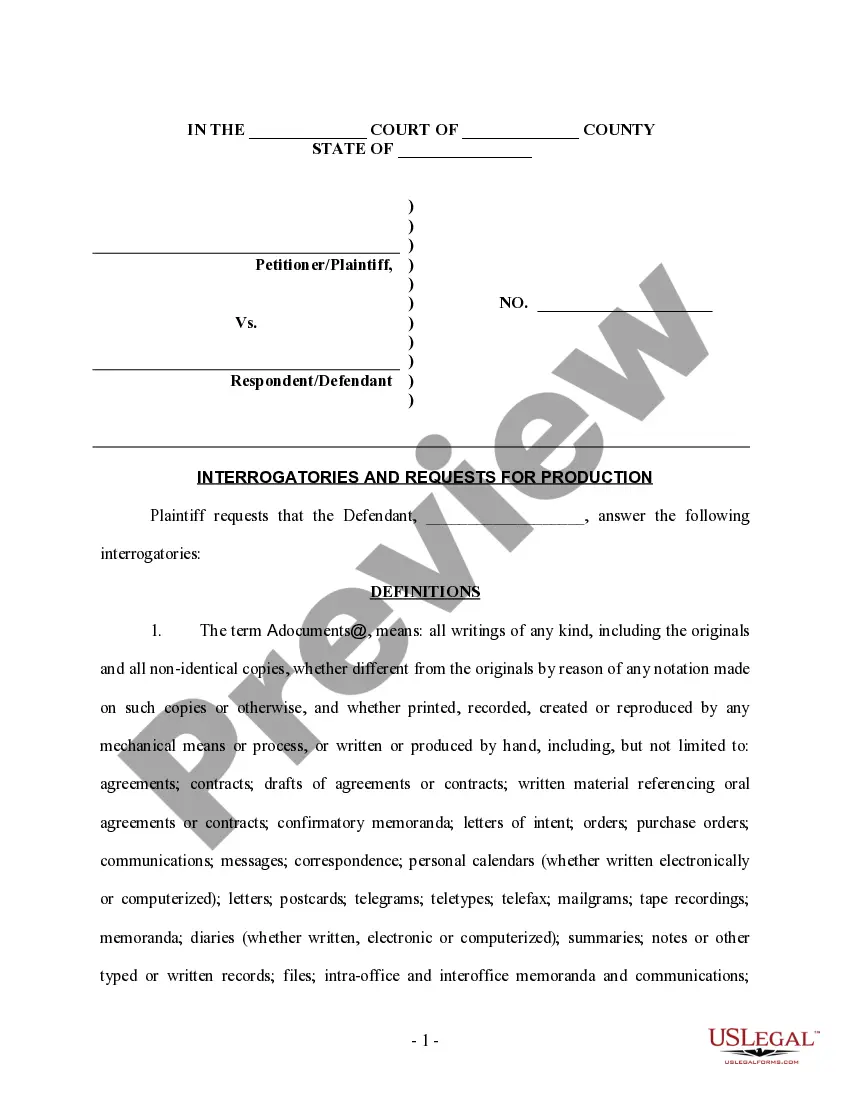
This form is known as the First Interrogatories and Requests for Production to the Plaintiff by the Defendant in Personal Injury cases. It serves as a tool for defendants to formally gather information and documentation from plaintiffs regarding their personal injury claims. Using this form enables defendants to obtain evidence, clarify facts, and support their legal strategies effectively.
What’s included in this form
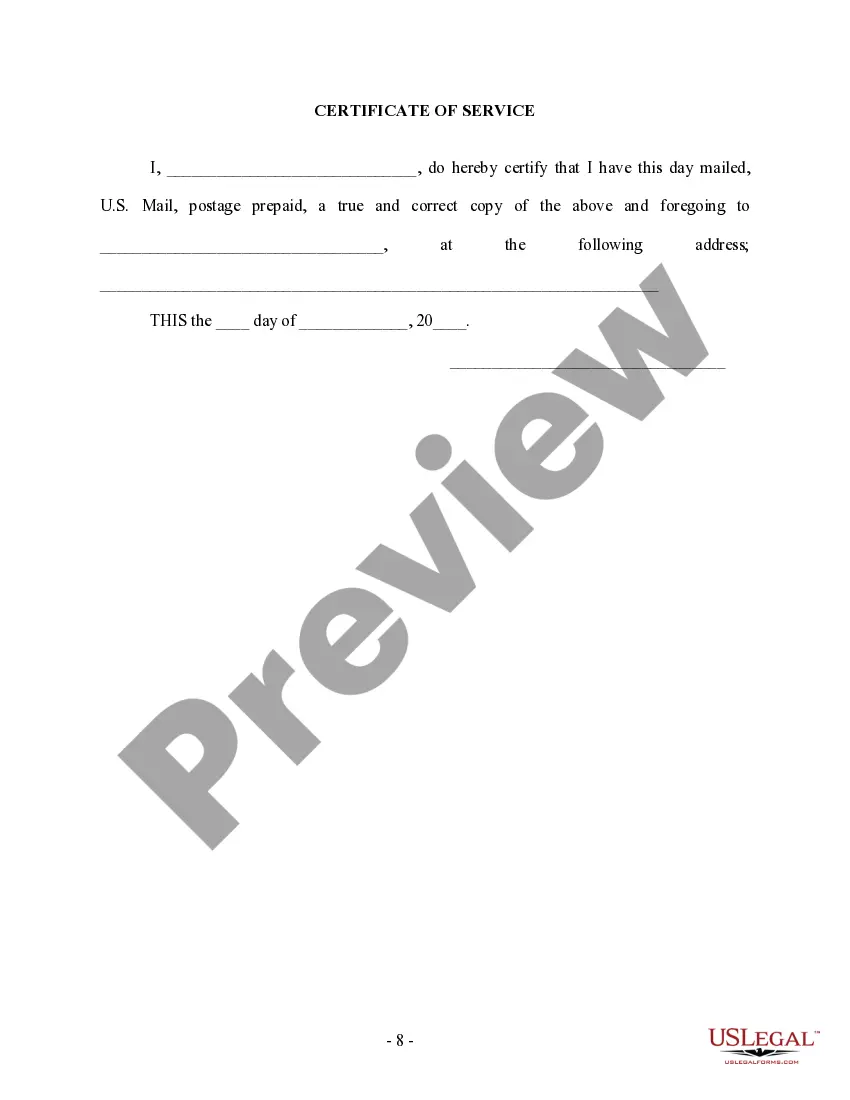
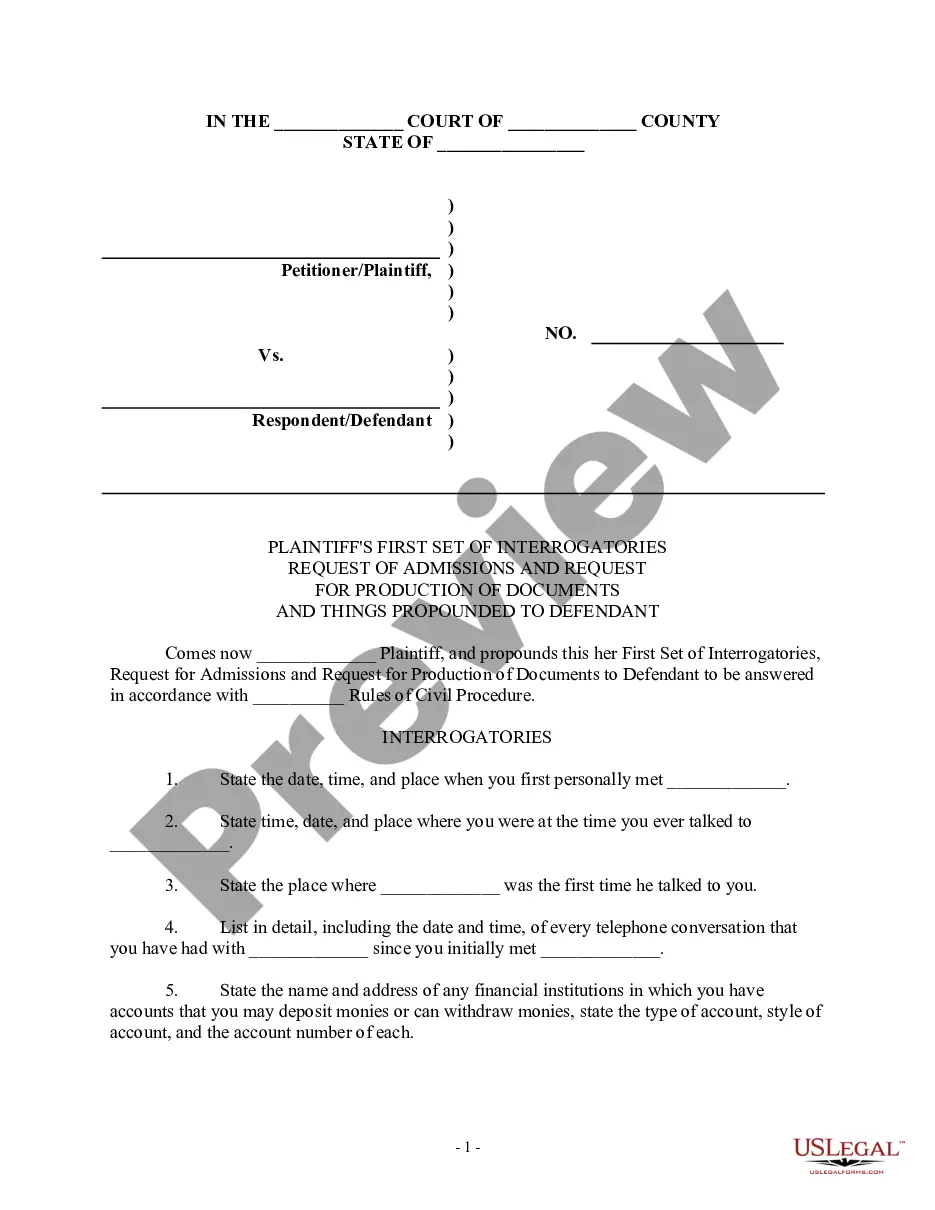
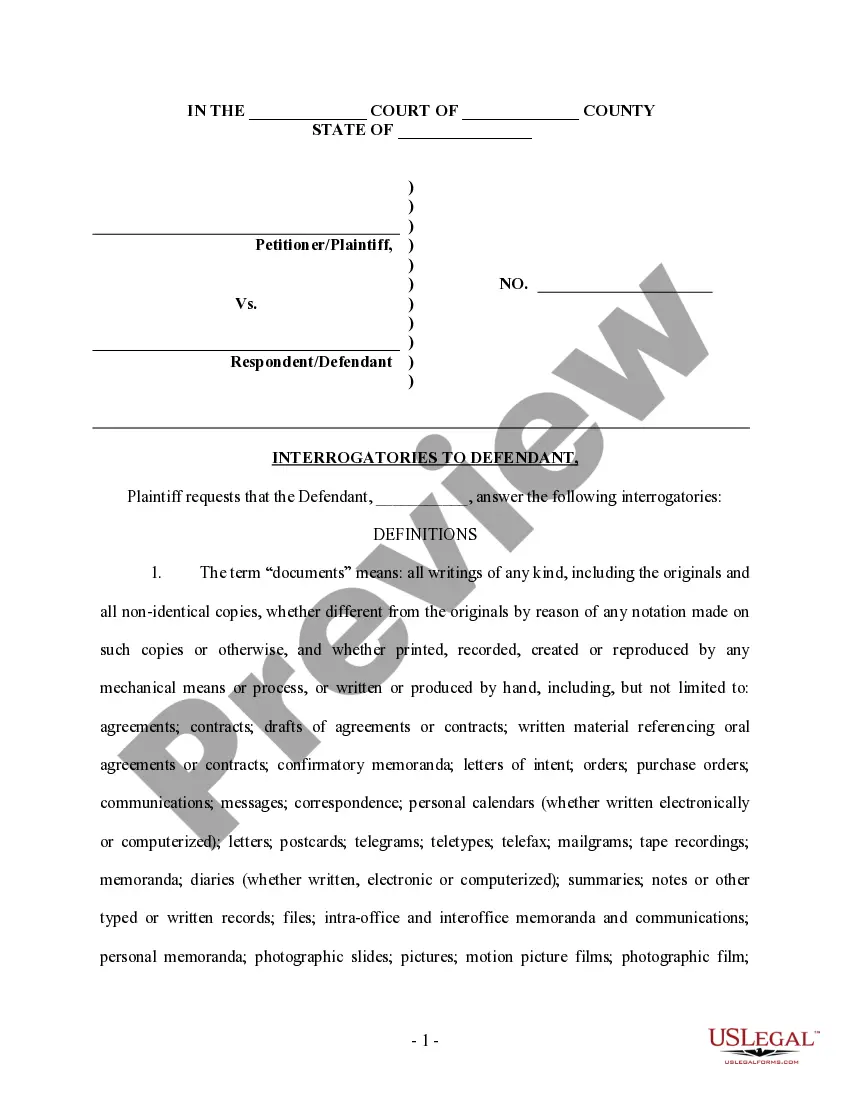
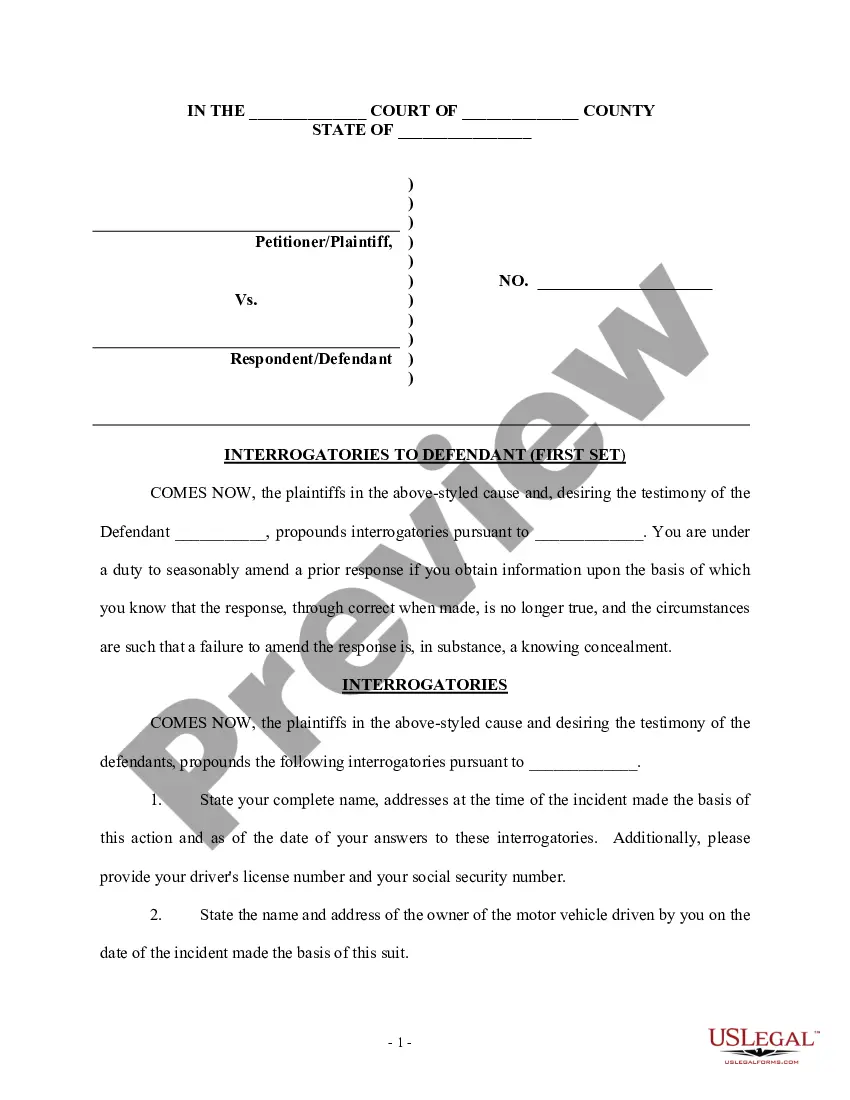
- Personal identification information of the plaintiff, including name, date of birth, and address.
- Details of any previous lawsuits or claims filed by the plaintiff for personal injuries.
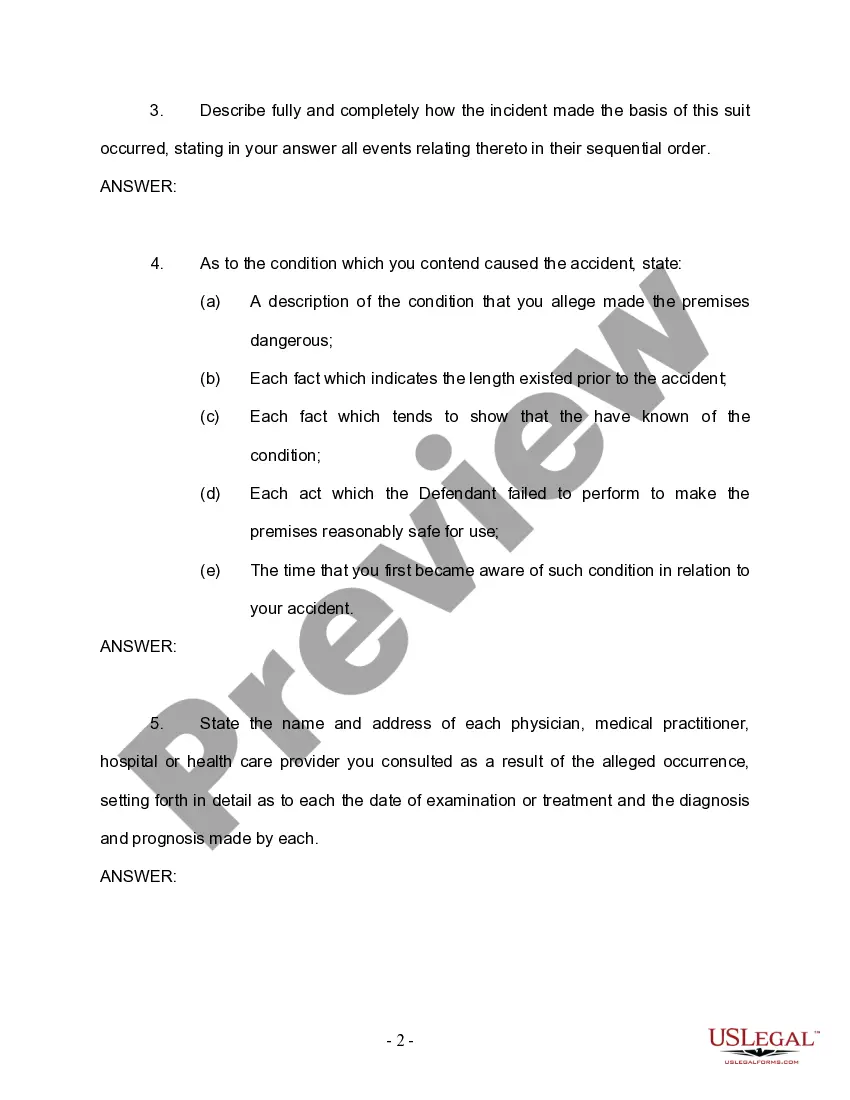
- A comprehensive description of the incident that led to the current lawsuit.
- Medical history, including names and addresses of healthcare providers consulted post-incident.
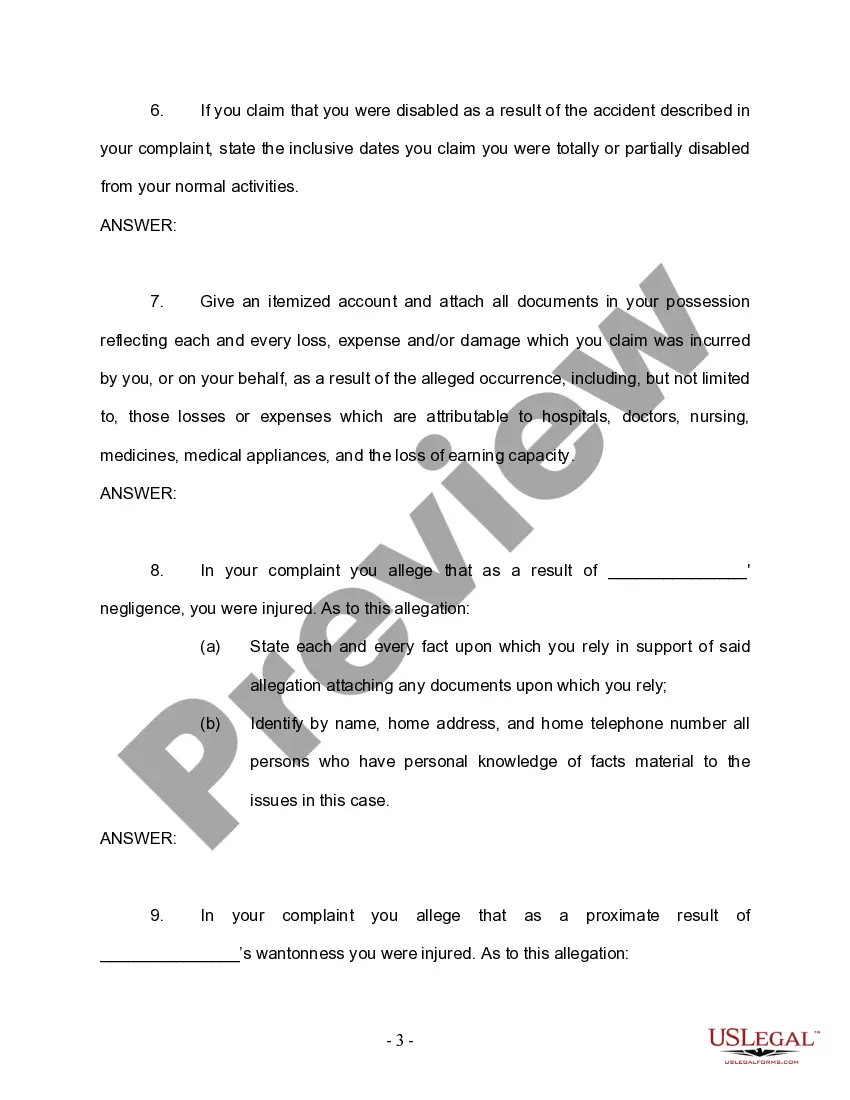
- Statements regarding disability claims and any loss of earning capacity due to the accident.
- Documentation requests for any claims related to losses, expenses, and damages incurred.
When this form is needed
This form can be used when a defendant in a personal injury lawsuit needs to gather specific information from the plaintiff. It is typically filed after the initial complaint has been made, allowing the defendant to clarify allegations, investigate the circumstances of the incident, and prepare for trial or settlement discussions. It can also help identify potential witnesses and document the extent of injuries claimed.
Who this form is for
This form is intended for:
- Defendants involved in personal injury litigation.
- Legal representatives or attorneys defending against personal injury claims.
- Parties seeking to clarify details of a plaintiff's claims regarding injuries and damages.
How to prepare this document
- Identify the plaintiff's personal information, including name, date of birth, and address.
- Provide a detailed account of any previous personal injury claims filed by the plaintiff.
- Describe the incident that caused the injuries in a sequential manner.
- List all medical practitioners and healthcare providers consulted, along with treatment dates and diagnoses.
- Gather and attach any relevant documents that support the claims made by the plaintiff.
Does this document require notarization?
In most cases, this form does not require notarization. However, some jurisdictions or signing circumstances might. US Legal Forms offers online notarization powered by Notarize, accessible 24/7 for a quick, remote process.
Get your form ready online
Our built-in tools help you complete, sign, share, and store your documents in one place.
Make edits, fill in missing information, and update formatting in US Legal Forms—just like you would in MS Word.
Download a copy, print it, send it by email, or mail it via USPS—whatever works best for your next step.
Sign and collect signatures with our SignNow integration. Send to multiple recipients, set reminders, and more. Go Premium to unlock E-Sign.
If this form requires notarization, complete it online through a secure video call—no need to meet a notary in person or wait for an appointment.
We protect your documents and personal data by following strict security and privacy standards.

Make edits, fill in missing information, and update formatting in US Legal Forms—just like you would in MS Word.

Download a copy, print it, send it by email, or mail it via USPS—whatever works best for your next step.

Sign and collect signatures with our SignNow integration. Send to multiple recipients, set reminders, and more. Go Premium to unlock E-Sign.

If this form requires notarization, complete it online through a secure video call—no need to meet a notary in person or wait for an appointment.

We protect your documents and personal data by following strict security and privacy standards.
Mistakes to watch out for
- Failing to provide complete and accurate personal information.
- Omitting significant details about prior claims or lawsuits.
- Not fully describing the circumstances of the incident.
- Neglecting to document or attach relevant evidence and medical records.
Benefits of completing this form online
- Convenience of downloading a ready-to-use legal template.
- Ability to fill out the form at your own pace, ensuring accuracy.
- Access to forms drafted by licensed attorneys, ensuring legal reliability.
Looking for another form?



Form popularity
FAQ
Interrogatories, which are written questions about things that are relevant or important to the case. (NRCP 33; JCRCP 33) Requests for production of documents or things, which are written requests that demand the other side provide particular documents or items.
A request for production is a discovery device used to gain access to documents, electronic data, and physical items held by an opposing party in a legal matter. The aim is to gain insight into any relevant evidence that the opposing party holds.
The plaintiff must give you responses to the request for interrogatories within 45 days of when you mailed the request. If they do not give you a response you can send a final request to the plaintiff. In the final request tell the plaintiff they have another 30 days to give you answers to your interrogatory requests.
Interrogatories are written questions that one party to a lawsuit sends to another, and the responding party submits written answers under oath. If a lawsuit is filed in a personal injury case, chances are interrogatories will come into play.
Interrogatories ask questions; the responding party provides written answers. A request for production of documents requests the production of documents (or other tangible things); the responding party provides documents.
The purpose of interrogatories is to learn a great deal of general information about a party in a lawsuit. For example, the defendant in a personal injury lawsuit about a car accident might send you interrogatories asking you to disclose things like: Where you live.
Interrogatories Interrogatories are written questions that are sent by one party to another.Requests for production are the means by which you can ask the other party to make copies of documents, photographs, records, etc. and to request the inspection of property.
Interrogatories are lists of questions sent to the other party that s/he must respond to in writing. You can use interrogatories to find out facts about a case but they cannot be used for questions that draw a legal conclusion.