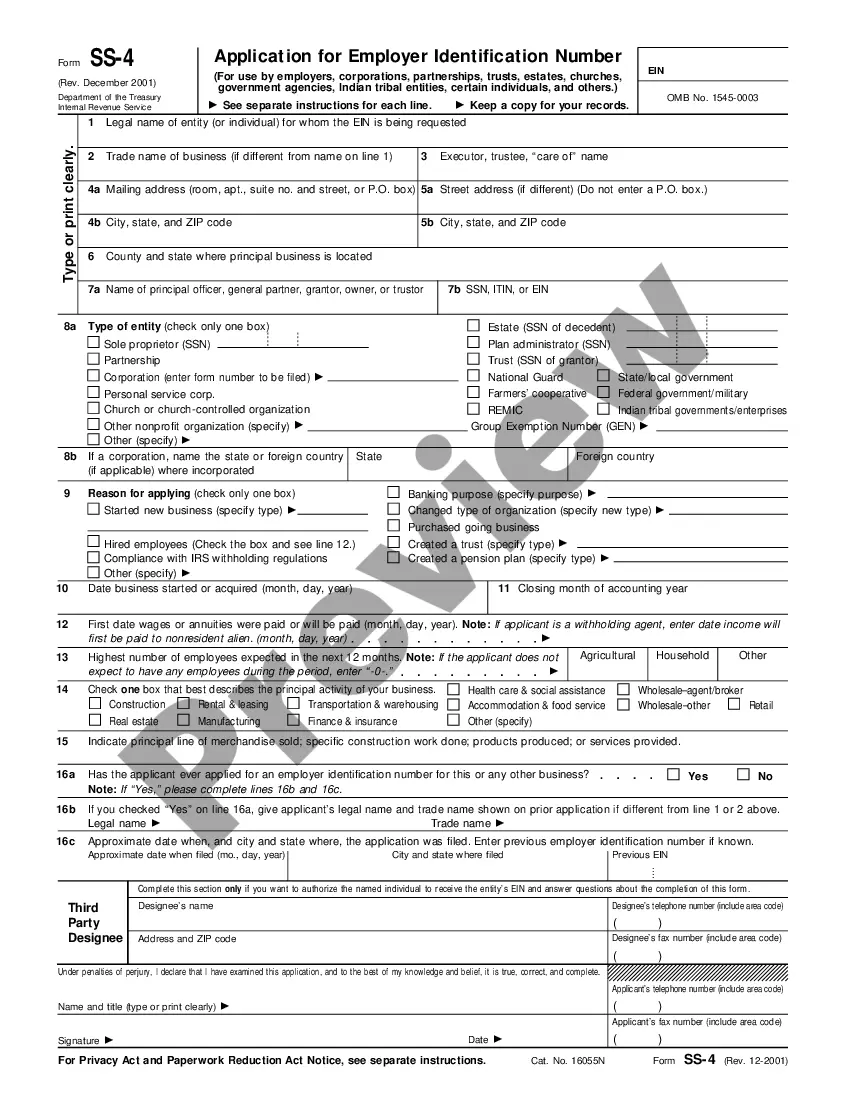
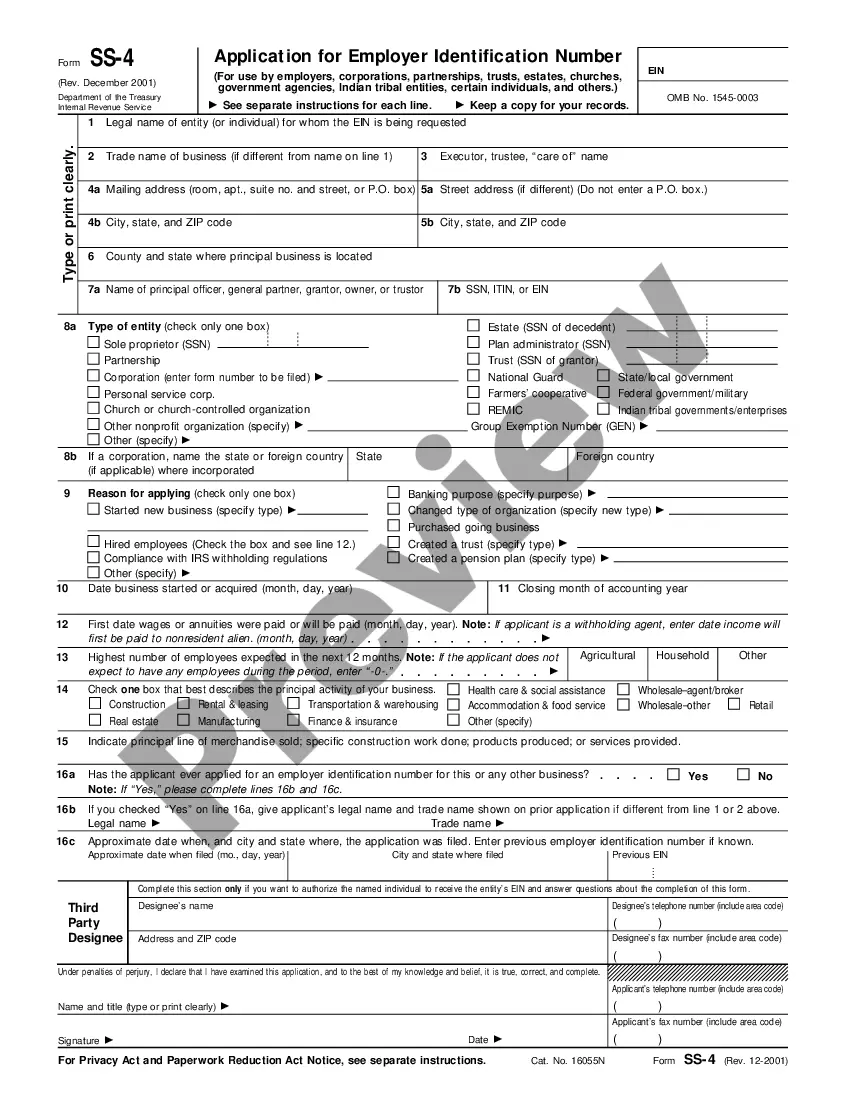
Pennsylvania Renunciation And Disclaimer of Property from Life Insurance or Annuity Contract
The Renunciation and Disclaimer of Property from Life Insurance or Annuity Contract is a legal form used by beneficiaries who wish to relinquish their rights to proceeds from a life insurance policy or annuity upon the death of the policyholder. This process allows the beneficiary to formally decline acceptance of the property, ensuring it passes to other heirs according to state laws. This disclaimer is particularly relevant in Pennsylvania and is governed by specific legal statutes.
- Identification of the beneficiary and the decedent.
- Details of the life insurance policy or annuity contract.
- Statement of the beneficiary's intent to disclaim interest within nine months of the decedent's death.
- Declaration of how the property will be distributed according to state law.
- Signature and date of the beneficiary.
- Acknowledgment of receipt by the personal representative or executor.
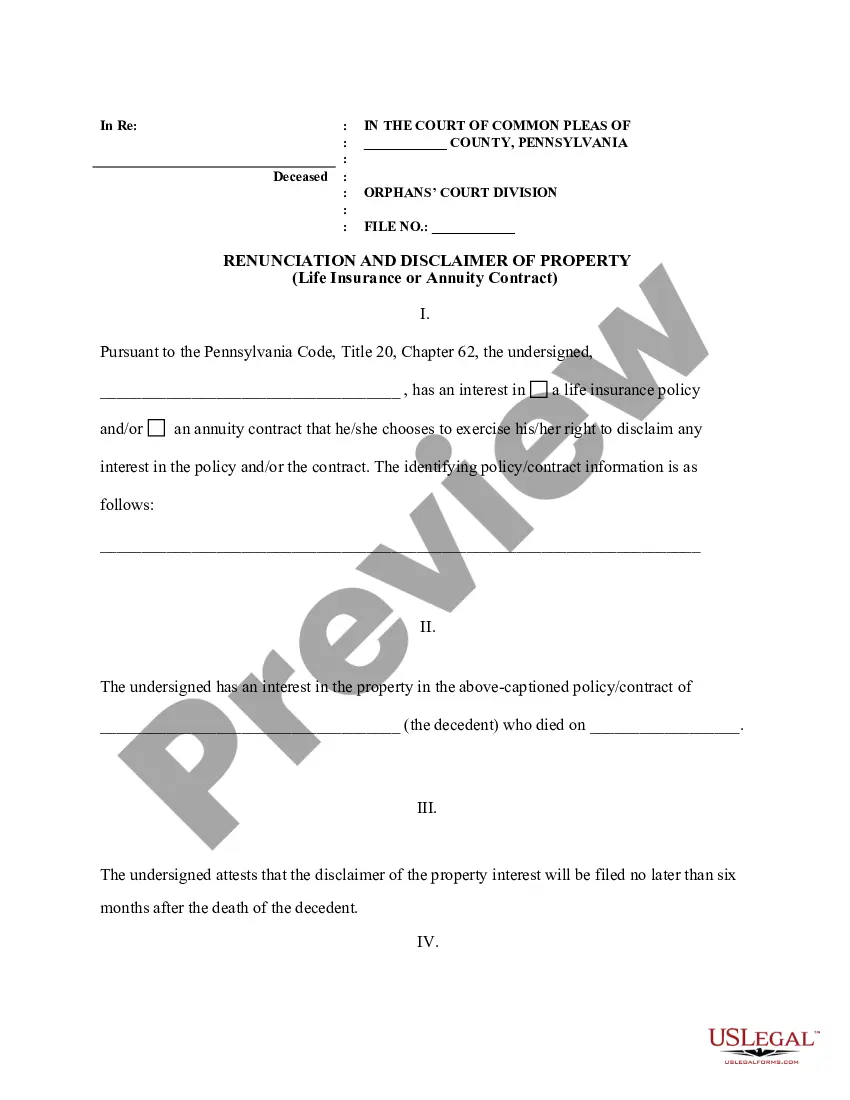
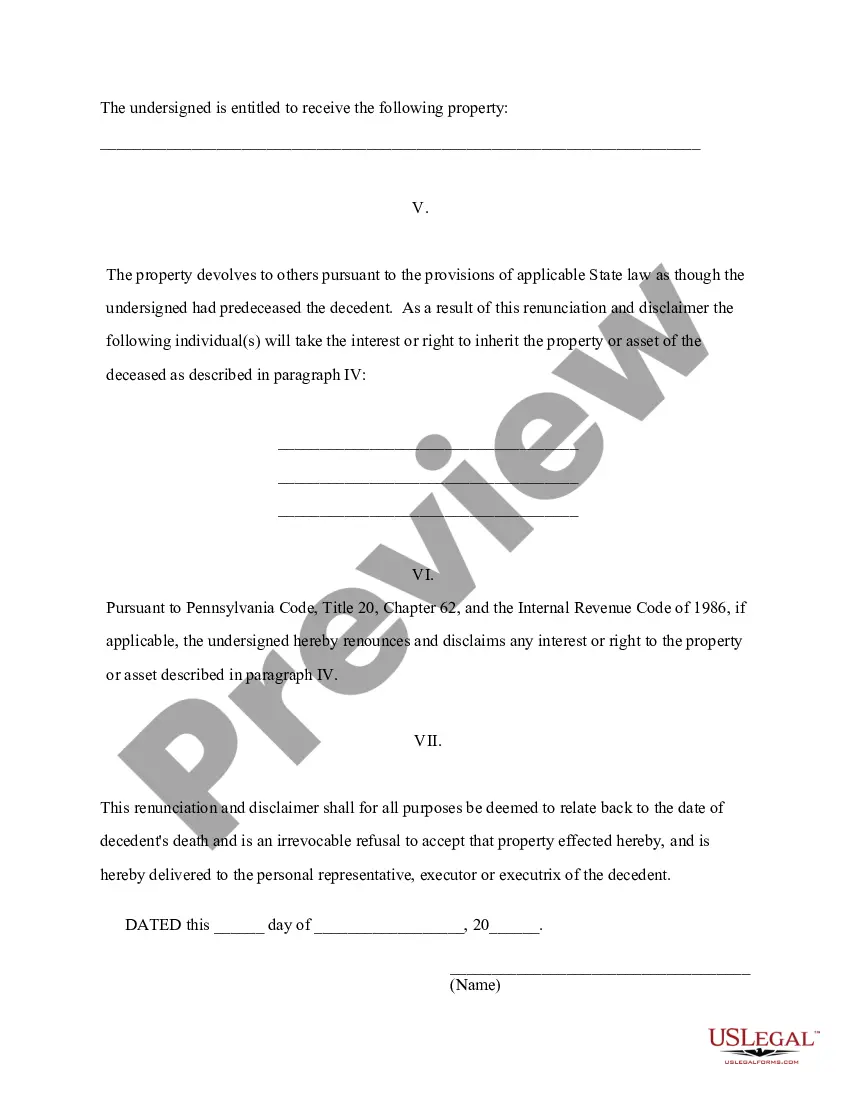
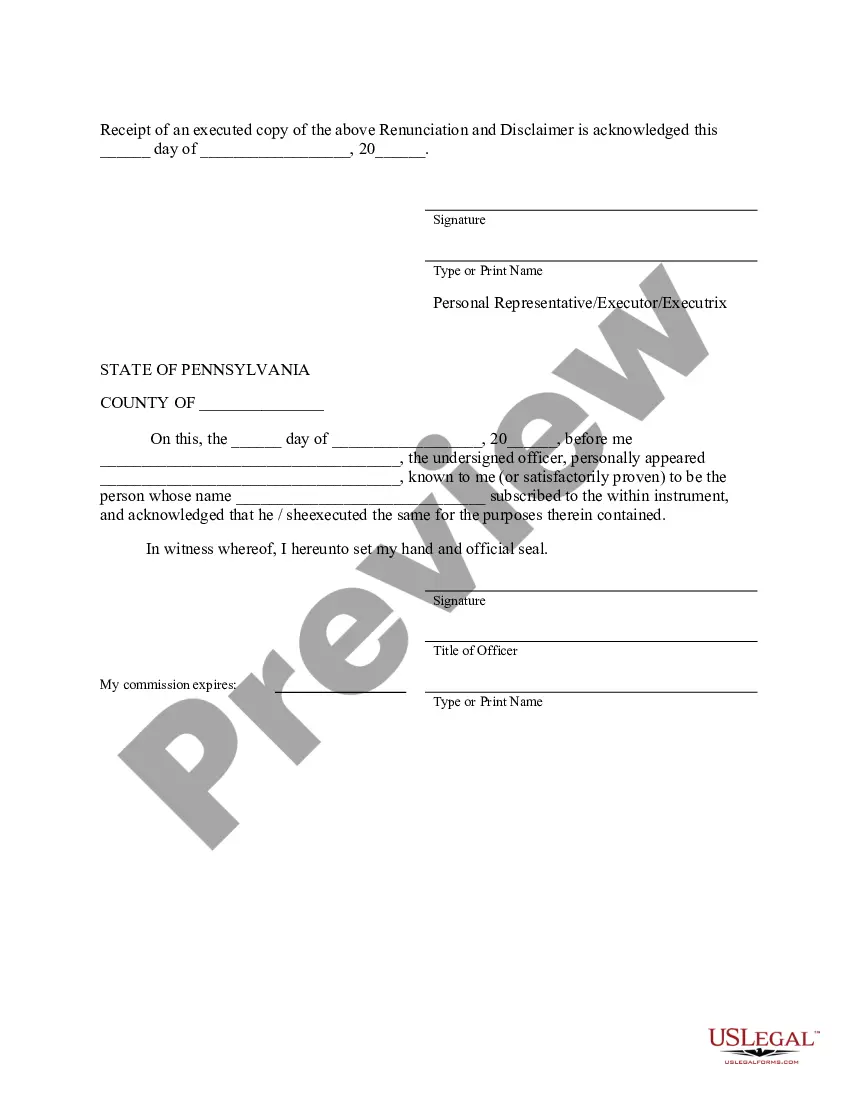
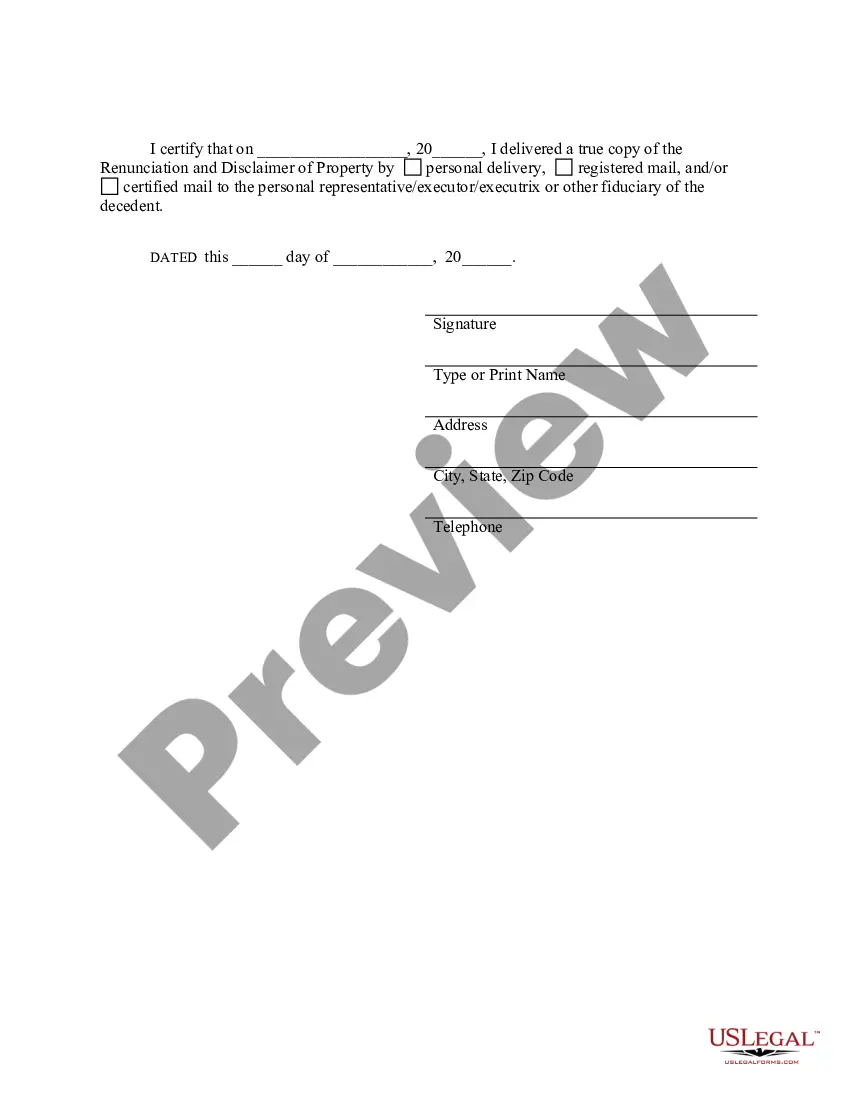
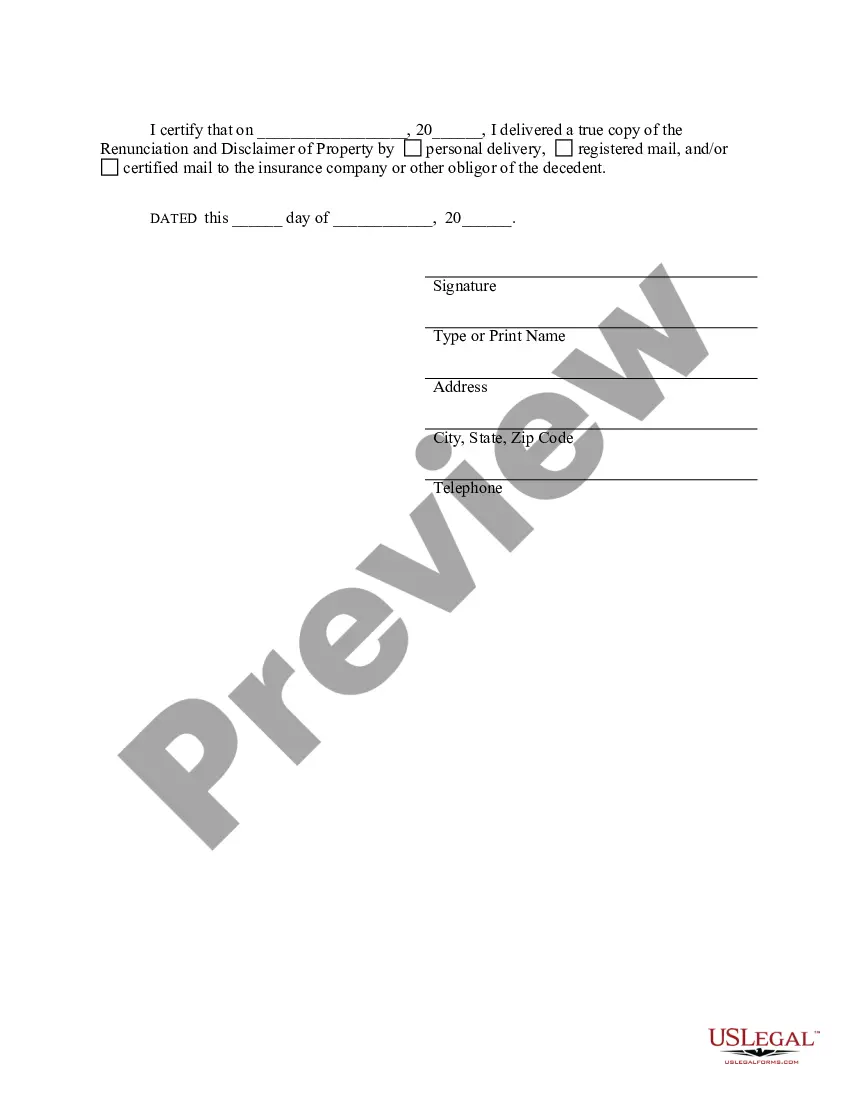
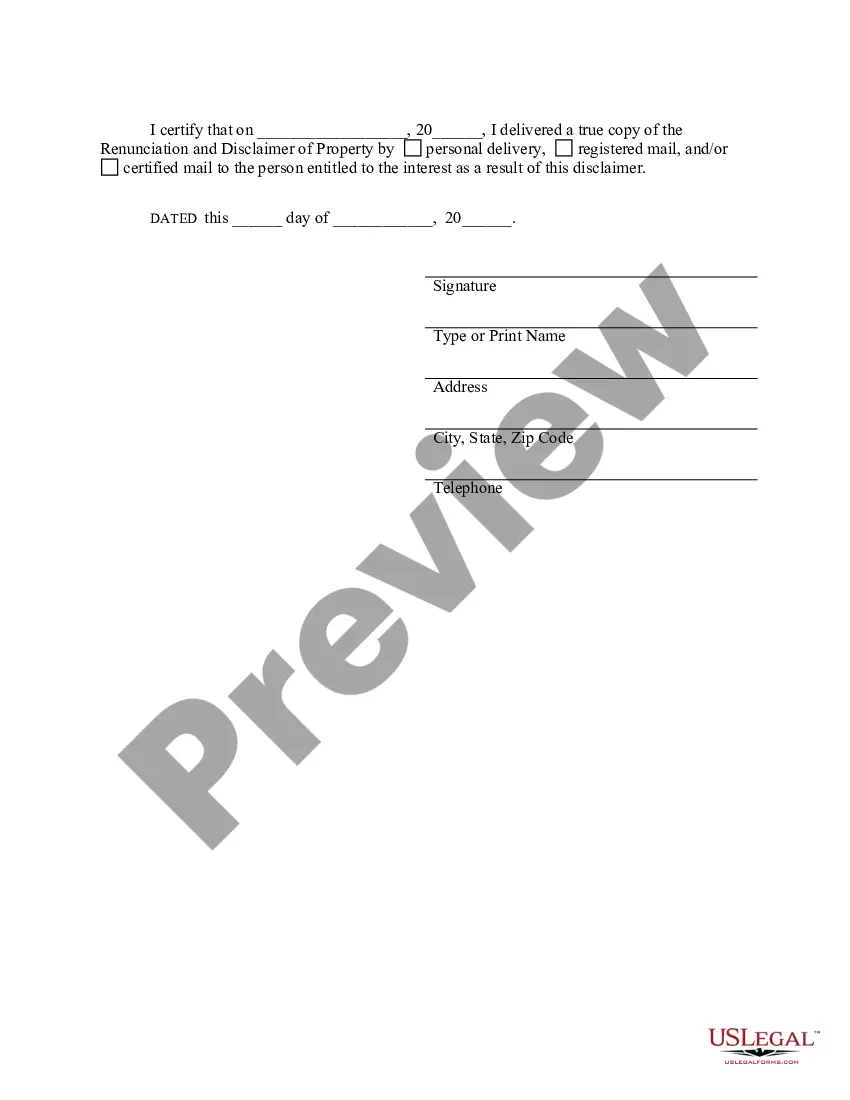
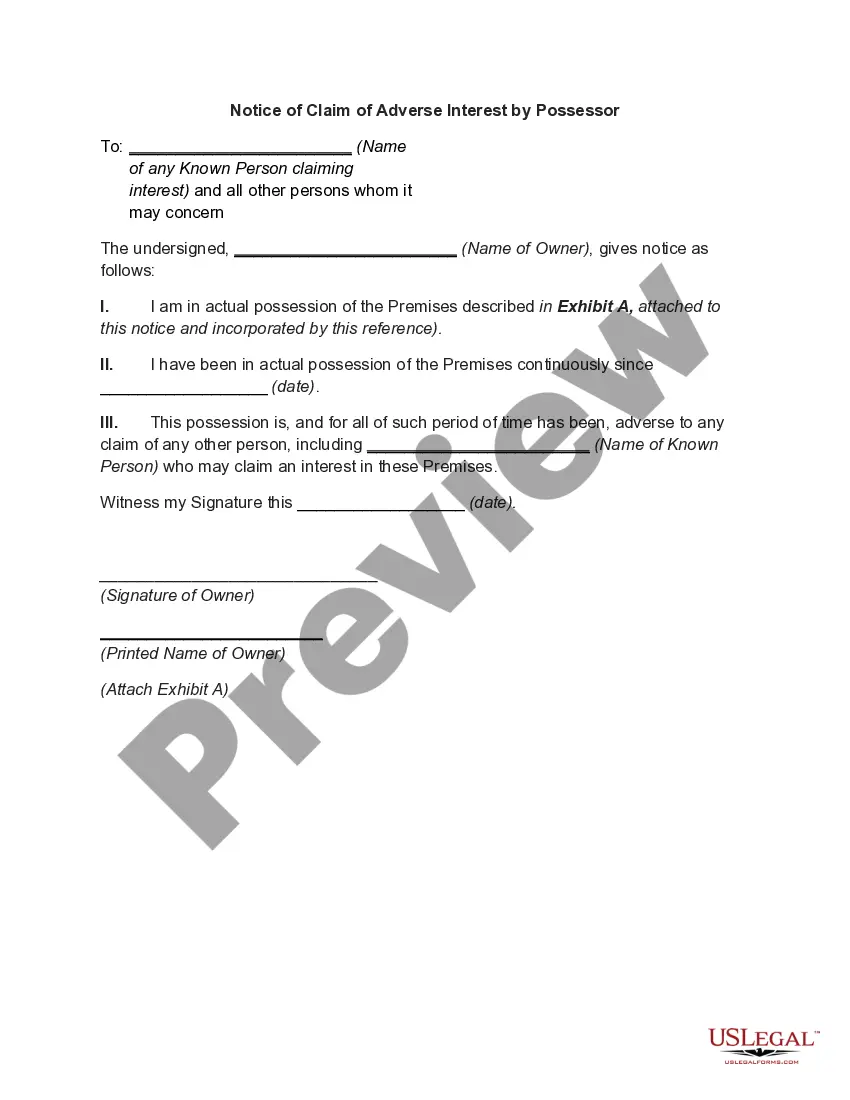
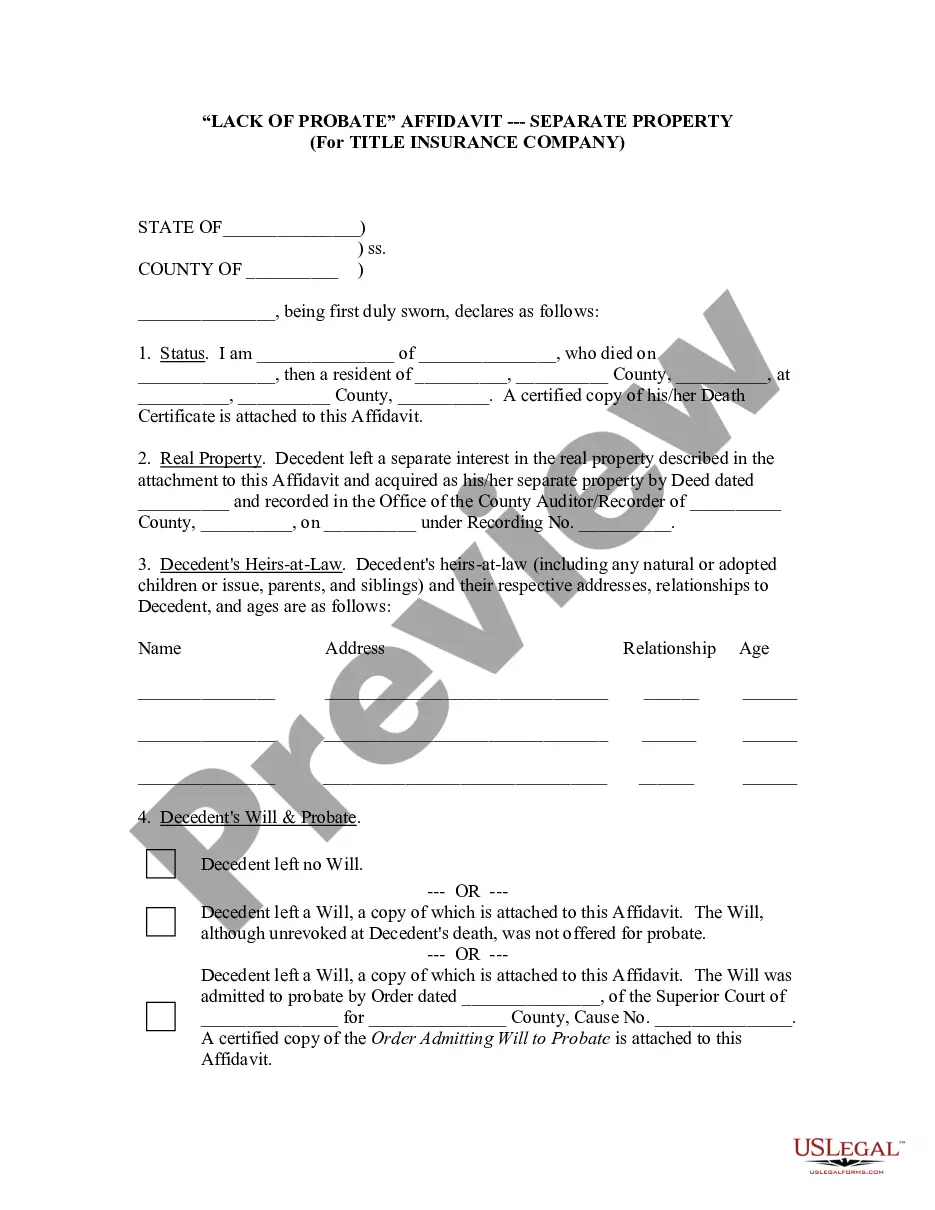
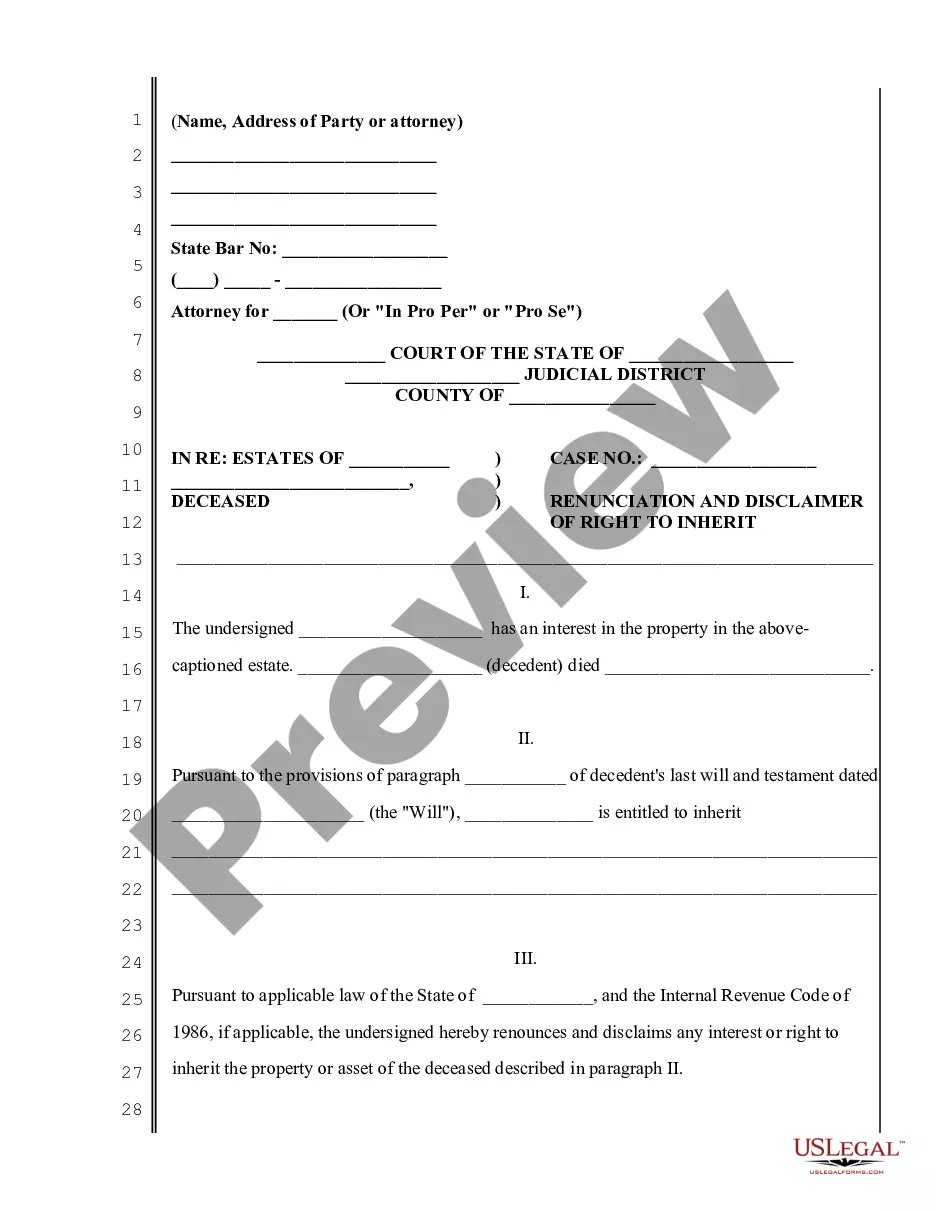
This form should be used when a beneficiary of a life insurance policy or annuity contract decides not to accept the proceeds due to personal or financial reasons. It is necessary when the beneficiary wishes to ensure that the assets pass on to alternate heirs, thus avoiding potential tax implications or complications during estate settlement.
Eligible Users:
- Beneficiaries of a life insurance policy or annuity contract.
- Individuals looking to protect their financial interests or avoid inheritance disputes.
- Heirs who want to ensure the proceeds are allocated according to their wishes or state laws.
- Anyone who has an interest in disclaiming property rights after the death of a decedent.
Steps to Complete the Form:
- Identify the parties involved: the beneficiary and the decedent.
- Provide the details of the life insurance policy or annuity contract.
- Enter the date of the decedent's death and ensure the disclaimer is filed promptly.
- Specify the individuals who will inherit the property after the disclaimer.
- Sign and date the form to make it legally binding.
Notarization guidance
This document requires notarization to meet legal standards. US Legal Forms provides secure online notarization powered by Notarize, allowing you to complete the process through a verified video call, available 24/7.
Get your form ready online
Our built-in tools help you complete, sign, share, and store your documents in one place.
Make edits, fill in missing information, and update formatting in US Legal Forms—just like you would in MS Word.
Download a copy, print it, send it by email, or mail it via USPS—whatever works best for your next step.
Sign and collect signatures with our SignNow integration. Send to multiple recipients, set reminders, and more. Go Premium to unlock E-Sign.
If this form requires notarization, complete it online through a secure video call—no need to meet a notary in person or wait for an appointment.
We protect your documents and personal data by following strict security and privacy standards.
Make edits, fill in missing information, and update formatting in US Legal Forms—just like you would in MS Word.
Download a copy, print it, send it by email, or mail it via USPS—whatever works best for your next step.
Sign and collect signatures with our SignNow integration. Send to multiple recipients, set reminders, and more. Go Premium to unlock E-Sign.

If this form requires notarization, complete it online through a secure video call—no need to meet a notary in person or wait for an appointment.

We protect your documents and personal data by following strict security and privacy standards.
- Failing to file the disclaimer within the required nine-month period following the decedent's death.
- Not providing complete information about the policy or contract details.
- Omitting signatures from required parties.
- Misunderstanding state-specific requirements that could affect the validity of the form.
- Convenience of downloading and completing the form from home.
- Editability allows users to customize their information easily.
- Reliable forms drafted by licensed attorneys ensure compliance with state laws.
What to keep in mind
- The form allows a beneficiary to legally renounce an interest in insurance proceeds.
- It must be completed and submitted within a specific timeframe to be effective.
- This form is compliant with Pennsylvania statutes, securing its validity.
Looking for another form?
Form popularity
FAQ
An individual can step down without stating a reason prior to formal appointment by the court. This is known as renunciation and is a legal document providing the person named in the will is not going to act as executor.
In the law of inheritance, wills and trusts, a disclaimer of interest (also called a renunciation) is an attempt by a person to renounce their legal right to benefit from an inheritance (either under a will or through intestacy) or through a trust.
In the context of the right to probate or administration of an estate, the act of either an executor or an administrator of a deceased's estate, by which he relinquishes the right to act in the administration.
A: You may need to clarify what type of administration you are referring to, but if you are asking about administration of a decedent's estate, then renunciation refers to giving up your right to be qualified as the Administrator of the estate.
This basically means that they are resigning from the job of Executor. Once they have renounced by signing the Deed of Renunciation, their appointment as Executor is cancelled. Someone else usually one or more of the Beneficiaries named in the Will will then have to step in and do the job instead.
When you relinquish property, you don't get any say in who inherits in your place. If you want to control who gets the inheritance, you must accept it and give it to that person. If you relinquish the property and the deceased didn't name a back-up heir, the court will apply state law to decide who inherits.
Anyone named as an executor in a will may abandon the role by signing a renunciation witnessed by a disinterested witness, ie the witness must not be mentioned in the will, and should not be a family member. It is only possible to renounce if you have not intermeddled in the deceased's estate.
This is a form where a person waives his/her superior rights to serve as Executor or Administrator of a decedent's estate.
Definitions of letter of renunciation a form sent with new shares that can be completed and returned as written notification that the person who has been allotted shares resulting from a rights issue refuses to accept them. The shares can then be sold or transferred to someone else.