Oklahoma Apartment Rules and Regulations
About this form
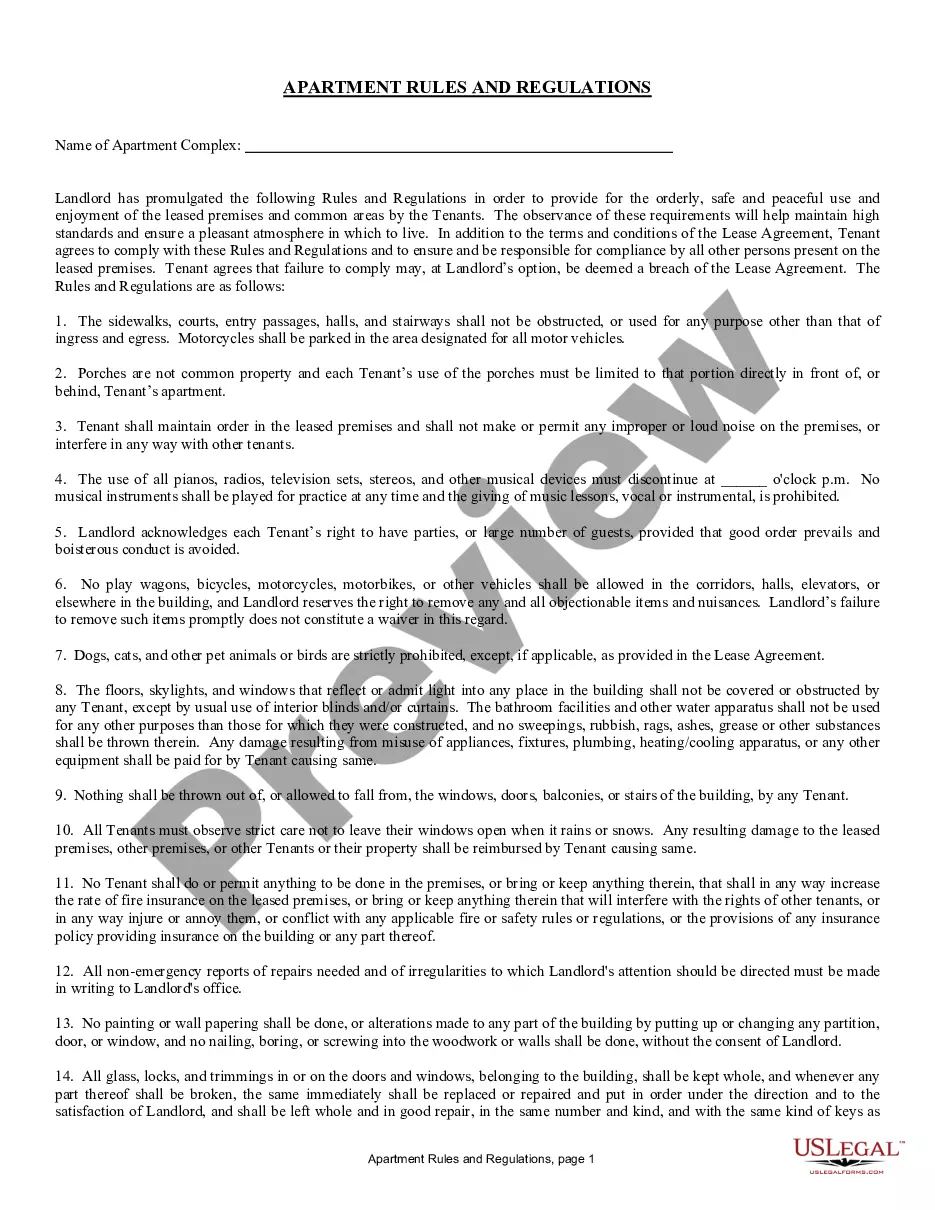
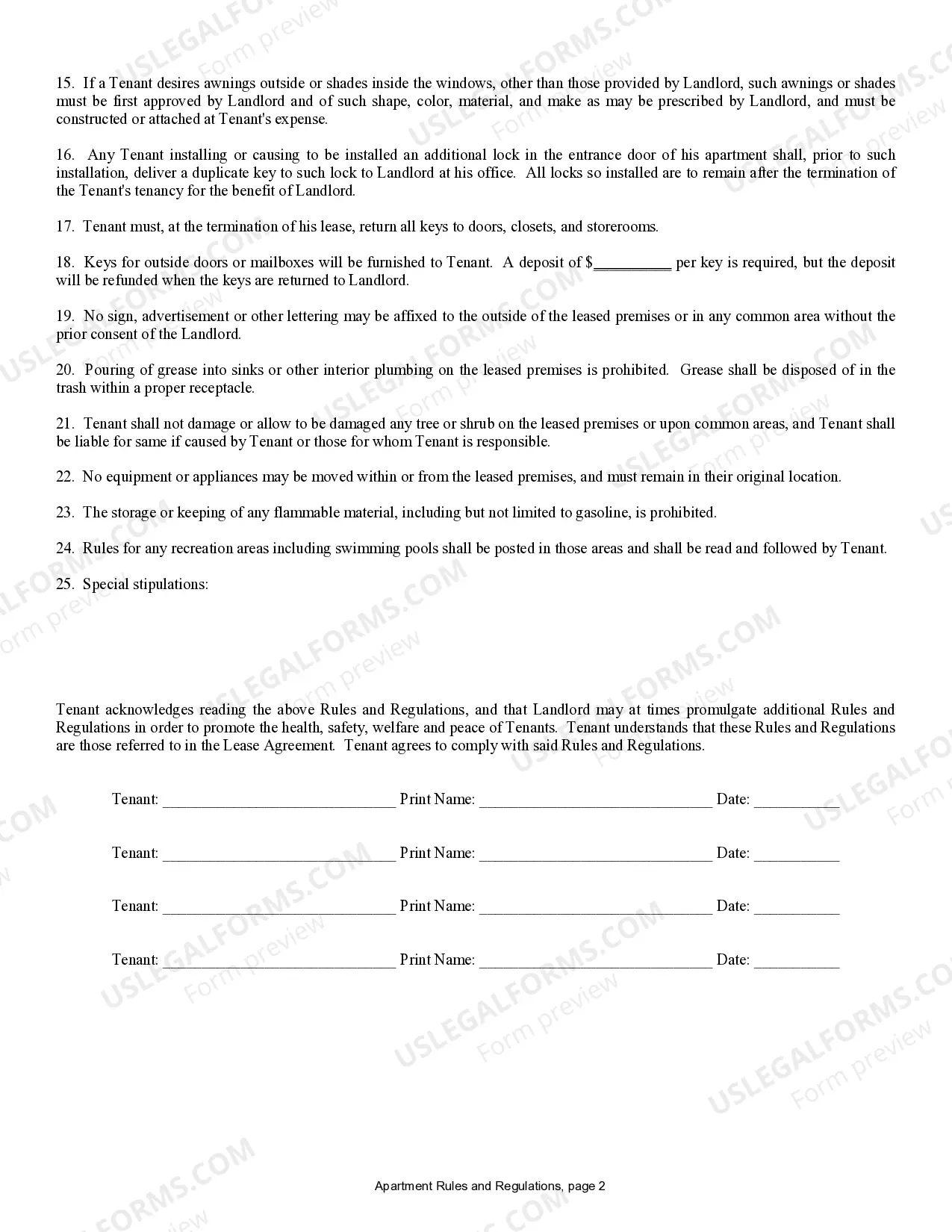
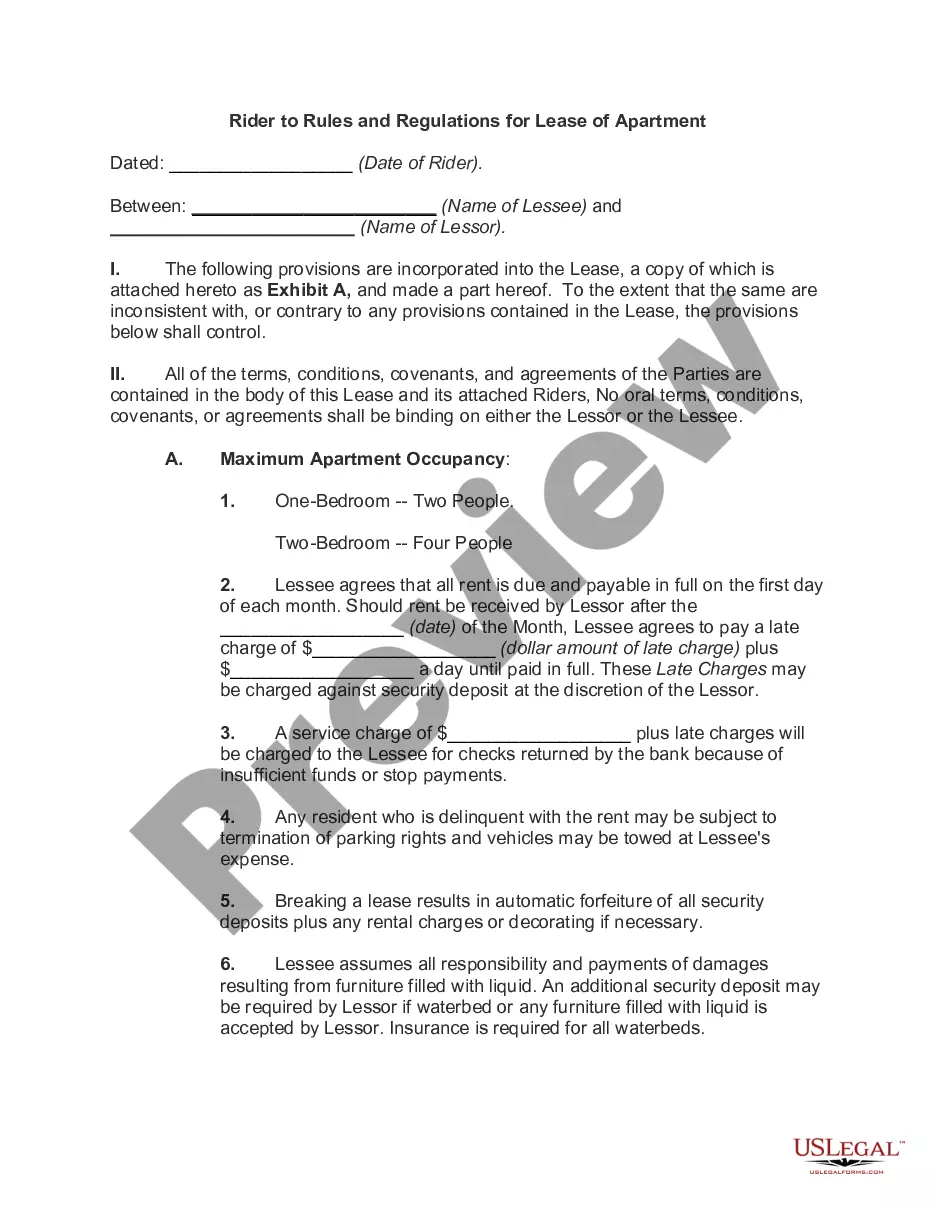
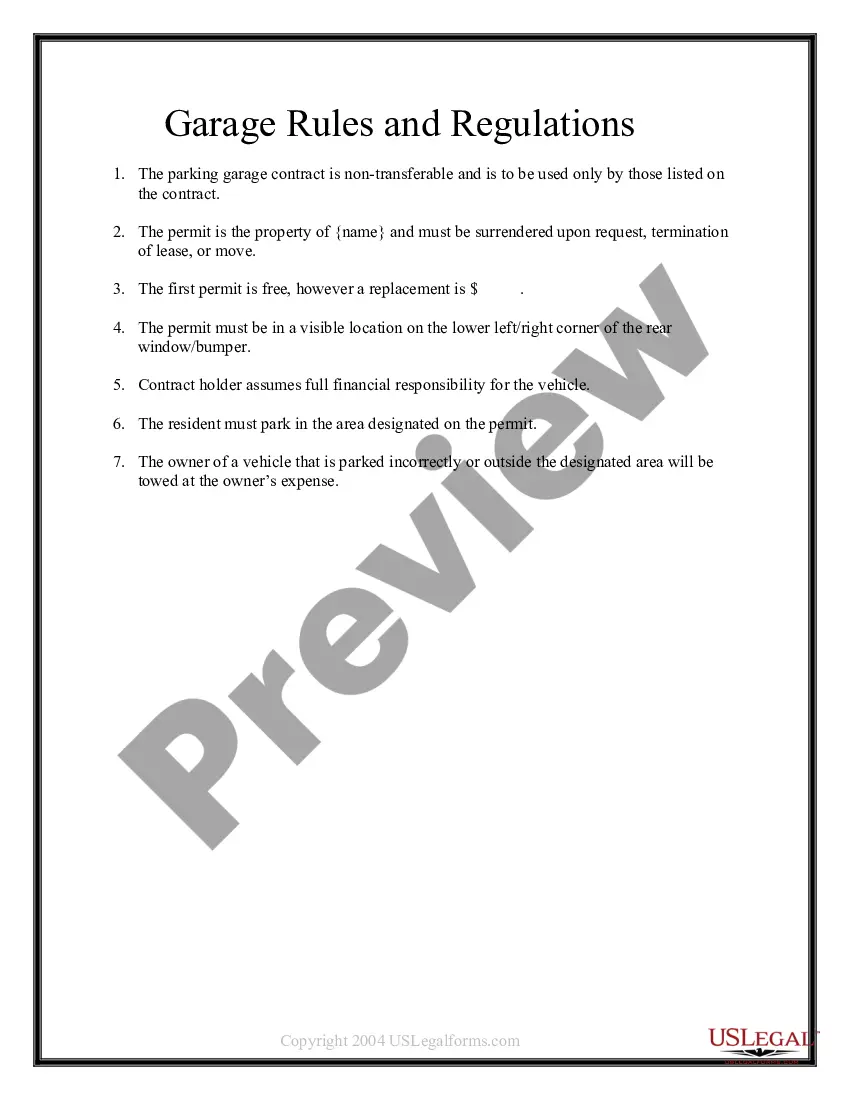
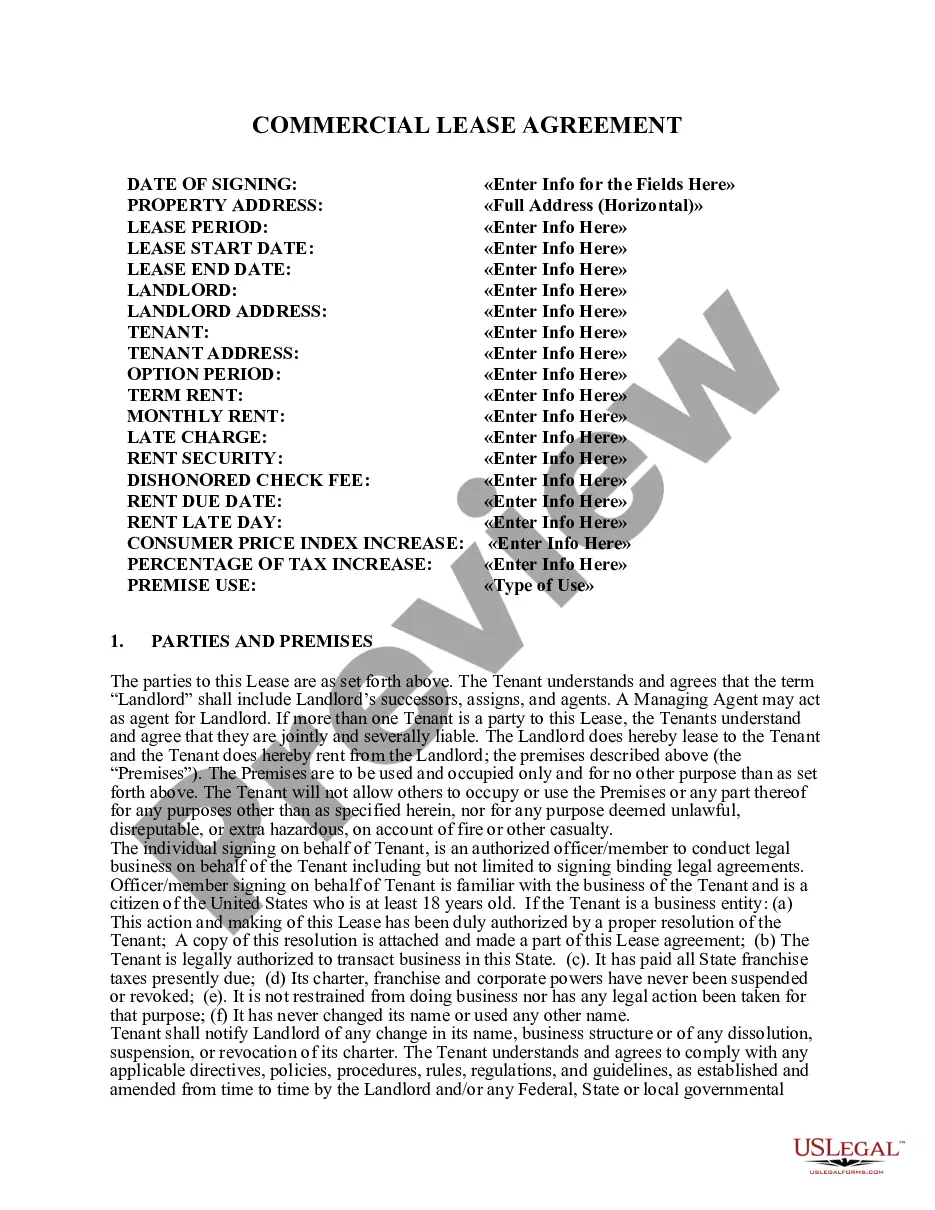
The Apartment Rules and Regulations form outlines the specific guidelines tenants must follow in an apartment complex. It serves to establish a harmonious living environment and is distinct from the Apartment Lease Agreement, which governs the overall terms of the rental arrangement. This form is essential for ensuring that all tenants are aware of and agree to the rules essential for maintaining order and safety in the premises.
Form components explained
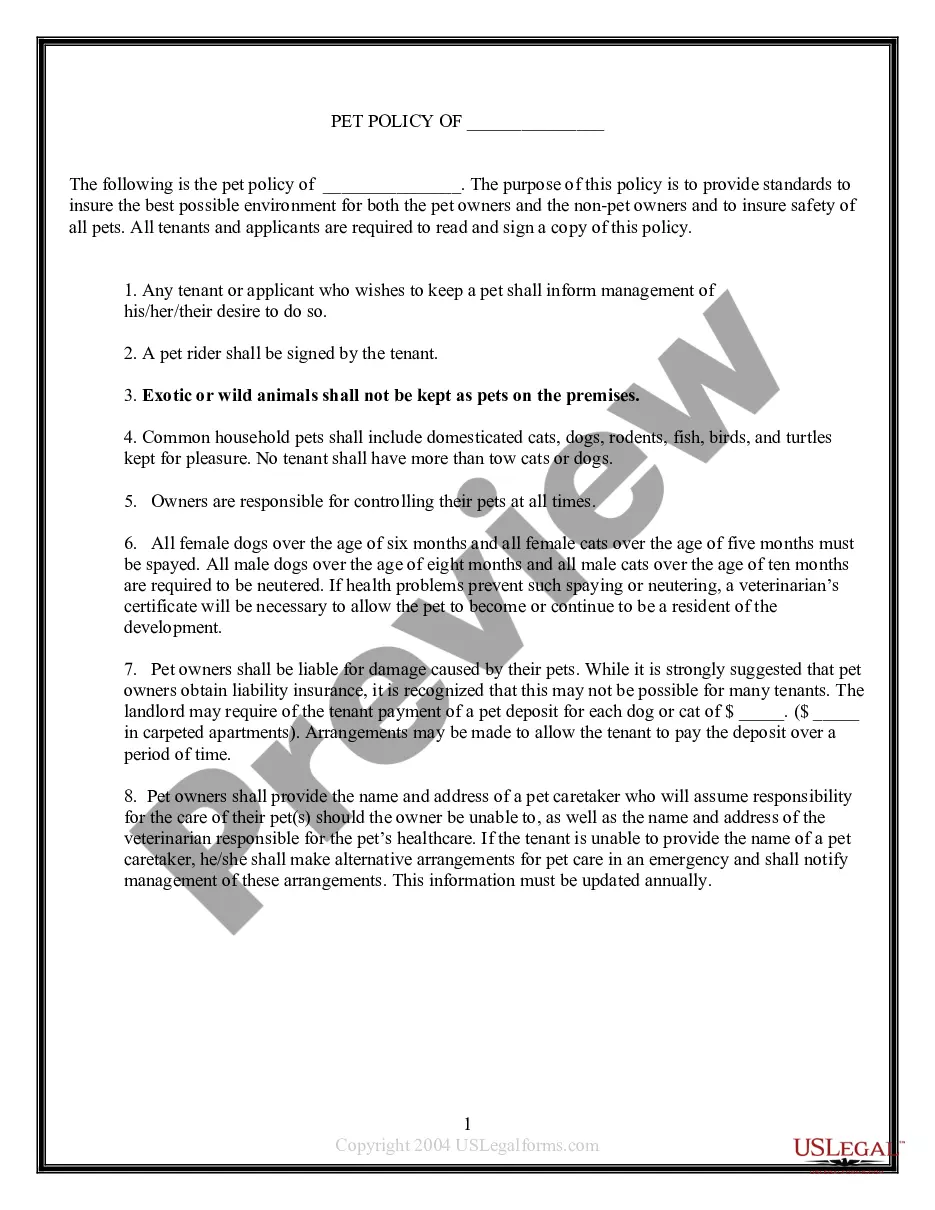
- Details of the apartment complex name and landlord's responsibilities.
- Clear rules regarding noise, pets, and maintenance of common areas.
- Guidelines for the use of common spaces and restrictions on obstructions.
- Prohibitions against harmful activities, including improper disposal of waste.
- Requirements for tenant conduct, including the return of keys at lease termination.
- Process for reporting repairs or issues to the landlord.
When to use this document
This form should be used when a landlord wants to set expectations for tenant behavior within an apartment complex. It's particularly useful when new tenants move in, or when existing tenants need a reminder of their responsibilities. Utilizing this form helps prevent conflicts and ensures a clear understanding of community standards and rules.
Who this form is for
- Landlords who manage apartment complexes.
- Property management companies looking to standardize tenant agreements.
- Tenants who want to understand their responsibilities in a shared living environment.
- Real estate professionals assisting landlords with lease agreements.
Steps to complete this form
- Enter the name of the apartment complex at the top of the form.
- List all the rules and regulations that tenants must agree to observe.
- Ensure each tenant signs and dates the document to acknowledge understanding.
- Provide any necessary details regarding additional locks, keys, or deposits if required.
- Keep a copy of the signed form for your records and distribute copies to each tenant.
Does this document require notarization?
This form does not typically require notarization unless specified by local law. Signatures from all parties are sufficient to demonstrate agreement and enforceability of the rules and regulations outlined.
Get your form ready online
Our built-in tools help you complete, sign, share, and store your documents in one place.
Make edits, fill in missing information, and update formatting in US Legal Forms—just like you would in MS Word.
Download a copy, print it, send it by email, or mail it via USPS—whatever works best for your next step.
Sign and collect signatures with our SignNow integration. Send to multiple recipients, set reminders, and more. Go Premium to unlock E-Sign.
If this form requires notarization, complete it online through a secure video call—no need to meet a notary in person or wait for an appointment.
We protect your documents and personal data by following strict security and privacy standards.

Make edits, fill in missing information, and update formatting in US Legal Forms—just like you would in MS Word.

Download a copy, print it, send it by email, or mail it via USPS—whatever works best for your next step.

Sign and collect signatures with our SignNow integration. Send to multiple recipients, set reminders, and more. Go Premium to unlock E-Sign.

If this form requires notarization, complete it online through a secure video call—no need to meet a notary in person or wait for an appointment.

We protect your documents and personal data by following strict security and privacy standards.
Mistakes to watch out for
- Failing to include the name of the apartment complex, which can cause confusion.
- Not ensuring all tenants sign and date the form, leading to unenforceable rules.
- Neglecting to provide a copy of the signed form to each tenant.
- Overlooking the inclusion of important local regulations that may apply.
Benefits of completing this form online
- Convenience of downloading and printing the form at your convenience.
- Editable fields allow for easy customization to fit specific needs.
- Access to professionally drafted content enhances legal reliability.
- Quick turnaround helps expedite the leasing process.
Legal use & context
- This form serves as an enforceable part of the tenantâs lease agreement.
- Rules help protect the rights of all tenants and maintain property standards.
- Failure to adhere can result in lease violations and potential eviction.
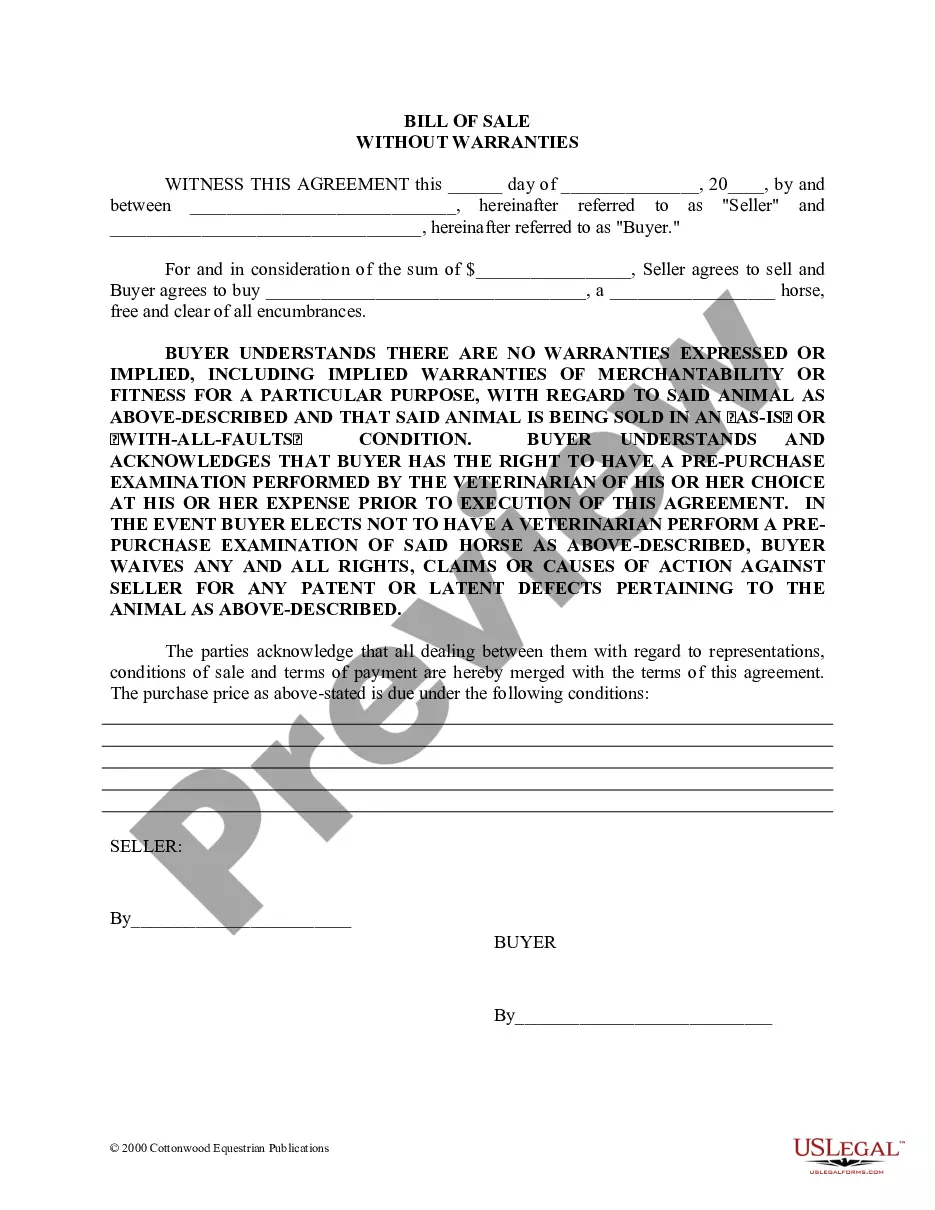
Looking for another form?
Form popularity
FAQ
In Oklahoma, if a tenant does not pay rent on time, the landlord must provide the tenant with a written notice that gives the tenant five days to pay the rent. If the landlord does not receive the rent within the five days, then the landlord can proceed with an eviction lawsuit.
The Tenant Doesn't Make Enough Income. The Tenant Smokes. The Tenant Has a Pet. The Tenant's Income Isn't Verified. The Tenant Has Been Convicted of a Crime. The Tenant Does Not Have Rental History. The Tenant Has a History of Damaging Property and Not Paying Rent. The Tenant Provides False Information.
Tenants also have certain rights under federal, state, and some local laws. These include the right to not be discriminated against, the right to a habitable home, and the right to not be charged more for a security deposit than is allowed by state law, to name just a few.
A: Except in the case of a single family residence, your landlord must keep all common areas used by more than one tenant safe and clean; keep your premises in a safe, livable condition; keep all electrical, plumbing, sanitary, heating, ventilation, air-conditioning and other facilities and appliances supplied by the
If you are behind on rent due to COVID, the CDC has ordered an eviction moratorium extended through June 30, 2021 that may apply to your situation. The form to give your landlord is linked to this information.You can still be evicted for lease violations or criminal activity!
Yes, a landlord can evict you if there is no lease.However, a landlord generally must provide notice of terminating your tenancy. (Evicting you means starting eviction proceedings if you fail to comply with the notice. A landlord cannot legally evict you without a court order, whether or not you have a lease.)
Fundamental responsibilities of landlords include: providing and maintaining the property in a clean and reasonable standard; giving proper receipts and maintaining records of all transactions pertaining to the tenancy; paying council rates and taxes; maintaining locks to ensure the property's security; and lodging the
This includes keeping the property clean, safe and habitable. The landlord must adhere to all building codes, perform necessary repairs, maintain common areas, keep all vital services, such as plumbing, electricity, and heat, in good working order, must provide proper trash receptacles and must supply running water.
Although renters must abide by the Homeowners' Association rules, they still have rights under the law. The property owner must also follow their home state's Landlord-Tenant Laws that include the Fair Housing Act and Fair Credit Reporting Act.