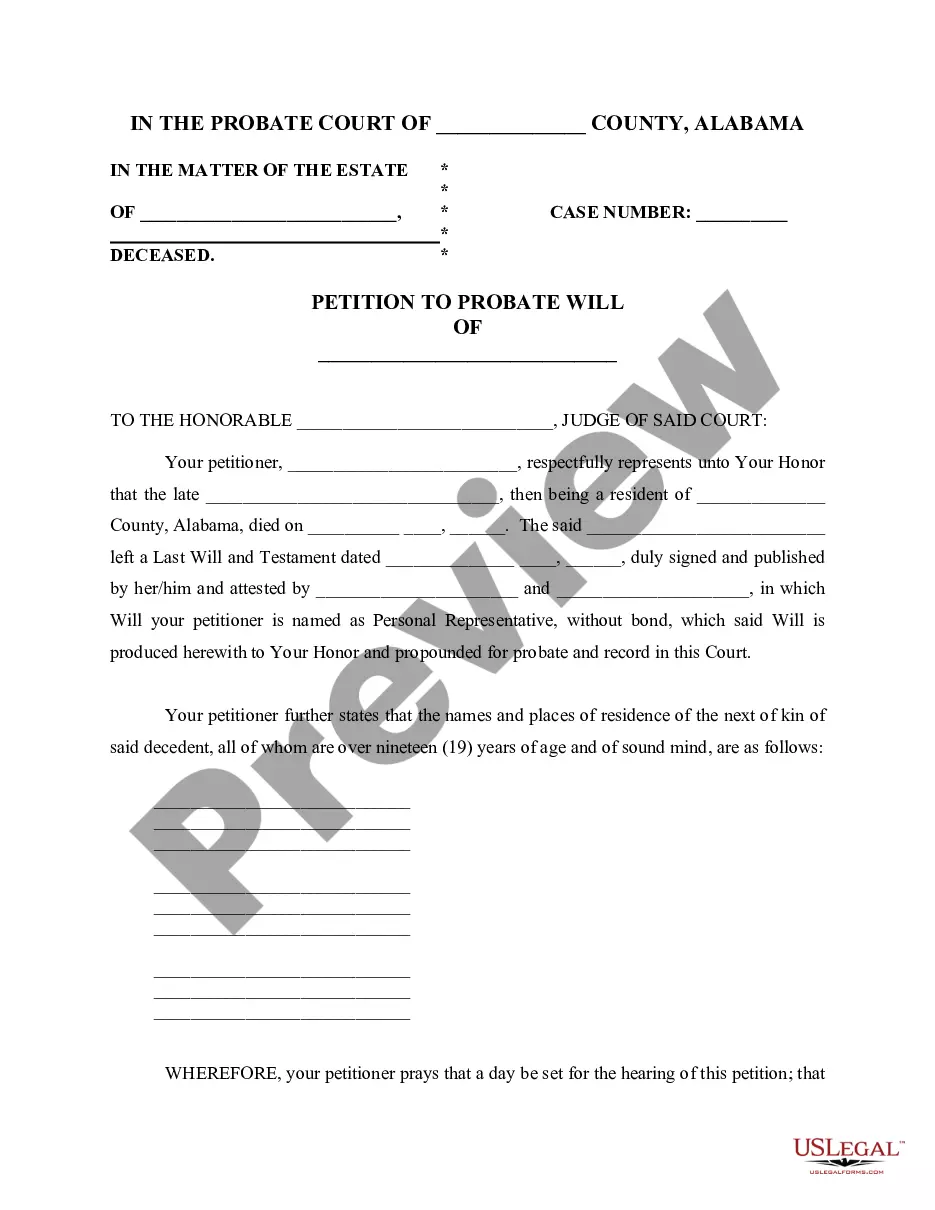
Ohio Assumption Agreement of Mortgage and Release of Original Mortgagors
Overview of this form
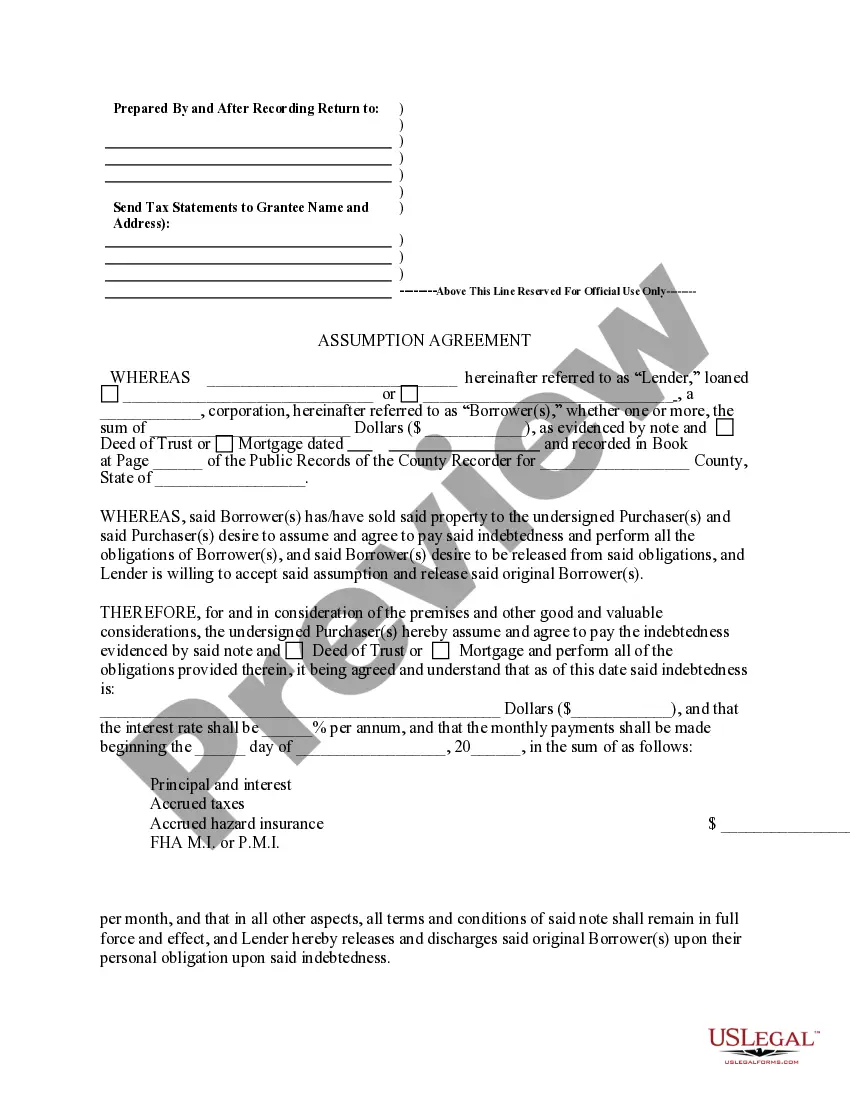
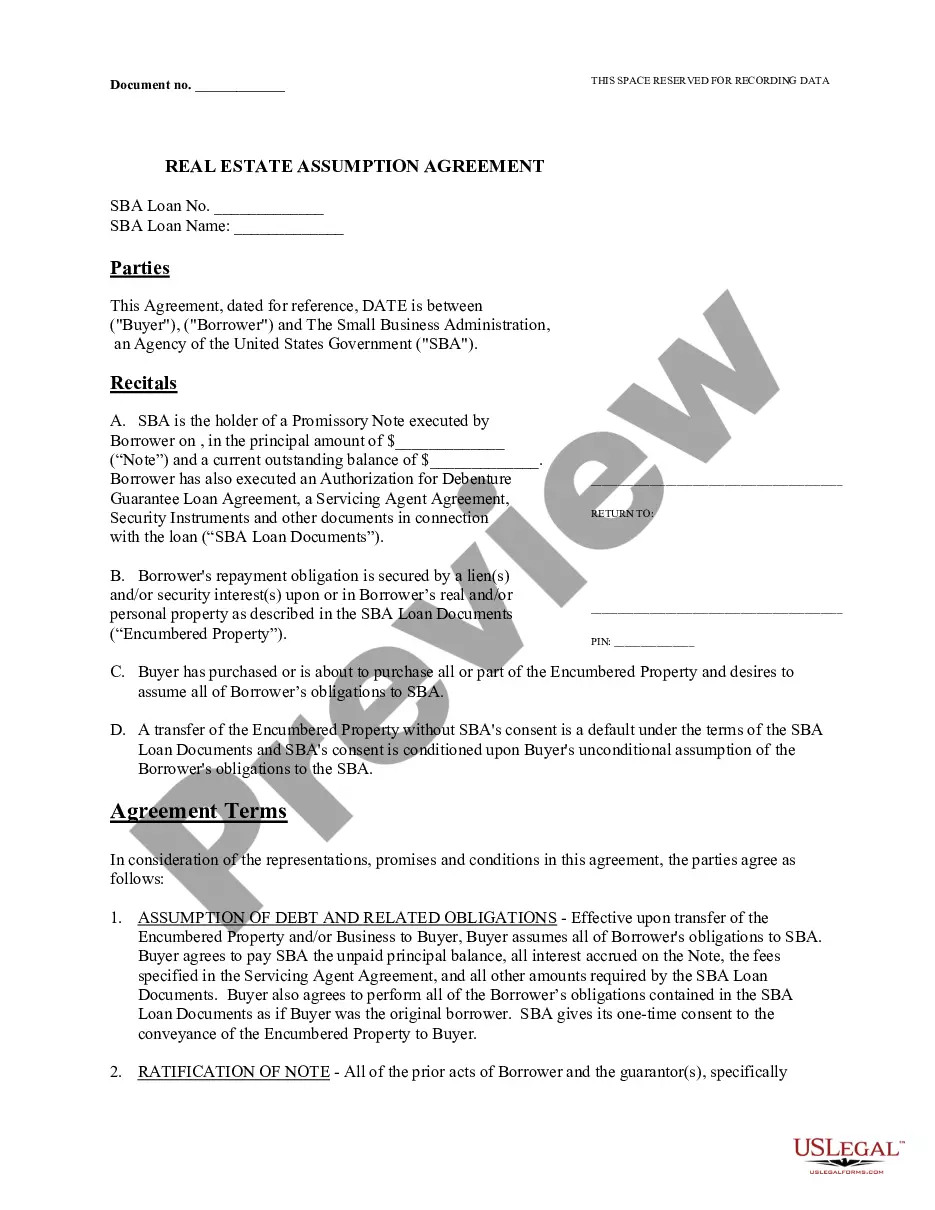
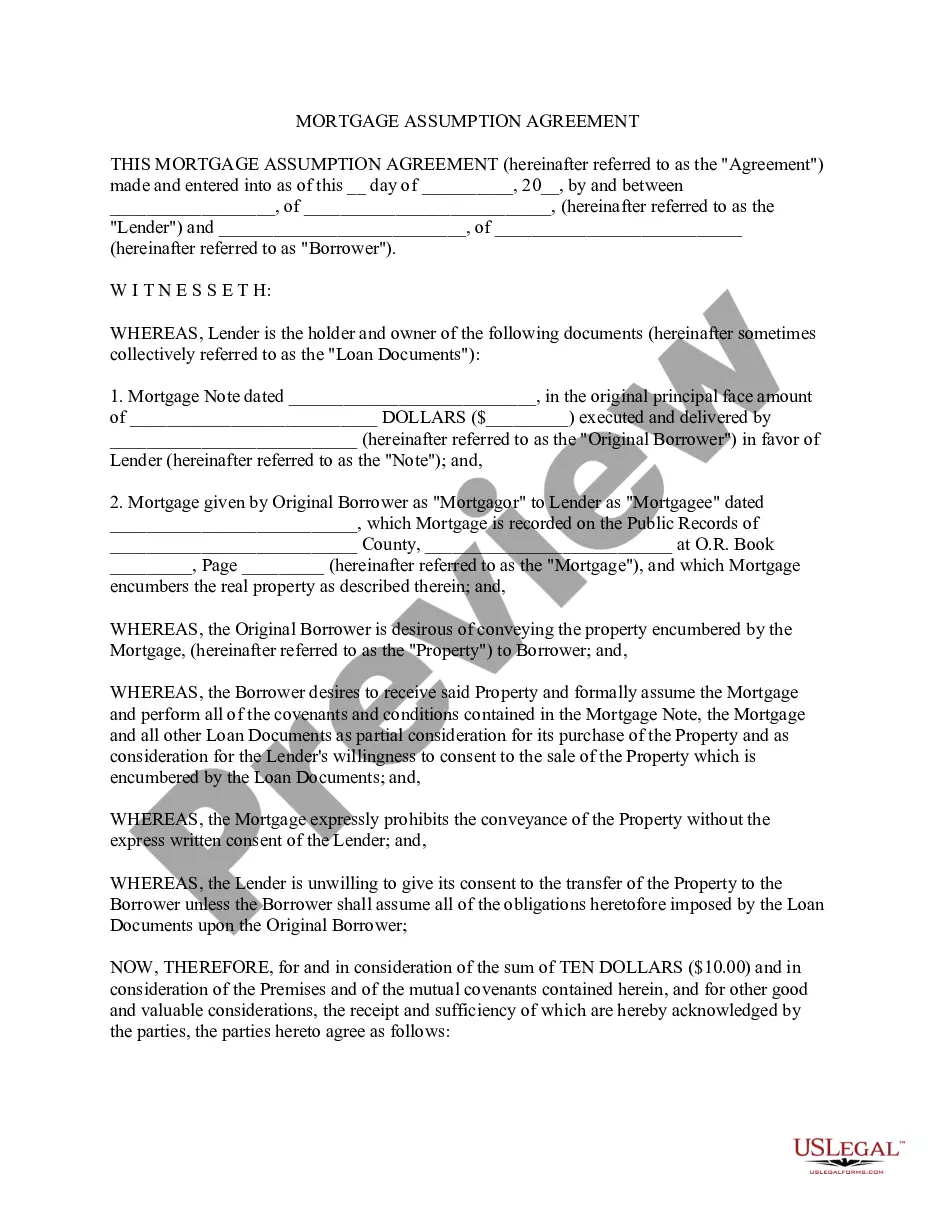
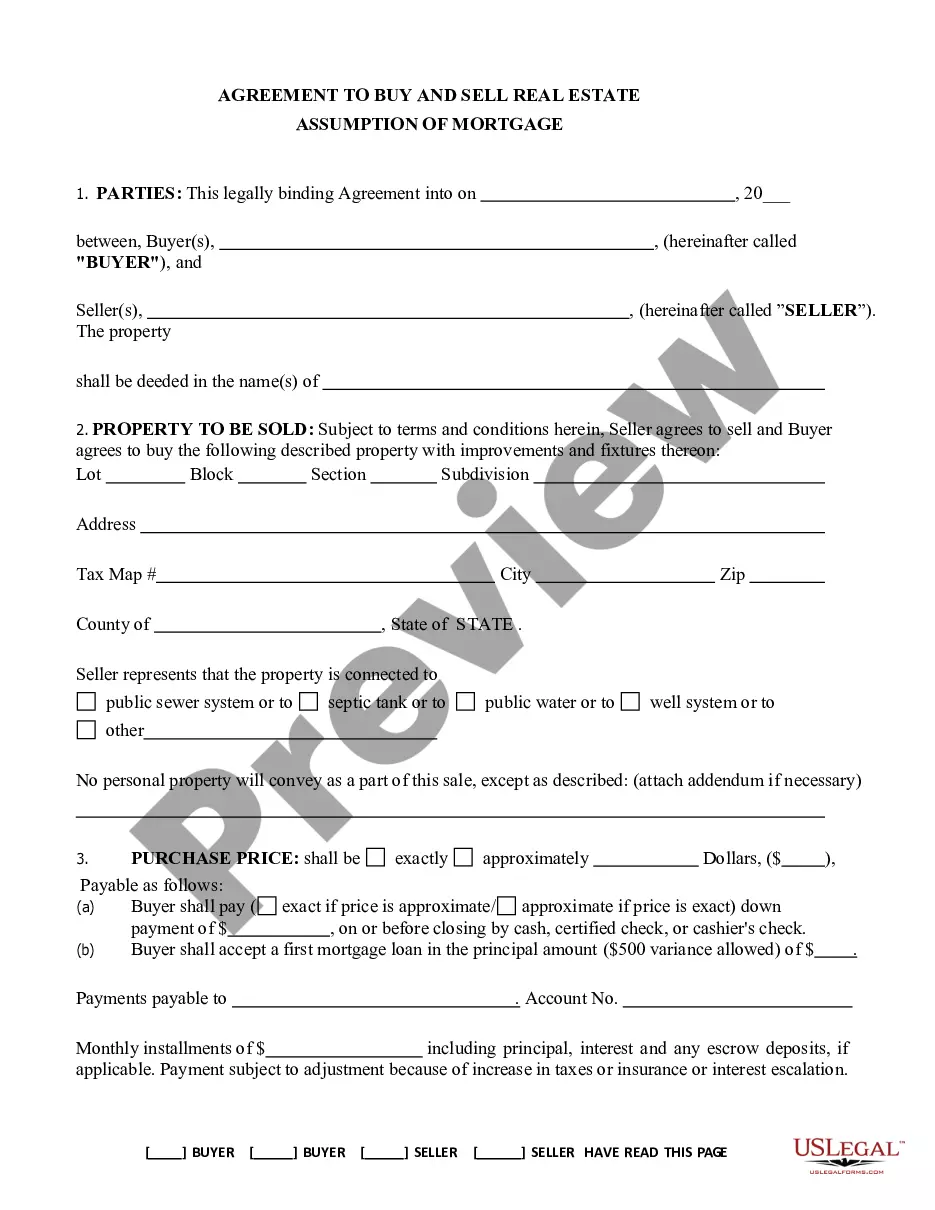
The Assumption Agreement of Mortgage and Release of Original Mortgagors is a legal document that allows new property purchasers to take over the mortgage obligation from the original mortgagors. This agreement ensures that the lender releases the original borrowers from any future liability on the mortgage. Unlike a standard mortgage transfer, this form specifically outlines the terms of the assumption and provides legal protection for all parties involved.
What’s included in this form
- Parties involved: Identification of the lender, original mortgagors, and new purchasers.
- Mortgage details: Amount of indebtedness and interest rates specified.
- Payment schedule: Details on monthly payments, including principal, taxes, and insurance.
- Release clause: A declaration that the original mortgagors are released from further obligations under the mortgage.
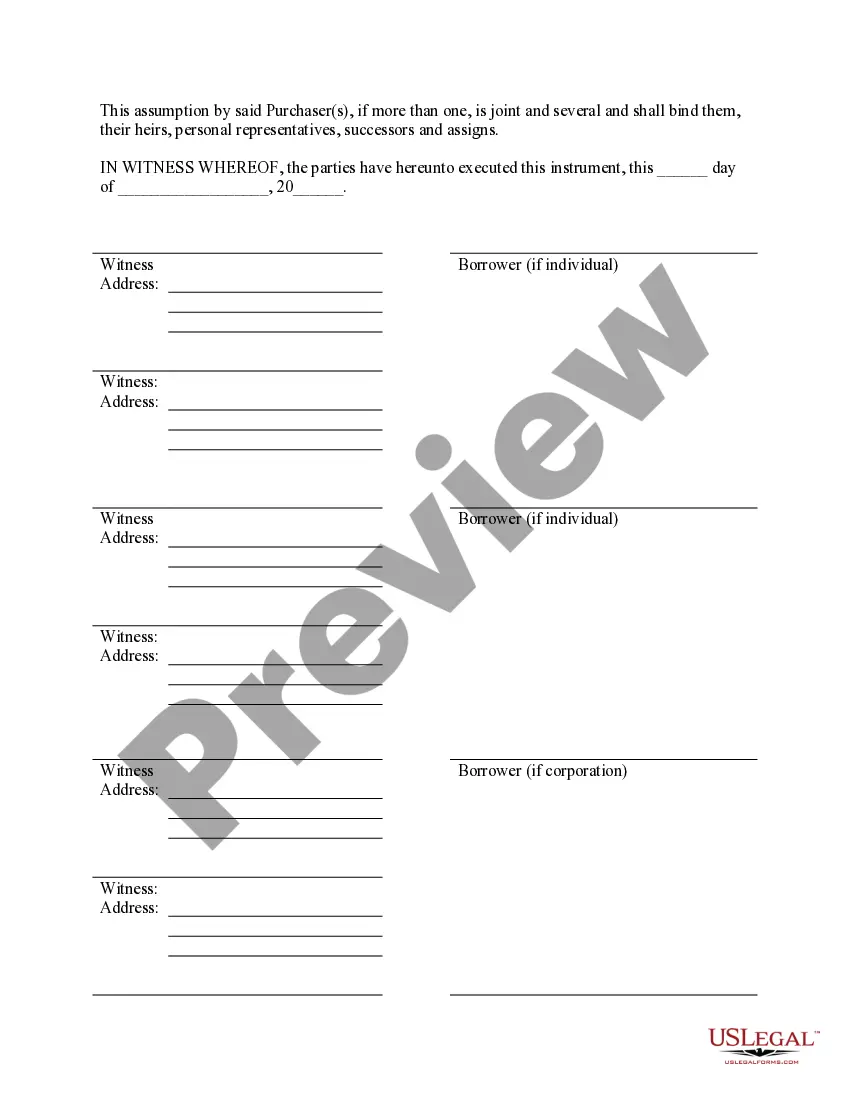
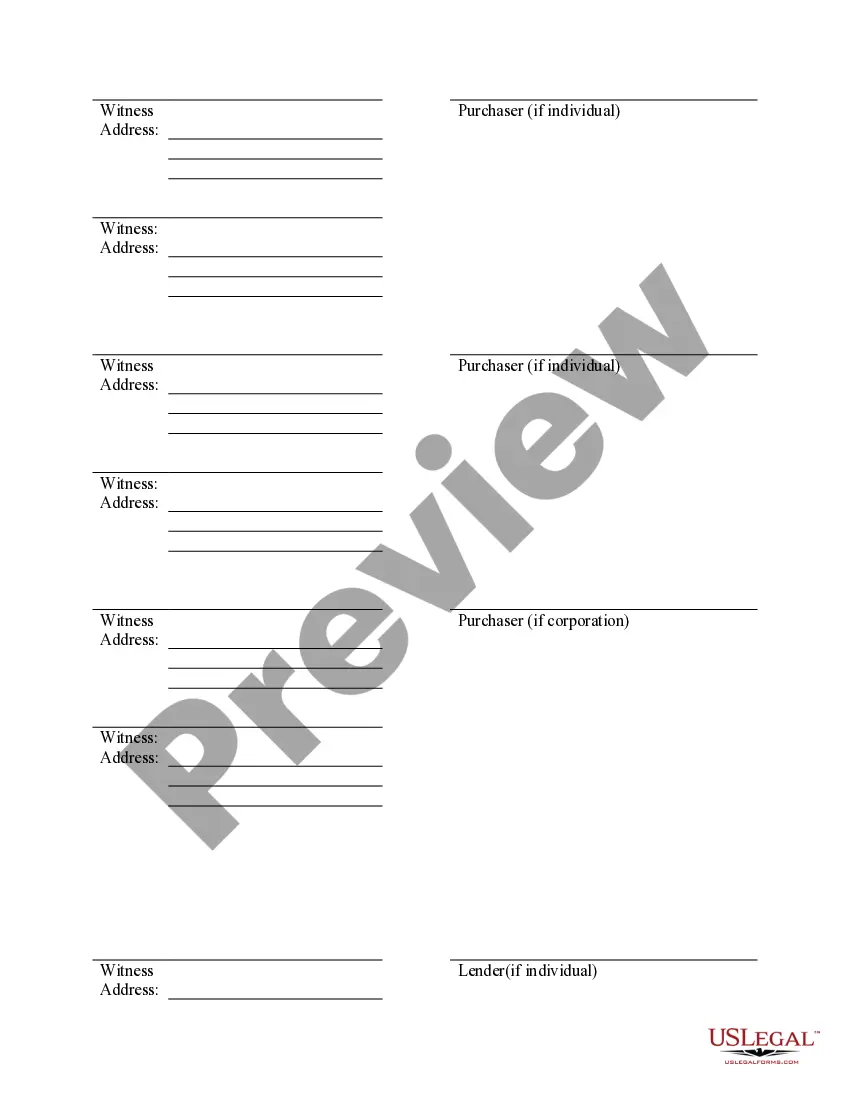
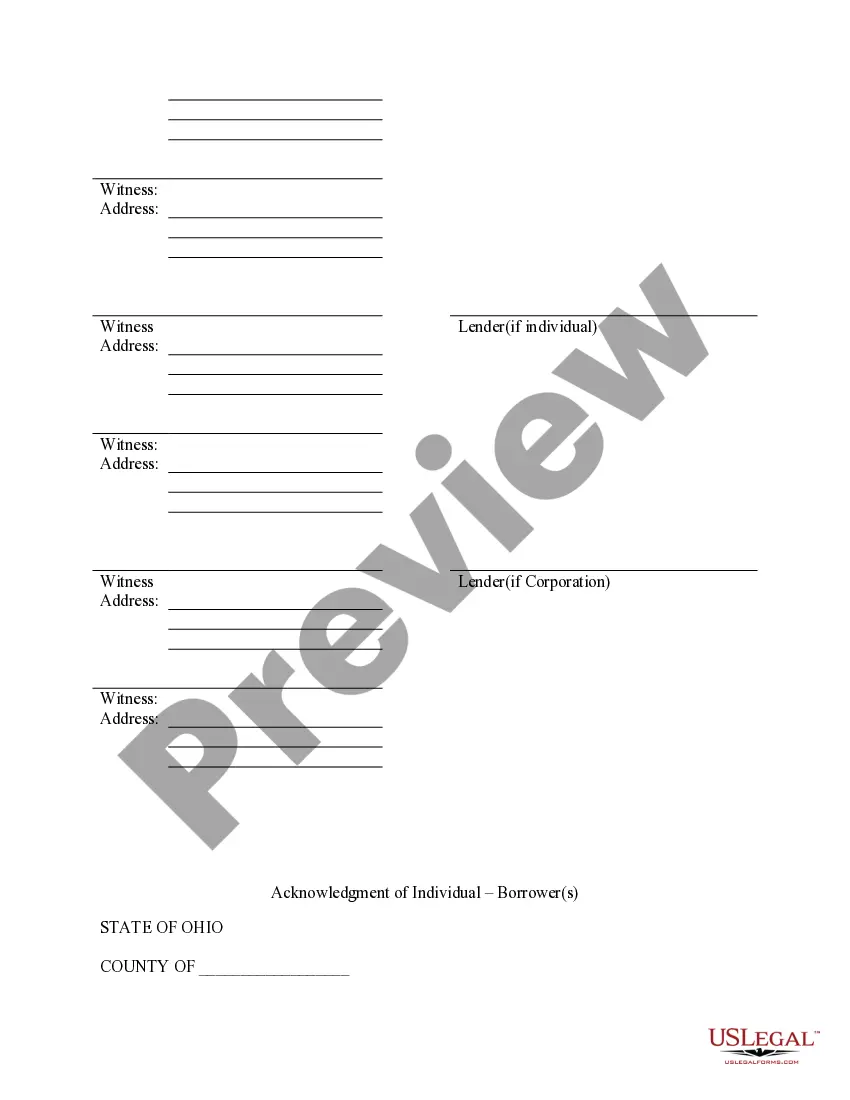
- Signatures: Spaces for all parties to sign and date the agreement.

Common use cases
This form is essential when a property is sold and the buyer wishes to assume the existing mortgage. It is needed to formalize the transfer of responsibility from the original mortgagors to the new purchasers, ensuring the lender acknowledges this change. Additionally, this agreement protects the original mortgagors from future claims related to the mortgage debt.
Who this form is for
- Original mortgagors who are selling their property.
- New purchasers who agree to assume the mortgage obligations.
- Lenders who wish to formally acknowledge the assumption of the mortgage.
Instructions for completing this form
- Identify the parties: Fill in the names of the lender, original mortgagors, and new purchasers.
- Specify the property: Provide details about the property for which the mortgage is being assumed.
- Enter mortgage details: Fill in the amount owed, interest rate, and payment plans.
- Signatures: Ensure all parties sign and date the form to make it legally binding.
- Notarization: Check if notarization is required based on local laws.
Notarization requirements for this form
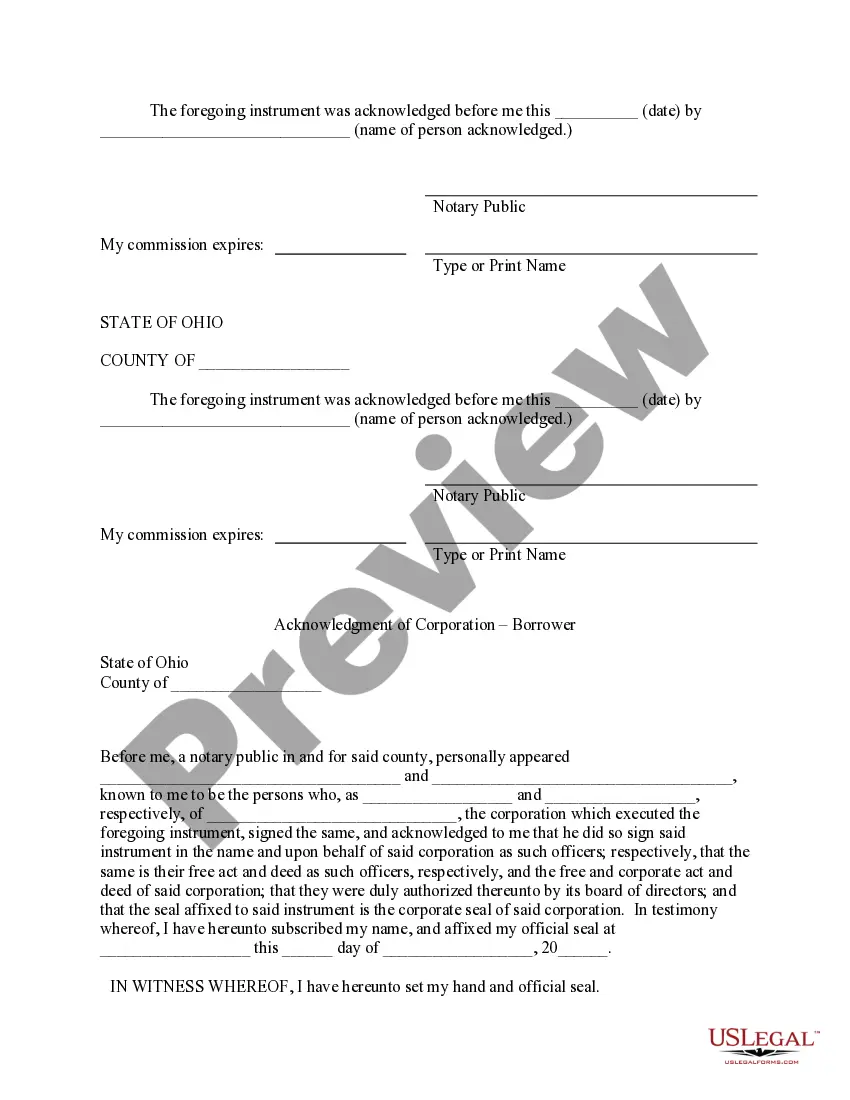
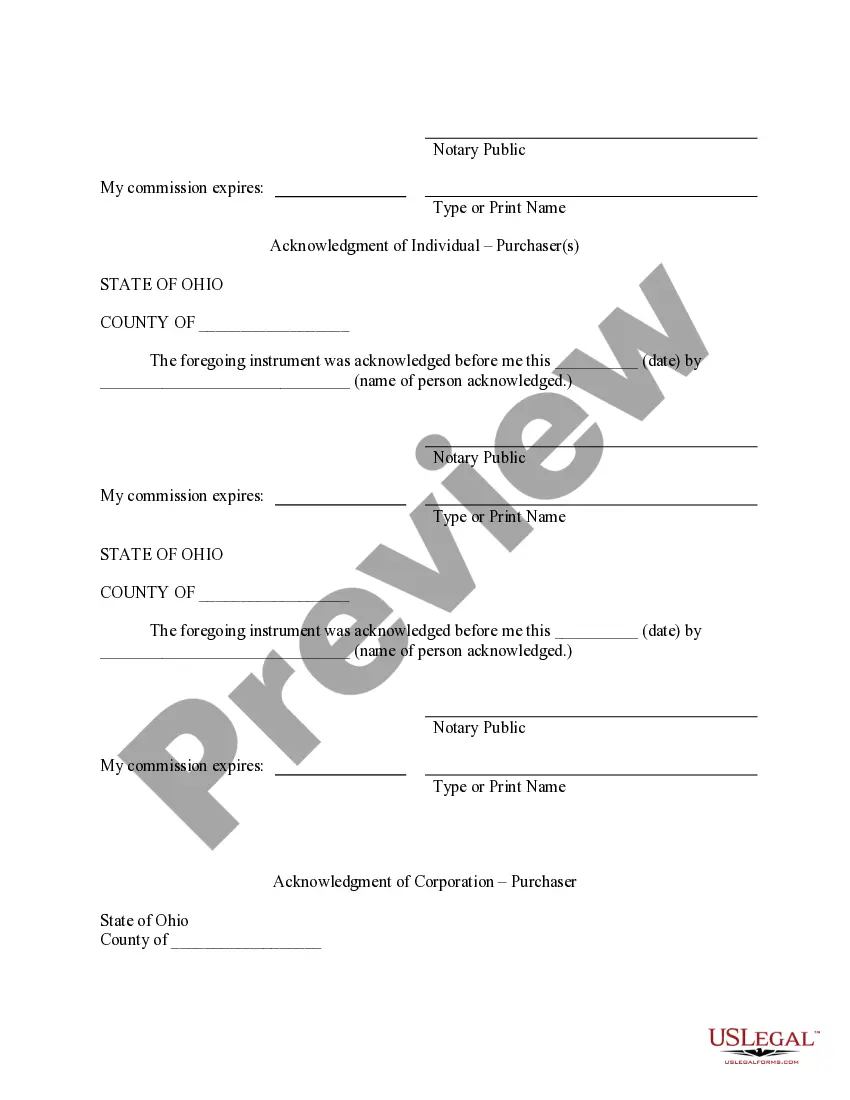
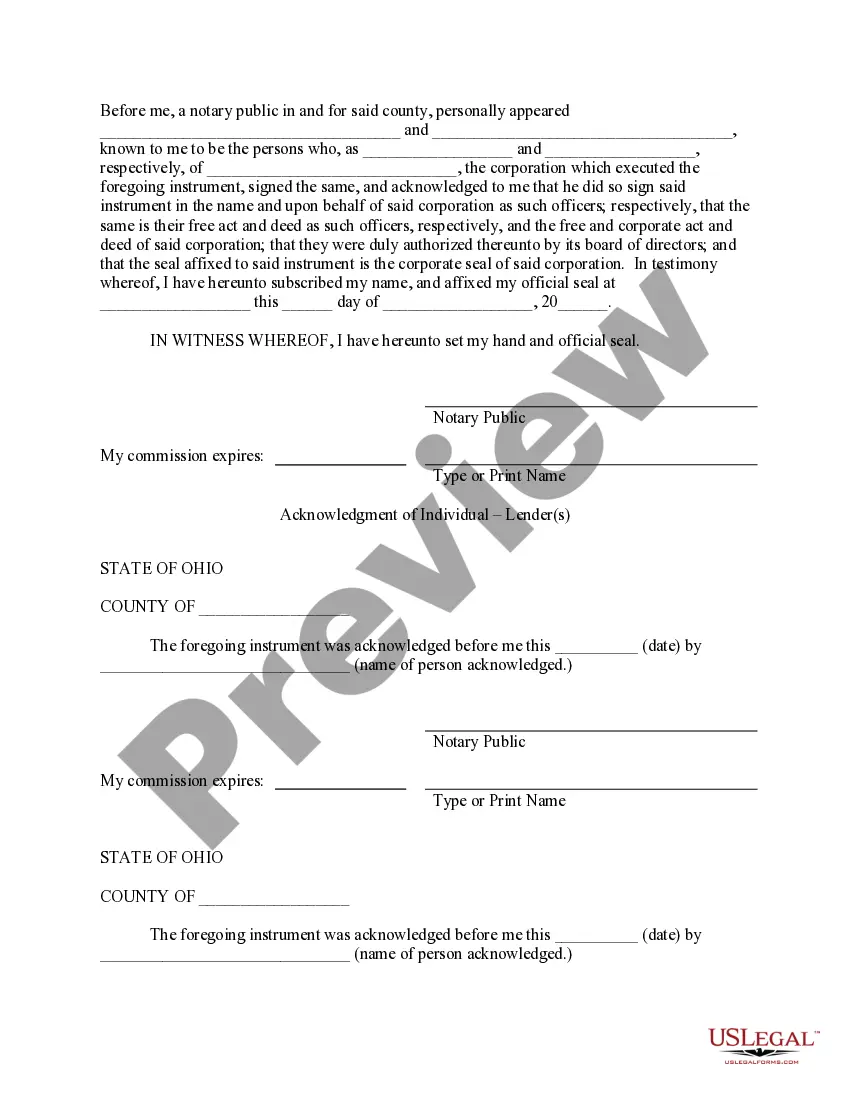
This form does not typically require notarization unless specified by local law. Ensure all parties check the legal requirements specific to their situation before finalizing the document.
Get your form ready online
Our built-in tools help you complete, sign, share, and store your documents in one place.
Make edits, fill in missing information, and update formatting in US Legal Forms—just like you would in MS Word.
Download a copy, print it, send it by email, or mail it via USPS—whatever works best for your next step.
Sign and collect signatures with our SignNow integration. Send to multiple recipients, set reminders, and more. Go Premium to unlock E-Sign.
If this form requires notarization, complete it online through a secure video call—no need to meet a notary in person or wait for an appointment.
We protect your documents and personal data by following strict security and privacy standards.

Make edits, fill in missing information, and update formatting in US Legal Forms—just like you would in MS Word.

Download a copy, print it, send it by email, or mail it via USPS—whatever works best for your next step.

Sign and collect signatures with our SignNow integration. Send to multiple recipients, set reminders, and more. Go Premium to unlock E-Sign.

If this form requires notarization, complete it online through a secure video call—no need to meet a notary in person or wait for an appointment.

We protect your documents and personal data by following strict security and privacy standards.
Avoid these common issues
- Failing to include all relevant parties' names.
- Not providing complete and accurate financial details.
- Ignoring the need for signatures from all involved parties.
- Not consulting with a legal professional if unsure about the terms.
Benefits of using this form online
- Instant access to the form, allowing for quick preparation.
- Editability to customize the agreement as needed.
- Security of having a document drafted based on current legal standards.
What to keep in mind
- The Assumption Agreement of Mortgage allows new purchasers to legally take over a mortgage.
- This document releases original mortgagors from future liabilities concerning the loan.
- It is essential to ensure all parties sign and that the form is notarized for legal enforceability.
Looking for another form?
Form popularity
FAQ
The seller may also be required to sign the assumption agreement and the terms may release the seller from responsibility. The lender usually requires a credit history from the buyer before approving the assumption and the payment of assumption fee(s).
It is a legal contract that effectuates an agreement between two parties, whereby one party agrees to assume the responsibilities, interests, rights, and obligations of another party in respect to a separate agreement made between the latter and a third party.
You will need a minimum credit score of 580 to 620, depending on individual lender guidelines. Your household income cannot exceed 115% of the average median income for the area. Your debt ratios should not exceed 29% for your housing expenses and 41% for your total monthly expenses.
An assumable mortgage allows a buyer to take over the seller's mortgage. Once the assumption is complete, you take over the payments on a monthly basis, and the person you assume the loan from is released from further liability. If you assume someone's mortgage, you're agreeing to take on their debt.
An assumable mortgage is an arrangement in where an outstanding mortgage and its terms can be transferred from the current owner to a buyer.
The loan transaction consists of two main documents: the mortgage (or deed of trust) and a promissory note.
What is a mortgage assumption agreement? It's actually pretty self-explanatory. A person who assumes a mortgage takes over a payment from the previous homeowner. Basically, the agreement shifts the financial responsibility of the loan to a different borrower.
Having an assumable loan might give a seller a marketing edge, particularly if mortgage rates have risen since the seller got the loan. For a buyer, assuming a mortgage can save thousands of dollars in interest payments and closing costs but it could require making a big down payment.