Ohio Excavator Contract for Contractor
Understanding this form
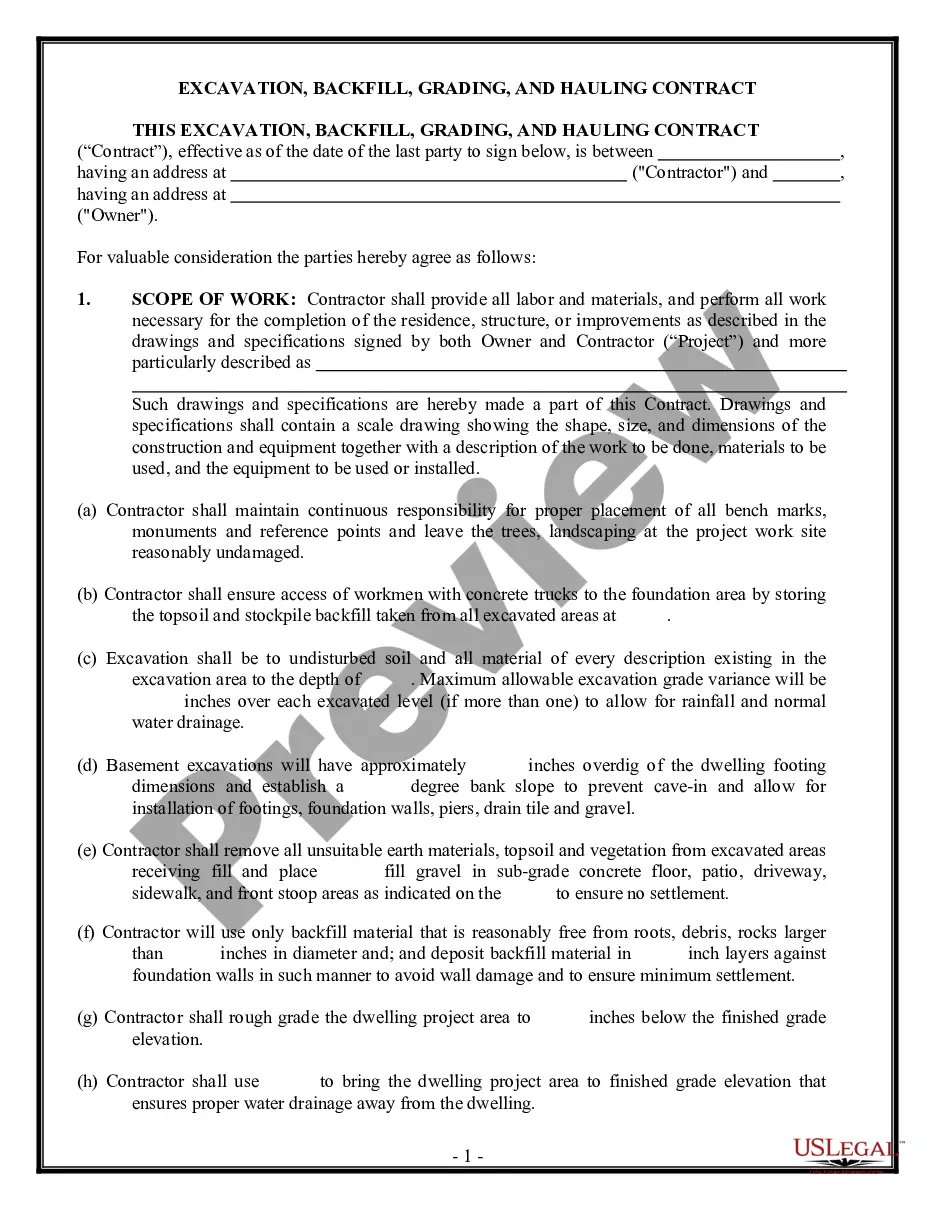
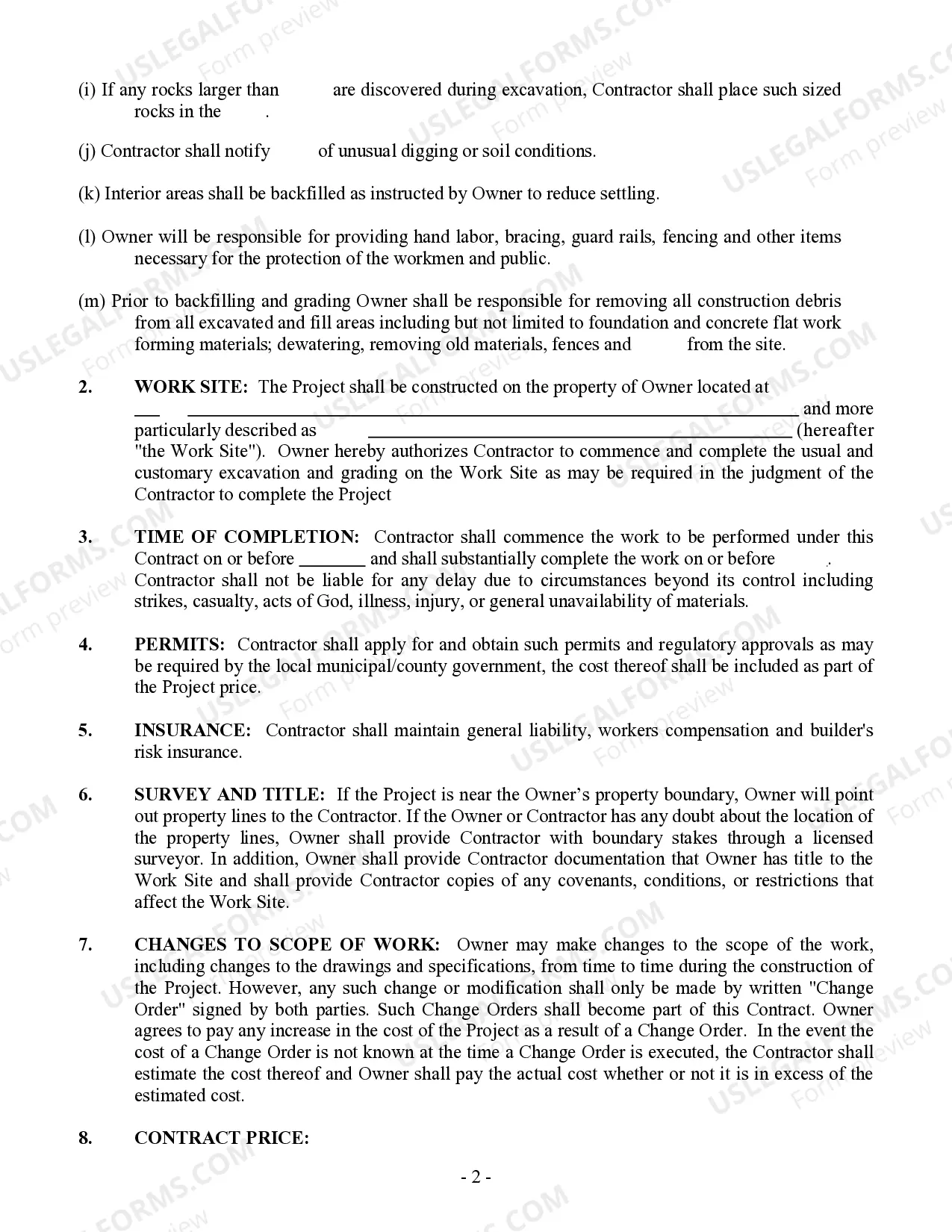
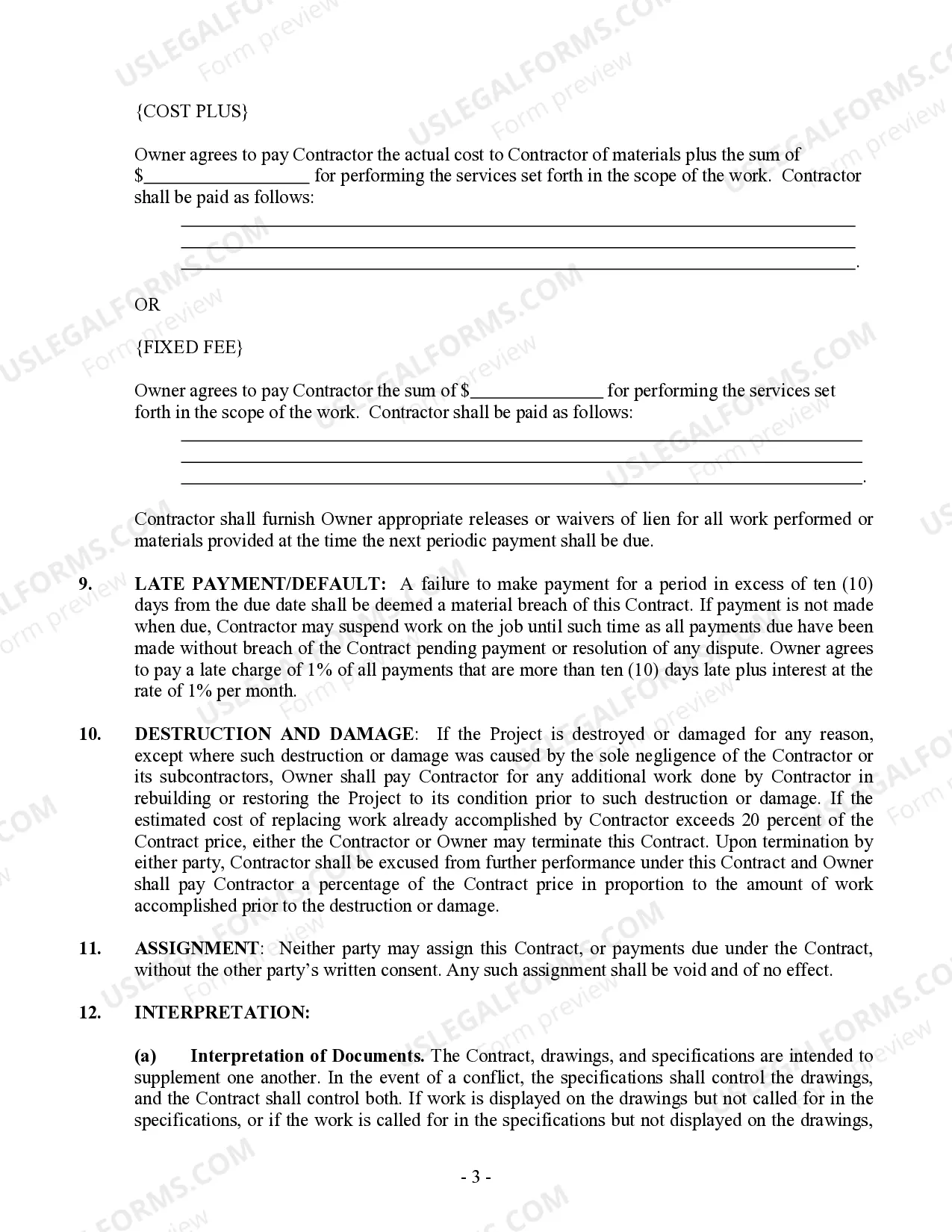
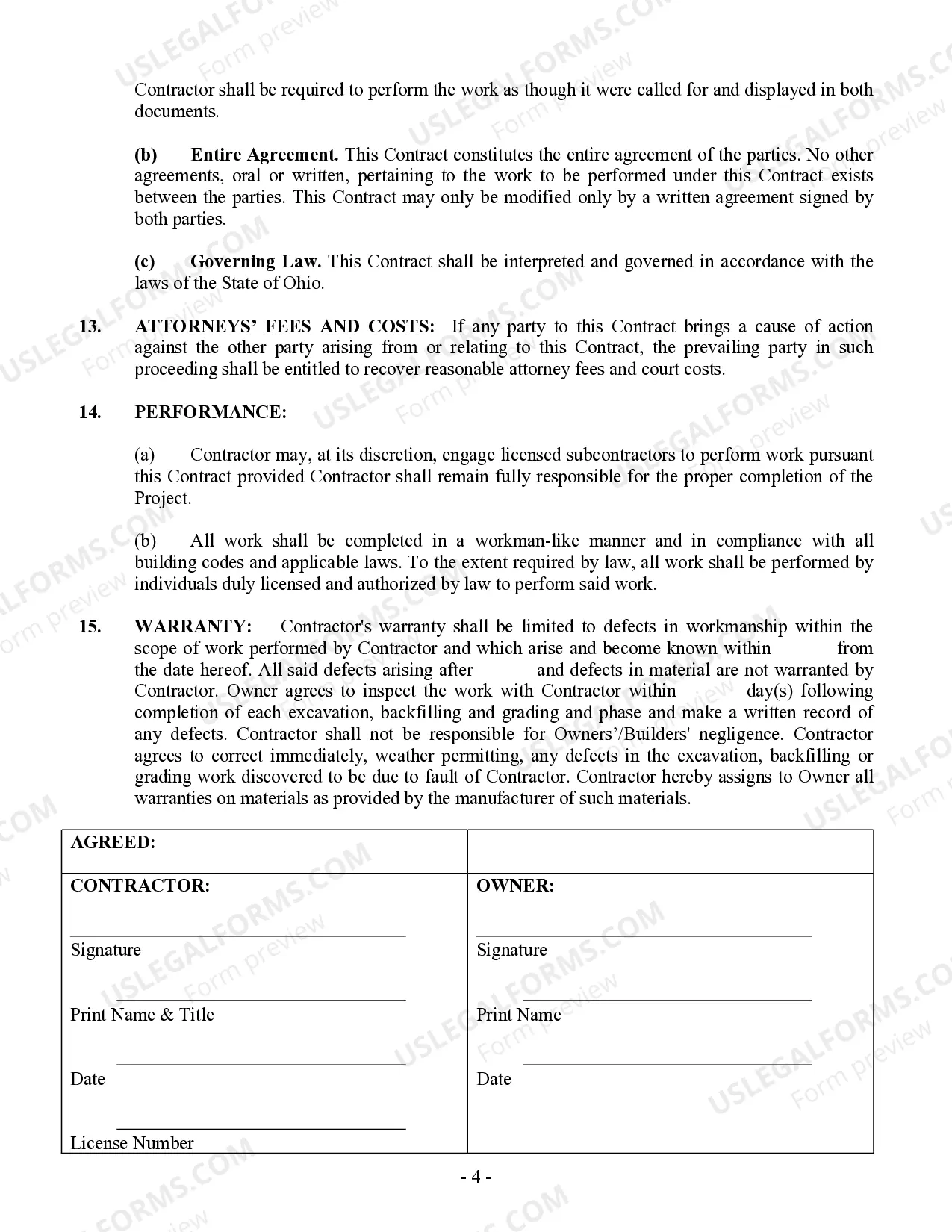
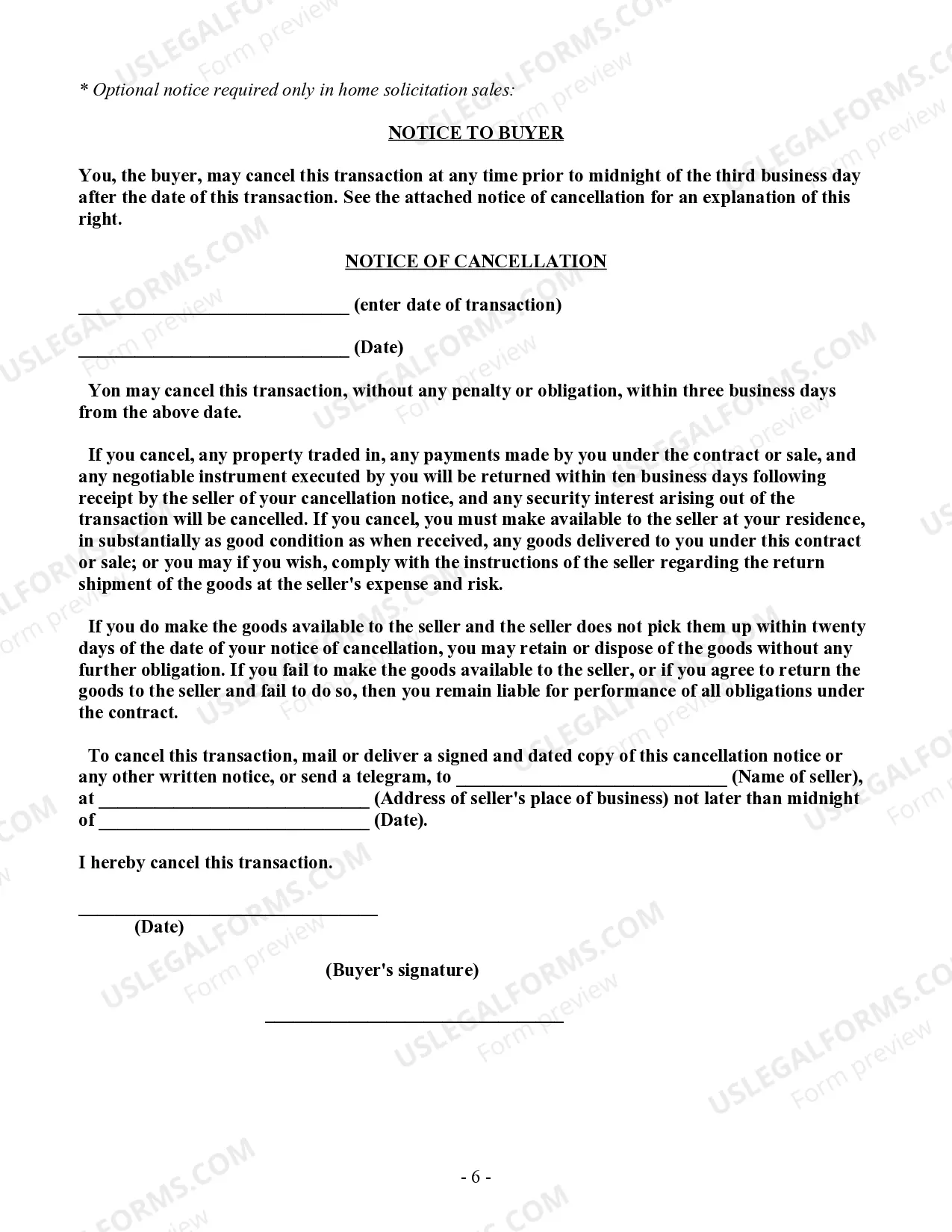
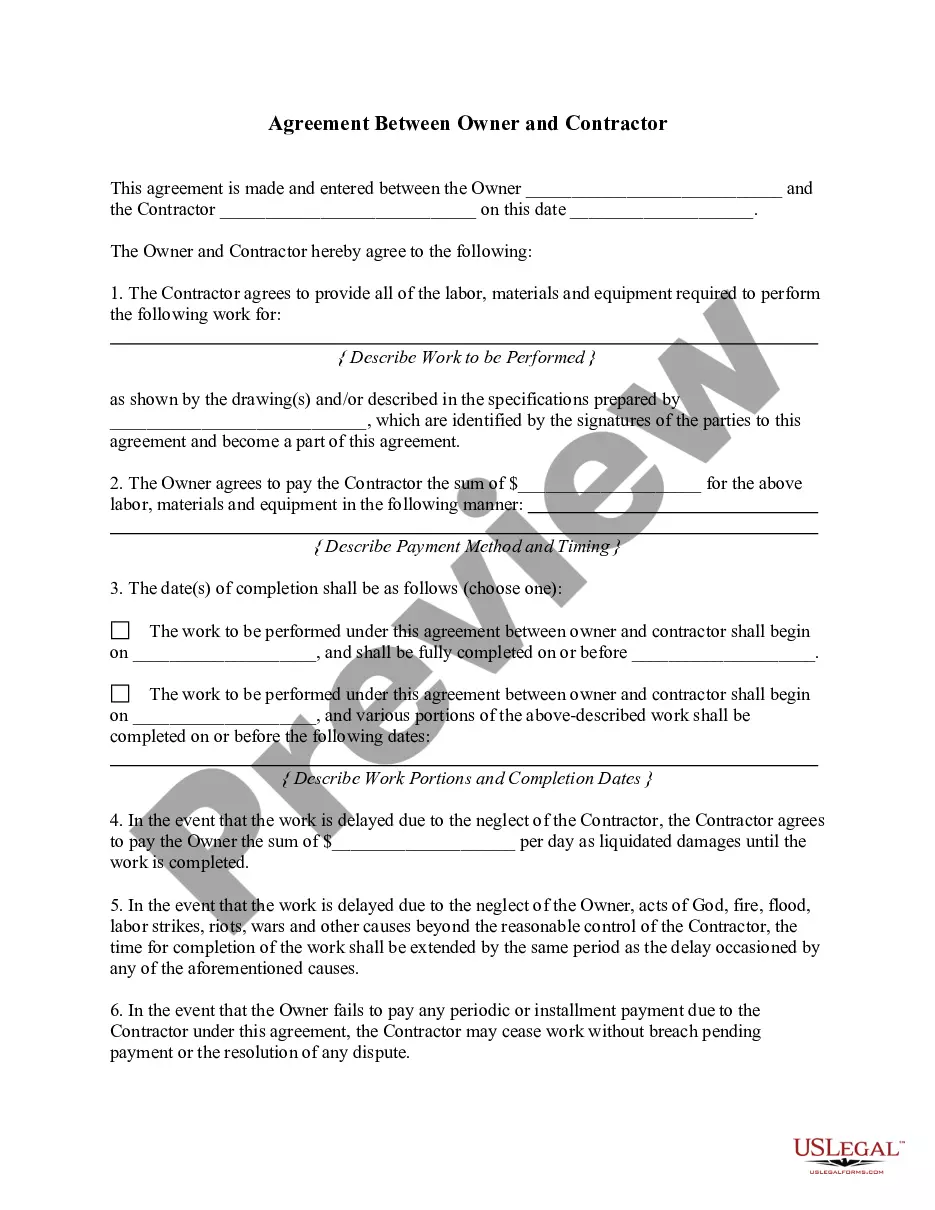
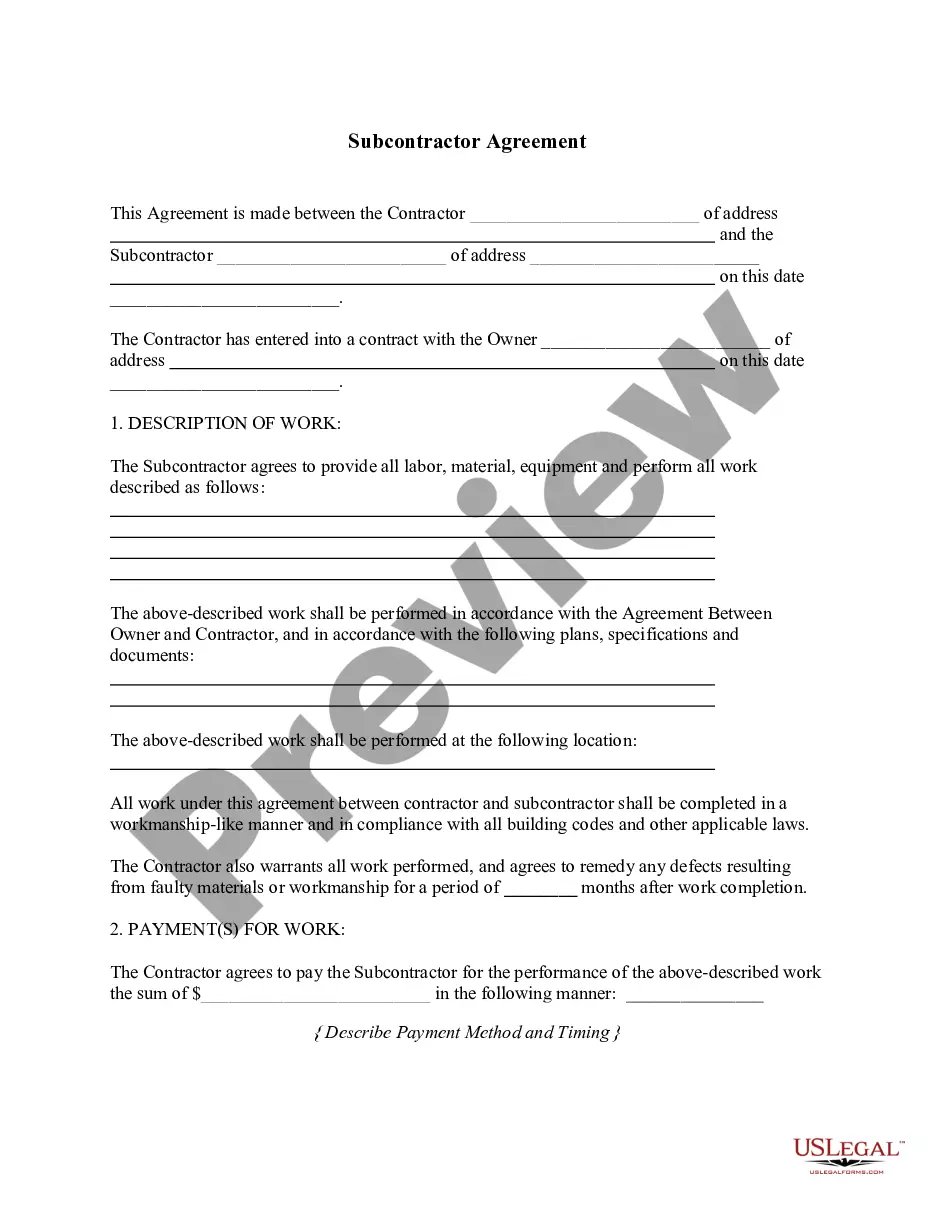
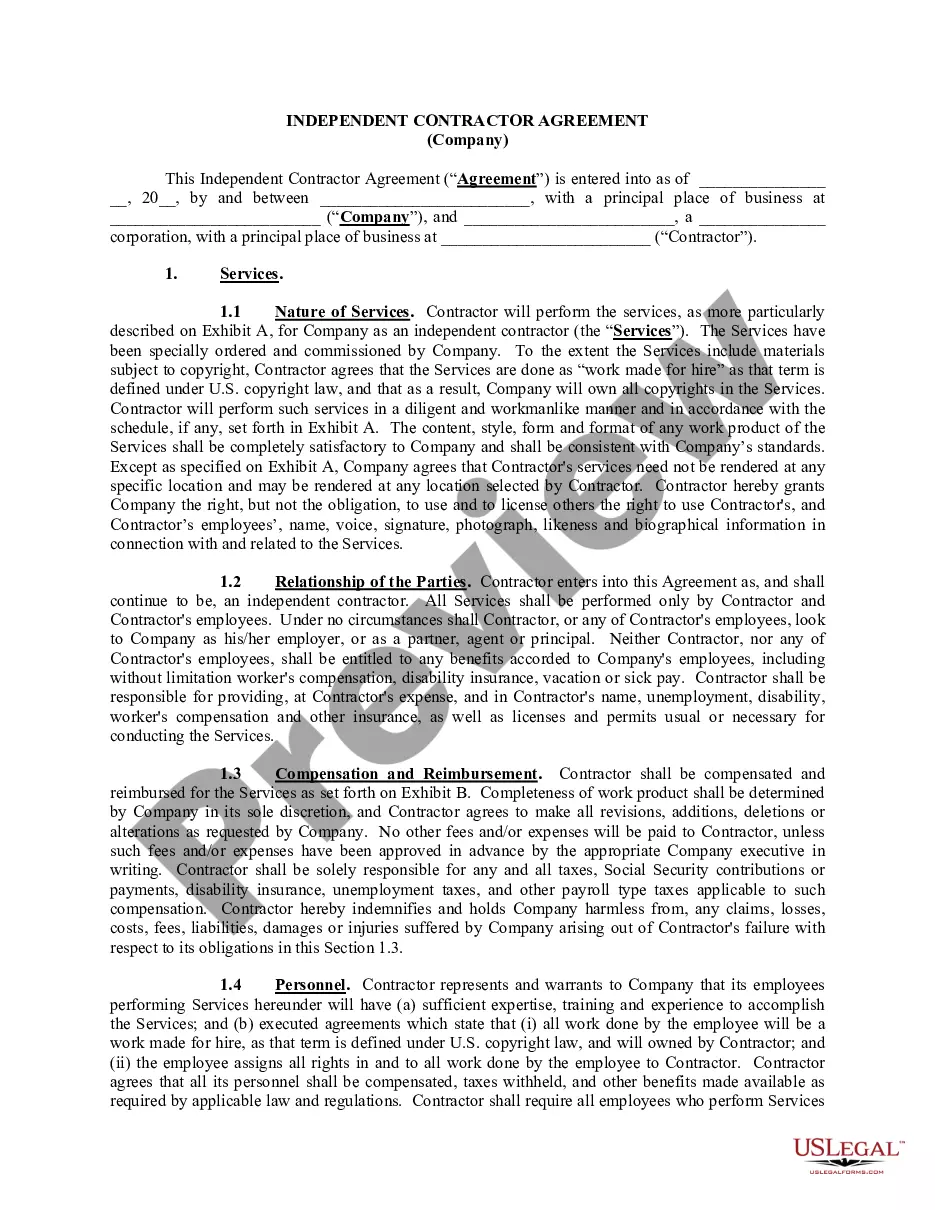
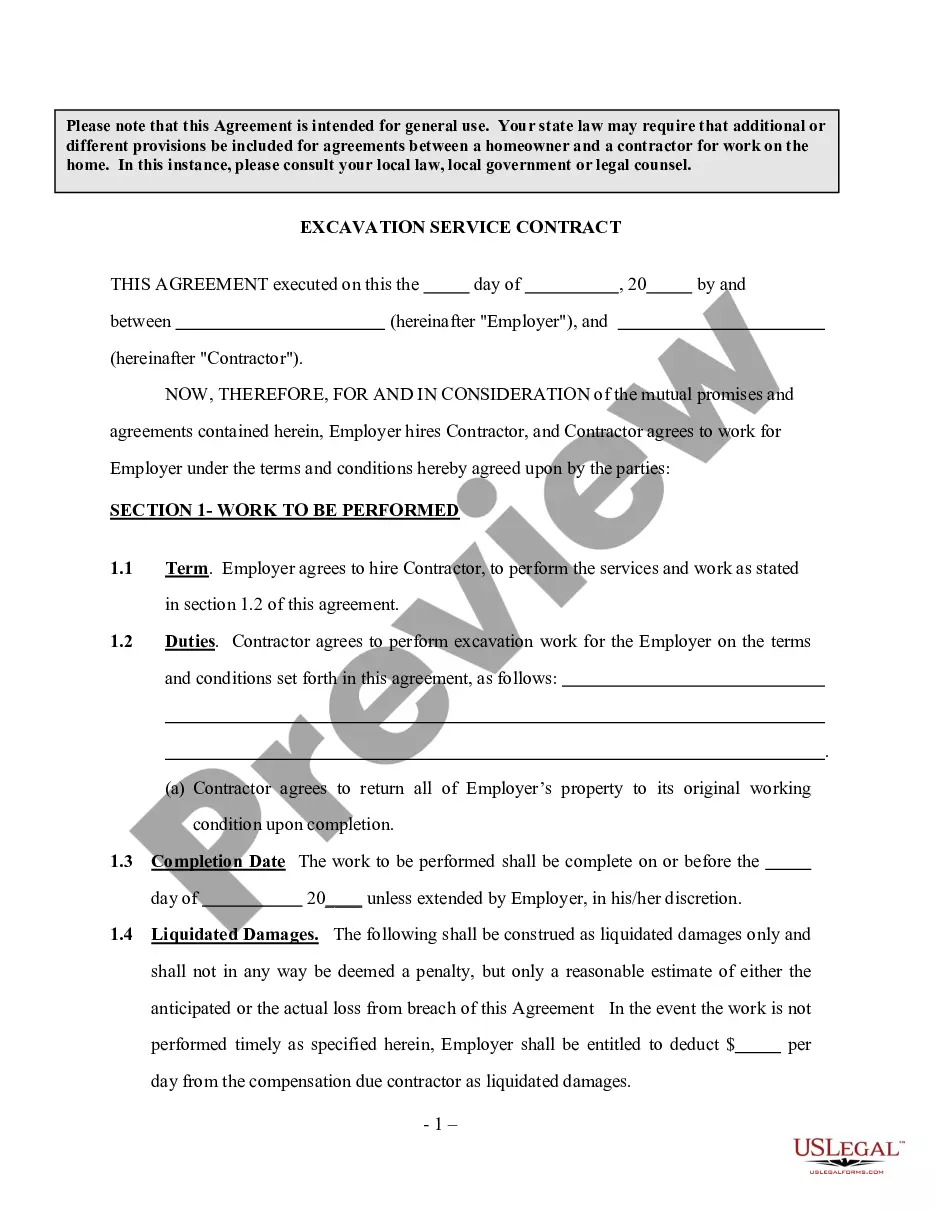
The Excavator Contract for Contractor is a legal document that formalizes the agreement between excavator contractors and property owners regarding the excavation work being performed. This contract outlines essential terms, including payment arrangements, insurance requirements, and methods for handling changes to the work. Unlike other types of construction contracts, this form is specifically tailored for excavation projects in Ohio, ensuring compliance with local regulations.
Key parts of this document
- Owner responsibilities for site safety and labor provisions.
- Permit acquisition process for local government approvals.
- Insurance requirements to protect both parties during the project.
- Clear procedures for managing changes to project scope through written change orders.
- Provisions addressing destruction or damage to the project.
- Governing law stipulating that the agreement is governed by Ohio law.

When to use this document
This contract should be used when an excavator contractor is hired to perform excavation services for a property owner. It is applicable in scenarios where there are specific payment arrangements (fixed fee or cost-plus), as well as when the scope of work may change during the project. It is essential for both parties to understand their responsibilities and the conditions of the project, especially in terms of changes and insurance coverage.
Who this form is for
This contract is intended for:
- Excavator contractors seeking to formalize agreements with property owners.
- Property owners who need to hire an excavator for construction projects.
- Parties involved in excavation projects that require defined terms and conditions.
How to prepare this document
- Identify the parties: Enter the names of the owner and the contractor clearly at the beginning of the contract.
- Specify the project details: Describe the scope of work, including location and any specific requirements.
- Choose the payment arrangement: Indicate whether the payment will be based on a fixed fee or a cost-plus arrangement.
- Sign the contract: Ensure both parties sign and date the document to make it legally binding.
- Retain a copy: Both parties should keep a copy of the signed contract for their records.
Is notarization required?
Notarization is not commonly needed for this form. However, certain documents or local rules may make it necessary. Our notarization service, powered by Notarize, allows you to finalize it securely online anytime, day or night.
Get your form ready online
Our built-in tools help you complete, sign, share, and store your documents in one place.
Make edits, fill in missing information, and update formatting in US Legal Forms—just like you would in MS Word.
Download a copy, print it, send it by email, or mail it via USPS—whatever works best for your next step.
Sign and collect signatures with our SignNow integration. Send to multiple recipients, set reminders, and more. Go Premium to unlock E-Sign.
If this form requires notarization, complete it online through a secure video call—no need to meet a notary in person or wait for an appointment.
We protect your documents and personal data by following strict security and privacy standards.

Make edits, fill in missing information, and update formatting in US Legal Forms—just like you would in MS Word.

Download a copy, print it, send it by email, or mail it via USPS—whatever works best for your next step.

Sign and collect signatures with our SignNow integration. Send to multiple recipients, set reminders, and more. Go Premium to unlock E-Sign.

If this form requires notarization, complete it online through a secure video call—no need to meet a notary in person or wait for an appointment.

We protect your documents and personal data by following strict security and privacy standards.
Avoid these common issues
- Failing to clearly define the scope of work, leading to misunderstandings.
- Not specifying payment terms, which can cause disputes later.
- Neglecting to include necessary insurance requirements, exposing both parties to risk.
- Overlooking change order procedures, making it difficult to accommodate modifications to the project.
Advantages of online completion
- Convenient access: Easily download the contract when needed, without waiting for physical documents.
- Editability: Customize the form to accurately reflect the specific terms of your project.
- Legal reliability: These forms are drafted by licensed attorneys to ensure compliance with state laws.
What to keep in mind
- The Excavator Contract for Contractor is essential for managing excavation projects between contractors and property owners.
- It addresses key areas such as payment terms, insurance, and changes to the work.
- This contract is compliant with Ohio law, making it a suitable choice for projects in this state.
Looking for another form?


Form popularity
FAQ
Technically, depending on the state, the contractor may be able to back out IF no work has been done, AND you have not paid any upfront deposit.
A: It's not uncommon for contractors to ask for a down payment up front to secure your spot on their schedule or purchase some of the job materials in advance. Asking for more than half of the project cost up front, though, is a big red flag.I recommend tying payments to progress made during the job.
Ohio's written contract Statute of Limitations used to be fifteen (15) years, but has now been shortened to eight (8) years. Ohio's Statute of Repose requires certain claims be asserted within ten (10) years after substantial completion of the work.
Identifying/Contact Information. Title and Description of the Project. Projected Timeline and Completion Date. Cost Estimate and Payment Schedule. Stop Work Clause and Stop Payment Clause. Act of God Clause. Change Order Agreement. Warranty.
#1: Review Your Bid. #2: Review Complete Plans. #3: Review All Specifications. #4: Visit the Job Site. #5: Review the Job Schedule. #6: Complete a Project Checklist. #7: Verify Project Funding. #8: Read Complete Contract.
You shouldn't pay more than 10 percent of the estimated contract price upfront, according to the Contractors State License Board.
Contract Types Overview. Express and Implied Contracts. Unilateral and Bilateral Contracts. Unconscionable Contracts. Adhesion Contracts. Aleatory Contracts. Option Contracts. Fixed Price Contracts.
Unless there are custom or specialty orders for materials, the contractor cannot ask for more than 10% upfront before work starts.
Begin with the Date and the Address of the Other Party. Start with the Basic Details of the Planned Work. Include Special Stipulations. State Whether There Will be a Further Agreement. Create an Area for Signatures. Sign and Date the Contract Letter.