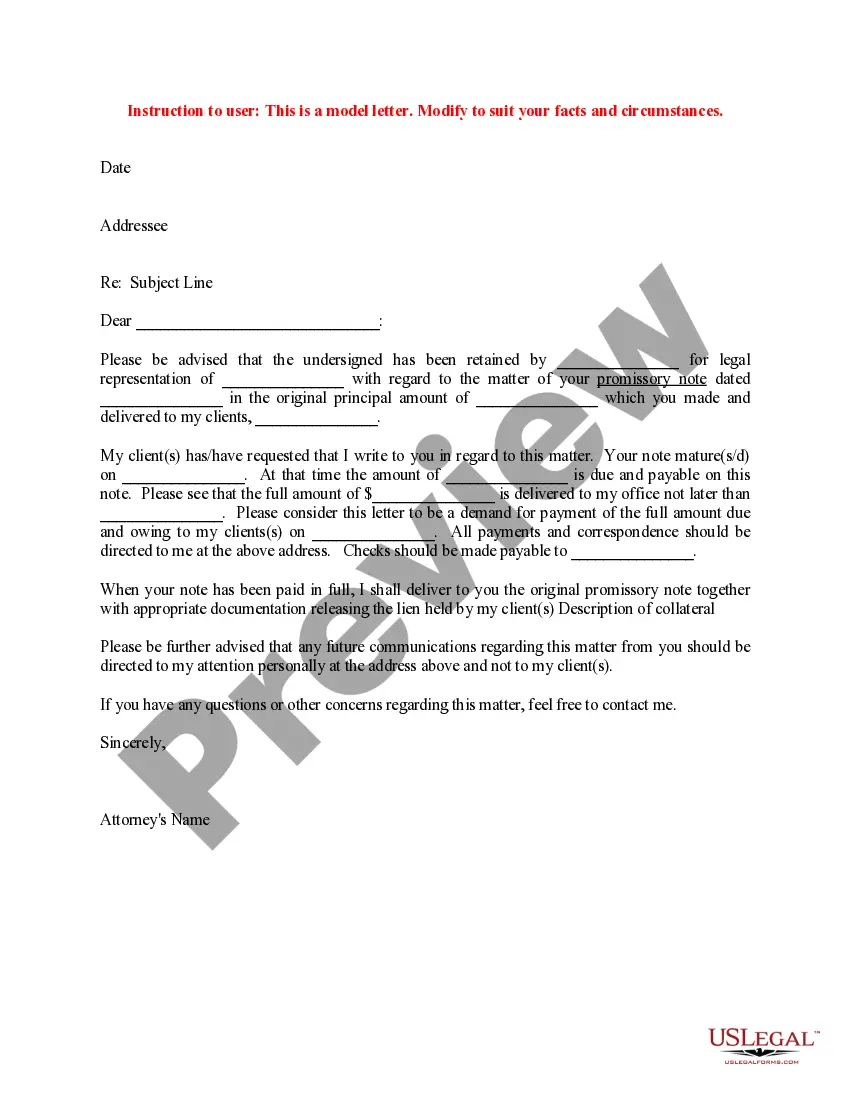
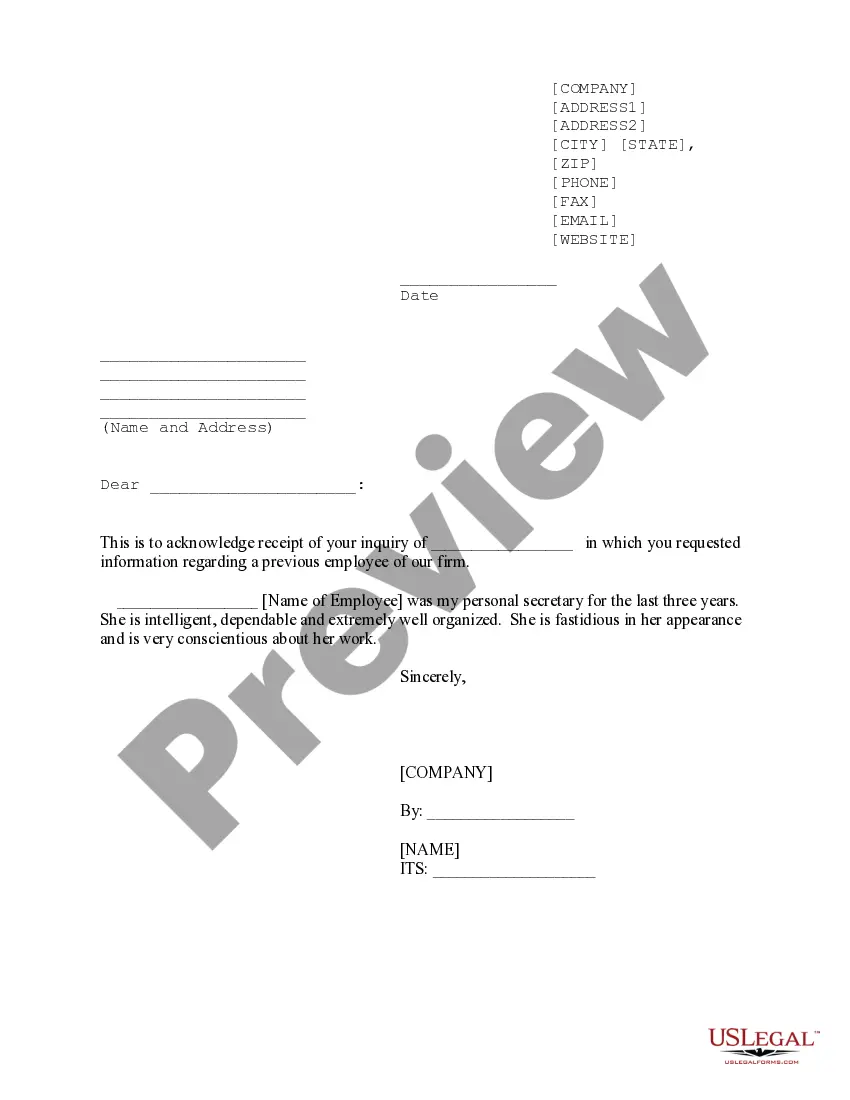
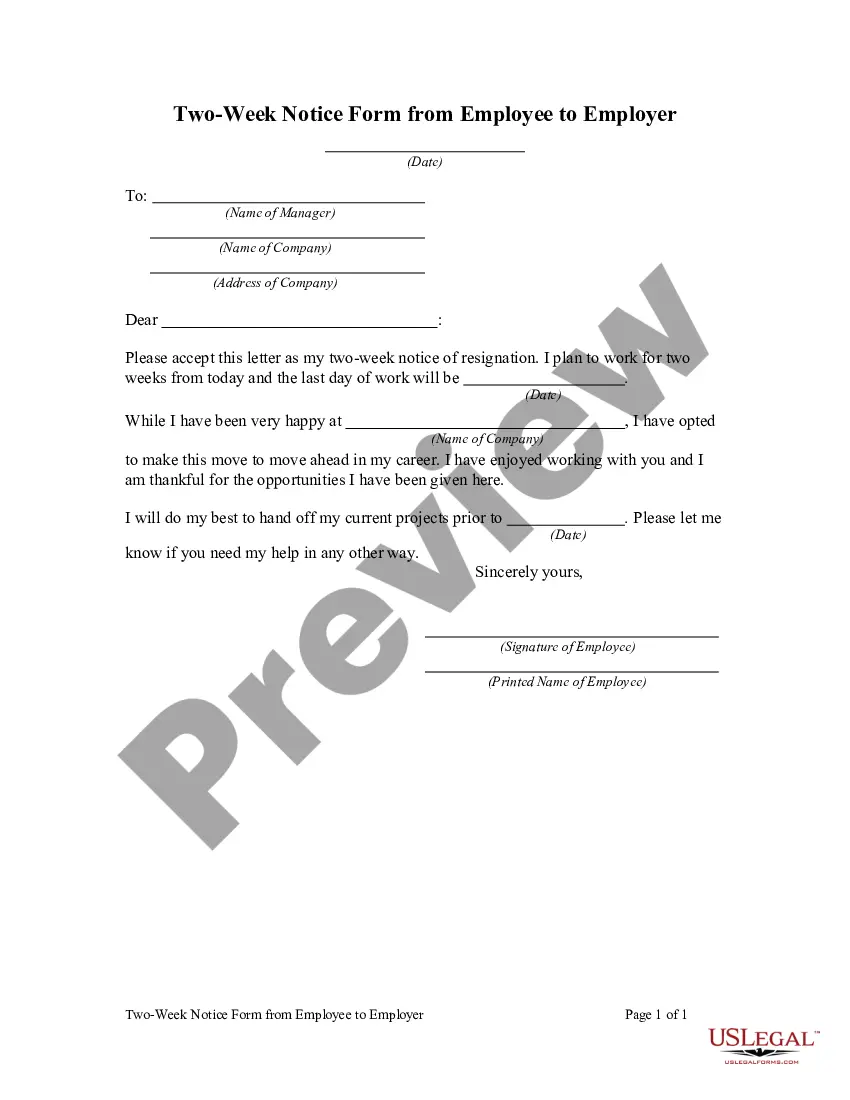
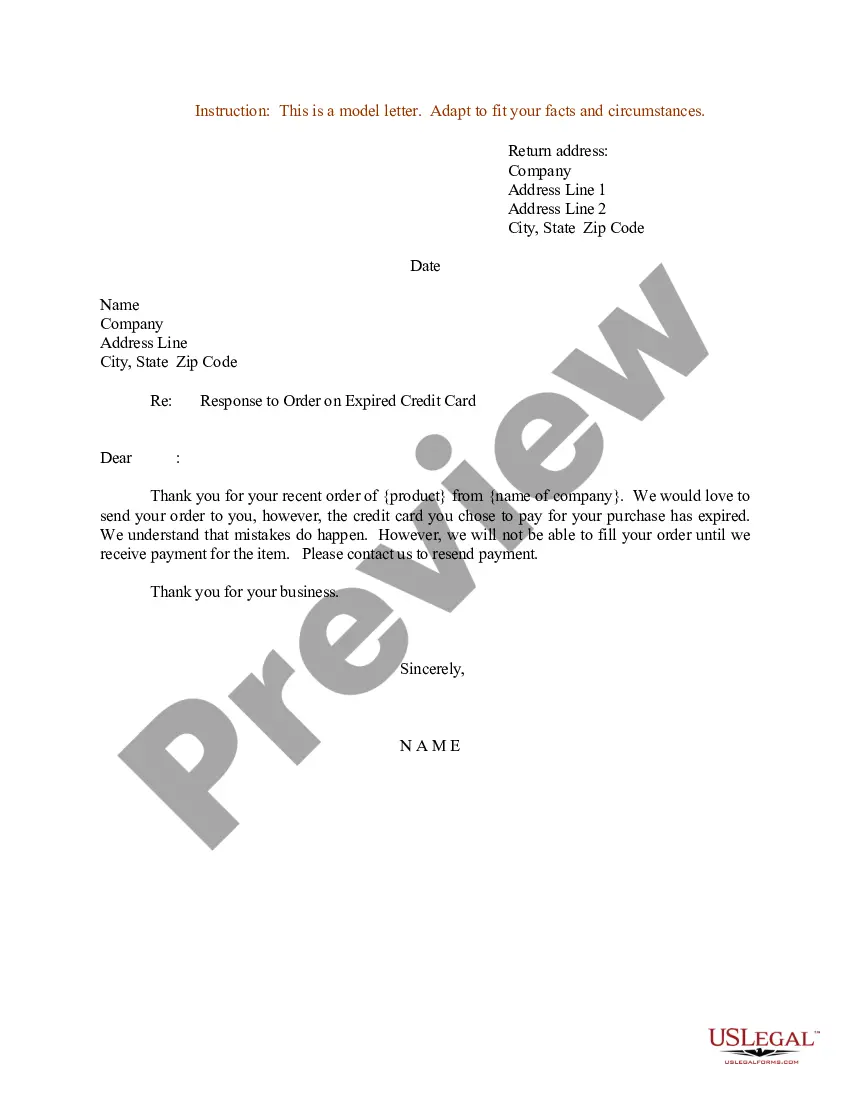
New York Notice of Terms of Contract by Corporation
What is this form?
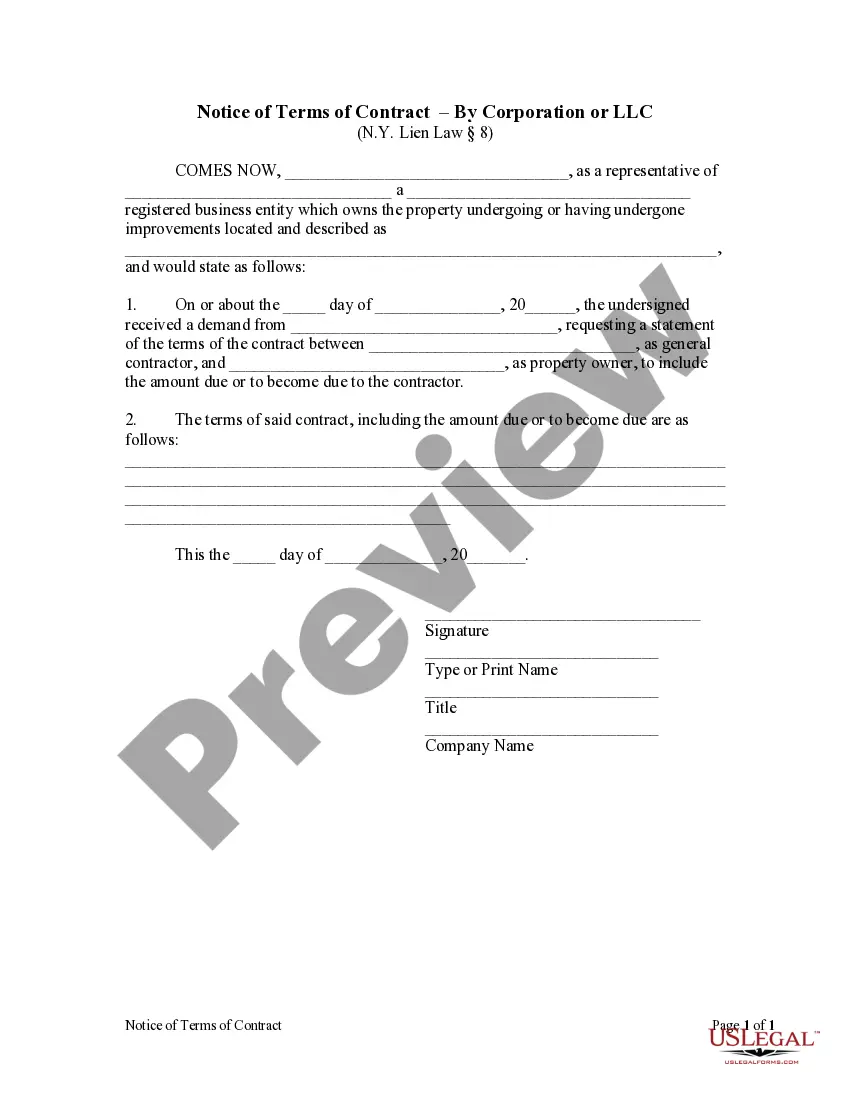
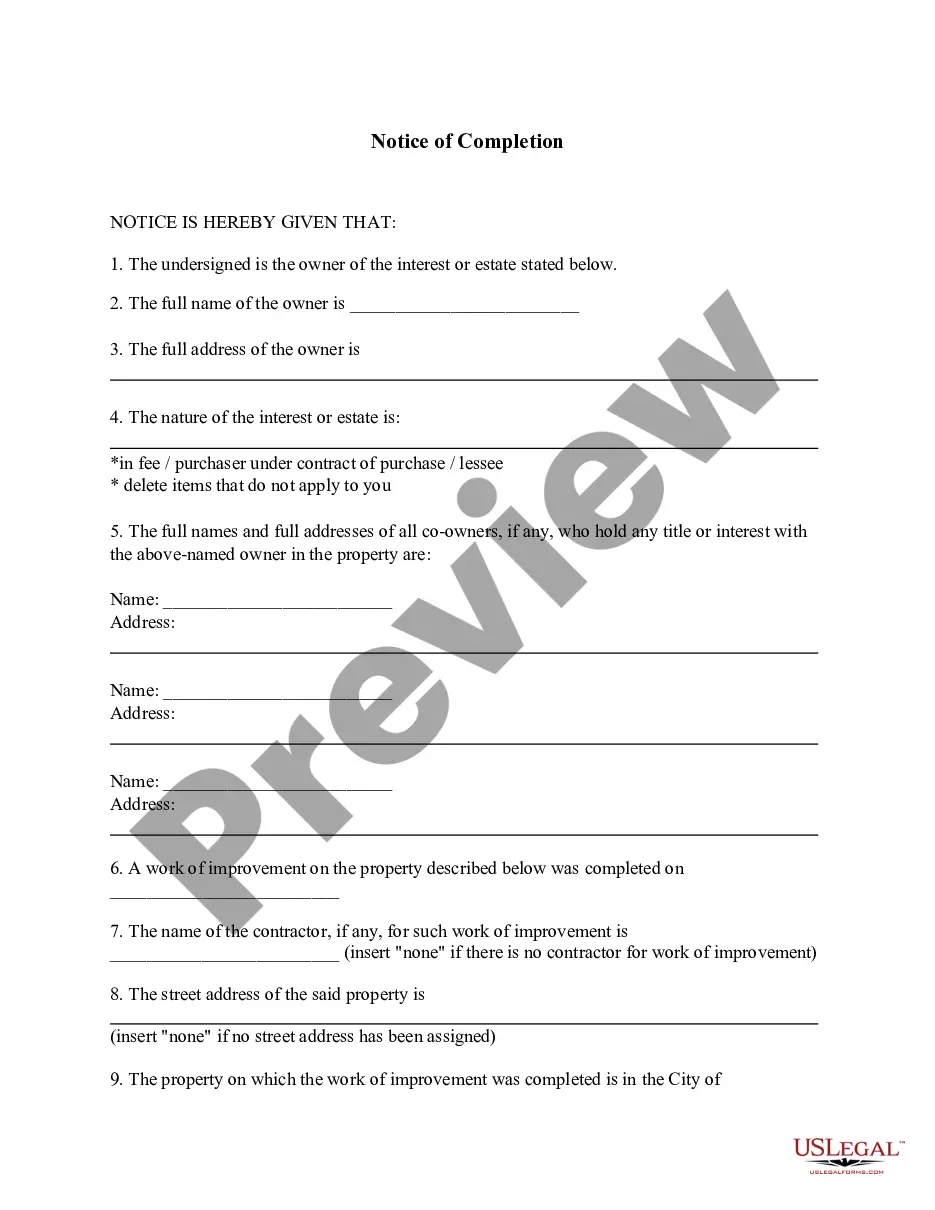
The Notice of Terms of Contract by Corporation is a legal form used by property owners in New York to respond to demands from subcontractors, laborers, or material suppliers requesting the terms of their contract with a contractor. This form ensures that the property owner complies with New York lien laws by providing contract details within a designated timeframe. Unlike other contract notification forms, this one specifically addresses the owner's obligation to disclose these terms to protect against potential claims or damages.
Key components of this form
- Identification of the responding corporation and representative.
- Description of the property where work is being or has been performed.
- Date the demand for contract terms was received.
- Details of the contract, including amounts due to the contractor.
- Signature section for the corporation's representative.
Common use cases
This form should be used when a property owner receives a written demand from a subcontractor, laborer, or material supplier seeking the terms of their contract with the general contractor. It is crucial to respond within thirty days to avoid liability for any damages resulting from a failure to disclose this information. Using this form protects the property owner's interests and ensures compliance with New York law.
Who can use this document
- Property owners in New York who have received a demand for contract terms.
- Representatives of corporations owning properties where improvements are taking place.
- Contractors or subcontractors needing documentation for legal purposes.
Steps to complete this form
- Identify the corporation's representative and include their name and title.
- Provide the name of the corporation and the property being improved.
- Enter the date you received the demand for contract terms.
- Detail the terms of the contract, including any amounts due to the contractor.
- Ensure the form is signed and dated appropriately by the representative.
Does this form need to be notarized?
This form does not typically require notarization unless specified by local law.
Get your form ready online
Our built-in tools help you complete, sign, share, and store your documents in one place.
Make edits, fill in missing information, and update formatting in US Legal Forms—just like you would in MS Word.
Download a copy, print it, send it by email, or mail it via USPS—whatever works best for your next step.
Sign and collect signatures with our SignNow integration. Send to multiple recipients, set reminders, and more. Go Premium to unlock E-Sign.
If this form requires notarization, complete it online through a secure video call—no need to meet a notary in person or wait for an appointment.
We protect your documents and personal data by following strict security and privacy standards.

Make edits, fill in missing information, and update formatting in US Legal Forms—just like you would in MS Word.

Download a copy, print it, send it by email, or mail it via USPS—whatever works best for your next step.

Sign and collect signatures with our SignNow integration. Send to multiple recipients, set reminders, and more. Go Premium to unlock E-Sign.

If this form requires notarization, complete it online through a secure video call—no need to meet a notary in person or wait for an appointment.

We protect your documents and personal data by following strict security and privacy standards.
Common mistakes
- Failing to respond within the thirty-day period.
- Omitting key details about the contract terms.
- Not including the appropriate signatures and titles in the response.
- Inaccurately identifying the property or parties involved.
Why complete this form online
- Easy and immediate access to the form, saving time.
- Customizable fields to ensure all necessary information is captured.
- Access to a reliable legal template drafted by professionals.
- Secure download options for your records and convenience in filing.
Legal use & context
- This form is essential for complying with New York's lien laws, which aim to protect the rights of laborers and suppliers.
- Failure to provide contract terms can lead to financial liability for property owners.
- Correct completion of this form ensures proper legal documentation and accountability.
What to keep in mind
- The Notice of Terms of Contract by Corporation serves a specific legal purpose in New York.
- Timely responses to demands can prevent potential liability.
- Accurate completion of the form is critical for legal compliance.
Looking for another form?
Form popularity
FAQ
All states recognize businesses formed as corporations, limited liability companies (LLCs) or partnerships, or variations of these forms. Forming an LLC. An LLC is formed by one or more business people, as owners. The owners, called "members," file Articles of Organization with a state.
Unlike most states, New York's LLC law requires LLC members to adopt a written operating agreement. The Operating Agreement may be entered into before, at the time of, or within 90 days after filing the Articles of Organization.
A limited liability company (LLC) is not required to have bylaws. Bylaws, which are only relevant to businesses structured as corporations, include rules and regulations that govern a corporation's internal management.Alternatively, LLCs create operating agreements to provide a framework for their businesses.
An operating agreement is a key document used by LLCs because it outlines the business' financial and functional decisions including rules, regulations and provisions. The purpose of the document is to govern the internal operations of the business in a way that suits the specific needs of the business owners.
An LLC Operating Agreement is Not Compulsory, but it is Highly Recommended. An LLC operating agreement is not necessarily compulsory, although this depends on the state where your business is based. You could get into a lot of unnecessary strife if situations change in your LLC.
A domestic LLC with at least two members is classified as a partnership for federal income tax purposes unless it files Form 8832 and elects to be treated as a corporation.
The main difference between an LLC and a corporation is that an llc is owned by one or more individuals, and a corporation is owned by its shareholders. No matter which entity you choose, both entities offer big benefits to your business. Incorporating a business allows you to establish credibility and professionalism.
Forming an LLC or a corporation will allow you to take advantage of limited personal liability for business obligations. LLCs are favored by small, owner-managed businesses that want flexibility without a lot of corporate formality. Corporations are a good choice for a business that plans to seek outside investment.
An operating agreement is mandatory as per laws in only 5 states: California, Delaware, Maine, Missouri, and New York. LLCs operating without an operating agreement are governed by the state's default rules contained in the relevant statute and developed through state court decisions.