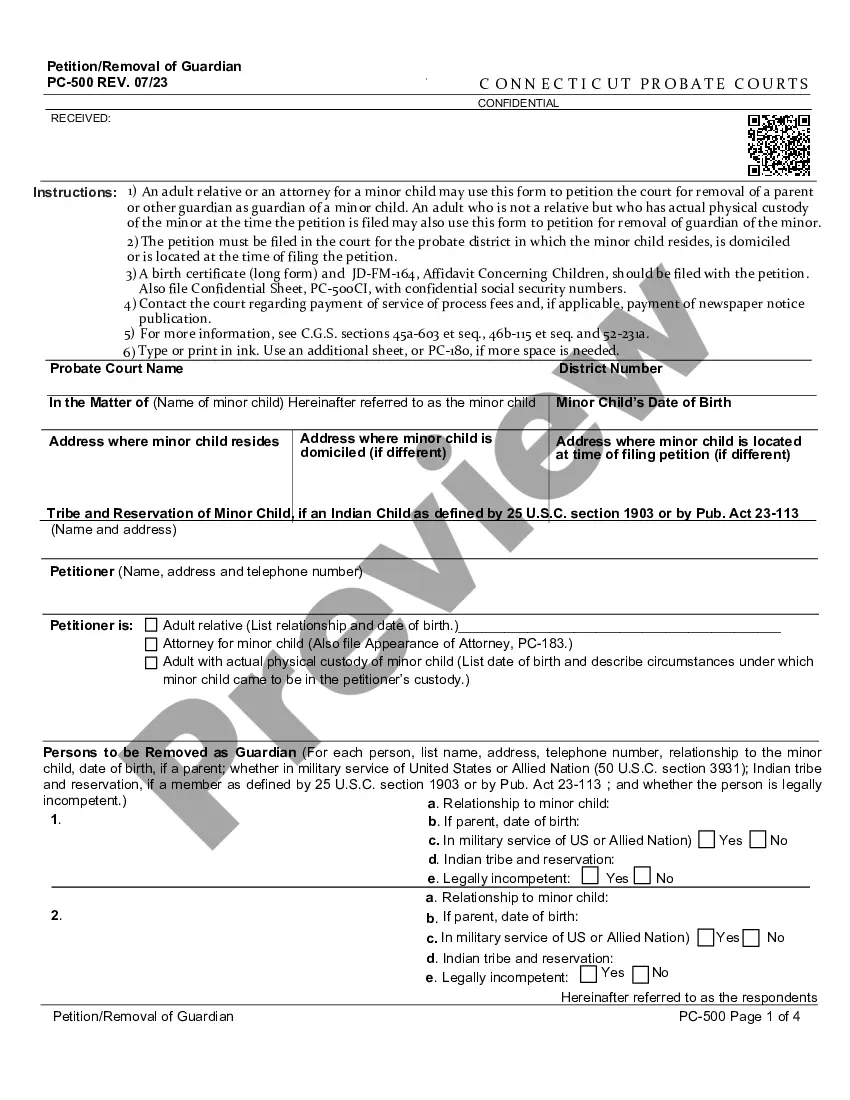
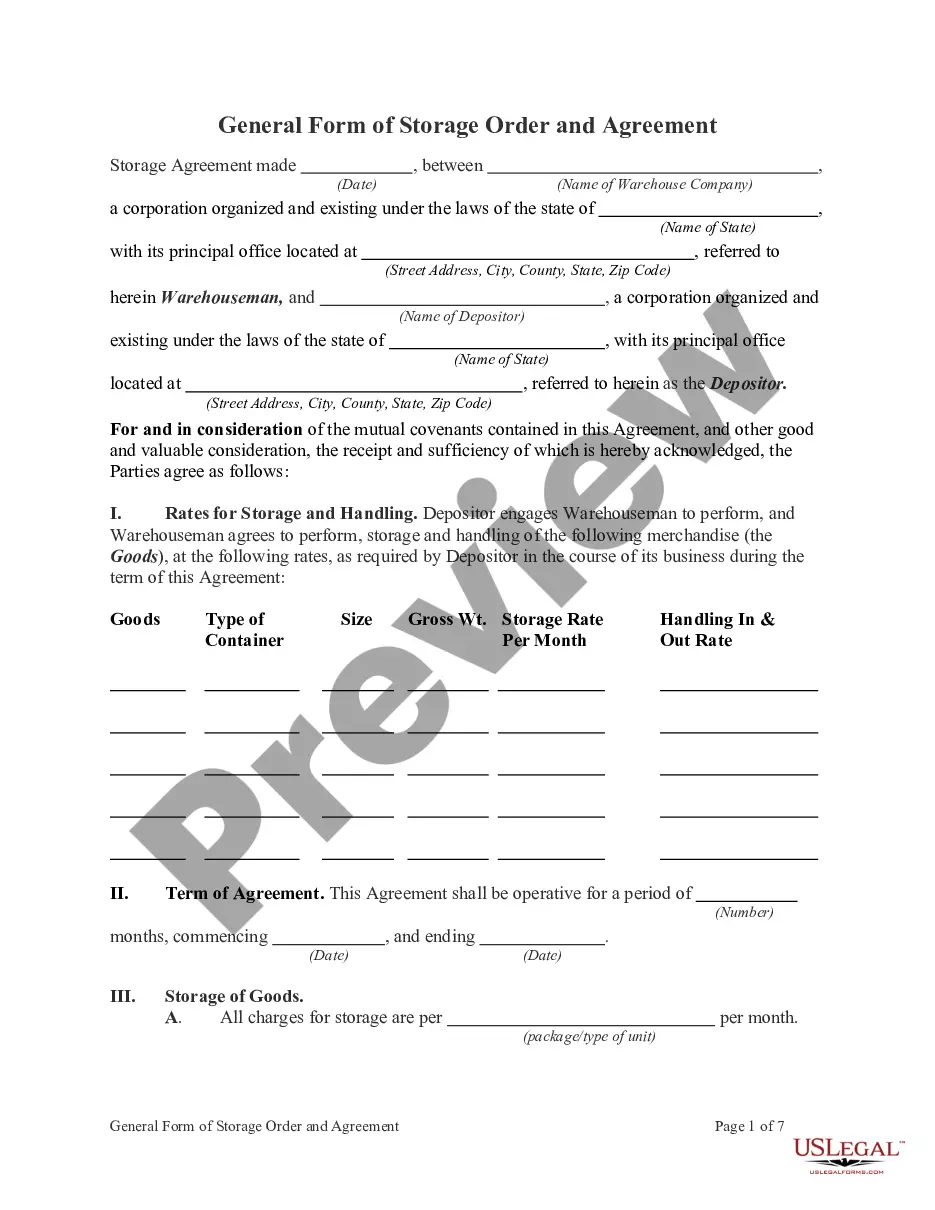
General Form of Storage Order and Agreement
What this document covers
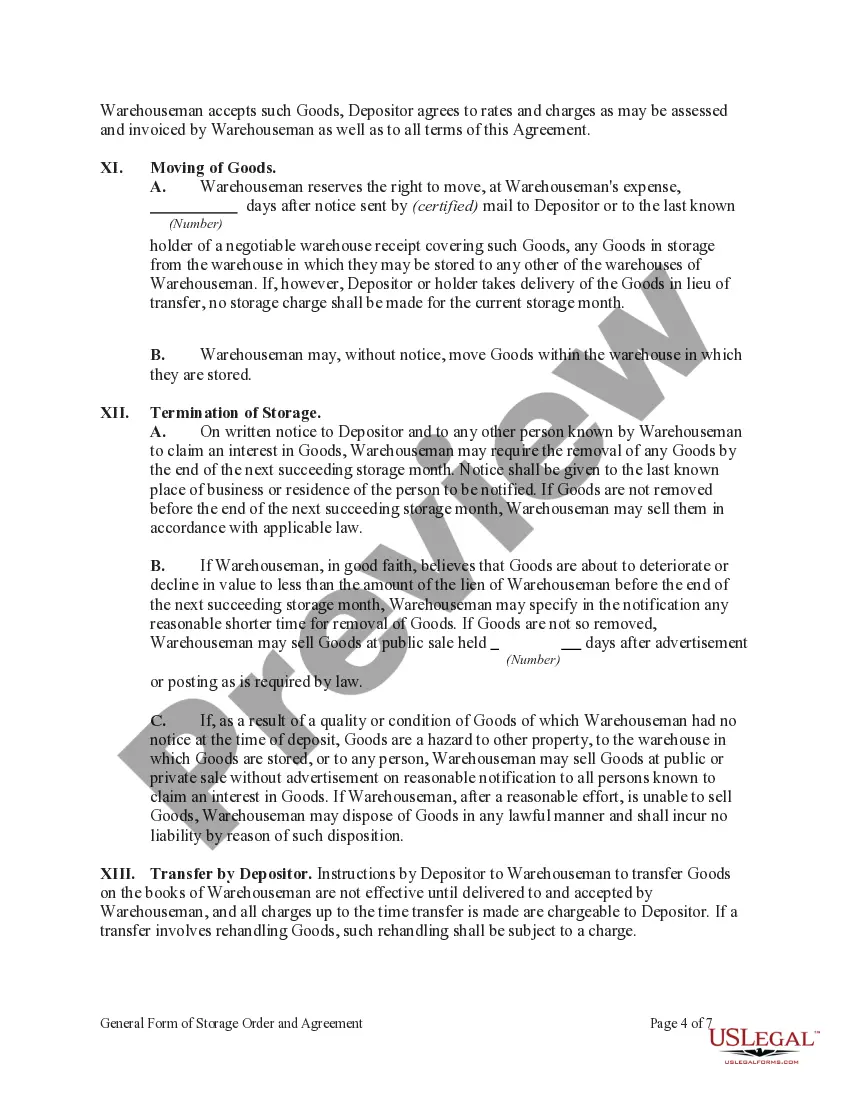
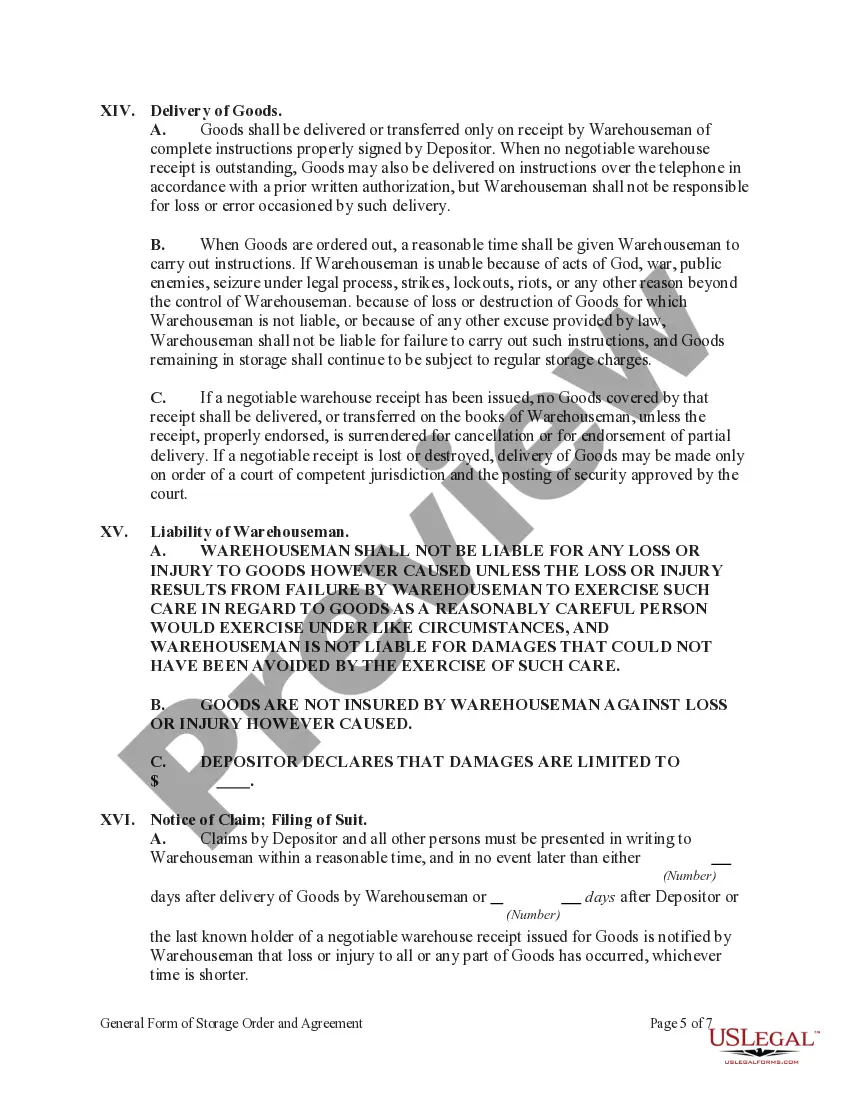
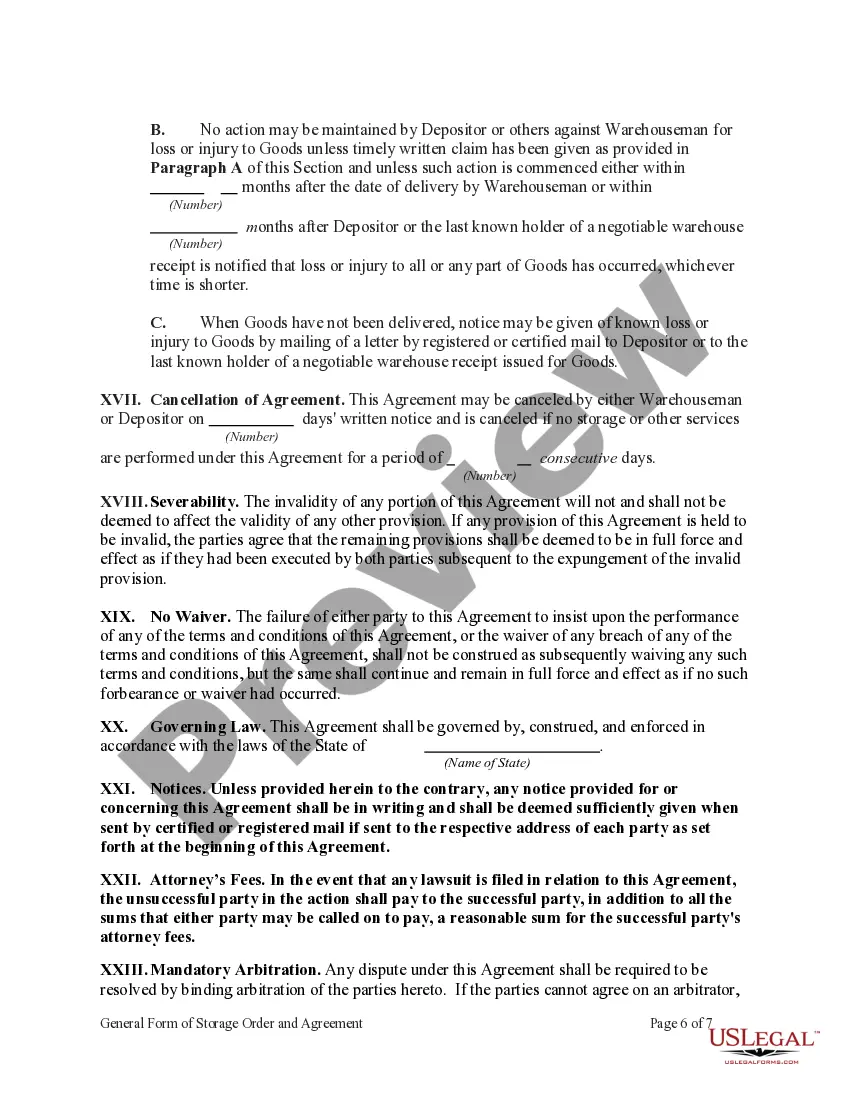
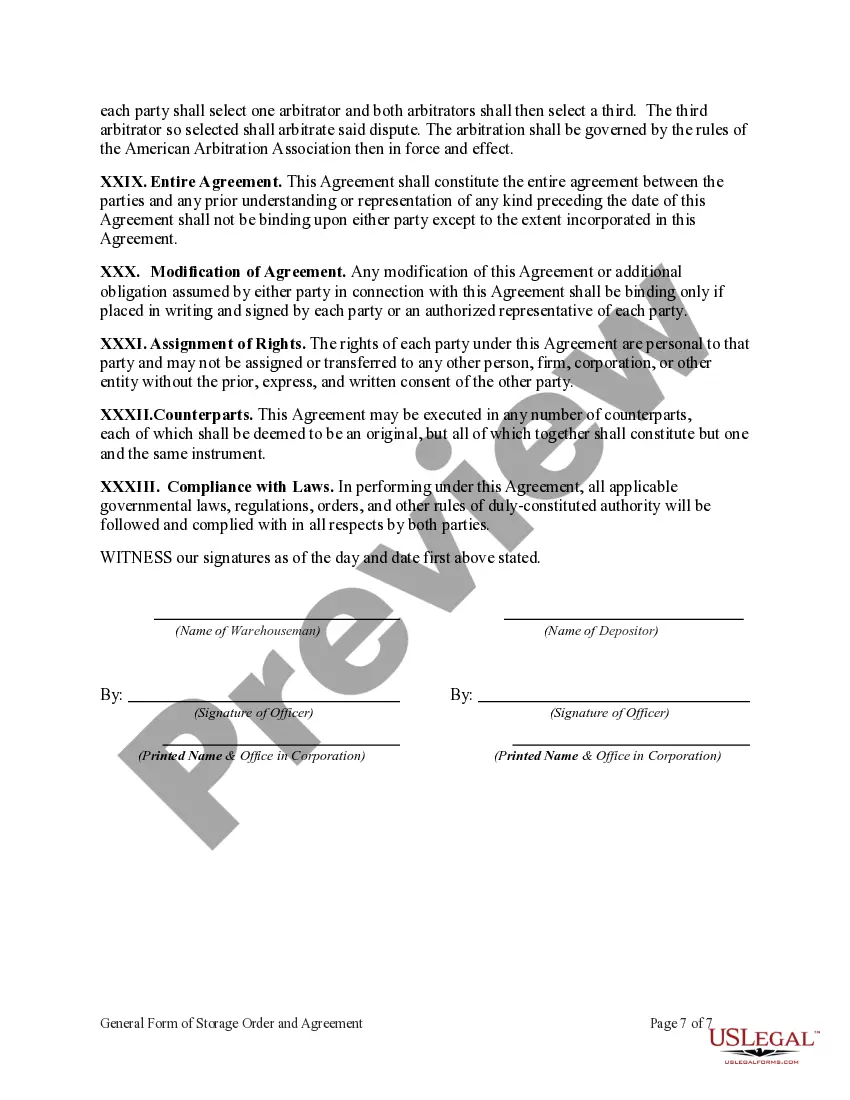
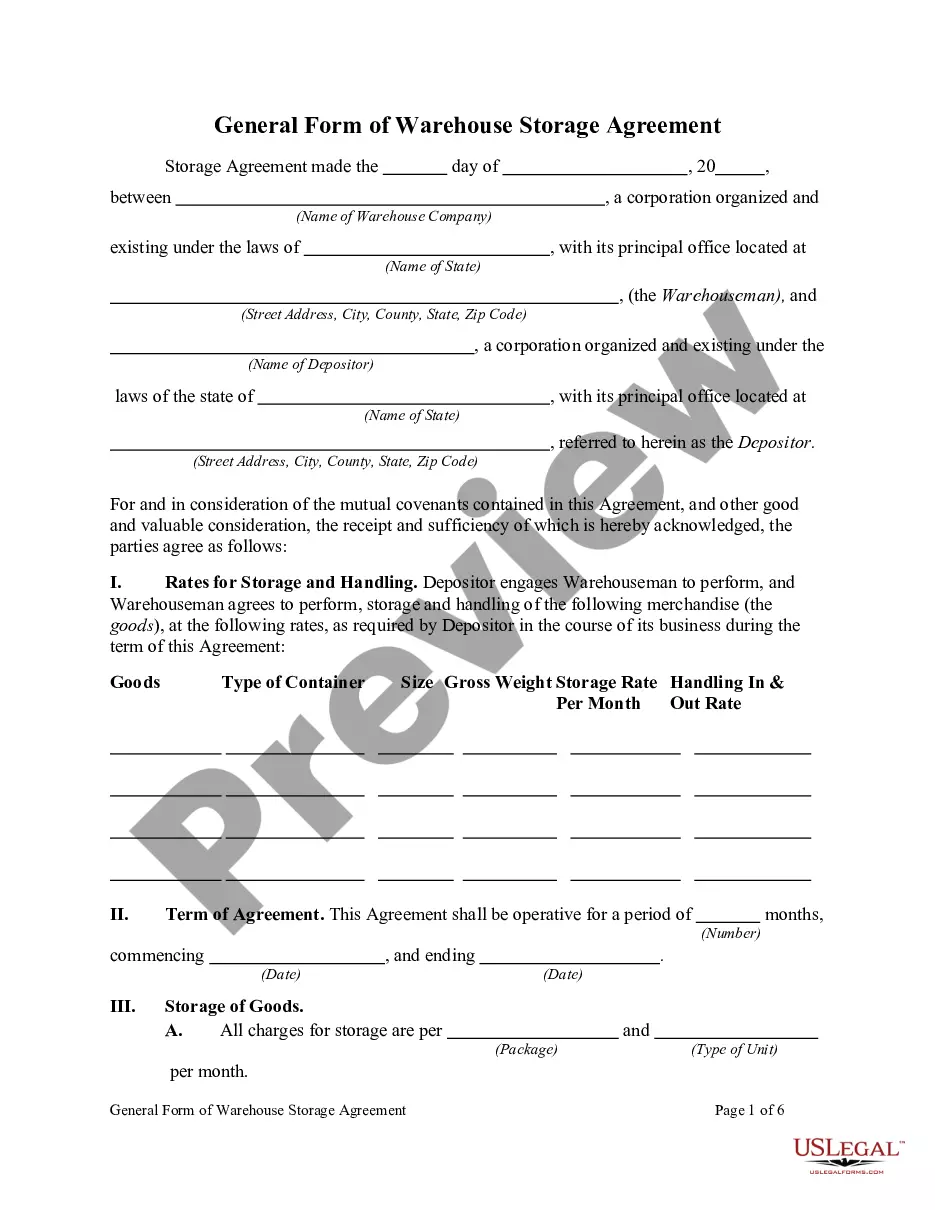
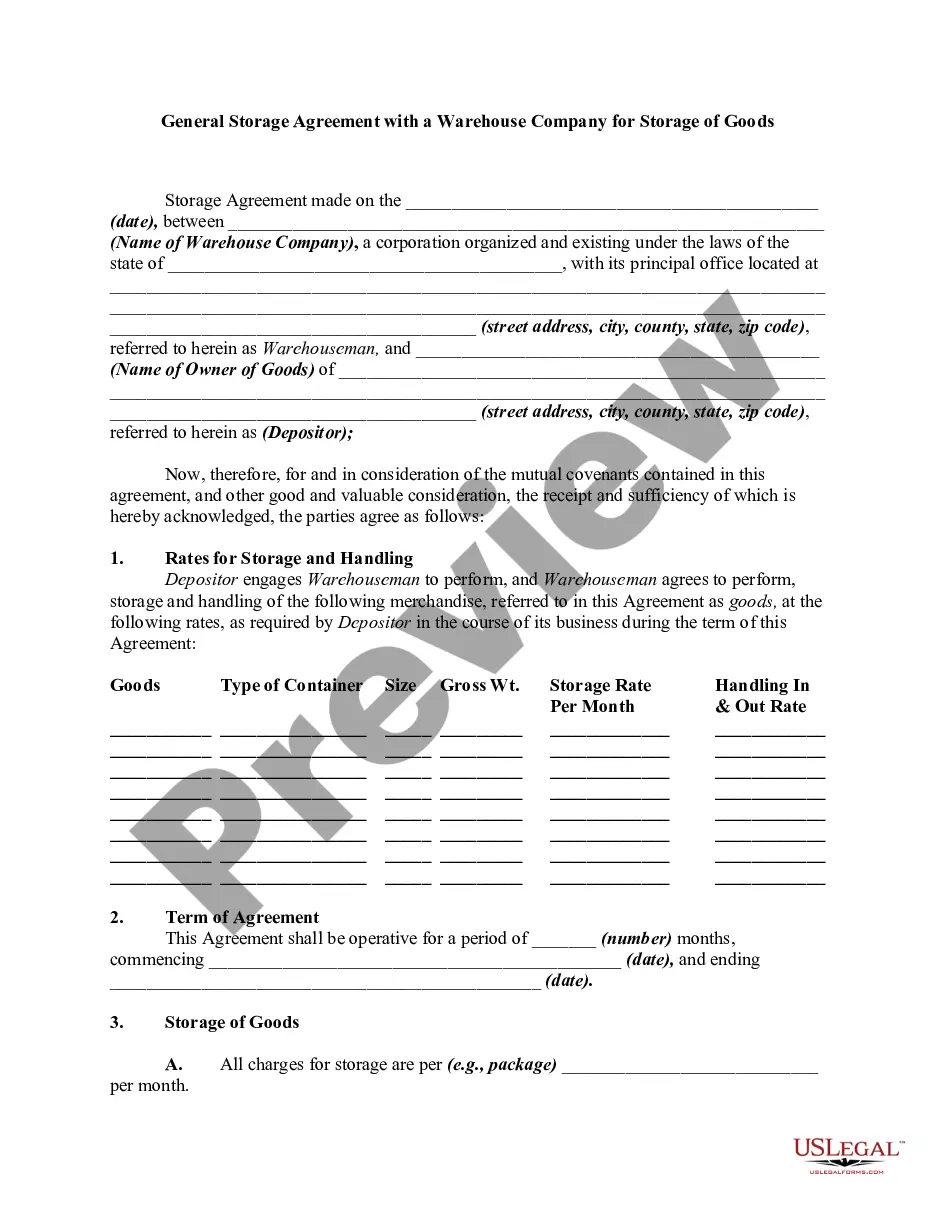
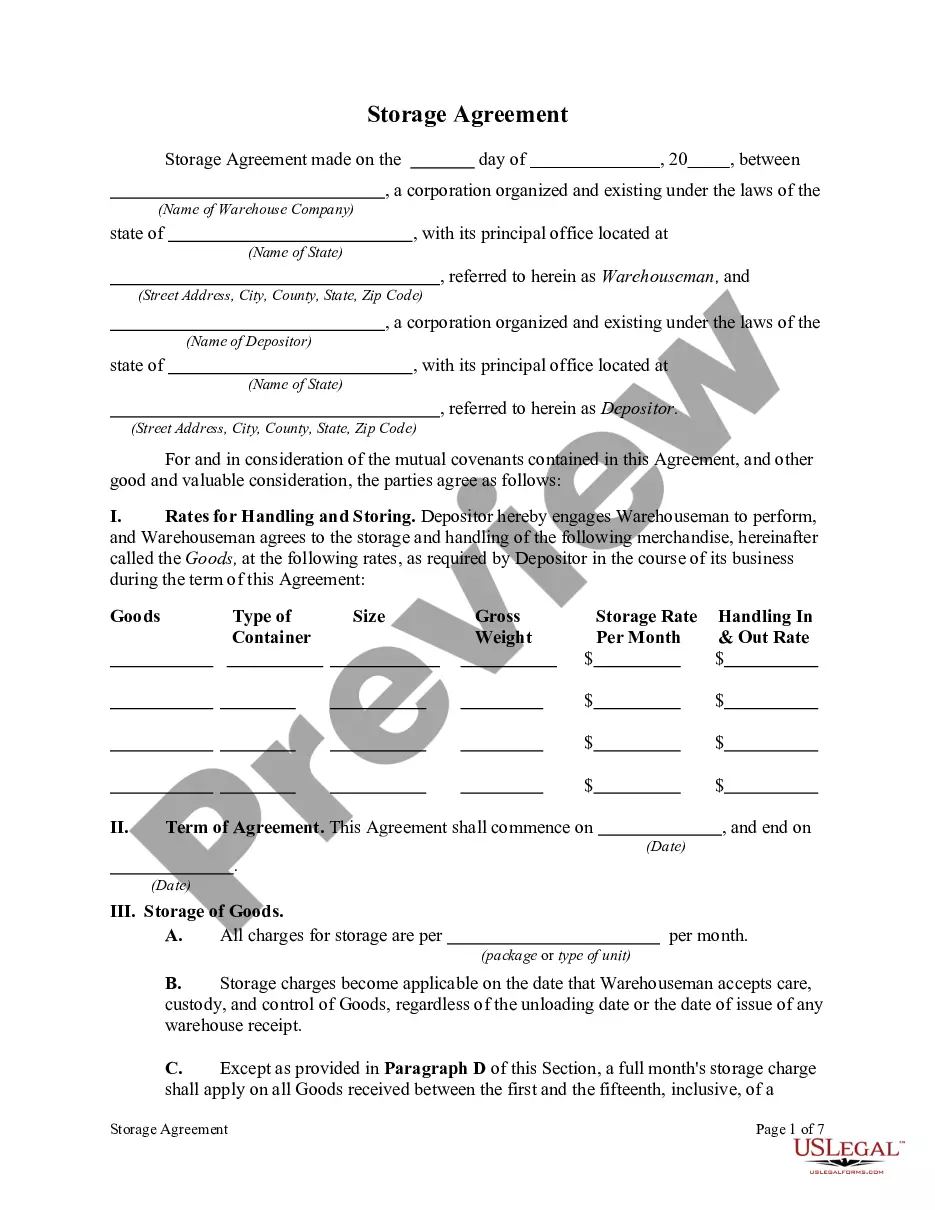
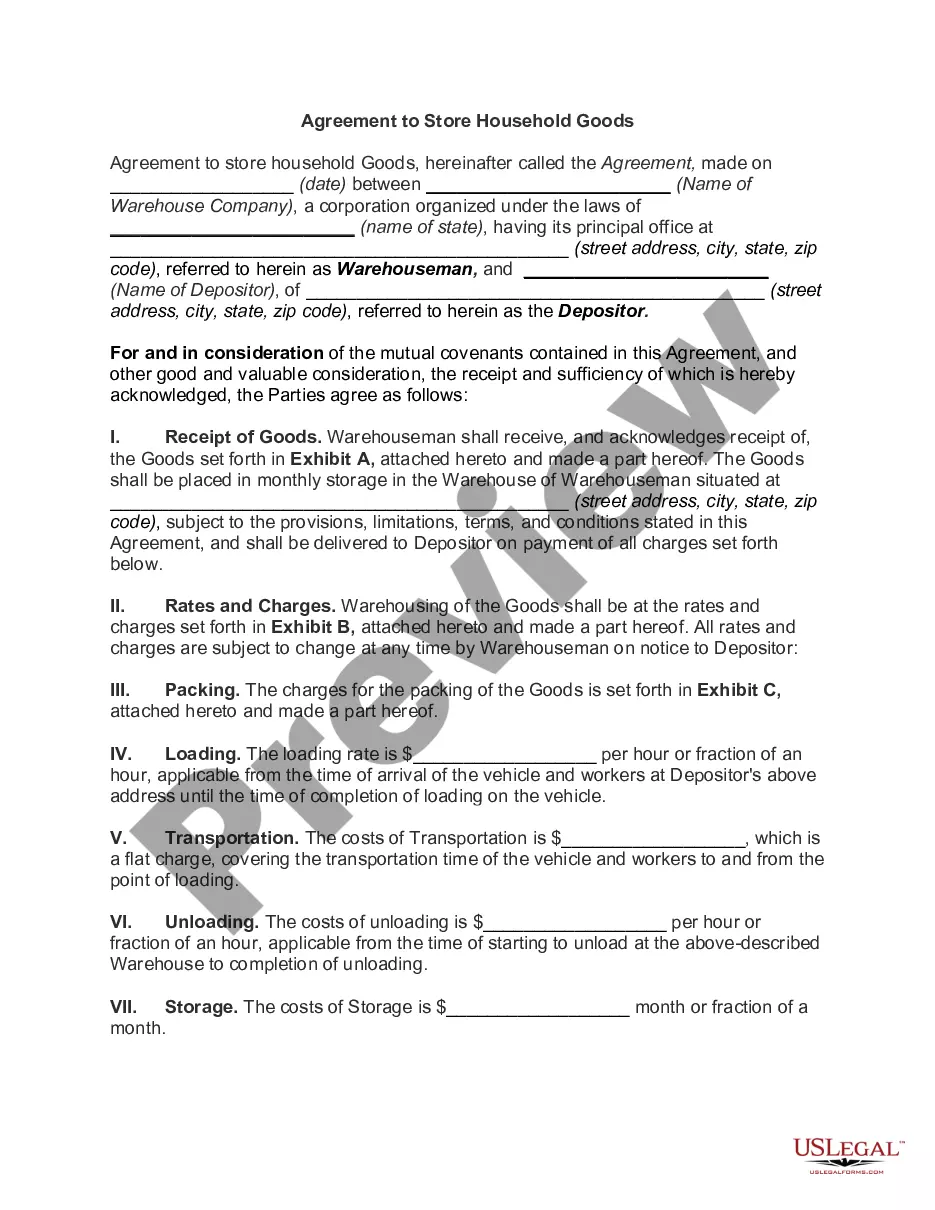
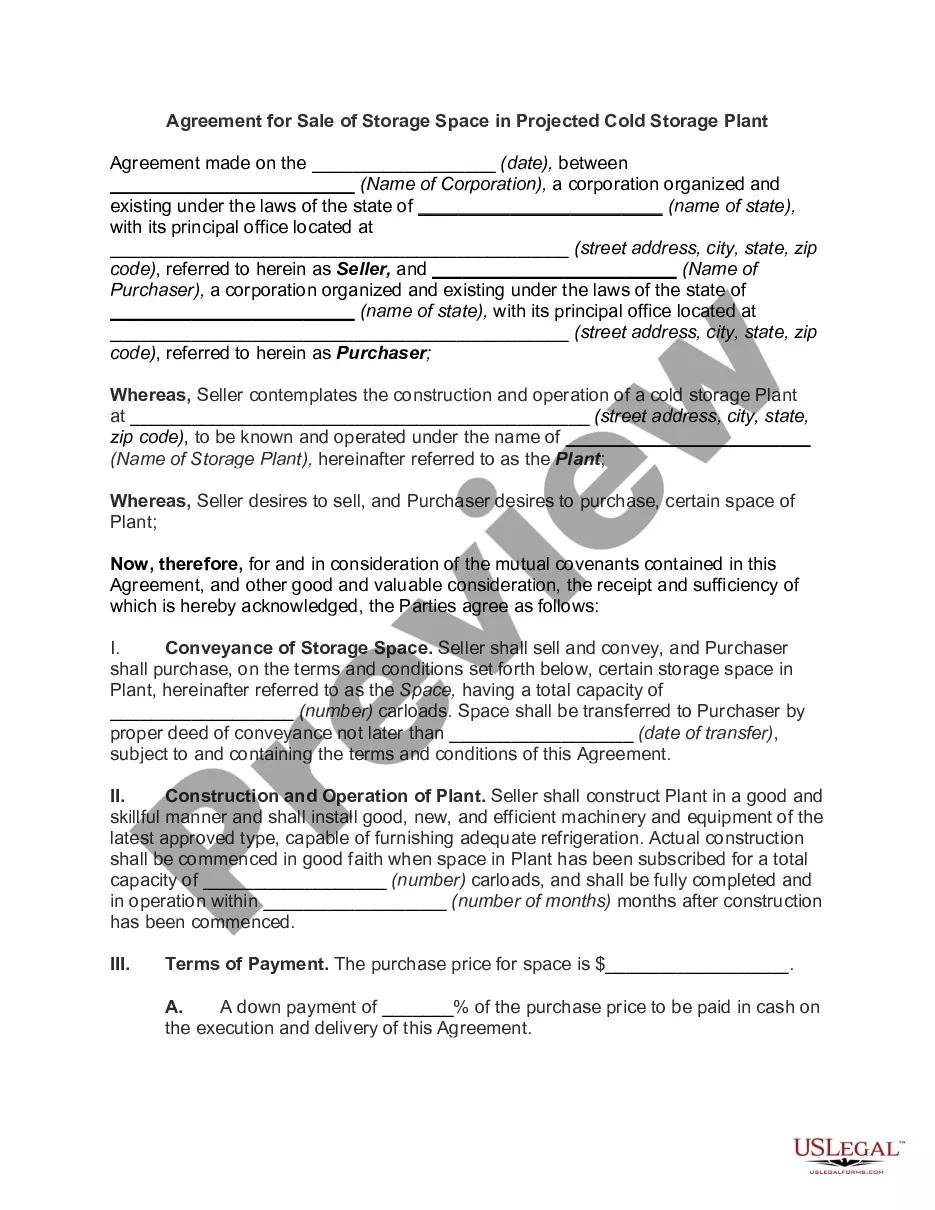
The General Form of Storage Order and Agreement is a legally binding contract between a depositor and a warehouseman. This form outlines the terms under which goods will be stored and managed by the warehouseman, including charges for storage, handling, and additional services. It differs from similar forms by providing comprehensive details on responsibilities, charges, and procedures for both parties involved in the storage agreement.
Key parts of this document
- Rates for storage and handling, including minimum charges based on the type of goods and services.
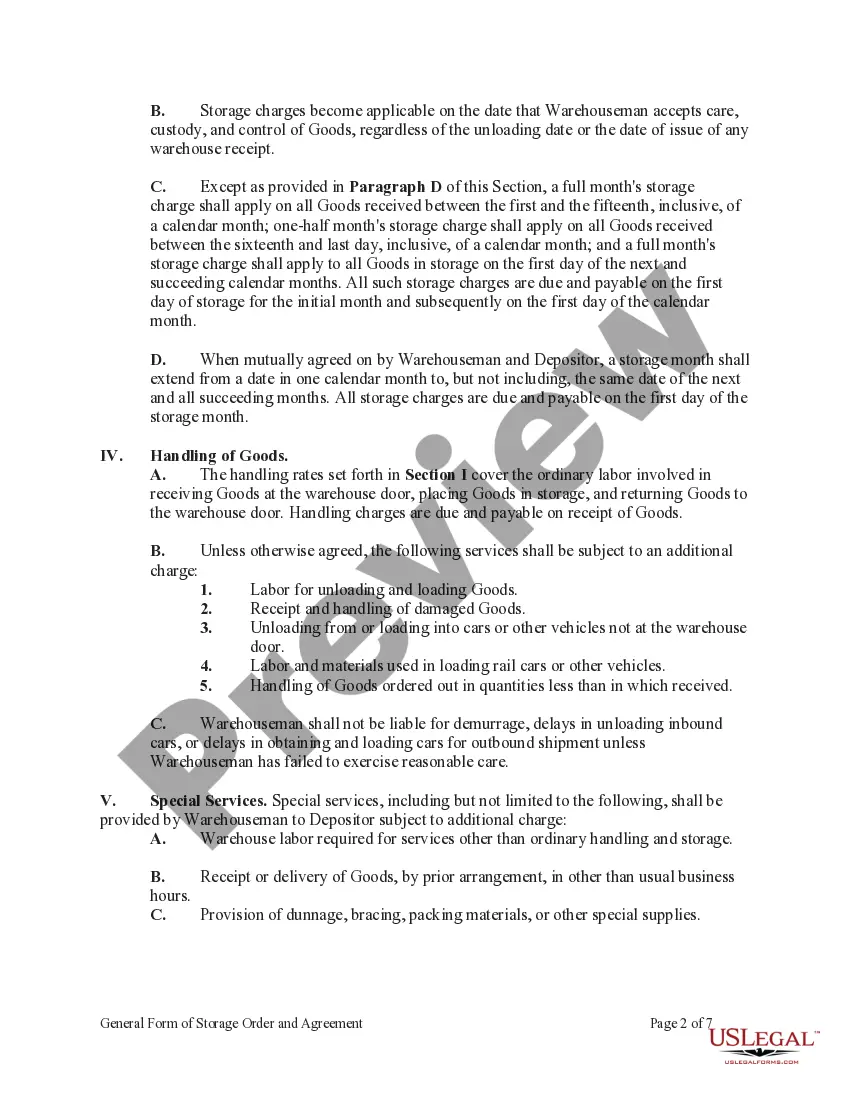
- Terms outlining the handling of goods, including special services and additional charges.
- Clauses for the refusal of goods if they do not conform to the agreement.
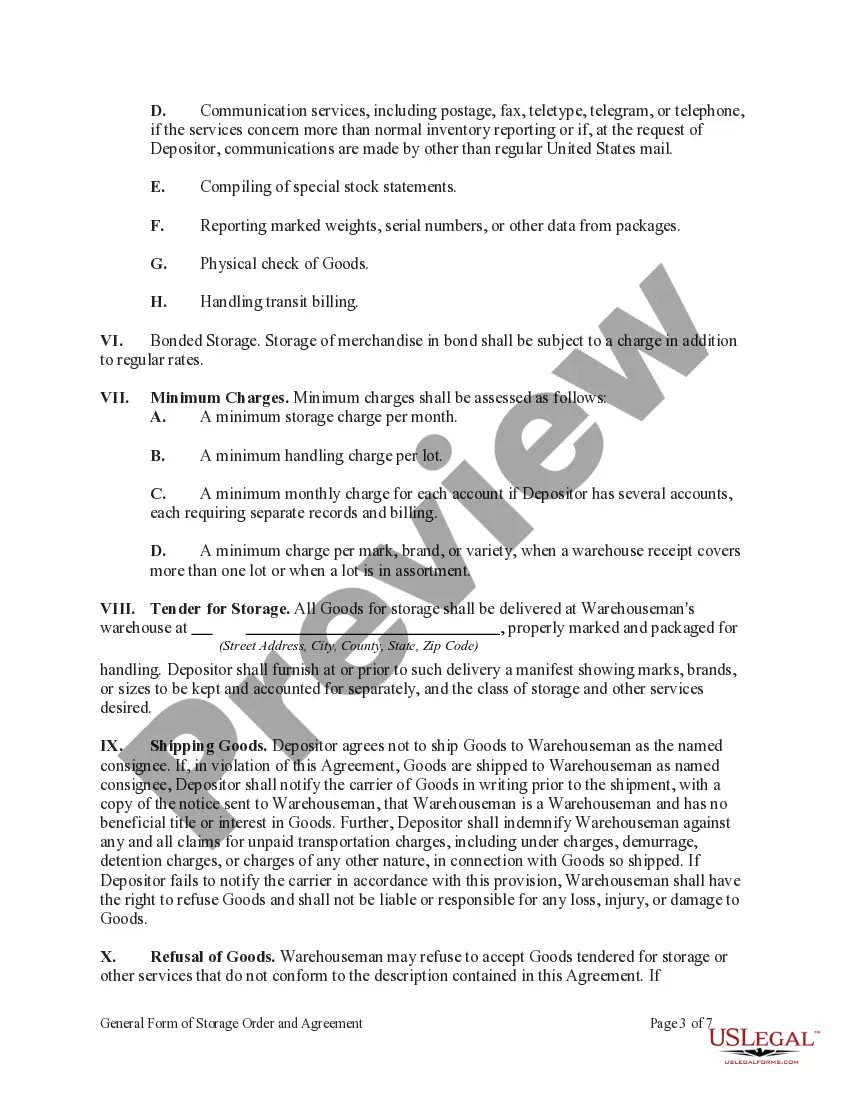
- Details regarding the liability of the warehouseman in case of loss or injury to goods.
- Termination of storage procedures and conditions for the removal or sale of stored goods.
When to use this document
This form should be used when entering into a storage agreement where a warehouseman will manage and store goods on behalf of a depositor. Common situations include businesses needing temporary storage, long-term warehouse agreements for inventory, and any instance requiring clear terms on the handling and liability of stored goods.
Who can use this document
- Businesses that require storage services for inventory or equipment.
- Individuals storing personal belongings in a warehouse facility.
- Any party looking to clarify the terms of goods storage and handling with a warehouseman.
How to complete this form
- Identify the depositor (individual or business) and the warehouseman (storage provider).
- Specify the goods to be stored, including descriptions and quantities as necessary.
- Enter the storage rates and any applicable minimum charges.
- Include terms related to handling, special services required, and additional charges.
- Both parties must sign the agreement to make it legally binding.
Does this form need to be notarized?
This form does not typically require notarization unless specified by local law. It is advisable to check with local regulations or a legal professional to confirm.
Get your form ready online
Our built-in tools help you complete, sign, share, and store your documents in one place.
Make edits, fill in missing information, and update formatting in US Legal Forms—just like you would in MS Word.
Download a copy, print it, send it by email, or mail it via USPS—whatever works best for your next step.
Sign and collect signatures with our SignNow integration. Send to multiple recipients, set reminders, and more. Go Premium to unlock E-Sign.
If this form requires notarization, complete it online through a secure video call—no need to meet a notary in person or wait for an appointment.
We protect your documents and personal data by following strict security and privacy standards.

Make edits, fill in missing information, and update formatting in US Legal Forms—just like you would in MS Word.

Download a copy, print it, send it by email, or mail it via USPS—whatever works best for your next step.

Sign and collect signatures with our SignNow integration. Send to multiple recipients, set reminders, and more. Go Premium to unlock E-Sign.

If this form requires notarization, complete it online through a secure video call—no need to meet a notary in person or wait for an appointment.

We protect your documents and personal data by following strict security and privacy standards.
Common mistakes
- Failing to specify all types of goods and their individual rates.
- Overlooking additional charges that may apply to handling or special services.
- Not reviewing the agreement for compliance with local laws prior to signing.
Why complete this form online
- Convenience of downloading a ready-to-use legal document.
- Editability to customize terms specific to your needs before printing.
- Access to legally sound forms drafted by licensed attorneys, ensuring compliance with relevant laws.
Legal use & context
- This agreement serves as a legally binding contract once signed by both parties.
- It clarifies the relationship between the depositor and warehouseman, establishing clear responsibilities.
- Failure to comply with the terms may lead to legal disputes and potential liability issues.
Summary of main points
- The General Form of Storage Order and Agreement is key for formal storage arrangements.
- Clearly outline rates, terms, and responsibilities to avoid disputes.
- Ensure compliance with local laws for enforceability.
- Utilize this form to protect both parties involved in the storage of goods.
Looking for another form?
Form popularity
FAQ
If you don't prohibit a tenant from using that garage for storage in the lease or tenant rules, and you include the garage as their area in their lease, they can do as they like with it. You didn't tell them otherwise. They can use it for storage of tons of boxes.
A storage agreement is a contract that is set up by two parties. One party is the storer of the goods, known as the Warehouseman.This contract covers the items being stored and the rates or cost for storage, as well as information about what happens in case of damages.
Accessing Your Things Once you're moved in, you can access your stuff anytime during gate access hours, which vary by location. Make sure to allow yourself enough time to finish during gate hours so you're able to exit.
Pay the balance owed. Perhaps the most obvious way to get out of a lease is to just pay out what's owed. Clear it out and then wait. Try to transfer the lease contract. Submit a request for lease release.
Self Storage operators do not typically run credit checks on their customers before renting a space and require minimum identification.If a customer does not pay their rent, the facility operator can recover the spaced in 60 to 90 days from default.
It doesn't matter if you're renting a storage unit for a short or longer period of time. You will have to sign a contract with the company you're renting from. And since it's not that uncommon that people don't understand the papyrology, signing this contract can be stressful.