New Mexico Warranty Deed from Husband and Wife to an Individual
Understanding this form
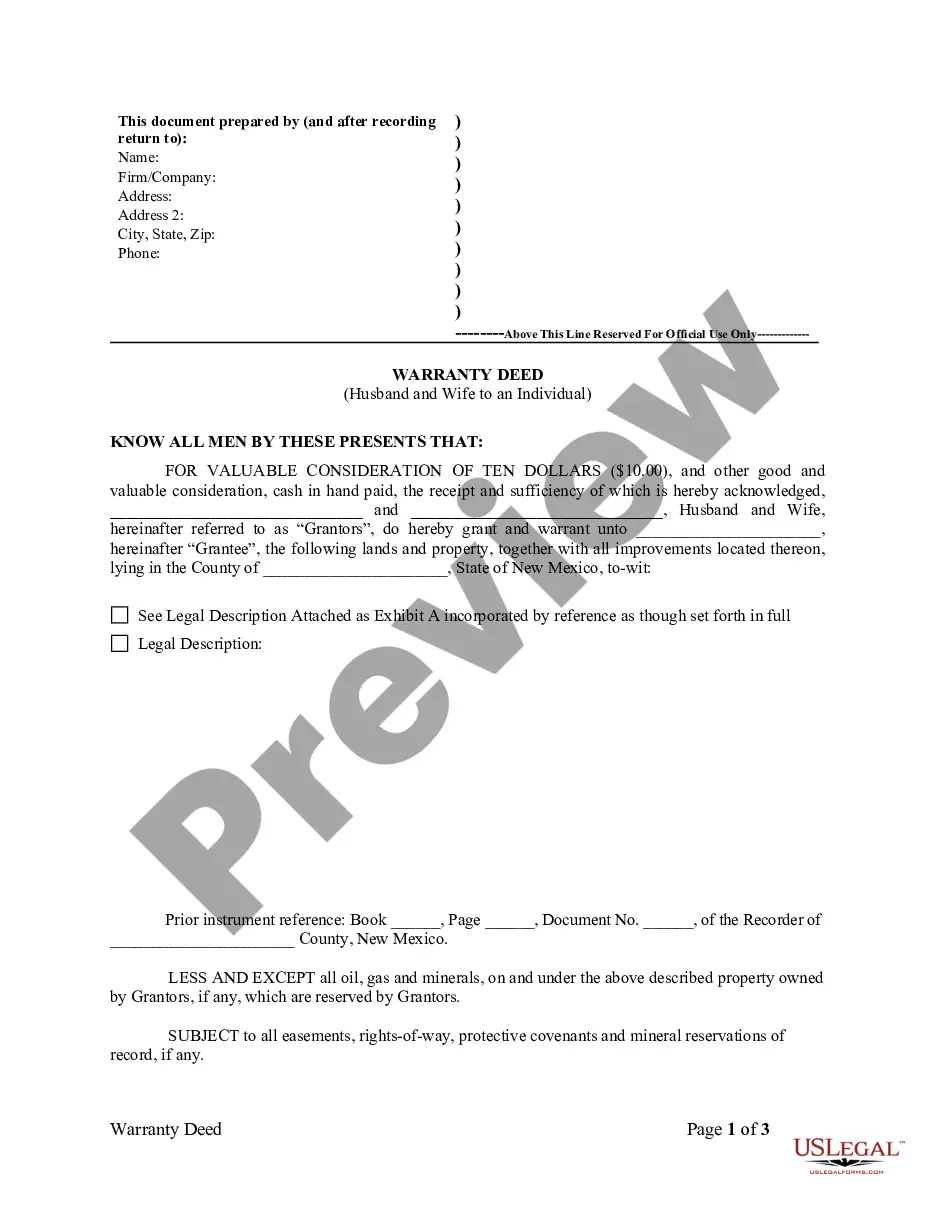
A Warranty Deed from Husband and Wife to an Individual is a legal document that transfers property ownership from a married couple (the grantors) to a single person (the grantee). This form ensures that the grantors promise to convey a clear title to the property, except for specific reserved rights related to minerals and natural resources. Unlike other types of deeds, this warranty deed provides a stronger guarantee of title, protecting the grantee from past claims against the property.
Key parts of this document
- Identification of grantors (husband and wife) and grantee (individual).
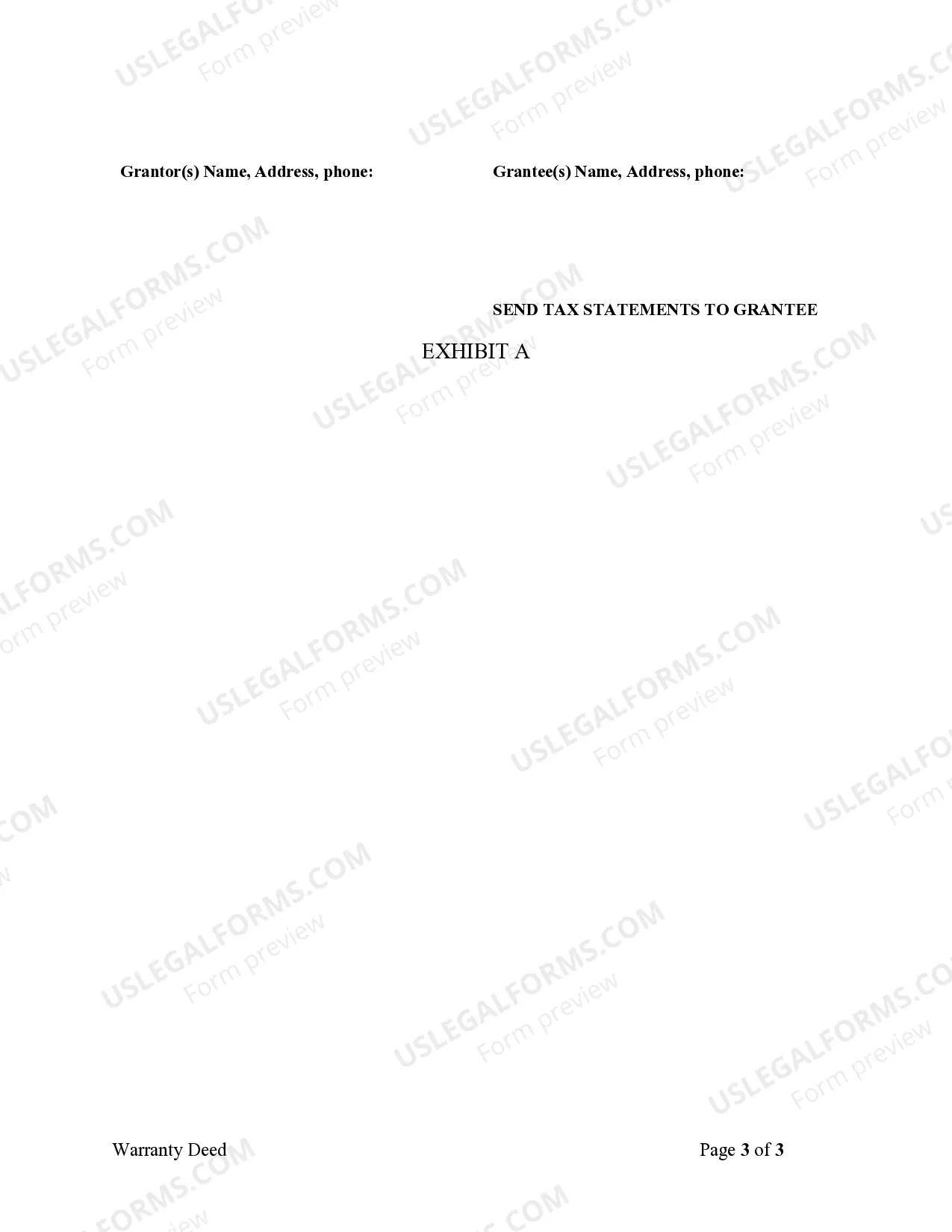
- Legal description of the property being transferred.
- Reservation of rights concerning oil, gas, and minerals beneath the property.
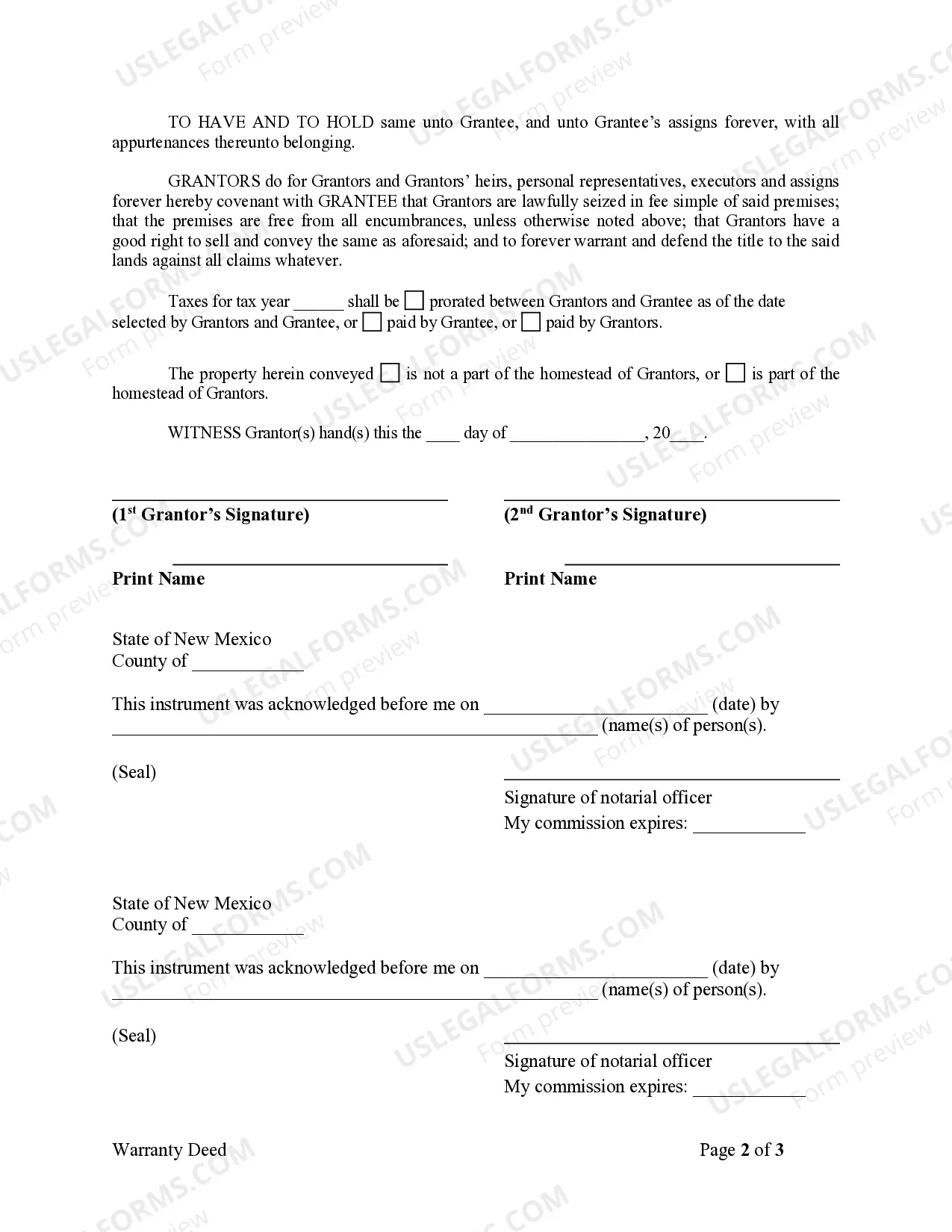
- Covenant from grantors ensuring the property is free from encumbrances.
- Provisions for handling property taxes for the year of transfer.
- Space for signatures of both grantors and the date of execution.






Common use cases
This form is typically used when a married couple wishes to transfer property ownership to a single individual. Common scenarios for using a warranty deed include selling a home, gifting property, or dividing assets during a legal separation. The form provides legal assurance about the property title, making it vital in any transaction where ownership is being transferred.
Who this form is for
- Married couples looking to transfer property to an individual.
- Individuals receiving property as a gift or through a sale.
- Real estate professionals who need a legally binding deed for property transactions.
- Estate planners handling asset distributions in family situations.
How to complete this form
- Identify the grantors as husband and wife and provide their names.
- Specify the full name of the grantee (the individual receiving the property).
- Enter the legal description of the property being transferred.
- Complete the reservation clause regarding oil, gas, and minerals if applicable.
- Both grantors need to sign and date the document.
Notarization guidance
To make this form legally binding, it must be notarized. Our online notarization service, powered by Notarize, lets you verify and sign documents remotely through an encrypted video session.
Get your form ready online
Our built-in tools help you complete, sign, share, and store your documents in one place.
Make edits, fill in missing information, and update formatting in US Legal Forms—just like you would in MS Word.
Download a copy, print it, send it by email, or mail it via USPS—whatever works best for your next step.
Sign and collect signatures with our SignNow integration. Send to multiple recipients, set reminders, and more. Go Premium to unlock E-Sign.
If this form requires notarization, complete it online through a secure video call—no need to meet a notary in person or wait for an appointment.
We protect your documents and personal data by following strict security and privacy standards.

Make edits, fill in missing information, and update formatting in US Legal Forms—just like you would in MS Word.

Download a copy, print it, send it by email, or mail it via USPS—whatever works best for your next step.

Sign and collect signatures with our SignNow integration. Send to multiple recipients, set reminders, and more. Go Premium to unlock E-Sign.

If this form requires notarization, complete it online through a secure video call—no need to meet a notary in person or wait for an appointment.

We protect your documents and personal data by following strict security and privacy standards.
Avoid these common issues
- Failing to accurately describe the property being transferred.
- Not including the reservation of rights for minerals, if applicable.
- Skipping the signatures of both grantors.
- Incorrectly determining tax responsibilities for the year of transfer.
Advantages of online completion
- Convenience of downloading the form instantly.
- Editability allows you to customize the form to fit specific transaction needs.
- Access to forms that are drafted by licensed attorneys, ensuring legal compliance.
- Reliable resource for legal forms without the need for extensive legal consultations.
What to keep in mind
- A Warranty Deed transfers property from a married couple to an individual.
- It guarantees clear title and reserves specific rights regarding natural resources.
- Important for both tax and signature requirements to be accurately completed.
- This form is compliant with New Mexico state laws.
Looking for another form?
Form popularity
FAQ
Step 1 Write in the name of the grantor or seller. Step 2 Fill in the name and address of the grantee or buyer. Step 3 Specify the property information including county, lot, block and recording information. Step 4 Sign and date in the presence of a notary public.
The New Mexico special warranty deed is a legal document used to convey real estate.A special warranty includes a guarantee from the grantor that there are no hidden interests or encumbrances on the property that arose while he or she owned the property.
To sign over property ownership to another person, you'll use one of two deeds: a quitclaim deed or a warranty deed.
A warranty deed guarantees that: The grantor is the rightful owner of the property and has the legal right to transfer the title.The title would withstand third-party claims to ownership of the property. The grantor will do anything to ensure the grantee's title to the property.
Fill out the "grantor" section of the warranty deed. The grantors are the givers, or current owners, of the property. Use the legal name of each grantor and insert current addresses after each grantor's name.
Contrary to normal expectations, the Deed DOES NOT have to be recorded to be effective or to show delivery, and because of that, the Deed DOES NOT have to be signed in front of a Notary Public. However, if you plan to record it, then it does have to be notarized as that is a County Recorder requirement.
One of the simplest ways to add your wife to the home title is by using an interspousal deed. You can transfer the property from your sole and separate property to mutual tenancy, such as joint tenants with right of survivorship, with your wife.
No law forbids adding someone to your mortgaged home's deed or in signing your home over to others through one. Mortgage lenders understand deeds, though, and use loan due-on-sale clauses to prevent unauthorized property sales or transfers.
Retrieve your original deed. Get the appropriate deed form. Draft the deed. Sign the deed before a notary. Record the deed with the county recorder. Obtain the new original deed.