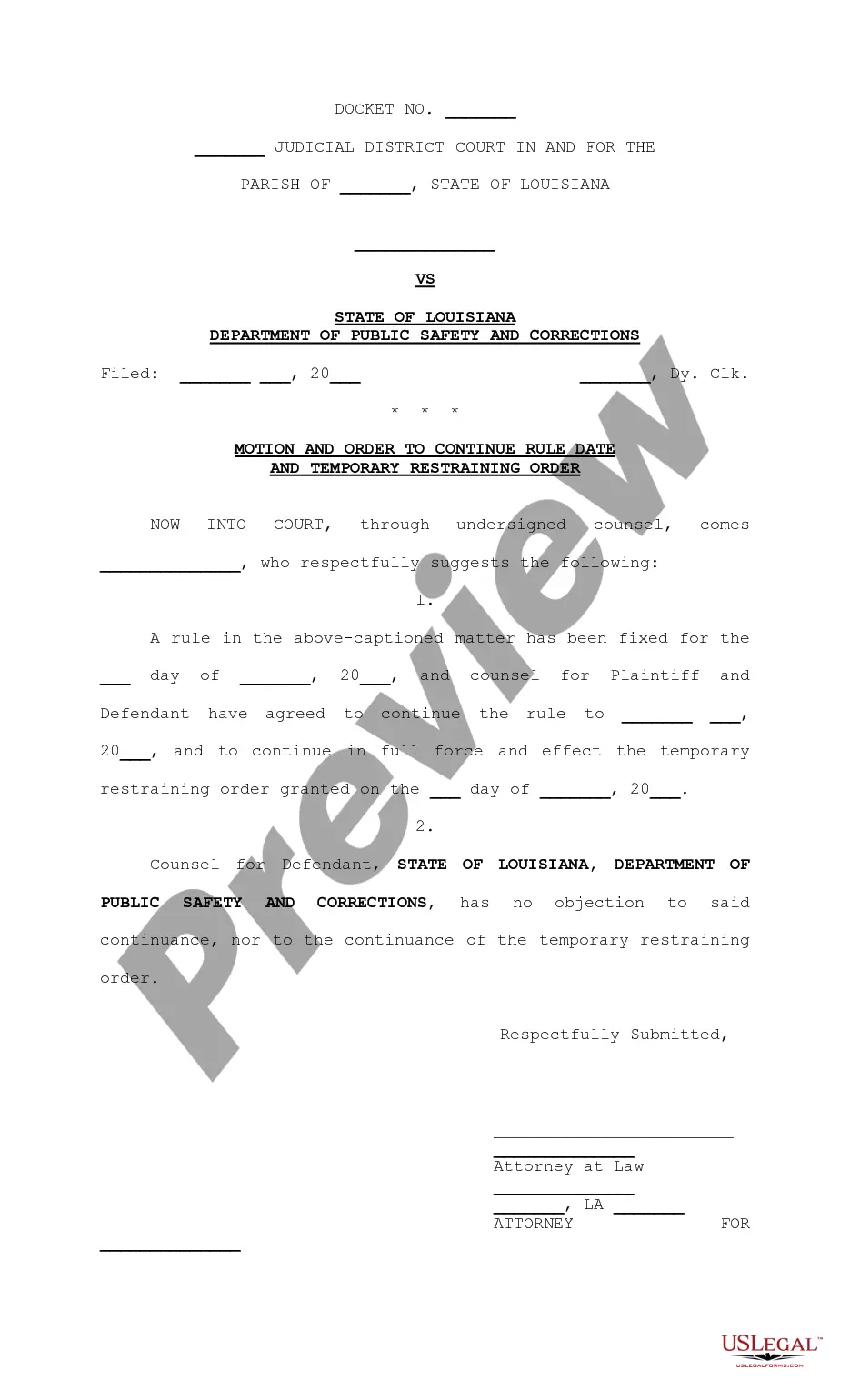
North Carolina Notice of Default in Payment of Rent as Warning Prior to Demand to Pay or Terminate for Nonresidential or Commercial Property
What this document covers
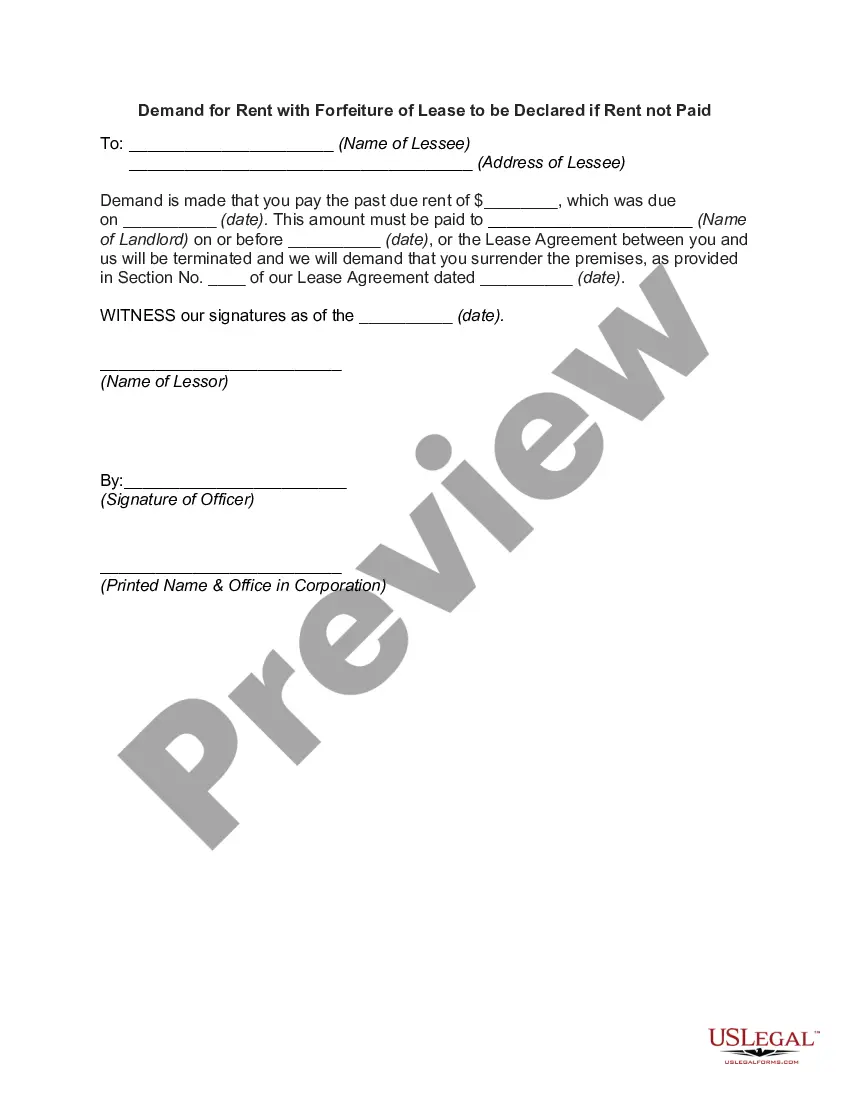
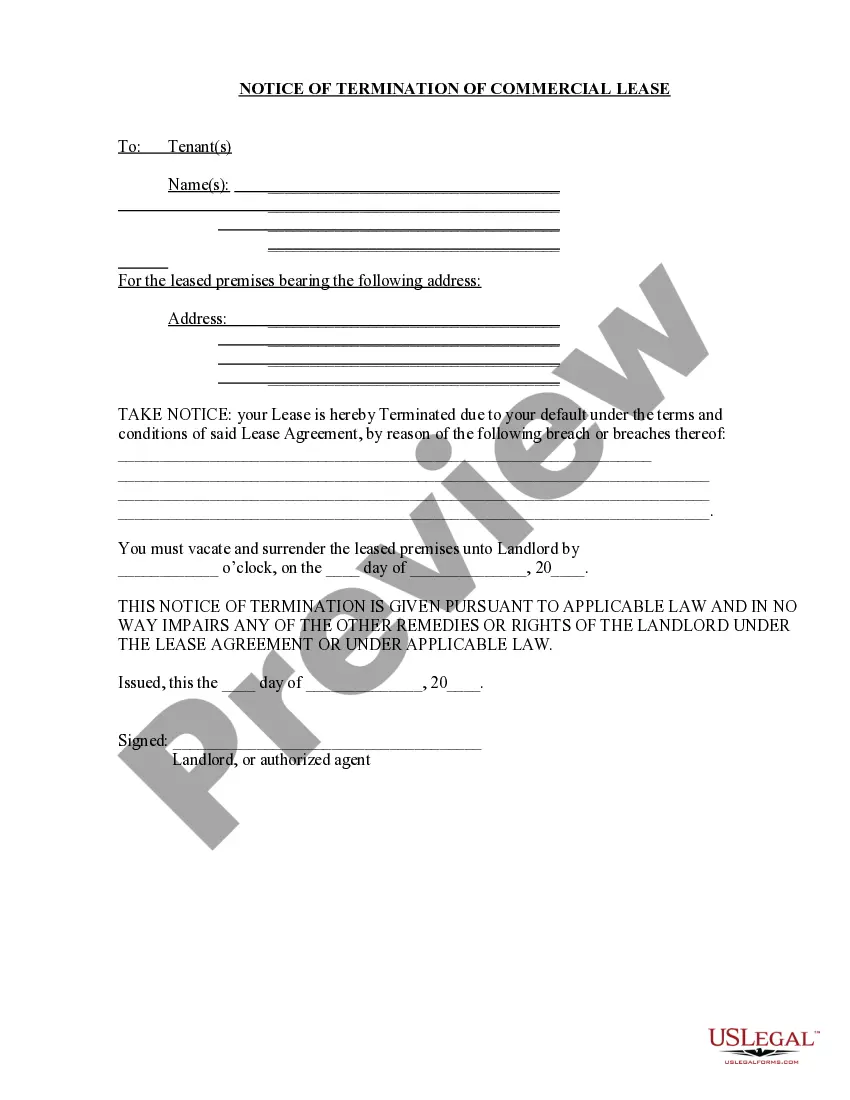
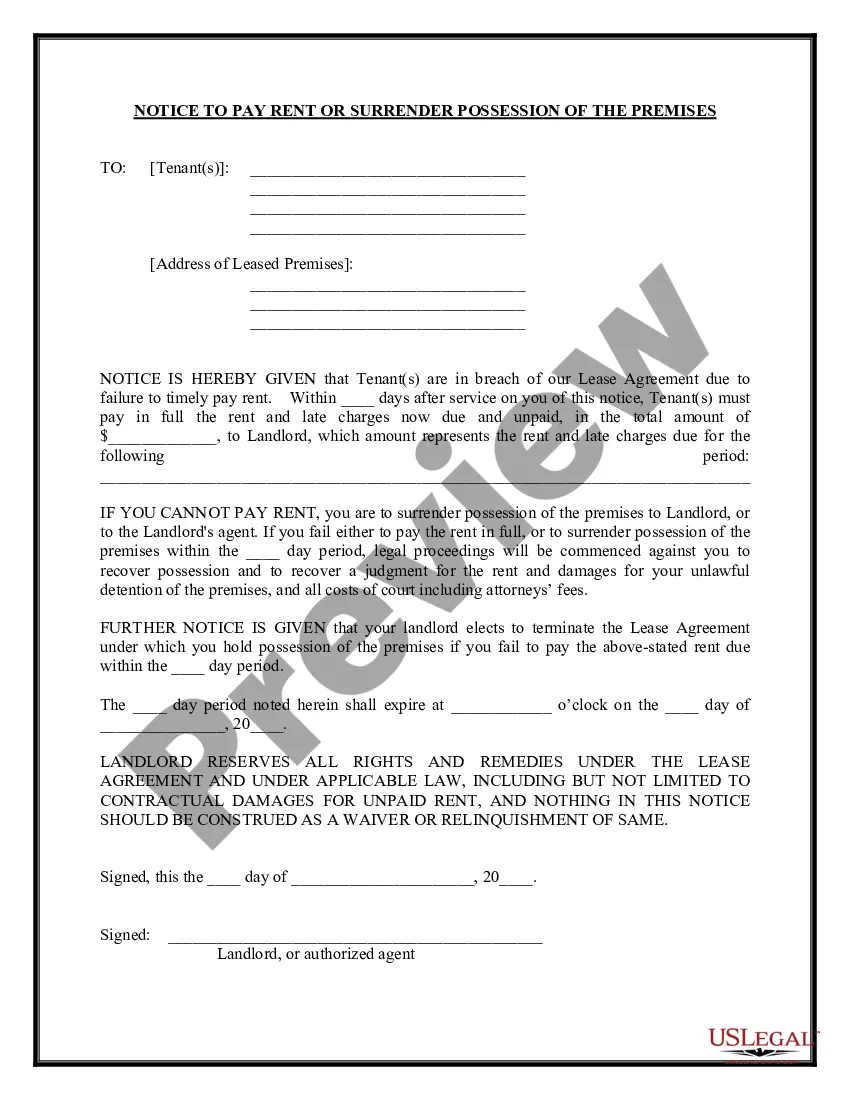
This Notice of Default in Payment of Rent as Warning Prior to Demand to Pay or Terminate for Nonresidential or Commercial Property form is a legal document used by landlords to officially notify tenants about their failure to pay rent. This notice serves as a warning before a more formal demand to pay or termination notice is issued. Unlike other notices that may require immediate action, this form gives tenants the opportunity to address overdue payments before further legal steps are taken.
Key components of this form
- Date of the notice and identification of the tenant and landlord.
- The specific month for which rent has not been paid.
- The due date for rent payments as stipulated in the lease agreement.
- A statement regarding the consequences of failing to make timely payments.
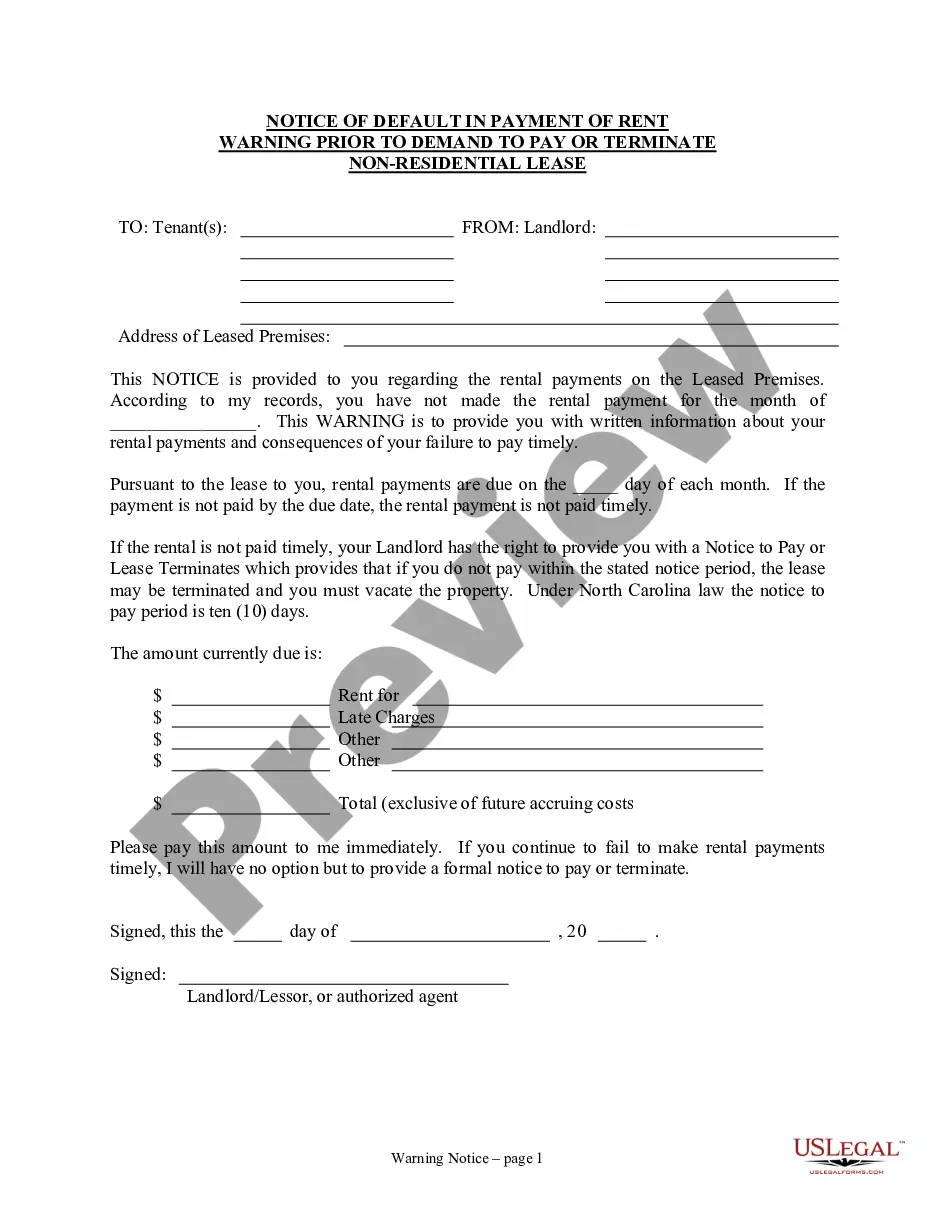
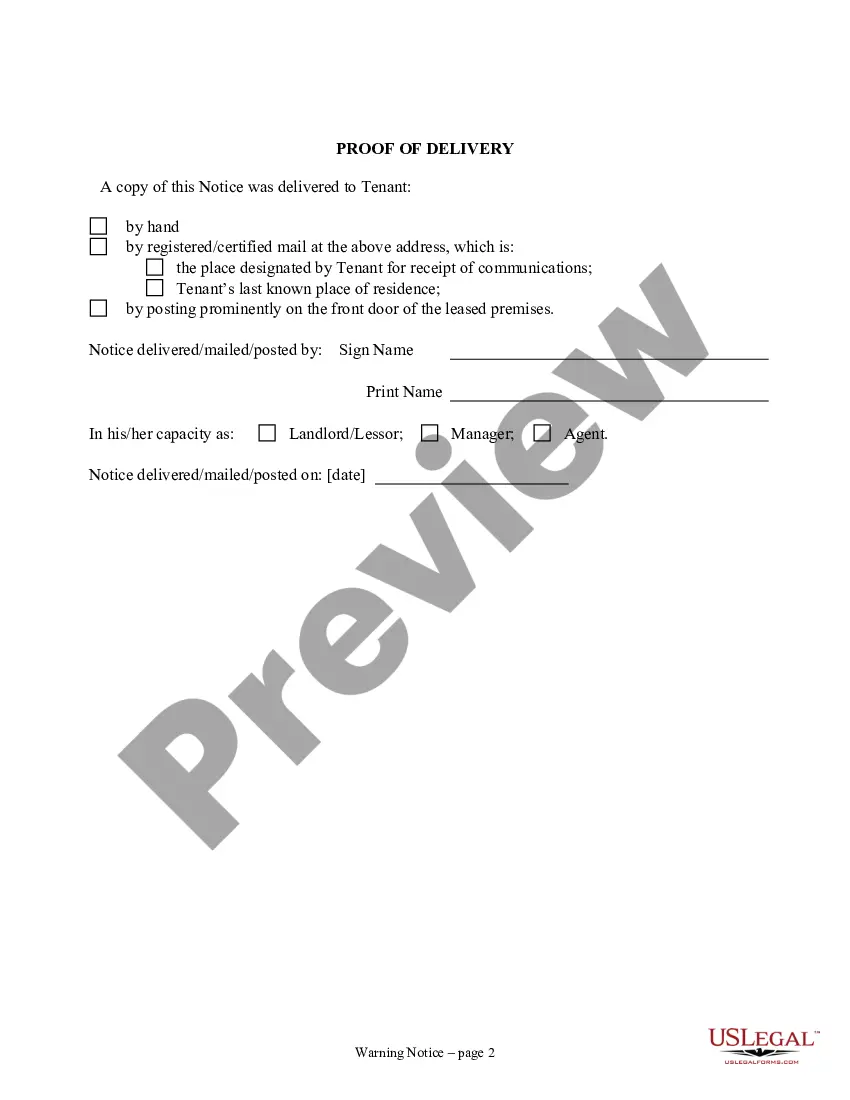
- Instructions on delivering the notice (e.g., hand delivery, certified mail).

Situations where this form applies
Intended users of this form
- Landlords of nonresidential or commercial properties.
- Property managers acting on behalf of landlords.
- Any parties involved in a lease agreement where timely rent payment is required.
Completing this form step by step
- Identify the parties involved by entering the names and addresses of the landlord and tenant.
- Specify the property by filling in the address of the leased premises.
- Enter the month for which rent has not been received.
- State the total amount due, including any late charges.
- Sign and date the notice to validate it.
Does this document require notarization?
This form usually doesn’t need to be notarized. However, local laws or specific transactions may require it. Our online notarization service, powered by Notarize, lets you complete it remotely through a secure video session, available 24/7.
Get your form ready online
Our built-in tools help you complete, sign, share, and store your documents in one place.
Make edits, fill in missing information, and update formatting in US Legal Forms—just like you would in MS Word.
Download a copy, print it, send it by email, or mail it via USPS—whatever works best for your next step.
Sign and collect signatures with our SignNow integration. Send to multiple recipients, set reminders, and more. Go Premium to unlock E-Sign.
If this form requires notarization, complete it online through a secure video call—no need to meet a notary in person or wait for an appointment.
We protect your documents and personal data by following strict security and privacy standards.

Make edits, fill in missing information, and update formatting in US Legal Forms—just like you would in MS Word.

Download a copy, print it, send it by email, or mail it via USPS—whatever works best for your next step.

Sign and collect signatures with our SignNow integration. Send to multiple recipients, set reminders, and more. Go Premium to unlock E-Sign.

If this form requires notarization, complete it online through a secure video call—no need to meet a notary in person or wait for an appointment.

We protect your documents and personal data by following strict security and privacy standards.
Typical mistakes to avoid
- Failing to properly address the notice to the tenant.
- Omitting the specific month of overdue rent.
- Not providing accurate amounts due, including late fees.
- Neglecting to sign and date the document.
Why use this form online
- Convenient download options that save time and resources.
- Editability allows for customization to fit specific situations.
- Reliability, as forms are drafted by licensed attorneys.
Legal use & context
- This notice serves as a formal warning to tenants about default in payment.
- It helps landlords establish a clear record of communication regarding rent obligations.
- Proper use of this form can prevent disputes and legal complications down the line.
What to keep in mind
- The notice is a crucial first step in addressing missed rent payments.
- Using the form correctly ensures compliance with state-specific laws.
- It informs tenants of their obligations and potential consequences of non-payment.
Looking for another form?

Form popularity
FAQ
Tenant Rights to Withhold Rent in North CarolinaTenants may withhold rent or exercise the right to repair and deduct if a landlord fails to take care of important repairs, such as a broken heater.
In North Carolina, nonpayment of rent is the most common ground for eviction. In this case, you are required to give the tenant a 10-day "notice to quit." The notice informs the tenant that they need to pay the rent due within 10 days. Otherwise, they will be evicted.
In short, nothing in the CARES Act or Governor Cooper's Order prohibits evictions for reasons other than late payment or nonpayment of rent, such as evictions related to health, safety, or criminal activity. These types of evictions by a landlord would not violate the Order.
Many landlords will be curious about the North Carolina eviction timeline as they start the process. Usually, the process takes about three to four weeks. You have to wait for the 10 day notice period, followed by the 7-day court summons period. Then, the tenant has up to 10 days to move out.
Notice Requirements for North Carolina Landlords A landlord can simply give you a written notice to move, allowing you seven days as required by North Carolina law and specifying the date on which your tenancy will end.
There are rules both landlord and tenants must follow, as well as separate landlord and tenant responsibilities. The rights of North Carolina tenants include the right to fair housing, security deposit protections, freedom from landlord retaliation and rights for victims of domestic violence.
North Carolina law says that your landlord must keep your housing fit and safe. It also says that you, the tenant, must pay your rent, keep your home clean, and not damage your home. To make the law work, both the tenant and the landlord must do their part.