West Virginia Construction Contract Cost Plus or Fixed Fee
Overview of this form
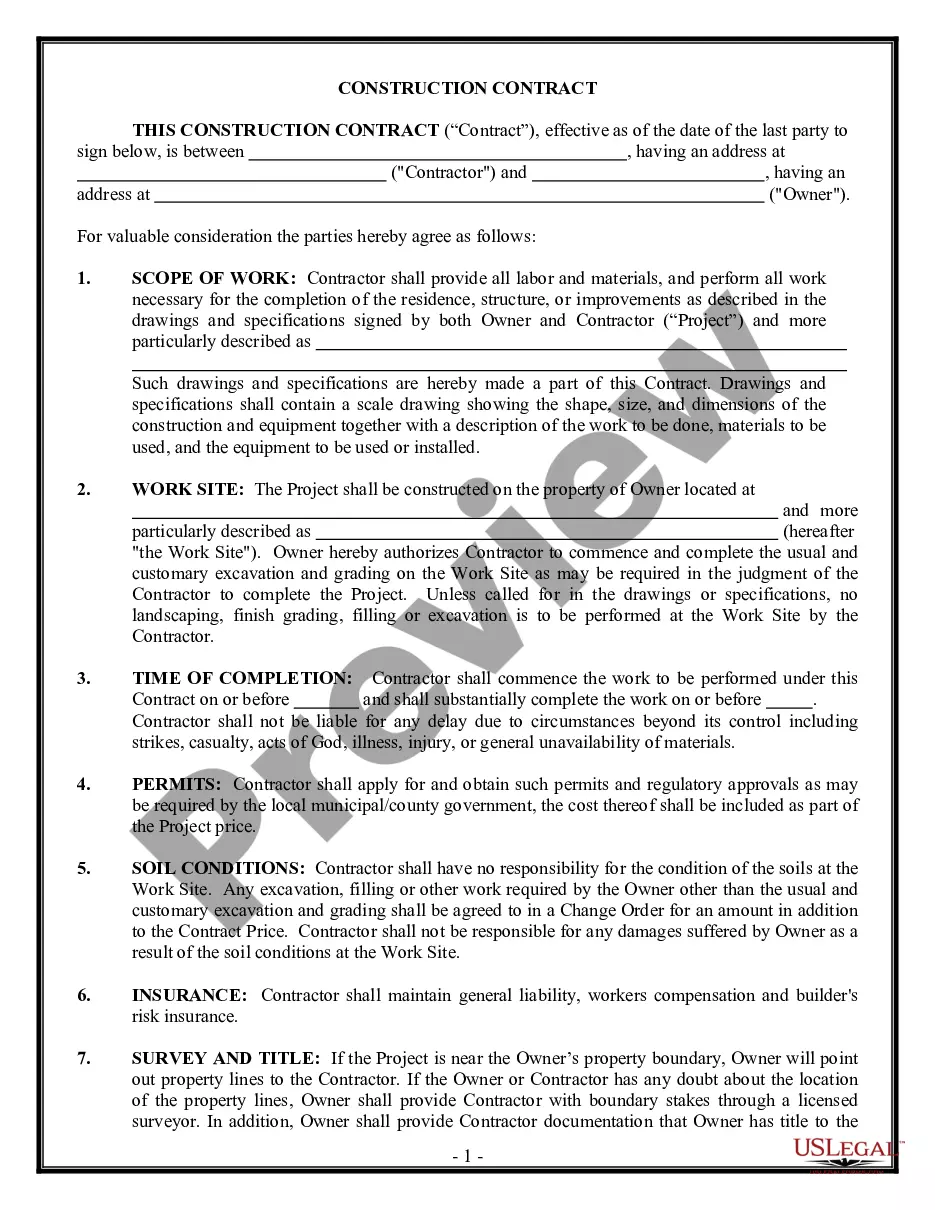
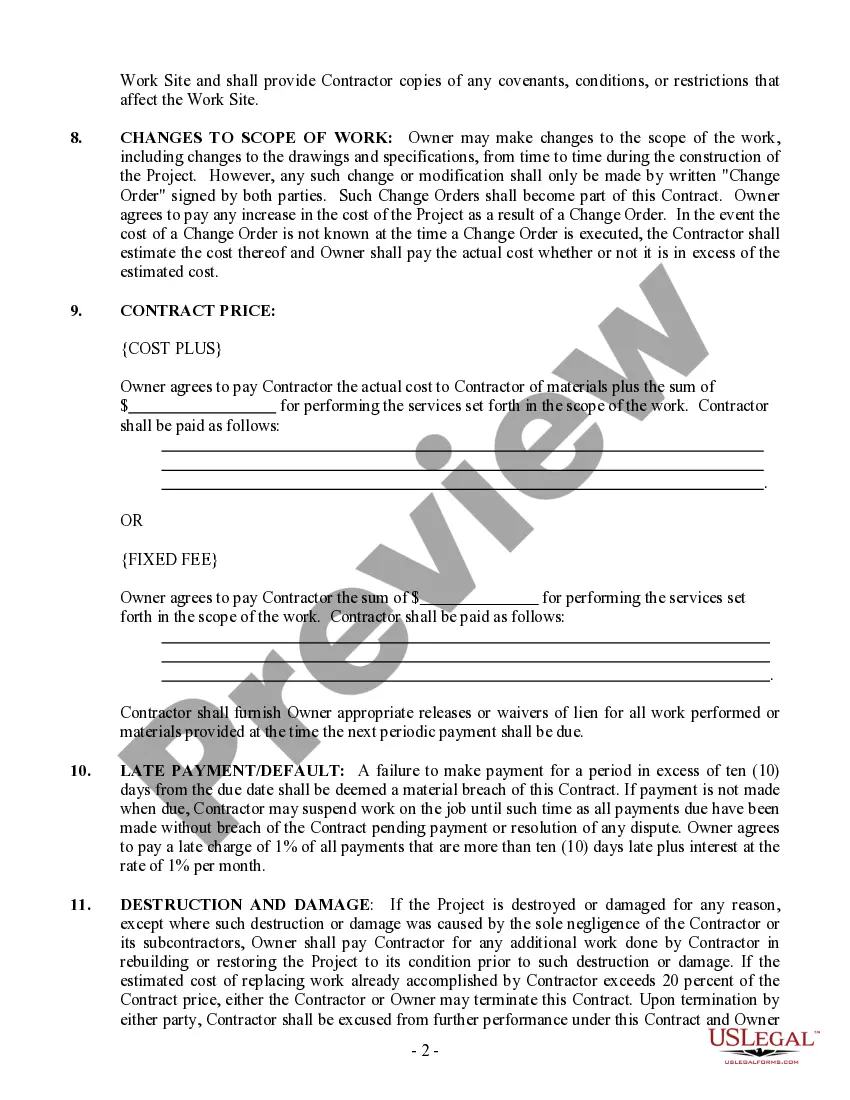
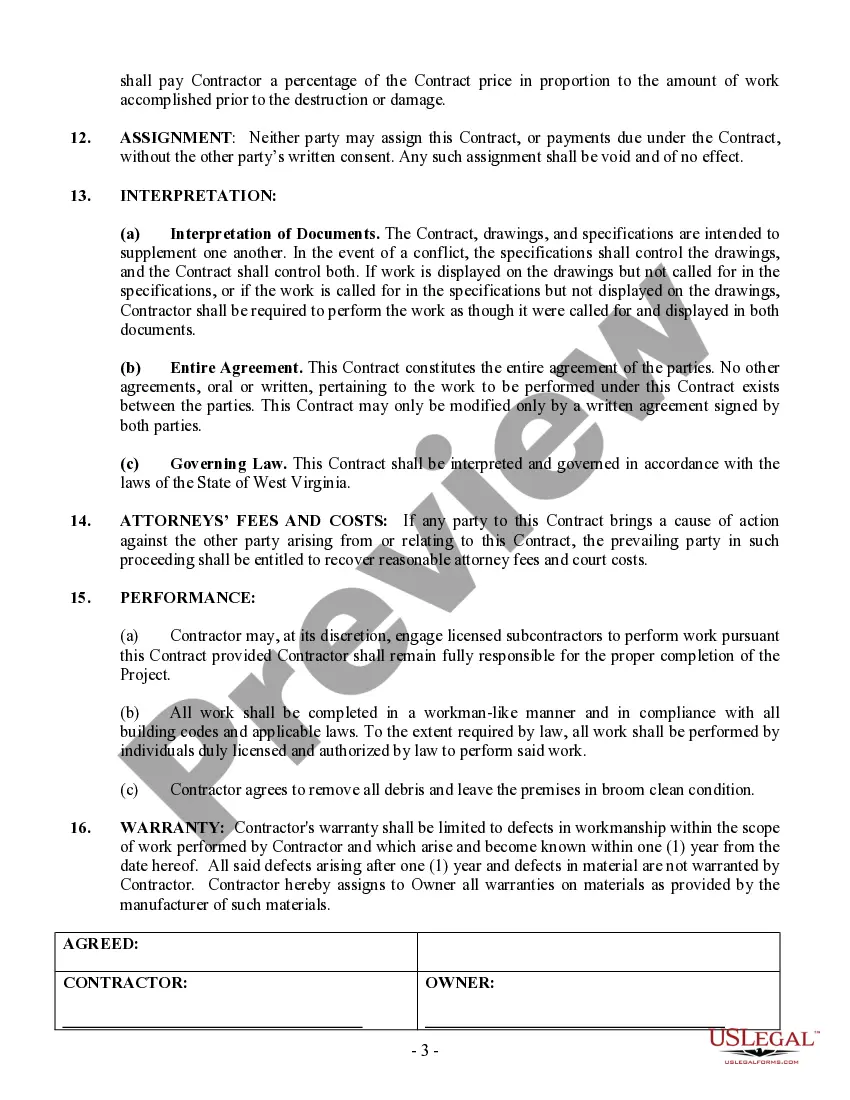
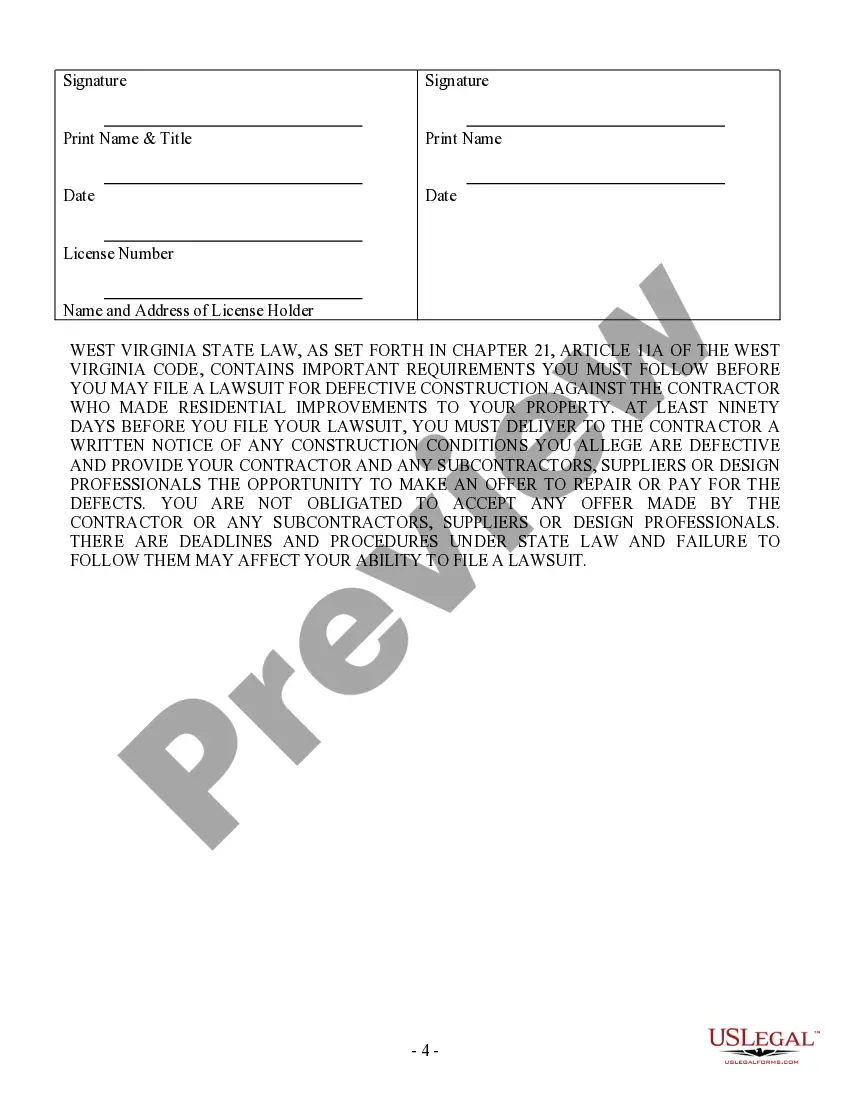
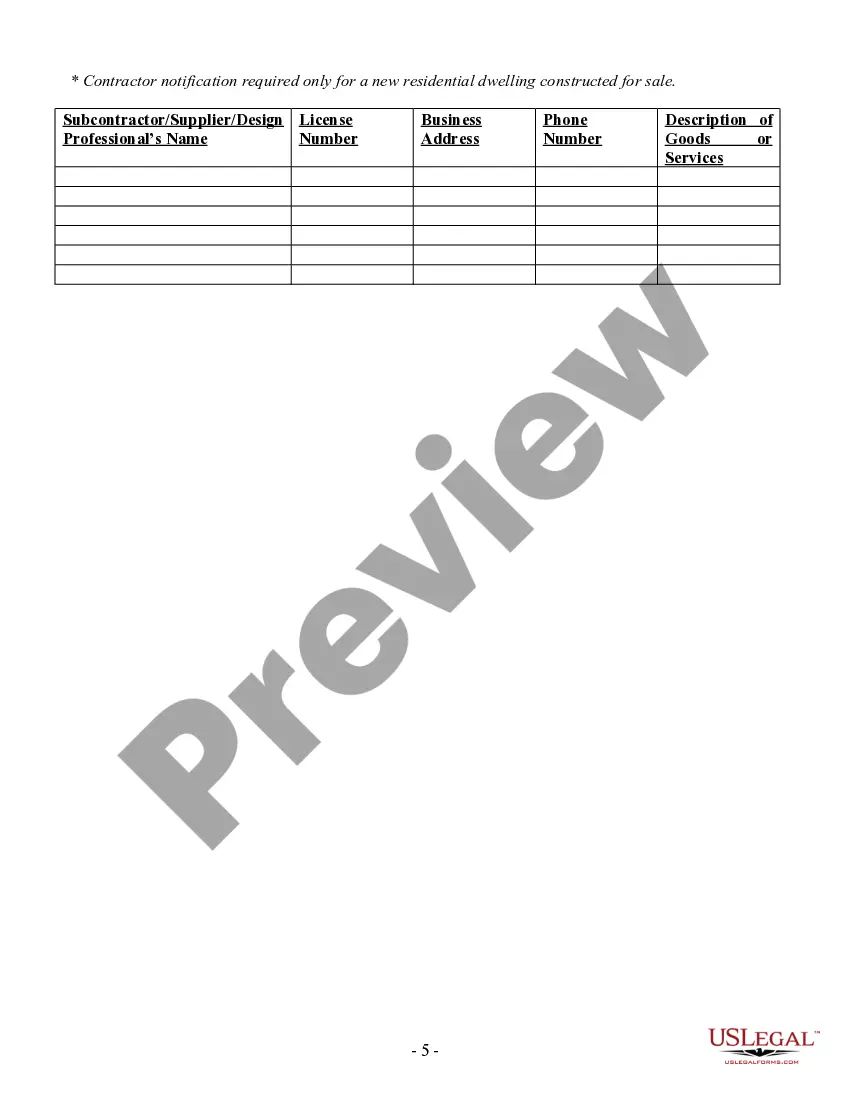
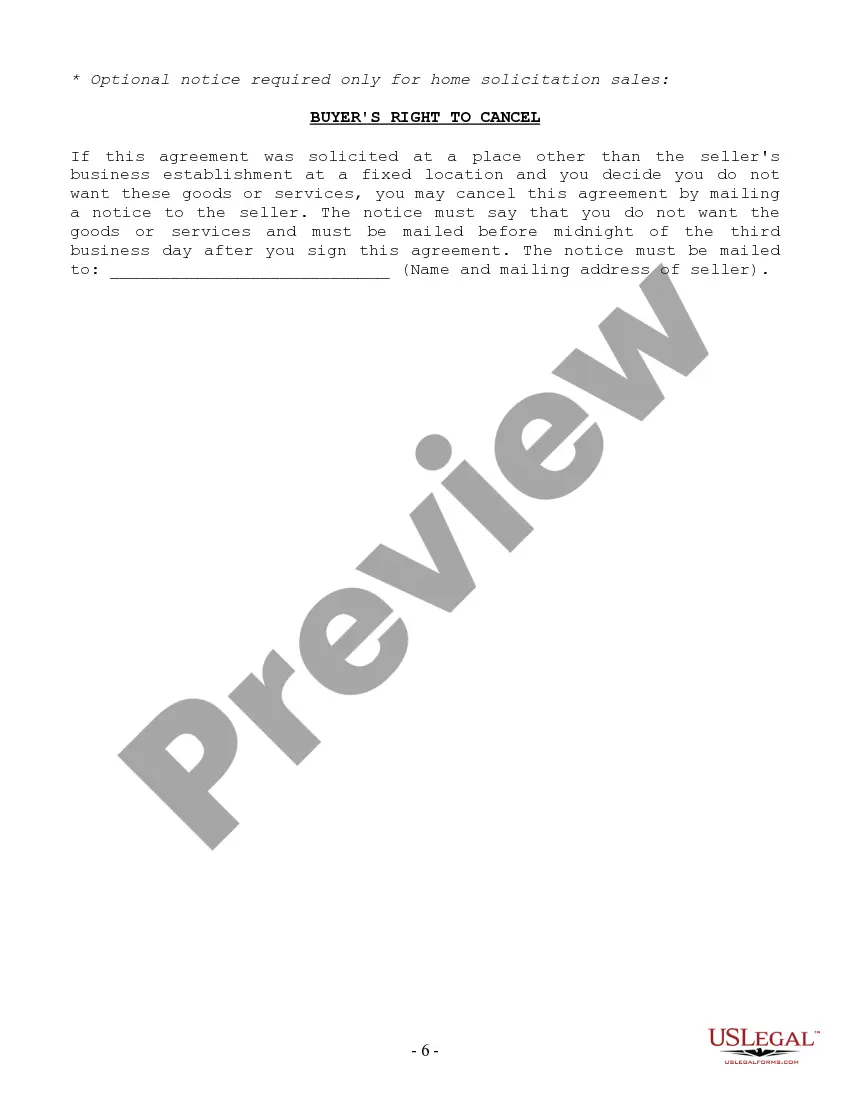
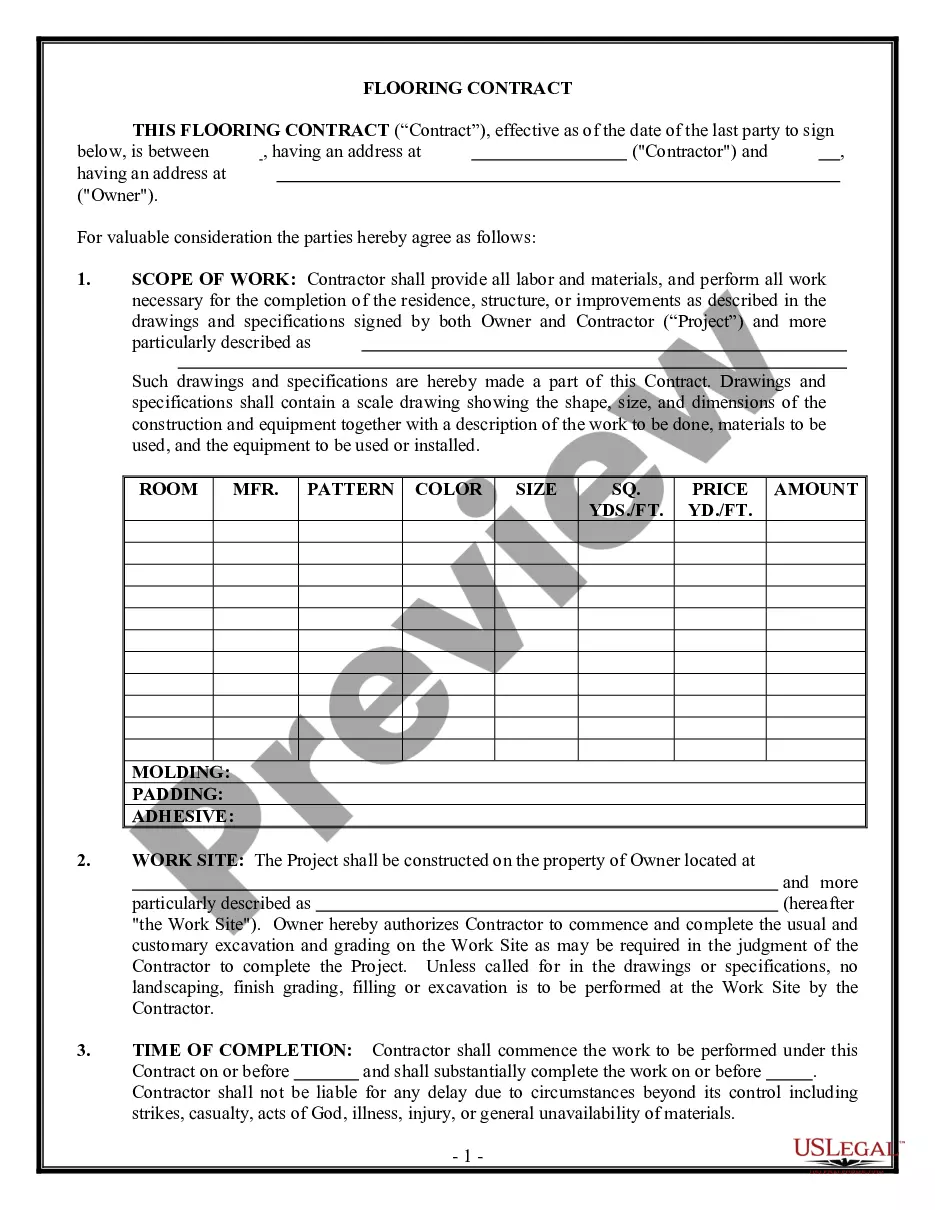
This Construction Contract can be executed with either a cost plus or fixed fee payment arrangement. It serves as a formal agreement between the owner and contractor about the terms of a construction project, including the scope of work, site conditions, warranty, and insurance requirements. This form is particularly useful for those looking for a clear and organized way to document their construction agreements and manage expectations throughout the project.
Main sections of this form
- Work Site: Specifies the location of the construction project.
- Permits: Outlines the contractor's responsibility for obtaining necessary permits.
- Soil Conditions: Clarifies that the contractor is not liable for site soil conditions.
- Insurance: Details the types of insurance the contractor must maintain.
- Changes to Scope of Work: Addresses how changes will be managed and priced.
- Warranty: Defines the warranty period for workmanship and material defects.
Situations where this form applies
This form should be used when a property owner and a contractor agree on construction work where the payment structure is based on either a cost-plus or fixed fee. It is ideal for residential or commercial projects involving new constructions, renovations, or significant repairs. Utilizing this form helps ensure both parties have a clear understanding of their obligations and the project scope.
Who should use this form
- Property owners planning construction or renovation projects.
- Contractors seeking to formalize agreements with clients.
- Subcontractors involved in a larger project who need to understand their responsibilities.
Instructions for completing this form
- Identify the parties: Enter the names and addresses of the owner and contractor.
- Specify the project details: Describe the scope of work and work site location.
- Discuss payment structure: Indicate whether the agreement is cost-plus or fixed fee.
- Review insurance requirements: Ensure compliance with insurance obligations.
- Sign and date: Both parties must sign the contract for it to be legally binding.
Does this document require notarization?
Notarization is not commonly needed for this form. However, certain documents or local rules may make it necessary. Our notarization service, powered by Notarize, allows you to finalize it securely online anytime, day or night.
Get your form ready online
Our built-in tools help you complete, sign, share, and store your documents in one place.
Make edits, fill in missing information, and update formatting in US Legal Forms—just like you would in MS Word.
Download a copy, print it, send it by email, or mail it via USPS—whatever works best for your next step.
Sign and collect signatures with our SignNow integration. Send to multiple recipients, set reminders, and more. Go Premium to unlock E-Sign.
If this form requires notarization, complete it online through a secure video call—no need to meet a notary in person or wait for an appointment.
We protect your documents and personal data by following strict security and privacy standards.

Make edits, fill in missing information, and update formatting in US Legal Forms—just like you would in MS Word.

Download a copy, print it, send it by email, or mail it via USPS—whatever works best for your next step.

Sign and collect signatures with our SignNow integration. Send to multiple recipients, set reminders, and more. Go Premium to unlock E-Sign.

If this form requires notarization, complete it online through a secure video call—no need to meet a notary in person or wait for an appointment.

We protect your documents and personal data by following strict security and privacy standards.
Common mistakes to avoid
- Not clearly defining the scope of work, leading to misunderstandings.
- Failing to obtain necessary permits before starting construction.
- Neglecting to include all relevant insurance details.
- Not documenting changes to work scope properly via Change Orders.
Why complete this form online
- Convenient access: Download and complete the form from anywhere.
- Editability: Customize the form to fit specific project requirements.
- Reliability: Use templates drafted by licensed attorneys to ensure accuracy and legality.
Main things to remember
- Clearly articulates terms of a construction project.
- Includes essential components such as insurance and change orders.
- Drafted to comply with West Virginia laws for local use.
Looking for another form?


Form popularity
FAQ
A fixed cost is set over a specific period of time, and the cost estimate remains the same. A contractor will estimate how much labor and materials your construction project will need.The price is agreed on and will remain the same no matter how many materials or time has been put into the project.
In the cost plus a percentage arrangement, the contractor bills the client for his direct costs for labor, materials, and subs, plus a percentage to cover his overhead and profit. Markups might range anywhere from 10% to 25%.
A cost plus percentage of cost contract or CPPC is a cost reimbursement contract containing some element that obligates the non-state entity to pay the contractor an amount, undetermined at the time the contract was made and to be incurred in the future, based on a percentage of future costs.
Determine your COGS (cost of goods sold). For example $40 . Find out your gross profit by subtracting the cost from the revenue. Divide profit by COGS. Express it as a percentage: 0.25 100 = 25% . This is how to find markup... or simply use our markup calculator!
Fixed costs are associated with the basic operating and overhead costs of a business. They include items such as building rent, utilities, wages, and insurance. Most forms of depreciation and tangible assets qualify as fixed costs as well. Fixed costs are considered indirect costs of production.
Examples of fixed costs include rental lease payments, salaries, insurance, property taxes, interest expenses, depreciation, and potentially some utilities.
A cost-plus contract, also known as a cost-reimbursement contract, is a form of contract wherein the contractor is paid for all of their construction-related expenses. Plus, the contractor is paid a specific agreed-upon amount for profit.
In construction projects, the direct costs are the cost incurred on labor, material, equipment etc.Different direct costs in construction projects are material costs, labor costs, subcontractor costs, and equipment costs.
Fixed costs are those which are fixed for the production period. Wages paid to workers however can vary as the number of workers increase or decrease. Hence it is not considered as a fixed cost.