Montana Assignment of Deed of Trust by Corporate Mortgage Holder
What this document covers
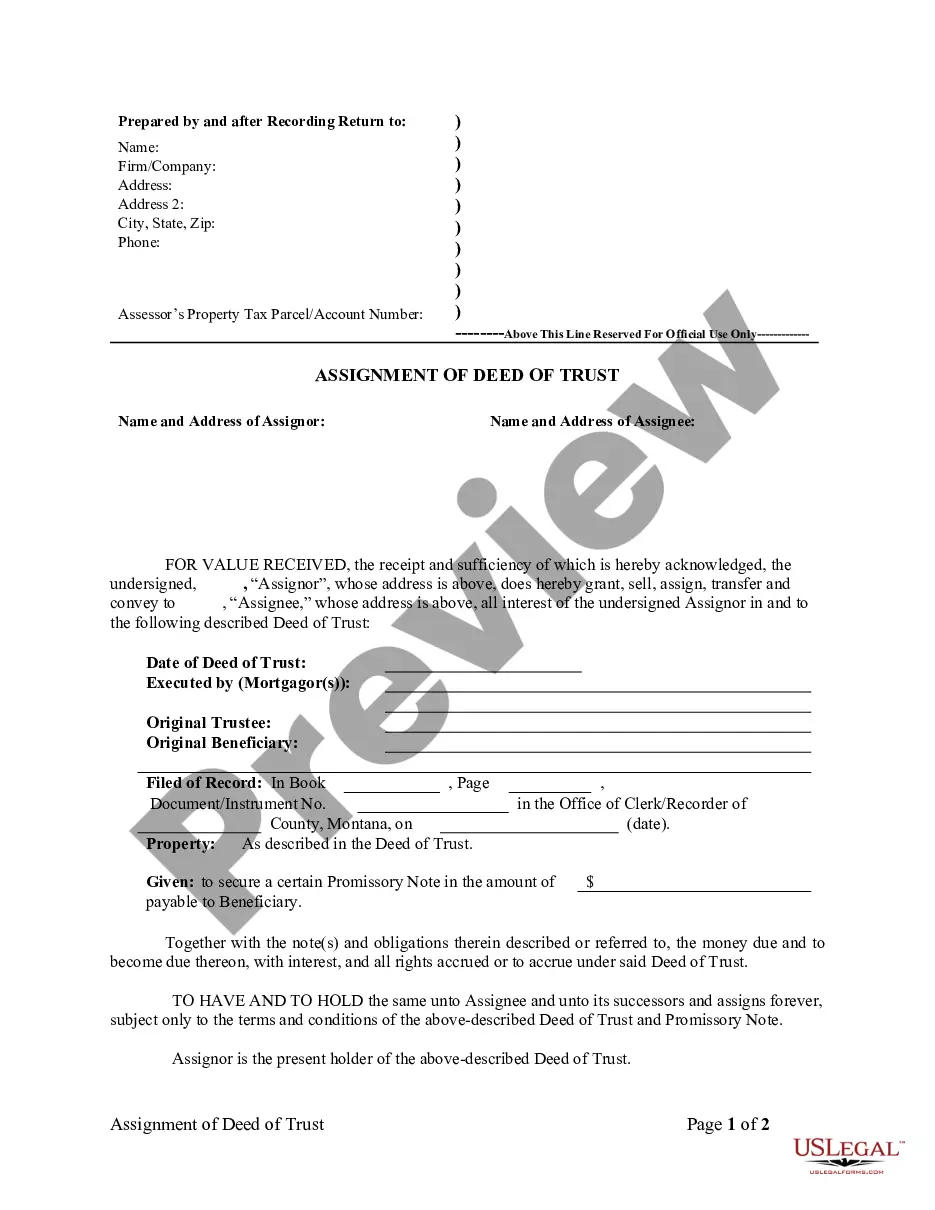
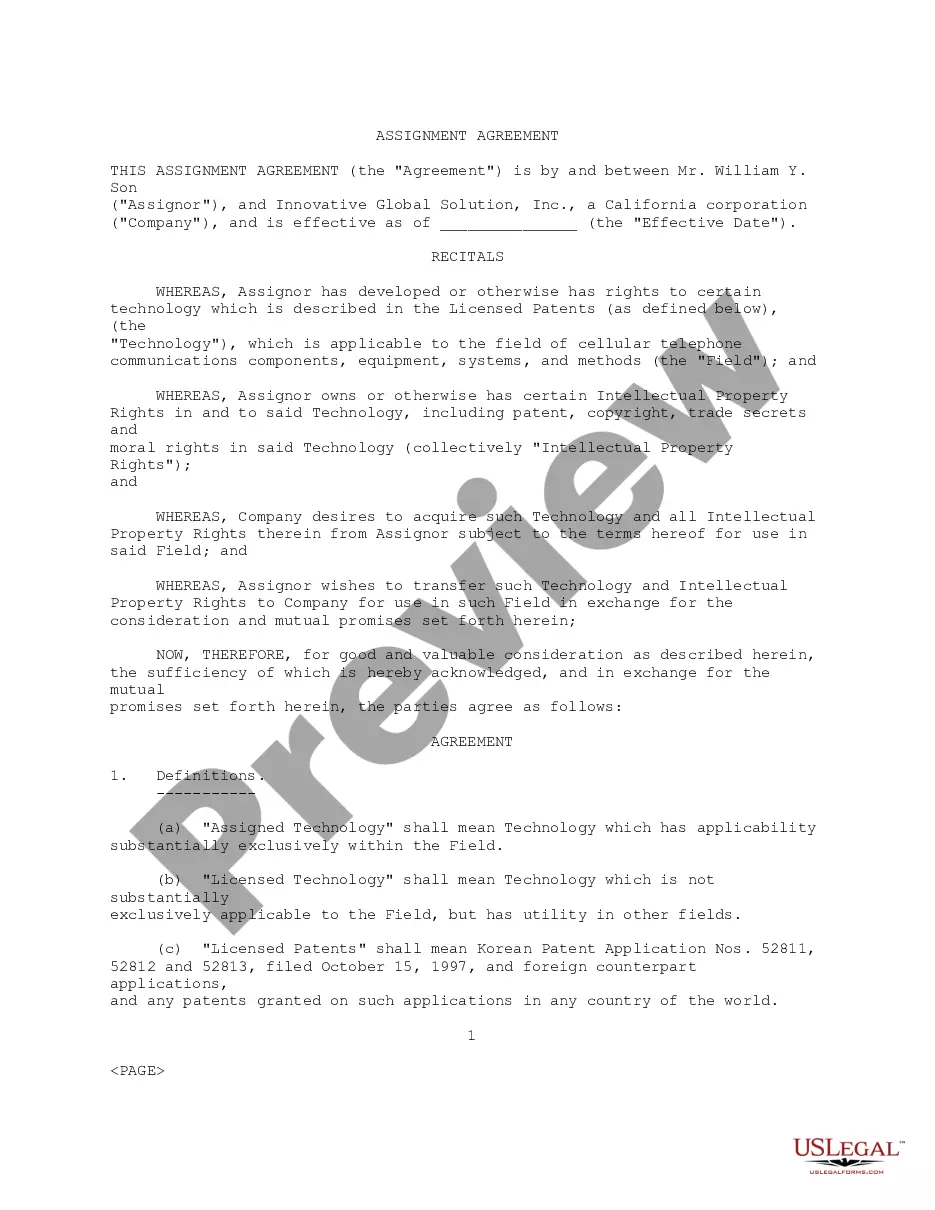
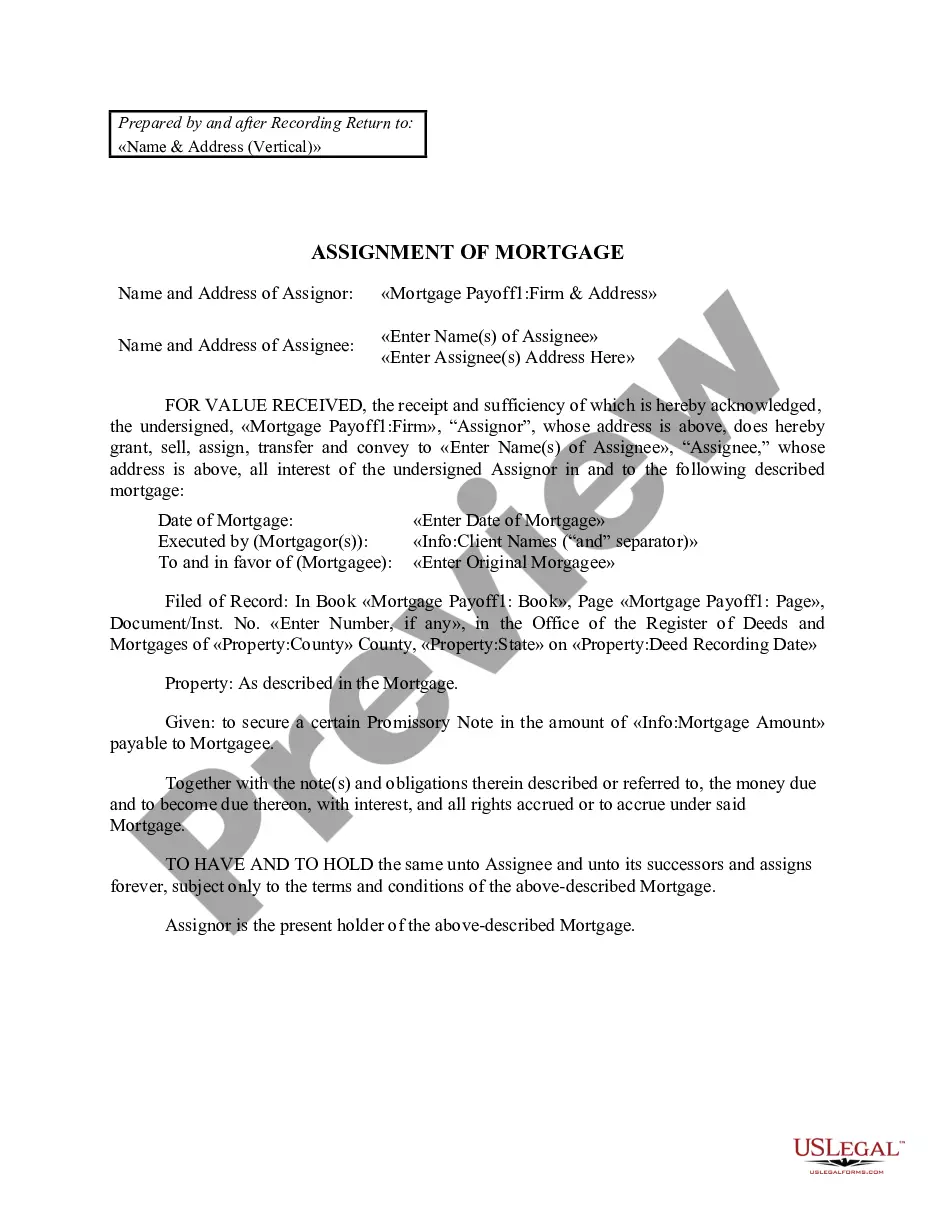
The Assignment of Deed of Trust by Corporate Mortgage Holder is a legal document that allows a corporation that holds a deed of trust to assign its ownership rights to another party. This form differs from general mortgage assignment forms by specifying that the assignor is a corporate entity, providing clarity regarding the parties involved and the transaction type. It is essential for facilitating the transfer of interests in the mortgage or deed of trust securely and legally.
What’s included in this form
- Date of the original deed of trust
- Parties involved: Mortgagor, Trustee, and Beneficiary
- Property description as outlined in the deed of trust
- Details about the secured promissory note
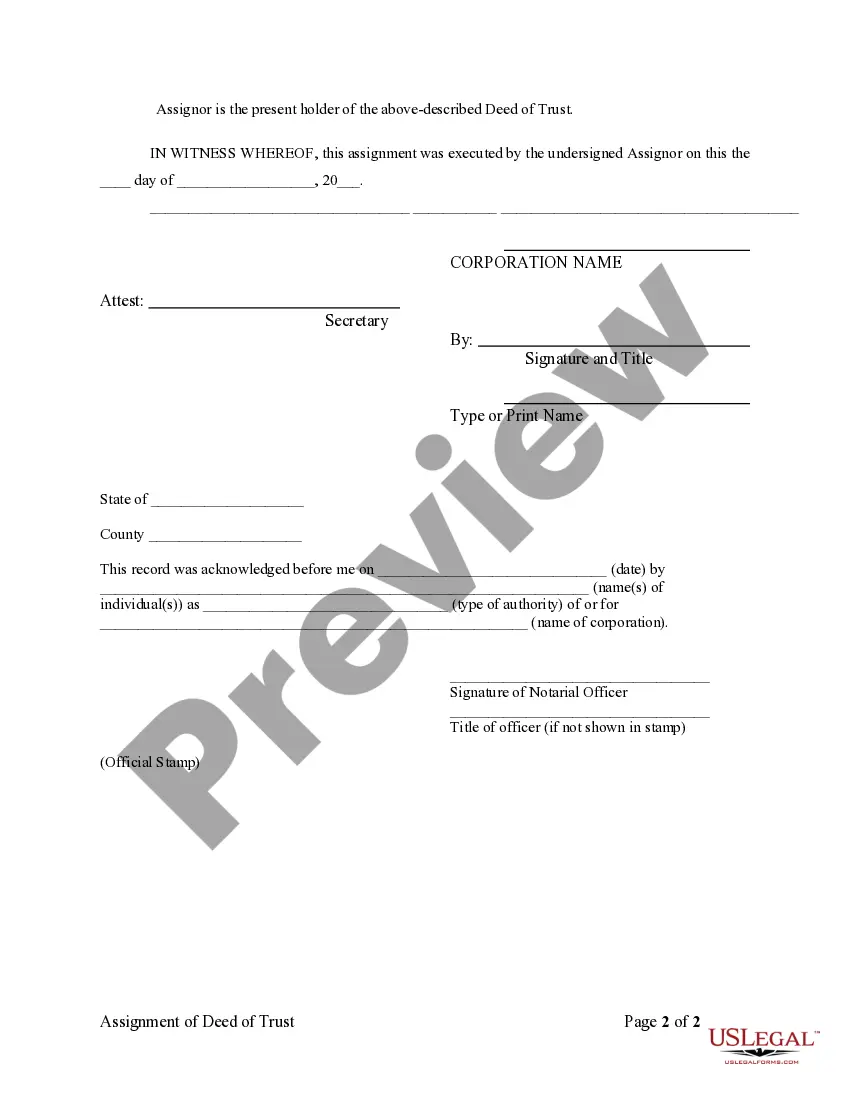
- Acknowledgment section for notarization
- Signature lines for the assignor and assignee

When to use this form
This form is commonly used when a corporate entity that currently holds a deed of trust wishes to transfer ownership rights to another individual or entity. It is applicable in scenarios such as refinancing, selling the underlying property, or changing lenders, ensuring that the new holder of the deed has clear and enforceable rights.
Who can use this document
- Corporate entities that hold a deed of trust
- Businesses involved in real estate transactions
- Lenders looking to assign mortgage interests
- Third parties acquiring rights to a deed of trust
How to prepare this document
- Enter the date of the original deed of trust.
- Identify the mortgagor, original trustee, and the original beneficiary.
- Provide the property description referenced in the deed of trust.
- Specify the amount of the promissory note secured by the deed of trust.
- Include signatures of the assignor and assignee along with the date.
- Ensure the form is acknowledged before a notary public.
Is notarization required?
This document requires notarization to meet legal standards. US Legal Forms provides secure online notarization powered by Notarize, allowing you to complete the process through a verified video call, available 24/7.
Get your form ready online
Our built-in tools help you complete, sign, share, and store your documents in one place.
Make edits, fill in missing information, and update formatting in US Legal Forms—just like you would in MS Word.
Download a copy, print it, send it by email, or mail it via USPS—whatever works best for your next step.
Sign and collect signatures with our SignNow integration. Send to multiple recipients, set reminders, and more. Go Premium to unlock E-Sign.
If this form requires notarization, complete it online through a secure video call—no need to meet a notary in person or wait for an appointment.
We protect your documents and personal data by following strict security and privacy standards.
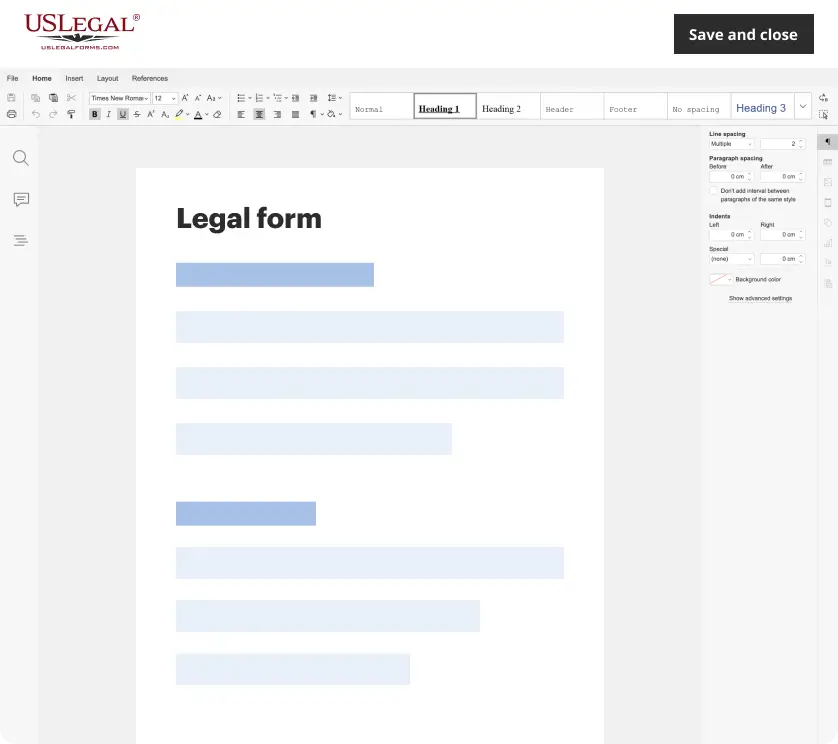
Make edits, fill in missing information, and update formatting in US Legal Forms—just like you would in MS Word.
Download a copy, print it, send it by email, or mail it via USPS—whatever works best for your next step.
Sign and collect signatures with our SignNow integration. Send to multiple recipients, set reminders, and more. Go Premium to unlock E-Sign.

If this form requires notarization, complete it online through a secure video call—no need to meet a notary in person or wait for an appointment.
We protect your documents and personal data by following strict security and privacy standards.
Common mistakes to avoid
- Failing to accurately describe the property.
- Omitting necessary signatures or dates.
- Not validating the authority of corporate representatives.
- Neglecting to have the document notarized where required.
Advantages of online completion
- Instant access to the form for quick and convenient use.
- Editability allows for customization to fit specific needs.
- Reliable and legally drafted content ensures compliance.
Looking for another form?
Form popularity
FAQ
If there's a deed of trust on a property, the lender can sell the property and pay off the loan. Whether your loan falls under the mortgage or deed of trust definition, you'll need to get approval from the lender before you sell your home for less than you owe.
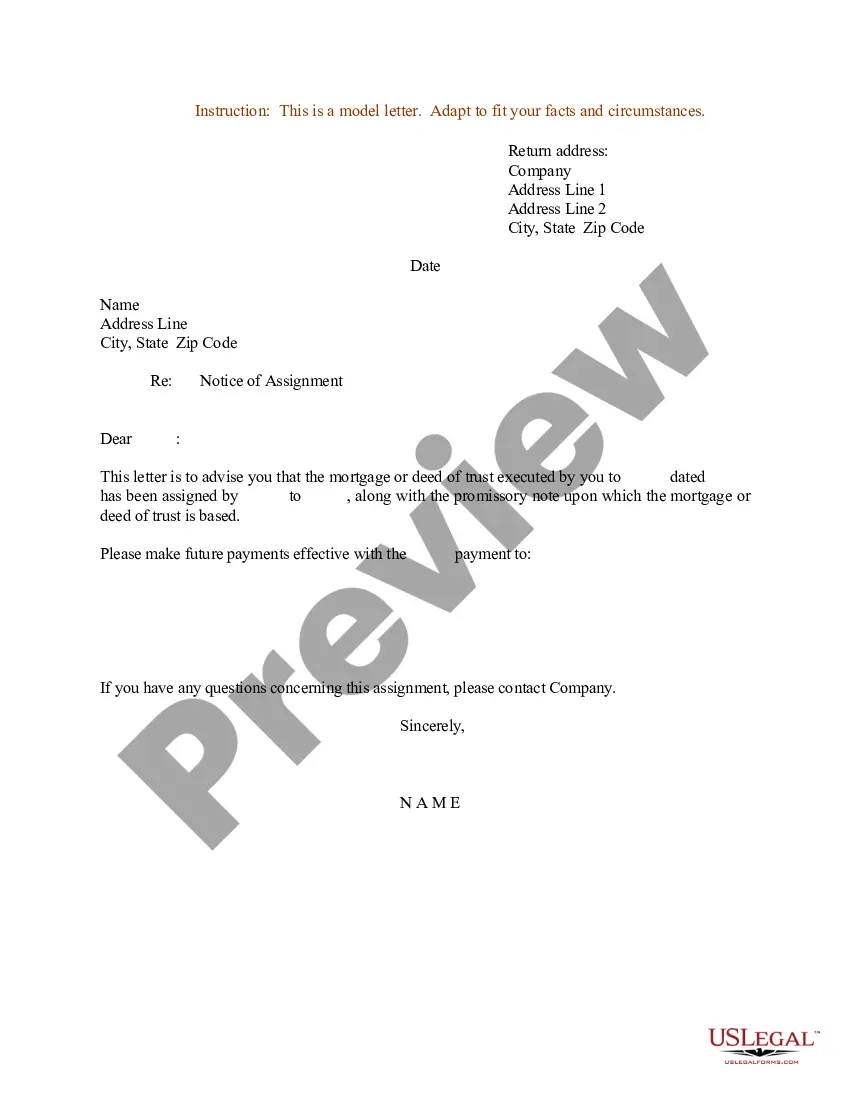
When your mortgage lender decides he wants to sell your mortgage loan to another lender, your mortgage lender will sign an assignment of deed of trust in favor of the new lender. This assignment gives the new lender the same lien on your property that your original lender had under the mortgage loan.
An assignment of a deed of trust is simply the movement of the deed of trust from one party to another, a party that was not originally involved in the deed creation when the property was bought. A corporate assignment is simply an assignment of the deed of trust between different businesses.
An assignment is the document that is the legal record of this transfer from one mortgagee to another. In a typical transaction, when the mortgagee sells the debt to another bank, an assignment is recorded and the promissory note is endorsed (signed over) to the new bank.
The following states may use either Mortgage Agreements or Deed of Trusts: Colorado, Idaho, Illinois, Iowa, Maryland, Montana, Nebraska, Oklahoma, Oregon, Tennessee, Texas, Utah, Wyoming, Washington, and West Virginia.
Corporate mortgage assignment defined. An assignment of a mortgage occurs when a loan for a piece of property (home or otherwise) is assigned to another party.A corporate assignment of a mortgage occurs when the third party that assumes the obligation for the loan is a corporation.
Essentially, the Deed of Assignment (DOA) is a legal document that transfers the ownership of a property from one party to another.
Whether you have a deed of trust or a mortgage, they both serve to assure that a loan is repaid, either to a lender or an individual person. A mortgage only involves two parties the borrower and the lender. A deed of trust adds an additional party, a trustee, who holds the home's title until the loan is repaid.