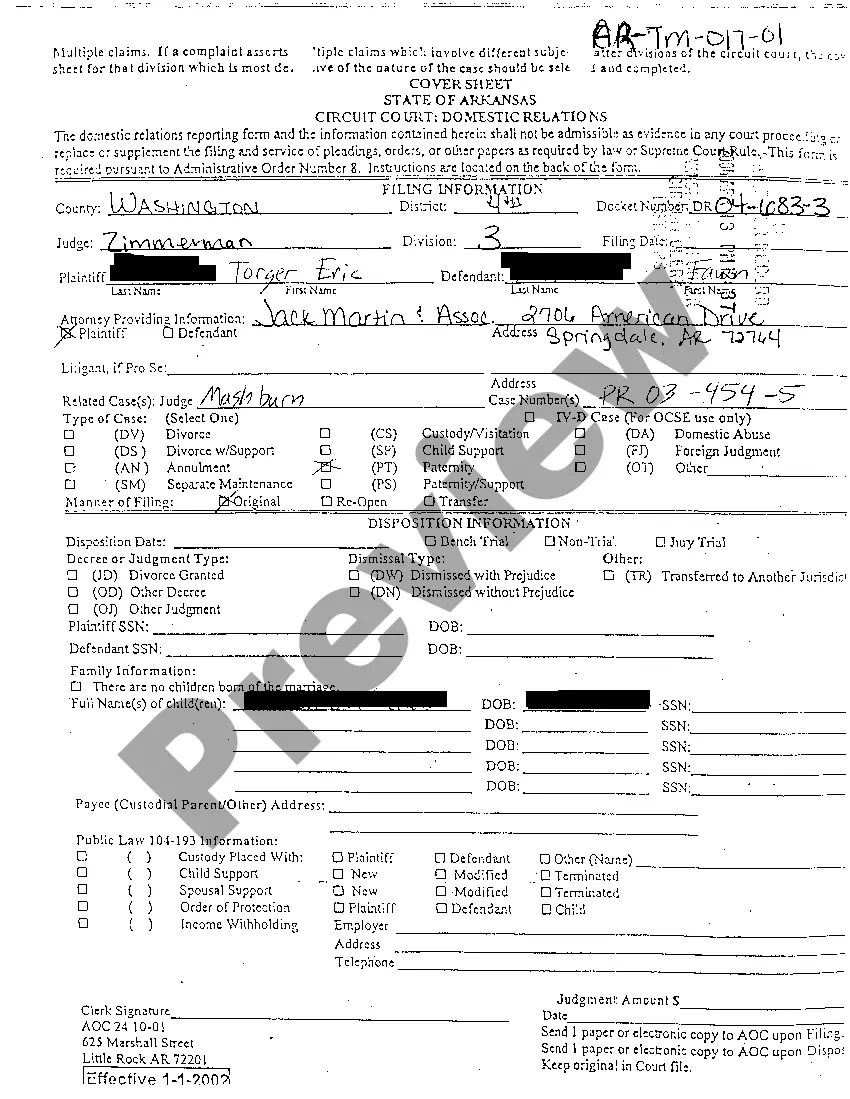
Mississippi Petition to Close Estate and Discharge Executor
Understanding this form
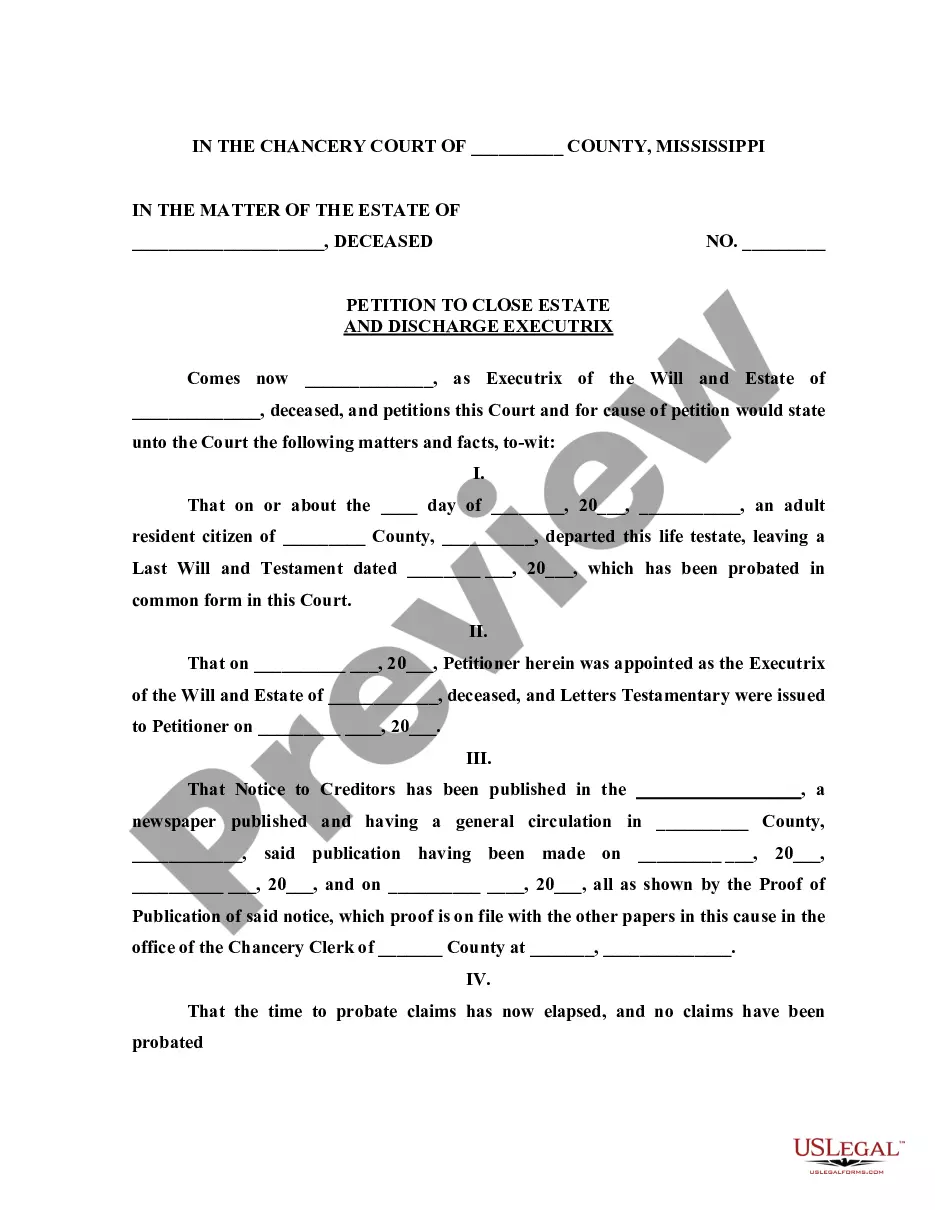
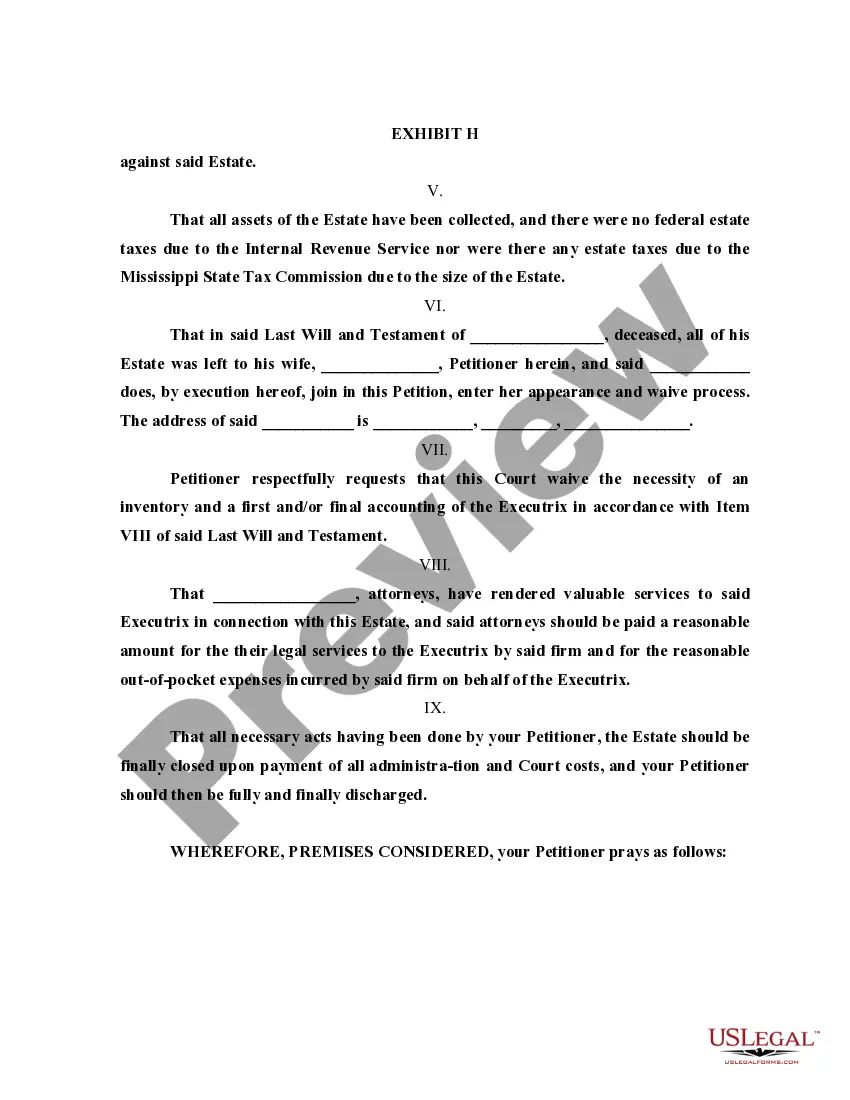
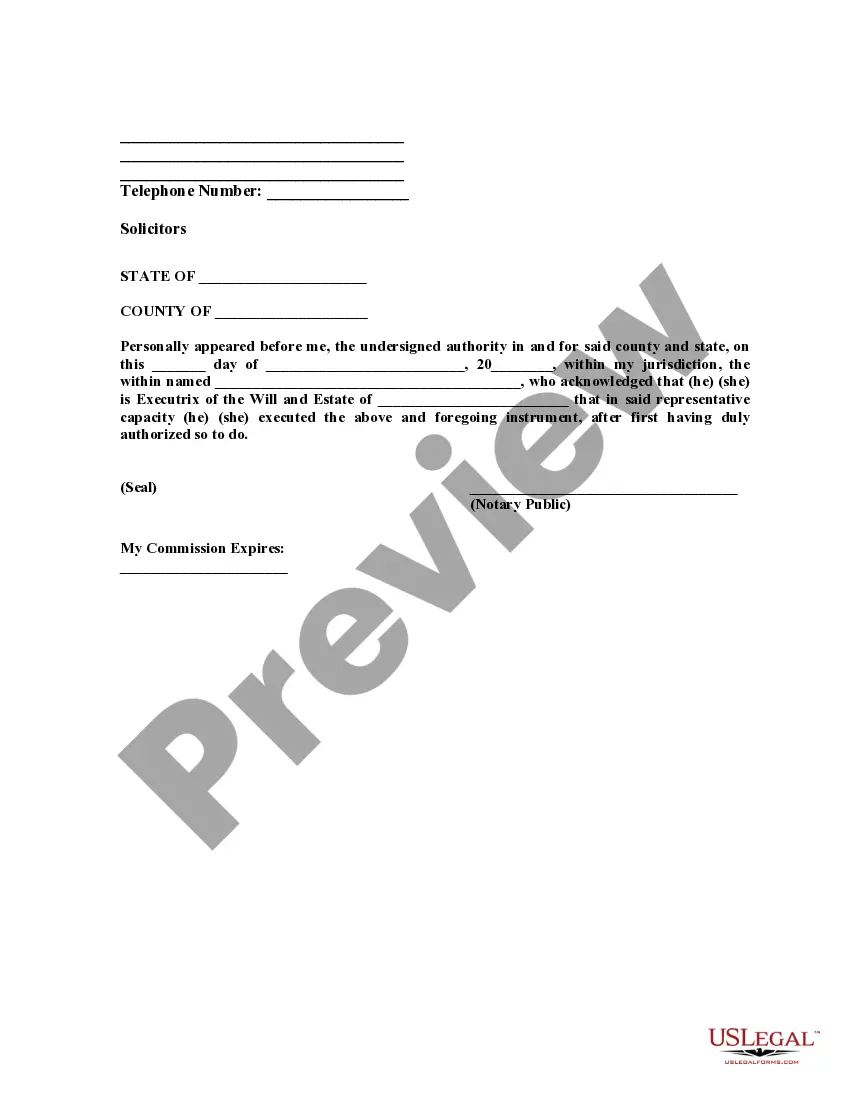
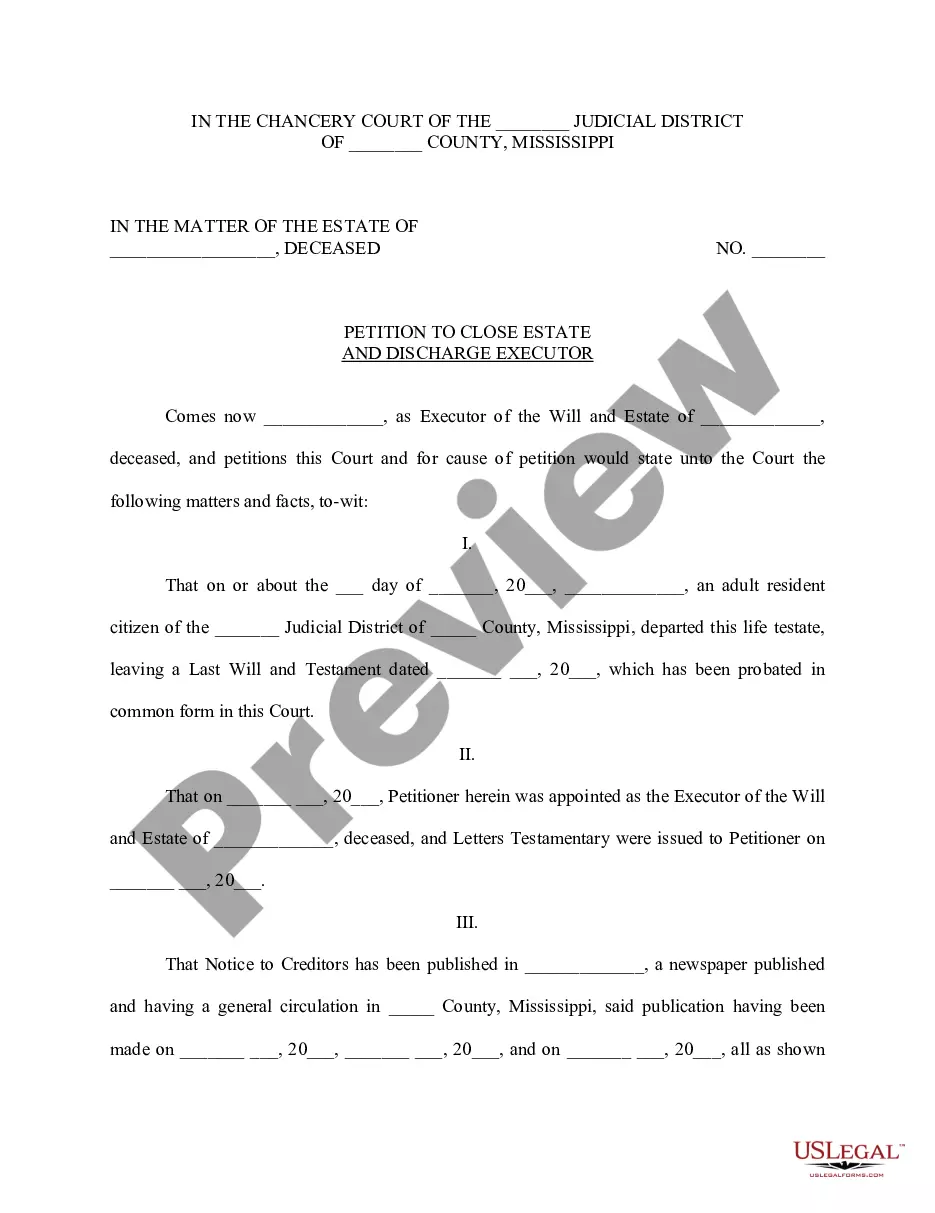
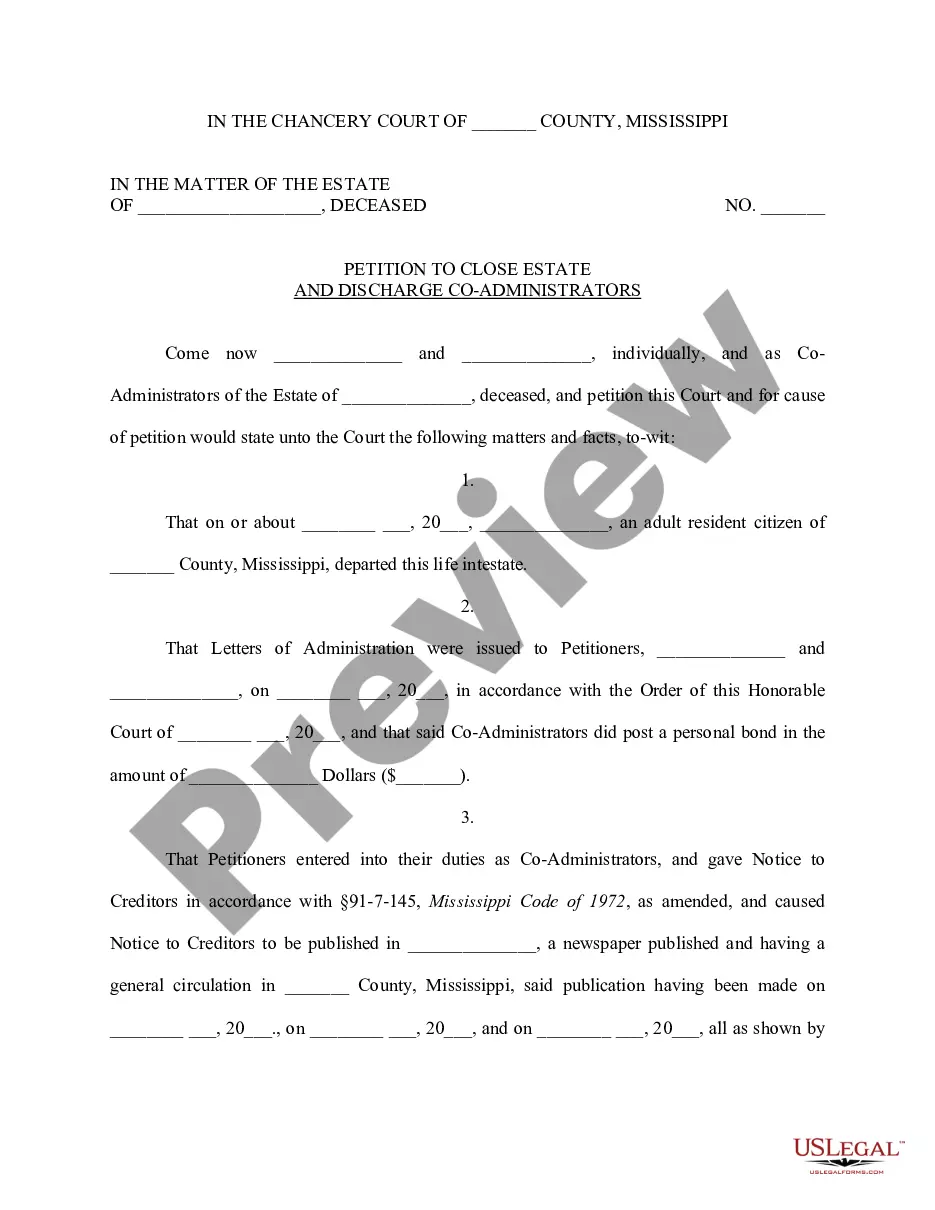
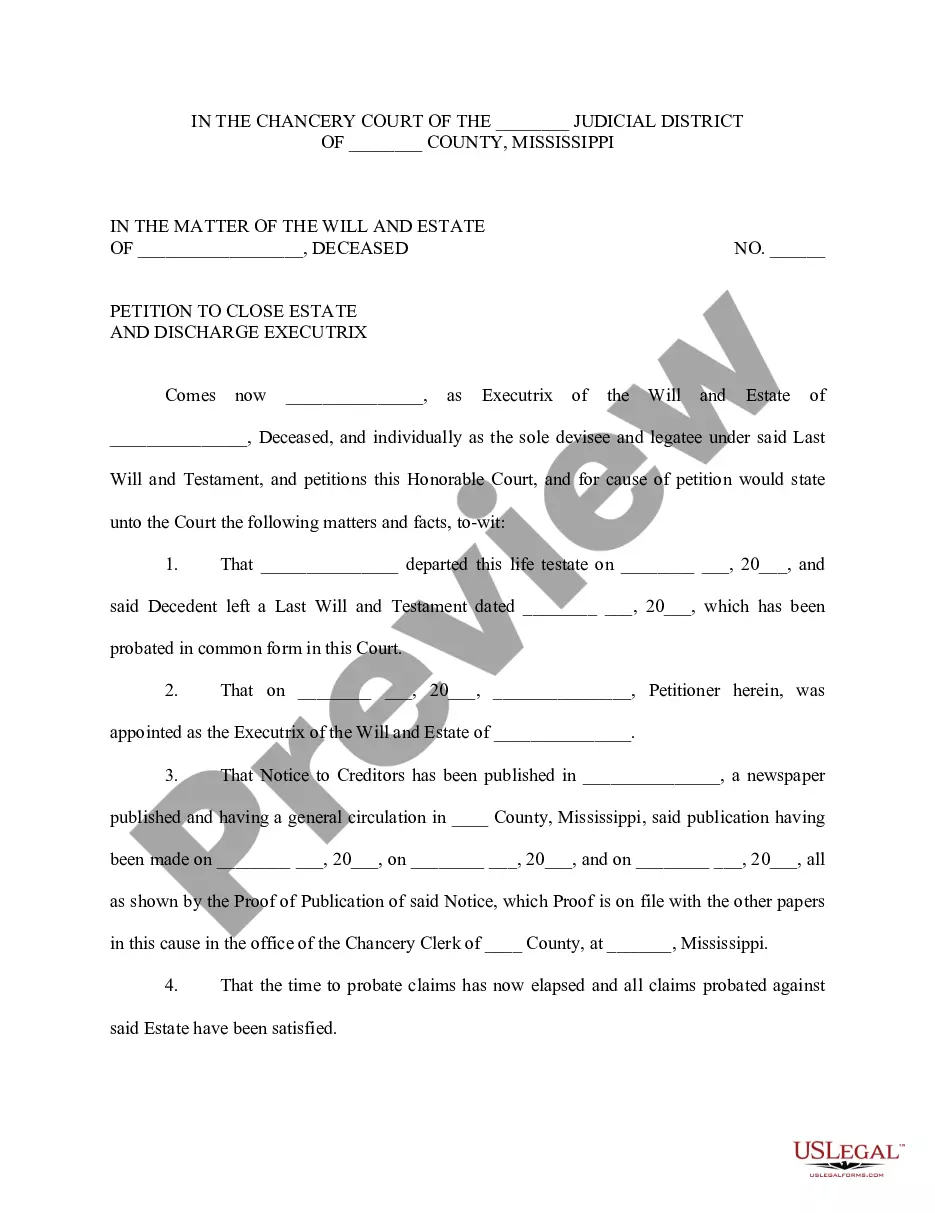
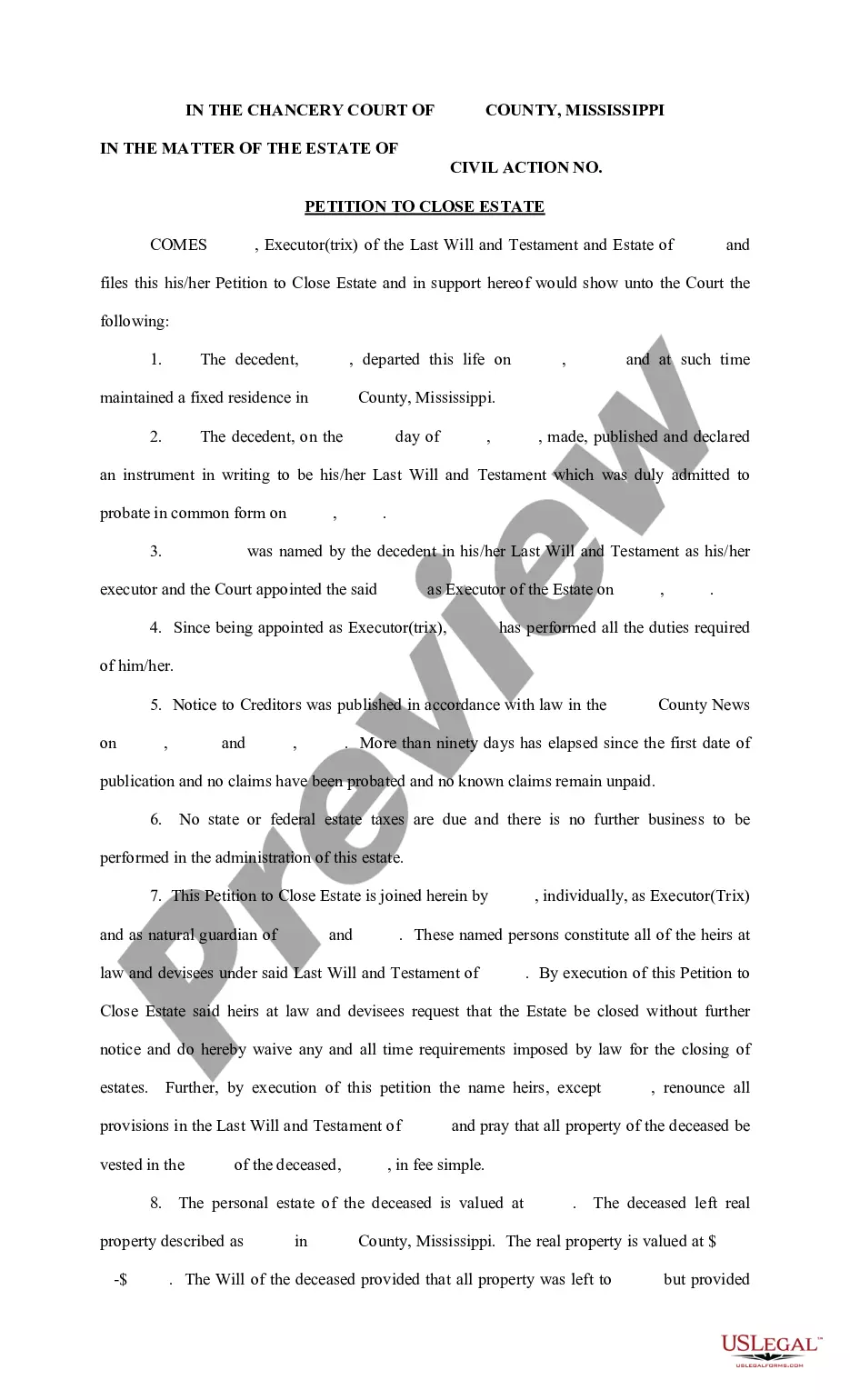
The Petition to Close Estate and Discharge Executor is a legal document filed with the Probate Court. It allows the executor of an estate to request the court to close the estate and discharge their responsibilities. This form is specifically designed for situations where all debts have been settled, and the assets have been distributed according to the last will and testament, making it different from other probate forms that may focus on distribution or administration of the estate.
Key components of this form
- Identification of the deceased and their last will.
- Details of the executor's appointment and their actions taken during administration.
- Evidence of creditor notifications and status of claims against the estate.
- Requests for waivers of inventory and accountings.
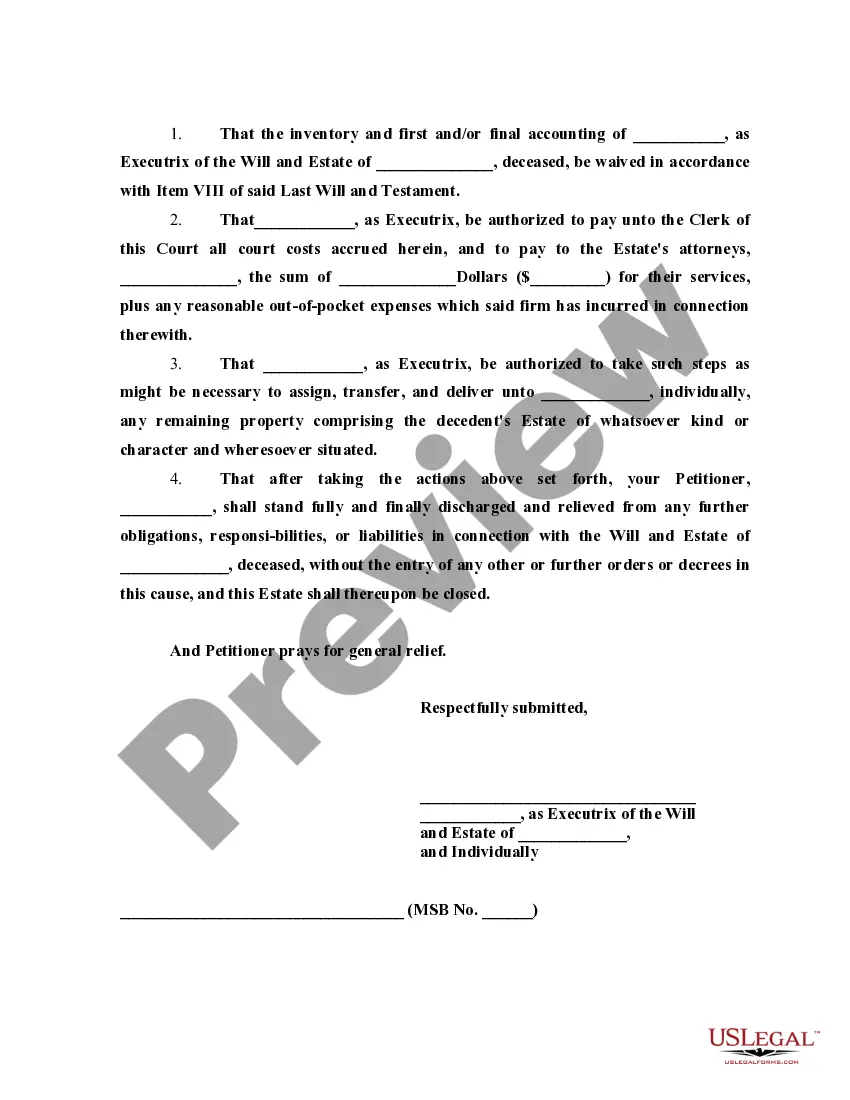
- Payments for legal services and court costs.
- Final discharge of the executor's duties.
When to use this document
This form is used when an executor has completed the administration of an estate, which includes paying off debts, distributing remaining assets, and notifying creditors. It is essential when the executor wants to formally request the court to close the estate, ensuring they are legally discharged from future responsibilities related to the estate.
Who should use this form
This form is intended for:
- Executors or executrices of a deceased person's estate.
- Individuals responsible for carrying out the final wishes outlined in a last will and testament.
- Legal representatives managing the closure of an estate in Probate Court.
Steps to complete this form
- Enter the name of the deceased and the county where the court is located.
- Provide details of the appointment date and the will's date.
- Document the publication of notices to creditors and the proof of publication.
- Include any requests for waivers on inventories and accounting if applicable.
- Sign the petition in front of a notary public to validate the form.
Notarization guidance
This form needs to be notarized to ensure legal validity. US Legal Forms provides secure online notarization powered by Notarize, allowing you to complete the process through a verified video call, available anytime.
Get your form ready online
Our built-in tools help you complete, sign, share, and store your documents in one place.
Make edits, fill in missing information, and update formatting in US Legal Forms—just like you would in MS Word.
Download a copy, print it, send it by email, or mail it via USPS—whatever works best for your next step.
Sign and collect signatures with our SignNow integration. Send to multiple recipients, set reminders, and more. Go Premium to unlock E-Sign.
If this form requires notarization, complete it online through a secure video call—no need to meet a notary in person or wait for an appointment.
We protect your documents and personal data by following strict security and privacy standards.

Make edits, fill in missing information, and update formatting in US Legal Forms—just like you would in MS Word.

Download a copy, print it, send it by email, or mail it via USPS—whatever works best for your next step.

Sign and collect signatures with our SignNow integration. Send to multiple recipients, set reminders, and more. Go Premium to unlock E-Sign.

If this form requires notarization, complete it online through a secure video call—no need to meet a notary in person or wait for an appointment.

We protect your documents and personal data by following strict security and privacy standards.
Mistakes to watch out for
- Failing to notify all creditors before filing the petition.
- Not providing sufficient proof of asset distribution.
- Omitting signatures or dates on the form.
- Filing in the wrong jurisdiction or court.
Why complete this form online
- Convenience of immediate access to the form without the need for in-person visits.
- Editability allows users to customize their petition as needed.
- Access to templates created by licensed attorneys ensures compliance with legal standards.
Key takeaways
- The Petition to Close Estate and Discharge Executor is essential for formally concluding an estate.
- Proper completion includes all necessary details about the decedent and the administration of the estate.
- It must be notarized for legal validity.
- Using this form online provides ease of access and reliability.
Looking for another form?
Form popularity
FAQ
The length of time an executor has to distribute assets from a will varies by state, but generally falls between one and three years.
Generally, an executor has 12 months from the date of death to distribute the estate. This is known as 'the executor's year'. However, for various reasons the executor may have been delayed and has not distributed the estate within this time frame.
The Executor's Final Act, Closing an Estate The personal representative, now without any estate funds to pay his lawyer, must respond. Even if the charges are baseless, the executor is stuck paying the legal bill. Instead, before making any distribution, the administrator should insist on receiving a release.
By Stephanie Kurose, J.D. Closing a person's estate after they die can often be a long, detailed process. This includes paying off debts, filing final tax returns, and, finally, distributing the estate's assets according to the wishes of the deceased.
Under the Administration and Probate Act there is a period of 6 months once Probate (or Letters of Administration, if there was no Will) is granted in which claims can be made on an Estate.
1) Petition the court to be the estate representative. 2) Notify heirs and creditors. 3) Change legal ownership of assets. 4) Pay Funeral Expenses, Taxes, Debts and Transfer assets to heirs.
A simple estate with just a few, easy-to-find assets may be all wrapped up in six to eight months. A more complicated affair may take three years or more to fully settle.
In the best of circumstances, the Mississippi probate process usually takes 4 to 6 months. This would only be possible if the estate was fairly simple, all interested parties are agreeable, and documents are signed and returned to the probate attorney in a timely manner.