Petition for Representation of a Probate Estate's Insolvency and Request
About this form
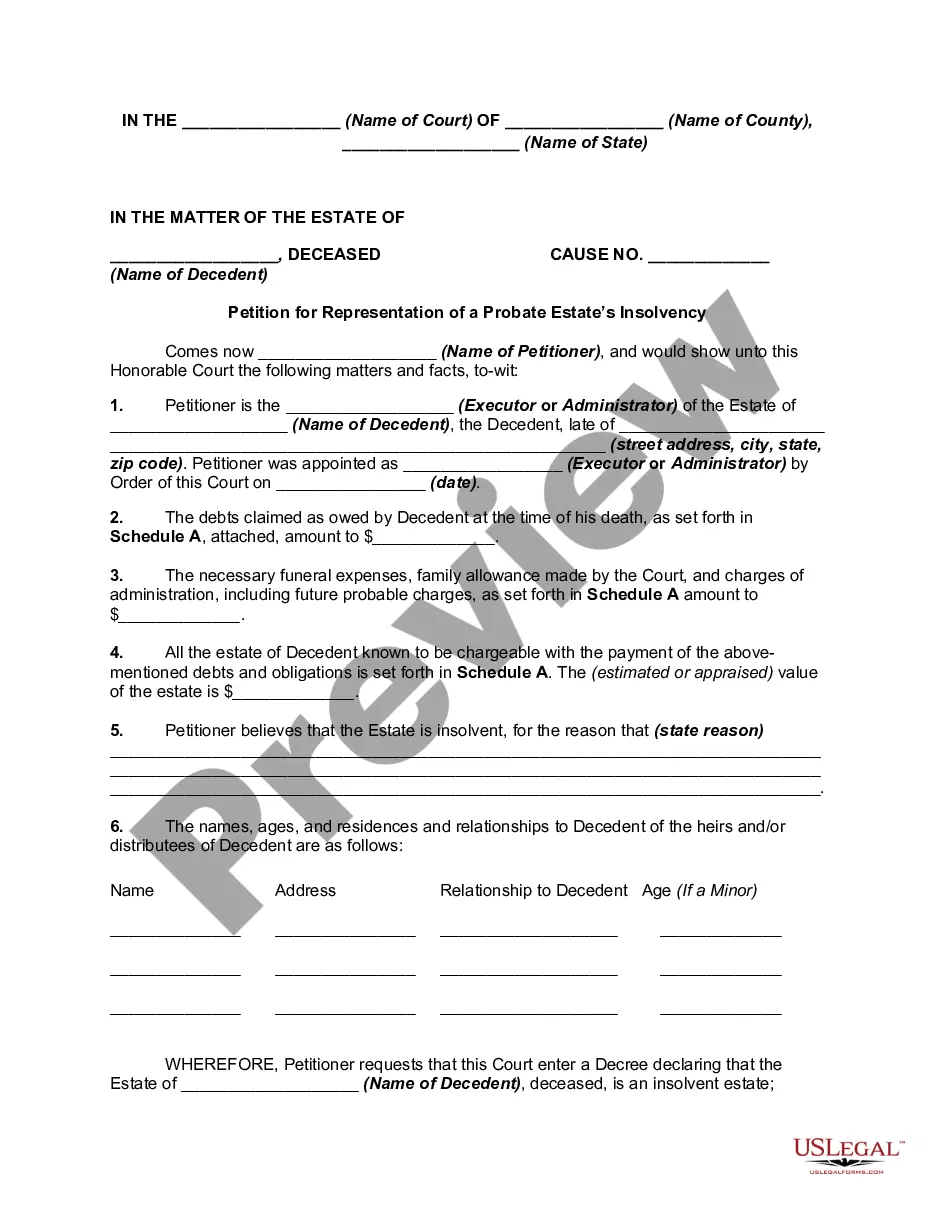
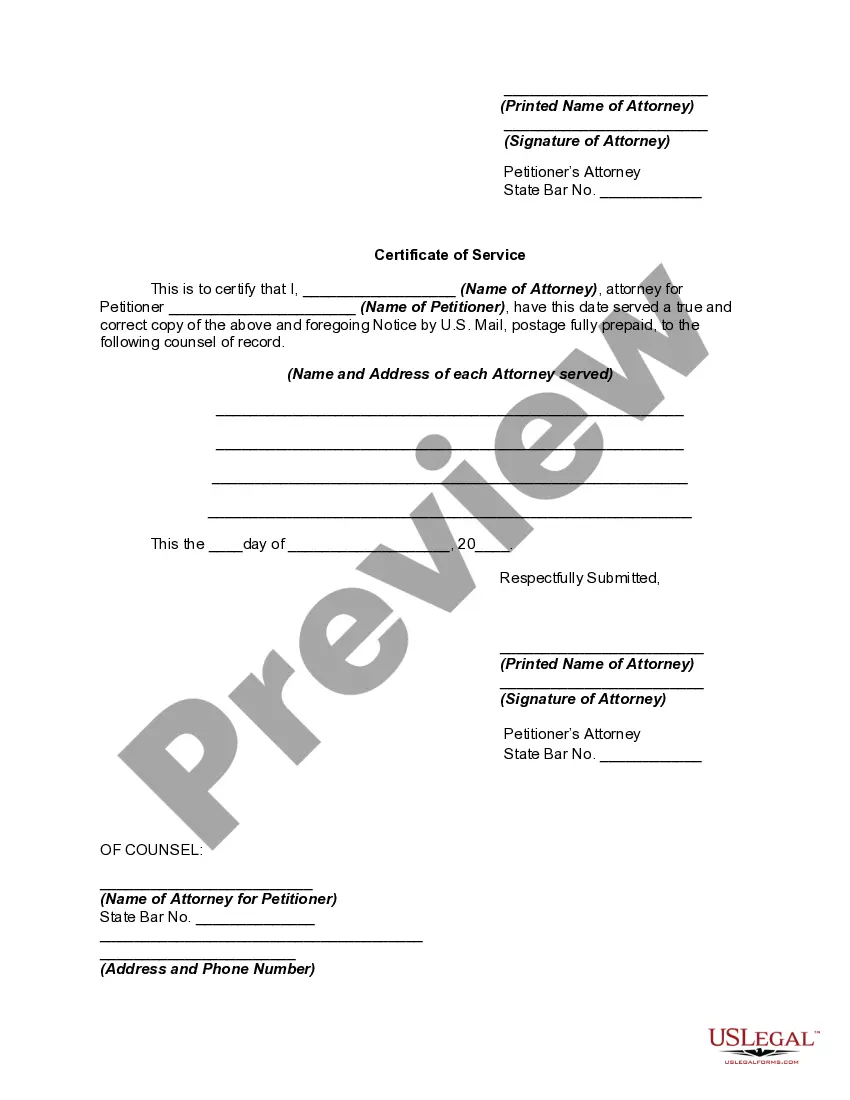
The Petition for Representation of a Probate Estate's Insolvency is a legal document used to formally declare that a deceased person's estate does not have sufficient assets to cover its debts and expenses. This form is crucial for ensuring that the probate process is handled appropriately, especially when heirs may not receive anything from the estate, aside from certain allowances to surviving family members. It differs from other probate forms by focusing specifically on the estate's insolvency status and the necessary steps for seeking court involvement.
Key parts of this document
- Petitioner's information, including the executor or administrator of the estate.
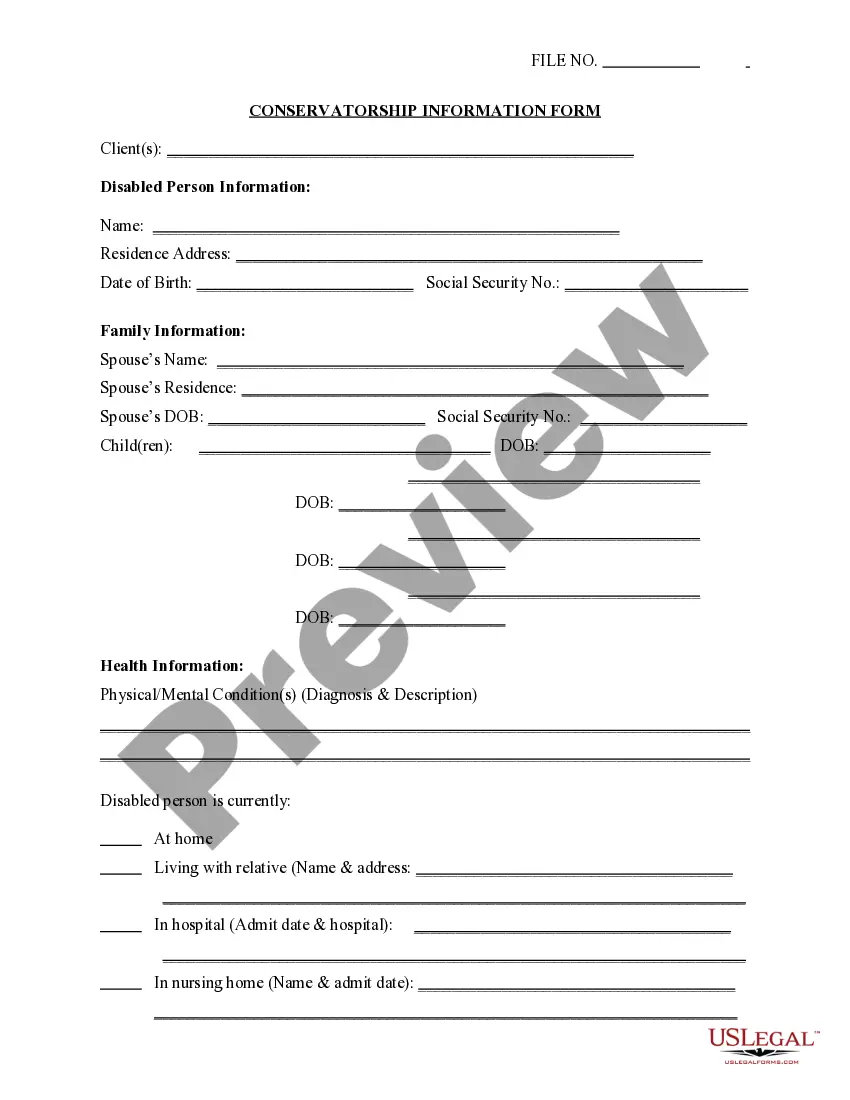
- Details of the deceased, including their name and address.
- A schedule of debts claimed against the estate.
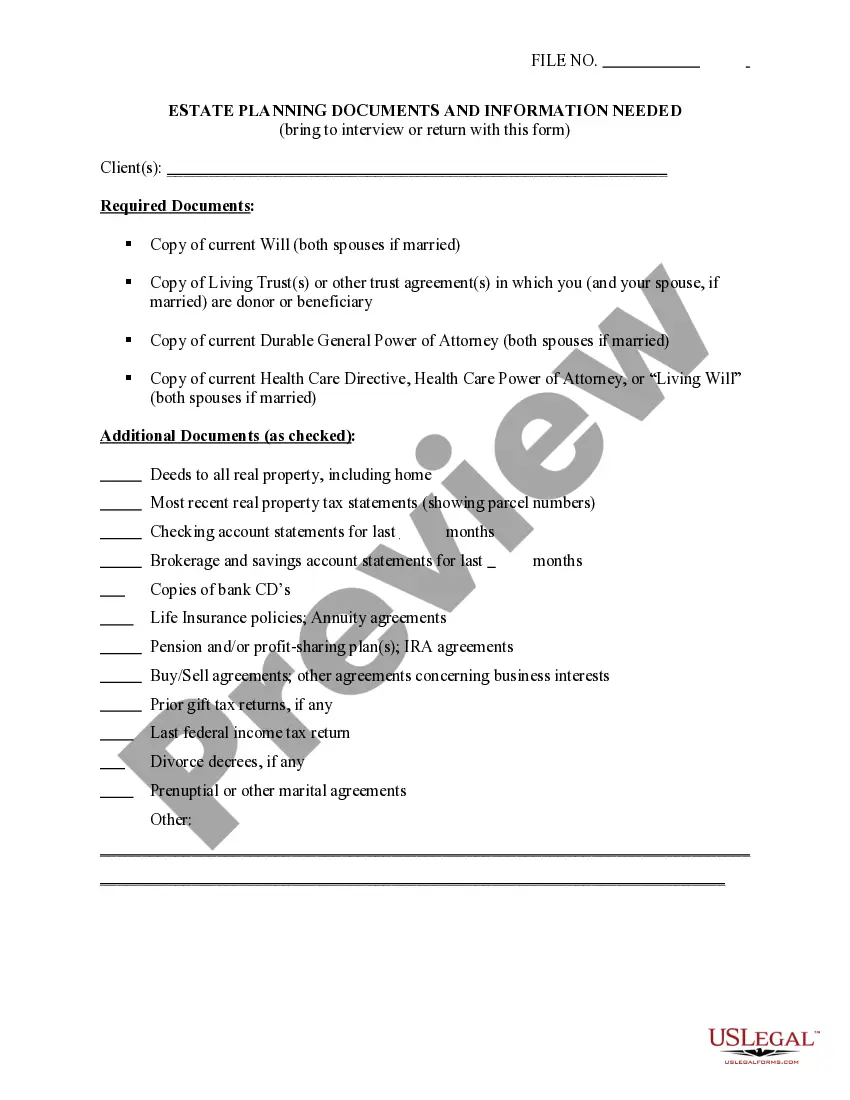
- Estimation of the total value of the estate.
- Names, addresses, and relationships of the heirs or distributees of the deceased.
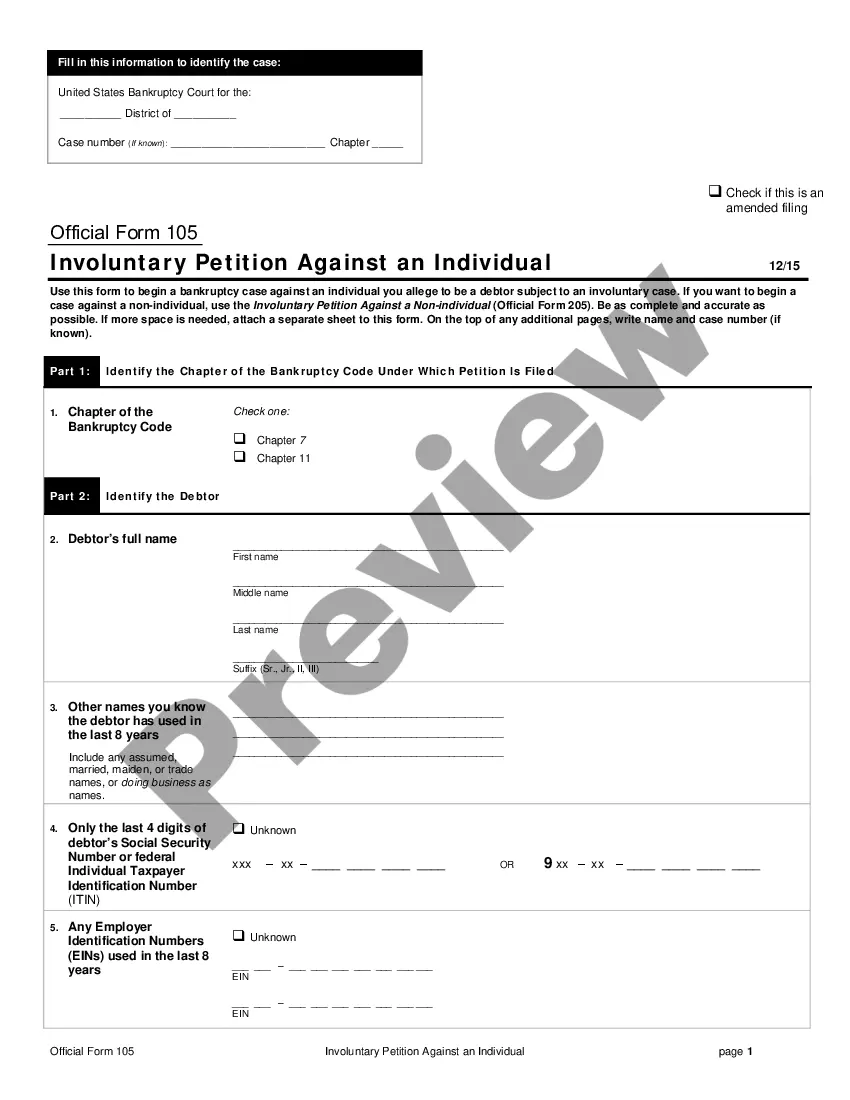
- A declaration request for the court to classify the estate as insolvent.

Situations where this form applies
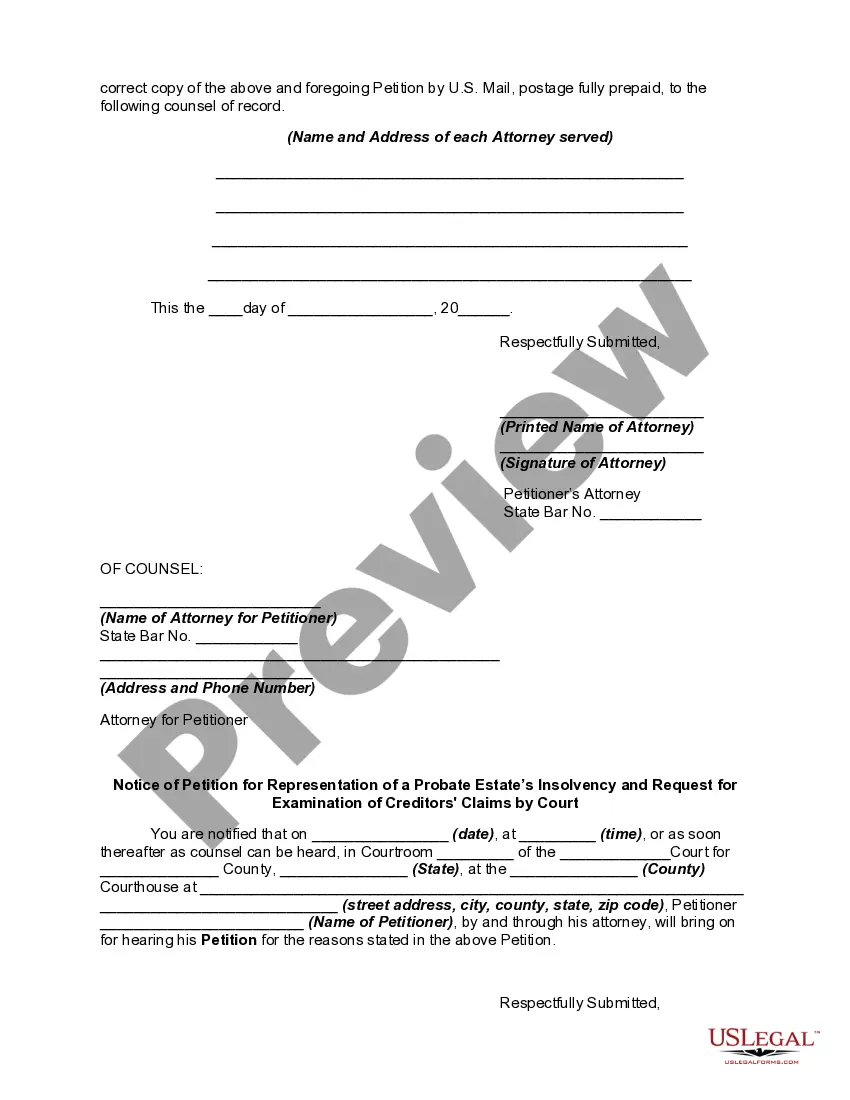
This form is typically used when the estate of a deceased person has more debts than assets, making it insolvent. Situations may include cases where funeral expenses, outstanding taxes, and other administrative costs exceed the value of the estate assets. Executors or administrators of estates should utilize this form to seek the courtâs recognition of the insolvency and to establish the proper handling of any claims against the estate.
Intended users of this form
- Executors or administrators responsible for managing a deceased personâs estate.
- Heirs or beneficiaries wanting to understand the estate's financial status.
- Legal representatives assisting in probate matters concerning insolvent estates.
How to complete this form
- Enter the decedent's name and address in the specified sections.
- Fill in the petitioner's name and relation to the estate.
- List all debts owed by the decedent and their corresponding amounts in Schedule A.
- Estimate the total value of the estate and include it in the designated field.
- Provide details of the heirs, including names, addresses, relationships, and ages.
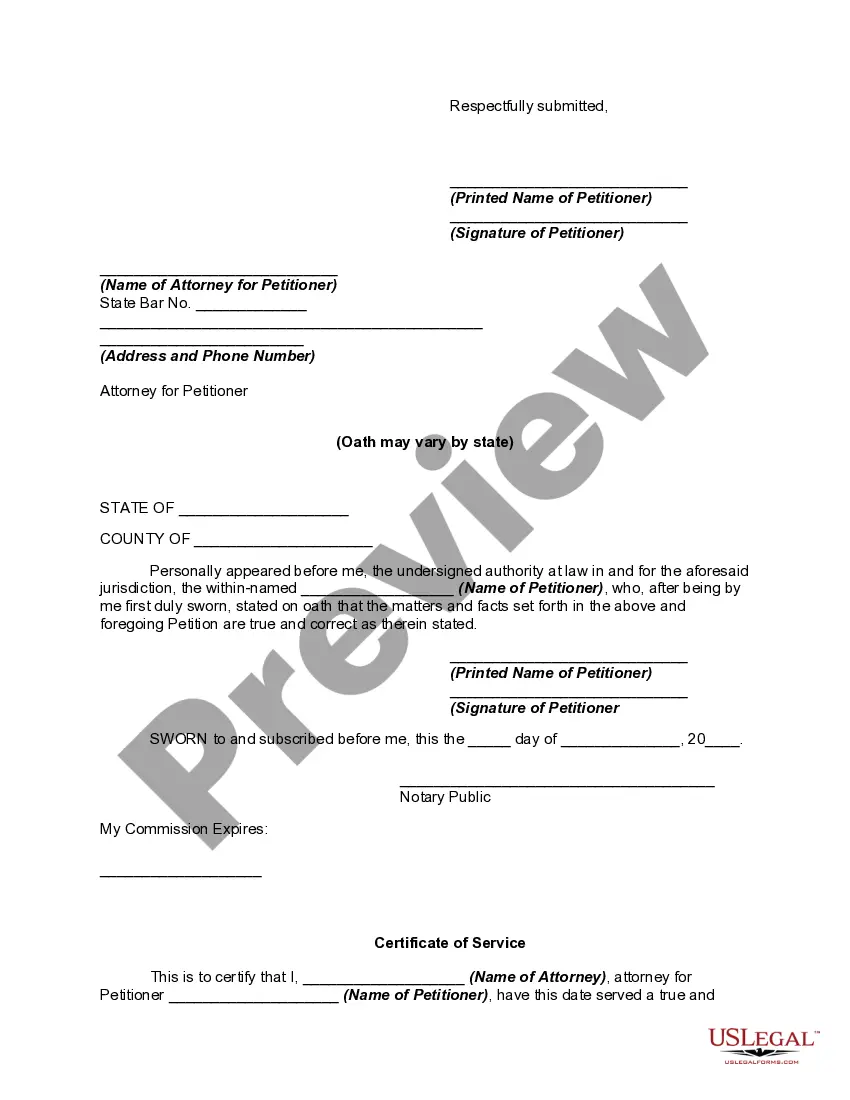
- Sign the petition and have it notarized if required by local law.
Does this document require notarization?
This form does not typically require notarization unless specified by local law. However, it may be beneficial to have it notarized to enhance its legal standing in court proceedings.
Get your form ready online
Our built-in tools help you complete, sign, share, and store your documents in one place.
Make edits, fill in missing information, and update formatting in US Legal Forms—just like you would in MS Word.
Download a copy, print it, send it by email, or mail it via USPS—whatever works best for your next step.
Sign and collect signatures with our SignNow integration. Send to multiple recipients, set reminders, and more. Go Premium to unlock E-Sign.
If this form requires notarization, complete it online through a secure video call—no need to meet a notary in person or wait for an appointment.
We protect your documents and personal data by following strict security and privacy standards.

Make edits, fill in missing information, and update formatting in US Legal Forms—just like you would in MS Word.

Download a copy, print it, send it by email, or mail it via USPS—whatever works best for your next step.

Sign and collect signatures with our SignNow integration. Send to multiple recipients, set reminders, and more. Go Premium to unlock E-Sign.

If this form requires notarization, complete it online through a secure video call—no need to meet a notary in person or wait for an appointment.

We protect your documents and personal data by following strict security and privacy standards.
Mistakes to watch out for
- Failing to accurately list all debts and expenses, which could lead to legal issues.
- Omitting necessary information about heirs or beneficiaries.
- Not adhering to state-specific requirements regarding signatures and notarization.
Why complete this form online
- Convenience of immediate download allows for prompt action.
- Editable templates enable customization to fit specific estate details.
- Access to forms drafted by licensed attorneys increases reliability.
Main things to remember
- The Petition for Representation of a Probate Estate's Insolvency is essential for managing an estate's debts.
- It serves to inform all parties involved of the estate's financial situation.
- Accurate and complete information is crucial for the petition to be valid and effective.
Looking for another form?
Form popularity
FAQ
Real Estate, Bank Accounts, and Vehicles. Stocks and Bonds. Life Insurance and Retirement Plans. Wages and Business Interests. Intellectual Property. Debts and Judgments.
Determine Your State's Laws Regarding Inventory Forms. Review the Instructions Provided. Identify Real Property. Identify Personal Property. Identify Bank Accounts. Identify Retirement Accounts. Identify Non-Probate Assets. File the Form With the Court.
To do this, you must file a Petition for Probate (form DE-111. NOTE: If there is no will and a court case is needed, the court will appoint an administrator to manage the estate during the probate process.
Sometimes an owner dies and his or her heirs fail to claim assets left to them because they don't know about the inheritance. To search for these assets, go to www.missingmoney.com, which you can also reach by typing www.unclaimed.org and clicking on the MissingMoney.com link.
An inventory and appraisal is a required filing in California probate. The inventory and appraisal is a single document that (1) inventories the property in the decedent's estate and (2) contains an appraisal of the property in the inventory. California Probate Code § 8800(a).
All taxes and liabilities paid from the estate, including medical expenses, attorney fees, burial or cremation expenses, estate sale costs, appraisal expenses, and more. The executor should keep all receipts for any services or transactions needed to liquidate the assets of the deceased.
Introduction. Pay the debts of the estate first. Ask each beneficiary to acknowledge receipt of the gift. Transferring company shares. Transferring real property. Draw up the accounts of the estate. Other claims on the estate. Finishing up.
Step 1: Filing the Petition. Step 2: Handling of Notices. Step 3: Proving the Will. Step 4: Asset Collection. Step 5: Payments to Creditors. Step 6: Estate Tax Payments. Step 7: Conclusion of the Estate.
When assets are being valued for probate, the valuation should be as at the date of death. For property, this will be what the market value at that time is; for personal possessions, it will be what they will fetch on the open market at the date of your death, and so on.