Mississippi Employment or Job Termination Package
About this form package
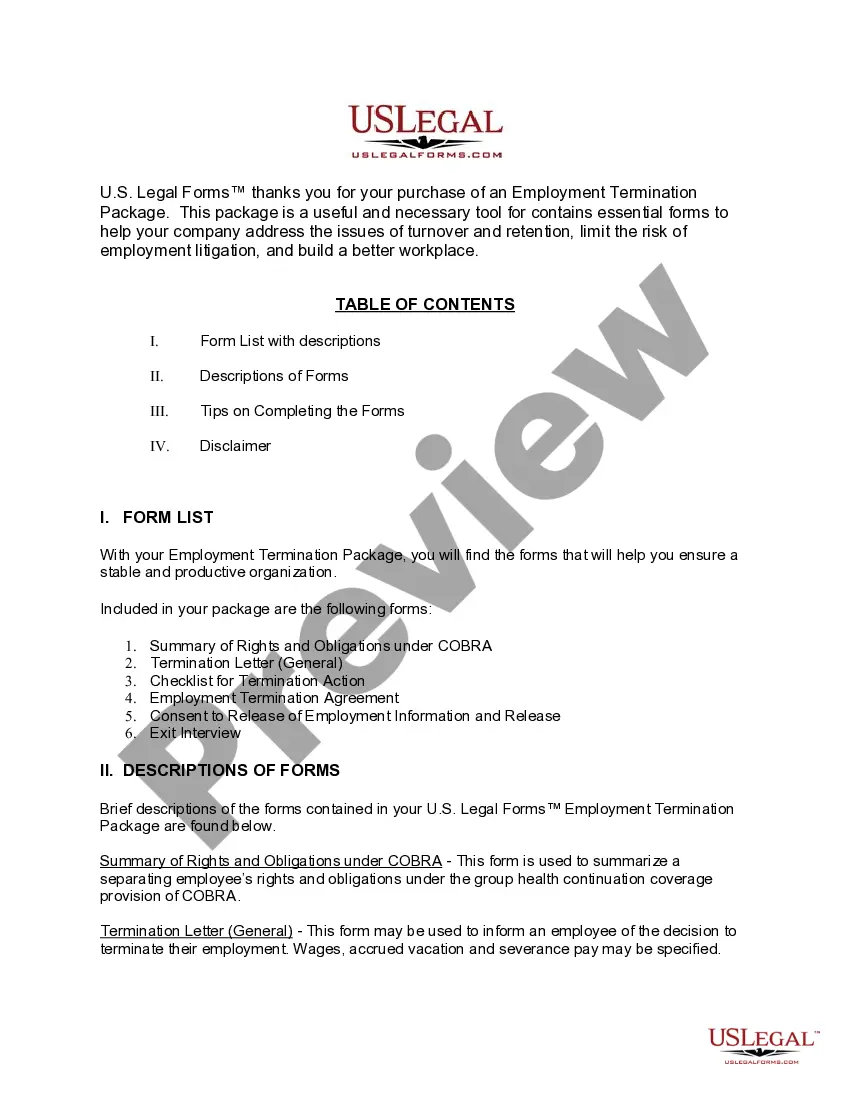
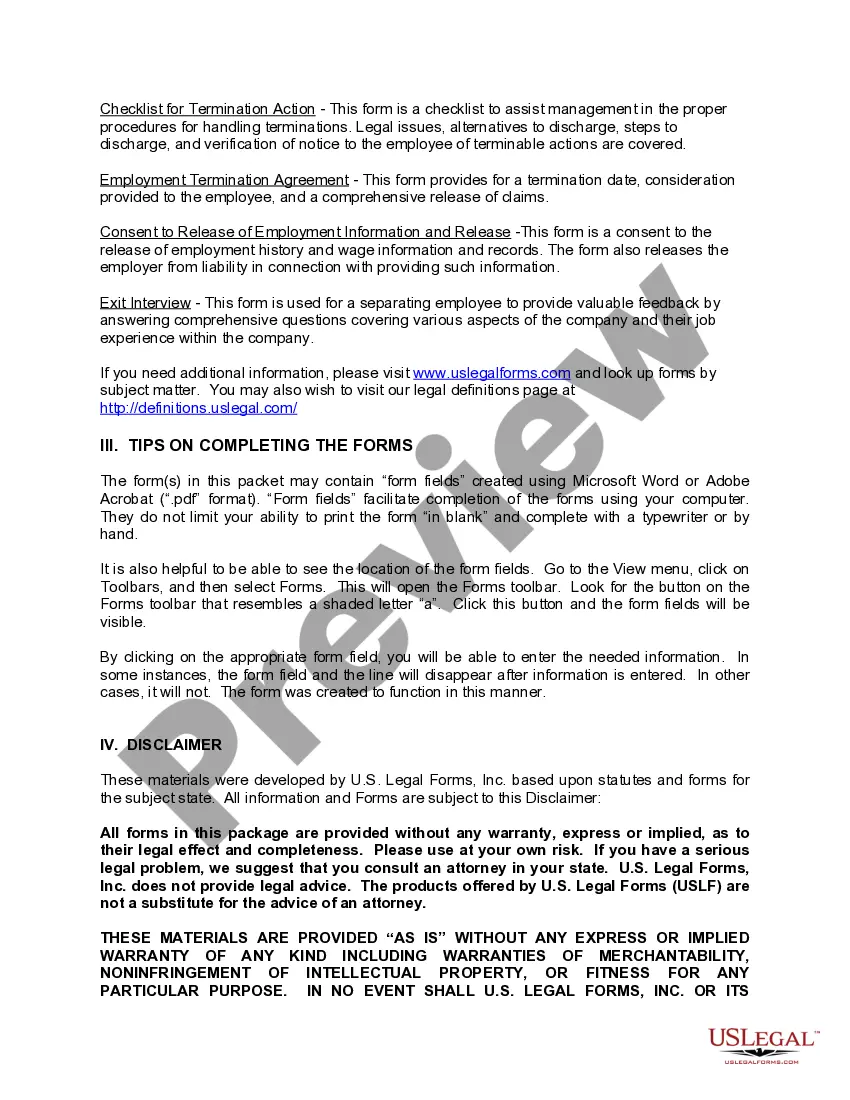
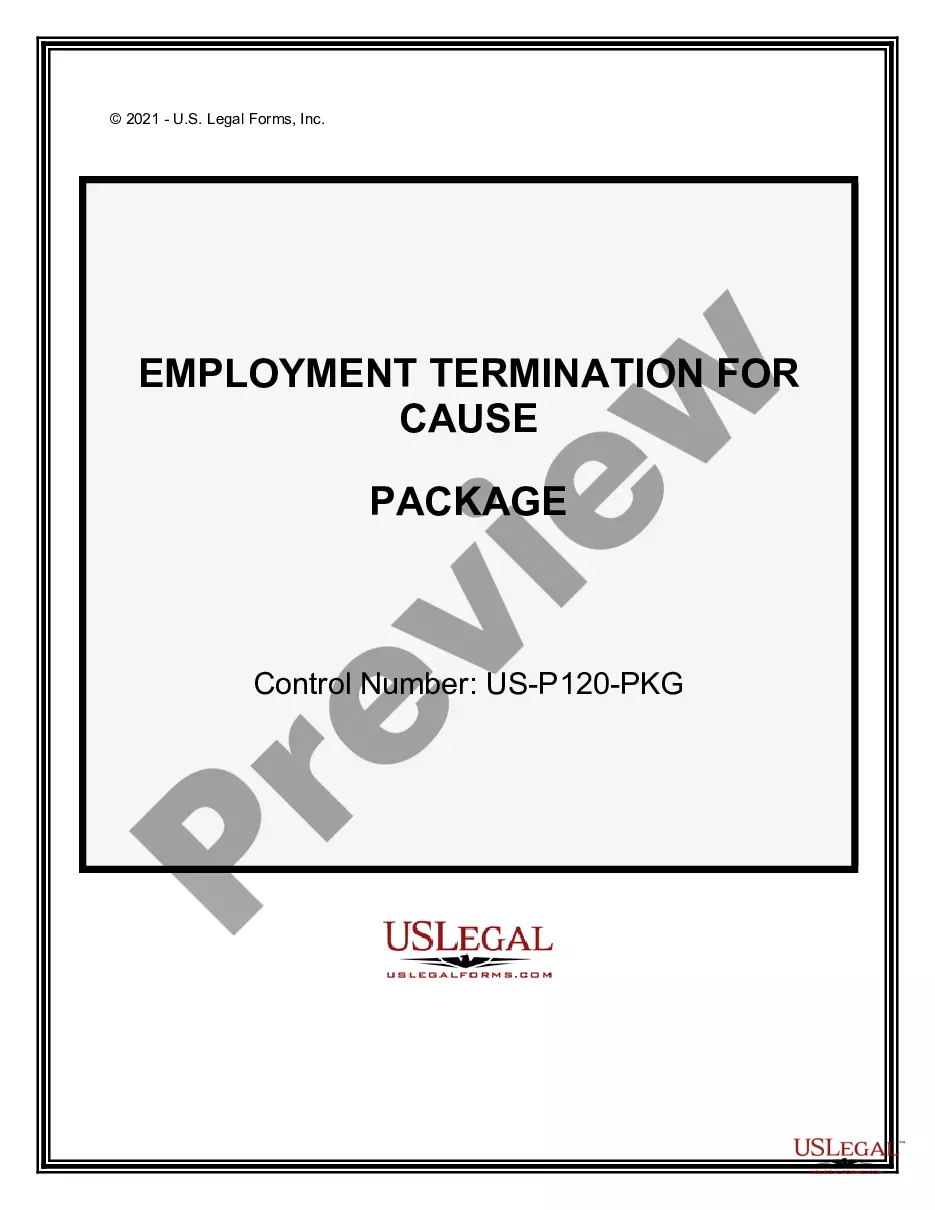
The Mississippi Employment or Job Termination Package provides essential legal forms designed to help employers manage employee terminations effectively. This package aids in addressing turnover and retention issues, while also limiting the risk of employment litigation. Unlike other generic termination packages, this one is tailored specifically for Mississippi, ensuring compliance with local laws and regulations.
Documents contained in this package

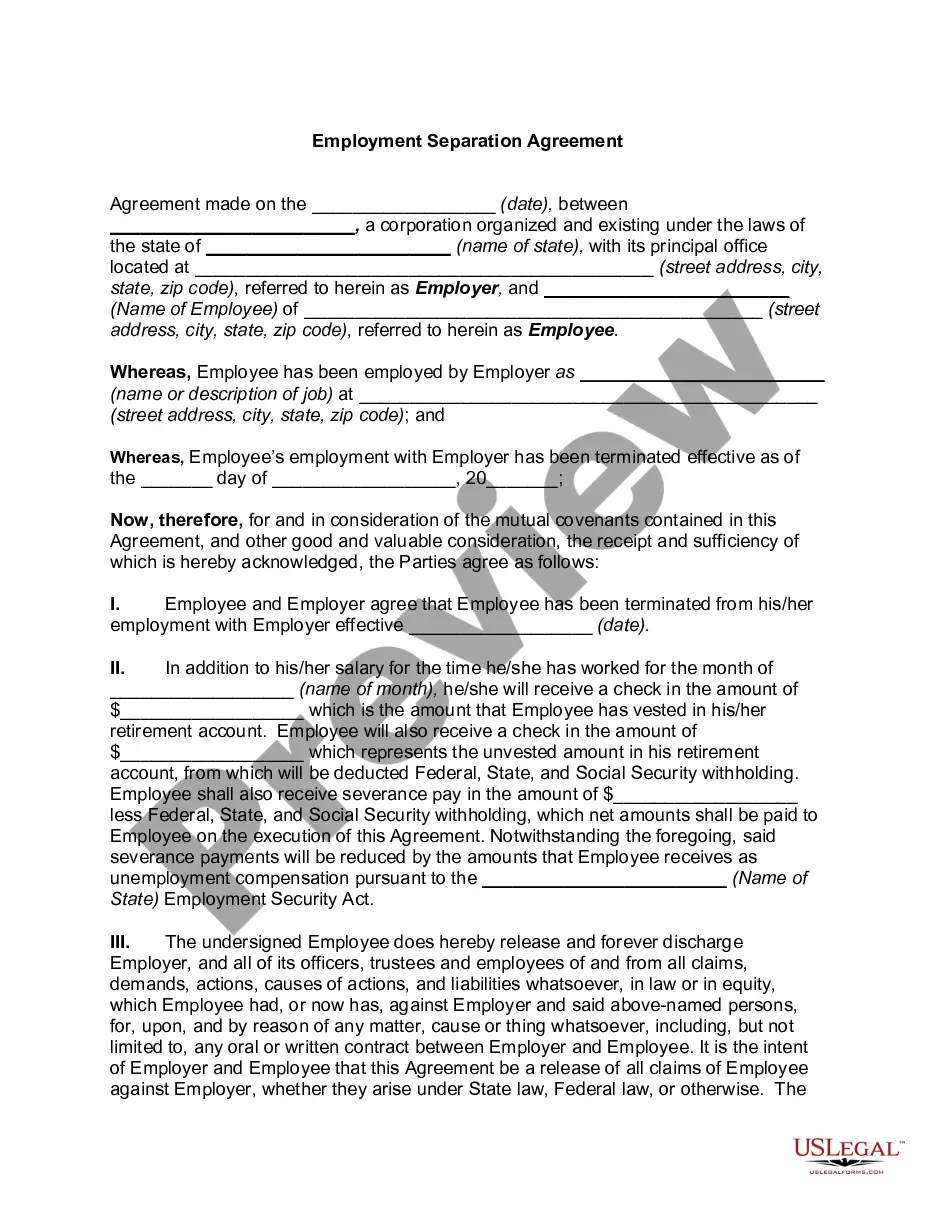
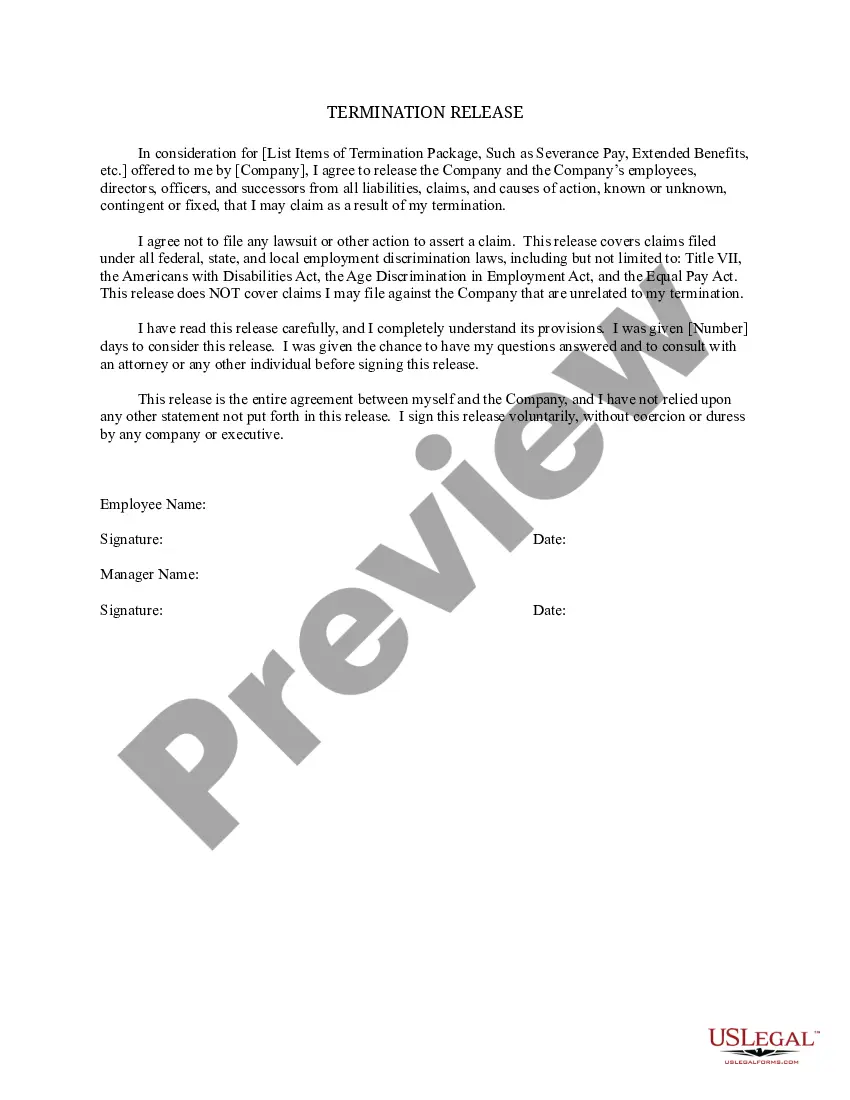
When to use this form package
This form package is useful in various situations, including:
- When an employee's performance does not meet company standards.
- During layoffs due to budget cuts or restructuring.
- In cases of employee misconduct or violation of company policies.
- When parting ways with an employee to improve overall team dynamics.
Who can use this document
- Small business owners in Mississippi looking for a systematic approach to employee terminations.
- Human resources professionals managing employee separation processes.
- Managers and team leaders needing guidance on proper termination procedures.
- Legal advisors seeking forms that comply with Mississippi employment laws.
Completing these forms step by step
- Review all included forms carefully to understand each one's purpose.
- Identify the specific employee and the grounds for termination.
- Fill out the Termination Letter with relevant details such as dates and final compensation.
- Complete the Employment Termination Agreement, noting any severance or release of claims.
- Use the Checklist for Termination Action to ensure all procedures are followed correctly.
- Conduct the Exit Interview to gather necessary feedback and document the process.
Do documents in this package require notarization?
Forms in this package typically do not require notarization. However, certain states or document types may still need it. US Legal Forms provides online notarization powered by Notarize, available 24/7 for your convenience.
Get your form ready online
Our built-in tools help you complete, sign, share, and store your documents in one place.
Make edits, fill in missing information, and update formatting in US Legal Forms—just like you would in MS Word.
Download a copy, print it, send it by email, or mail it via USPS—whatever works best for your next step.
Sign and collect signatures with our SignNow integration. Send to multiple recipients, set reminders, and more. Go Premium to unlock E-Sign.
If this form requires notarization, complete it online through a secure video call—no need to meet a notary in person or wait for an appointment.
We protect your documents and personal data by following strict security and privacy standards.
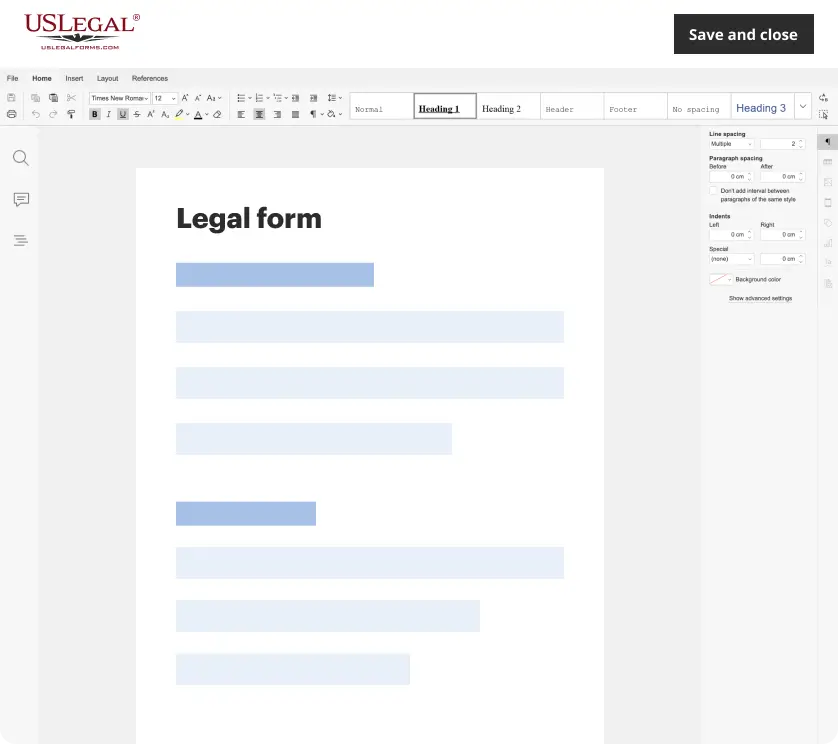
Make edits, fill in missing information, and update formatting in US Legal Forms—just like you would in MS Word.
Download a copy, print it, send it by email, or mail it via USPS—whatever works best for your next step.
Sign and collect signatures with our SignNow integration. Send to multiple recipients, set reminders, and more. Go Premium to unlock E-Sign.
If this form requires notarization, complete it online through a secure video call—no need to meet a notary in person or wait for an appointment.
We protect your documents and personal data by following strict security and privacy standards.
Typical mistakes to avoid
- Failing to document the reasons for termination adequately.
- Leaving out important details in the Termination Letter.
- Not following the Checklist for Termination Action, leading to procedural gaps.
- Neglecting to conduct an Exit Interview, missing valuable feedback.
Advantages of online completion
- Convenience of accessing forms from anywhere, reducing the time spent on paperwork.
- Editability allows you to customize the forms to fit your specific termination circumstances.
- Reliability of using attorney-drafted documents ensures compliance with relevant laws.
- Instant download provides immediate access to necessary materials whenever needed.
Legal use & context
- The forms provided in this package serve as a guideline for proper termination procedures.
- Using these forms properly can help minimize legal risks associated with employee separations.
- Compliance with state-specific regulations is crucial for enforceability.
- Legal consultation is recommended for complex termination cases.
Summary of main points
- The Mississippi Employment or Job Termination Package provides essential legal forms for effective employee separations.
- It helps mitigate risks and ensure compliance with Mississippi state laws.
- Proper completion of the forms can protect against potential litigation and enhance workplace communication.
Looking for another form?
Form popularity
FAQ
Termination of employment refers to the end of an employee's work with a company. Termination may be voluntary, as when a worker leaves of their own accord, or involuntary, in the case of a company downsize or layoff, or if an employee is fired.
Alabama. Florida. Georgia. Louisiana. Maine. Nebraska. New York. Rhode Island.
Mississippi is an "at will" state, which means an employer can fire an employee for any or no reason, as long as it is not discriminatory.
Yes, you can sue your employer if they wrongfully fired you. But you need to know if your employer actually broke the law, and you need to determine how strong your case is. All too often, people want to sue for being fired when the company had a legitimate reason to fire them. Not every firing is illegal.
Being fired means that the company ended your employment for reasons specific to you. This may also be referred to as terminated by some companies. Getting laid off is different, and means that the company eliminated your position for strategic or financial reasons and not through any fault of yours.
While the average settlement for wrongful termination cases in California is around $40,000, the average value of a court verdict in wrongful termination cases is slightly larger, around $45,000 (but do keep in mind that attorney fees for legal representation in a wrongful termination trial will skyrocket, too).
To be wrongfully terminated is to be fired for an illegal reason, which may involve violation of federal anti-discrimination laws or a contractual breach.For instance, an employee cannot be fired on the basis of her race, gender, ethnic background, religion, or disability.
When you lose or leave your job in California, you are entitled to receive your final paycheck in short order. California law gives employers only a short time to give employees their final paychecks after they quit or are fired.
Public Policy: According to the Mississippi Supreme Court, an employer cannot fire an employee for reporting an activity that violates public policy.A wrongful discharge in this type of circumstance allows the employee to sue the company for damages, including punitive damages.