Hawaii Letter from Tenant to Landlord about Landlord using Unlawful Self-Help to Gain Possession
Overview of this form
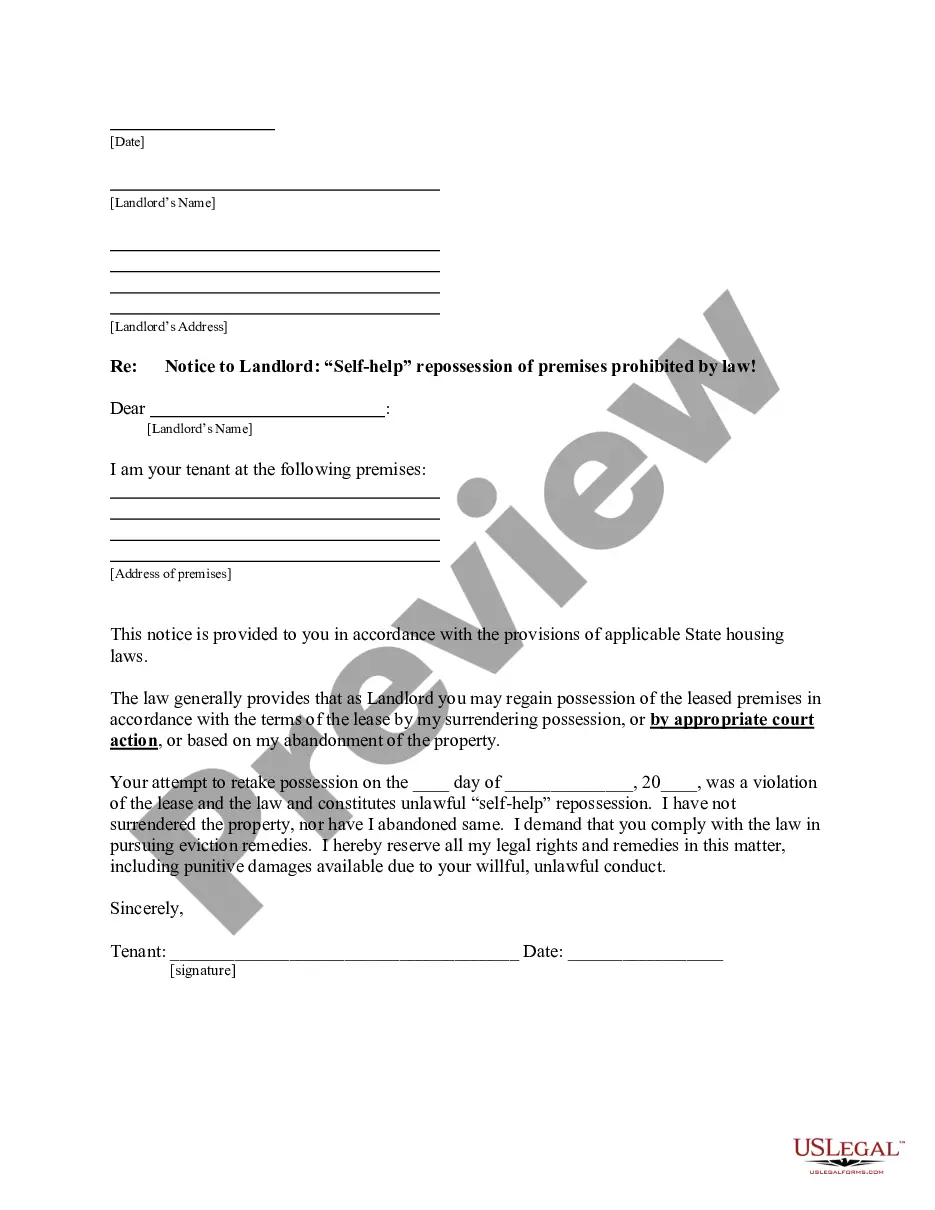
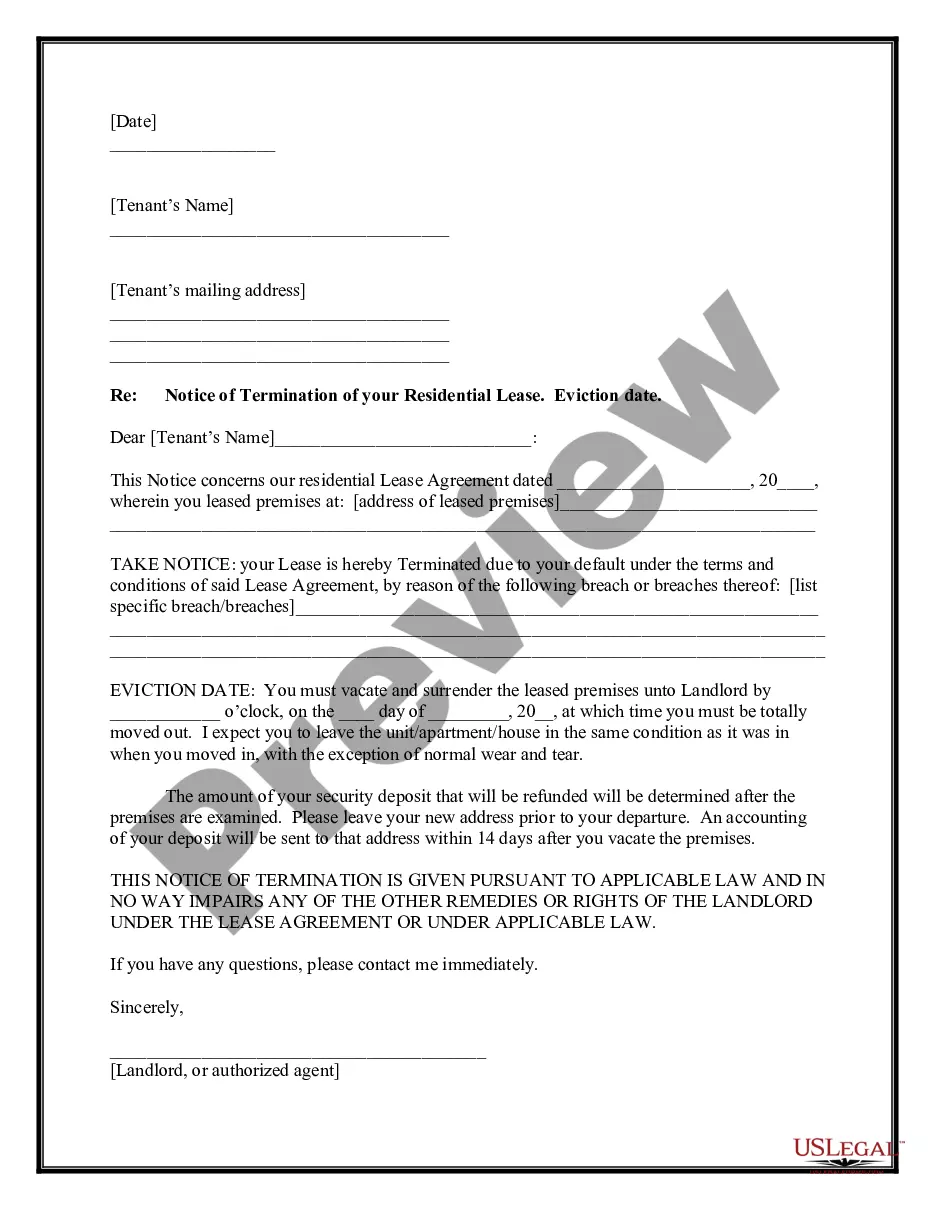
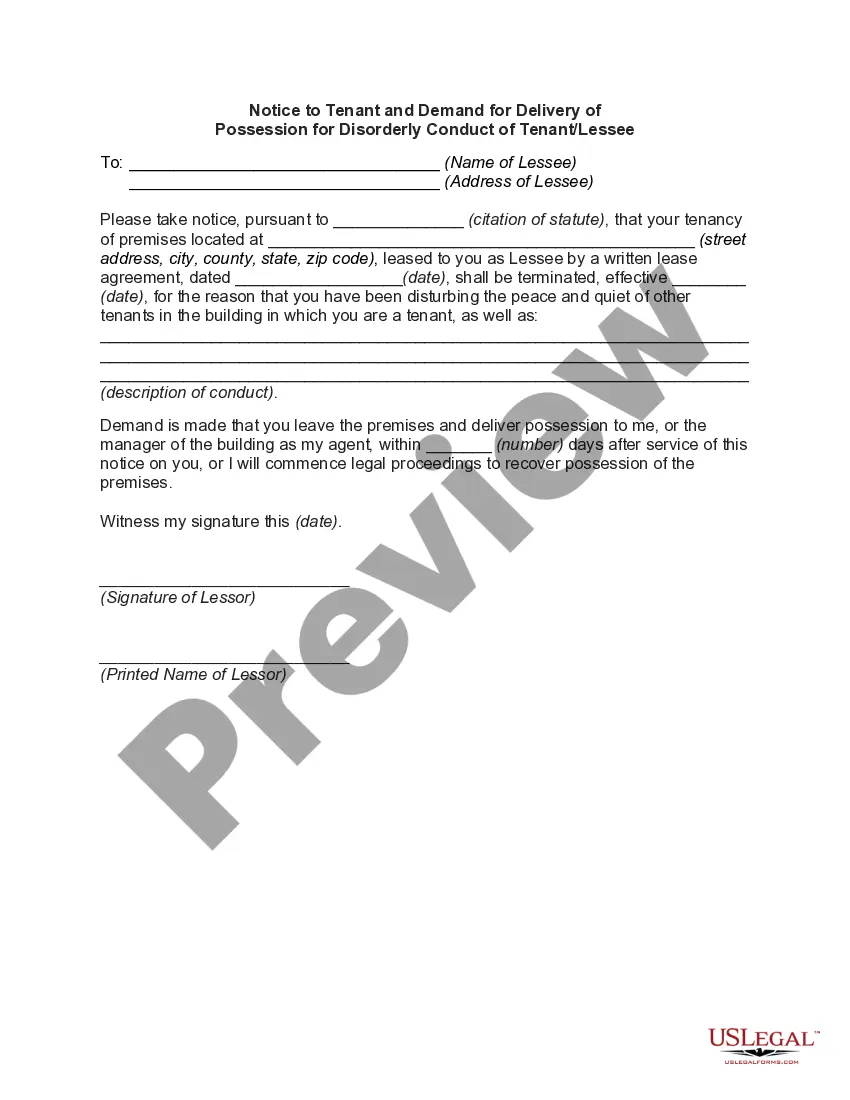
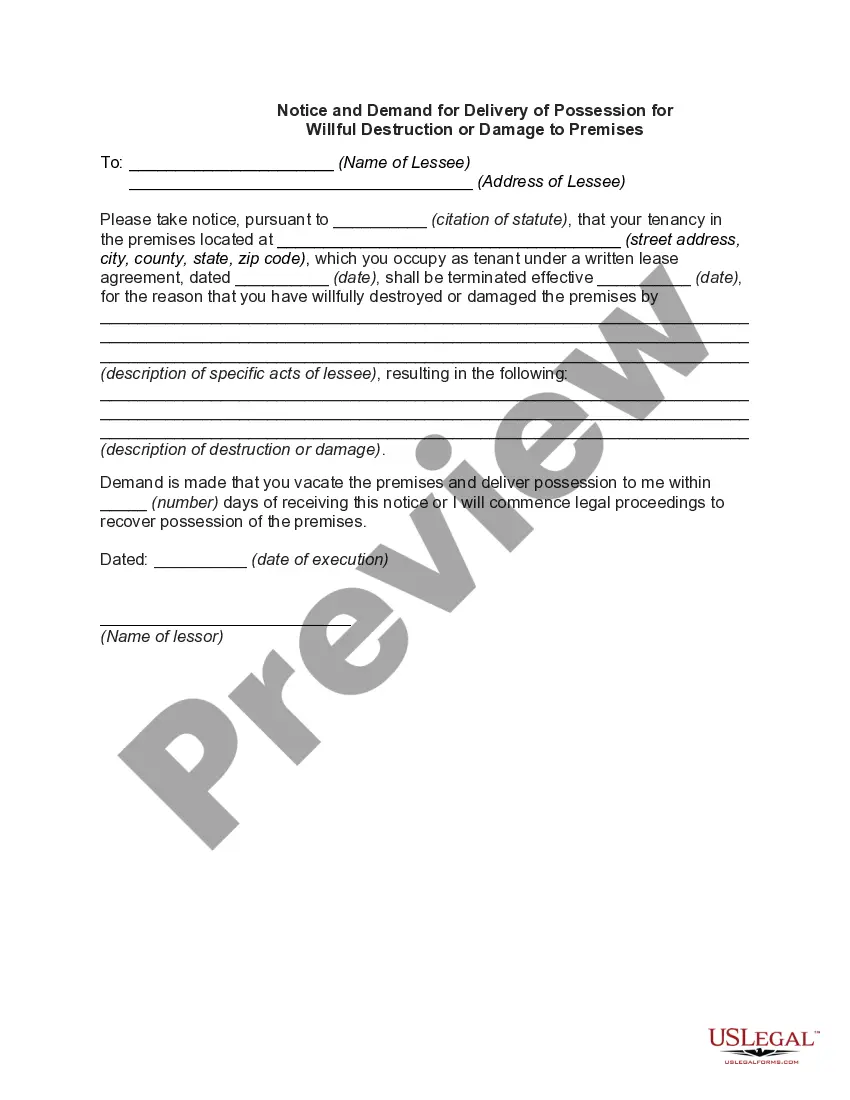
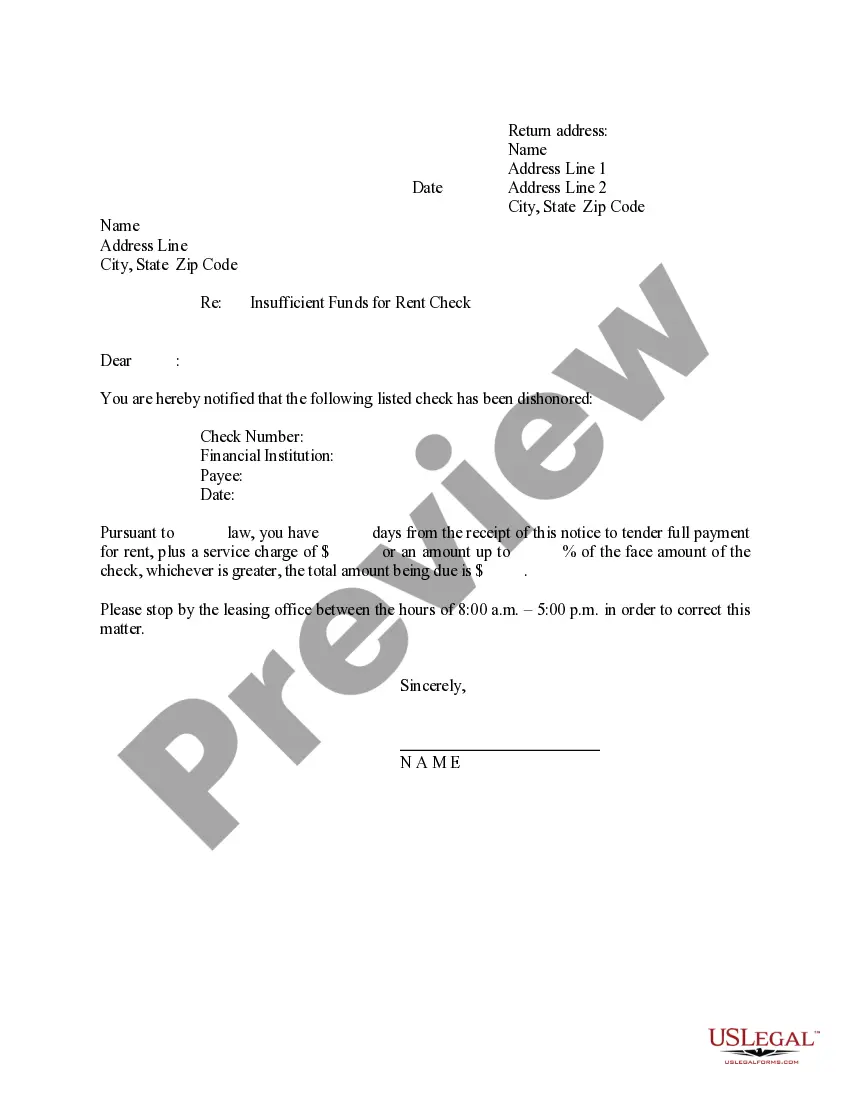
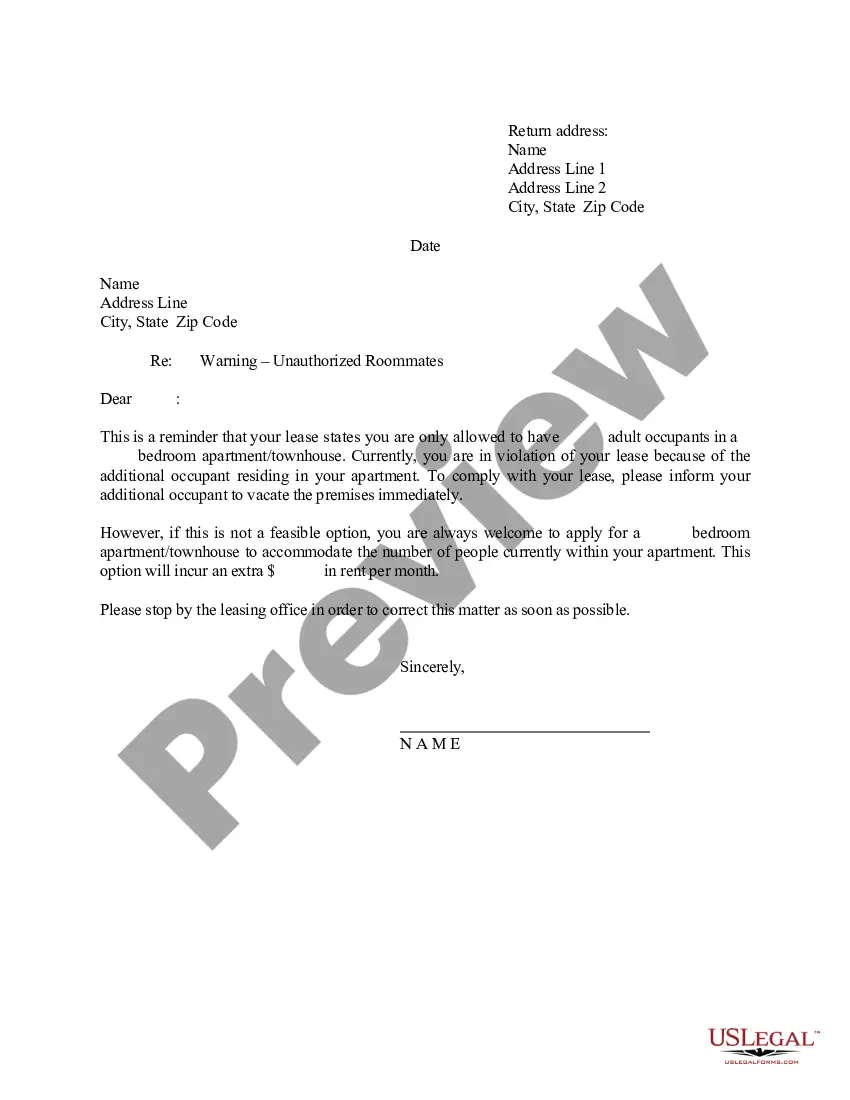
This letter serves as a formal notice from a tenant to a landlord, indicating that the landlord has engaged in unlawful self-help to regain possession of the rental property. Unlike standard eviction notices, this letter specifically addresses the illegal nature of the landlord's actions and emphasizes the tenant's rights under the rental agreement and the law.
Key components of this form
- Identification of the tenant and landlord.
- Details of the property in question.
- Specific date when the unlawful action occurred.
- Statement asserting the tenant's legal rights and remedies.
- Signature and date fields for the tenant.
Situations where this form applies
This form is used when a landlord attempts to regain possession of a rental property through illegal means, rather than following the proper legal procedure. Tenants should use this letter if they believe their landlord has violated the rental agreement or state laws by using self-help methods such as changing the locks, removing the tenant's belongings, or shutting off utilities.
Who can use this document
- Tenants who feel threatened by unlawful eviction methods.
- Individuals renting residential properties.
- Anyone who has not abandoned their rental unit but is facing unlawful repossession attempts.
Instructions for completing this form
- Identify and enter the names of the tenant and landlord.
- Specify the address of the rental property.
- Fill in the date when the unlawful action occurred.
- Clearly state your assertion that the landlord violated the lease and the law.
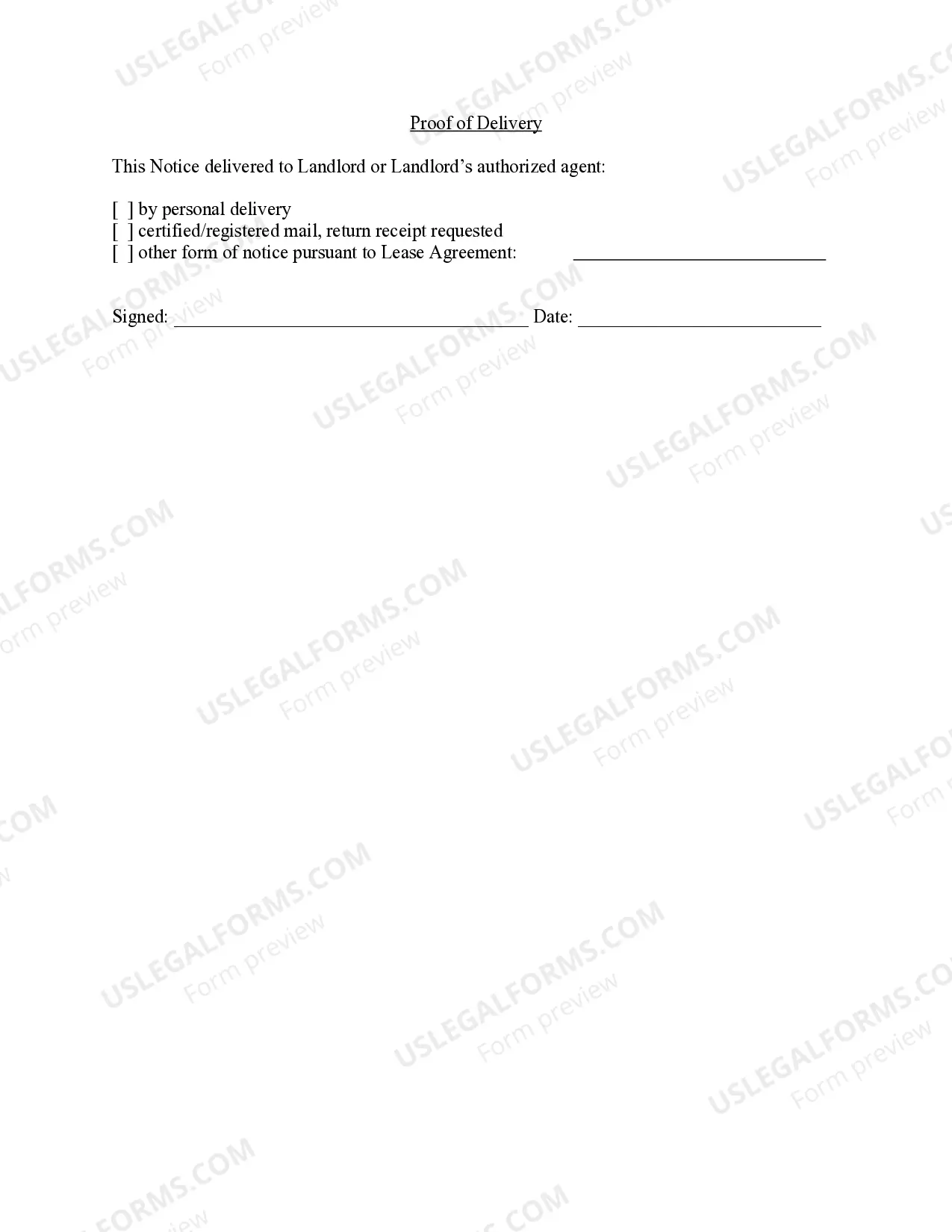
- Sign and date the letter, then prepare for delivery.
Notarization requirements for this form
This form does not typically require notarization unless specified by local law. It is advisable for tenants to check their state's requirements regarding such notices.
Get your form ready online
Our built-in tools help you complete, sign, share, and store your documents in one place.
Make edits, fill in missing information, and update formatting in US Legal Forms—just like you would in MS Word.
Download a copy, print it, send it by email, or mail it via USPS—whatever works best for your next step.
Sign and collect signatures with our SignNow integration. Send to multiple recipients, set reminders, and more. Go Premium to unlock E-Sign.
If this form requires notarization, complete it online through a secure video call—no need to meet a notary in person or wait for an appointment.
We protect your documents and personal data by following strict security and privacy standards.
Make edits, fill in missing information, and update formatting in US Legal Forms—just like you would in MS Word.
Download a copy, print it, send it by email, or mail it via USPS—whatever works best for your next step.
Sign and collect signatures with our SignNow integration. Send to multiple recipients, set reminders, and more. Go Premium to unlock E-Sign.
If this form requires notarization, complete it online through a secure video call—no need to meet a notary in person or wait for an appointment.
We protect your documents and personal data by following strict security and privacy standards.
Typical mistakes to avoid
- Failing to provide specific details about the unlawful action.
- Not signing the letter before delivery.
- Incorrectly identifying the property or the landlord.
Benefits of using this form online
- Instant access to a legally vetted template.
- Convenient formatting that can be customized easily.
- Simple to download and print when ready.
Legal use & context
- This form informs the landlord of their unlawful actions and may be used to establish a record if further legal action is needed.
- Sending this letter may strengthen the tenant's position if the case goes to court.
Main things to remember
- Use this letter if a landlord engages in unlawful eviction methods.
- Clearly assert your rights and document the landlord's misconduct.
- Ensure the letter is properly filled out and delivered to be effective.
Looking for another form?
Form popularity
FAQ
To write a letter to your landlord about your problems, start by clearly stating your concerns. Outline the specific issues you are facing, such as unlawful actions that may violate your rights. Additionally, mention that you might need to address the situation using a Hawaii Letter from Tenant to Landlord about Landlord using Unlawful Self-Help to Gain Possession. Ending the letter with a request for resolution promotes effective communication and may prompt timely actions from your landlord.
In Hawaii, if a tenant experiences wrongful eviction, they can sue for damages, which may include lost rent and emotional distress. The amount varies based on individual circumstances and the extent of the landlord's unlawful actions. It is advisable to document your situation thoroughly and consider using a Hawaii Letter from Tenant to Landlord about Landlord using Unlawful Self-Help to Gain Possession as part of your case, potentially strengthening your position.
Hawaii law provides several protections for tenants against unlawful actions by landlords, including self-help eviction. Tenants have the right to due process, which means landlords must follow legal procedures to evict a tenant. If you face an unlawful eviction attempt, using a Hawaii Letter from Tenant to Landlord about Landlord using Unlawful Self-Help to Gain Possession can help you assert your rights and seek remedy.
Self-help eviction refers to a landlord's attempts to regain possession of rental property without following legal procedures. This can include changing locks, shutting off utilities, or forcibly removing a tenant. In Hawaii, tenants can address these illegal actions through a Hawaii Letter from Tenant to Landlord about Landlord using Unlawful Self-Help to Gain Possession, protecting their rights and ensuring compliance with the law.
To report a landlord in Hawaii, first gather evidence of the issues you are experiencing, such as photos, letters, or records of communication. You can file a complaint with the DCCA or your local housing authority. If your landlord is engaging in unlawful self-help, consider sending a Hawaii Letter from Tenant to Landlord about Landlord using Unlawful Self-Help to Gain Possession before escalating your complaint, as it may strengthen your case.
Landlord harassment can include actions such as excessive property visits, threats of eviction without cause, or refusal to make essential repairs. These actions can create an intimidating atmosphere for tenants. If you are facing such harassment, consider documenting the incidents and potentially sending a Hawaii Letter from Tenant to Landlord about Landlord using Unlawful Self-Help to Gain Possession to formally address the issue.
Renters in Hawaii have the right to a habitable living environment, privacy, and protection against discrimination. Landlords must adhere to lease agreements and state laws, ensuring tenants can exercise their rights without fear of unlawful eviction. If you feel your rights are being violated, drafting a Hawaii Letter from Tenant to Landlord about Landlord using Unlawful Self-Help to Gain Possession may help assert your legal protections.
When writing a letter for harassment, clearly outline the specific behaviors that you find threatening or intrusive. Document dates and instances, and express how these actions violate your rights as a tenant. A formal letter, such as a Hawaii Letter from Tenant to Landlord about Landlord using Unlawful Self-Help to Gain Possession, can strongly communicate your position and your expectation for resolution.
To report a landlord in Hawaii, you can contact the Department of Commerce and Consumer Affairs (DCCA) or local housing authorities. They provide resources and assistance for tenants facing issues with landlords. If you have experienced unlawful self-help tactics, consider using a Hawaii Letter from Tenant to Landlord about Landlord using Unlawful Self-Help to Gain Possession to document your concerns before making your report.
You can initiate the process by clearly communicating your grievances to your landlord in writing. A well-crafted Hawaii Letter from Tenant to Landlord about Landlord using Unlawful Self-Help to Gain Possession can outline your issues and express your intent to seek legal remedies if they are not resolved. This documented communication serves as important evidence should you choose to escalate the matter legally.